Camponotus
Camponotus fragilis
Nuptial Flight Calendar
Flight months: Jun, Jul, Aug
Care Guide
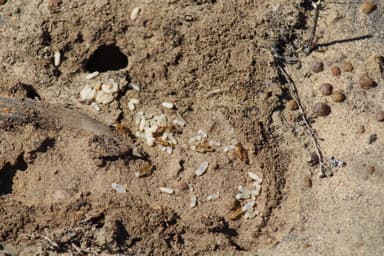
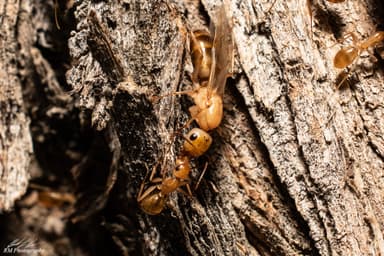
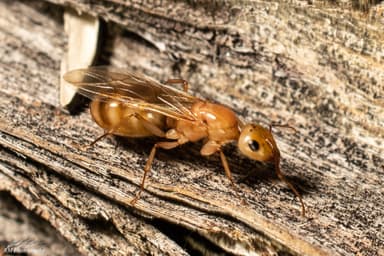
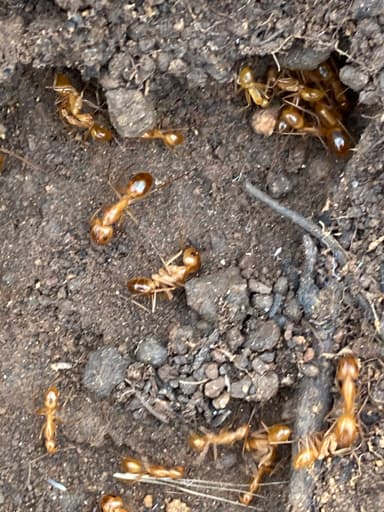
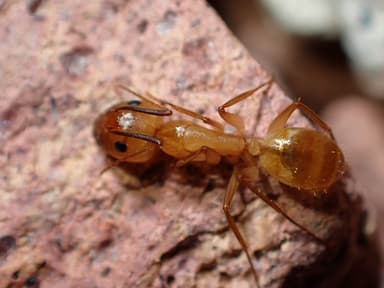
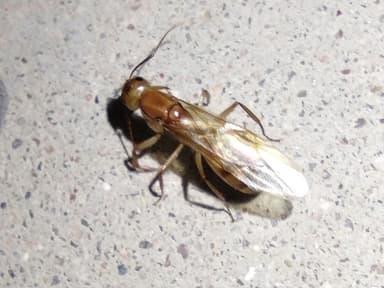
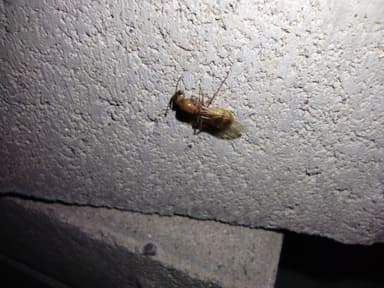
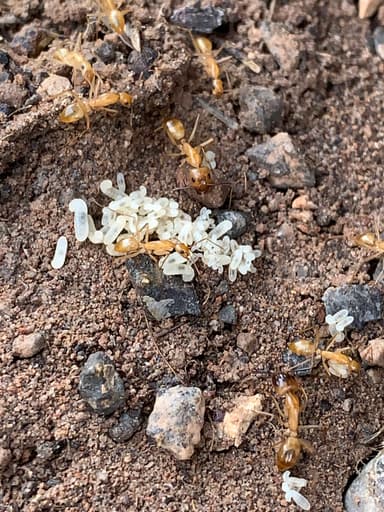
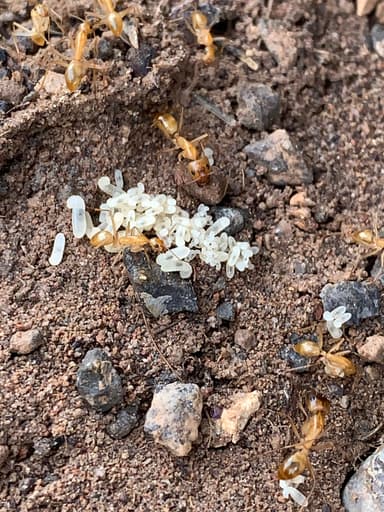
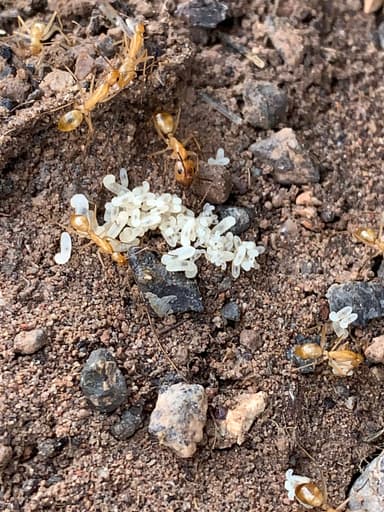
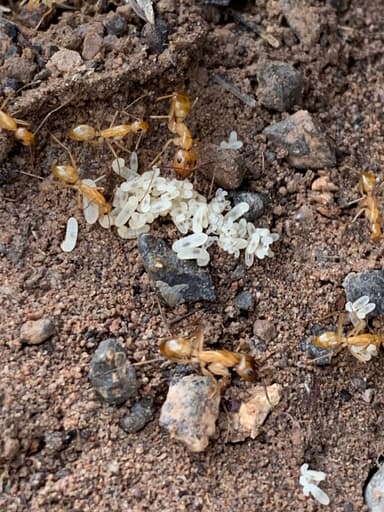
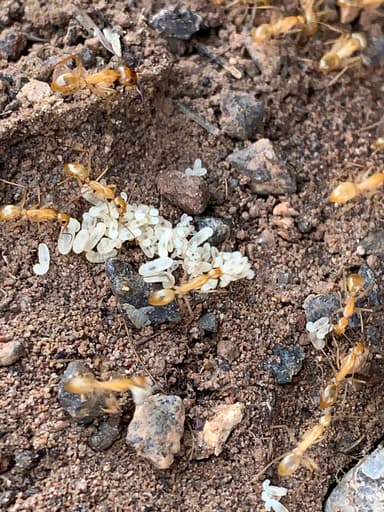
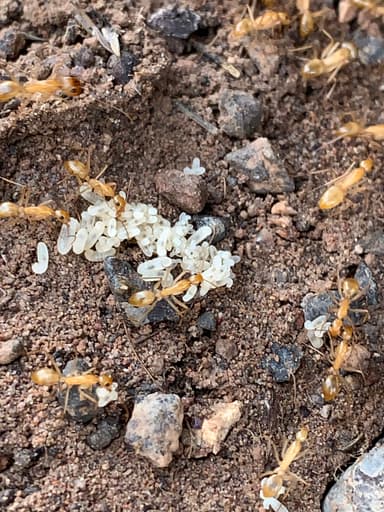
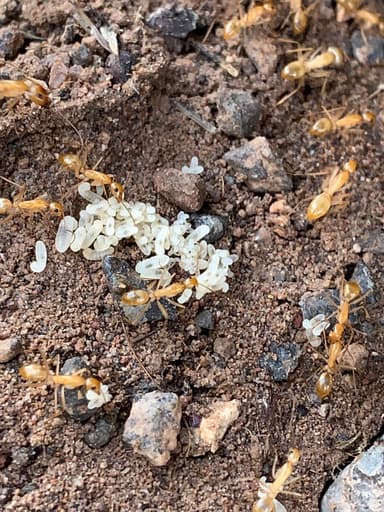
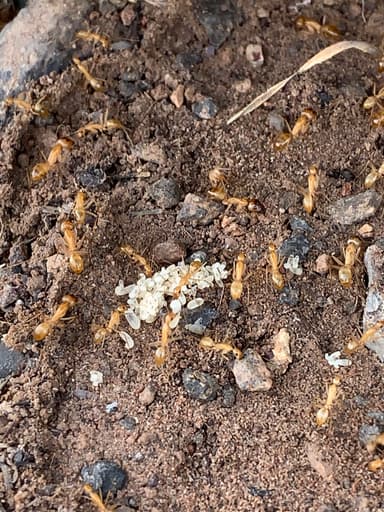
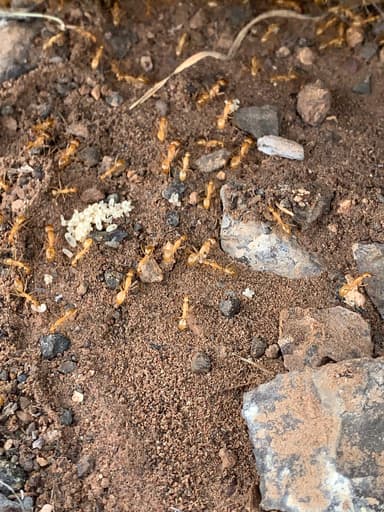
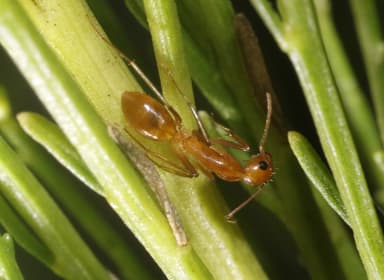
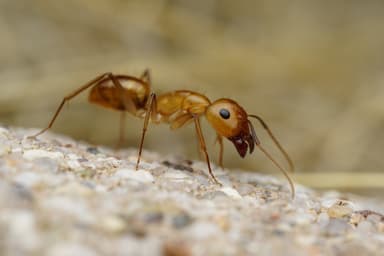
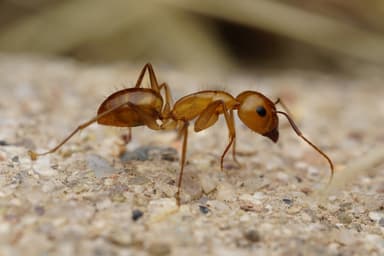
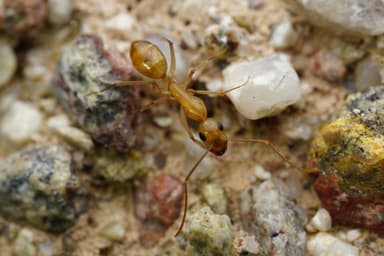
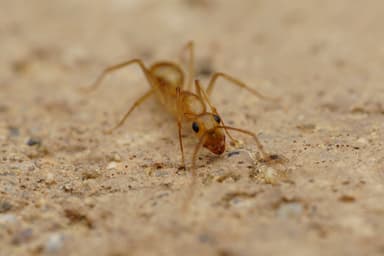
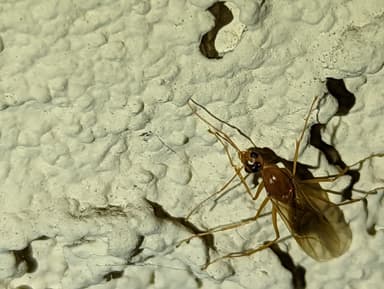
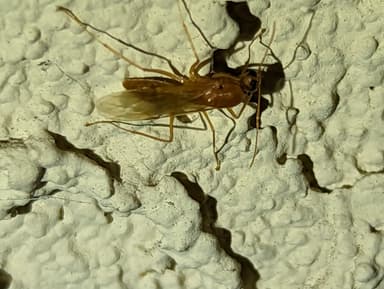
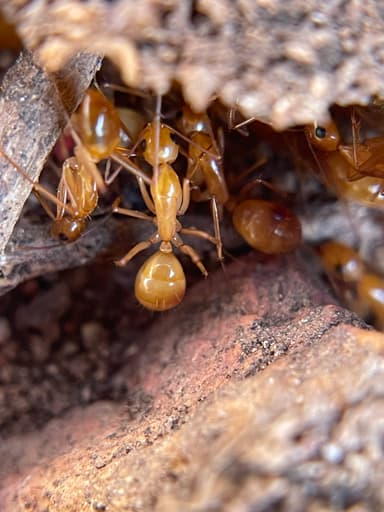
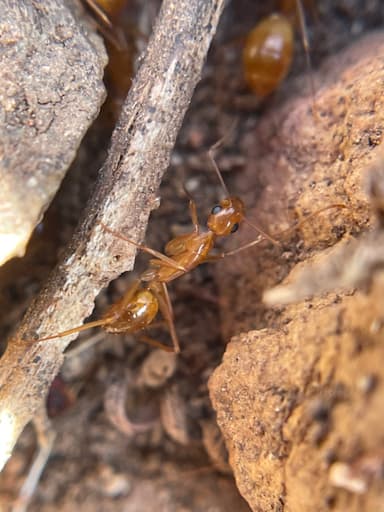
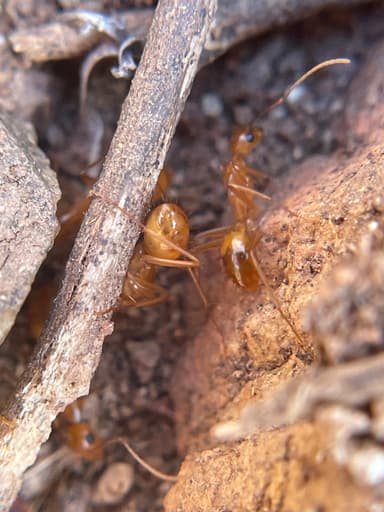
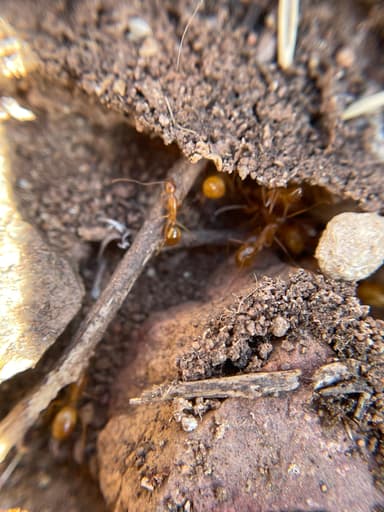
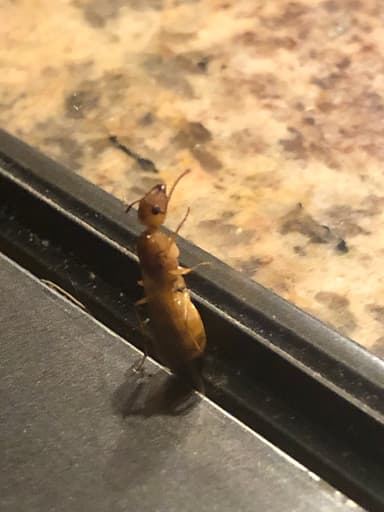
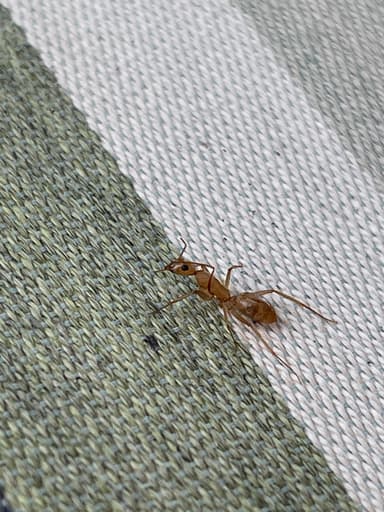
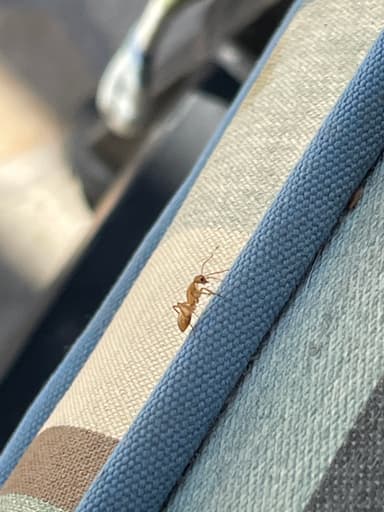
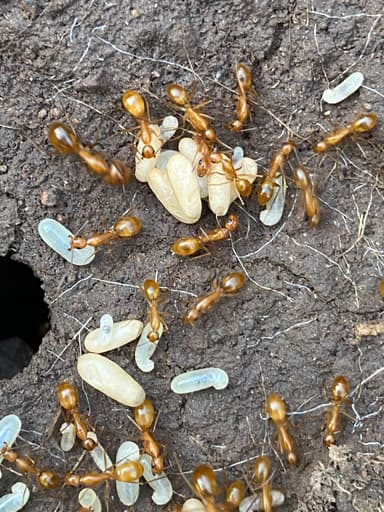
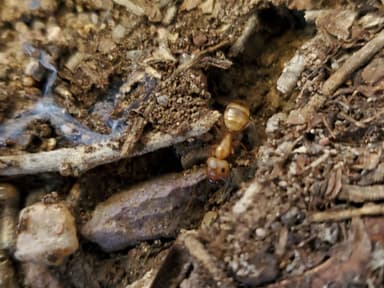
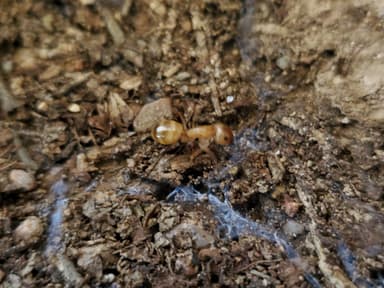
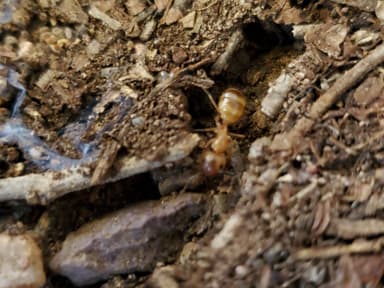
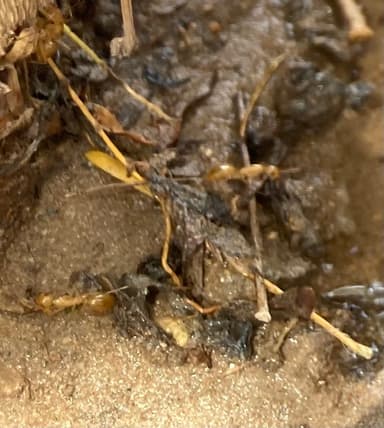
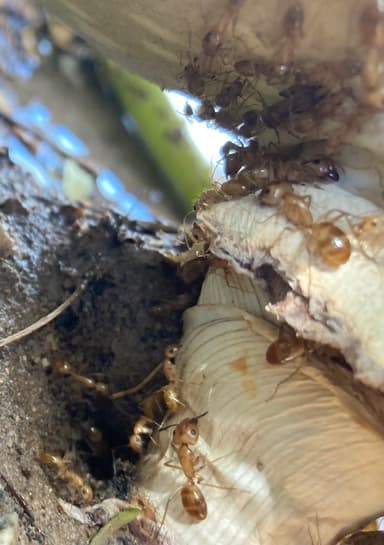
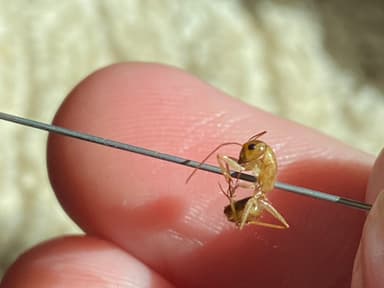
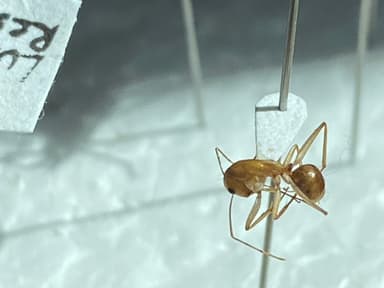
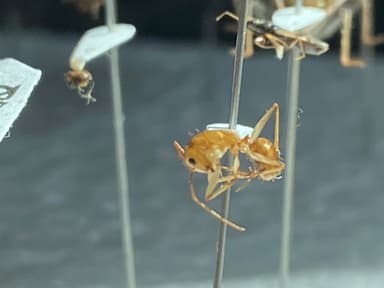
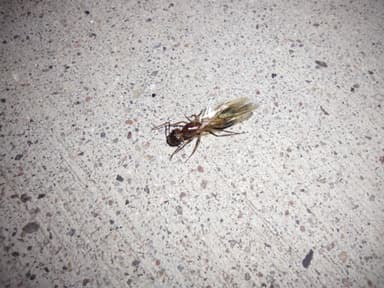
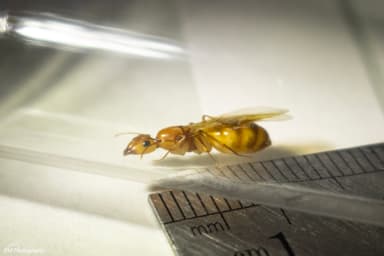
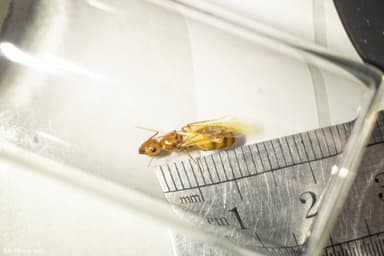
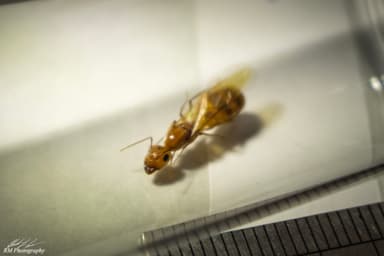
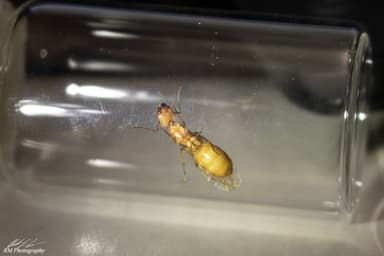
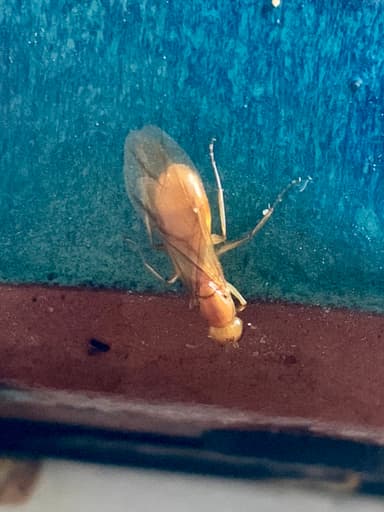
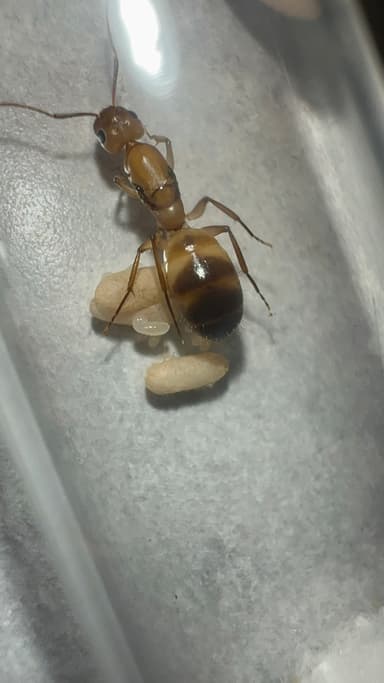
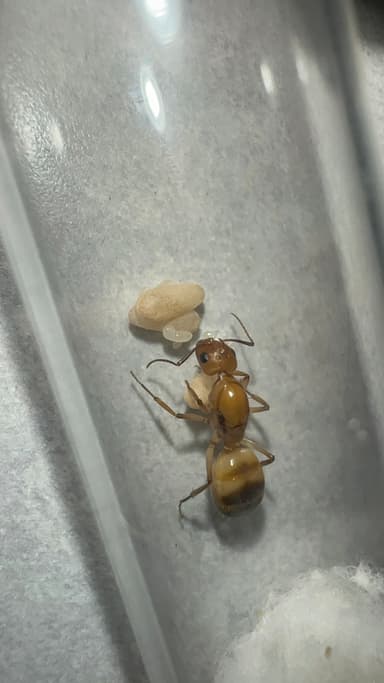
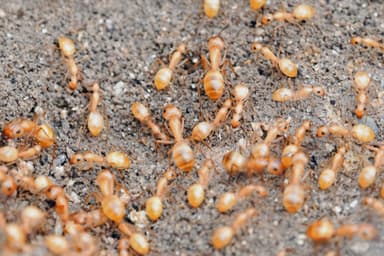
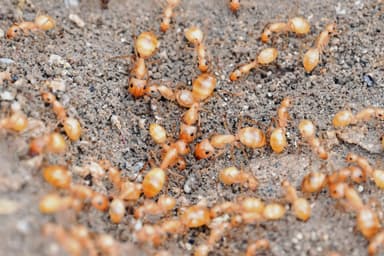
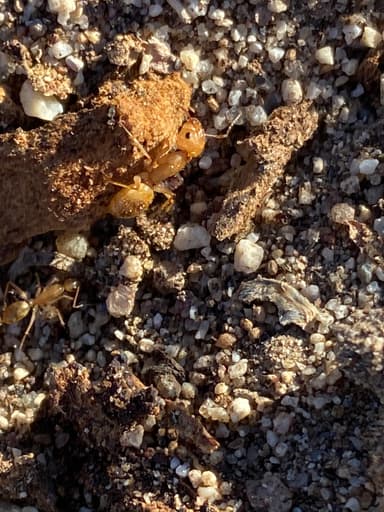
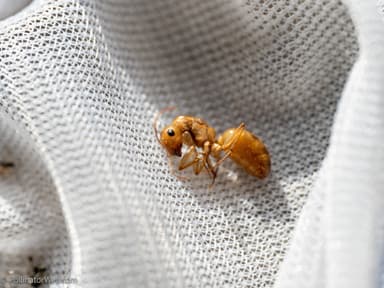
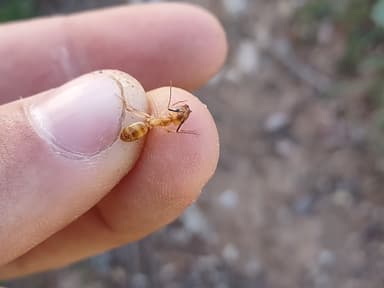
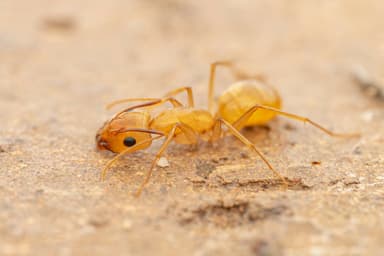
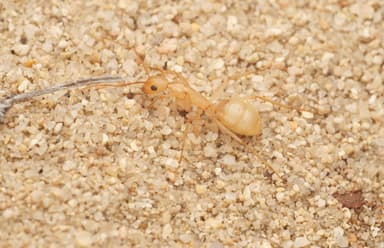
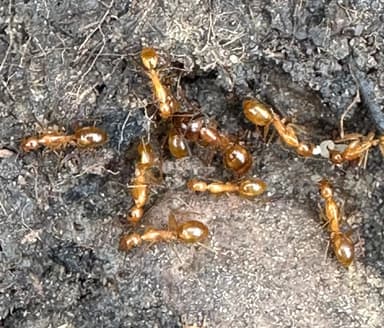
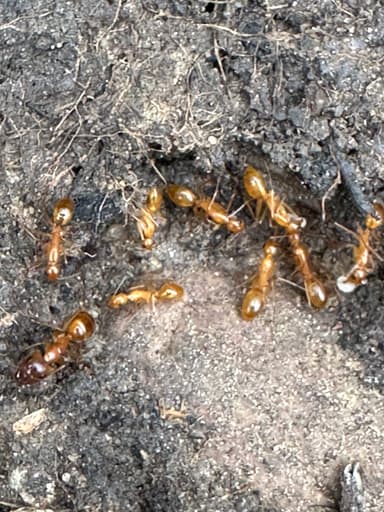
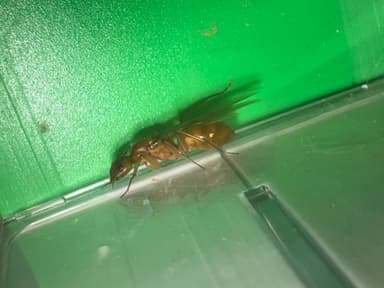
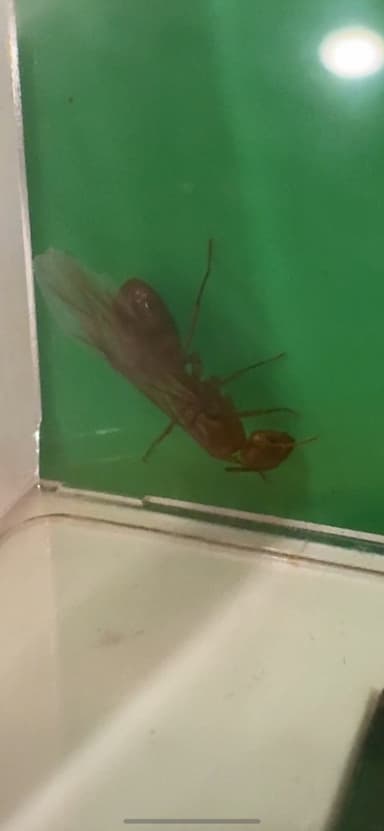
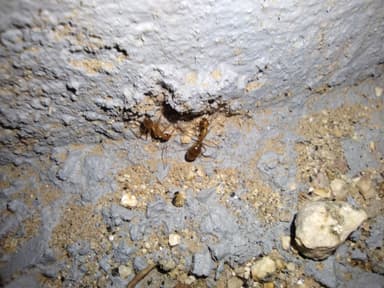
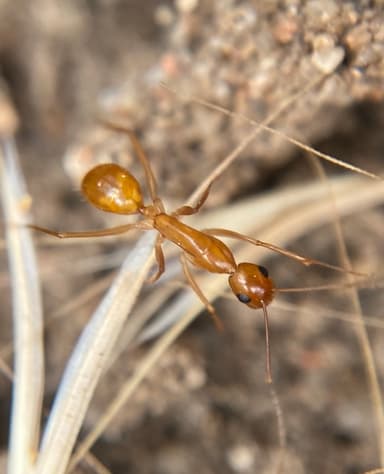
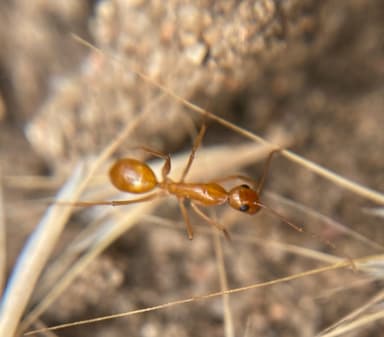
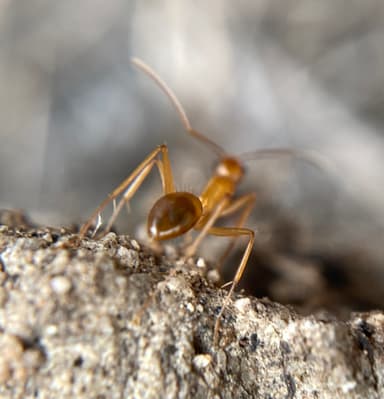
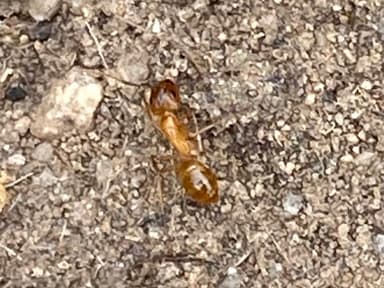
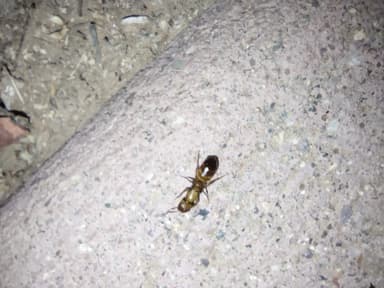
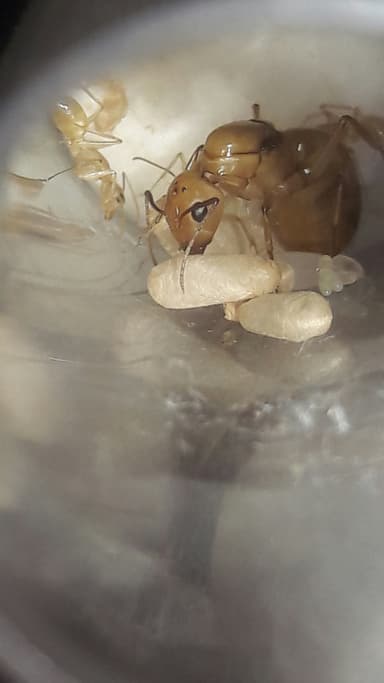
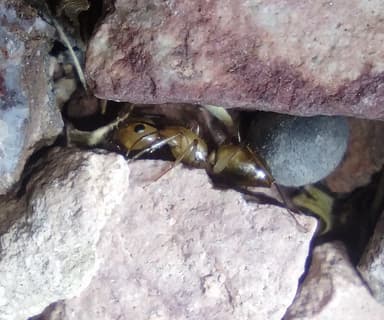
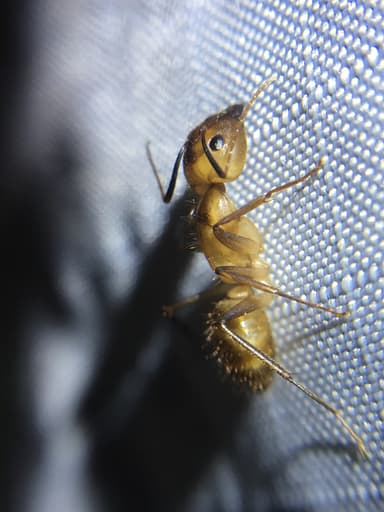
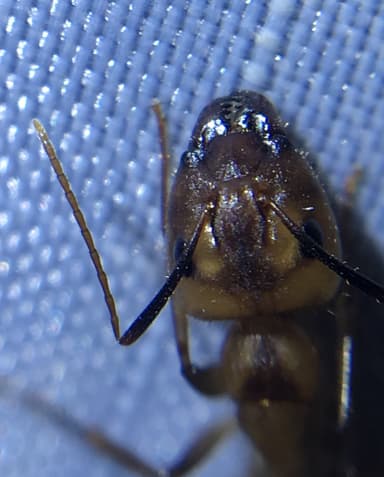
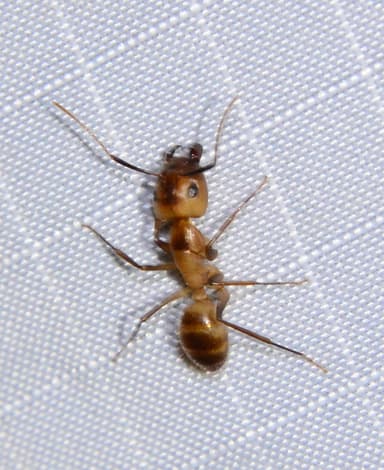
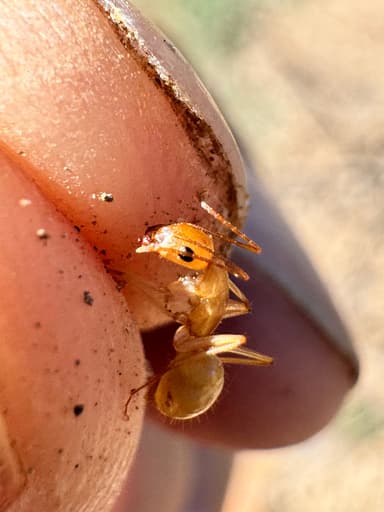
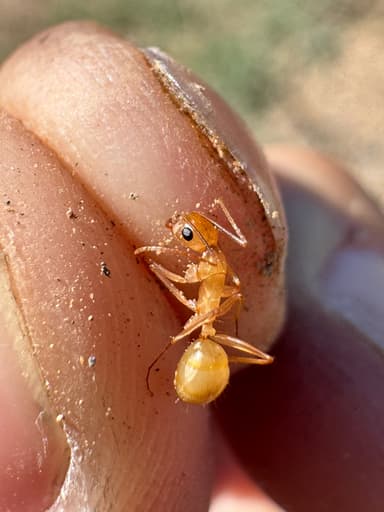
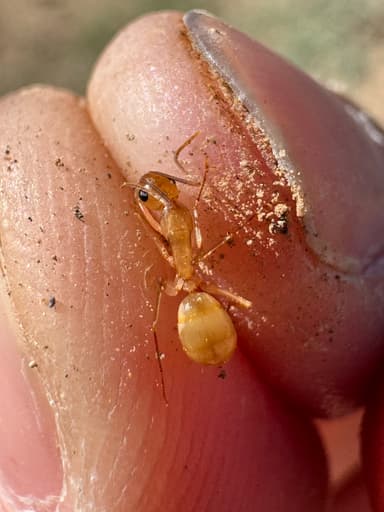
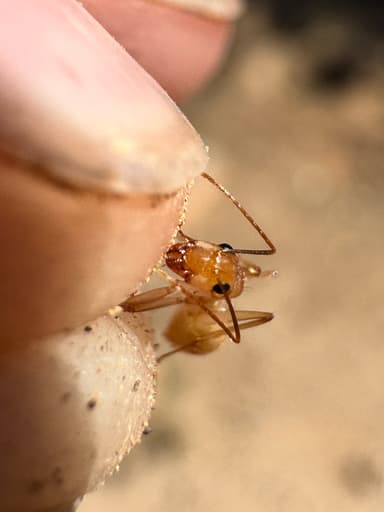
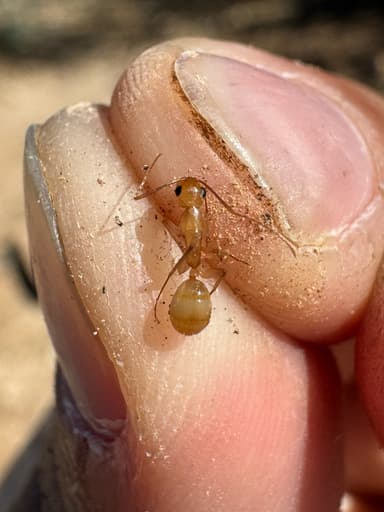
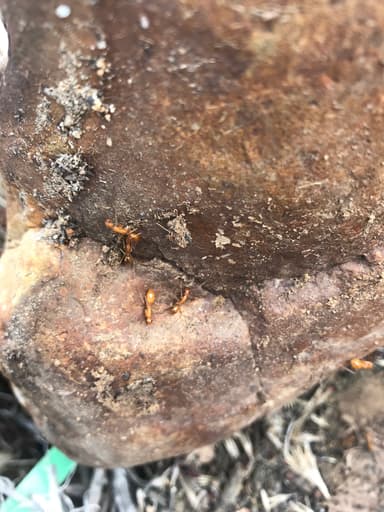
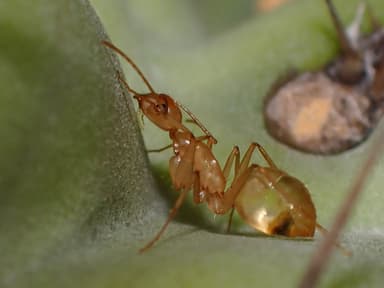
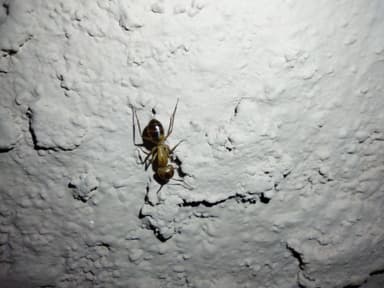
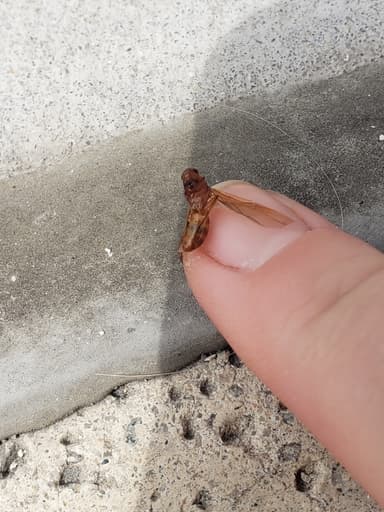
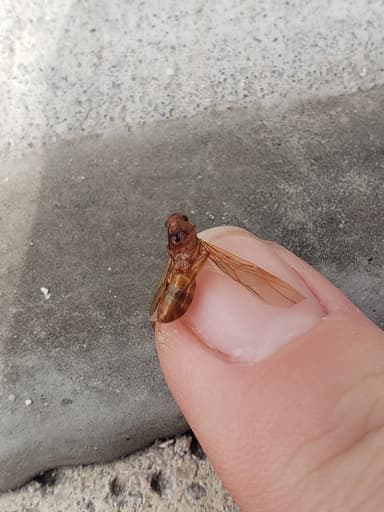
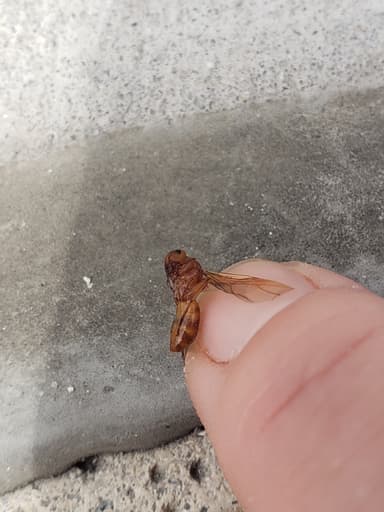
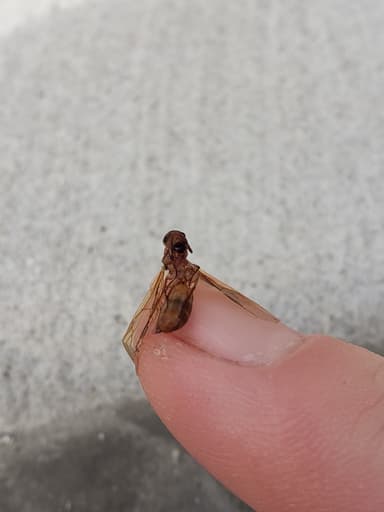
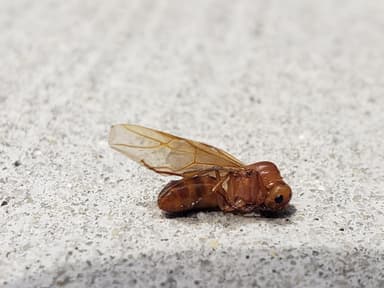
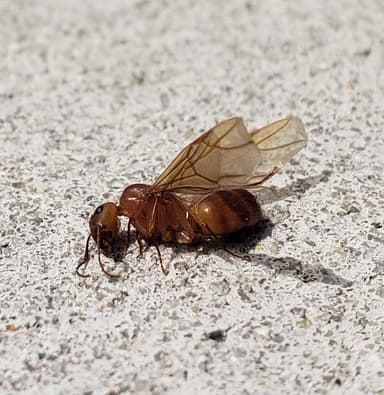
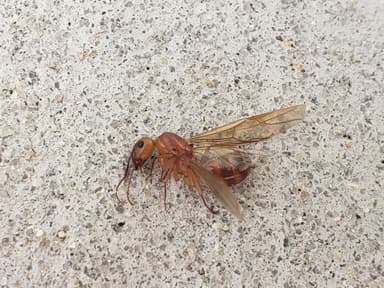
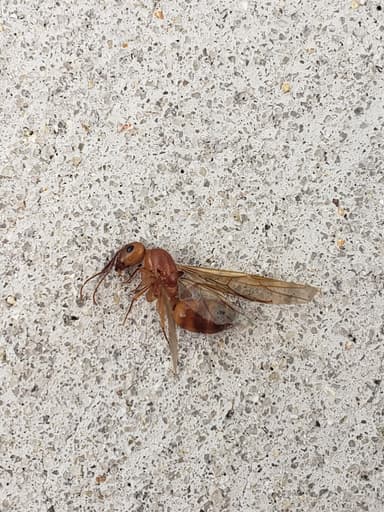
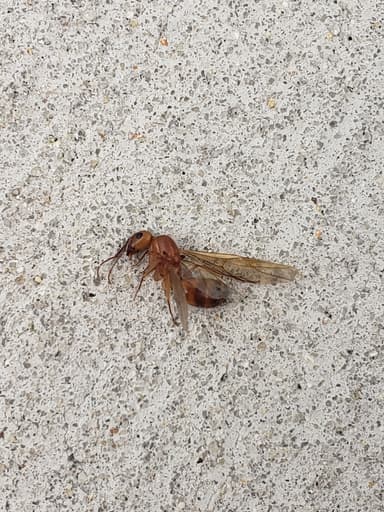
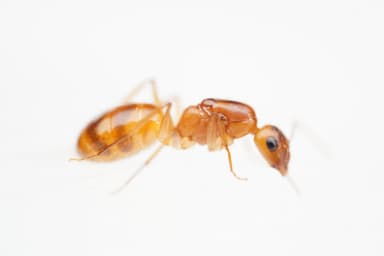
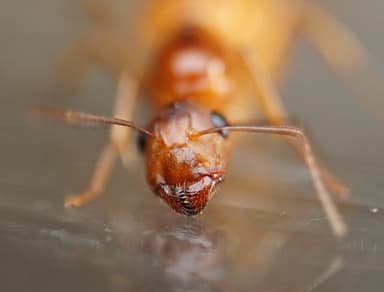
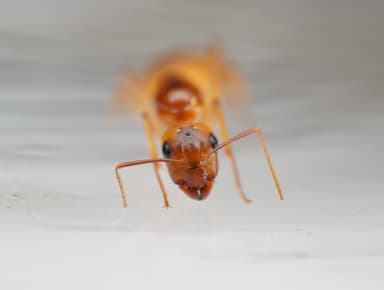
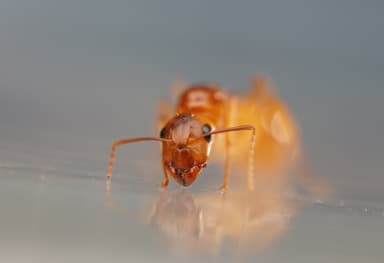
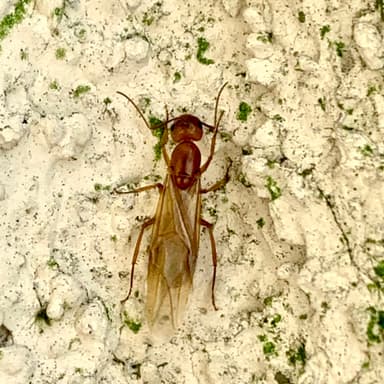
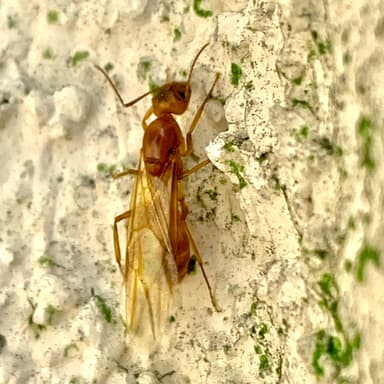
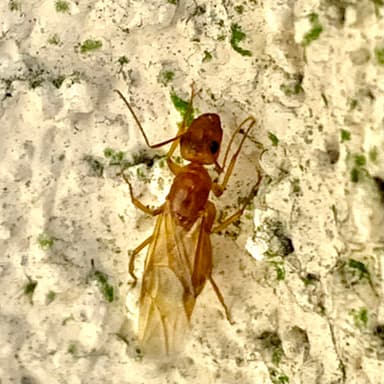
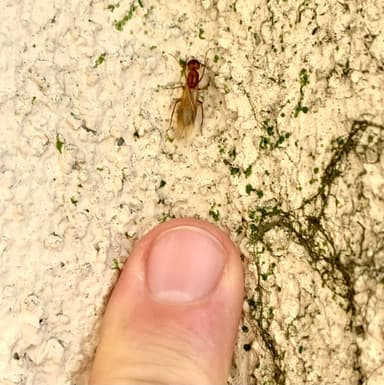
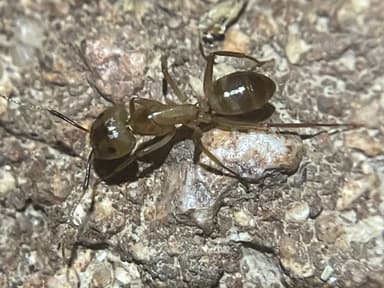
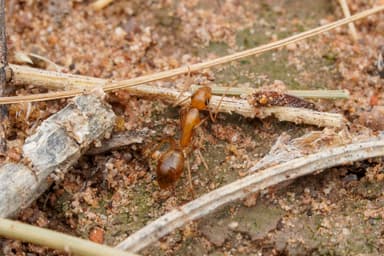
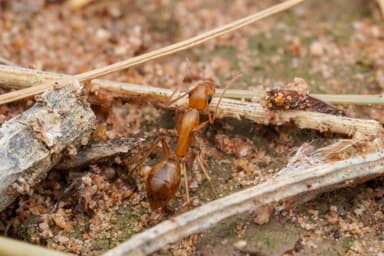
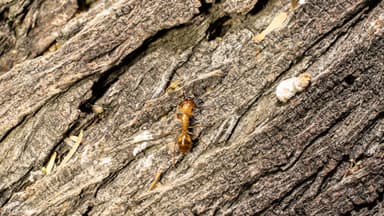
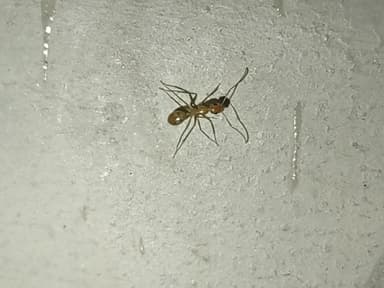
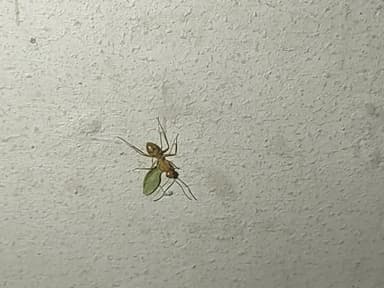
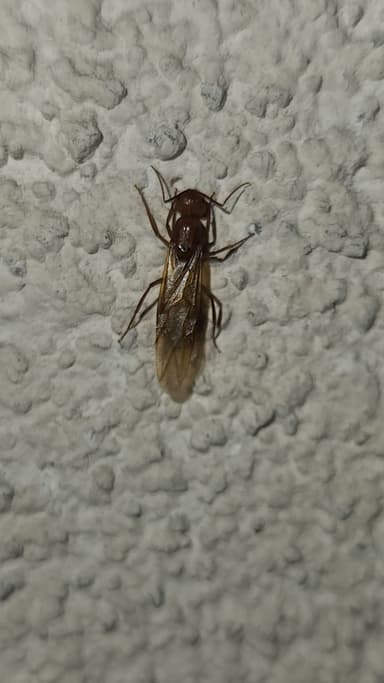
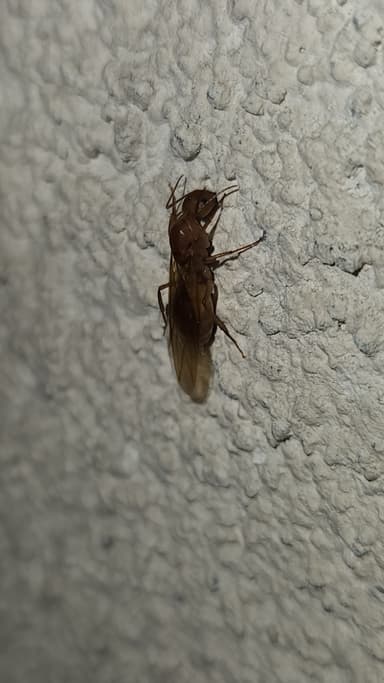
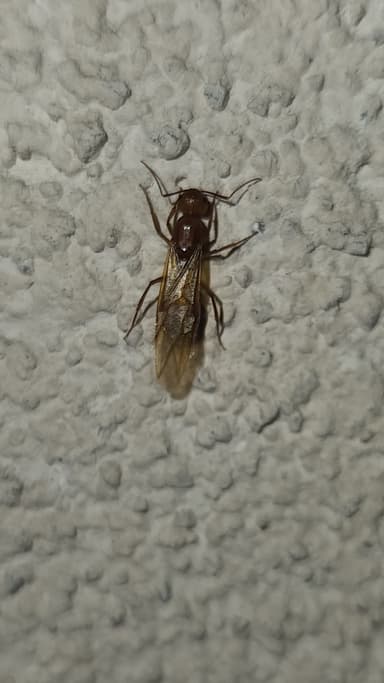
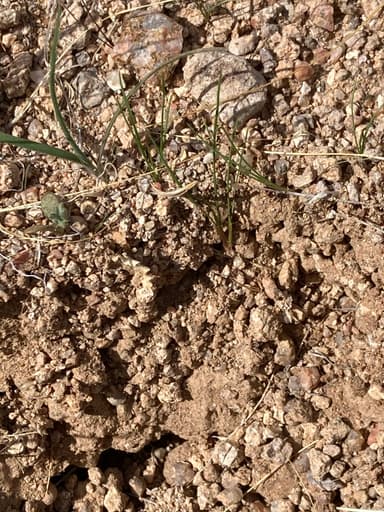
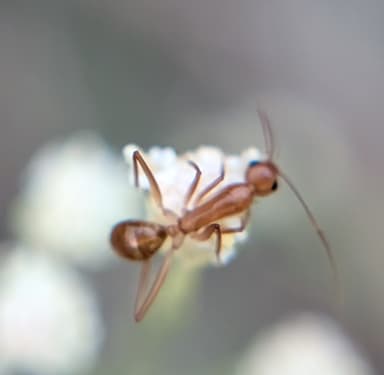
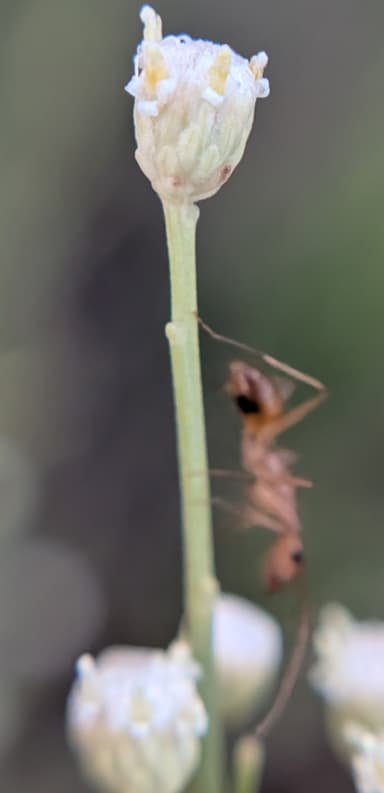
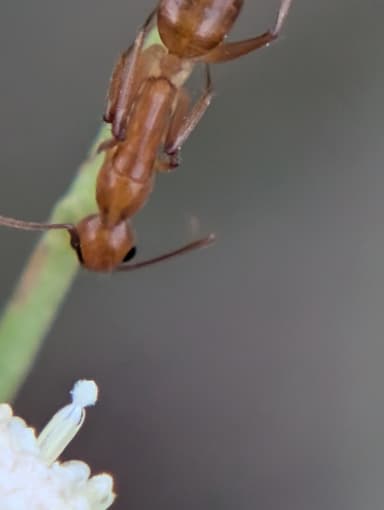
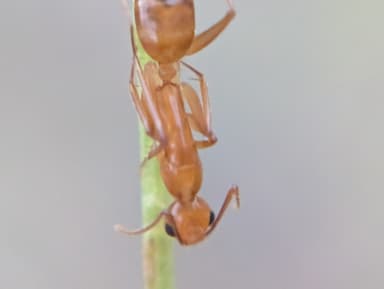
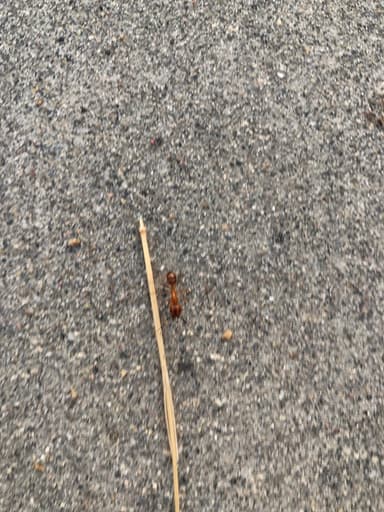
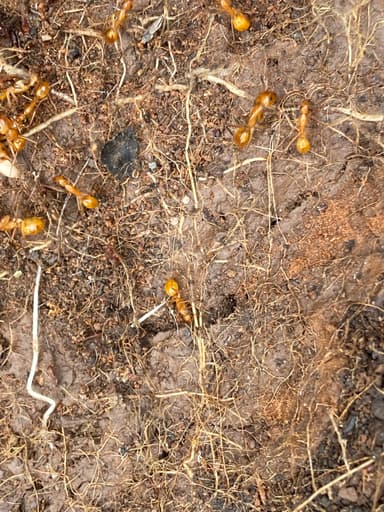
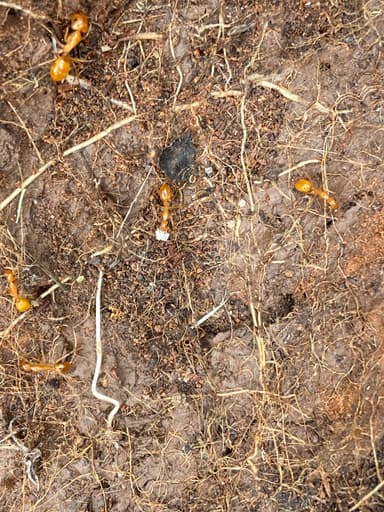
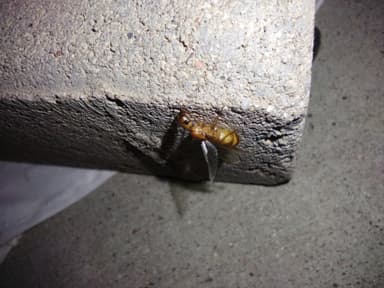
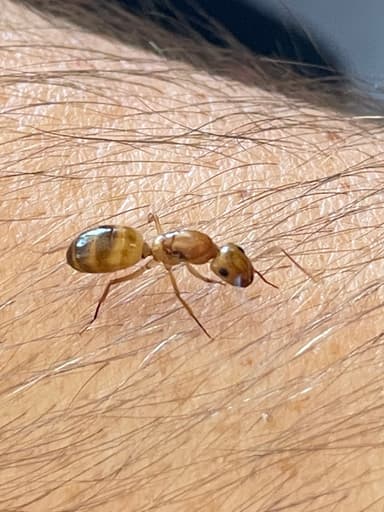
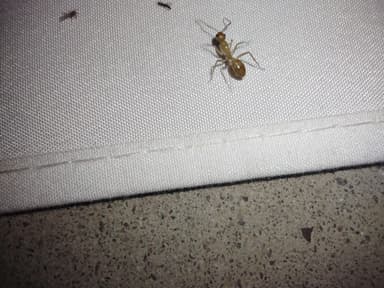
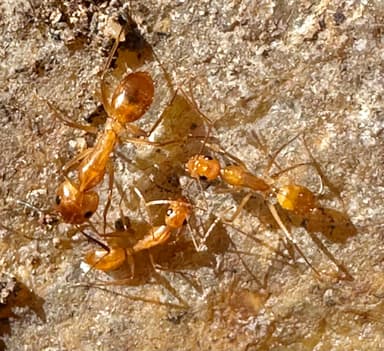
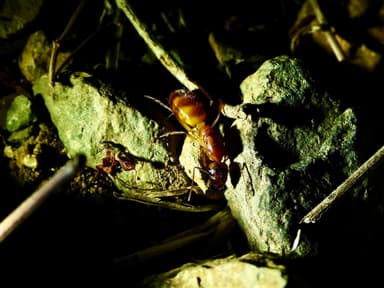
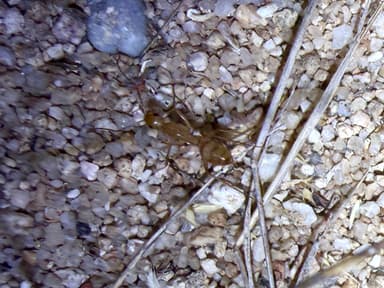
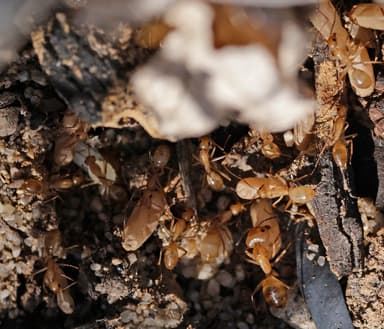
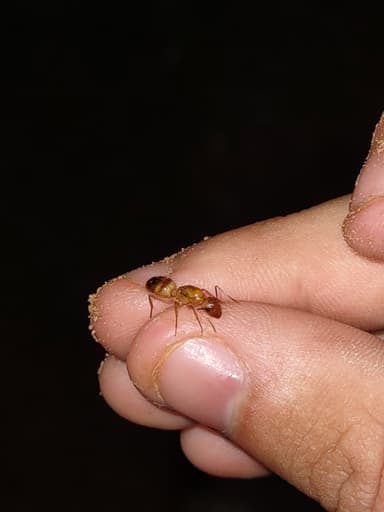
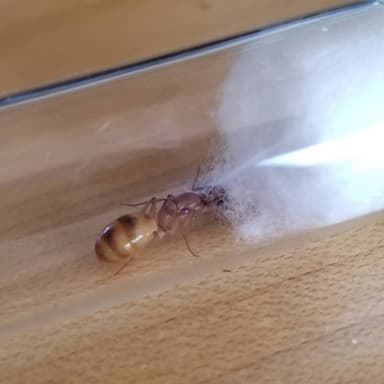
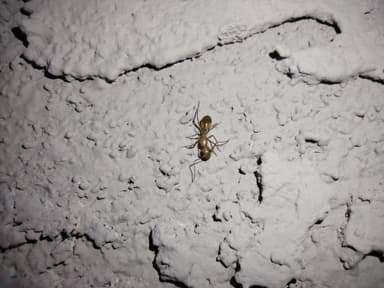
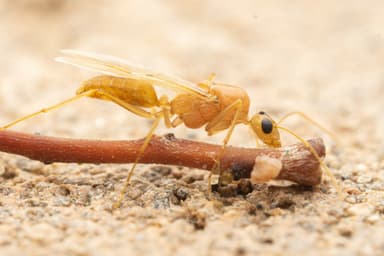
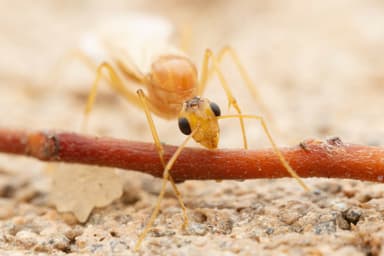
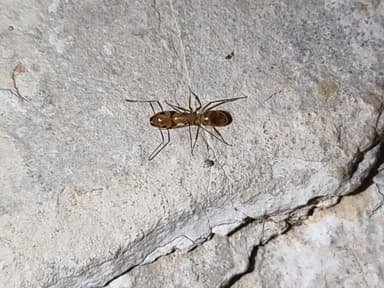
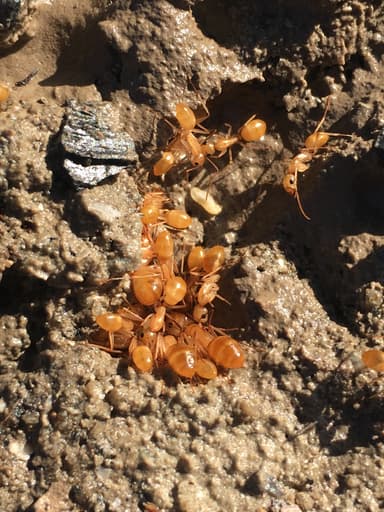
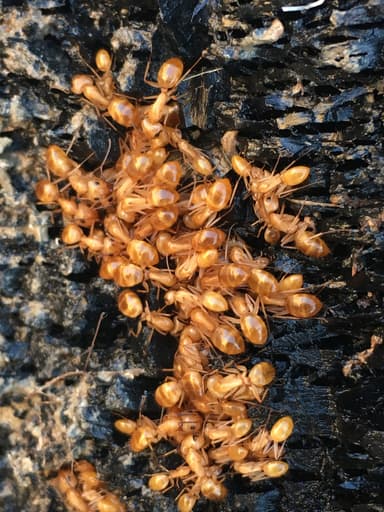
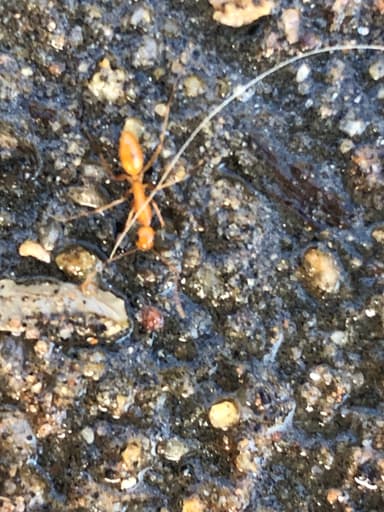
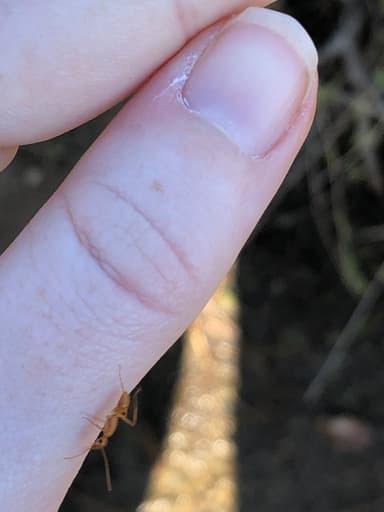
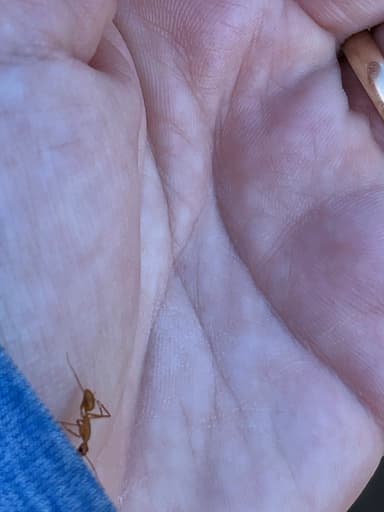
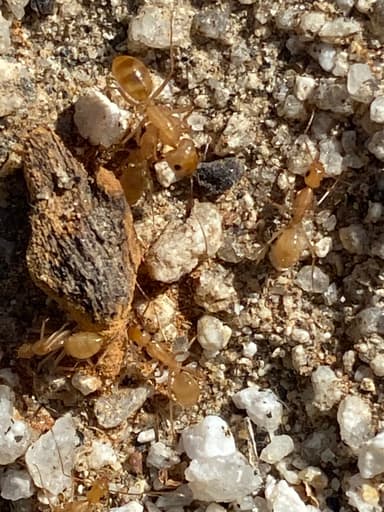
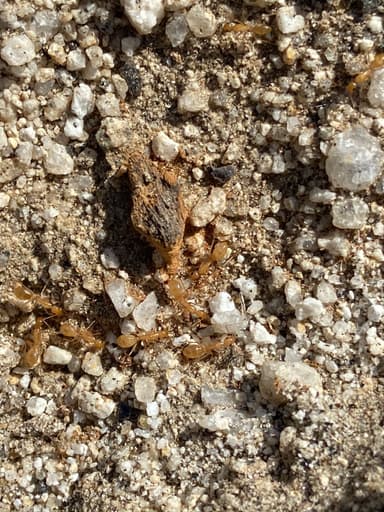
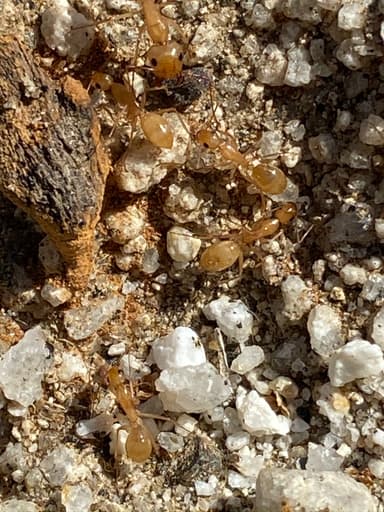
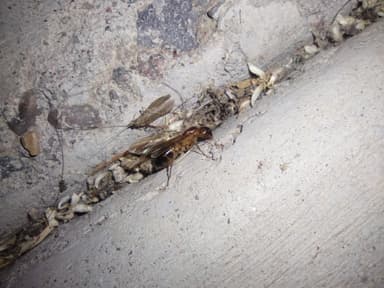
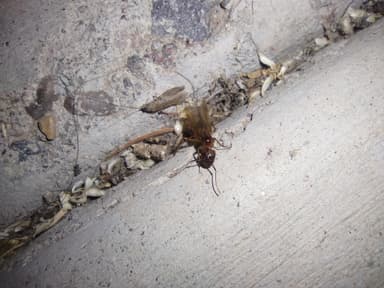
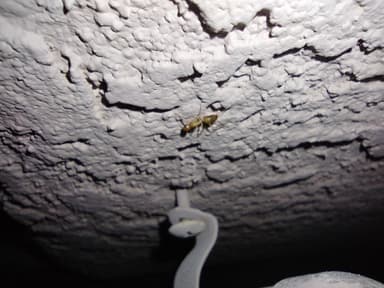
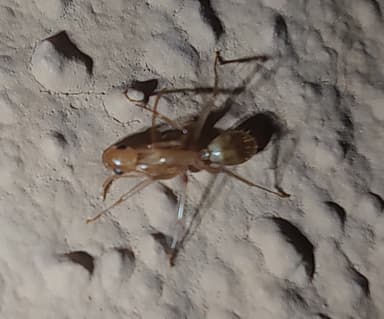
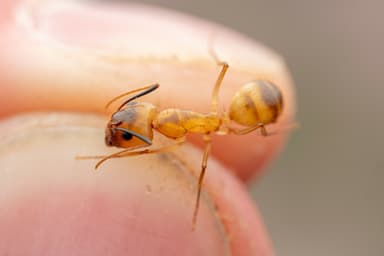
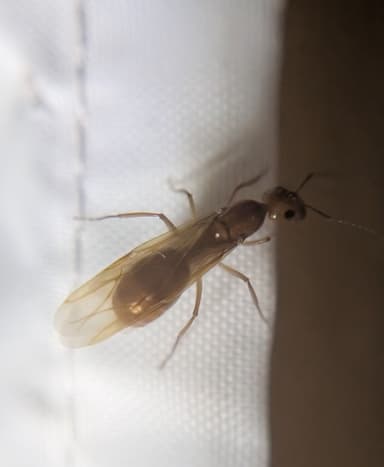
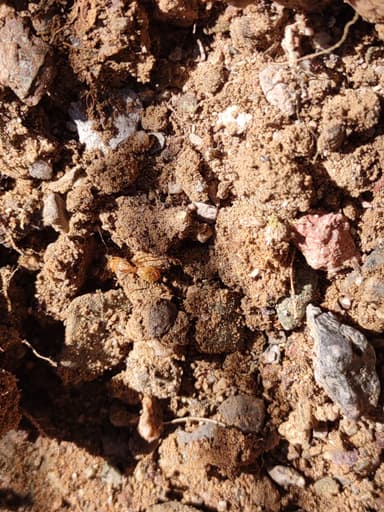
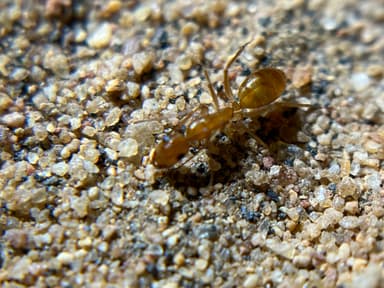
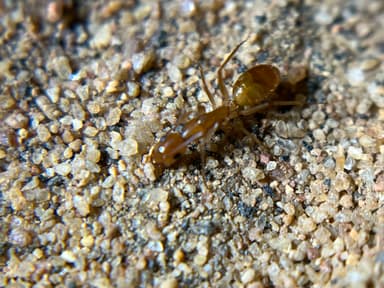
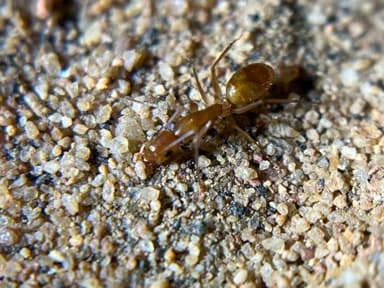
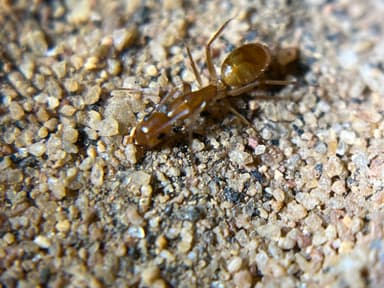
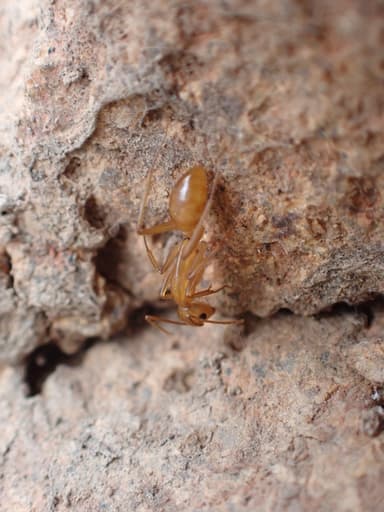
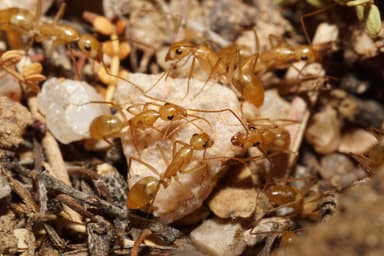
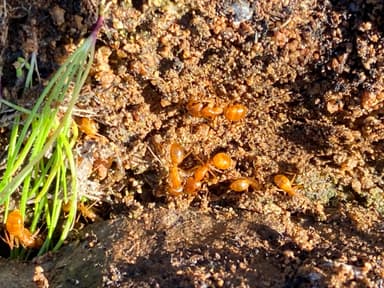
The fragile carpenter ant, Camponotus fragilis, is a denizen of the arid landscapes stretching from the Southwestern United States into Mexico, and its name reflects both a delicate, long-legged build and a swift, almost nervous demeanor that captivates keepers. Queens measure a robust 9 to 11 millimeters, while the polymorphic workers range from tiny 4‑millimeter minors to formidable 9‑millimeter majors, their slender bodies often exhibiting a warm amber head and thorax that transitions to a darker, more heavily sclerotized gaster. This species is a fully claustral founder, and mature colonies can swell to around 10,000 individuals, showcasing a clear division between minor and major worker castes (Mackay & Mackay 2002). What truly sets them apart is their nocturnal rhythm: in the wild, nuptial flights occur on warm, humid nights after the summer monsoon rains of June through August, and the colony remains most active after dusk, making a red‑light observation a uniquely rewarding experience for the ant keeper (Snelling 1988; AntWiki).
*Camponotus fragilis* is an intermediate‑level species, ideally suited to hobbyists who have successfully maintained a founding queen and understand the nuances of arid‑adapted ants. They are not overly demanding, but they do require a precise imitation of their desert ecology — a challenge that can frustrate absolute beginners. Because these ants hail from regions where daytime temperatures soar and night‑time humidity rises modestly, they are sensitive to stagnant, overly moist conditions, yet they also need a reliable water source. If you have experience managing humidity gradients in formicaria and are comfortable with implementing a proper winter diapause, you will find them a resilient and endlessly fascinating colony.
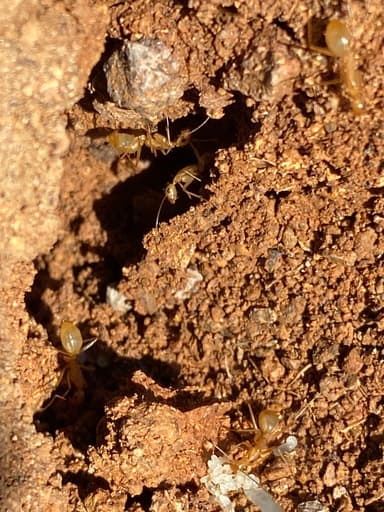
Housing must replicate the dry, subterranean retreats this species favors, typically under rocks or in the dessicated heartwood of desert shrubs. A ytong, plaster, or 3D‑printed nest that balances ventilation and moisture retention works well; a humidity chamber on one side can create a desirable gradient, while the main nesting area should rest between 40 and 60 percent relative humidity. Temperatures should be regulated with a gentle heat mat or cable, maintaining 22 to 30 degrees Celsius, with a slight drop at night that mirrors their native diurnal cycle. The outworld benefits from a sand‑clay substrate, scattered pebbles, and a piece of cork bark to serve as a staging area for foraging. Crucially, never let the nest become saturated — C. fragilis workers are susceptible to fungal infections if condensation builds, so precise airflow is your best defense.
A balanced diet for Camponotus fragilis leans heavily on carbohydrates to fuel their energetic majors, but steady protein is essential for brood development. Offer a liquid sugar source — diluted honey, maple syrup, or a commercial ant nectar — replenished every two to three days, taking care not to let it ferment. For protein, provide freshly killed or pre‑frozen crickets, fruit flies, or mealworm segments, sized according to the colony’s appetite; a small founding colony may only take a single cut‑up fruit fly per week, while a mature colony of a few thousand workers will eagerly consume several crickets daily. Always remove uneaten prey after 24 hours to prevent mold. Water is best supplied through a test‑tube drinker or a small sponge in a dish — open water will drown the awkward, long‑legged workers.
Unlike some tropical Camponotus, C. fragilis requires a true hibernation period. In their native range, winter temperatures dip to around 15 degrees Celsius, and without a 10- to 14‑week diapause, the queen will prematurely exhaust her reserves, leading to brood cessation and eventual colony decline. Starting in November, gradually lower the temperature to a steady 15°C, and keep the nest dark and undisturbed; a wine cooler or a cool basement spot works well. Do not feed during this time, but ensure a water source remains as the ants will occasionally rouse to drink. When spring arrives, warm them slowly back to the active range, and offer a small droplet of sugar water before reintroducing protein — this mimics the after‑winter flush of nectar and triggers egg‑laying.
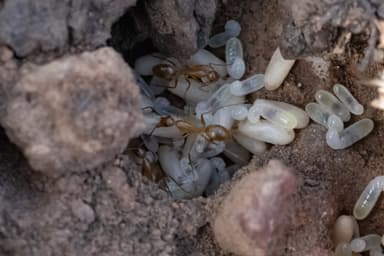
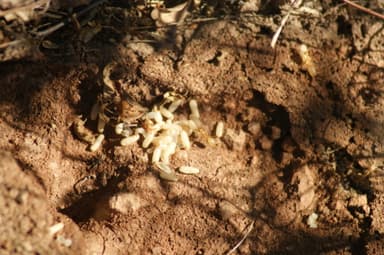
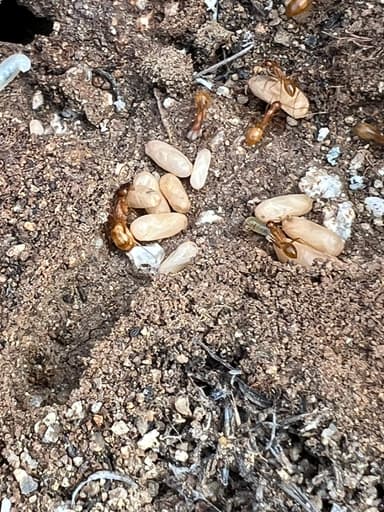
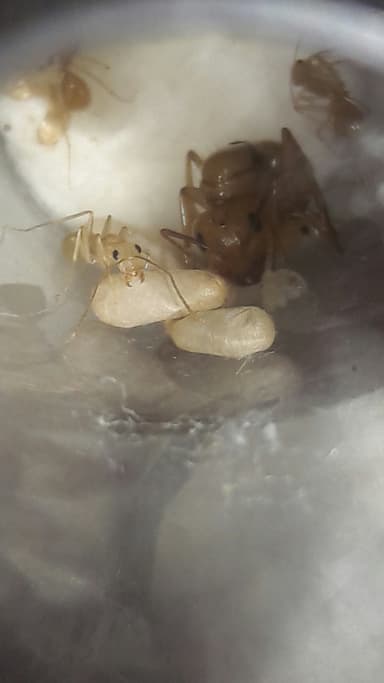
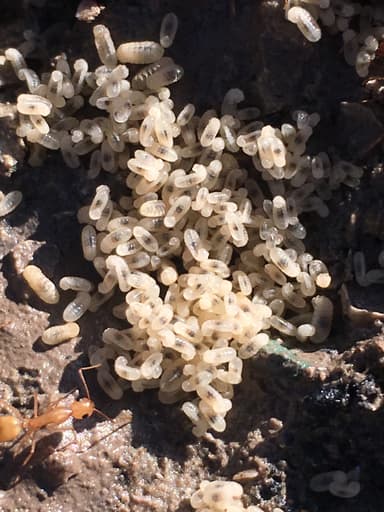
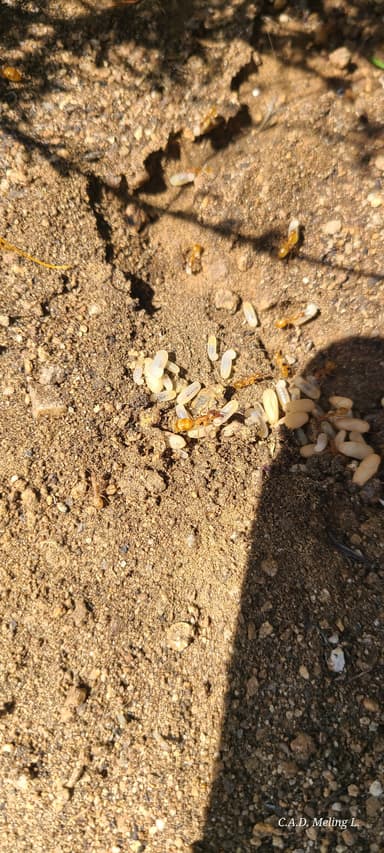
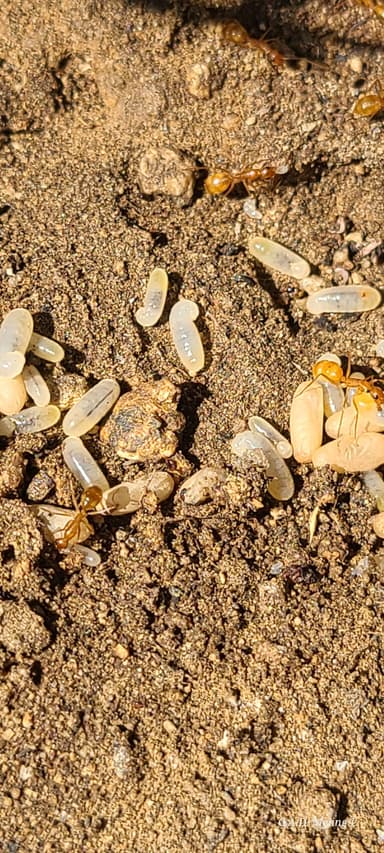
The first days after purchasing a Camponotus fragilis queen or small colony are a quiet test of patience. Place the test tube or founding chamber in a dark, vibration‑free area, and resist the urge to check on them more than once every 72 hours. After the initial 24‑hour settling period, you may offer the tiniest pinhead‑sized dab of sugar water on a slip of wax paper; if the queen or workers ignore it, remove it promptly to avoid spoilage. A first protein meal — half a pupal fruit fly, for example — can be introduced around day four, but only if the colony shows active foraging behavior. Watch closely for signs of stress: a queen that obsessively chews the cotton plug or workers that pace incessantly may be signaling poor humidity or temperature. With calm, predictable conditions, you will soon see the first pale, hook‑shaped larvae, a sure sign that your fragile carpenter ants are settling in for a long and productive life.