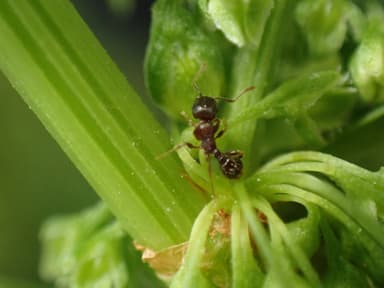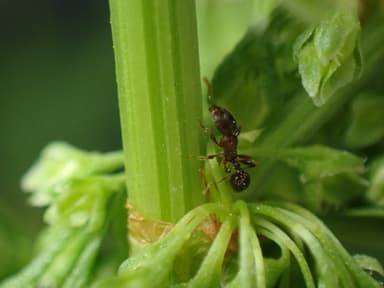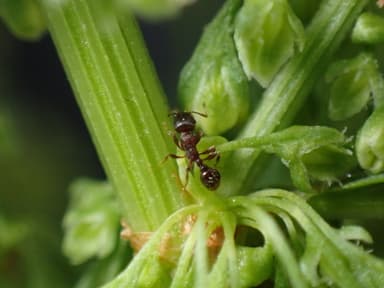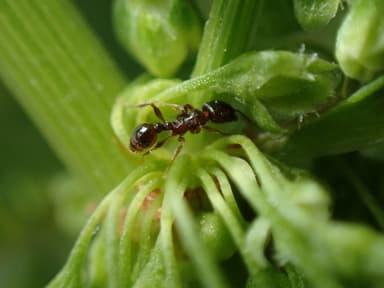
Tetramorium
Tetramorium tsushimae
Care Guide
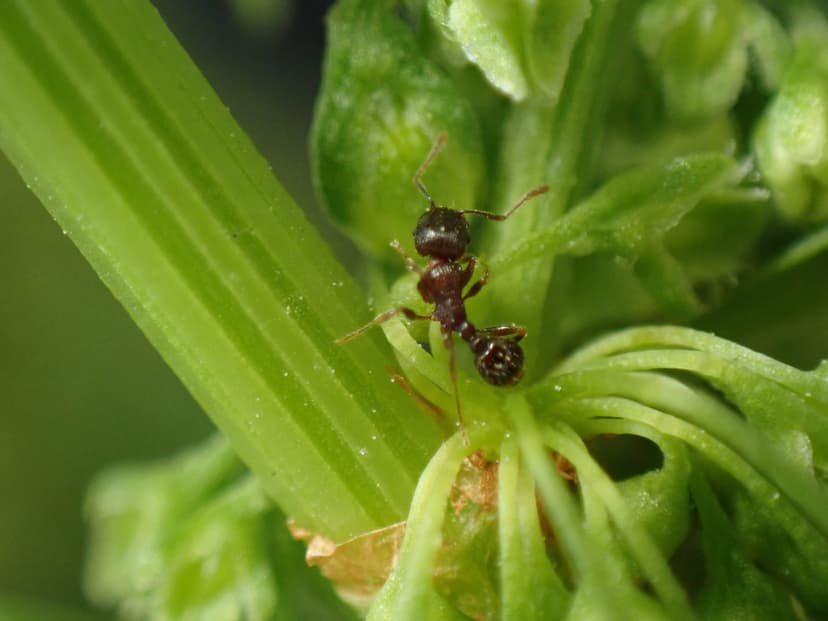
Tetramorium tsushimae, often called the Japanese pavement ant, is a hardy and adaptable species that has become a favorite among beginner ant keepers for its resilience and fast colony growth. The queen measures between five and six millimeters, while workers are smaller, ranging from two and a half to three and a half millimeters. Unlike some species that show obvious physical differences between workers, Tetramorium tsushimae is monomorphic — all workers are roughly the same size. What they lack in size variation, however, they make up for in sheer numbers and energetic activity. A mature colony can contain between two thousand and ten thousand workers, creating a bustling, highly visible community that is a delight to observe.
The diet of Tetramorium tsushimae is typical of many generalist ants. They are enthusiastic hunters of small insects such as fruit flies, mealworms, and crickets, and they will also readily accept sugar water or honeydew as a carbohydrate source. This balanced feeding regime is simple to maintain, making daily care straightforward. Their foraging behavior is bold and efficient — workers will quickly discover and exploit any food source placed near the nest, forming neat trails that can be fascinating to watch.
Care difficulty
Keeping Tetramorium tsushimae is very easy, making them an ideal choice for anyone new to ant keeping. They tolerate a wide range of conditions and are forgiving of minor mistakes. The recommended temperature range is between twenty and twenty-eight degrees Celsius, and a humidity level of forty to sixty percent suits them well. One important requirement is a genuine hibernation period: the colony should be gradually cooled to around eight degrees Celsius for a few months each winter. This rest period is essential for the queen’s long-term health and for normal brood production in the spring.
Housing
A simple formicarium with a connected arena is sufficient for this species. Because colonies can grow into the thousands, providing ample nesting space is advisable from the start. Tetramorium tsushimae is not particularly sensitive to vibrations or light once established, but like all ants, they appreciate a quiet spot during the early stages. The nest area should be kept moderately moist, especially in the brood chamber, though the ants will often regulate humidity themselves by moving brood to drier or wetter zones.
First days after purchase
When your Tetramorium tsushimae colony arrives, transfer them into their new formicarium as gently as possible and place the setup in a calm, dimly lit location. Resist the urge to disturb them frequently during the first few days. Offer a small drop of sugar water and a tiny insect, and ensure the nest has access to a clean water source. Within a week, the ants should settle in and begin exploring the arena. Once you see workers foraging confidently, you can gradually introduce a more varied diet and start enjoying the lively daily activity of this wonderfully undemanding species.