Myrmecocystus
Myrmecocystus semirufus
Nuptial Flight Calendar
Care Guide
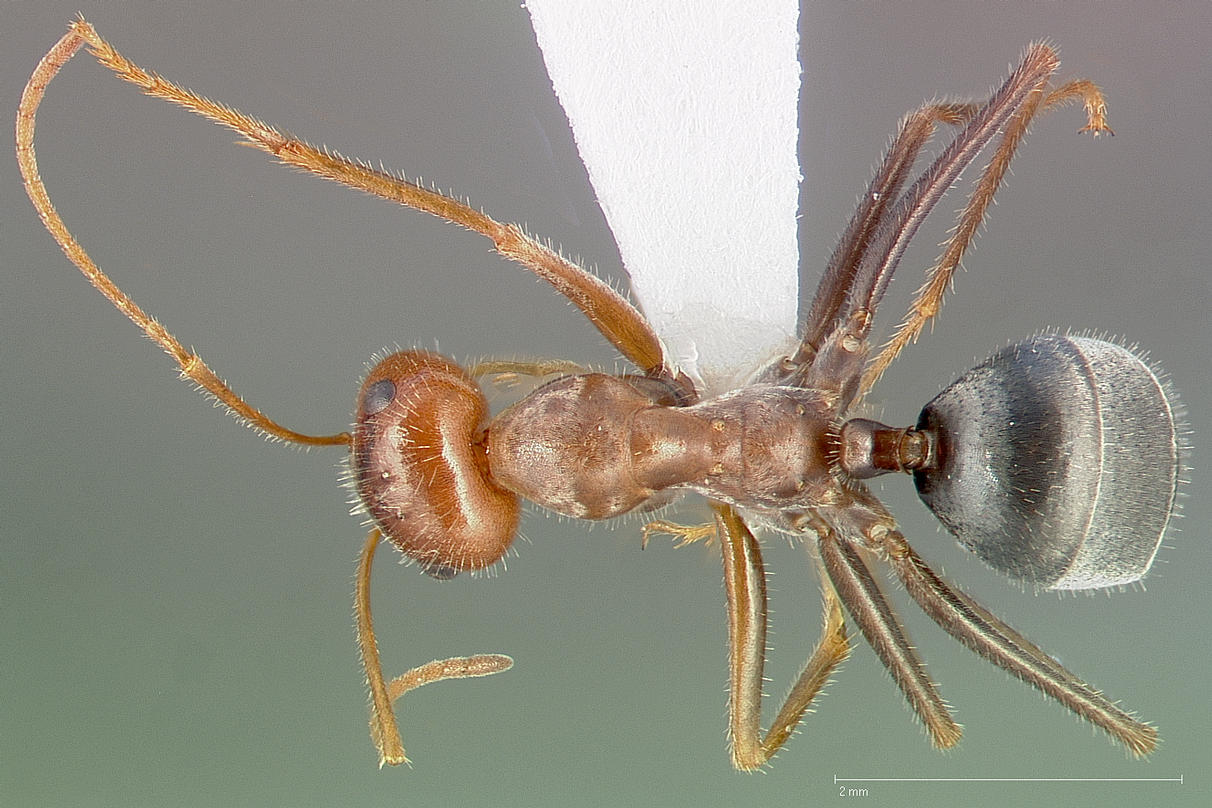
Myrmecocystus semirufus is a striking desert honeypot ant species, renowned for the development of specialized workers called repletes. These living storage vessels hang from the nest ceiling, their gasters swollen to the size of small peas with sugary nectar, serving as the colony’s larder during dry spells. The queen, a robust 10–13 mm long, founds the colony claustrally, raising the first generation of workers entirely on her own metabolic reserves. Workers range from 4–10 mm and exhibit subtle size variation, but the most dramatic polymorphism appears in the replete caste — typically larger individuals that never leave the nest, their abdomens distended with translucent fluids.
The diet of Myrmecocystus semirufus reflects their honey-storing lifestyle. They thrive on sugar water or diluted honey, which workers rapidly convert into thick droplets for repletes to store. Protein in the form of small insects — fruit flies, crickets, or mealworms — is equally important for brood development. Unlike many other ants, they rarely accept seeds or solid carbohydrates. A constant, reliable source of liquid sugar is the single most critical factor in keeping this species healthy and active.
Care difficulty
Keeping Myrmecocystus semirufus is considered advanced due to their specialized requirements. The nest must be kept warm — between 24 and 32°C — with a distinct dry zone. Humidity should be low, around 30–50%, mimicking their arid natural habitat; overly damp conditions quickly lead to mold and colony stress. These ants are also highly sensitive to vibrations and sudden changes in temperature, making them better suited for experienced keepers who can provide stable conditions.
Housing
A formicarium with a spacious outworld and a nest that allows for dry, well-ventilated chambers is essential. The nest should include a vertical element — repletes prefer to hang from the ceiling, so a design with tall chambers or hanging substrate works best. Heating cables or mats applied to one side create a thermal gradient, allowing the ants to choose their preferred temperature. The outworld must offer a source of sugar water (in a test tube feeder or dish) and a separate water supply. Cleanliness is paramount: leftover insect parts and spilled sugar water should be removed promptly to prevent mold, which can decimate a honeypot colony.
First days after purchase
Upon receiving your Myrmecocystus semirufus colony, place the formicarium in a quiet, dimly lit location and let the ants settle undisturbed for at least 24 hours. Check that the nest has adequate heat — a temperature of around 28°C is ideal for initial acclimation. Offer a droplet of sugar water near the entrance and a small insect piece, but do not overcrowd the outworld with food. Observe from a distance to see if the ants begin foraging and storing liquid. Minimize light exposure, as these desert ants are naturally photophobic and will retreat if kept too bright. With patience and stable care, you will soon witness the fascinating transformation of workers into glistening living honey pots — a true marvel of ant keeping.