Lasius
Lasius murphyi
Nuptial Flight Calendar
Care Guide
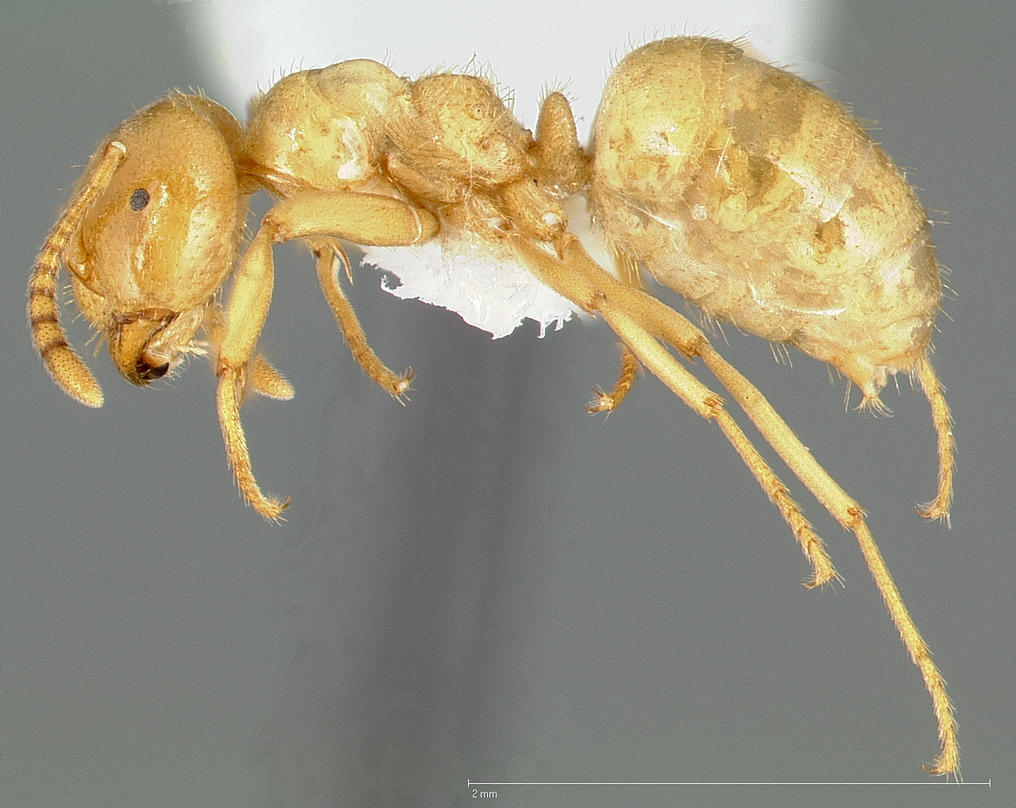
Lasius murphyi is a fascinating and challenging ant species, known among enthusiasts for its parasitic founding strategy and the striking contrast between its modest worker size and the complex social dynamics at play. The queen, measuring 7 to 8.5 mm, is only slightly larger than the largest workers, which range from 3.5 to 5 mm — yet her role is anything but ordinary. Like many social parasites, a Lasius murphyi queen cannot start a colony on her own. Instead, she must infiltrate an established colony of a host species, typically another Lasius, kill or overthrow the resident queen, and trick the host workers into raising her own brood. Over time, the host workers die off and are replaced by the parasitic queen’s offspring, leading to a fully mature, single-species colony of 3,000 to 15,000 workers.
This unique founding behavior makes Lasius murphyi an advanced-level species, best suited for experienced keepers who understand the intricacies of host acquisition and the patience required during the transition period. Once established, the colony becomes relatively hardy but retains specific environmental needs. They thrive at temperatures between 20 and 26°C with moderate humidity levels of 55 to 75 percent. Like many temperate ants, Lasius murphyi requires a genuine winter diapause: a hibernation period at around 6°C for several months, during which the colony slows down entirely.
Diet-wise, these ants are opportunistic omnivores. They eagerly hunt small insects for protein and also collect honeydew from aphids or consume sugar water provided by the keeper. A balanced diet of protein and carbohydrates is essential for brood development and colony growth.
Care difficulty
Keeping Lasius murphyi is not for the faint of heart. The parasitic founding phase demands careful timing and a reliable supply of host brood or pupae — often sourced from captive colonies of the host species. Even after the colony is established, their sensitivity to disturbances and the need for a precise hibernation schedule keep them firmly in the “advanced” category.
Housing
A formicarium with good humidity control and nest chambers that can be kept dark and quiet is ideal. A substrate that retains moisture, such as natural earth or a sand-clay mix, helps maintain the required humidity. The foraging area should be large enough for hunting and feeding, with a water source and a feeding dish. During hibernation, the entire setup must be moved to a cool, stable environment — a refrigerator or cooled cellar works well.
First days after purchase
When your Lasius murphyi colony arrives, give it immediate peace. Transfer the ants to a pre-prepared, quiet formicarium. Offer a drop of sugar water and a small insect to assess feeding response. Minimize vibrations and light exposure for the first week. Observe indirectly — the queen and young workers need time to settle. Ensure humidity levels are correct and that the nest area stays moist. With patience, this remarkable species will reward you with a glimpse into one of nature’s most cunning survival strategies.