Solenopsis
Solenopsis molesta
Nuptial Flight Calendar
Flight months: Jul, Aug, Sep
Care Guide
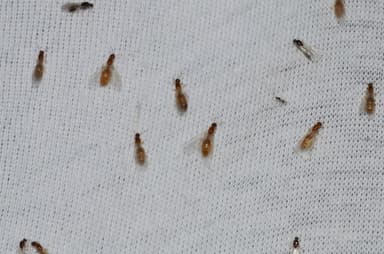
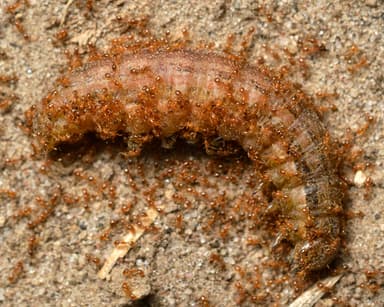
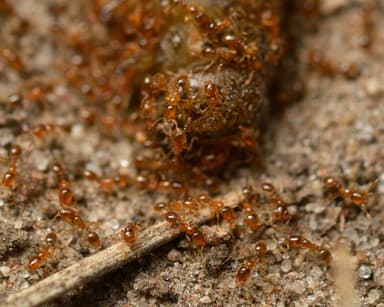
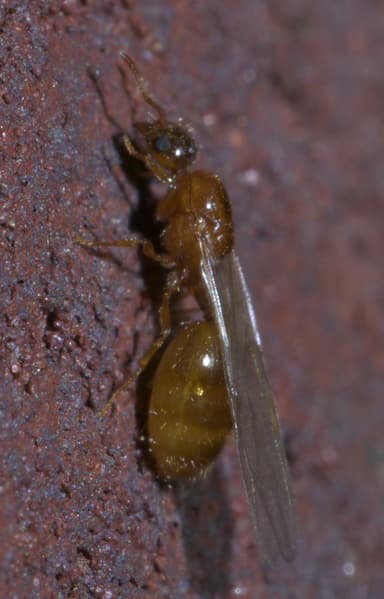
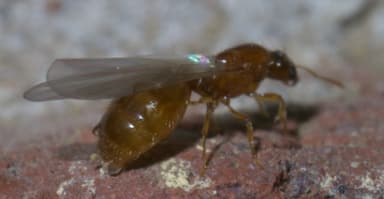
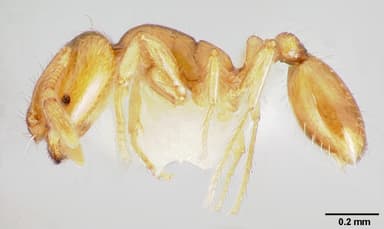
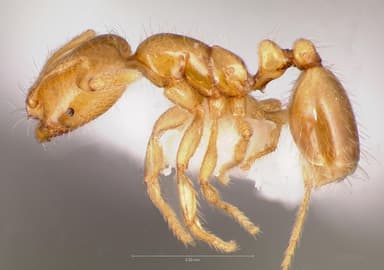
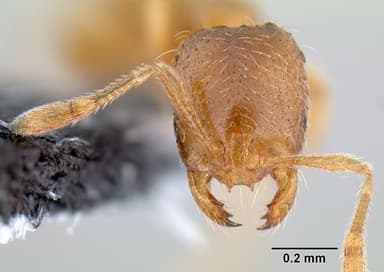
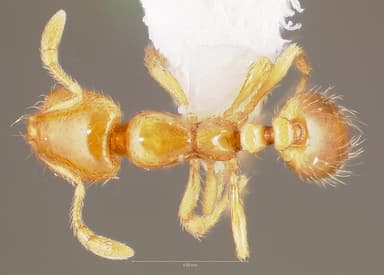
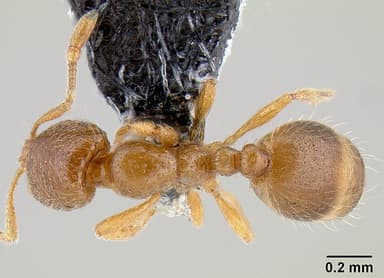
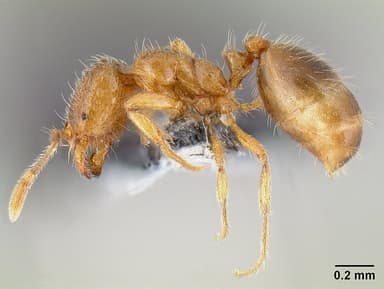
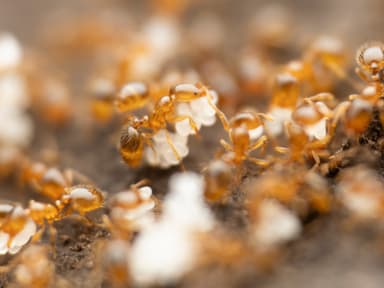
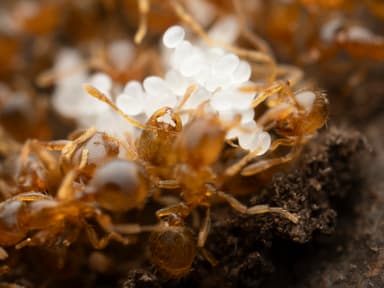
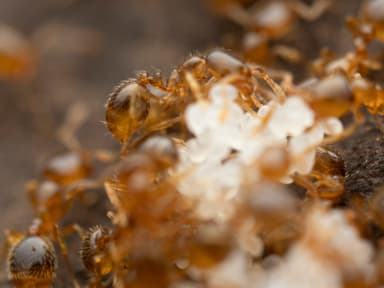
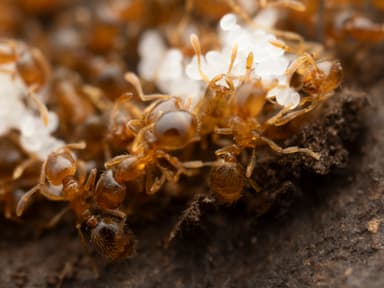
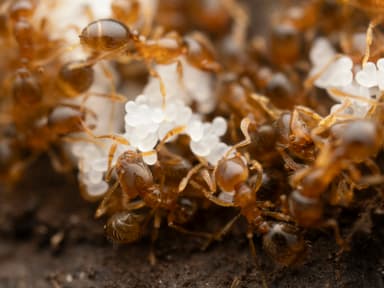
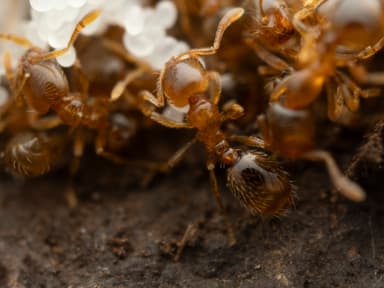
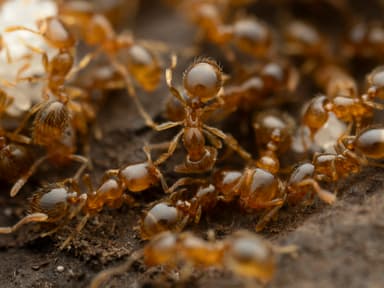
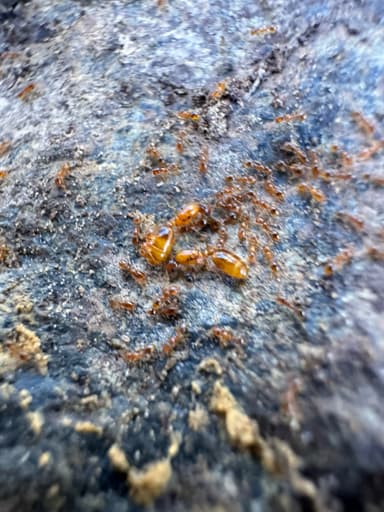
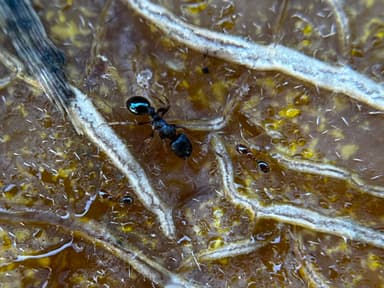
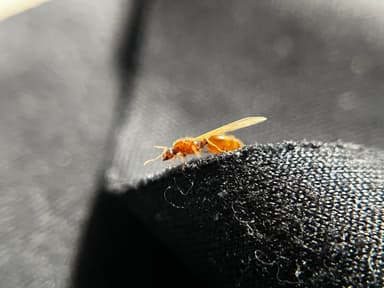
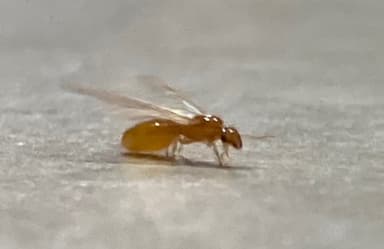
Solenopsis molesta, widely known as the thief ant, is one of the smallest and most discreet ants regularly kept by hobbyists, yet it rewards the attentive keeper with a massive, industrious colony that operates like a living, breathing dusting of amber. Queens measure 5 to 6.5 mm and are strikingly large compared with their tiny, monomorphic workers, which span just 1.3 to 1.8 mm. These minuscule minors form the entire workforce; there is no physical polymorphism, though behavioral specialization still occurs inside the nest. The species owes its common name to its habit of stealthily nesting close to other ant colonies and pilfering their brood for food—an opportunistic trait thoroughly documented in household pest literature (Smith 1965) and in regional reviews of the Solenopsis molesta group (Thompson 1989). In the wild, it ranges natively across a vast swath of North America, from southern Canada to the Gulf Coast and from the Atlantic seaboard west to the eastern slopes of the Rockies, as confirmed by decades of occurrence records (GBIF). Colonies are claustrally founded and, under optimal conditions, can swell to an astonishing 100,000 workers, forming a dense, fervid society that is endlessly fascinating to observe.
Though the thief ant’s biology is straightforward, its care is rated as intermediate, making it best suited for keepers who have successfully maintained one or two easier species and are ready for the challenges of managing a truly diminutive ant. The primary hurdle is containment; workers barely wider than a needle’s point can escape through gaps that would stop any larger species, and their sheer numbers can overwhelm poorly sealed setups. A meticulous and patient approach is essential, so this species is not generally recommended for absolute beginners. However, for the ant keeper who enjoys the precision of micro-scale husbandry and wants to witness the remarkable growth of a claustral colony, S. molesta offers a compelling project. Availability of newly mated queens aligns with its nuptial flights, which occur across North America in the afternoons of July through September, during warm, humid weather that follows summer rains (temperatures above 25°C).
Housing a thief ant colony demands escape-proof design and an understanding of their preference for narrow, soil-like spaces. Because the workers are so minute, a formicarium with precision-fitted glass or acrylic joins is superior to grouted or loosely assembled nests, and a secure fluon or talc barrier must be applied religiously. An earthen plaster, ytong, or fine sand-and-clay mixture makes an ideal nesting substrate, mirroring their natural tendency to tunnel in loose soil, under stones, or within decaying wood. Maintain a temperature gradient of 21 to 28°C; a warm spot toward the upper end of this range encourages brood development, while cooler areas allow workers to thermoregulate. Humidity should be kept between 50 and 70 percent, easily achieved by providing a constant water source and occasionally misting a portion of the outworld. Avoid saturated conditions, as these ants thrive in well-drained environments and can drown in large water droplets. A small, sand-lined outworld with a tight-fitting lid will serve their foraging needs while reducing the risk of escape.
Feeding S. molesta is a balancing act between their high-energy requirements and their tactile, sip-sized feeding style. They eagerly accept liquid carbohydrates such as sugar water, honey diluted to a syrupy consistency, or even hummingbird nectar, which can be presented on small waxed paper or foil wicks to prevent drowning. Proteins should come from insect prey cut into pieces barely larger than a worker’s head—fruit flies, pinhead crickets, or chopped mealworms are excellent choices. Freshly killed or freeze-dried insects are safer, as a live cricket can easily harm a fragile thief ant. Because the colony grows to enormous sizes, feeding frequency must increase proportionally; a mature colony of 20,000 or more workers may consume several fruit flies a day alongside a constant supply of sugar water. Always provide a dedicated water source, ideally a test tube with a cotton plug or a micro-water tower, ensuring that gnats and larger contaminants cannot invade the nest.
Hibernation is mandatory for the long-term health of S. molesta. In most of its native range, winter brings a distinct cool phase, and captive colonies must replicate this cycle to avoid worker die-off and reproductive failure. After the active season, gradually lower the temperature over a period of weeks until the colony rests at a steady 12°C. A wine cooler or a dedicated hibernation chamber works perfectly. Keep the nest slightly moist but not wet, and stop offering protein; a tiny reserve of sugar water can remain until the colony becomes fully torpid. Maintain this cold dormancy for three to four months, then slowly warm them back to room temperature. A queen that has experienced a proper diapause will resume egg-laying with renewed vigor, often producing the first large cohort of workers that will sustain the colony’s explosive spring expansion.
When your queen arrives, whether she is a freshly caught dealate or comes as a small founding colony in a test tube, the initial days require stillness and security. The claustral founding means the queen needs no food until her first workers appear; simply keep her in a dark, quiet place at around 24°C with a clean water reservoir. Check her only once a week to ensure the cotton plug remains damp. After the first tiny nanitic workers eclose, wait two to three days before offering a microscopic dab of sugar water placed directly on a piece of foil near the tube entrance. A day later, provide a fragment of pre-killed fruit fly no larger than a pinhead. Watch closely for any sign of workers becoming entangled in food or drowning—this species’ small size makes even a small droplet of liquid dangerous. Once the worker count reaches a dozen or so, you can gently move them into their permanent formicarium. During the transition, never rush; a small, dampened cotton ball plugged into the new nest’s entrance can encourage a gradual, stress-free migration. With patience and consistent attention to the details of containment, climate, and feeding, your thief ant colony will grow into an exquisite, miniature civilization that showcases the hidden might of one of North America’s most successful ants.