Polyrhachis
Polyrhachis armata
Nuptial Flight Calendar
Flight months: May, Jun, Jul, Aug, Sep
Care Guide
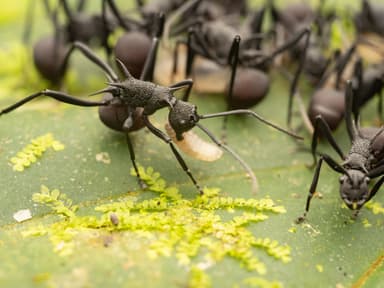
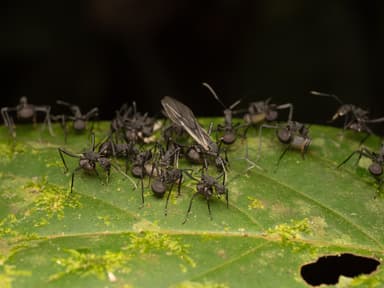
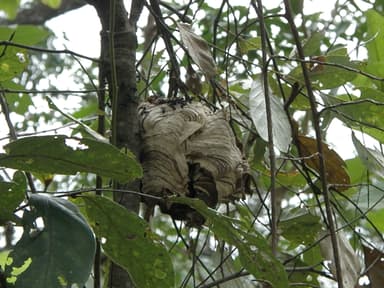
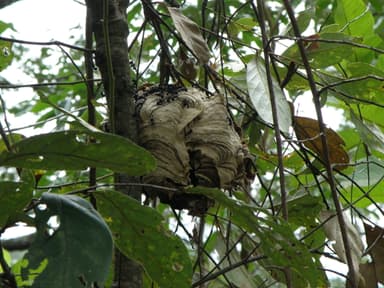
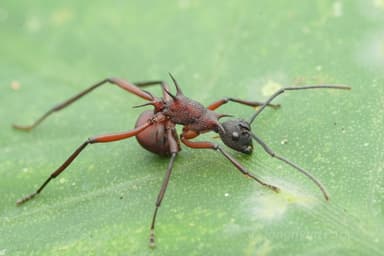
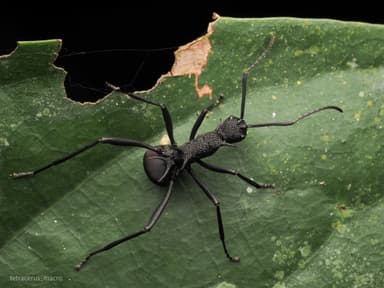
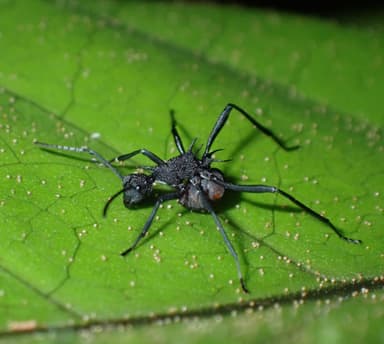
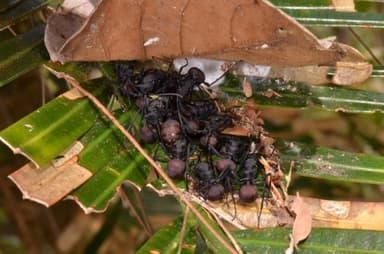
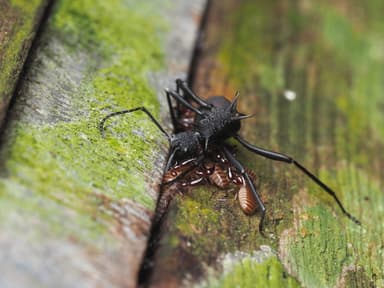
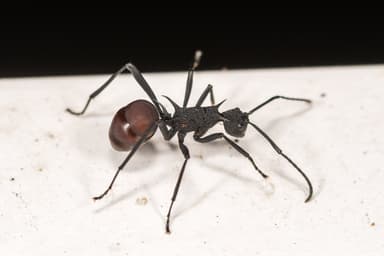
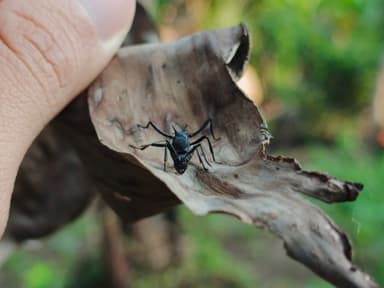
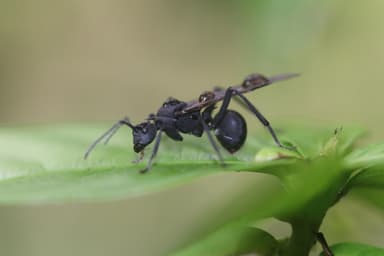
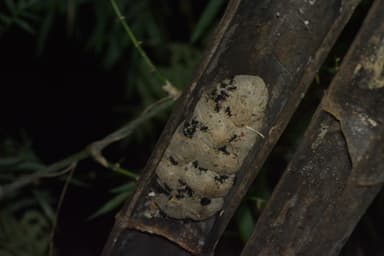
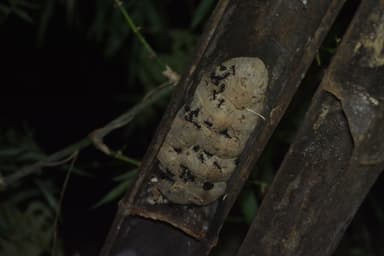
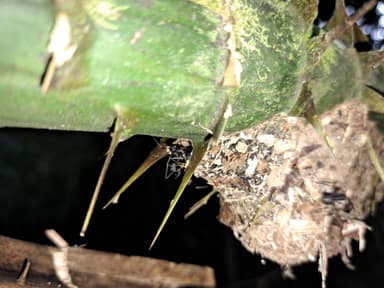
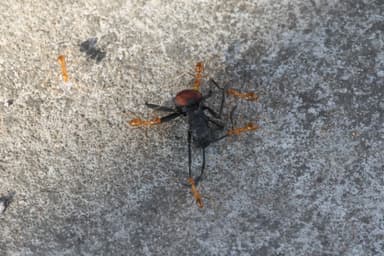
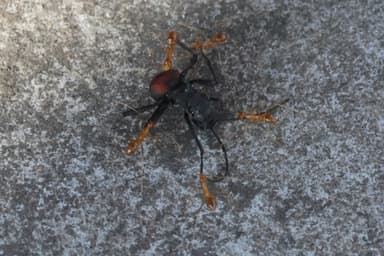
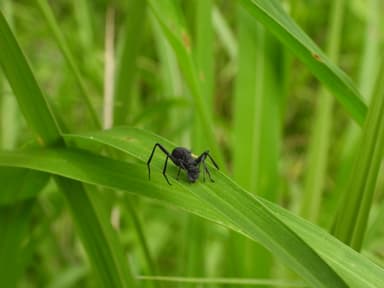
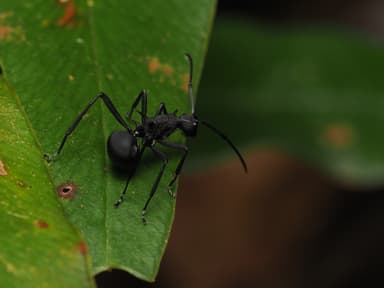
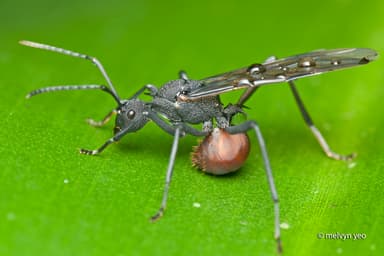
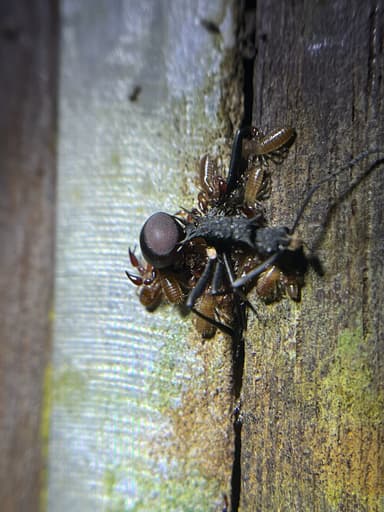
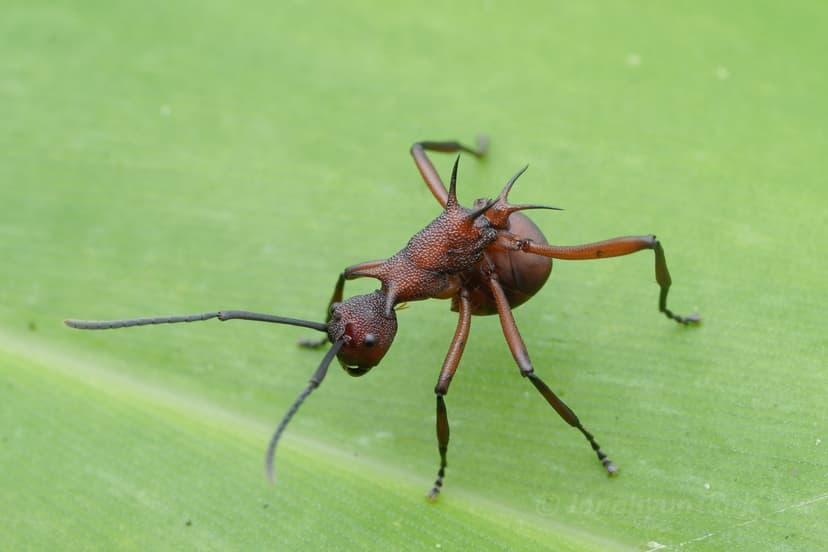
Polyrhachis armata, a captivating member of the spiny ant genus, inhabits a broad arc from the Indian subcontinent through Indochina and the Malay Archipelago to the Philippines (GBIF). Queens are robust, measuring 11–13 mm, while the monomorphic workers range from 8.5 to 10.5 mm, their dark, often reddish-black cuticles armed with an imposing array of spines on the thorax and petiole (AntWeb; Dorow 1995). Colony size is modest, peaking around 3,000 individuals, and new colonies are founded claustrally by a single queen. Beyond their striking appearance, what truly distinguishes this species is its masterful use of silk. Unlike ground-nesters, Polyrhachis armata constructs elaborate arboreal nests by binding living leaves and debris with larval silk, forming tent-like chambers in shrubs and low trees (Robson & Kohout 2007). This weaving behavior, combined with a diurnal, visually alert temperament, makes them a living piece of natural art that actively shapes its own environment.
With a care difficulty graded as intermediate, Polyrhachis armata is best suited to keepers who already have experience with tropical species and are ready to manage a more demanding setup. The challenges do not involve painful stings—these ants lack a functional sting, relying on their spines and agile retreats—but rather the precision required to maintain a stable, warm, and humid microclimate. Daytime temperatures must stay within 22–30°C, with an ideal basking spot around 26–28°C, while relative humidity should be held at 60–80%. Escape-proofing also deserves special attention: workers are adept climbers and can spin silk bridges that compromise barriers, so a well-applied fluon band and a tightly fitting lid are essential. The reward for meeting these requirements is a colony that reveals intricate social behaviors and a visible, constantly evolving nest structure.
Housing must echo their arboreal, silk-weaving lifestyle. A spacious foraging arena connected to a vertical nest works best. The nest can be as straightforward as a cork-lined test tube set into a larger container, or an acrylic formicarium filled with rough bark slabs, bamboo sections, and twisted twigs to provide abundant silk-anchoring points. The ants will rapidly decorate these surfaces with a gray, parchment-like silk layer, creating their own chambers. Maintain the temperature with an external heat source placed on one side of the nest, and to sustain the 60–80% humidity, offer a water-filled test tube as a reservoir and lightly mist the nest interior every two to three days; ensure there is sufficient ventilation to prevent stagnant, moldy conditions. The foraging arena benefits from a shallow layer of coconut coir or peat moss to buffer ambient humidity, but the nest itself is best kept relatively bare apart from climbing structures, as that encourages the silk-weaving directly onto the framework you provide.
Carbohydrate-rich liquids are the lifeblood of Polyrhachis armata. In nature they avidly visit extrafloral nectaries and tend honeydew-producing insects (Robson & Kohout 2007). Provide a fresh source of sugar water, diluted honey, or a commercial nectar substitute daily on a small feeding tray or cotton wad, and occasionally offer overripe fruit such as melon or mango. Protein should be given two to three times a week, using freshly killed or pre-frozen insects like fruit flies, small crickets, and chopped mealworms; workers will efficiently dismember prey and carry fragments to the larvae. A constant supply of plain water, separate from the carbohydrates, must be available—a water test tube with a cotton plug remains the simplest solution. Remove all uneaten food within 24 hours to guard against spoilage and mite infestations.
This species requires no hibernation period whatsoever. Originating from tropical latitudes where seasonal temperature swings are negligible, Polyrhachis armata expects consistent warmth and humidity year-round. Attempting to impose a winter cooldown would be highly stressful and likely fatal. Instead, maintain the established temperature and humidity regime, and provide a 12–14 hour photoperiod of indirect light without interruption. Colonies will remain continuously active, with brood production slowing only if the queen ages or nutrition falters. This permanent activity means there is no dormant break for the keeper, making the daily routine a steady rhythm of feeding and misting.
The initial days after acquisition are delicate and demand patience. Place the test tube or starter nest in a darkened, quiet corner of the foraging arena and avoid any disturbance for at least 48 hours. During this settling phase, offer only a tiny dab of sugar water on a slip of plastic and ensure the water source is full. After two days, peek under dim light; you should see the queen and workers beginning to calm, with workers making cautious exploratory circuits and possibly starting to spin the first wispy silk strands onto the cotton plug or a nearby bark surface. Do not introduce protein until you observe steady, relaxed foraging, usually on day three or four. Watch for signs of stress: frantic, non-stop pacing along the barrier, or a queen that constantly tries to escape the nest. If these appear, recheck temperature and humidity, and further darken the setup to increase security. Once those first silk threads emerge, you can gradually expose the colony to normal room light and begin the regular feeding schedule, and within weeks the woven nest will take shape as a testament to their remarkable industry.