Polyergus
Polyergus vinosus
Nuptial Flight Calendar
Flight months: Jan, Feb, May, Dec
Care Guide
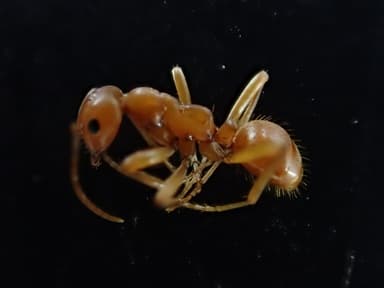
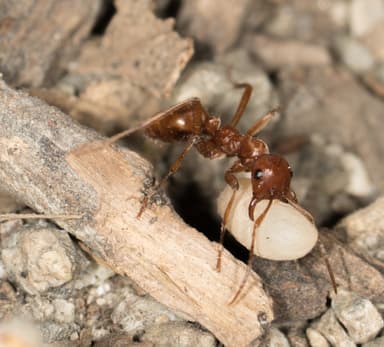
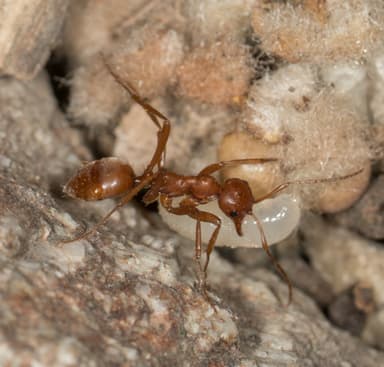
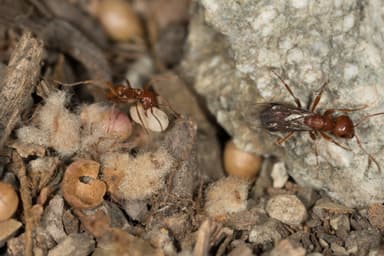
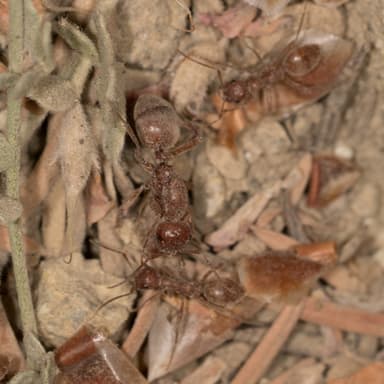
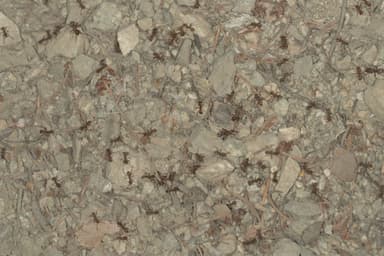
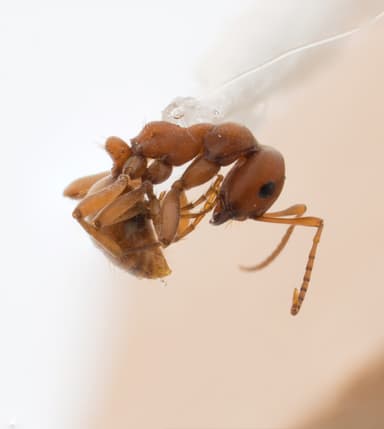
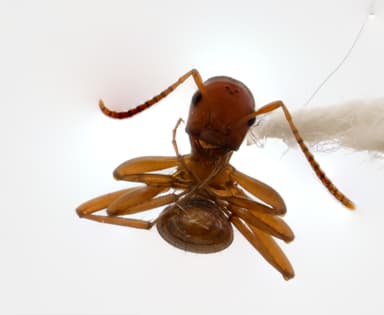
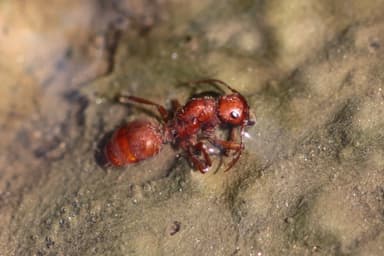
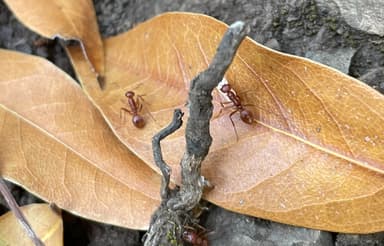
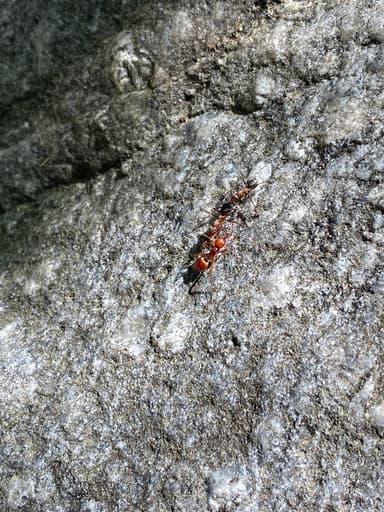
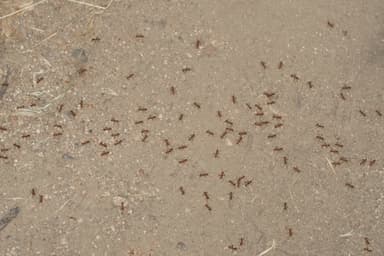
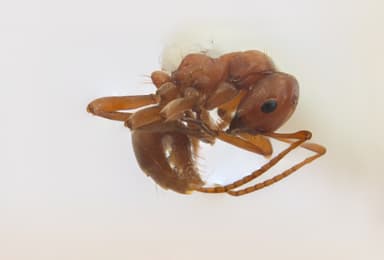
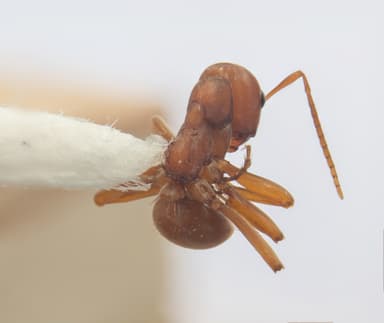
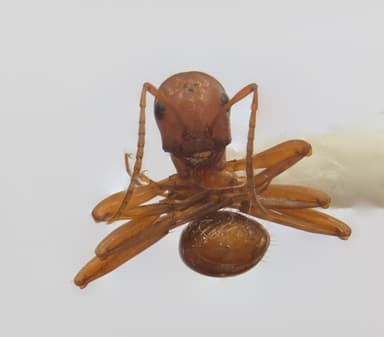
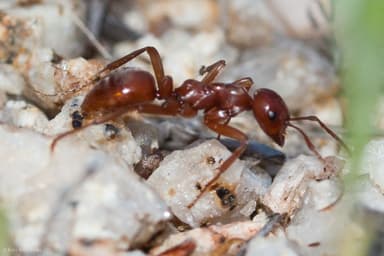
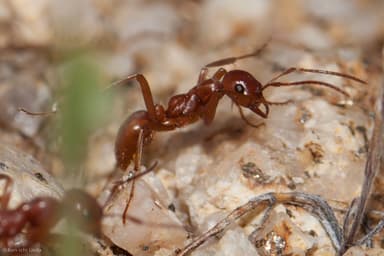
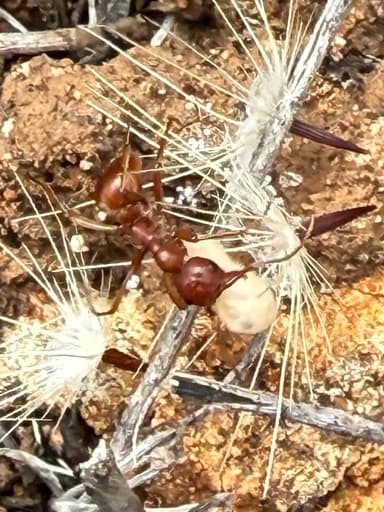
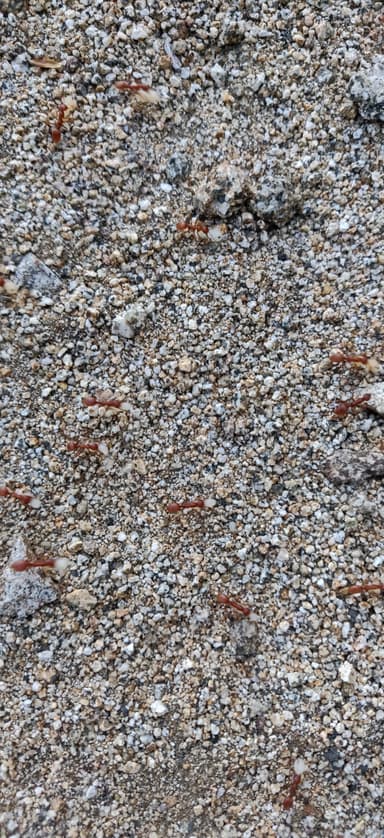
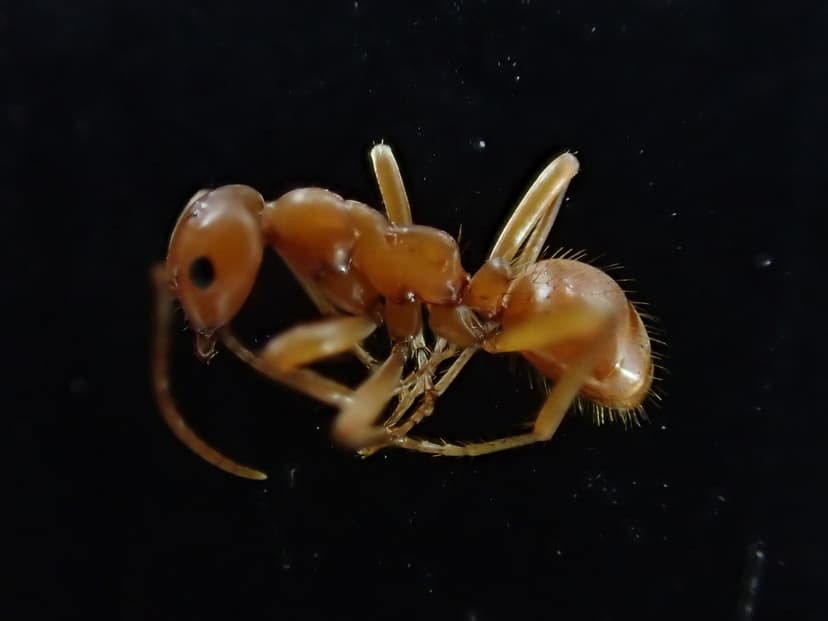
Polyergus vinosus is a striking dulotic ant endemic to the temperate regions of Chile and Argentina, a member of the infamous Amazon ants whose raiding behaviour has fascinated myrmecologists for decades. Workers measure 6 to 8 millimetres in length, while the queen is noticeably larger at 8 to 10 millimetres, both clad in a lustrous reddish-brown exoskeleton that gives the species its scientific name — vinosus, meaning wine-coloured. Unlike many ants, these are strictly monomorphic, producing a single caste of slender, sickle-jawed workers exquisitely adapted not for foraging or brood care, but for combat. Their colony structure is the stuff of evolutionary theatre: Polyergus vinosus is an obligate social parasite, entirely dependent on enslaved Formica host workers to perform all domestic tasks. A mature colony may contain up to 3,000 individuals, but the vast majority of that population will be the host species, with perhaps a few hundred Polyergus raiders. What makes this ant truly remarkable is the spectacle of its slave raids, a precisely coordinated assault where workers deploy their scimitar-shaped mandibles to pierce the heads of defending host workers and pillage their pupae, securing the next generation of unwilling servants (Trager 2013).
Keeping Polyergus vinosus is an undertaking reserved for the most experienced ant keepers, a challenge that sits firmly in the expert tier of husbandry. The species’ obligate social parasitism means you are not maintaining a single colony but managing a dynamic, two-species system, and the margin for error is razor-thin. A prospective keeper must first be adept at cultivating a robust colony of a compatible host — typically a Formica species from the same biogeographic region, such as those in the fusca group — and must be prepared to regularly supply fresh pupae or to orchestrate controlled raids if the colony is to grow. There is no casual maintenance schedule here; every intervention, from feeding to hibernation, must account for the delicate balance between parasite and host. This ant is not suitable for beginners or even intermediate keepers, but for the specialist who has already mastered polygynous setups, brood boosting, and sensitive founding methods, Polyergus vinosus offers an unrivalled window into one of nature’s most extreme social strategies (Kutter 1968).
Housing must replicate the temperate soil-nesting conditions favoured by the host, as Polyergus vinosus does not excavate its own chambers. A well-structured formicarium with a deep, moisture-gradated substrate of sandy clay is ideal, allowing the host workers to sculpt their own galleries while providing the humidity refuges essential for brood development. The entire setup, including a spacious outworld, should maintain a temperature gradient between 18 and 28°C, with a target humidity ranging from 50 to 70 percent. Good ventilation is critical to prevent stagnation, but escape-proofing must be meticulous — the slender bodies of both the parasite and its hosts can exploit tiny gaps. I recommend a vertical or horizontal plaster nest with a glass cover for observation, connected via tubing to a foraging arena. The substrate within the nest should be kept consistently moist but not waterlogged, and the arena can be drier. Lighting can be naturalistic, but during the sensitive post-raid or founding phases, darkness provided by an opaque cover is beneficial.
Feeding a Polyergus vinosus colony is an exercise in understanding dependency. The workers’ highly derived mandibles prevent them from feeding themselves or even grooming effectively; they rely entirely on trophallaxis from their Formica slaves to receive liquefied food. Consequently, the diet you provide is for the host workers, who will then feed the Polyergus queen, brood, and raiders. Offer a steady supply of insect protein — small crickets, fruit flies, or mealworm pieces — and a carbohydrate source such as honey water or sugar water, presented in a shallow feeding dish to prevent drowning. Fresh water must always be available, preferably via a test tube setup within the outworld. The host workers will forage eagerly and distribute food throughout the colony, with the Polyergus adults often soliciting food directly from them in a display of interspecies communication that is as captivating as it is complex.
A pronounced winter dormancy is not merely recommended but required for long-term colony health. Polyergus vinosus experiences a cool temperate hibernation at around 10°C for three to four months, mirroring the austral winter of its native range. Both the parasites and their host workers must be cooled gradually — reduce the temperature by a few degrees each week starting in late autumn — until they settle into a steady hibernation temperature. During this period, movement will slow to near stasis, and feeding should cease, though a small water source should remain available. This chilling period is essential for the queen’s reproductive cycle; without it, she will not resume egg-laying, and the colony will gradually dwindle. A dedicated wine cooler or a cold basement that maintains a stable 8–12°C works well. Bring the colony out of hibernation slowly in early spring, synchronised with increasing day length, and offer a dilute sugar meal within 24 hours of warming.
The first days after acquisition are the most delicate, whether you have received a freshly mated queen or a small founding nucleus with a handful of host workers. If you are attempting to start a colony from a solitary queen, you must immediately provide her with host Formica pupae and callow workers, following established techniques for social parasite introduction: introduce the queen to a small batch of cocoons in a dark, confined chamber and monitor for hostile rejection, though Polyergus vinosus queens typically employ chemical mimicry to subdue host aggression (Trager 2013). For a pre-established unit, simply connect the shipping tube to the prepared nest and allow the host workers to explore and relocate the queen on their own terms. Do not rush feeding; wait 24 to 48 hours before offering a tiny drop of sugar water and a pre-killed fruit fly. Keep the nest completely dark and vibration-free during this settling period, watching only briefly to ensure the queen is being fed and groomed, not attacked. A visible cluster of attending host workers around the queen is a promising sign that the fragile partnership is taking hold.