Myrmecocystus
Myrmecocystus placodops
Nuptial Flight Calendar
Flight months: Jul, Aug, Sep
Care Guide
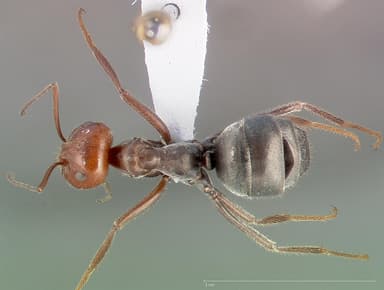
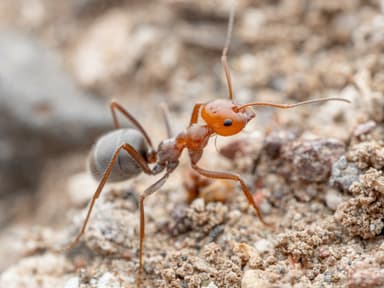
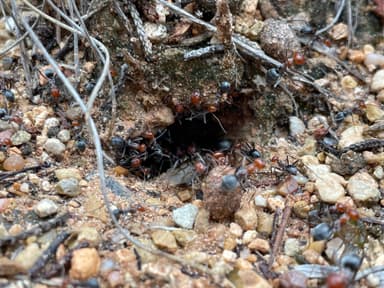
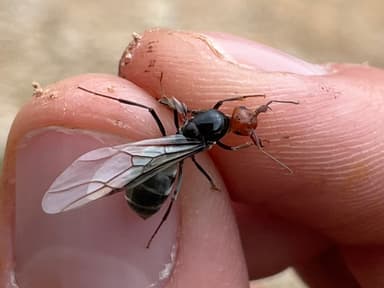
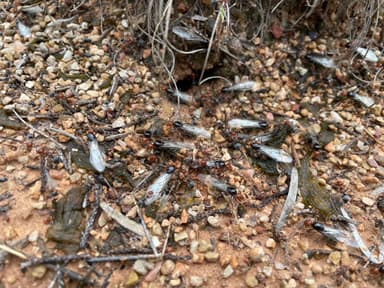
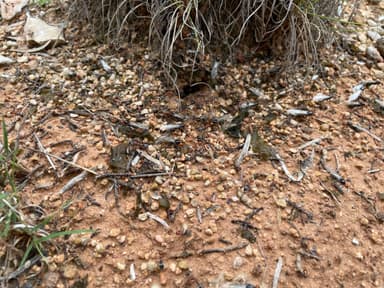
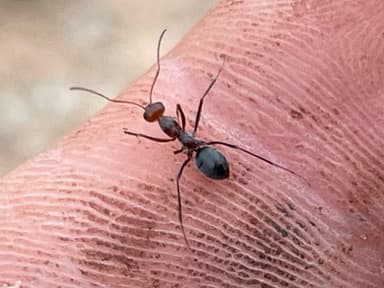
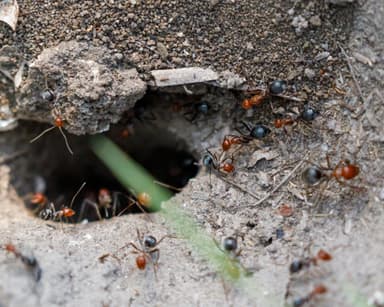
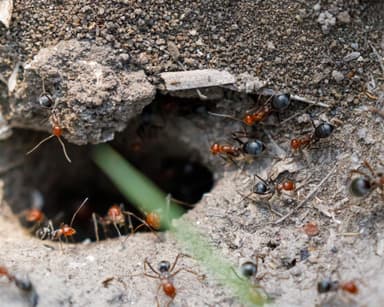
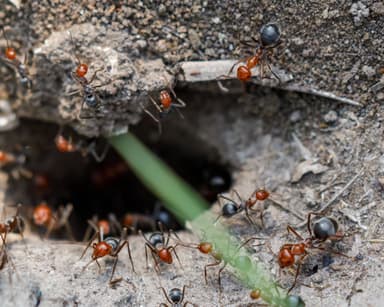
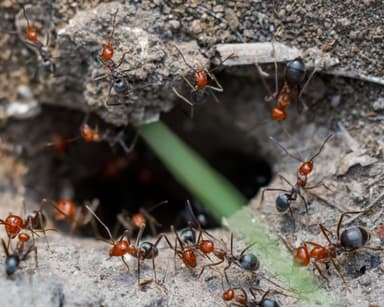
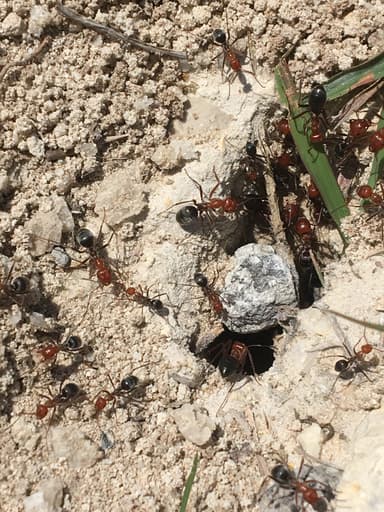
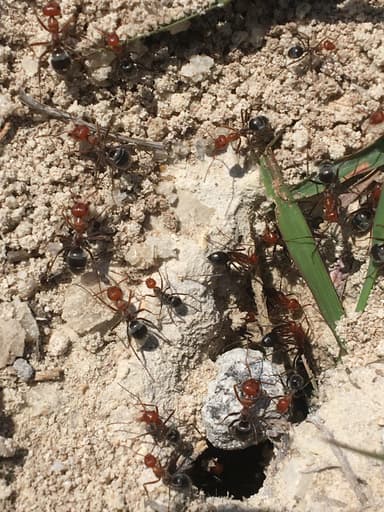
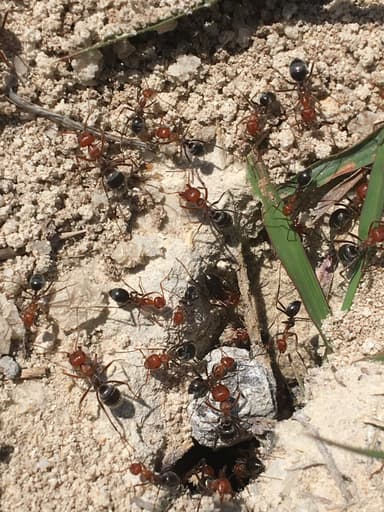
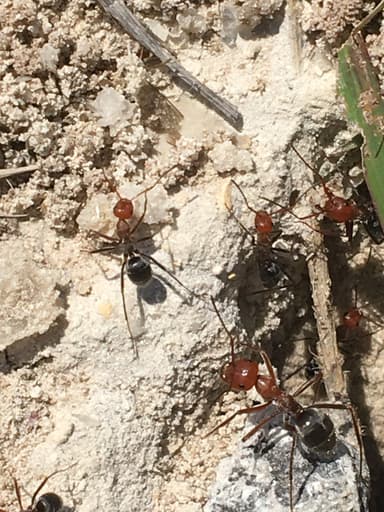
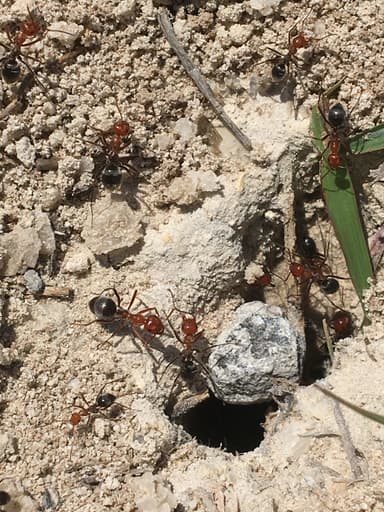
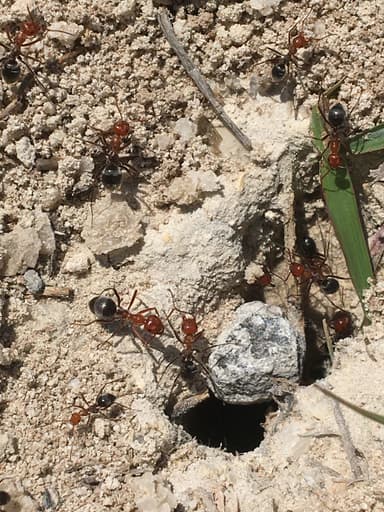
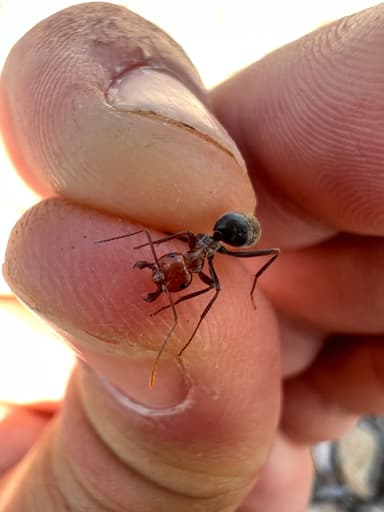
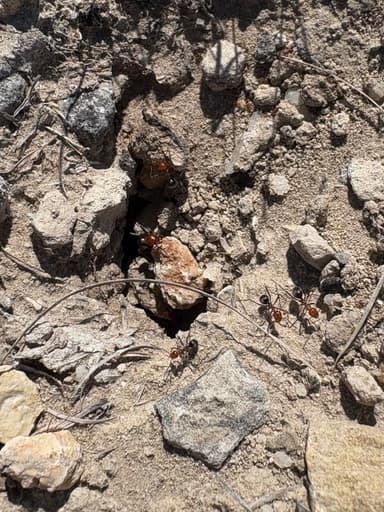
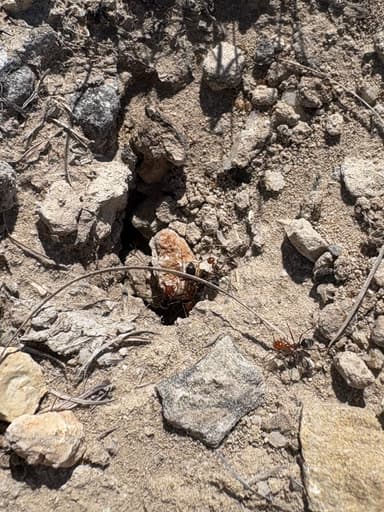
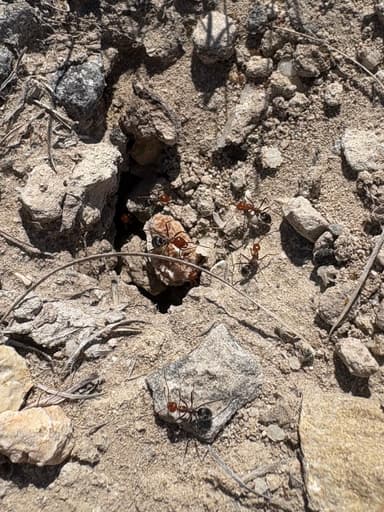
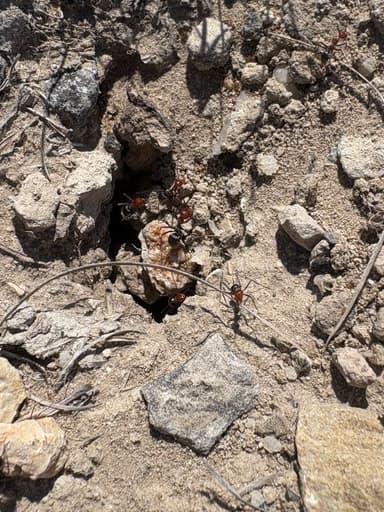
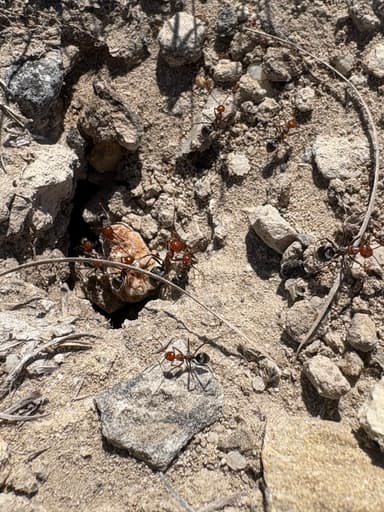
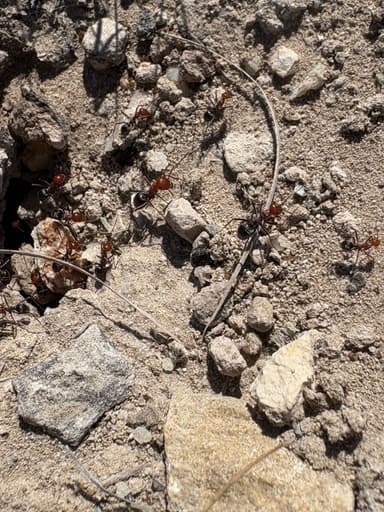
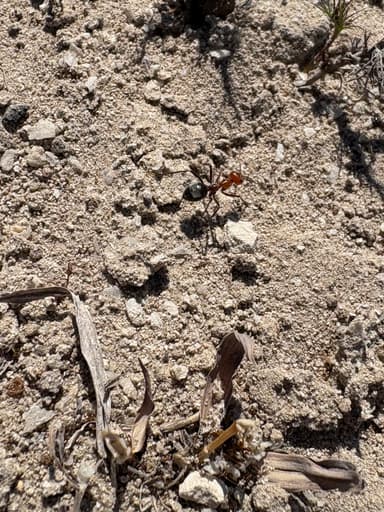
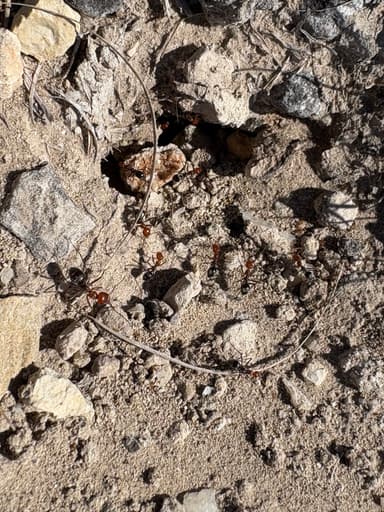
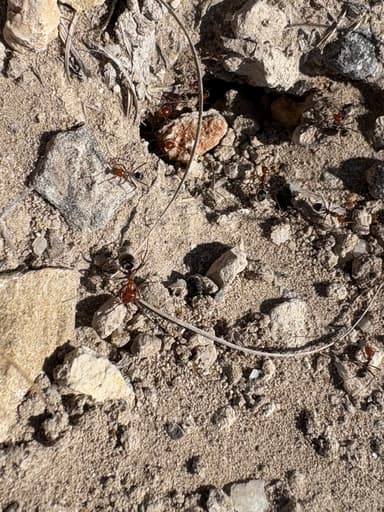
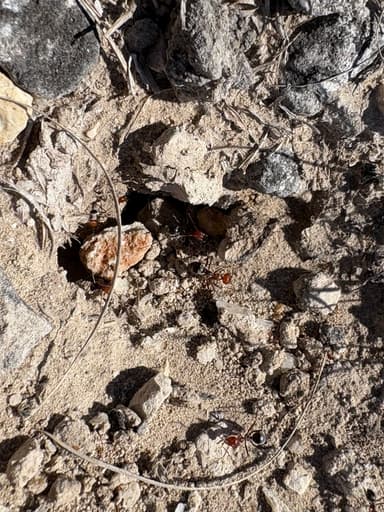
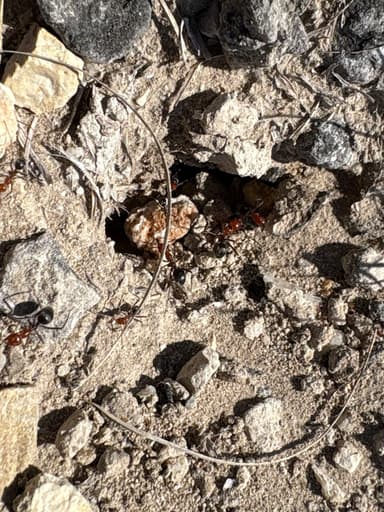
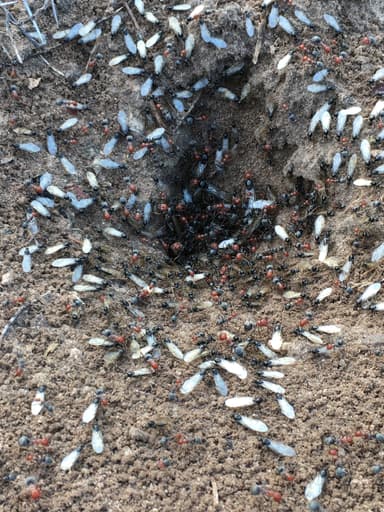
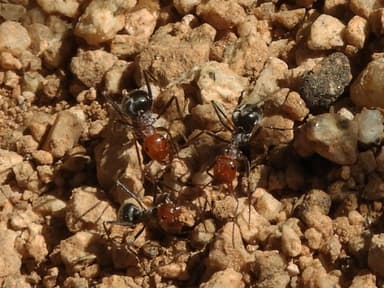
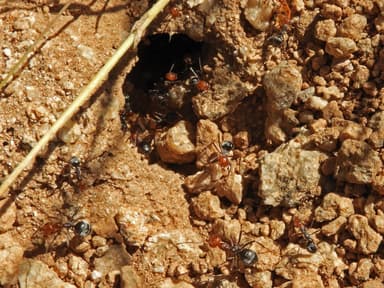
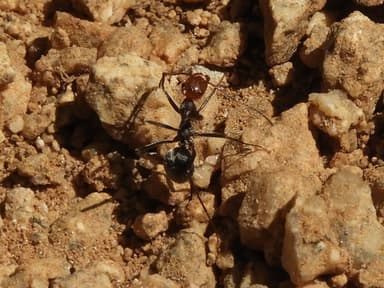
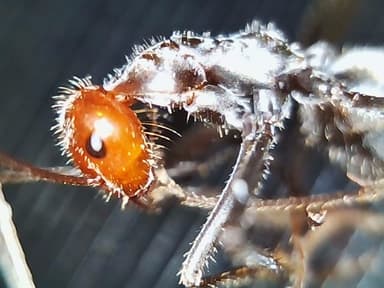
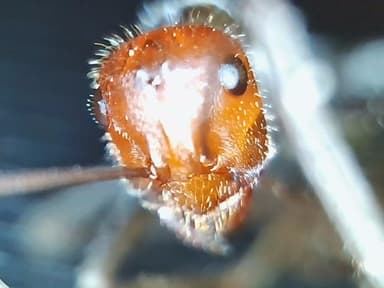
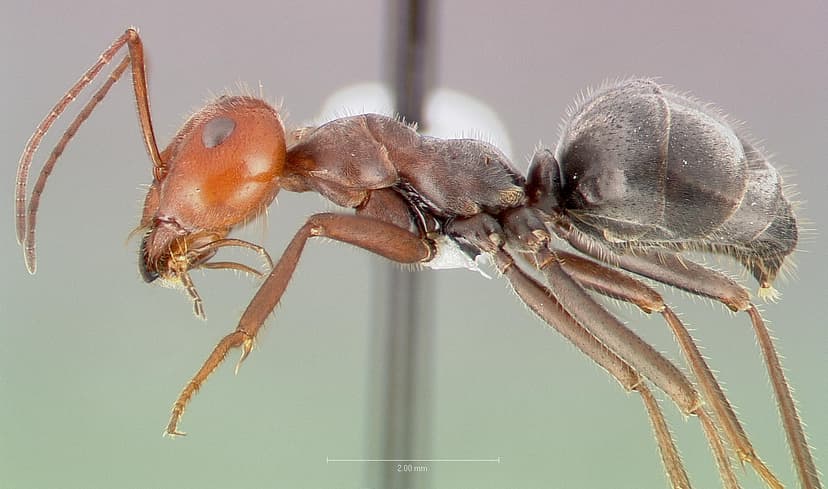
Myrmecocystus placodops is a true desert honeypot ant, celebrated for its liquid-storing repletes that hang like living gems from nest ceilings. The queen measures a robust 9–11 mm, while workers display distinct polymorphism: minor workers (4–8 mm) serve as foragers and nurses, and large major workers (with notably broad heads) defend and process prey. The third caste, the repletes, are greatly distended major workers whose abdomens swell with sugary fluid, acting as communal larders for the colony. Native to the arid basins of the southwestern United States—specifically within the Mojave and Sonoran Deserts (Snelling 1976)—this species thrives in hot, dry conditions, with wild colonies often excavated in sandy soils at elevations where monsoon rains briefly dampen the earth. Colony size can reach up to 5,000 individuals, and founding is claustral, with the queen sealing herself away to raise her first workers. The nightly nuptial flights occur from July to September following warm, humid evenings after monsoon storms (AntWiki), making this a seasonally fascinating species to observe both in nature and in captivity.
Appropriate for keepers who have moved beyond the very beginner stage, M. placodops is rated intermediate in difficulty. Its care requires consistent attention to thermal gradients and a diligent low-humidity regime, but it does not demand constant intervention once established. The species suits hobbyists intrigued by polymorphism and specialized caste behavior—watching repletes gradually swell with amber liquid is both beautiful and biologically instructive. Because the colony grows relatively slowly in the first year and demands a deliberate winter cooling, prospective owners should be prepared for a longer-term commitment and not expect explosive brood production overnight. This ant is forgiving of minor feeding lapses (thanks to its repletes) but intolerant of persistently wet conditions, so it rewards careful environmental control.
Housing must replicate the warm, well-ventilated conditions of its native range. The formicarium should maintain a temperature gradient from 22°C on the cooler side to a warm basking spot of around 32°C, allowing the ants to actively thermoregulate. Humidity is critical: keep it between 30% and 60%, with the lower end preferred. A plaster or grout nest with a textured vertical surface provides the ideal climbing structure for repletes to secure their heavy bodies; natural sand–clay substrates also work well if a more bio-active setup is desired, but avoid anything that stays sodden. The outworld should be equally dry, with a light daily misting only if humidity drops too low. Substrate in the outworld can be a thin layer of sand mixed with excavatable clay, and always provide a secure water source—a small test-tube drinker or a cotton-stoppered vial of fresh water—as these ants obtain most of their moisture from carbohydrates but will drink directly when needed.
Diet consists of two pillars: protein for the larvae and carbohydrates to fuel the workers and fill the repletes. Offer small, soft-bodied insects like fruit flies, pinhead crickets, or sliced mealworms two to three times per week, removing uneaten prey after a day to prevent mold. The carbohydrate supply is non-negotiable; feed a steady drip of sugar water, honey diluted with water, or a specialized ant nectar, ideally from a featherweight feeder that won’t drown curious workers. Repletes will visibly engorge within days of consistent feeding, and their presence signals a well-nourished colony. During the active season, small droplets of pure water on a pebble supplement the liquid diet, but never let standing water pool in the nest.
A true hibernation is mandatory for long-term colony health. In late autumn, gradually reduce the temperature over two to three weeks until the nest holds steady at approximately 15°C. Keep the humidity low throughout this resting phase, and cease feeding once activity dramatically drops. The colony will cluster and become sluggish, with repletes slowly drawing down their reserves. A cool, dry period of at least two to three months simulates the Sonoran winter and appears to be essential for resetting the queen’s reproductive cycle and triggering a healthy spring brood surge (AntWeb records). When active season resumes, slowly warm them back to standard conditions and reintroduce small carbohydrate feeds first.
Upon arrival, place the queen and her first tiny brood—likely still in their claustral cell—into a dark, warm spot (around 26–28°C) and resist the urge to check on her for several days. If the founding tube is too moist or shows condensation, gently replace it with a dry one, leaving only a small water reservoir. After three to five days of complete quiet, offer a minute droplet of sugar water at the tube entrance, and if workers are present, a freshly killed fruit fly. Expect the queen to be somewhat withdrawn at first; she may not feed immediately. Watch carefully for any signs of excessive moisture or mold, and wait until the colony reaches 20–30 workers before connecting a larger foraging arena. With patience and a light hand, your M. placodops colony will soon reveal why these desert specialists are among the most rewarding honeypot ants in the hobby (Snelling 1976).