Myrmecia
Myrmecia fulvipes
Nuptial Flight Calendar
Flight months: Jan, Feb, Nov, Dec
Care Guide
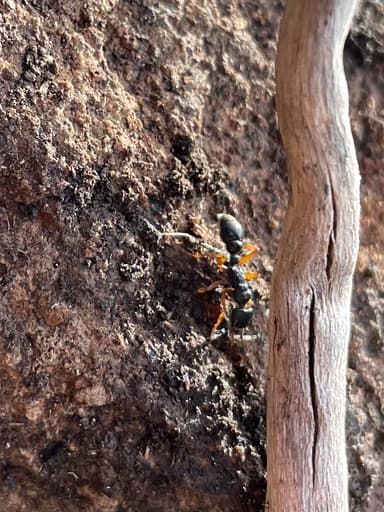
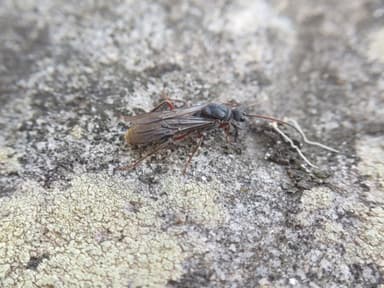
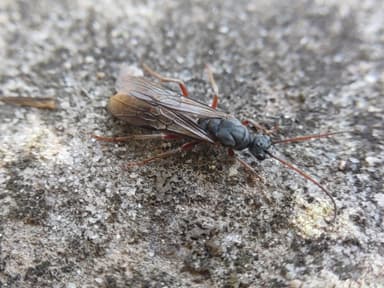
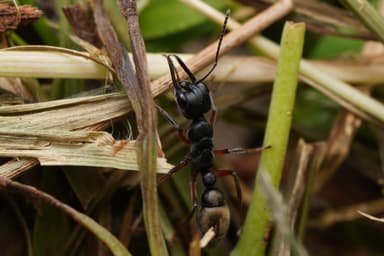
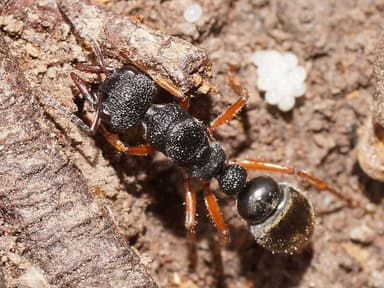
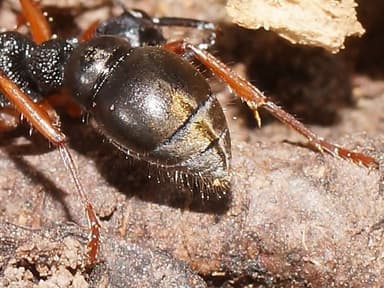
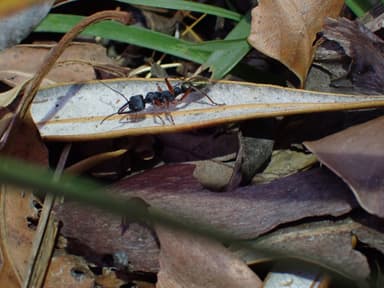
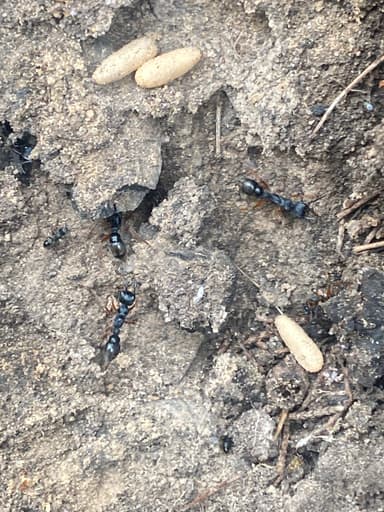
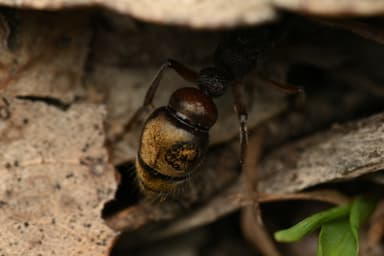
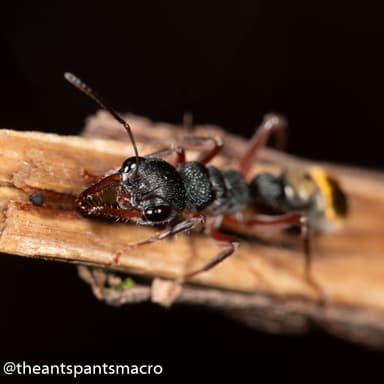
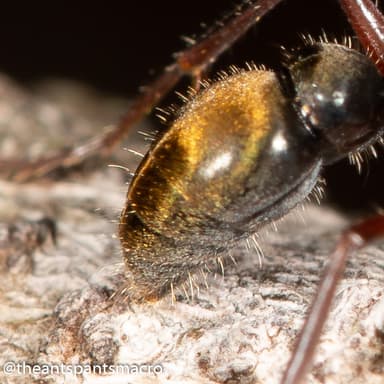
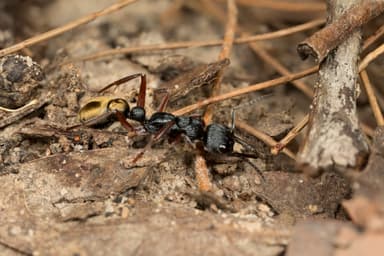
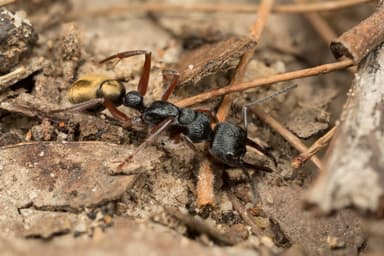
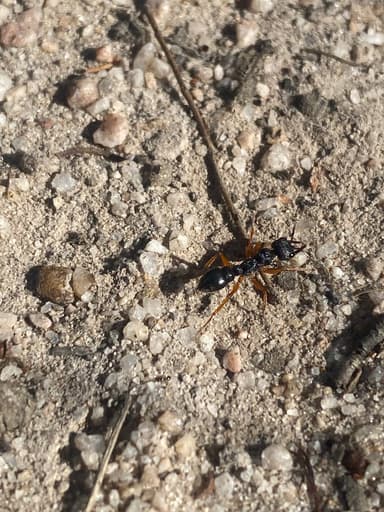
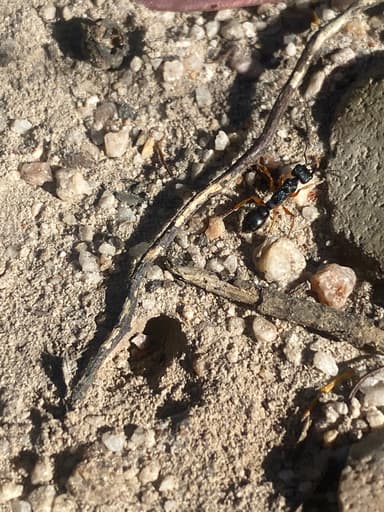
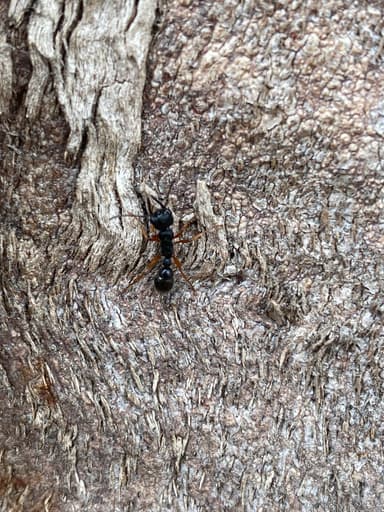
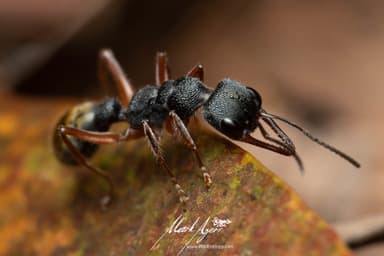
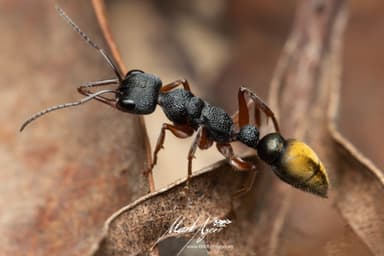
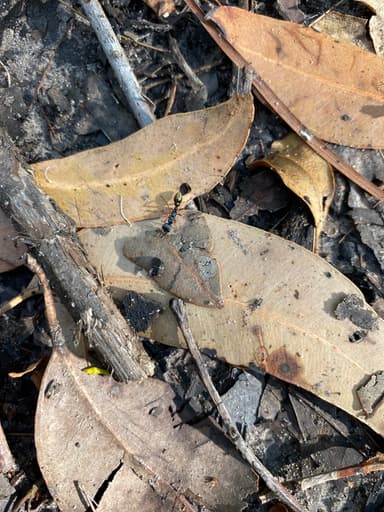
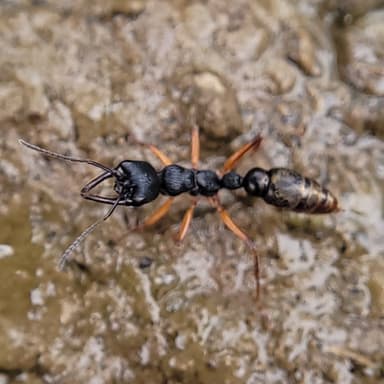
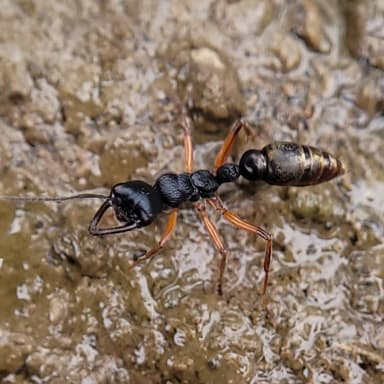
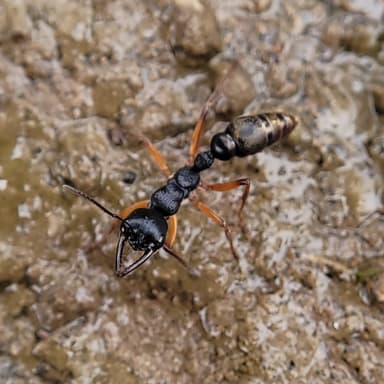
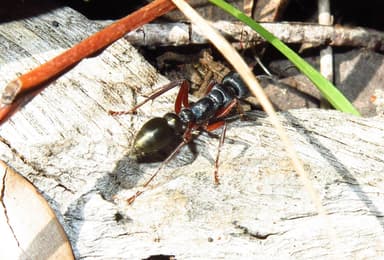
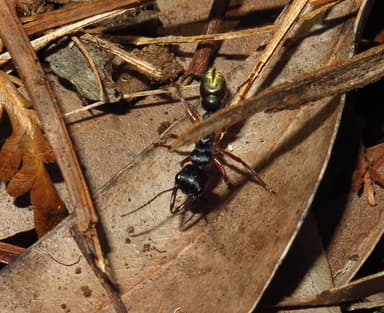
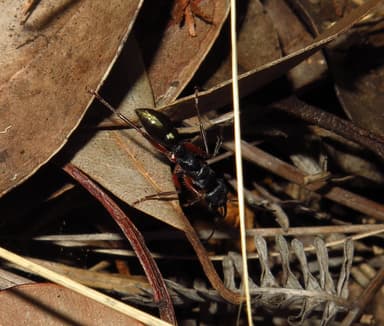
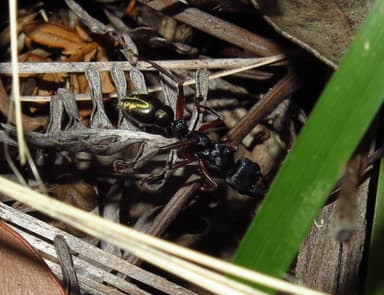
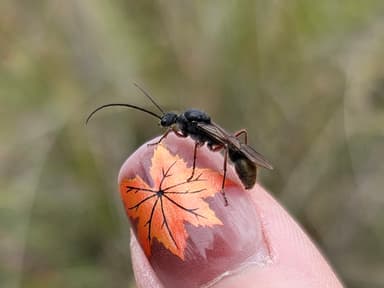
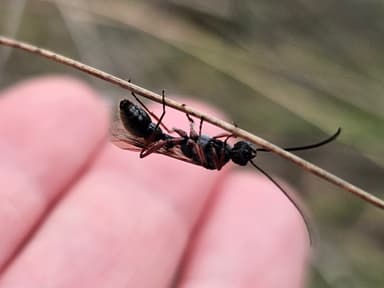
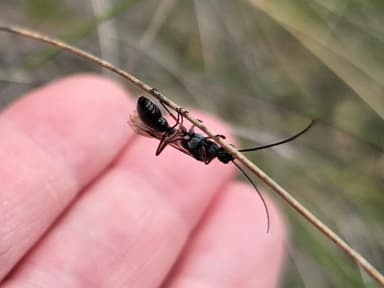
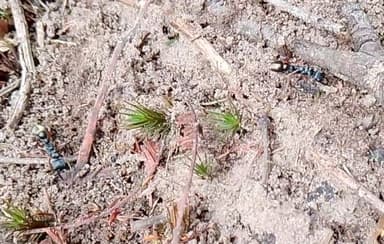
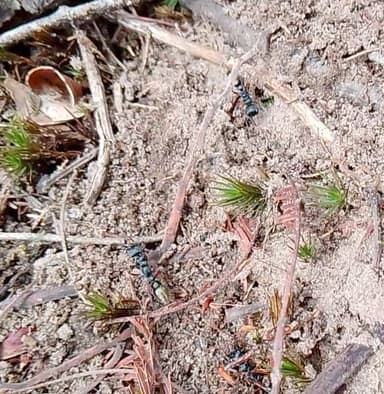
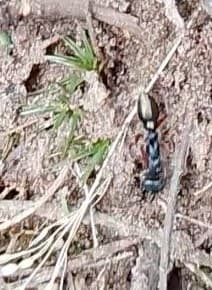
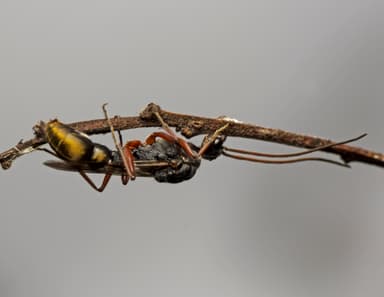
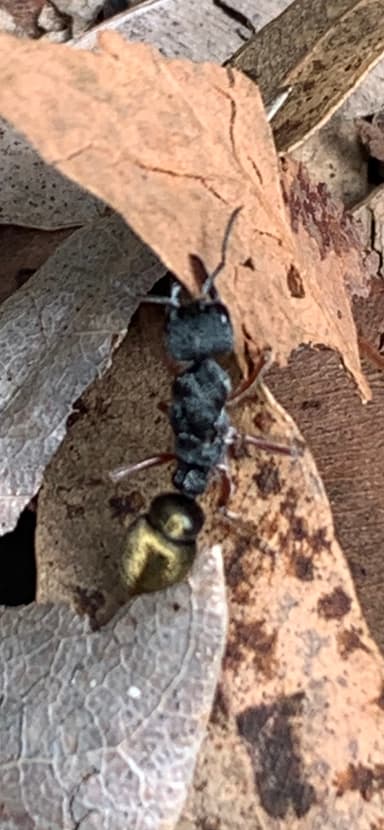
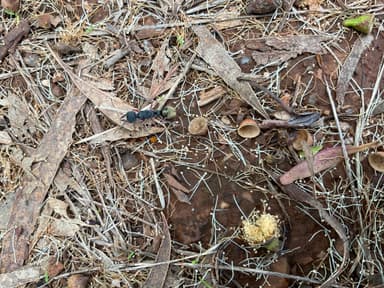
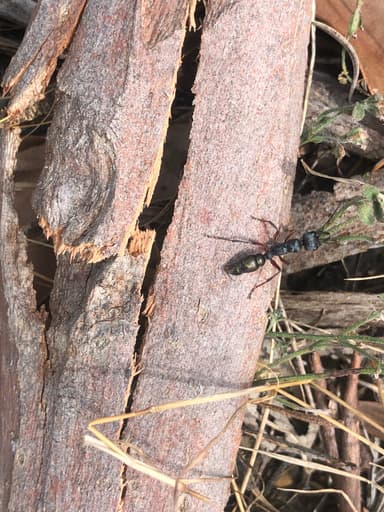
Myrmecia fulvipes is a robust and formidable bull ant whose distribution, as suggested by collection records (spanning latitudes –10 to –39 and longitudes 113 to 154), blankets much of the Australian continent, from the tropical north to cool-temperate southern regions. Often referred to simply as a jumper ant, though jumping is less pronounced than in some relatives, this species exhibits the hallmark features of the genus: exceptionally large eyes, elongate mandibles, and a potent, venomous sting. Queens reach a substantial 18 to 22 millimetres, while workers, which are monomorphic, range from 14 to 20 millimetres. Mature colonies rarely exceed a thousand individuals, a modest size for a Myrmecia, yet their intricate social dynamics and semi-claustral founding strategy offer a fascinating window into the evolution of primitive ant societies (Ogata & Taylor 1991). Nuptial flights are reported from November to February, typically on warm, humid afternoons following rain, though the precise timing remains poorly documented.
This is unequivocally an expert‑level ant. The combination of large, fast‑moving workers capable of delivering intensely painful stings and a semi‑claustral founding mode makes Myrmecia fulvipes unsuitable for anyone lacking substantial experience. A newly mated queen must forage for herself to provision her first brood, demanding daily attention and a constant supply of small, pre‑killed insects. Disturbances are poorly tolerated, and a stressed queen may refuse to lay or even consume her brood. Moreover, the colony’s diurnal hunting activity and exceptional eyesight mean escape attempts are frequent; a flawlessly secured formicarium with tight‑fitting lids and a smooth‑walled outworld is non‑negotiable. This species is therefore best reserved for the dedicated myrmecologist who has mastered the husbandry of more forgiving genera and is prepared for a high‑maintenance, high‑reward project.
Housing must cater to their visual hunting instincts and need for precise microclimates. A naturalistic setup with a deep sand‑loam substrate is ideal, allowing workers to contour their environment, though a plaster or grout nest with a humidity chamber inside a well‑ventilated outworld works equally well. Maintain a thermal gradient between 18 and 28 degrees Celsius, with a basking spot near the upper end, while ambient humidity should stay between 50 and 70 per cent to mimic the leaf‑litter and soil microhabitats they frequent. Semi‑claustral queens can be started in a standard test‑tube arrangement, but they must be provided with a small connected foraging area immediately upon arrival so they can hunt; confining a fertile queen to a tube without prey will quickly lead to starvation.
Diet must satisfy their nearly exclusive carnivory, though they will occasionally lap up plant‑derived sugars. Protein forms the backbone of their nutrition: offer live, appropriately sized insects such as crickets, roaches, or wingless fruit flies, which the ants will stalk and paralyse with a sting before hauling back to the larvae. Avoid hard‑shelled prey that could injure mandibles. A shallow drop of diluted honey or sugar water replenished every few days provides supplementary carbohydrates, but this is rarely taken with enthusiasm — the colony’s true fuel is chitin. Clean water must always be present via a test tube or a gravity‑fed drinker. For a founding queen, place a freshly killed insect leg or a halved fruit fly directly in front of her every two to three days, removing any refuse promptly to prevent mould in the confined space.
Annual hibernation is not optional; it is a hard‑wired physiological demand. Without a cooling period, queens often cease egg‑laying, workers become restless, and the colony may die within a season. Over the course of a few weeks in early autumn, gradually lower the temperature until the nest holds steadily at 12 degrees Celsius. This chill, lasting two to three months, should be accompanied by a reduction in feeding and a switch to a dark, undisturbed location. Once the prescribed time elapses, slowly warm the colony back to spring temperatures and resume a normal feeding schedule. Skipping this cycle, even for colonies originating from warmer edges of their range, almost invariably leads to long‑term decline.
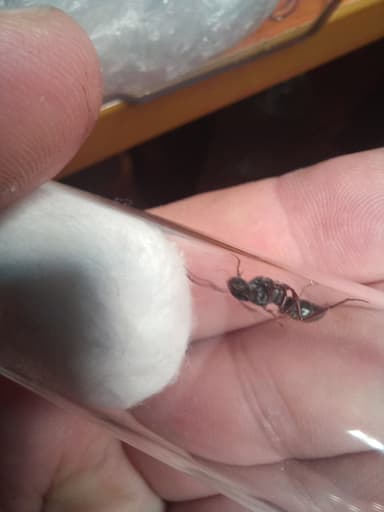
The first week after receiving your Myrmecia fulvipes demands minimal interference. Place the container in a dim, quiet room at around 22 degrees Celsius and resist the urge to inspect it. For a queen in a founding tube, gently slide in a tiny morsel of pre‑killed protein and a droplet of sugar water, then cover the tube with a red film and leave her undisturbed for 24 hours. After this initial acclimation, peek briefly: she should appear calm, perhaps nibbling at the food, and will soon begin grooming her gaster, a prelude to egg‑laying. For an established colony, offer food in the outworld after a day, and watch for workers that patrol the perimeter — this is normal exploratory behaviour. Be vigilant for signs of excessive pacing, escape attempts, or any musty odour indicating excess moisture, and adjust ventilation accordingly. With patience and restraint during these fragile early days, you set the stage for a thriving colony that will reward careful observation for years to come.