Camponotus
Camponotus piceus
Nuptial Flight Calendar
Flight months: May, Jun, Jul, Aug
Care Guide
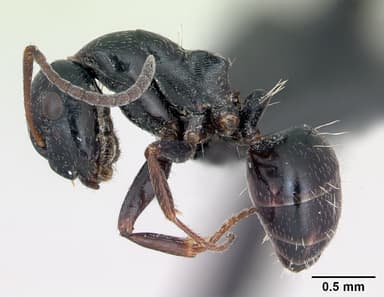
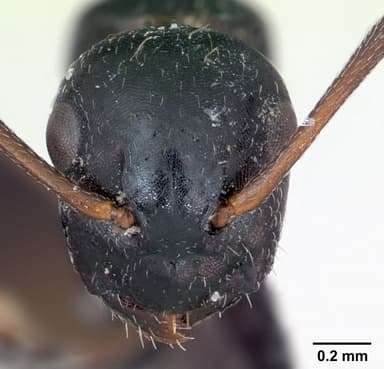
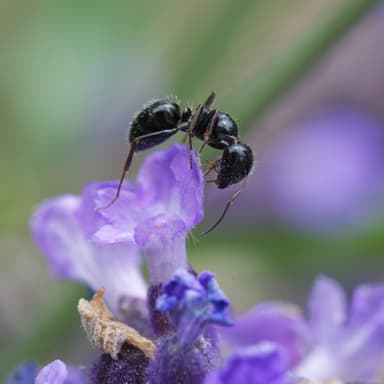
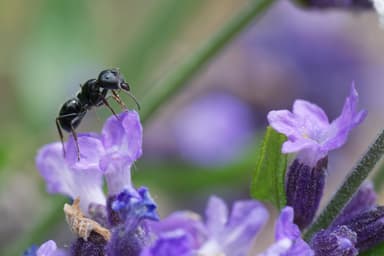
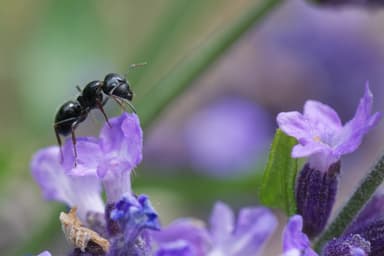
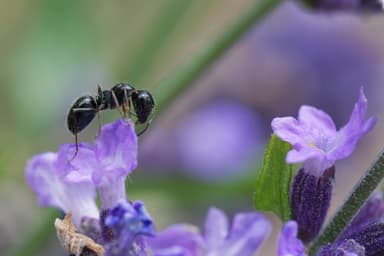
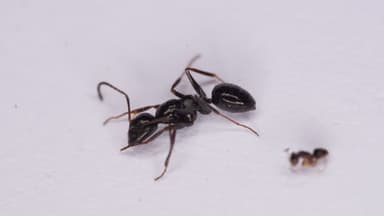
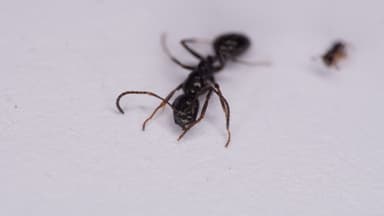
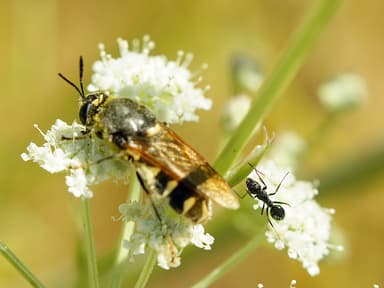
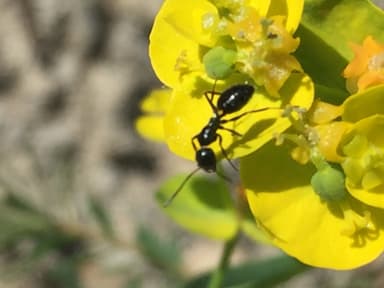
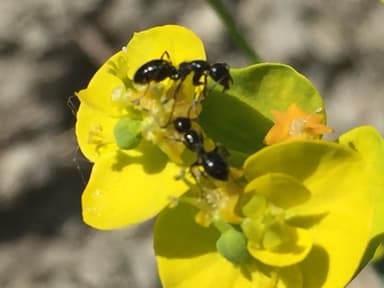
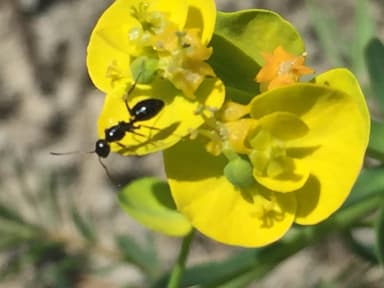
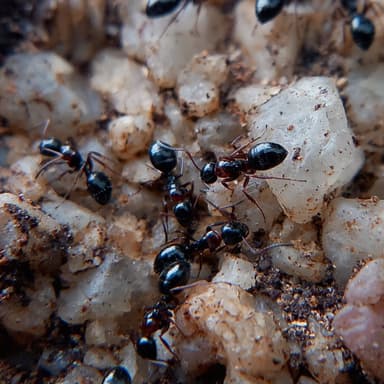
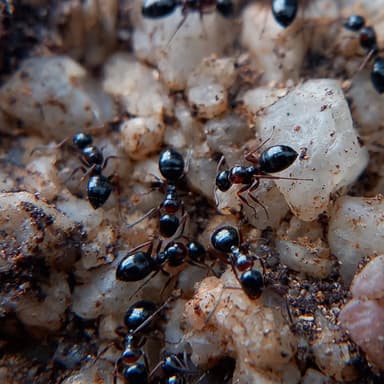
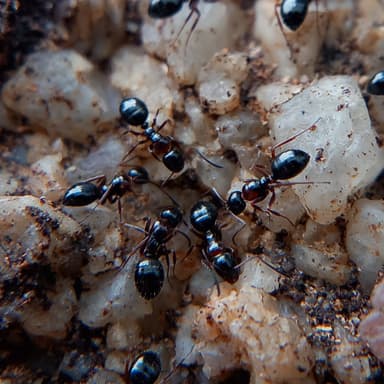
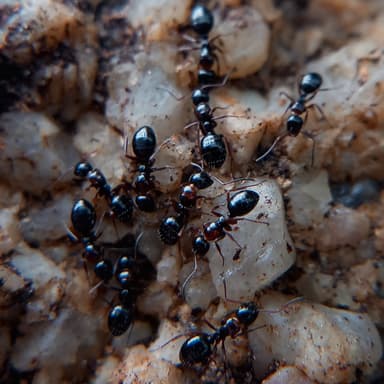
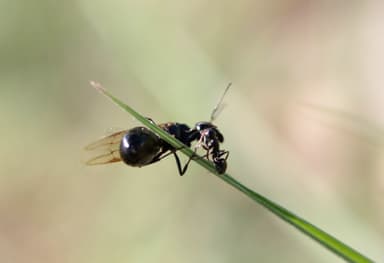
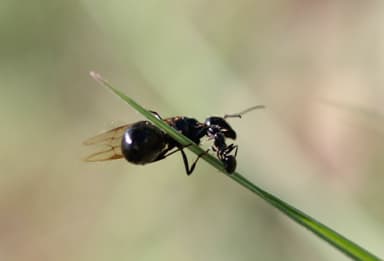
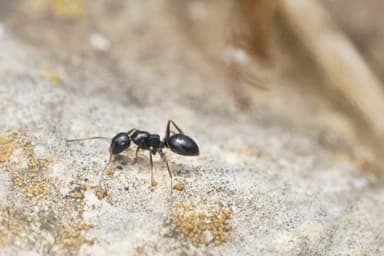
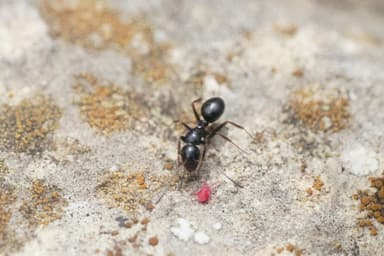
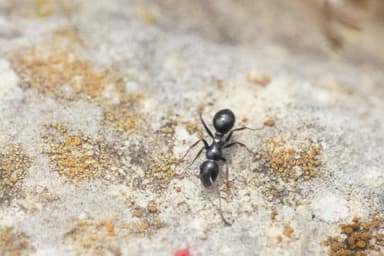
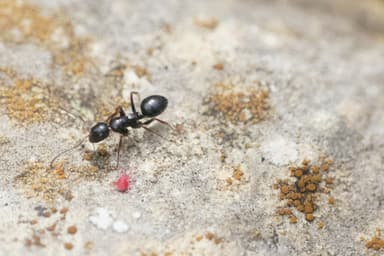
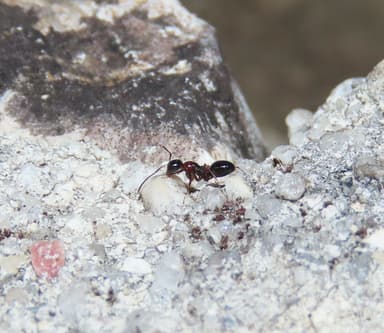
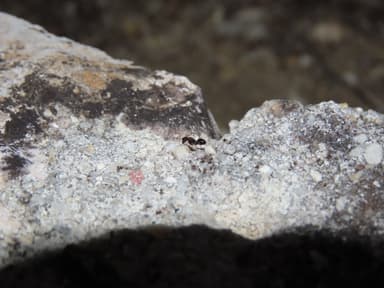
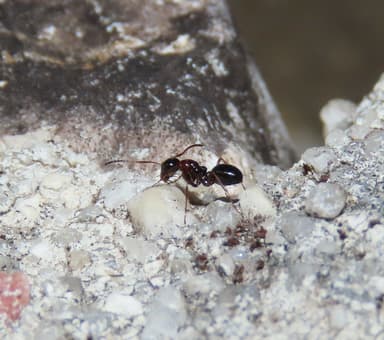
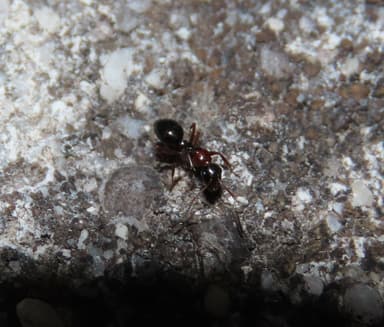
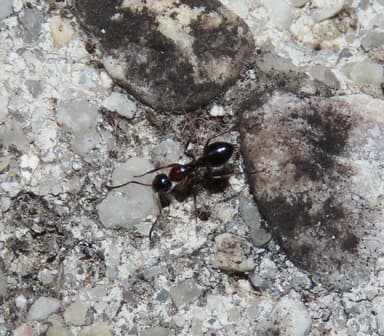
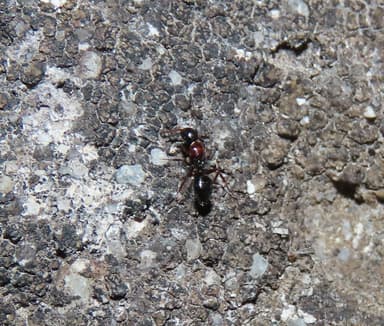
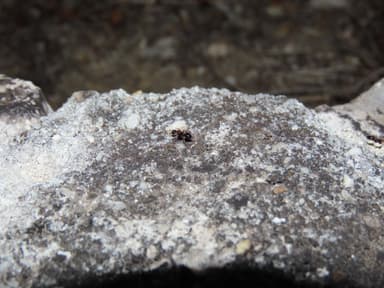
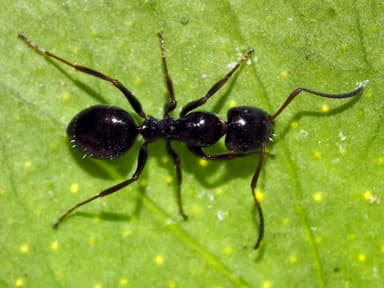
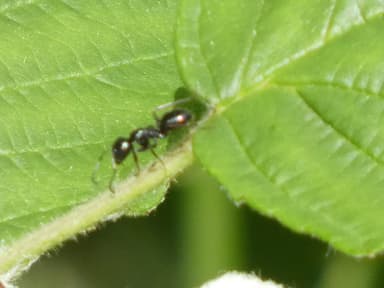
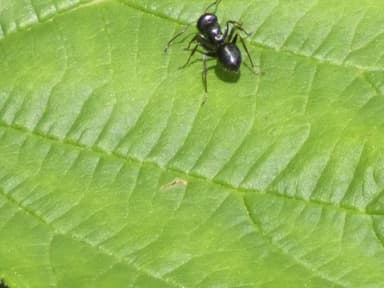
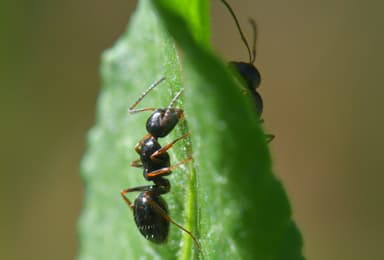
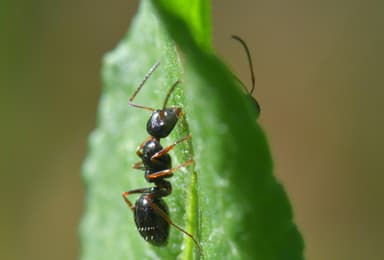
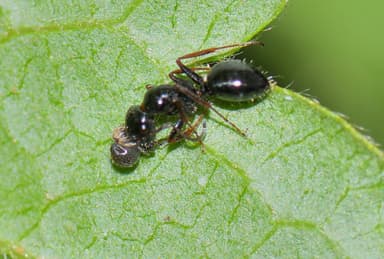
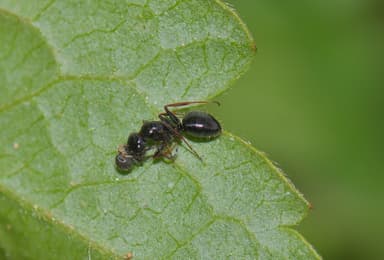
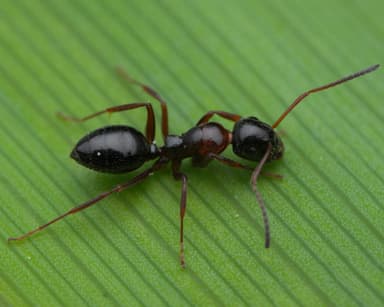
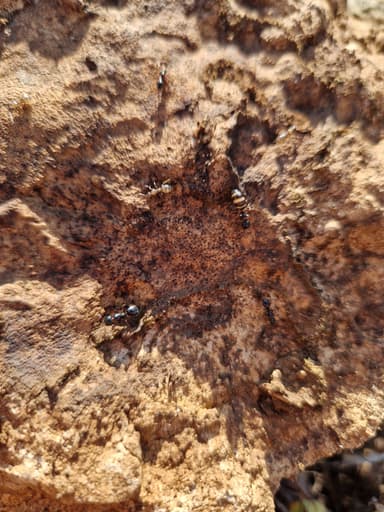
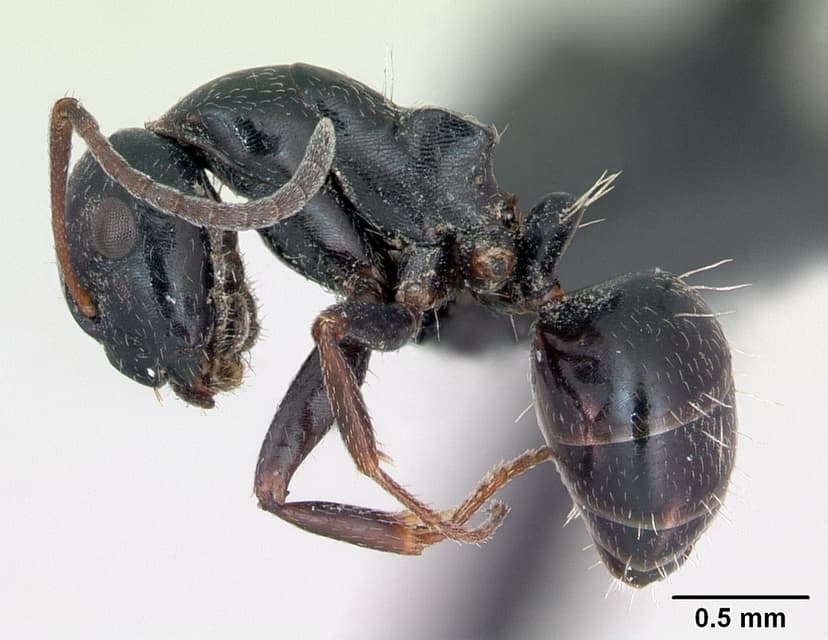
Camponotus piceus, often known as the shiny black carpenter ant, is a striking yet compact species that brings understated elegance to any collection. Queens measure a modest 8 to 10 mm, while workers range from 4 to 7 mm, displaying a clear bimodal polymorphism that splits the workforce into minor and major castes. The majors, with their disproportionately large heads and powerful mandibles, act as living tanks for colony defense and food processing, while smaller minors handle brood care and foraging with nimble efficiency. Their exoskeleton gleams a polished jet black, sometimes with subtle reddish highlights on the legs, and colonies remain manageable, peaking at around 1,000 individuals—a scale that fits comfortably on a desk or shelf. In the wild, Camponotus piceus ranges across a broad swath of Europe, from the Mediterranean north to around 55° latitude (GBIF occurrence data; Seifert 2018), where it nests in dead wood and rocky crevices. What makes this ant truly fascinating is its dual nature: the claustral founding and deliberate growth pattern reward patient observation, while the visible division of labor between demure minors and hulking majors offers a front-row seat to ant social dynamics rarely seen so clearly in a beginner-friendly species.
With a care difficulty firmly rated as beginner, Camponotus piceus is an ideal starting point for new keepers or a relaxing addition for experienced enthusiasts seeking a low-maintenance colony. The queen founds claustrally, meaning she will seal herself within a small chamber with no need for food until her first workers eclose, which dramatically simplifies the initial weeks. This species is forgiving of minor husbandry missteps, tolerating a relatively broad temperature window of 22 to 28 °C and humidity between 40 and 60%, so you won’t need elaborate climate controls. The slow, steady growth curve allows keepers to learn at the colony’s pace without the risk of sudden, overwhelming population explosions. Because the colony remains compact even at maturity, it rarely demands frequent nest upgrades, making it a peaceful long-term companion for anyone with limited space or time.
Housing these glossy carpenters is straightforward, but a few key choices will help them thrive. A nest constructed from ytong, acrylic, or a naturalistic plaster-wood composite works beautifully, as long as it offers distinct chambers to accommodate their caste-based social structure; majors often stationed near the entrance or in larger rooms while minors tend the brood deeper inside. Maintain a temperature gradient between 22 and 28 °C—a gentle heat mat placed under one side of the nest can achieve this—and monitor humidity to stay within the 40–60% range. While they do not require a deep substrate for nesting, adding a thin layer of sand or clay to the outworld helps workers grip surfaces and mimics their natural foraging terrain. Ensure the outworld has a secure lid, as these ants are adept climbers, though they are not known for aggressive escape behavior. A small water feeder or test tube with fresh water must always be available, as Camponotus species are sensitive to dehydration.
Diet should mirror their flexible natural foraging habits. Offer insect protein such as freshly killed fruit flies, small crickets, or mealworm segments twice a week, adjusting quantity to colony size; majors will often come forward to dismember larger prey items with their robust mandibles. For carbohydrates, provide a dilute honey-water solution or sugar water on a cotton wick, replaced frequently to prevent fermentation. Many keepers also see success with ripe fruit pieces like apple or grape, which provide both sugars and moisture. Never rely solely on syrups, as a balanced protein intake is essential for brood development. Remove uneaten food within 24 hours to prevent mold, and always maintain a separate clean water source—a simple cotton-plugged water tube suffices. While a foraging area is not required for minimalistic setups, adding one allows you to watch the minors’ methodical scouting raids, a behavior that Seifert (2018) notes is particularly pronounced in this species during warm afternoons.
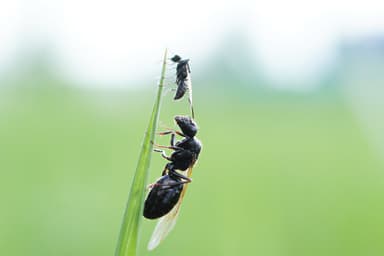
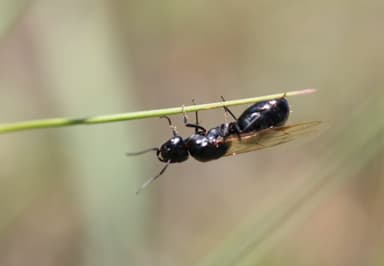
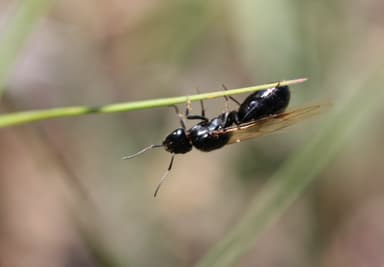
Hibernation is not optional for Camponotus piceus; without a proper winter rest period, the queen may halt egg production and the colony can slowly decline. For at least three months—typically November to February—you must move the colony into a cool, dark place at around 8 °C, such as a wine cooler or a draft-free cellar shelf. Do not let temperatures fall near freezing, and check periodically that a small supply of fresh water remains available, but withhold food entirely during this time. As you gradually warm them back to room temperature in early spring, you’ll see a surge of activity: the queen resumes laying, and workers emerge with renewed vigor, often triggered by the first springtime warmth. Nuptial flights in the wild occur on warm, humid afternoons after rainfall, typically from June to August when temperatures stay above 25 °C, a pattern to keep in mind if you ever hope to witness mating behavior, although captive flights are rare without a dedicated setup.
When your new queen or small colony first arrives, the most important rule is patience. Place the test tube or founding chamber in a dim, vibration-free spot at around 24 °C and resist the urge to check on her for at least a week. A claustral queen carries all the reserves she needs, so do not offer food or open her tube until the first workers appear—usually 6–10 weeks after the eggs are laid. Once the first few minors emerge, you may place a tiny drop of sugar water on a sliver of foil near the tube entrance, but avoid protein for another few days until the colony settles. Watch for signs of stress: if the queen is constantly pacing or tugging at the cotton plug, increase darkness and reduce disturbance. Healthy founding success correlates strongly with minimal intervention in those early days (AntWiki; Seifert 2018). With quiet, consistent conditions, you’ll soon spot the glossy minors beginning their lifelong duties, and the colony will embark on a growth trajectory that can bring years of quiet fascination.