Solenopsis
Solenopsis aurea
Care Guide
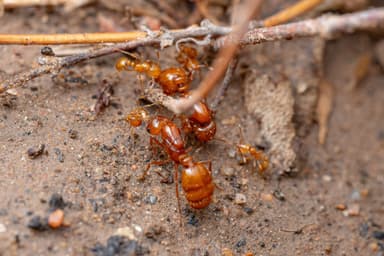
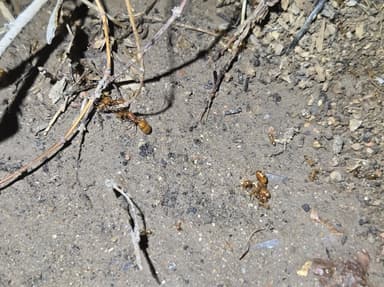
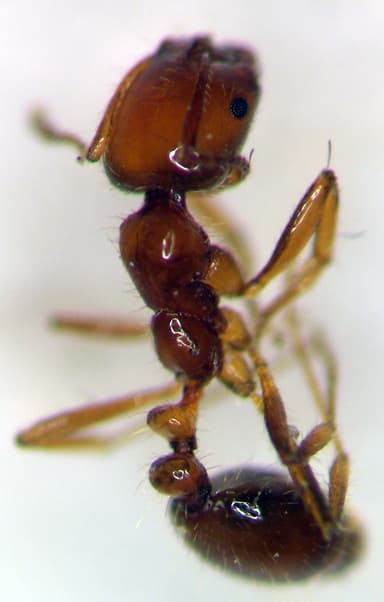
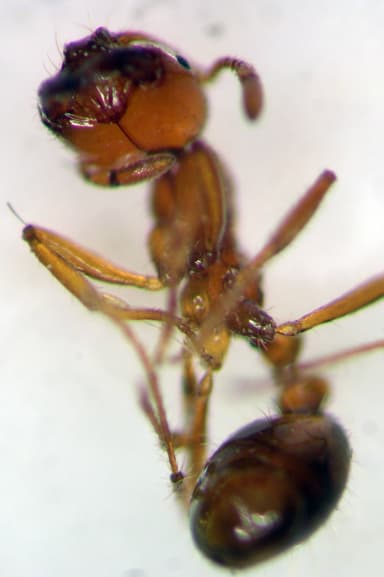
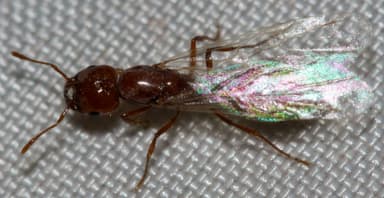
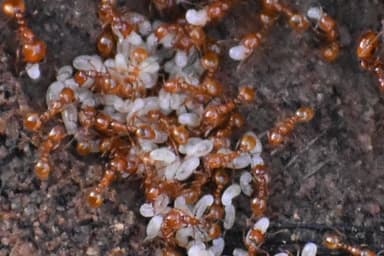
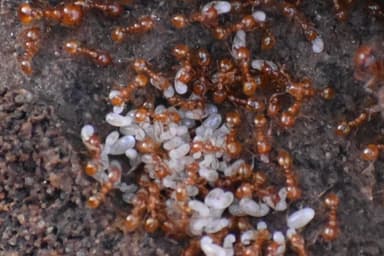
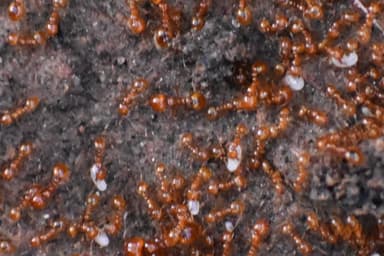
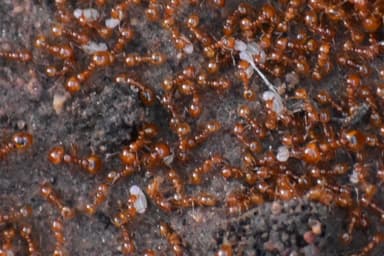
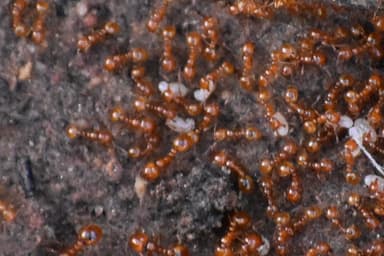
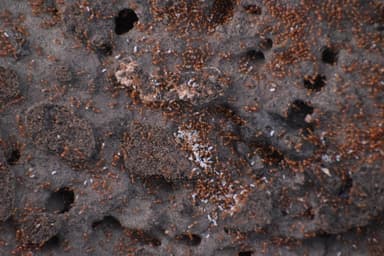
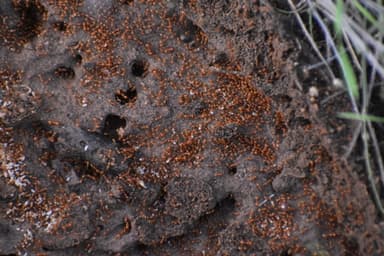
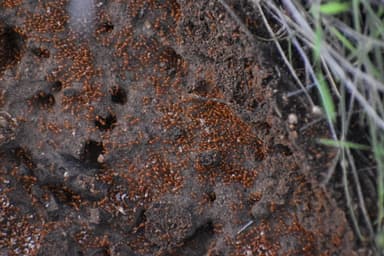
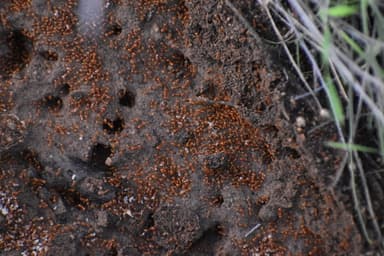
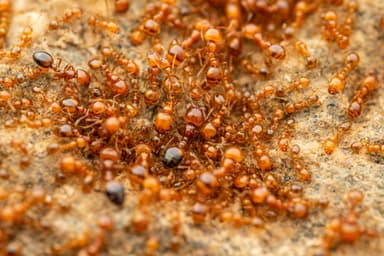
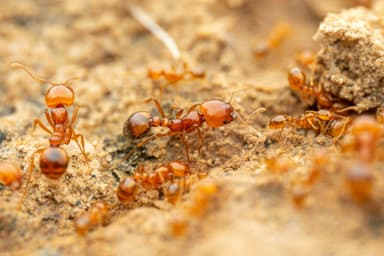
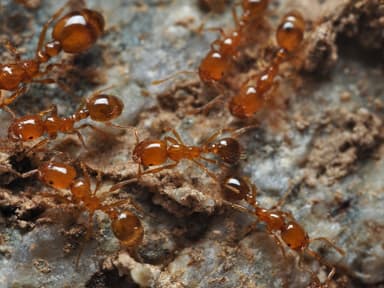
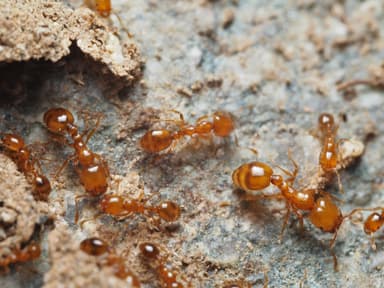
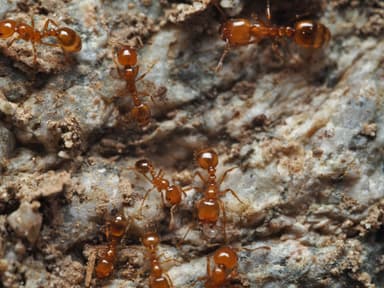
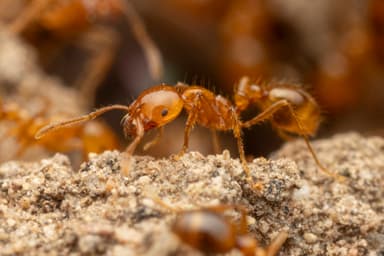
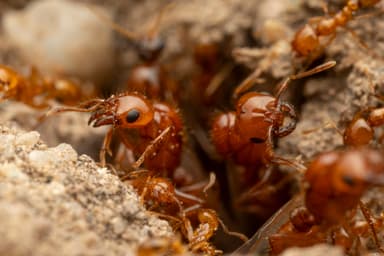
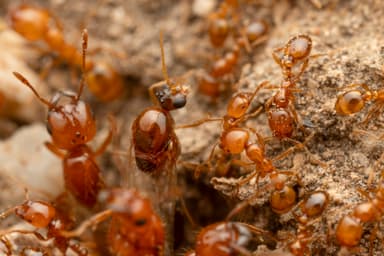
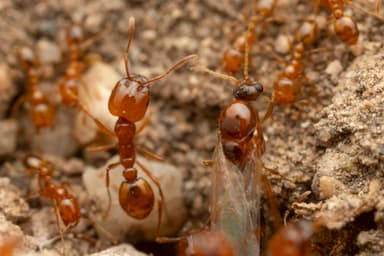
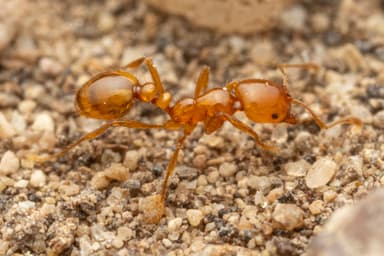
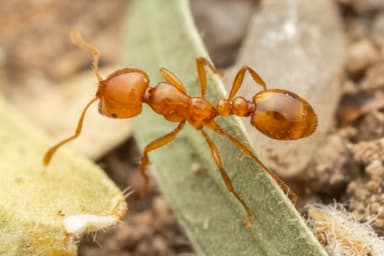
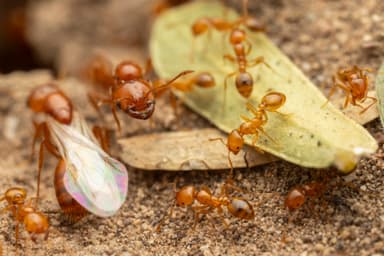
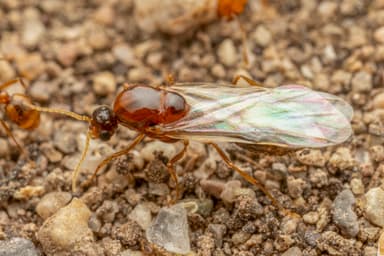
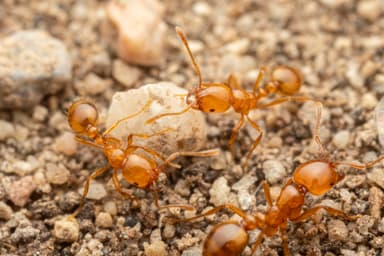
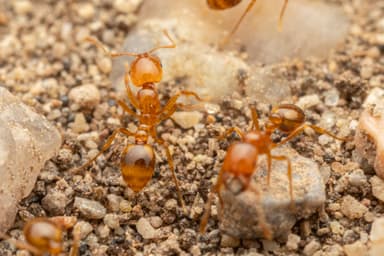
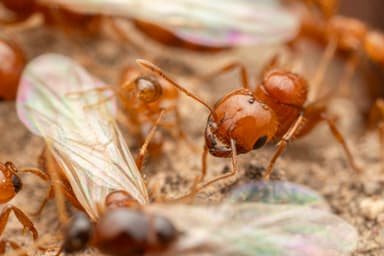
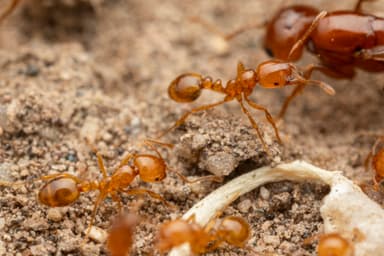
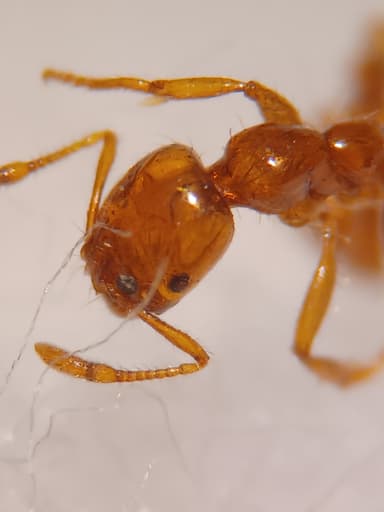
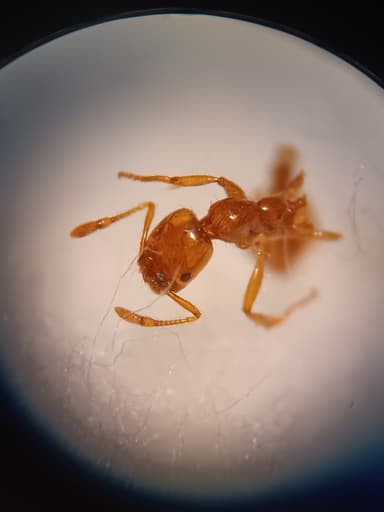
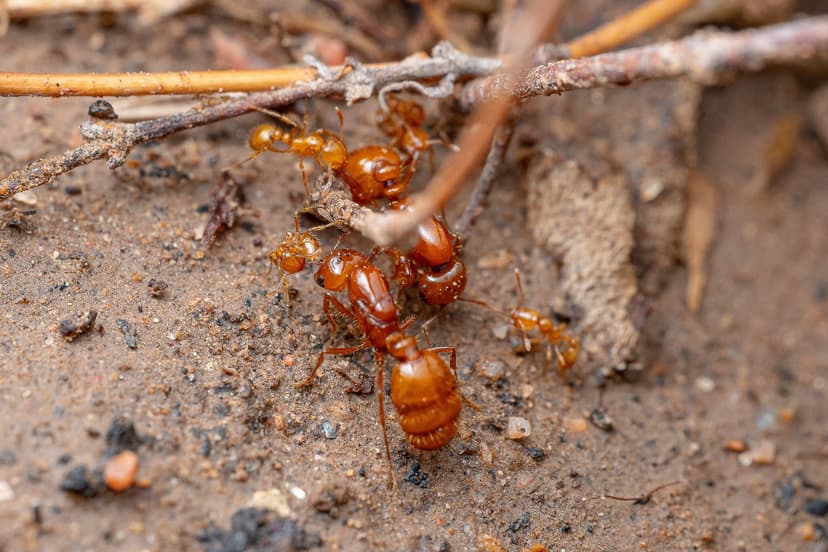
Solenopsis aurea, commonly known as the golden fire ant, is a strikingly colored member of the fire ant genus, with workers displaying a warm golden to orange hue that makes them a visual highlight in any collection. These ants are weakly polymorphic: the queen measures 6–7 mm, while workers range from about 2 mm for the smallest minors up to 6 mm for the largest majors. Despite the modest size difference, majors possess slightly larger heads and stronger mandibles, and they play a role in defending the nest and processing larger food items.
What truly sets Solenopsis aurea apart is its active, bold foraging behavior and potent sting. They are fast-moving and highly aggressive toward intruders, making them fascinating to watch as they overwhelm prey with coordinated attacks. Their claustral founding means the queen seals herself in a chamber after mating and rears the first workers using only her fat reserves, giving keepers a clean start. Once the colony grows, it can reach several thousand workers, and with a consistent supply of protein and sugar, colony expansion is remarkably rapid.
Care difficulty
Keeping Solenopsis aurea is best suited for intermediate hobbyists. Their rapid growth and high metabolism demand regular feeding, and their aggressive nature requires careful handling during maintenance. They do not hibernate, so year-round activity is the norm, and a stable temperature between 22–28°C with 50–70% humidity keeps them thriving. They eagerly accept insect prey, sugar water, and honeydew, but protein is essential for brood development. Without a steady supply of insects, the colony will stagnate — this is the main challenge for beginners.
Housing
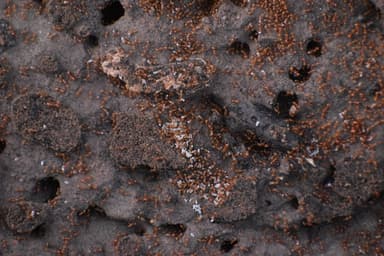
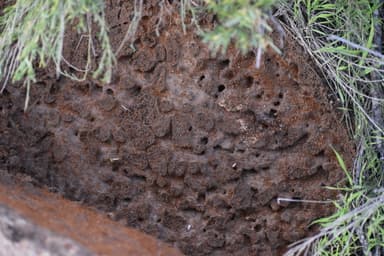
A formicarium for Solenopsis aurea should offer a nesting chamber with moderate humidity, connected to a spacious foraging area where they can hunt and scavenge. These ants appreciate a substrate that holds moisture, such as sand-clay mixes or ytong, but the foraging area can be kept dry. Because they are escape artists and can chew through soft plastics, use a setup with secure barriers and fluon or oil on the outworld walls. Provide a heat mat if room temperature dips below 22°C, and maintain a gentle humidity gradient inside the nest. Outworld feeding stations should be cleaned regularly to prevent mold, as leftover honey water can ferment quickly.
First days after purchase
Upon receiving your colony, transfer them into a prepared formicarium in a calm, dimly lit spot. Give them several days to settle before attempting any feeding or maintenance. During this acclimation period, ensure the nest is kept dark and undisturbed — vibrations and bright light cause stress. Offer a drop of sugar water and a small insect after the first 48 hours. If the queen is still in a test tube, allow her to move into the new nest naturally by connecting the tube. Observe for signs of regular foraging and brood care, which indicate successful adaptation. With patience, you will soon witness the relentless energy and golden shimmer of a thriving Solenopsis aurea colony.