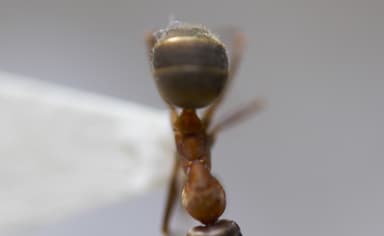
Formica
Formica clara
Care Guide
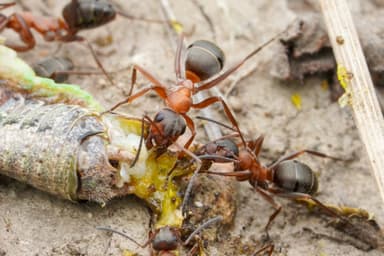
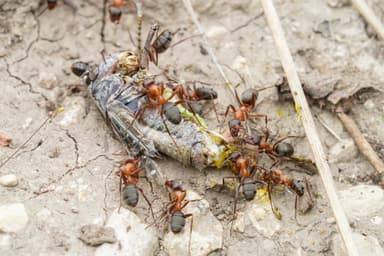
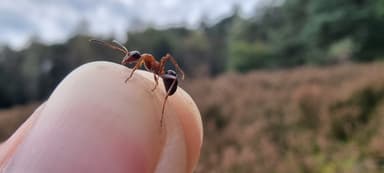
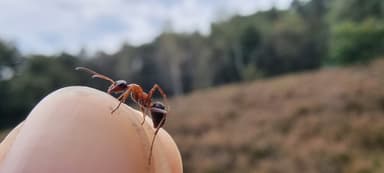
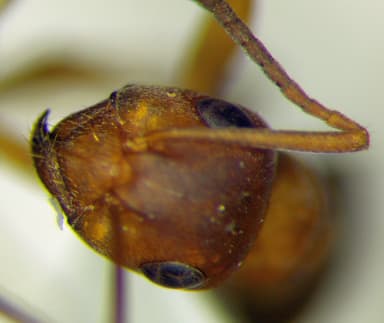
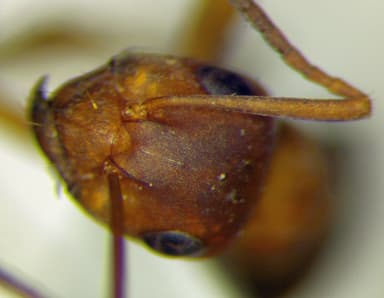
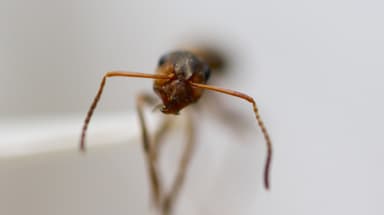
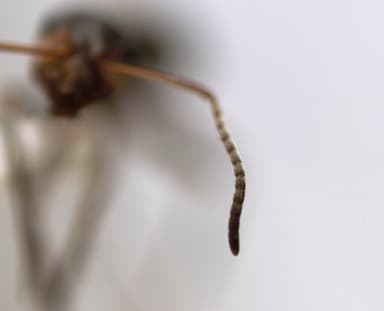
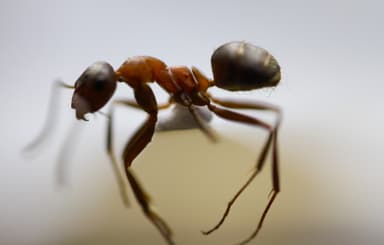
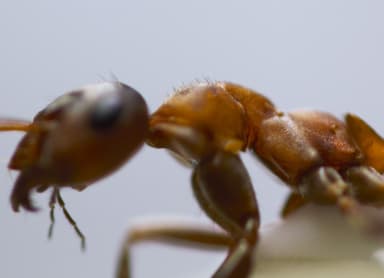
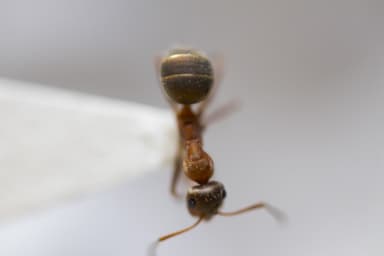
Formica clara is a particularly attractive species within the genus Formica, known for its lively foraging activity and striking two-tone coloration. These ants are polymorphic to a modest degree, with the queen measuring between nine and eleven millimeters, while workers range from four and a half to seven and a half millimeters. The colony grows steadily and can eventually reach a respectable size of five thousand to fifty thousand workers, making them a satisfying species to watch as the nest expands over the seasons.
One of the most fascinating aspects of Formica clara is their close relationship with aphids and other honeydew-producing insects. In the wild, these ants are diligent herders, tending groups of aphids on plants and collecting the sugary honeydew they excrete. This behavior can often be observed in captivity as well, especially when the ants have access to a naturalistic foraging area. Their diet in captivity should consist of a balance of protein from insects like fruit flies, mealworms, or cricket pieces, and carbohydrates offered as sugar water, honey water, or artificial honeydew. A steady supply of both is essential for brood development and colony vitality.
Care difficulty
Formica clara is best suited for intermediate keepers. While the ants themselves are hardy and vigorous, they require a proper hibernation period to maintain a healthy annual cycle. Without a cooling phase at around five degrees Celsius for several months, the queen may stop laying eggs, and colony growth can stall. Additionally, these ants are quite active and can become stressed if disturbed too frequently, so a calm, vibration-free environment is important for long-term success.
Housing
A formicarium with moderate humidity levels between fifty and sixty percent is ideal for Formica clara. The nest area should be kept slightly drier than the outworld to prevent mold, but a regular moistening of the chosen hydration zone will support larval development. Temperature should be maintained between twenty and twenty-eight degrees Celsius during the active season. These ants appreciate a spacious outworld for foraging and will readily accept a setup that allows them to explore and gather food. Because they are sensitive to light and disturbance, a dark covering over the nest area and a quiet location are strongly recommended.
First days after purchase
Upon receiving your Formica clara colony, place the formicarium in a dim, quiet spot and resist the urge to observe constantly. Give the ants at least a day or two to settle into their new environment. Ensure they have access to a small drop of sugar water and a source of protein, and check that the humidity levels in the nest are adequate. Once the workers begin moving confidently and the queen resumes normal activity, you can gradually introduce a more structured feeding schedule and begin enjoying the dynamic behavior of this wonderful species.