Crematogaster
Crematogaster mutans
Nuptial Flight Calendar
Care Guide
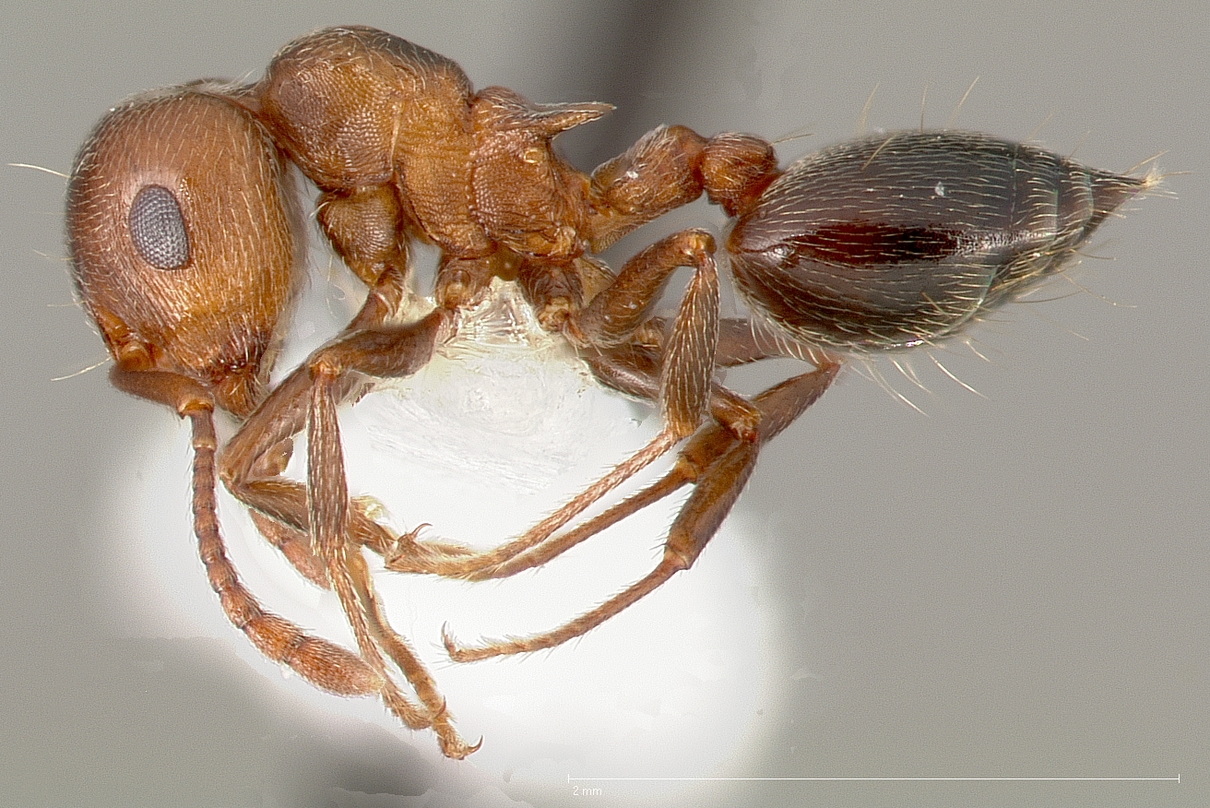
Crematogaster mutans, commonly known as the acrobat ant, earns its name from the remarkable flexibility and agility of its workers. These small, reddish-brown ants are capable of raising their heart-shaped gasters over their heads, a defensive posture that allows them to spray a potent, irritating secretion at threats. The queen, measuring between 5 and 7 mm, is only slightly larger than her workers, which range from 2.5 to 3.5 mm. Colonies typically grow to a few thousand individuals, making them substantial but manageable for an intermediate keeper.
One of the most fascinating aspects of Crematogaster mutans is their varied diet. In the wild, they are avid scavengers and tend honeydew-producing insects. In captivity, they thrive on a mix of protein and carbohydrates. Offer them live or freshly killed insects such as fruit flies, mealworms, or small crickets, alongside sugar water or diluted honey. They also appreciate occasional honeydew mimics like maple syrup. A steady protein source is essential for brood development, while sugars fuel the colony’s energetic foraging.
Care difficulty
Keeping Crematogaster mutans is best suited for keepers with some experience. Their claustral founding is straightforward—the queen does not need feeding until the first workers emerge—but the colony’s sensitivity to humidity and temperature requires attention. They are not as resilient as beginner-friendly species, yet they reward careful husbandry with dynamic, active colonies.
Housing
Crematogaster mutans naturally nest in wood, hollow stems, or cavities, so a formicarium with a naturalistic substrate or nesting modules that retain some moisture is ideal. They prefer warm conditions between 22 and 28°C, and a relative humidity of 50–70%. A hydration system in the nest area is crucial—too dry and the brood will suffer; too wet and mold can become an issue. These ants are energetic foragers and appreciate a spacious outworld with climbing opportunities, such as branches or textured walls. They are also known to be escape artists, so ensure tight seals. Hibernation is mandatory: from late autumn, gradually cool the colony to around 10°C for at least two to three months. This period of rest is vital for the queen’s longevity and future brood production.
First days after purchase
Upon receiving your colony, transfer them gently into a prepared formicarium. Place the setup in a quiet, dimly lit area with stable temperatures. Avoid disturbing them for the first few days so they can acclimatize and begin exploring their new home. Provide a drop of sugar water and a small protein source near the entrance. Observe from a distance to ensure they are drinking and feeding—this is a good sign that the colony is settling. With patience and consistent care, Crematogaster mutans will soon display their acrobatic antics, turning your formicarium into a lively miniature circus.