Camponotus
Camponotus parius
Care Guide
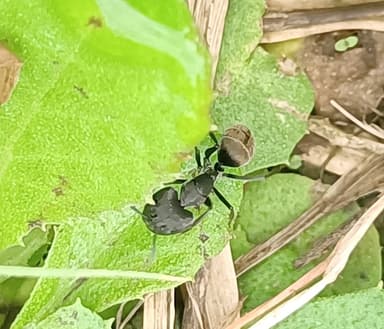
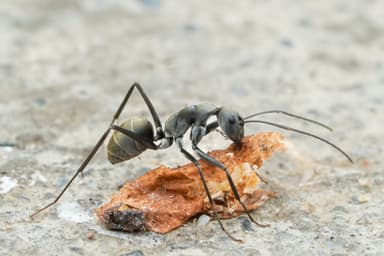
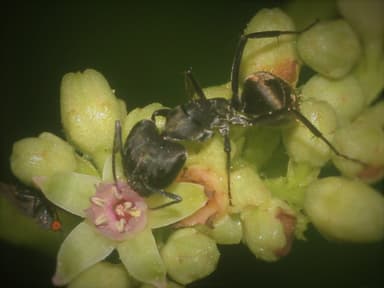
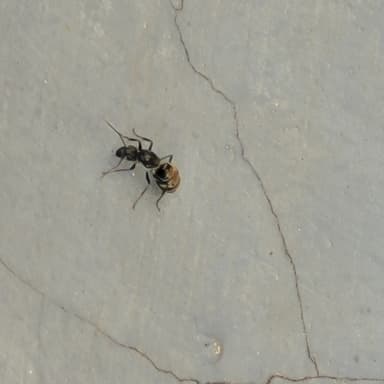
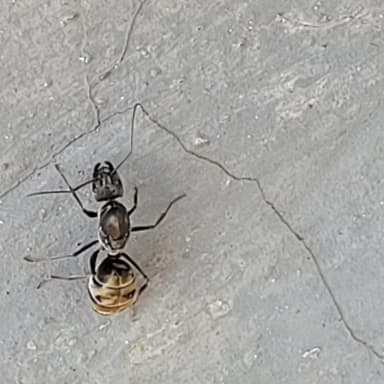
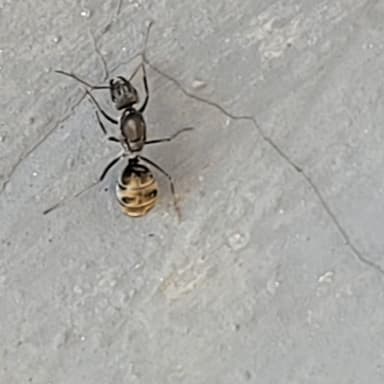
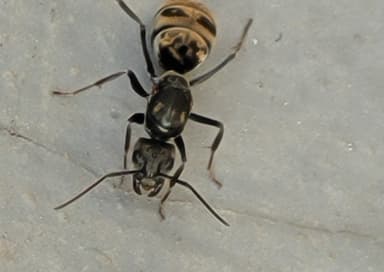
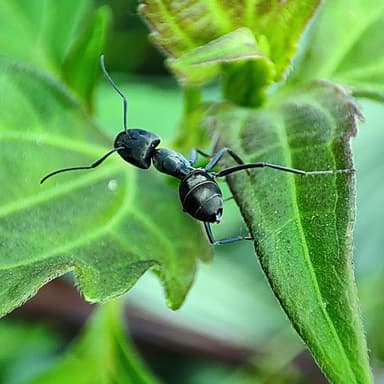
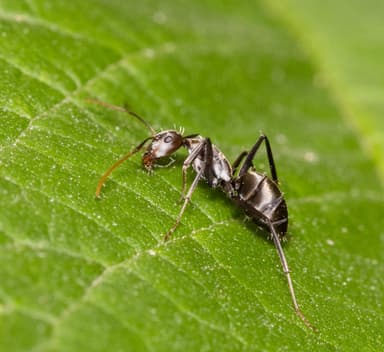
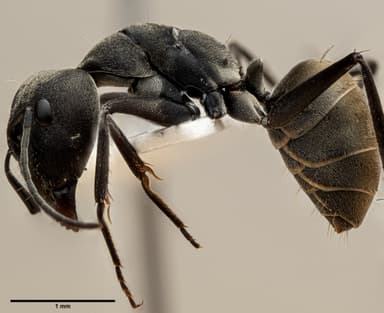
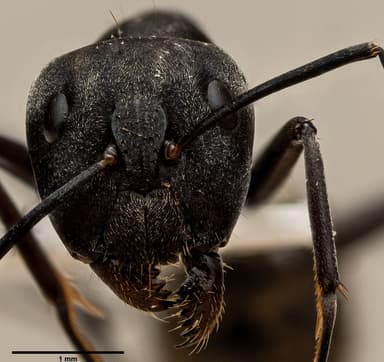
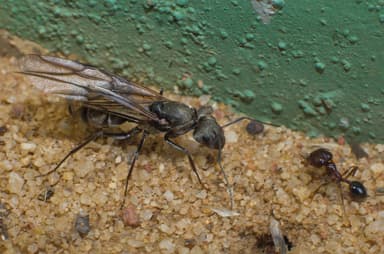
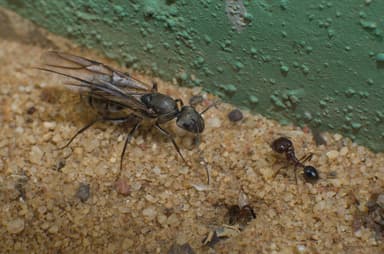
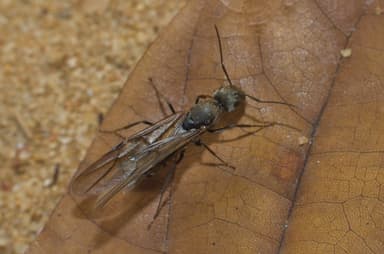
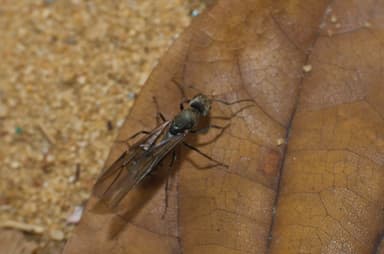
Camponotus parius is a wonderfully adaptable and rewarding ant species, ideal for those new to the hobby. The queen, measuring 14–16 mm, is a robust, dark-brown figure, while the workers range from 6–12 mm, displaying a subtle size variation typical of many carpenter ants. Their coloration is striking: a deep blackish-brown body contrasted by light, almost golden legs and antennae, giving them a distinctive appearance in the nest. Despite being part of the large Camponotus genus, these ants do not require a hibernation period, making them a convenient species for year-round observation.
One of the most charming aspects of Camponotus parius is their foraging behavior. These ants are active foragers both during the day and at night, readily exploring their surroundings for food. Their diet is straightforward: they need a balanced mix of protein and carbohydrates. Offer them small insects such as fruit flies, mealworms, or cricket pieces, alongside sugar water or honeydew. They will eagerly collect these resources and bring them back to the nest. The colony grows steadily, eventually reaching up to 2,000 workers, and their calm, non-aggressive nature makes them a pleasure to watch even at peak population.
Care difficulty
Keeping Camponotus parius is very beginner-friendly. Their claustral founding method means the queen can raise her first brood without needing feeding, sealed away in a dark test tube. After the first workers arrive, their care remains simple: regular feeding, stable humidity, and appropriate warmth. They are forgiving of minor fluctuations, making them an excellent choice for those still learning the nuances of ant keeping.
Housing
A suitable formicarium should provide a warm, humid nest area with a temperature of 24–28°C and humidity around 50–70%. A test tube setup works perfectly for the early colony, but as they grow, a plaster or acrylic nest with a connected outworld will offer them space to expand. Camponotus parius are not particularly sensitive to light or vibrations once established, though it is wise to avoid excessive disturbance during the first few weeks. Ensure the nest has a gentle moisture gradient—a slightly wetter corner for brood development and drier chambers for the workers. They do not require special nesting materials like wood, as they adapt well to artificial cavities.
First days after purchase
When your new colony arrives, transfer them carefully into a quiet, dimly lit space. If they are still in a test tube, simply plug the tube into a small outworld and let them settle. Avoid peeking or tapping the tube for the first few days. Provide a drop of sugar water on a small piece of cotton and a tiny piece of insect protein. The queen and her first workers will begin exploring once they feel secure. Within a week, you should see normal foraging traffic. Regular, gentle observation is fine after the initial acclimation period—these ants are hardy and curious, quickly becoming active inhabitants of their new home.