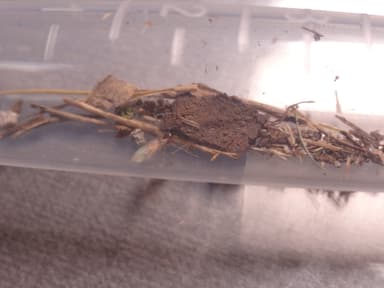
Tapinoma
Tapinoma melanocephalum
Nuptial Flight Calendar
Flight months: Jan, Feb, Mar, Apr, May, Jun, Jul, Aug, Sep, Oct, Nov, Dec
Care Guide
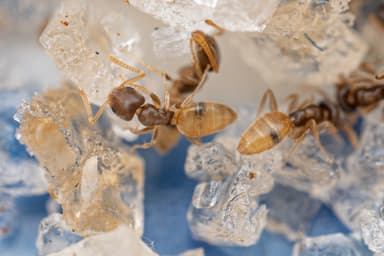
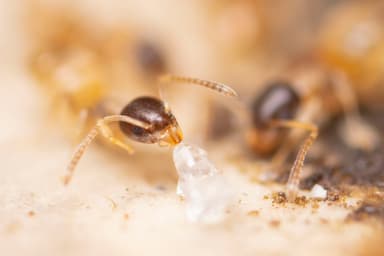
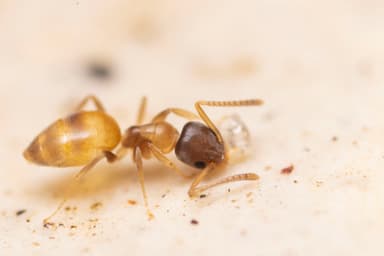
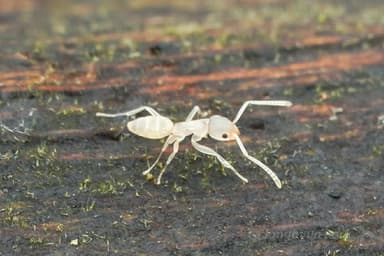
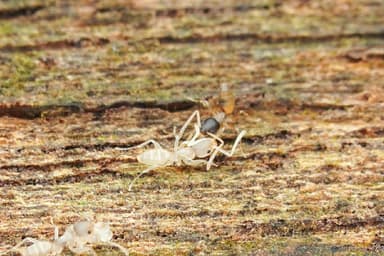
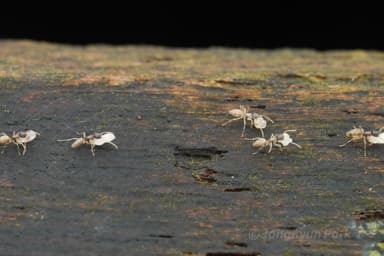
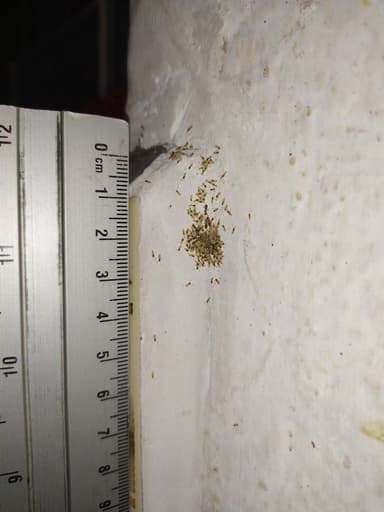
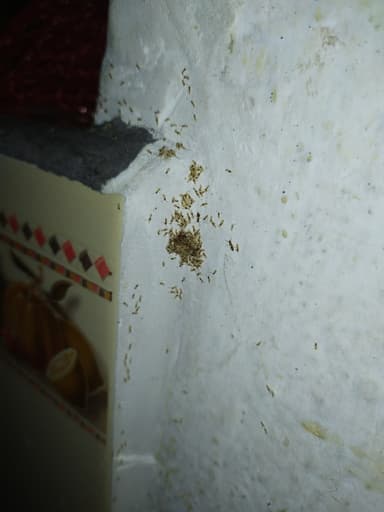
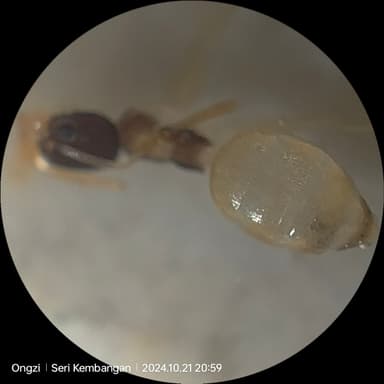
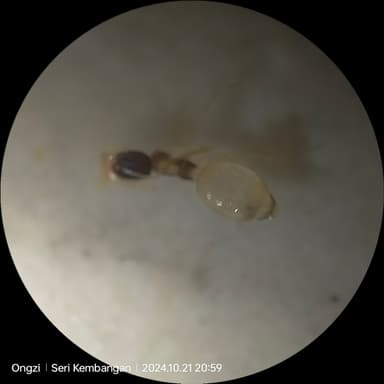
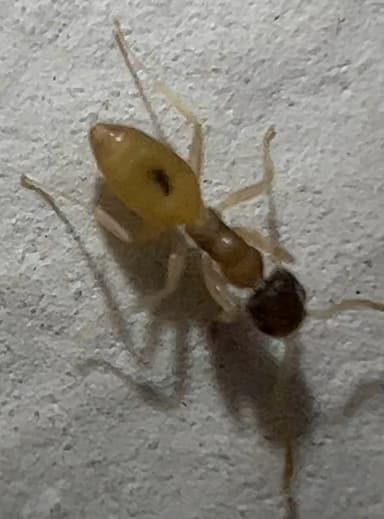
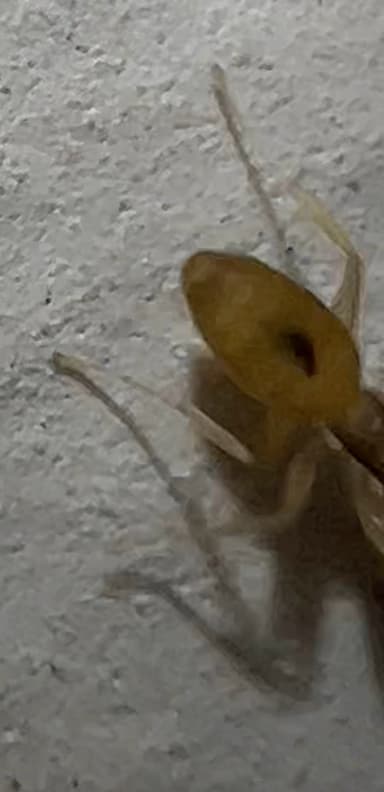
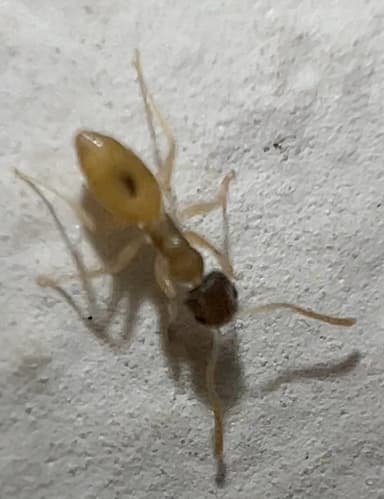
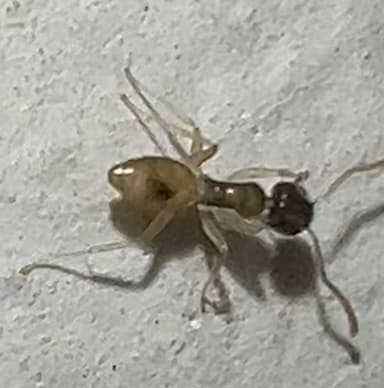
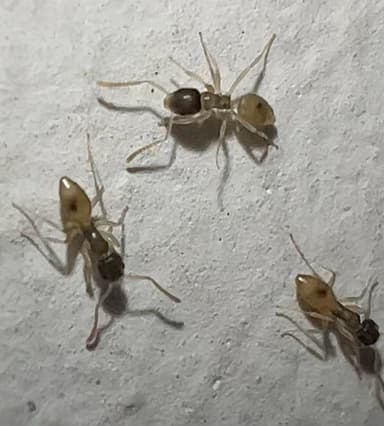
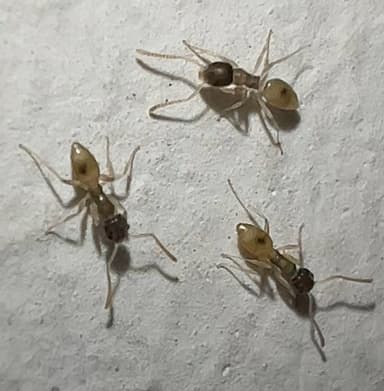
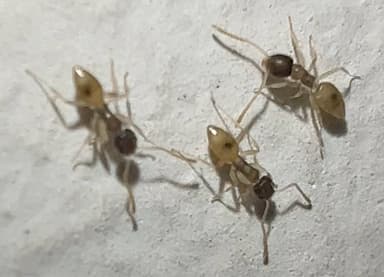
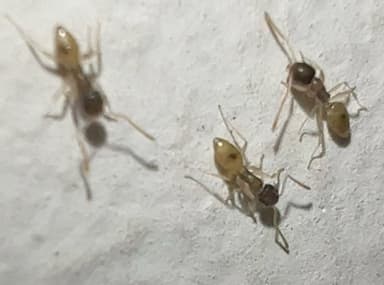
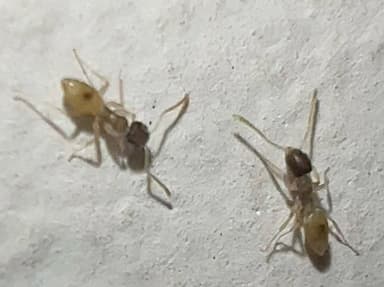
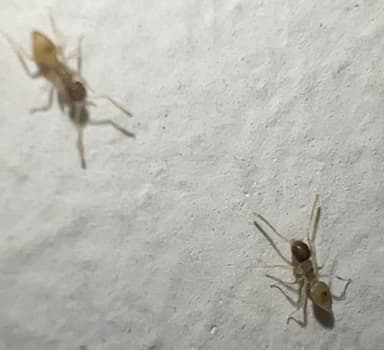
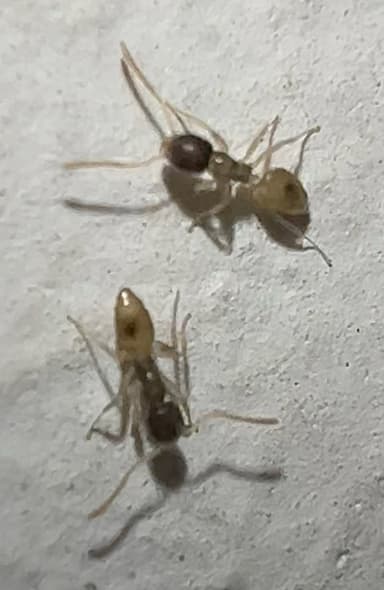
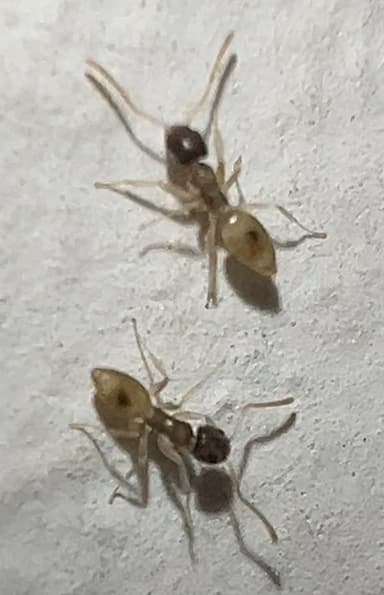
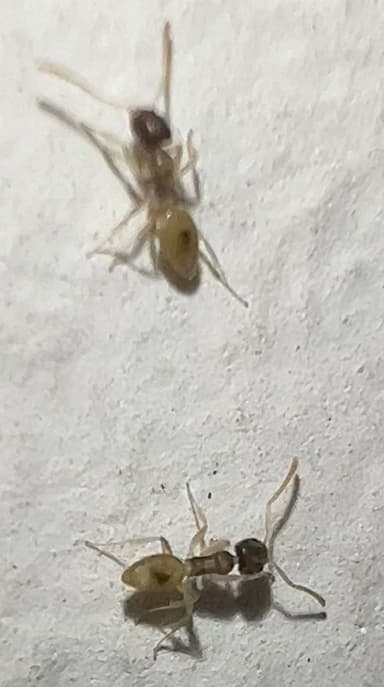
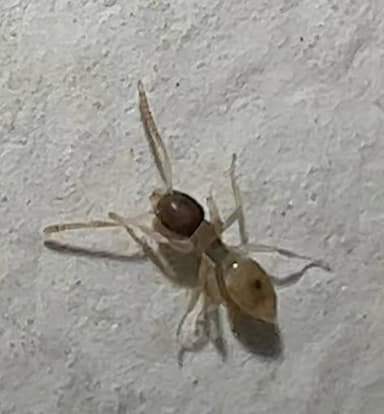
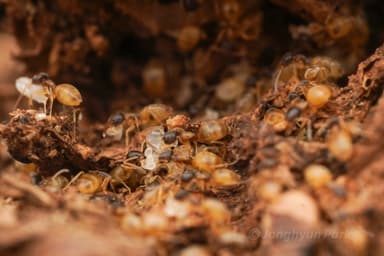
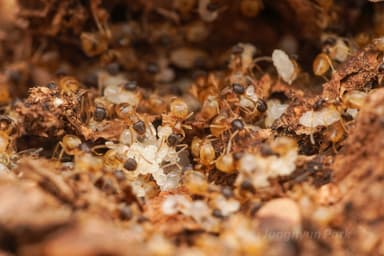
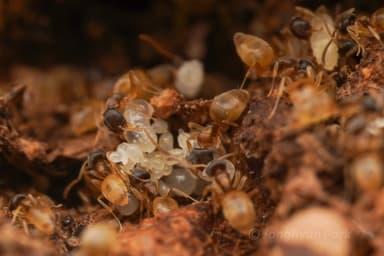
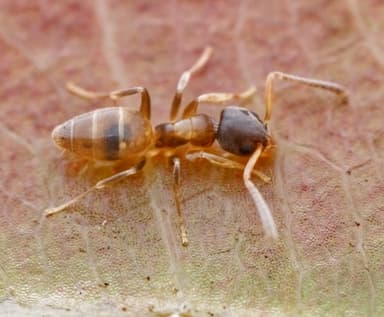
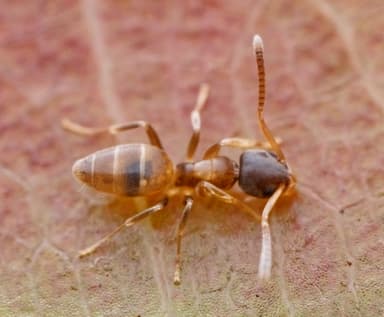
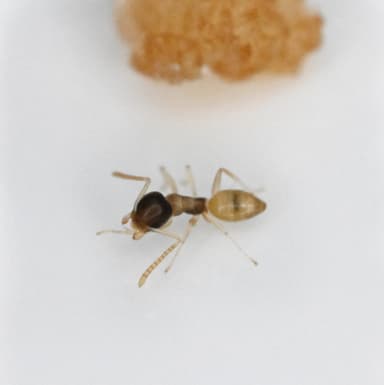
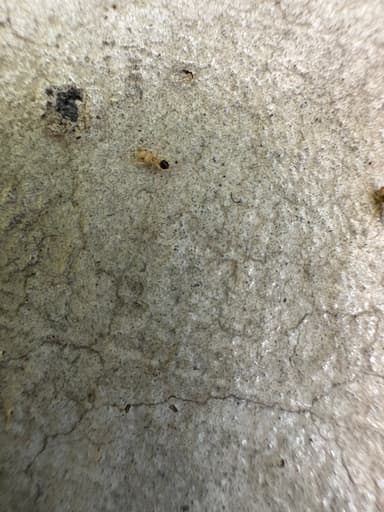
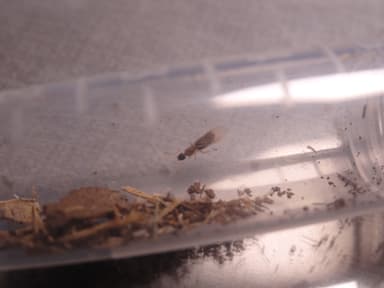
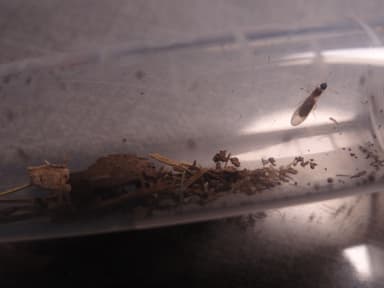
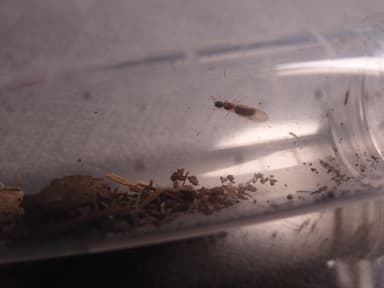
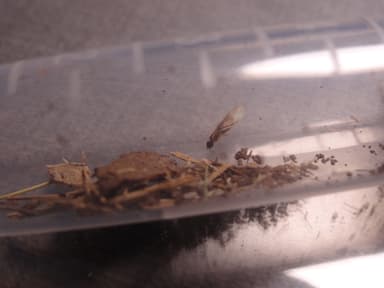
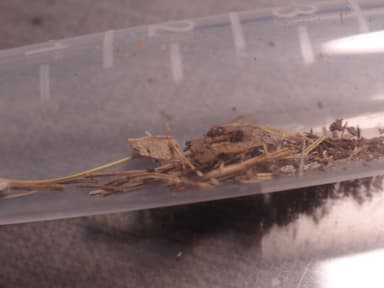
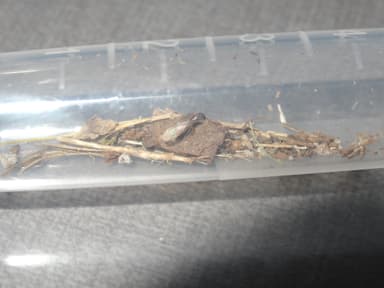
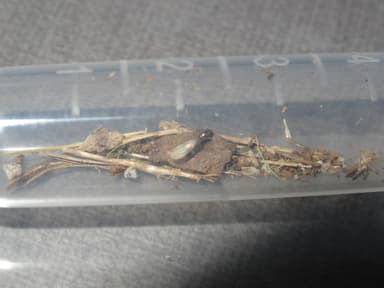
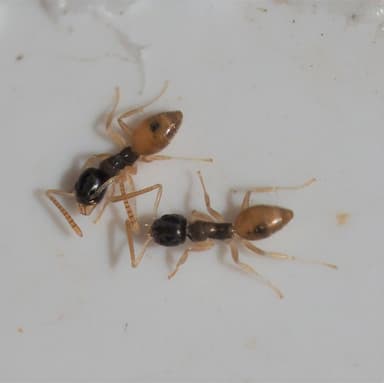
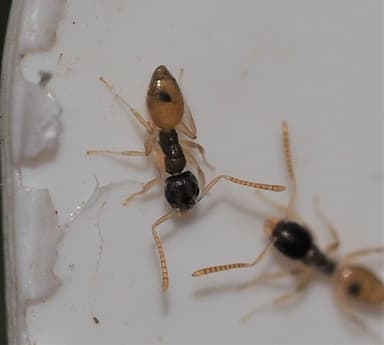
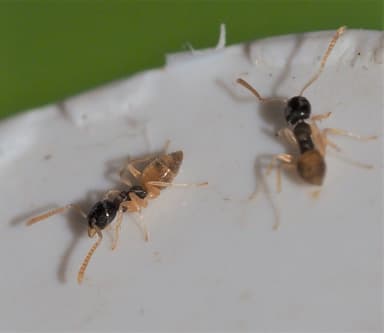
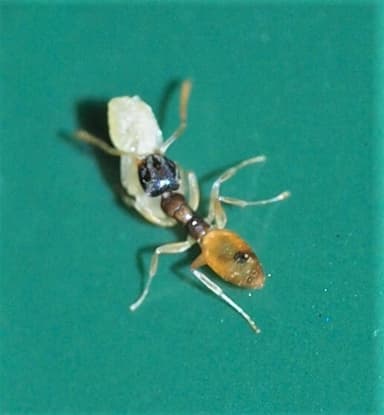
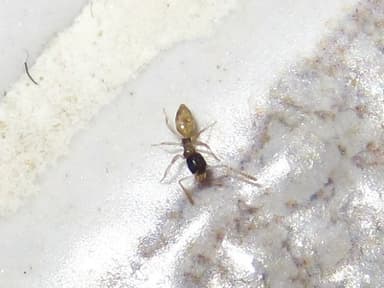
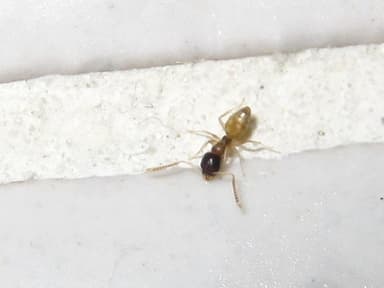
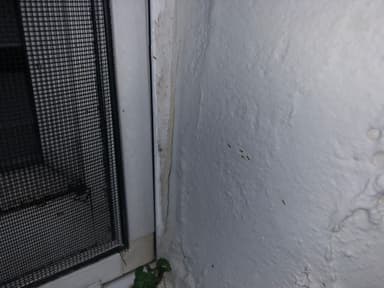
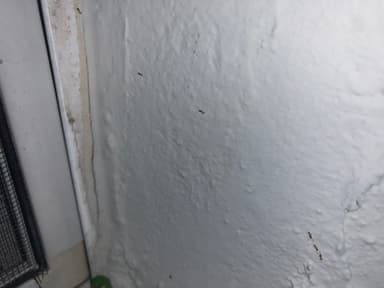
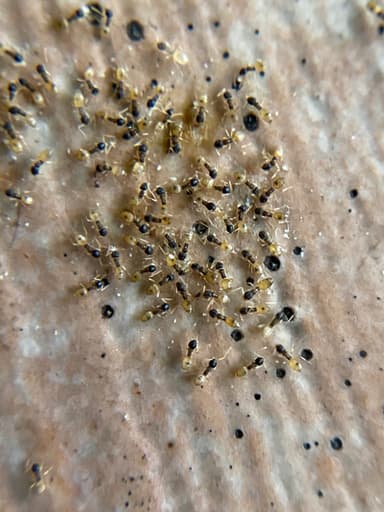
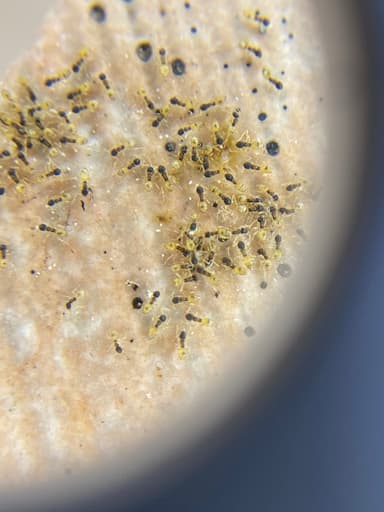
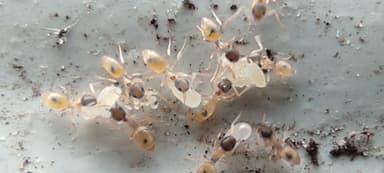
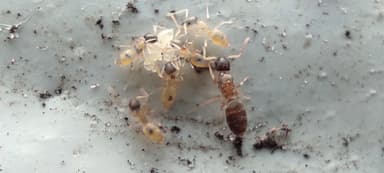
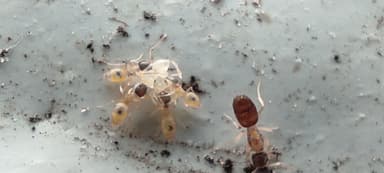
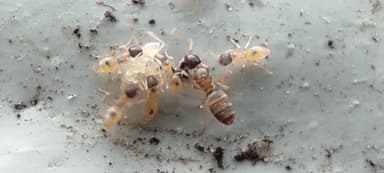
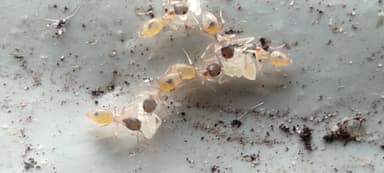
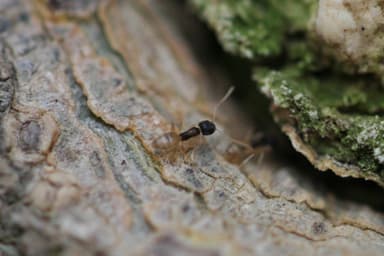
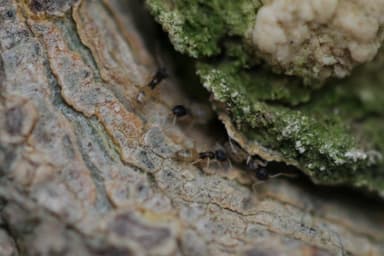
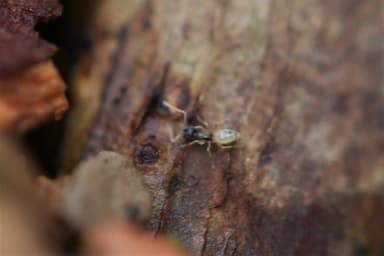
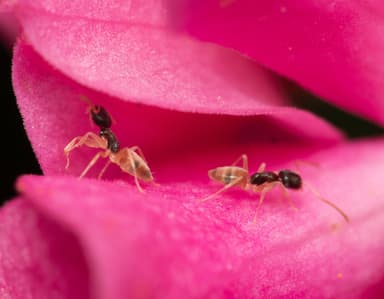
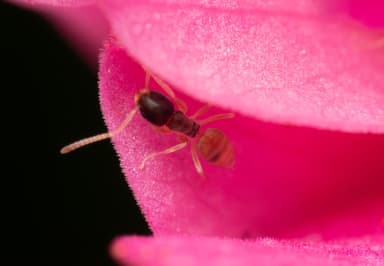
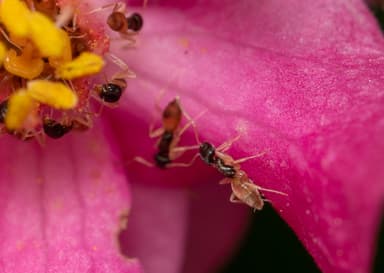
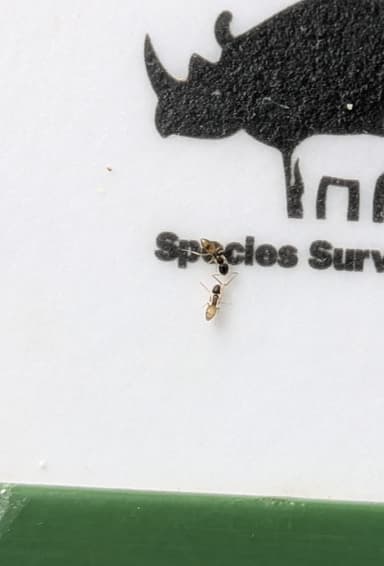
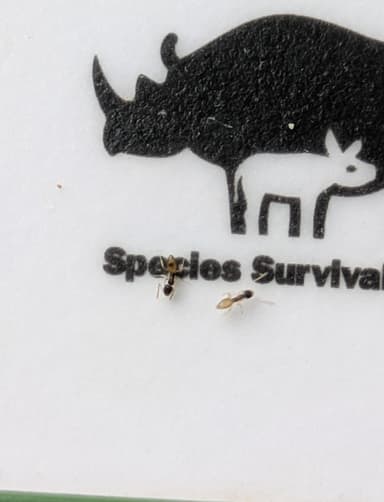
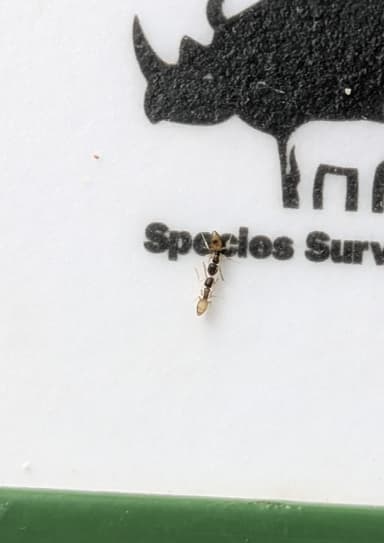
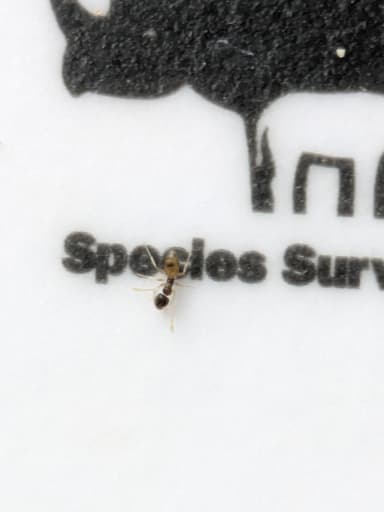
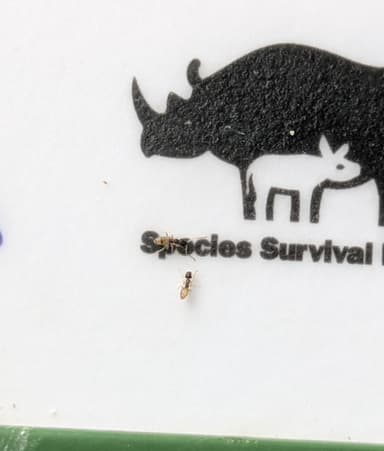
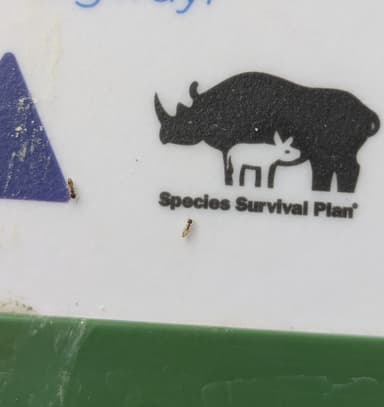
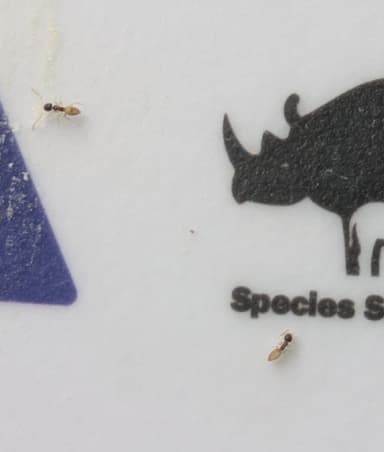
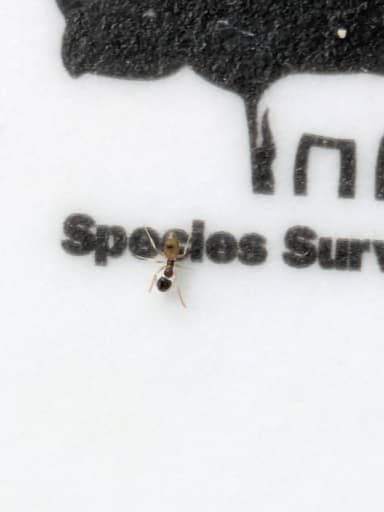
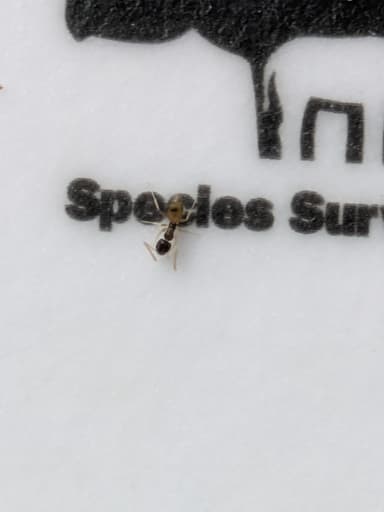
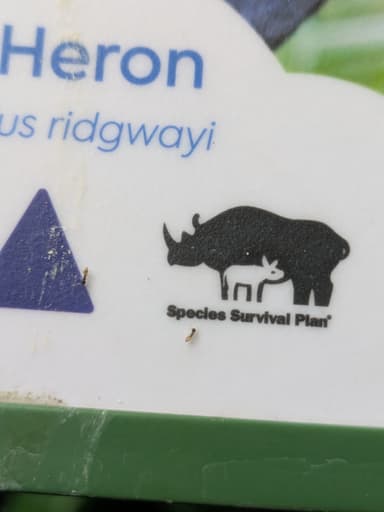
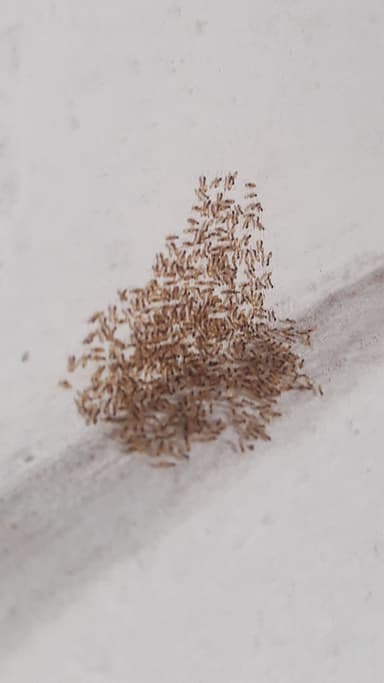
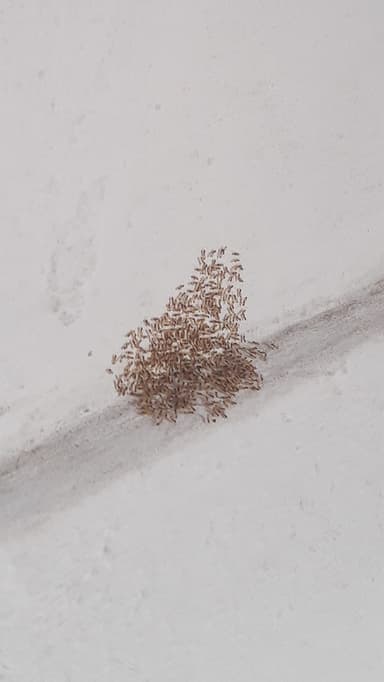
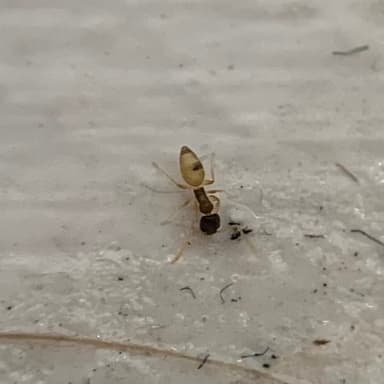
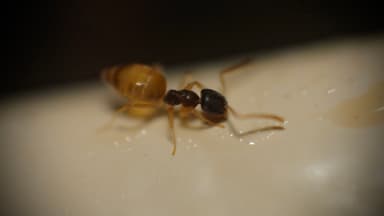
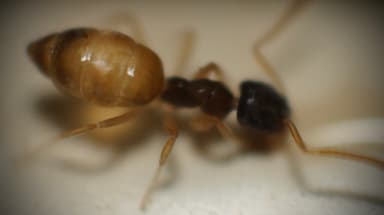
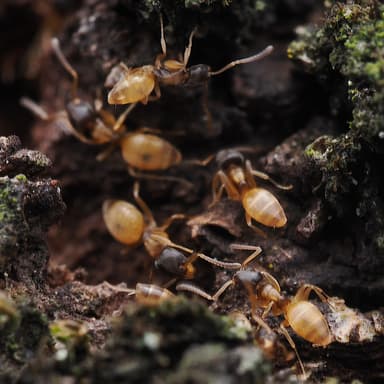
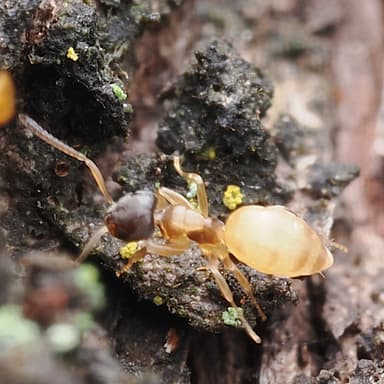
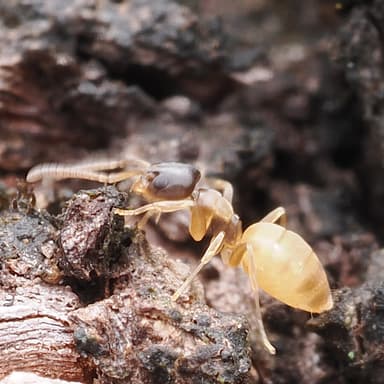
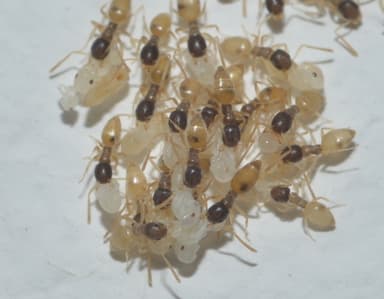
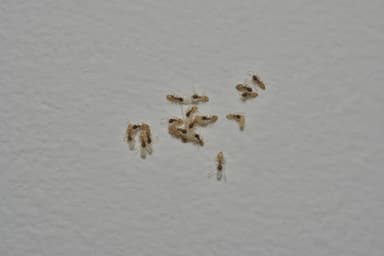
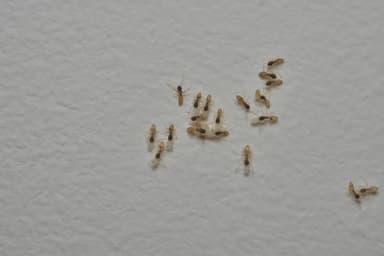
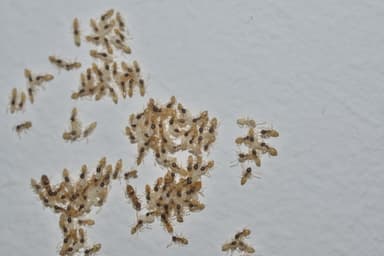
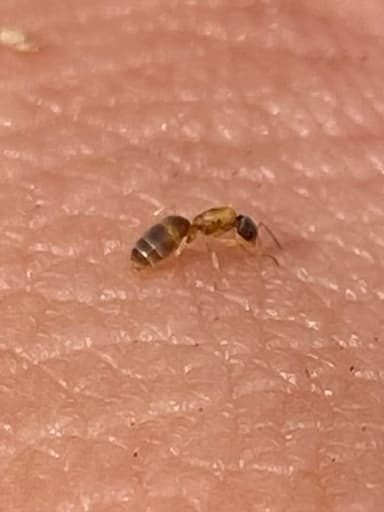
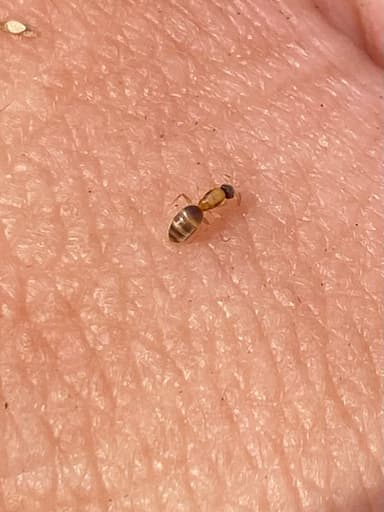
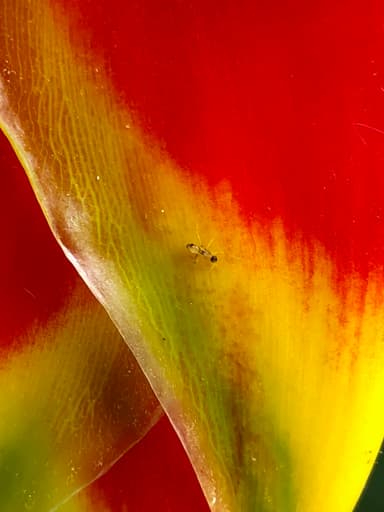
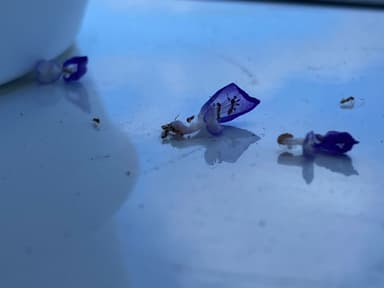
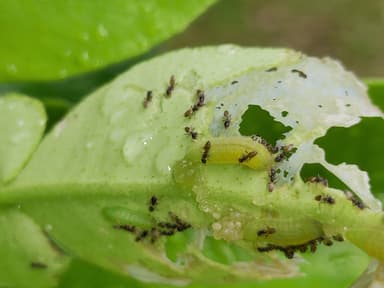
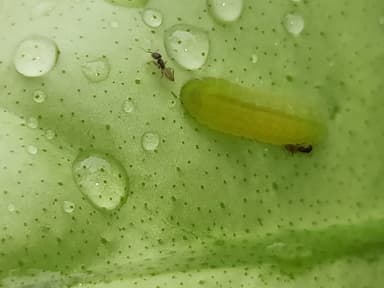
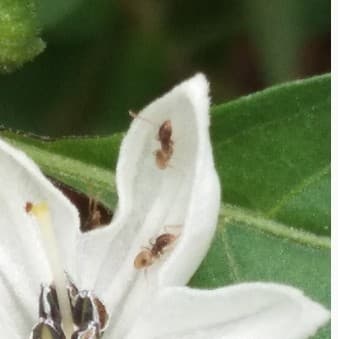
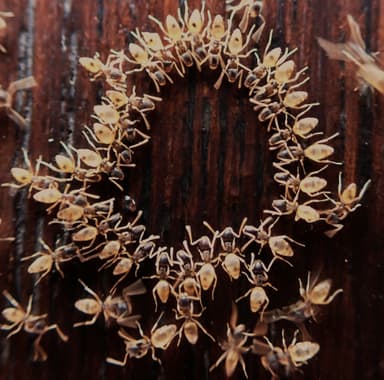
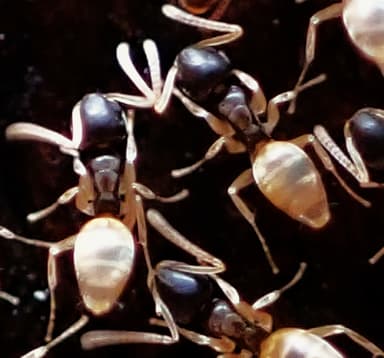
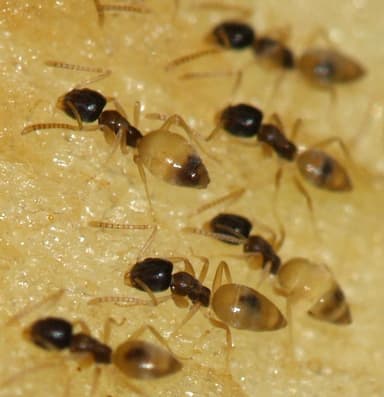
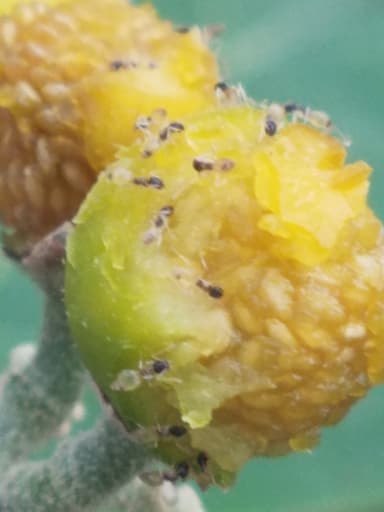
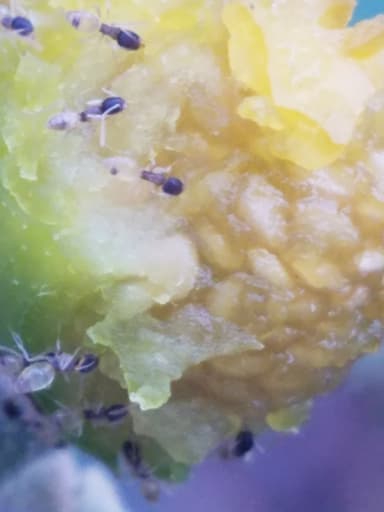
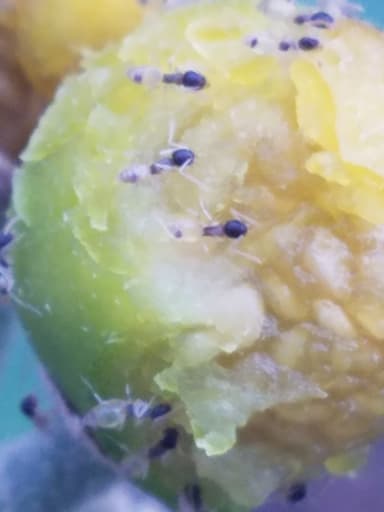
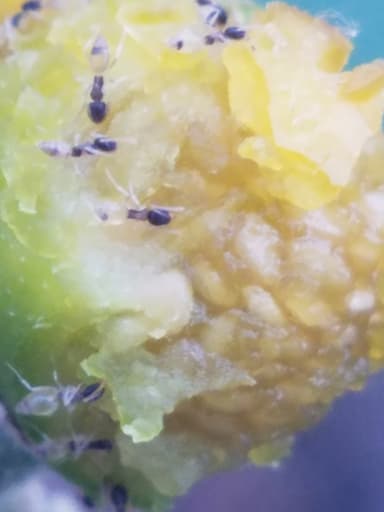
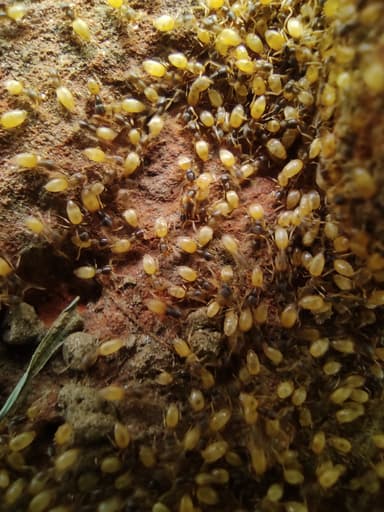
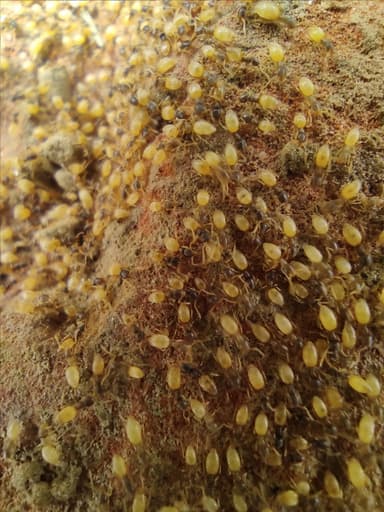
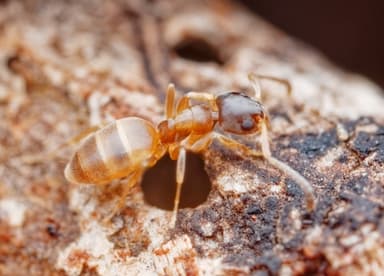
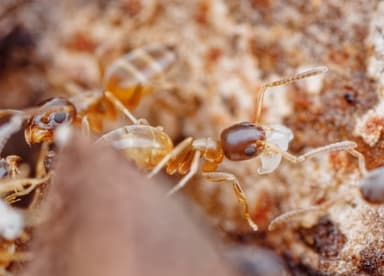
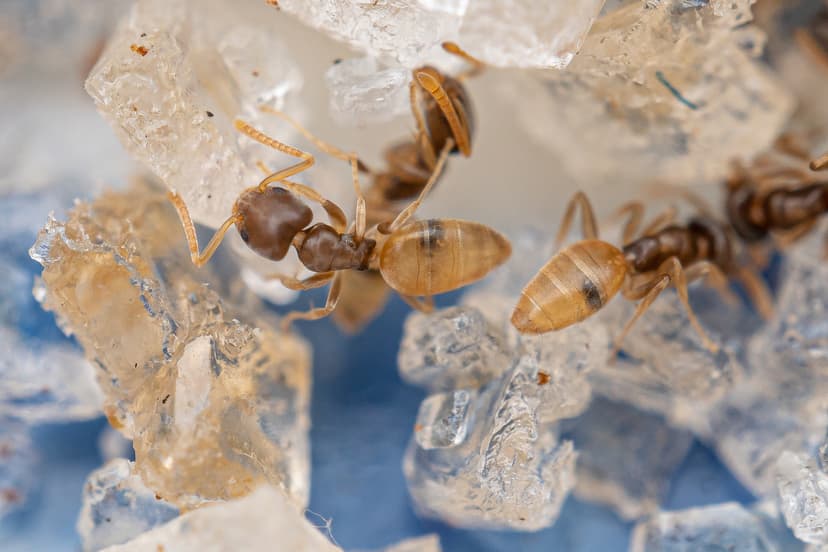
The ghost ant, Tapinoma melanocephalum, earns its common name from the phantasmagoric contrast between its pale, translucent abdomen and legs and its darkly pigmented head and thorax—a visual effect so stark that workers, at a mere 1.3 to 1.5 millimeters, can seem to float across the surface. Queens, only slightly larger at 1.8 to 2.5 millimeters, are equally diminutive, yet they drive remarkably populous colonies that can swell to 10,000 individuals. This species is highly polygynous, with multiple fertile queens coexisting without aggression, and it reproduces via budding rather than spectacular nuptial flights; mated queens simply depart on foot with a retinue of workers to found a new nest nearby. Such biology has made T. melanocephalum one of the most successful tramp ants on the planet, now established across tropical and subtropical latitudes worldwide and invading buildings in temperate regions (Wetterer 2009). For the hobbyist, the appeal lies in its relentless activity, its knack for rapid colony expansion, and the opportunity to watch a polygynous society that continually produces brood and forages with ant-like purpose—but in miniature.
This species is solidly a beginner-level ant, and it suits keepers who want a lively, unfussy colony that demands no winter rest. Its warmth and humidity requirements align neatly with room conditions in most human homes: a range of 22 to 30 degrees Celsius and 60 to 80 percent humidity. The absence of a compulsory hibernation means the colony can be observed year-round, and budding reproduction makes propagation almost effortless. That ease, however, carries a stern caveat: ghost ants are Houdinis of the formicary. The minuscule workers exploit seams, cable ports, and lid gaps that larger ants would never notice, so every enclosure must be meticulously sealed with fine metal mesh, tight-fitting lids, and a liberal application of PTFE–based barrier fluid on all vertical surfaces of the foraging area. For the keeper who enjoys the engineering challenge of containment, and who finds joy in the sheer density of movement these ants create, T. melanocephalum is a deeply rewarding choice.
Housing ghost ants successfully is a matter of hitting the sweet spot between high humidity and good ventilation to discourage runaway mold. Nests made of ytong (aerated concrete), plaster, or gypsum are ideal because they absorb and hold moisture while allowing the ants to shape the interior according to their wants. A common setup uses a medium-sized ytong block with several pre-drilled chambers, placed inside a ventilated acrylic box that serves as the outworld. Position a low-wattage heat mat against one side of the nest—never underneath—to create a thermal gradient from 22 °C at the cool end to 28–30 °C at the warm end; the ants will move their brood along this gradient to control development speed. Humidity must be maintained at 60 to 80 percent, which you can achieve by inserting a water-filled test tube into a nest port or by misting lightly once a day. Substrate in the outworld should be a thin layer of fine sand or simply bare plastic, as these ants do not dig extensively away from the nest; instead, provide crumpled tissue or leaf litter for cover. The foraging arena must be encircled by a robust escape barrier, refreshed regularly, because ghost ants are prolific climbers and will test the perimeter constantly.
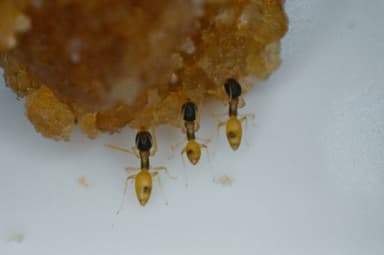
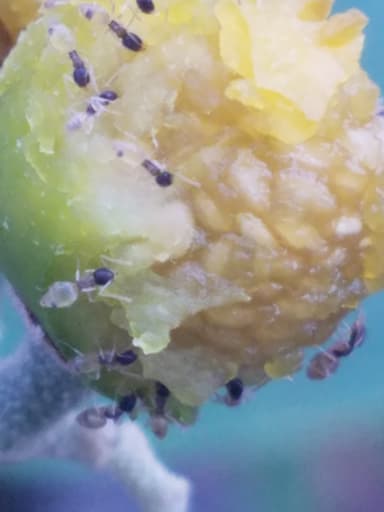
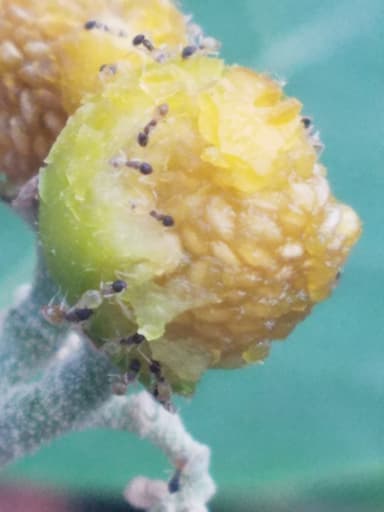
Feeding Tapinoma melanocephalum is delightfully straightforward, as they are generalist scavengers that become bold once established. Supply protein in the form of fruit flies, pinhead crickets, or tiny pieces of pre-killed mealworm two to three times a week; the workers will carry even large items back to the nest by cooperating. Carbohydrates are equally vital: a small drop of honey, maple syrup, or dedicated ant nectar offered on a foil tray will be mobbed within minutes. Remove uneaten protein after 24 hours to prevent spoilage, but sugar-water feeders can stay until emptied. Always maintain a source of fresh, clean water—an extra test tube with a cotton plug works perfectly. Because these ants hail from tropical and subtropical climates (their recorded occurrence spans from 45° north to 40° south, according to GBIF data), they do not require any hibernation period. As long as the temperature stays above 22 °C, the queen will continue laying eggs without seasonal interruption, and the colony will remain fully active through every month of the year.
The first few days after acquiring your ghost ant colony are critical for a smooth transition. Upon unpacking, connect the travel test tube or container directly to the outworld, cover the entire setup with a dark cloth, and leave it undisturbed for at least 24 hours; the ants need time to reclaim moisture and calm their stress responses. After this settling period, introduce a minuscule drop of sugar water on a piece of wax paper placed near the tube entrance—this first meal is purely liquid and requires no hunting effort. Resist the urge to offer protein for another two to three days. Premature prey can overwhelm a stressed colony and, if ignored, will decay and invite mites or mold. Watch for the queen to appear near the water source; her resumed egg-laying is the best sign of acceptance. Once you see workers actively foraging in the outworld, you can begin a regular feeding schedule, starting with the tiniest fruit flies you can find. By the end of the first week, a well-adjusted ghost ant colony will have mapped every inch of its new domain, and you can begin to appreciate the intricate, self-organized spectacle that has allowed this species to conquer so much of the globe (AntWiki; Wetterer 2009).