Lasius
Lasius carniolicus
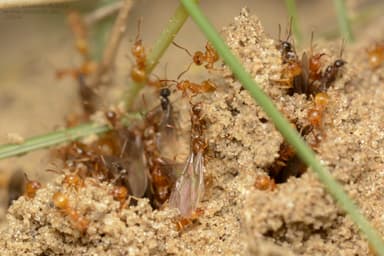
Nuptial Flight Calendar
Flight months: Jul, Aug, Sep
Care Guide
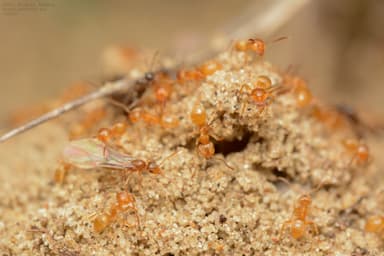
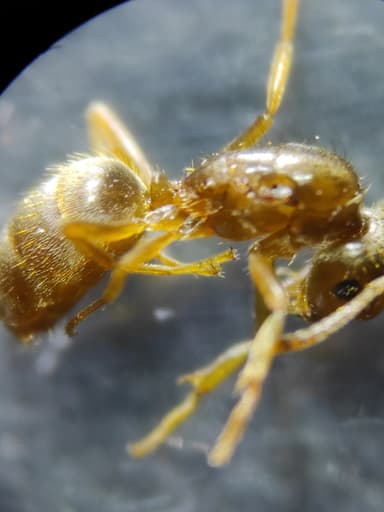
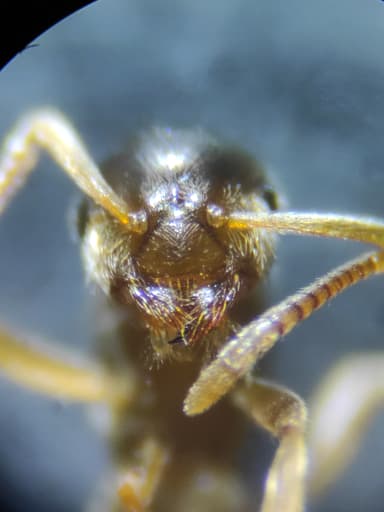
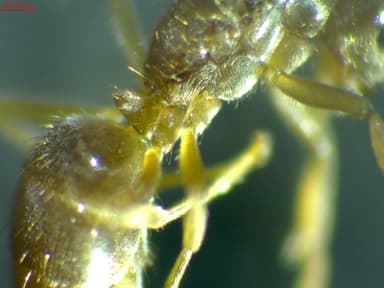
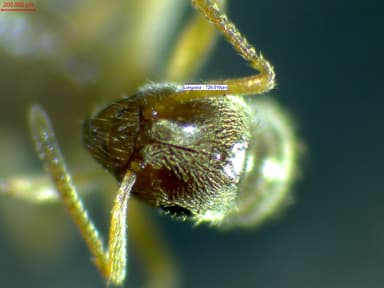
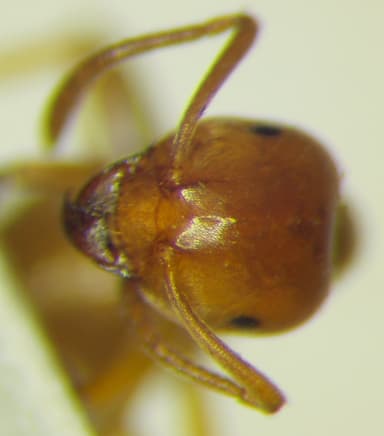
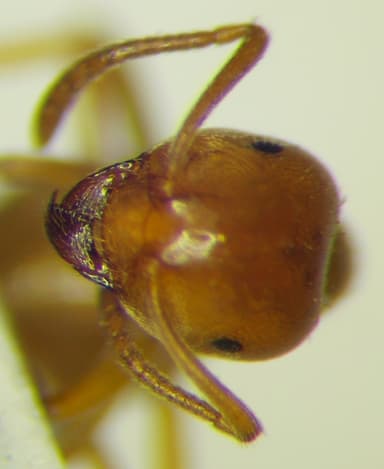
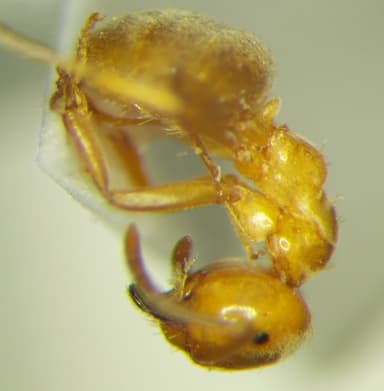
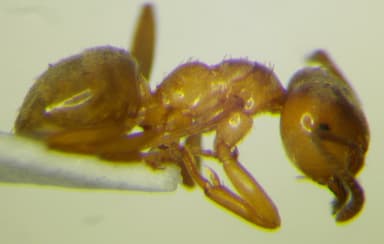
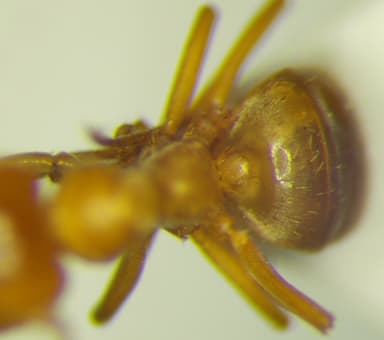
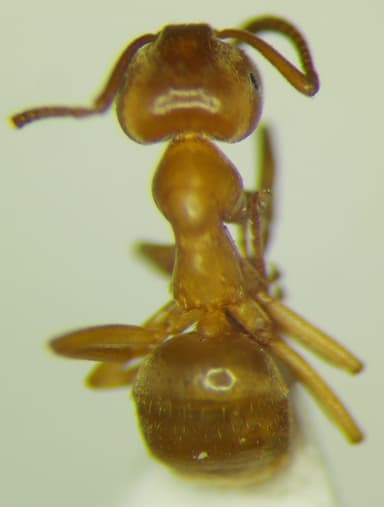
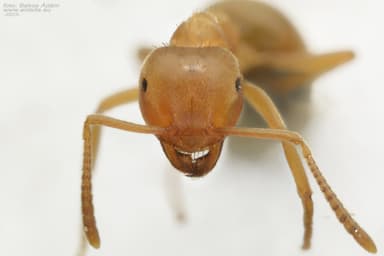
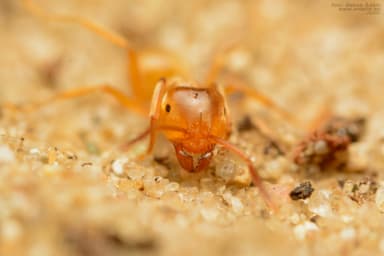
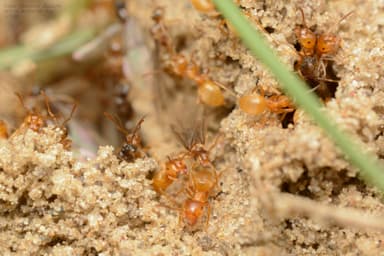
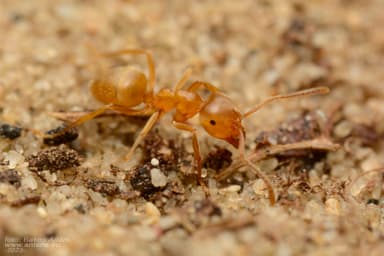
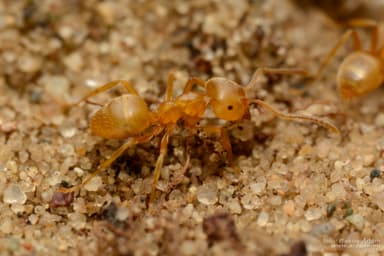
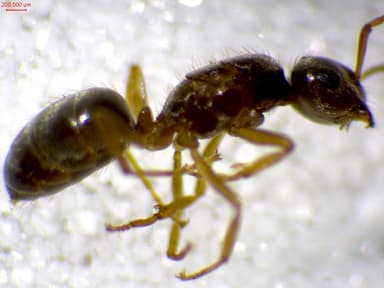
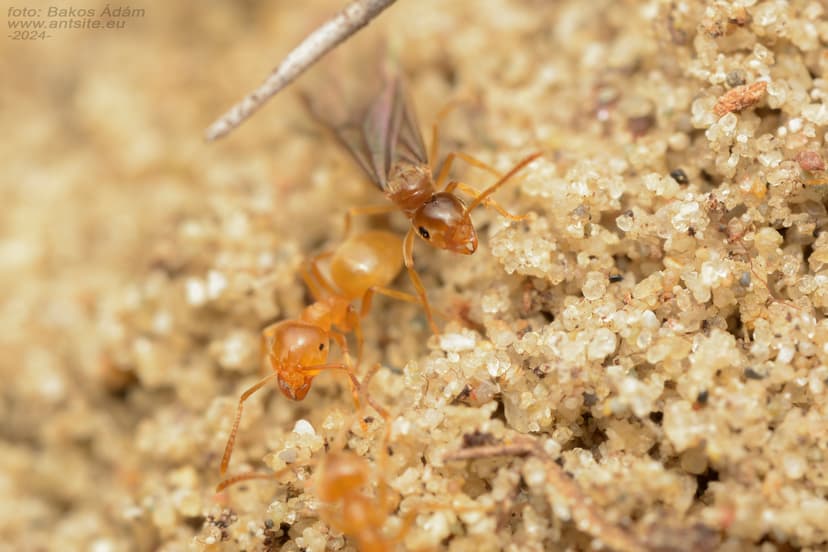
Lasius carniolicus is a fascinating yet demanding jewel of the genus, seldom encountered in collections and all the more rewarding for those who master its needs. The queens are robust and glossy, measuring 5.0 to 6.5 mm, with a deep brown to blackish integument and a subtle sheen; the monomorphic workers are considerably smaller, a modest 2.5 to 3.5 mm, yet share the same sleek, elongated profile typical of the subgenus Cautolasius. Mature colonies, while not massive, can gradually build up to around 5,000 individuals. What truly sets this species apart is its mode of colony foundation — it is an obligate social parasite. A newly mated queen cannot raise her first brood alone; instead she must infiltrate the nest of a closely related host, often Lasius alienus or L. niger, kill or subdue the resident queen, and trick the host workers into rearing her offspring (Seifert 2018). This delicate coup, combined with its primarily Central and Southern European distribution from the alpine foothills north to about latitude 55°N (AntWiki; Czechowski et al. 2012), makes it a living piece of evolutionary intrigue.
Given this reproductive strategy, Lasius carniolicus is unequivocally a species for the expert keeper. The initial founding stage requires not only a deep understanding of ant behaviour but also access to appropriate host species and a willingness to act as midwife to a miniature drama. Foundresses collected solo in the wild during their nuptial flights — which likely occur on warm, humid afternoons in July, August, and September (Czechowski et al. 2012) — will fail without immediate provision of pupae from a suitable Lasius host. Even when introduced carefully, acceptance is never guaranteed. Some breeders circumvent this by offering the queen a handful of callow workers from a host colony, but the procedure demands sterile technique, patience, and a cool head. Once the first home-grown workers eclose and the colony transitions to independent growth, care settles to a level comparable with other temperate Lasius, but the founding hurdle means this ant is recommended only for those who have already mastered easier social parasites or had consistent success with multiple founding methods in Lasius.
Housing a successfully founded colony builds on the same principles that suit their subterranean relatives, with a strong emphasis on stability. A well-constructed nest with a porous material that retains moisture — such as Ytong, plaster, or a naturalistic soil-clay mix — is ideal. The humidity should be kept in the 50–70% range, which can be achieved by dampening one section of the nest to create a gradual moisture gradient; workers will shuttle brood to the zone of their choosing. Temperature should be maintained between 18 and 26 °C, with a gentle decline at night. Extremes are poorly tolerated: avoid placing the setup near sunny windows that could overheat, or in drafty rooms that chill the nest. A thin substrate of sand or loam in the outworld not only mimics their native habitat but also gives workers a surface to groom and manipulate, satisfying their natural instincts. No special lighting is required, and the colony will thrive in dim conditions.
Feeding Lasius carniolicus is straightforward once the colony is established, as they share the generalist appetite of the genus. Carbohydrates can be offered as fresh honeydew substitute — a diluted honey or sugar-water mixture on a small cotton pad — and they will eagerly attend feeders. For protein, provide freshly killed or live-but-disabled insects of appropriate size: fruit flies, pinhead crickets, chopped mealworms, and small roach nymphs are all excellent choices. Feed protein two to three times a week for a growing colony, and always remove uneaten prey after a day to prevent mould. A permanent source of clean water, either via a test tube filled with water and cotton or a liquid feeder, is essential; dehydration will rapidly decimate the fragile worker force. Interestingly, like many Lasius, they may tend root aphids if kept in a naturalistic terrarium, but this is an attainable luxury for advanced keepers, not a requirement.
Hibernation is a non-negotiable biological rhythm for this species. In the wild, colonies experience a sustained cold period, and in captivity they must be gradually cooled to around 5 °C for three to four months, typically from late November to early March. A sudden drop to refrigeration temperature can shock them; instead, move the formicarium to a cooler room for a week, then place it in a fridge or wine cooler set to 4–6 °C. Ensure the nest remains slightly moist and check monthly for any visible mould or dehydration. Skipping this dormant period will, over time, lead to dwindling brood production, a lethargic queen, and eventual colony collapse. The investment in a dedicated cooling space is thus part of the commitment to keeping this rare ant.
When you first receive your Lasius carniolicus colony — likely as a small queenright unit with a few workers — the golden rule is to give them time to decompress. Place the transport tube or small founding nest in a dark, vibration-free spot at room temperature for at least 24 hours before even thinking about feeding. After this settling period, offer a tiny droplet of sugar water on a slip of foil and, if the workers show immediate interest, a single freshly killed fruit fly the following day. Watch for signs of acceptance: workers should cluster around the queen, groom her, and tend any existing brood. Alarm behaviours like the queen pacing erratically, workers refusing food, or aggressive grooming can indicate stress; if observed, retreat to darkness and wait longer. Do not rush to connect them to a large nest — a test tube or small founding chamber is perfect for the first few months. With patience and attentive but hands-off care, you will lay the groundwork for a thriving colony that offers a rare window into the intricate world of social parasitism.