Dolichoderus
Dolichoderus bispinosus
Nuptial Flight Calendar
Flight months: May, Jun, Jul, Aug
Care Guide
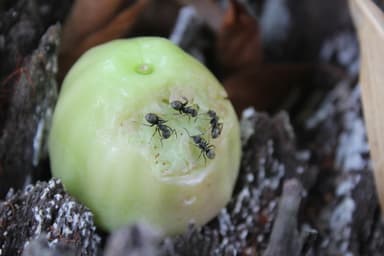
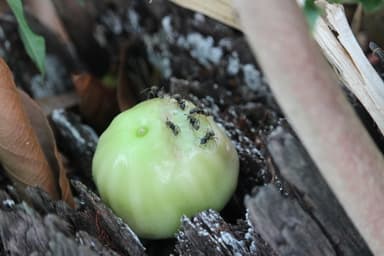
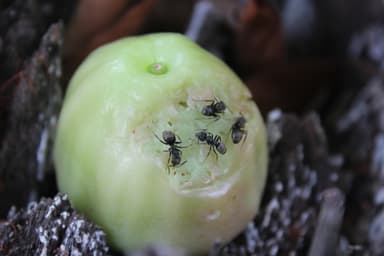
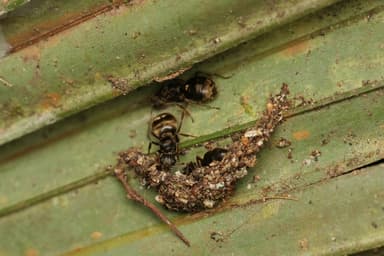
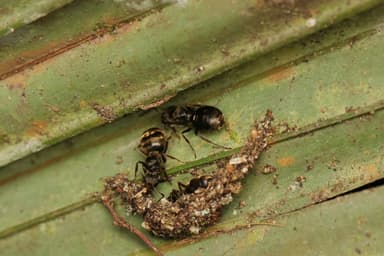
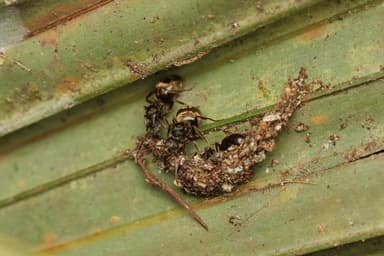
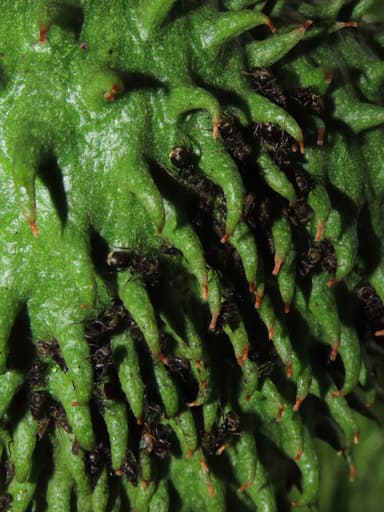
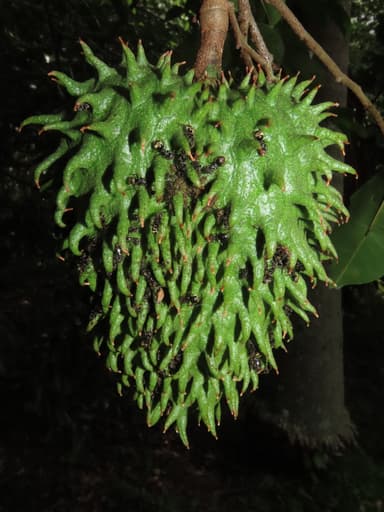
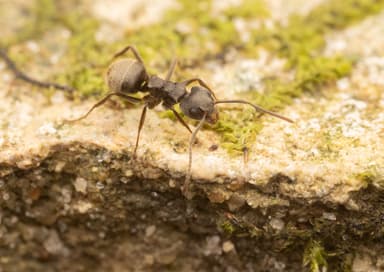
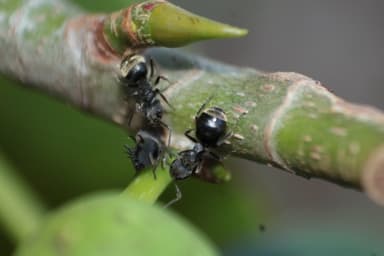
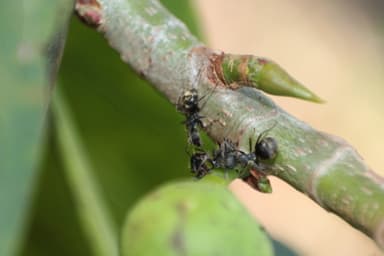
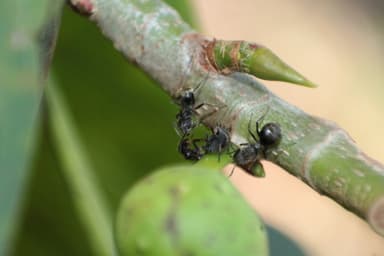
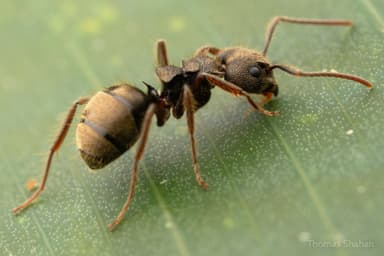
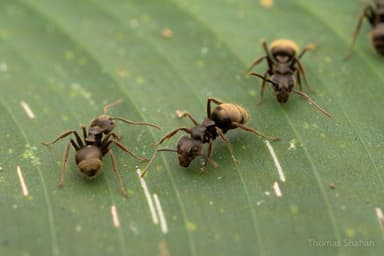
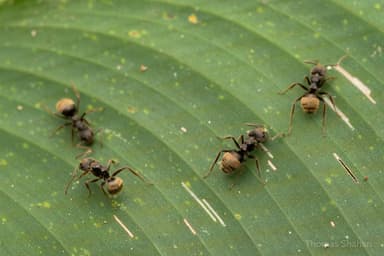
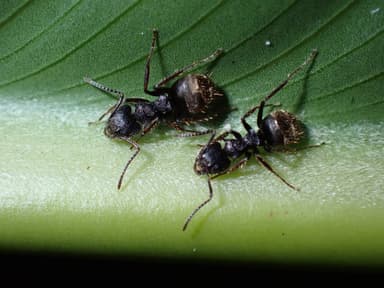
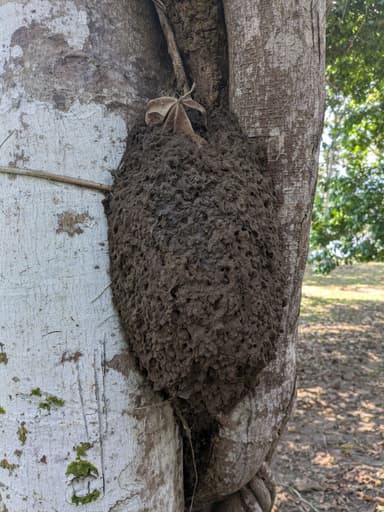
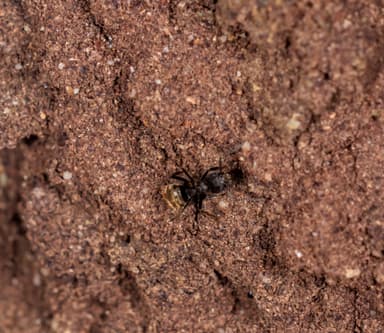
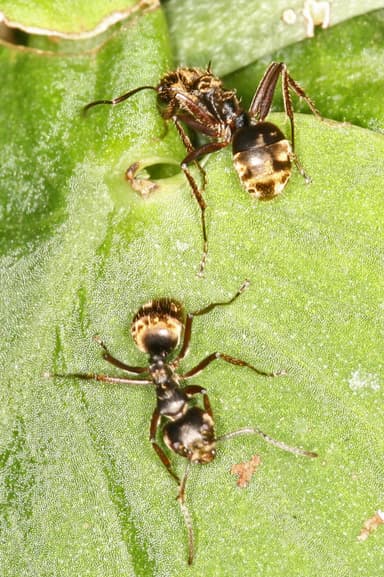
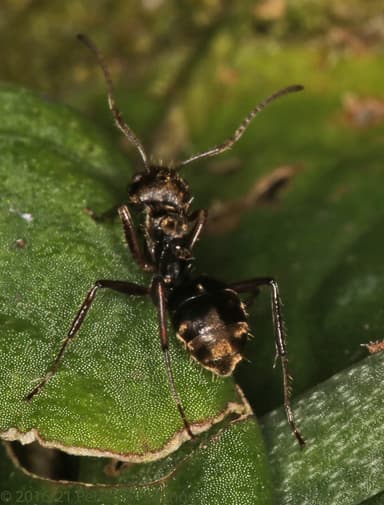
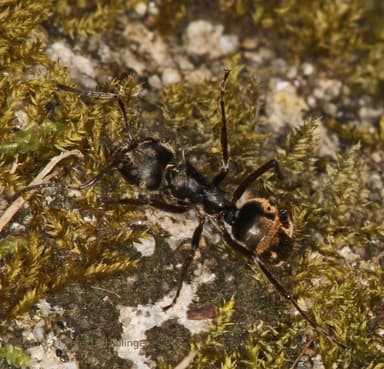
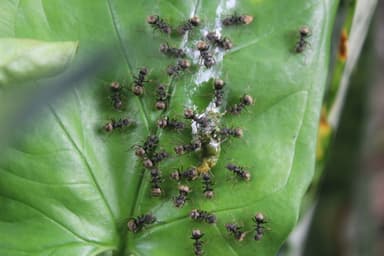
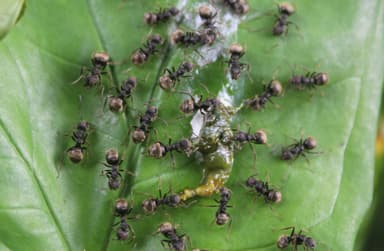
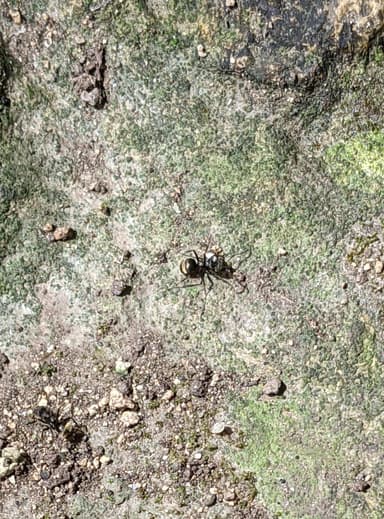
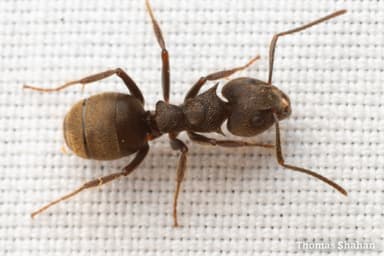
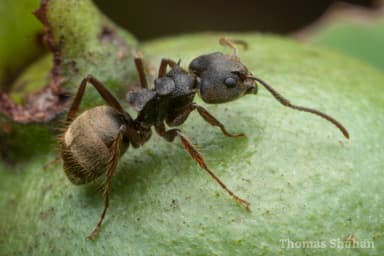
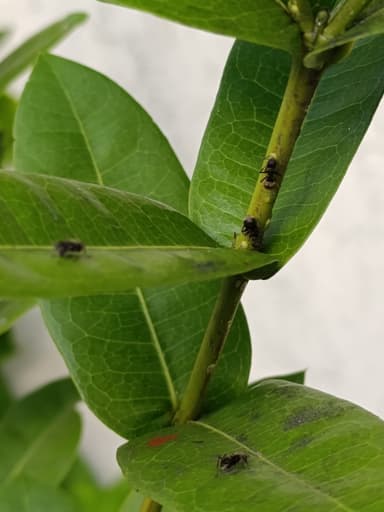
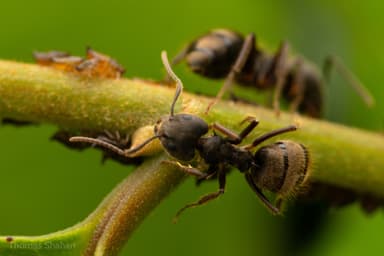
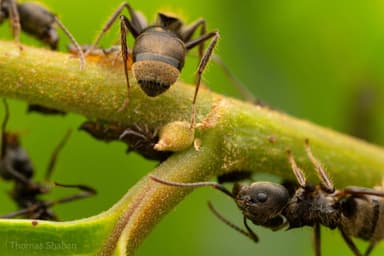
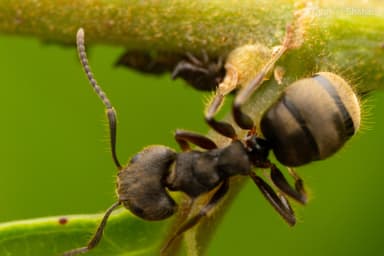
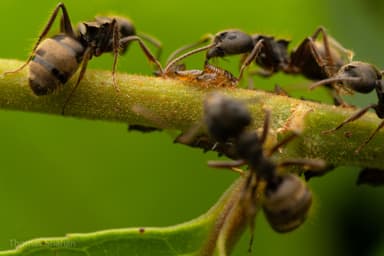
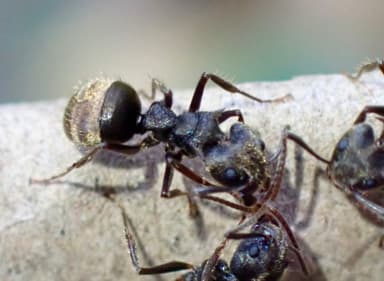
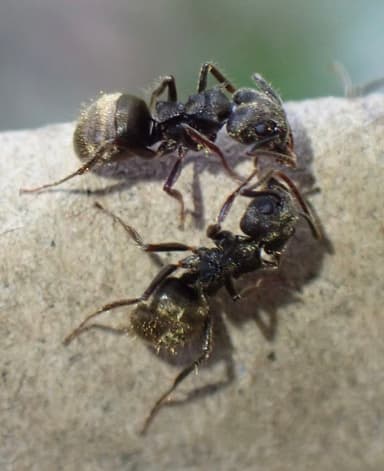
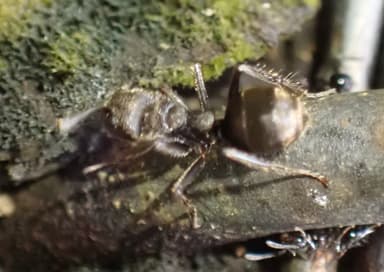
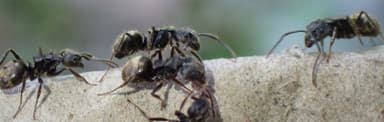
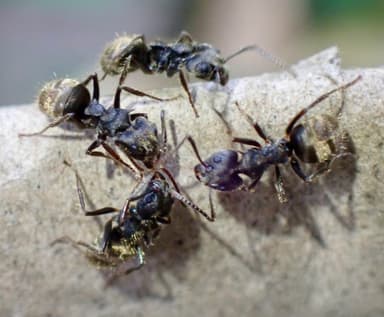
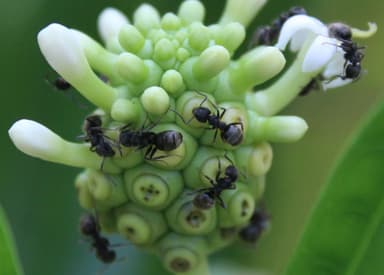
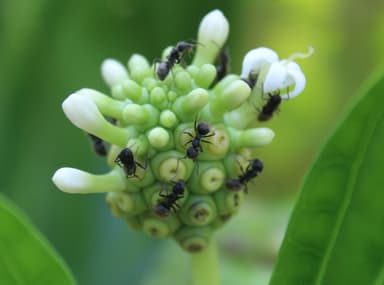
Dolichoderus bispinosus, a sleek and sprightly denizen of the Neotropical lowlands, immediately draws the eye with its eponymous twin propodeal spines and polished dark-brown to black integument. The queen is a modest but substantial 6 to 8 millimeters, while her monomorphic workers range from 3.5 to 5 millimeters, all belonging to a single minor caste. Colonies can eventually number up to 10,000 individuals, yet they feel more like a bustling, tightly coordinated village than an overwhelming swarm. Their native geography, stretching from southern Mexico through Central America and into the northern Andes (as reflected in collection data spanning latitudes 22°N to 10°S; AntWeb), hints at their preference for warm, humid forest. In the field, Longino (Ants of Costa Rica) notes these ants nesting in preformed arboreal cavities and dead wood, a lifestyle that makes them particularly engaging in naturalistic vivaria. What truly sets D. bispinosus apart for the hobbyist, however, is its semi-claustral founding: a newly mated queen must leave the safety of her incipient nest to forage, granting the keeper a rare, intimate view of the colony’s precarious earliest chapter.
This is an intermediate-level species, best enjoyed by keepers who have already witnessed the rhythm of a fully claustral queen and are prepared for a more interactive—and sometimes anxious—founding phase. The queen’s need to venture out for food during her solitary stage demands a secure, accessible outworld from day one, and the colony’s subsequent sensitivity to humidity swings rewards consistent, observant husbandry. If you have successfully nurtured other semi-claustral ants or are comfortable maintaining a tropical microclimate, D. bispinosus will prove a deeply rewarding challenge. Beginners may find the first few months stressful, as a neglected queen can rapidly decline; thus patience and a gentle routine are essential.
Housing should echo the warm, saturated air of a Central American wet forest. Maintain a temperature band between 22 and 28°C, with a slight nocturnal decline being tolerable but not required. Far more critical is humidity: the nest should hold a steady 60 to 80 percent relative moisture, though the foraging arena benefits from being a touch drier to deter mold. A plaster, ytong, or cork-lined nest that can be regularly wetted suits them beautifully, offering the dark, sealed crevices they crave. MacKay (1993) noted that many Dolichoderus species thrive in enclosed, humid chambers, and this species is no exception. The outworld should include a substrate of coconut coir or a sand–clay mixture, plus vertical twigs or bark to accommodate their agile climbing; a well-ventilated lid is non-negotiable to prevent stagnant, fungal air from building up inside.
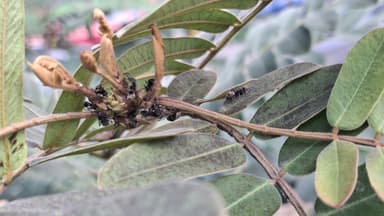
In appetite, D. bispinosus is both a nimble hunter and an eager collector of sweet exudates. Protein should come in the form of fruit flies, pinhead crickets, or finely chopped mealworms, offered two or three times per week. Carbohydrates are equally vital: a small, shallow dish of diluted honey, maple syrup, or a commercial ant nectar will be mobbed by workers, much as they would tend hemipterans for honeydew in the wild. Always make fresh, clean water available—a test-tube reservoir or a cotton-stoppered water feeder works well, with a pebble to prevent drowning during the first hesitant visits. For the solitary queen, a micro-drop of sugar water and a single pre-killed fruit fly every other day is sufficient; as the workforce grows, scale portions accordingly while removing uneaten food before it spoils.
A happy simplification for the keeper is that D. bispinosus requires no hibernation. There is no programmed diapause in this tropical species, so the colony remains active year-round under stable warm conditions. Simply hold temperature and humidity steady through all seasons, and brood development will proceed without interruption. Should your room cool excessively in winter, a small heating mat applied to one side of the nest can restore the proper gradient.
The first days after your queen arrives are the most delicate. Place her in a test-tube setup with a water reservoir, but immediately connect the tube to a small outworld with a sanded floor and a tiny feeding platform. Keep the entire setup in darkness and quiet for 24 hours, then offer a minuscule drop of sugar water and a freshly killed fruit fly. Resist the urge to check on her constantly; feed her every two to three days with the same minute portions, using a sliver of paper towel as a hiding spot in the outworld to reduce stress. Watch for constant, frantic pacing or refusal to settle—a sign the humidity or security is off. Eggs typically appear within two to four weeks if she feels secure. Once the first nanitic workers eclose, they will take over foraging, and you can gradually increase prey size and feeding frequency. Monitor the water reservoir’s cotton daily, as rapid desiccation is the most common early killer. With a light touch and a watchful eye, your colony will soon unfold the intricate, fastidious social choreography that makes Dolichoderus bispinosus a living gem in any collection.