Tetramorium
Tetramorium simillimum
Care Guide
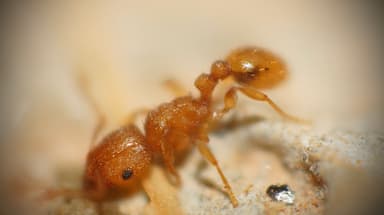
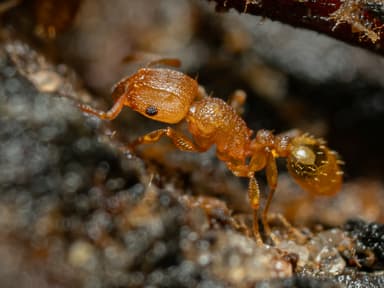
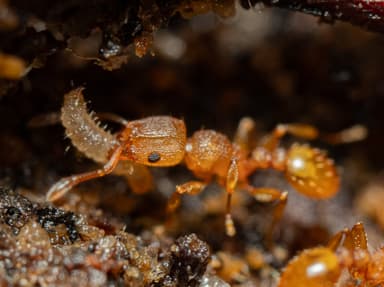
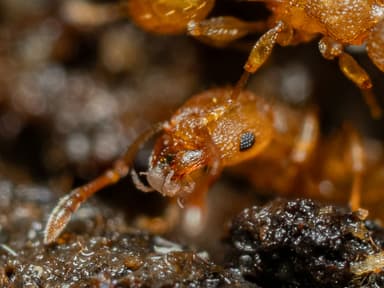
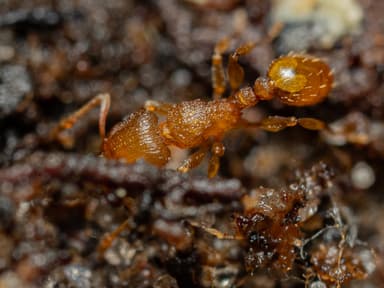
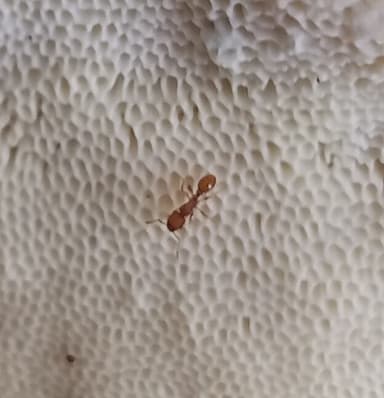
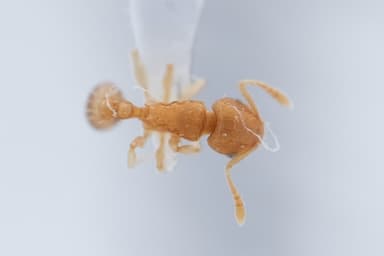
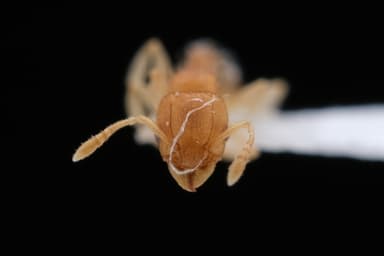
Tetramorium simillimum is a compact, resilient species that thrives in a variety of environments, making it an ideal candidate for those new to ant keeping. The queen measures 4.5–5.5 mm, while her workers are notably smaller at 2–3 mm, giving the colony a uniform, monomorphic appearance. Despite their modest size, these ants are remarkably active and efficient foragers. They are known for their adaptability—in the wild, they often nest under stones, in pavement cracks, or even inside human structures, a testament to their hardiness. Their colonies can grow to contain between 500 and 3,000 workers, offering a satisfying balance between manageable size and visible social complexity.
Like their relatives, Tetramorium simillimum are generalist feeders with a robust appetite. Their diet consists primarily of insects—such as fruit flies, mealworms, or small crickets—and sugary liquids like honey water or diluted sugar syrup. They also relish honeydew, making them easy to please when it comes to protein and carbohydrate sources. Foraging workers are fast and determined, quickly locating food and recruiting nestmates via pheromone trails. Watching a well-fed colony is a delight, as workers bustle about with bits of prey or droplets of syrup, constantly expanding their food stores.
Care difficulty
Keeping Tetramorium simillimum is straightforward, making it a perfect choice for beginners. The species does not require hibernation, so year-round activity is possible with stable heating. They are forgiving of minor fluctuations in temperature and humidity, though providing optimal conditions will encourage faster growth. Their claustral founding means the queen raises her first brood without needing food, simplifying the early stages. Once workers appear, maintenance is minimal—just regular feeding and hydration.
Housing
A standard formicarium with a separate outworld works well for this species. The nest should be kept at a temperature between 22 and 28 °C, with humidity levels around 50–70%. A moistened section of the nest (for example, using a water reservoir or regularly dampened substrate) helps the queen and larvae thrive. The outworld can be equipped with a small water source and feeding dish. Because Tetramorium are not particularly sensitive to vibrations or light compared to other species, you can observe them freely—but avoid excessive disturbances during the first weeks after founding. Providing a dark, quiet area for the nest itself will encourage confident brood rearing.
First days after purchase
Upon receiving your Tetramorium simillimum colony, transfer them into their new formicarium as gently as possible. Place the setup in a calm location and allow the ants to explore and settle. During the first few days, keep disturbances to a minimum and simply ensure the nest has adequate humidity and a small drop of sugar water or honey water in the outworld. Do not offer live insects until you see the workers actively foraging. Monitor the queen’s behavior—she should remain calm near her brood. Within a week, you’ll likely see the first workers bustling about, a clear sign that your new colony is well on its way to establishing a thriving home.