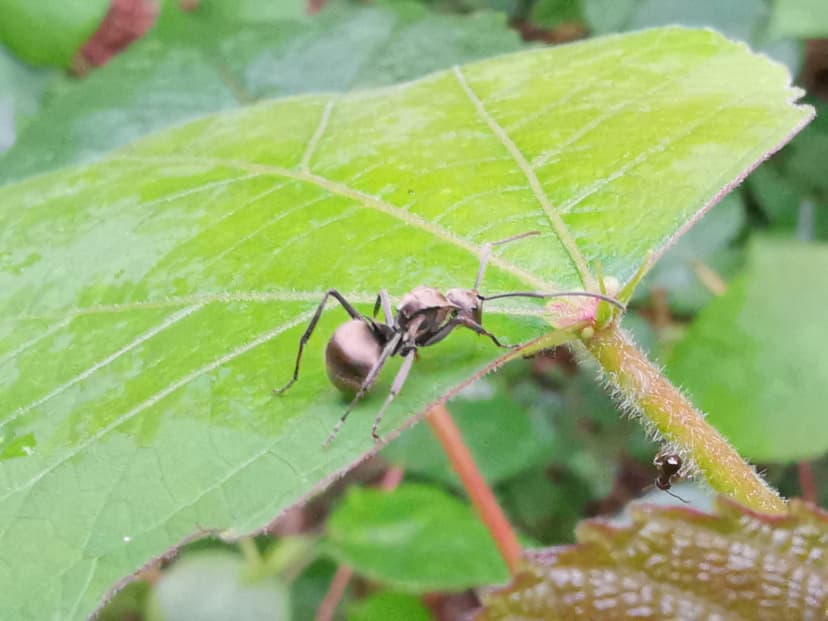
Polyrhachis
Polyrhachis illaudata
Care Guide
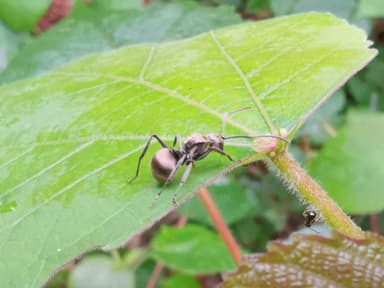
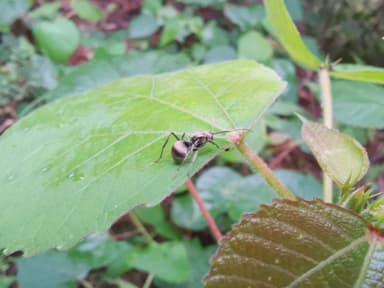
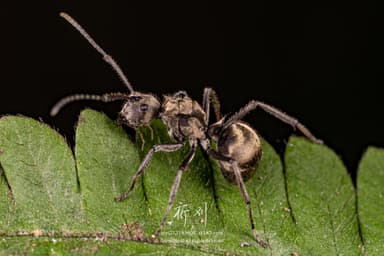
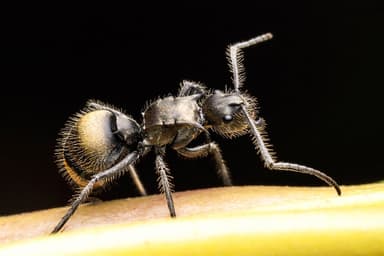
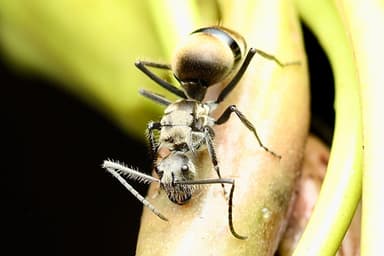
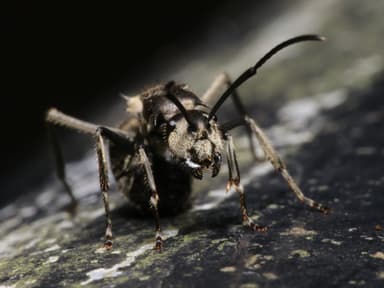
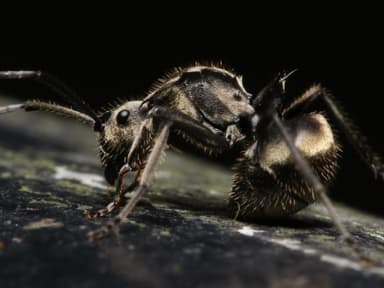
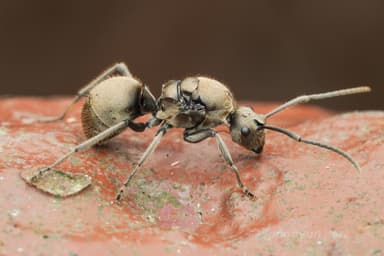
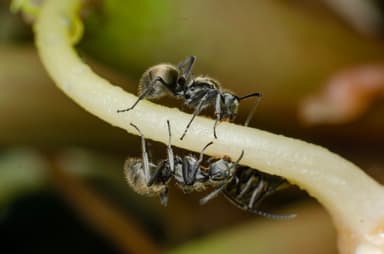
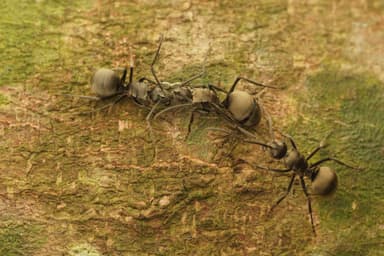
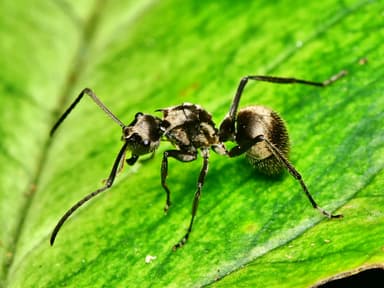
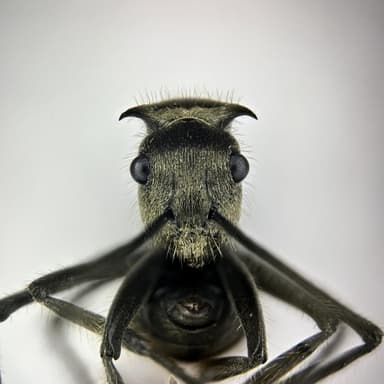
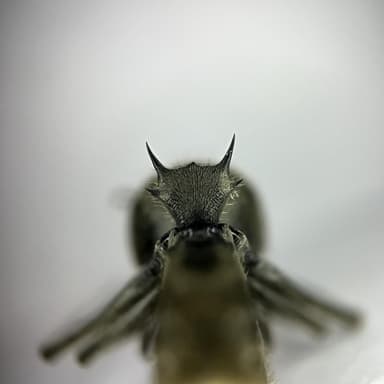
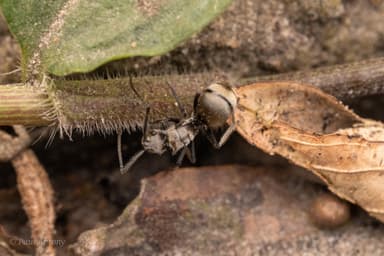
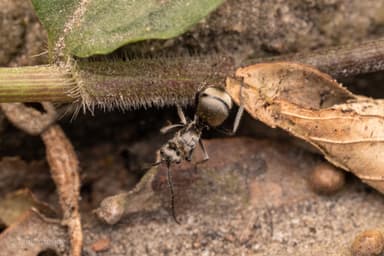
Polyrachis illaudata is a stunning species known for its elegant, spiny appearance and relatively calm temperament, making it a perfect entry point for keepers looking to move beyond the most common beginner ants. The queen measures 10–12 mm, while workers range from 6–8 mm, and although the colony lacks extreme polymorphism, the subtle size variation adds visual interest as the colony matures. Founding is fully claustral, so the queen does not require feeding during the initial weeks, simplifying the start-up process.
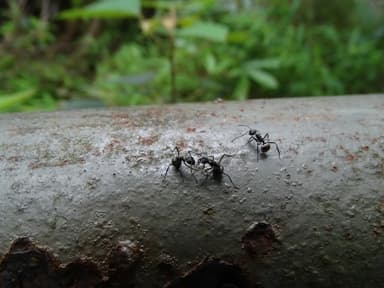
Colonies of Polyrhachis illaudata typically grow to between 500 and 2,000 workers. These ants are active foragers that appreciate a varied diet. In addition to live or freshly killed insects such as fruit flies, crickets, or mealworms, they thrive on sugar water, honeydew, and soft, ripe fruits. Providing a balance of proteins and carbohydrates is key to steady brood development. Unlike many temperate species, Polyrhachis illaudata does not require hibernation, which means year-round activity and colony growth – a definite plus for keepers in colder climates or those who want uninterrupted observation.
Care difficulty
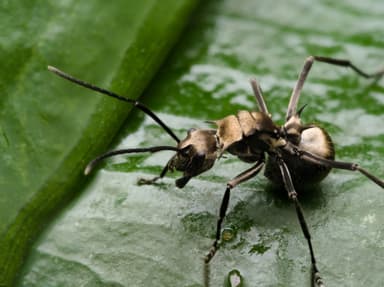
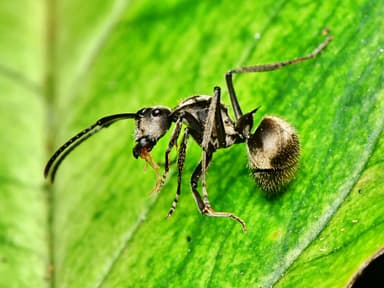
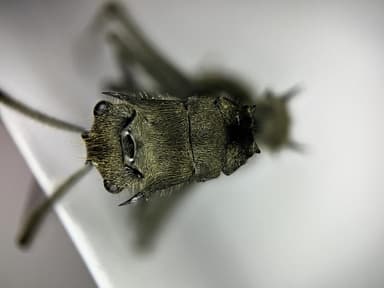
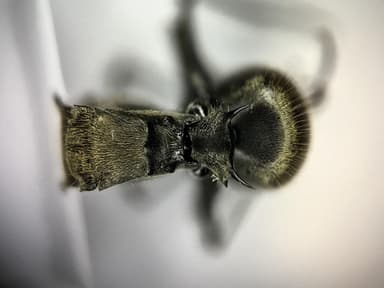
Keeping Polyrhachis illaudata is straightforward, especially given its claustral founding and lack of hibernation needs. The main requirements are stable warmth and moderate humidity. A temperature range of 24–28°C supports optimal activity and brood rearing, while humidity between 50–70% can be maintained by regularly moistening a section of the nest or using a hydration system. These ants are not particularly skittish, but they do appreciate a quiet, vibration-reduced environment, especially during the early stages. Their striking appearance – with sharp spines on the thorax and a metallic sheen – makes them a joy to watch as they busily process food and expand their nest.
Housing
A formicarium with a clean, dry nesting chamber and a connected foraging area works well for this species. Because they do not require high humidity throughout the entire nest, a gradient is ideal – one part slightly moist for the brood, another drier for the adult workers. Provide substrate or a textured surface in the foraging area to aid traction, as these ants are agile climbers. Ensure the nest has enough space to accommodate a colony of up to 2,000 workers; a modular system that can be expanded is recommended. Regular feeding and cleaning of the outworld will keep the colony healthy and prevent mold.
First days after purchase
Upon receiving your Polyrhachis illaudata colony, place the formicarium in a dim, quiet location. Give the ants at least 24 hours to settle without disturbance. Ensure the nest has access to water and a small drop of sugar water or honey. Avoid bright lights and vibrations during this acclimatization period. Observe from a distance to confirm that workers are exploring and the queen is active. Once the colony resumes normal foraging and brood care, you can gradually introduce small insect prey. With patient handling, you will soon enjoy the daily activity of these beautiful ants – a rewarding experience for any keeper.