Tapinoma
Tapinoma magnum
Kalendar paritvenih letova
Flight months: May, Jun, Jul, Aug
Vodič za njegu
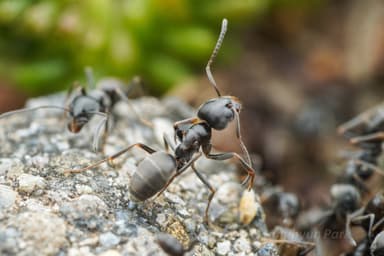
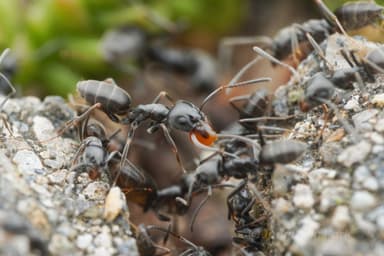
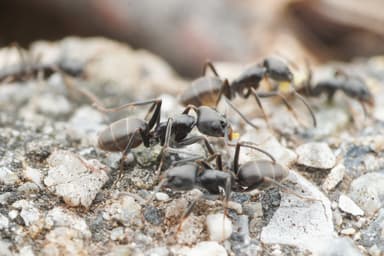
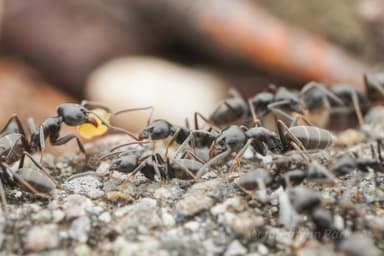
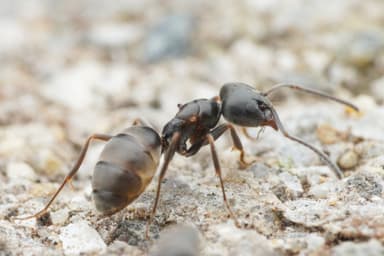
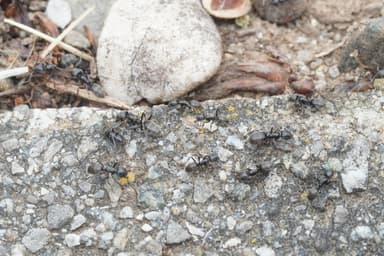
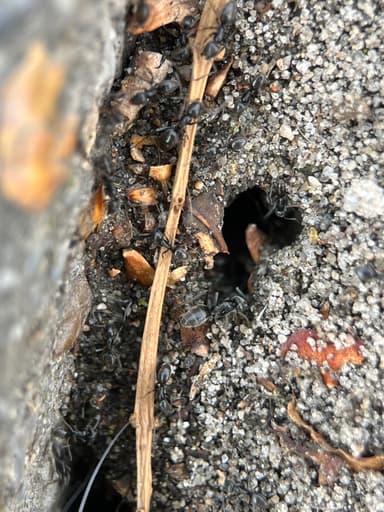
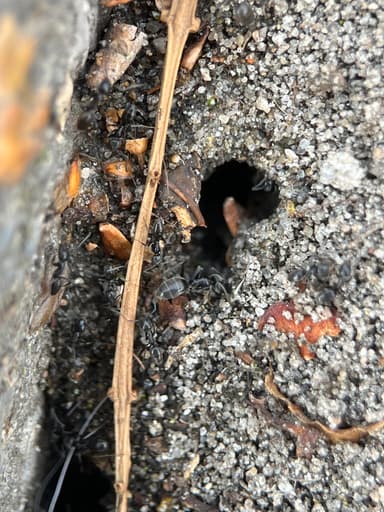
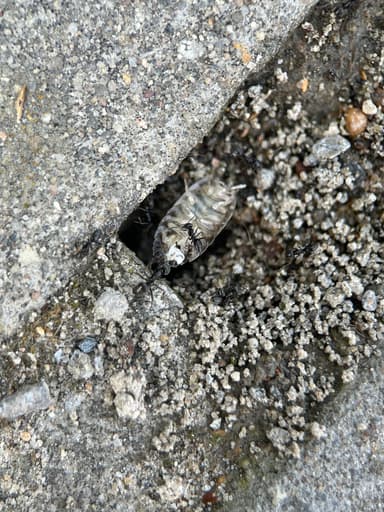
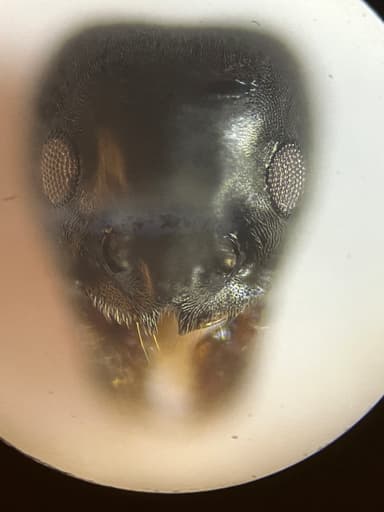
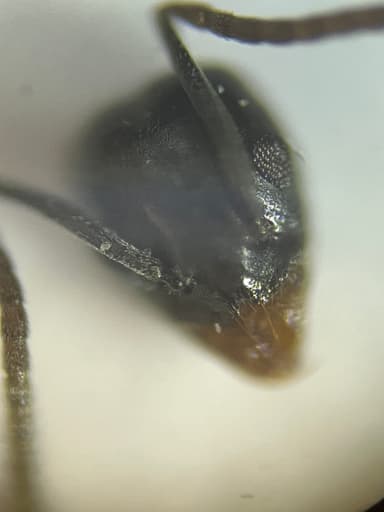
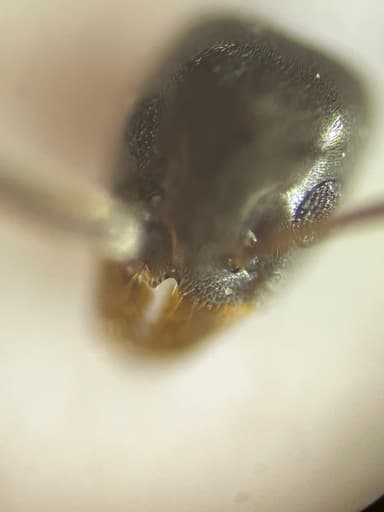
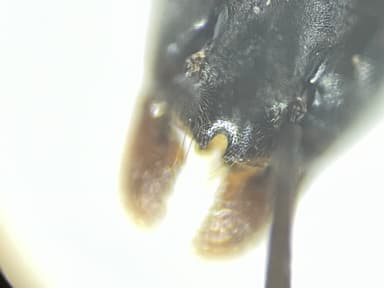
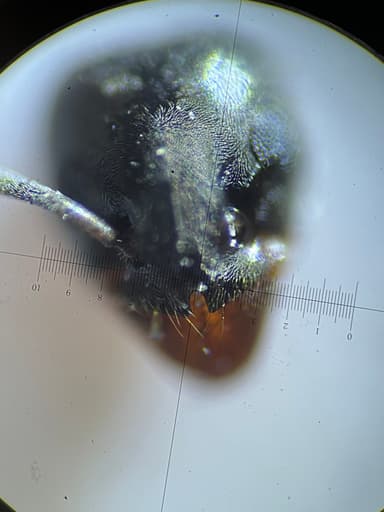
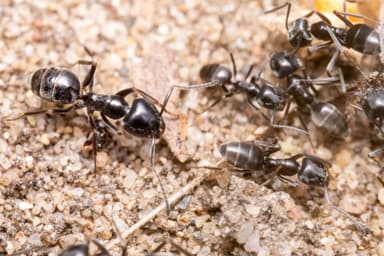
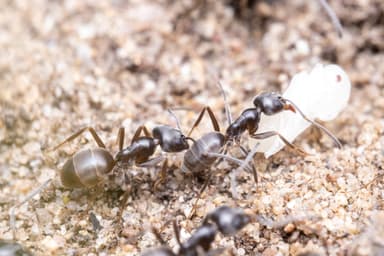
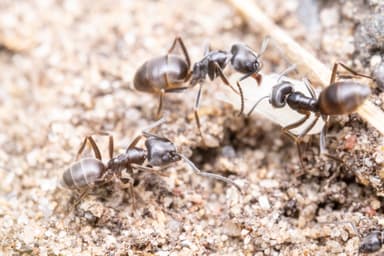
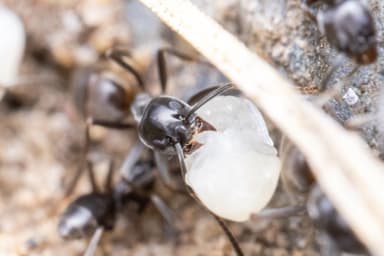
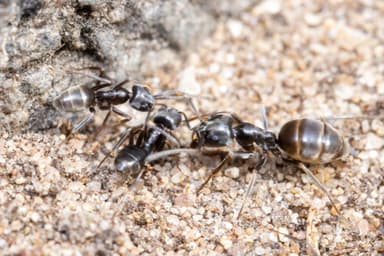
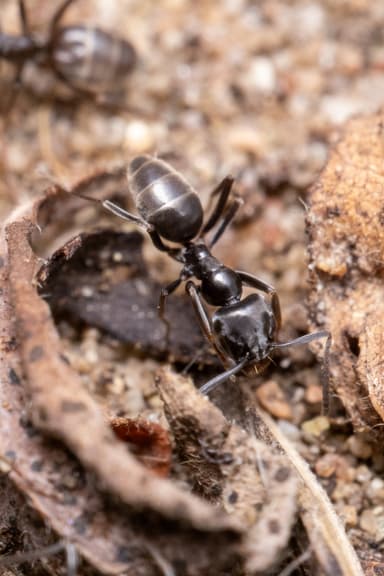
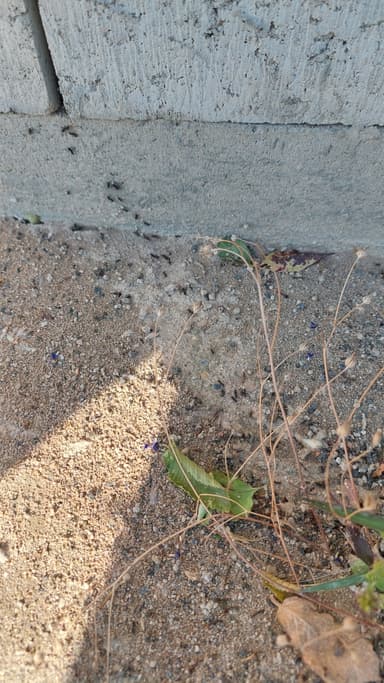
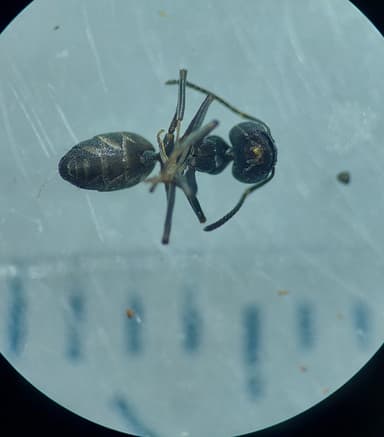
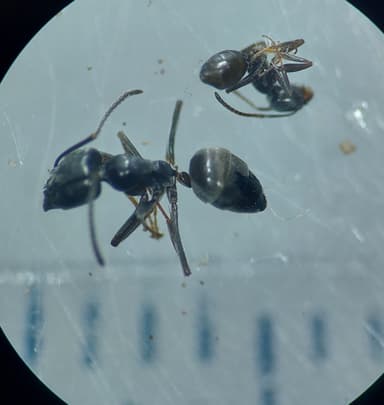
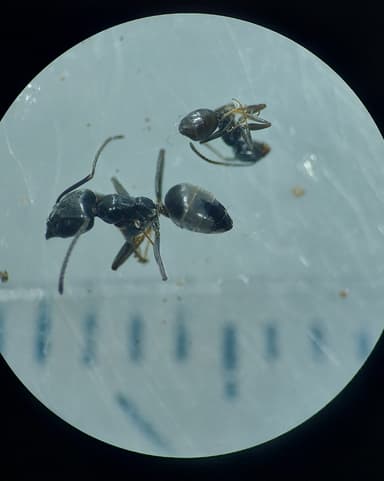
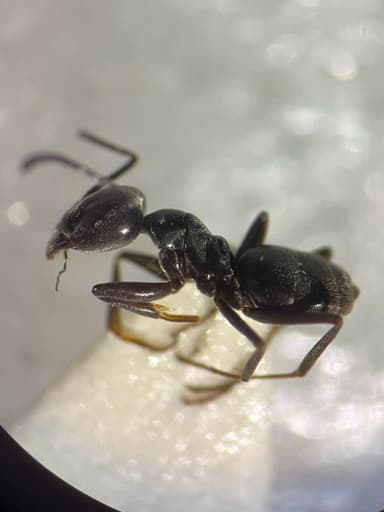
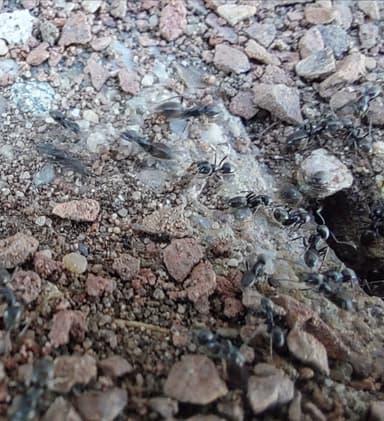
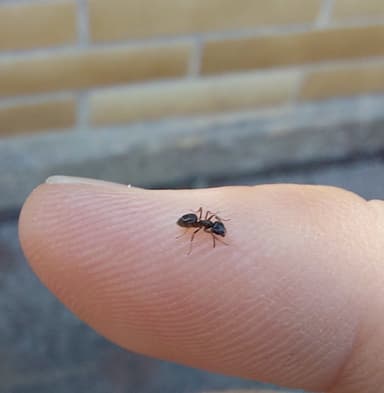
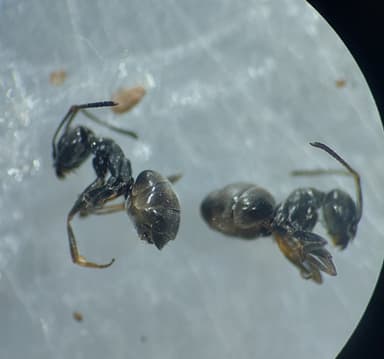
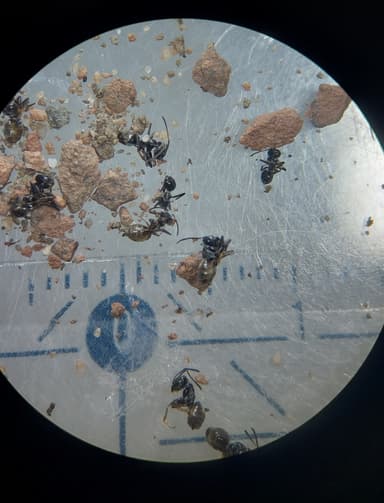
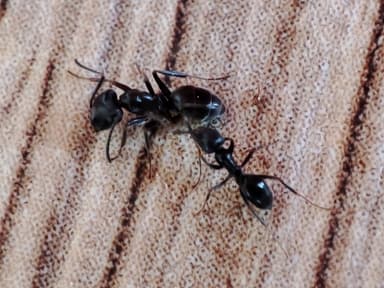
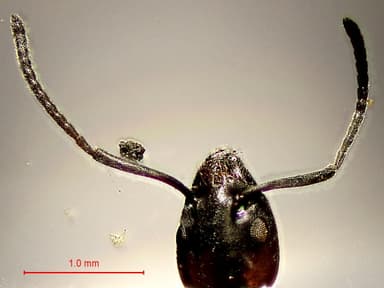
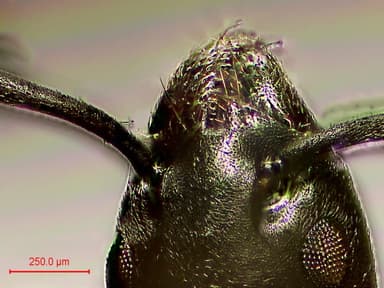
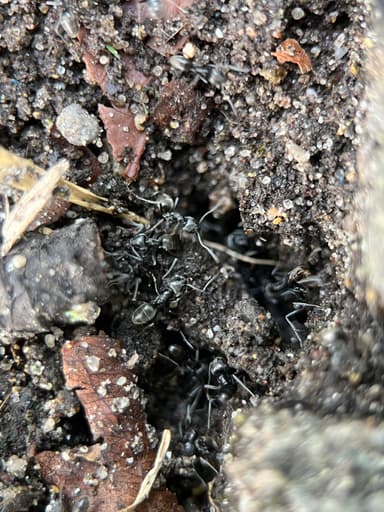
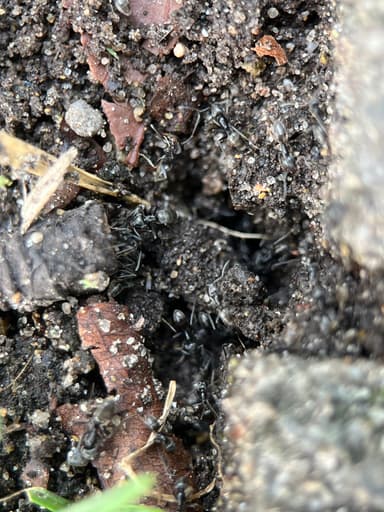
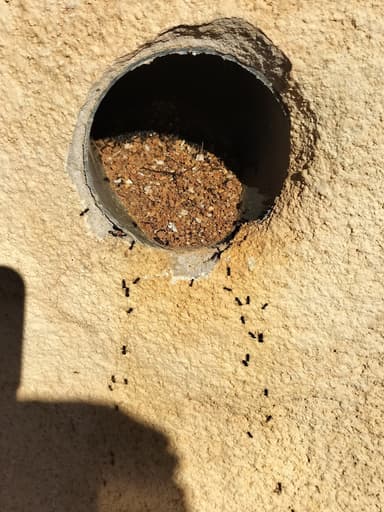
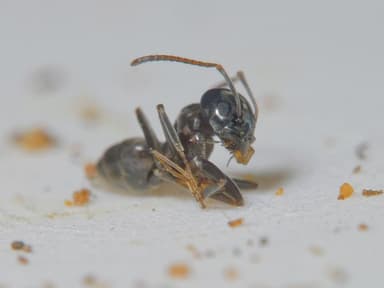
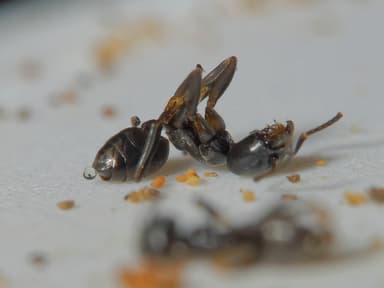
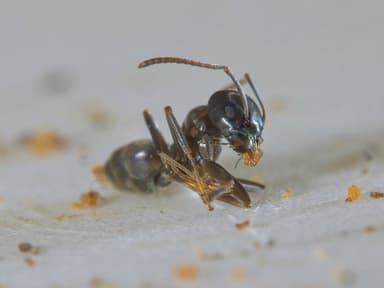
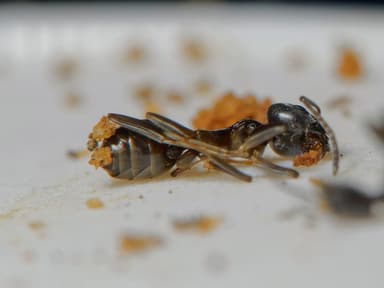
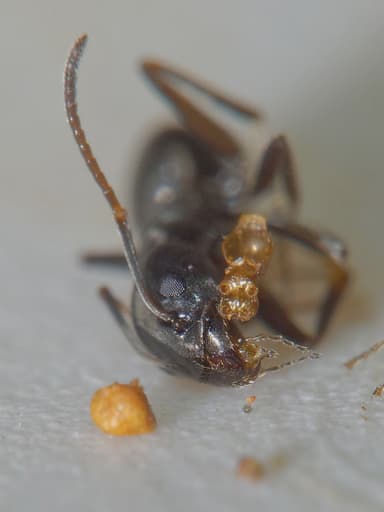
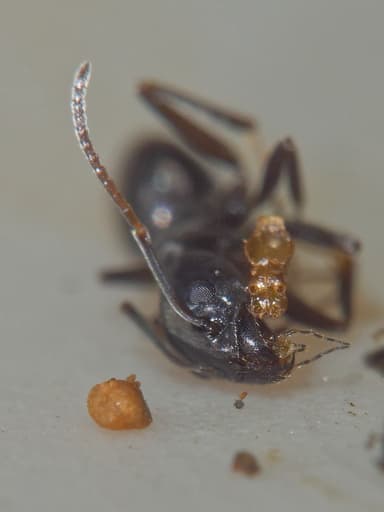
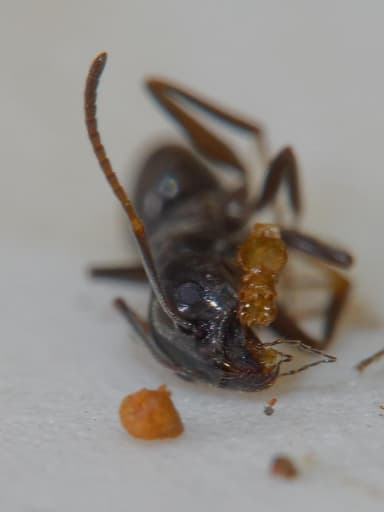
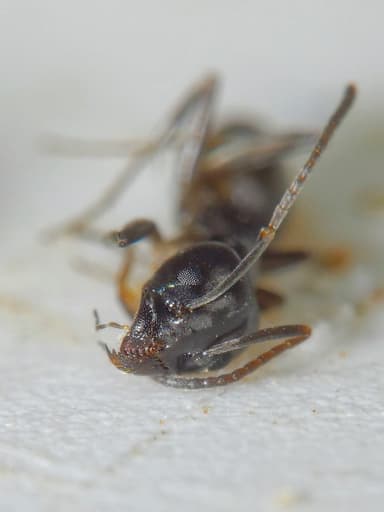
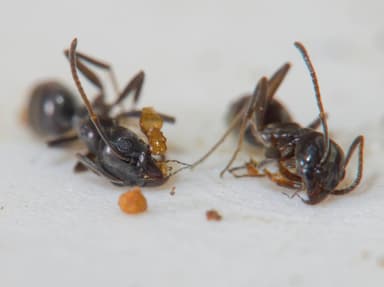
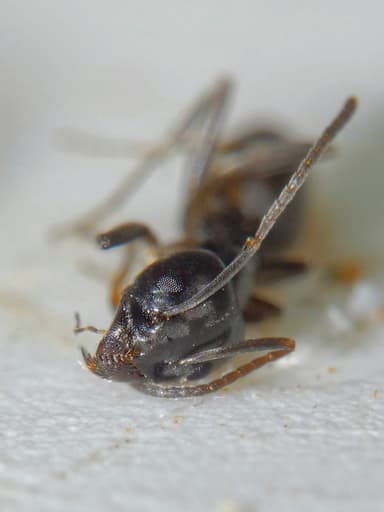
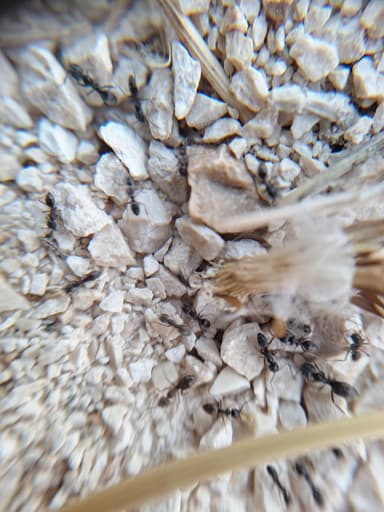
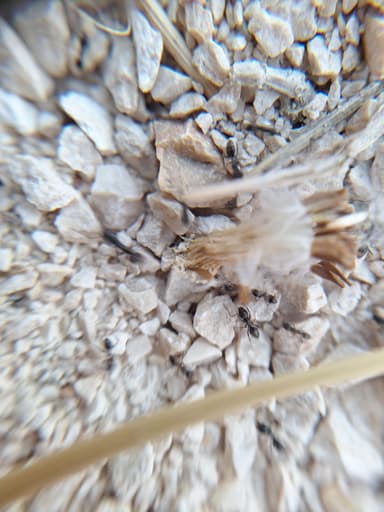
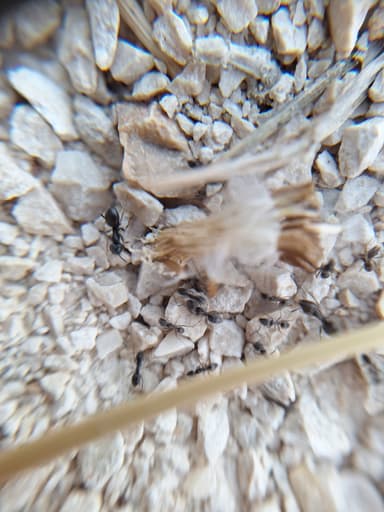
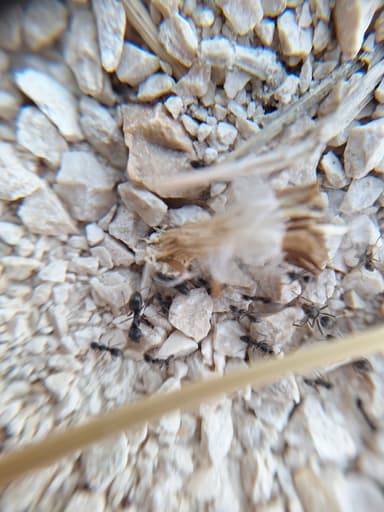
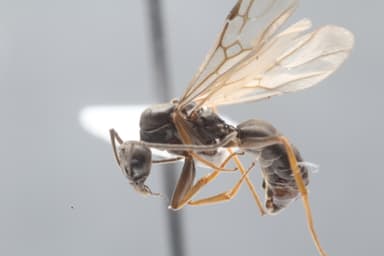
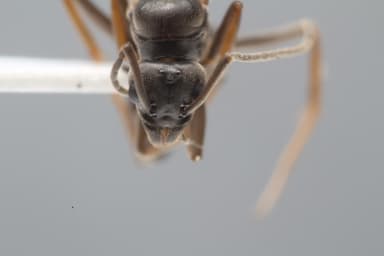
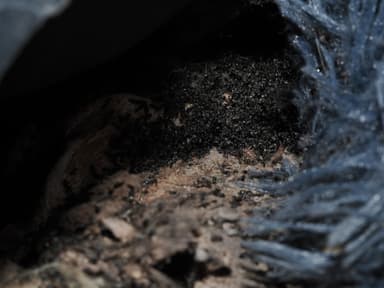
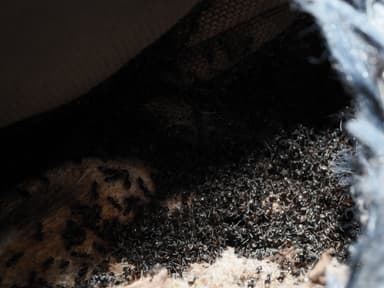
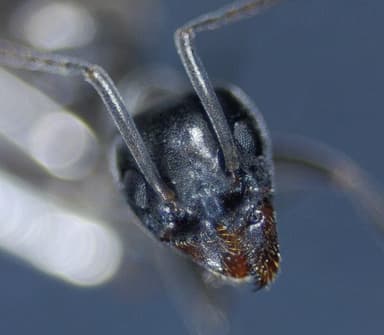
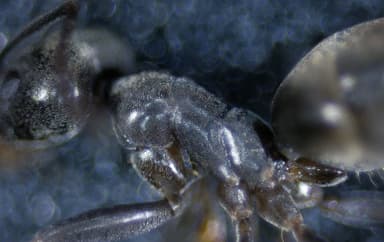
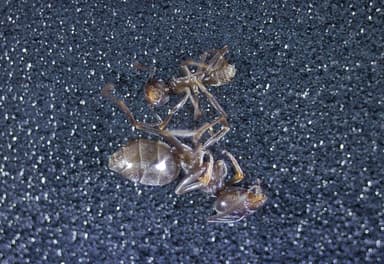
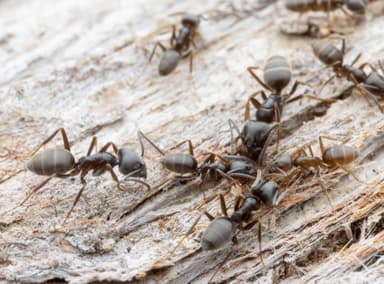
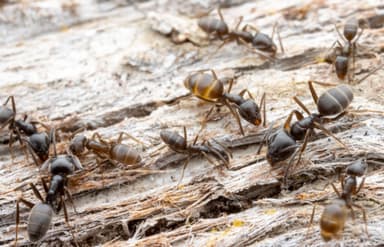
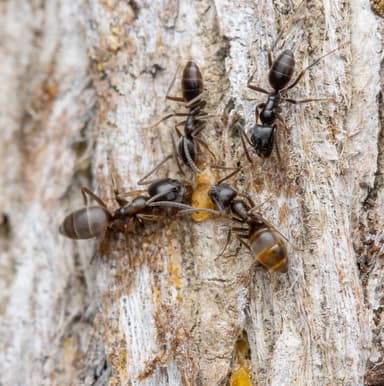
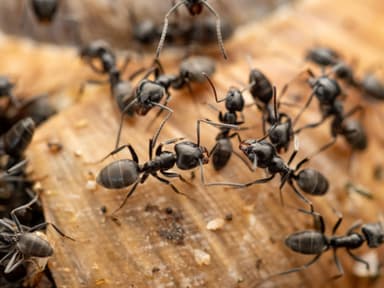
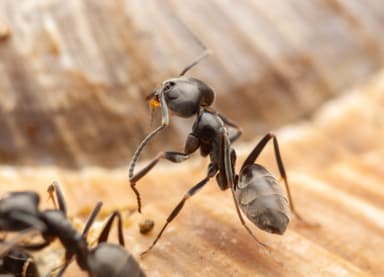
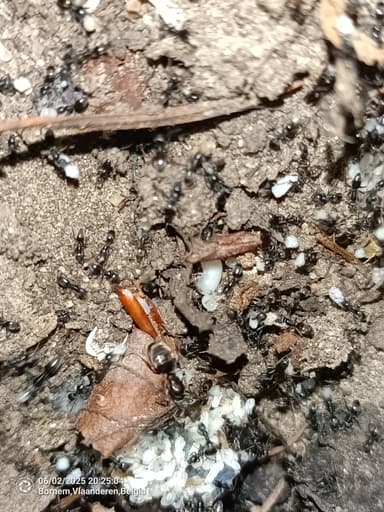
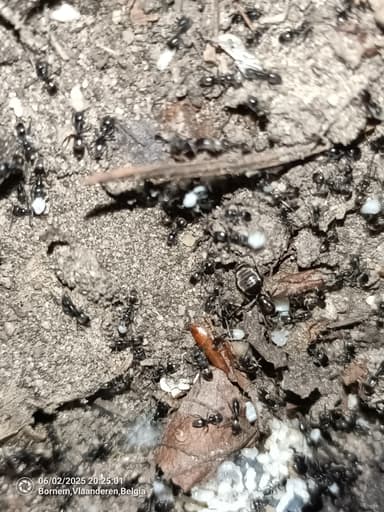
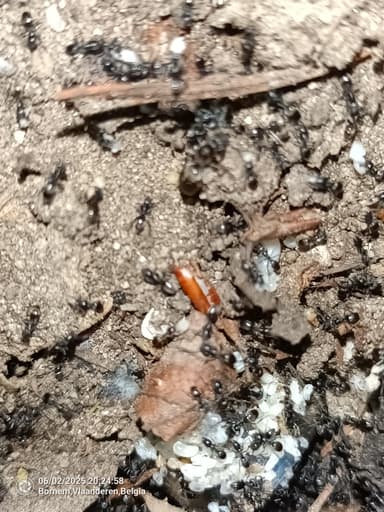
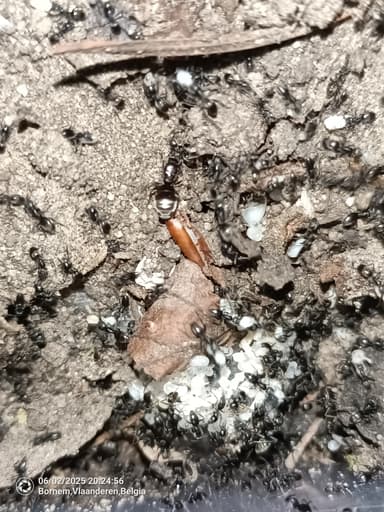
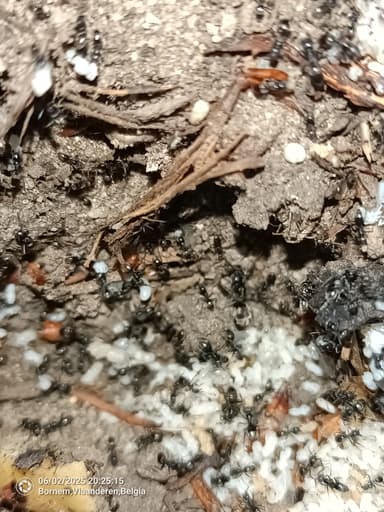
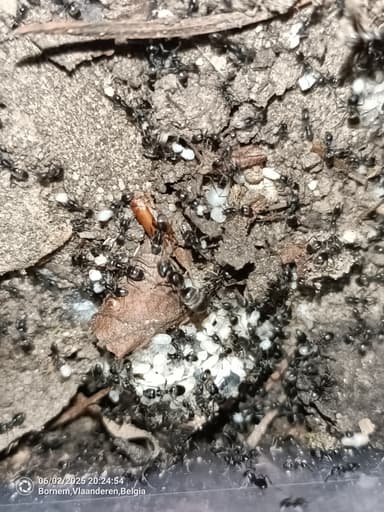
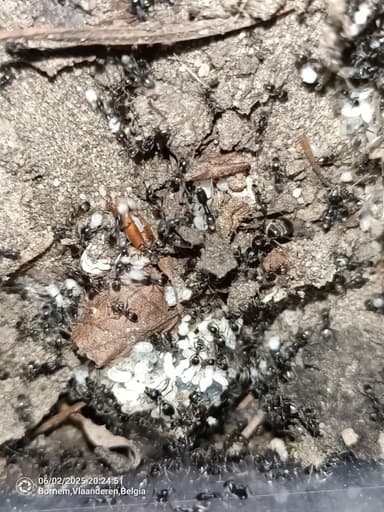
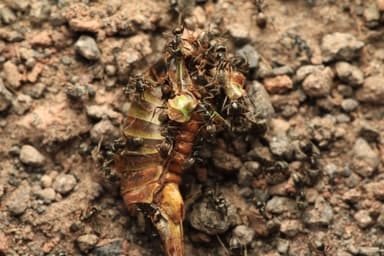
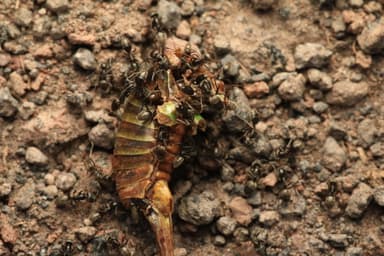
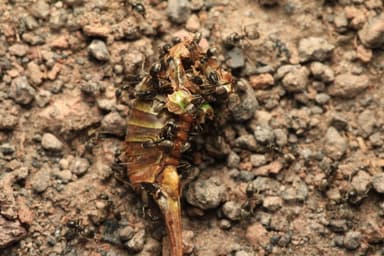
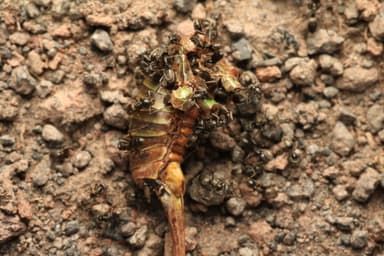
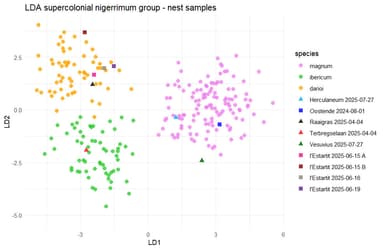
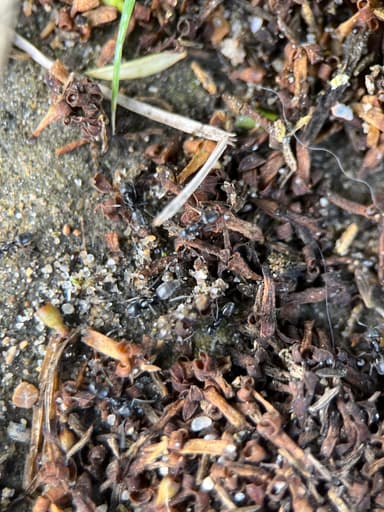
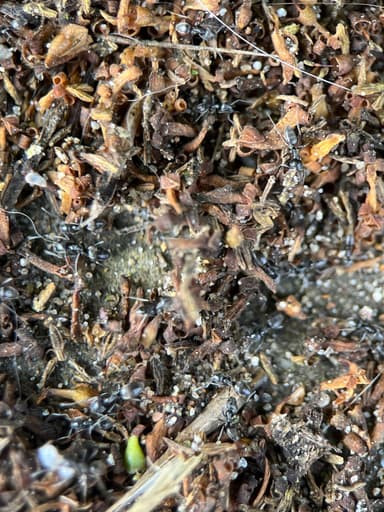
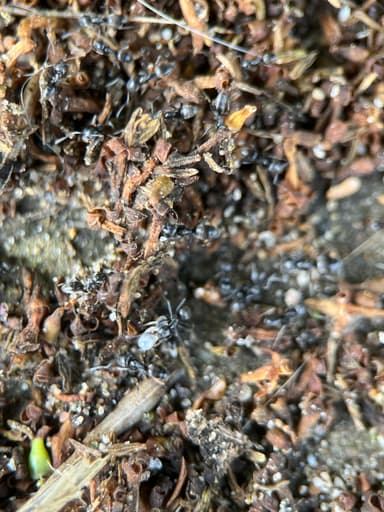
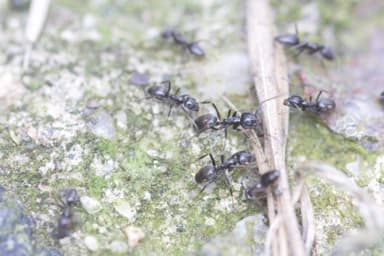
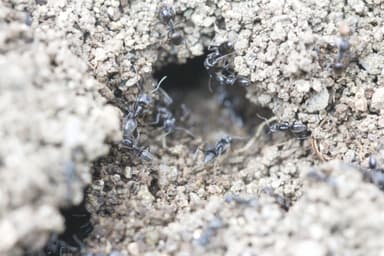
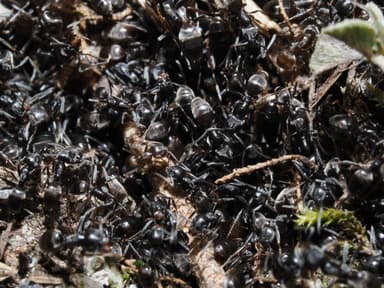
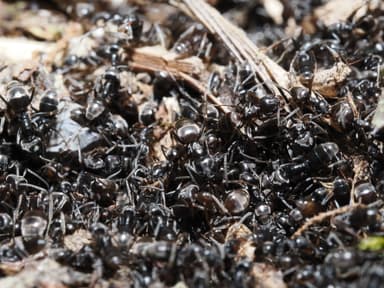
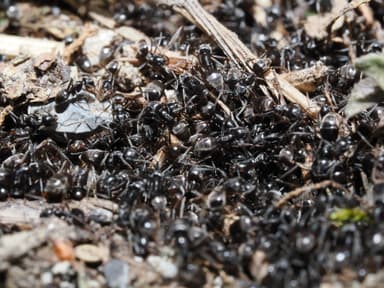
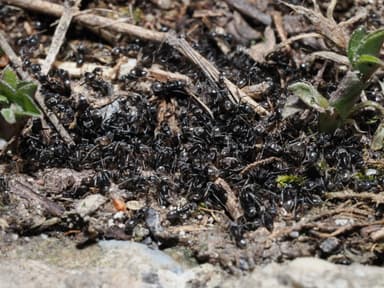
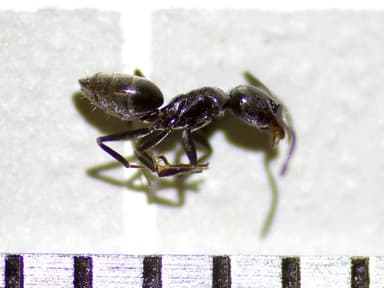
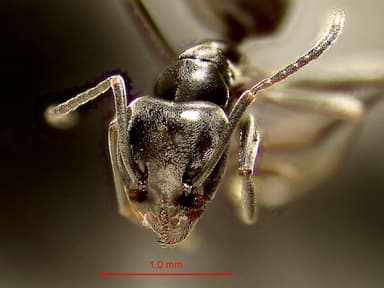
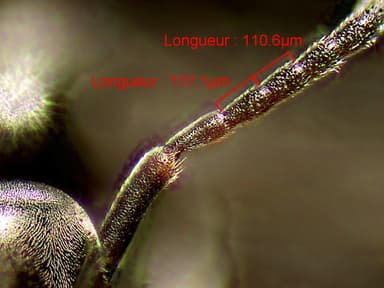
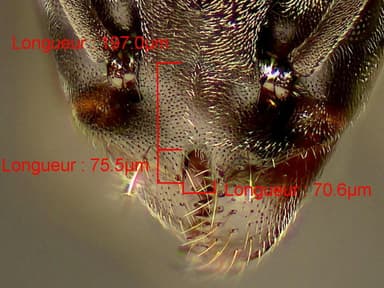
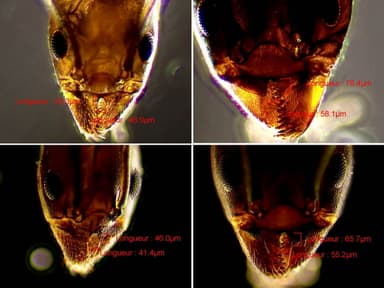
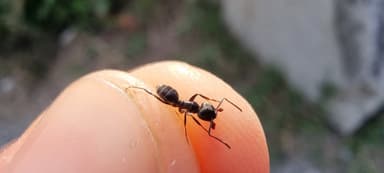
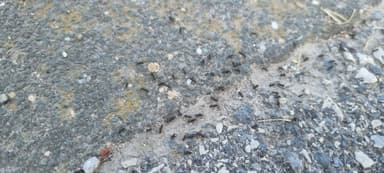
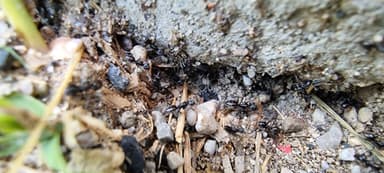
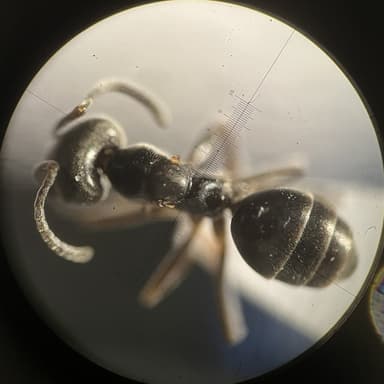
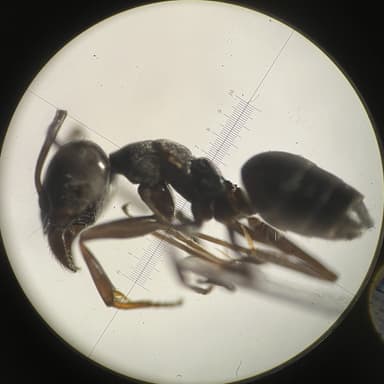
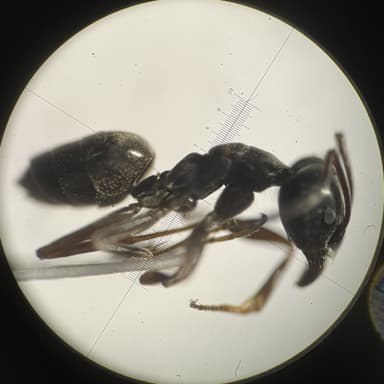
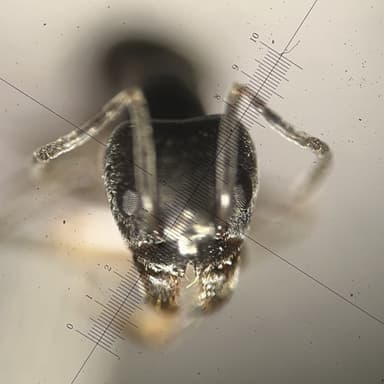
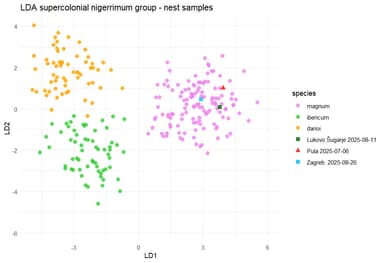
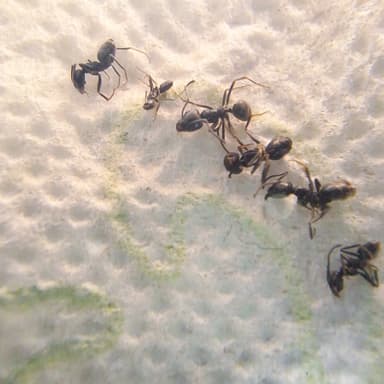
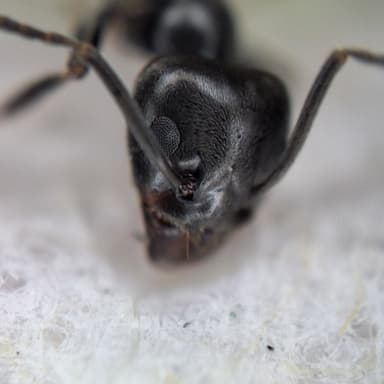
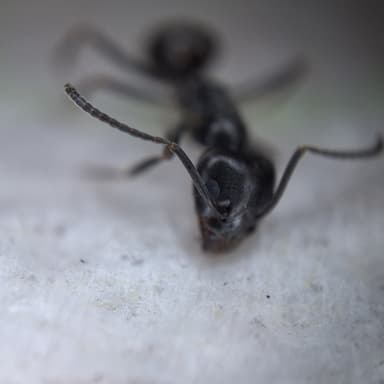
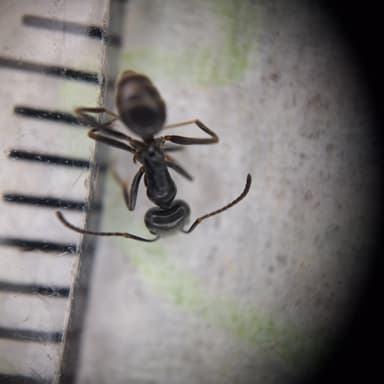
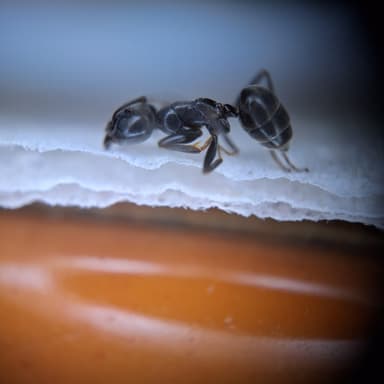
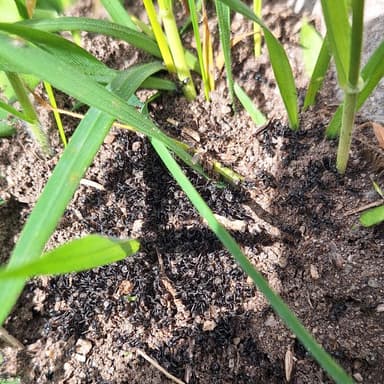
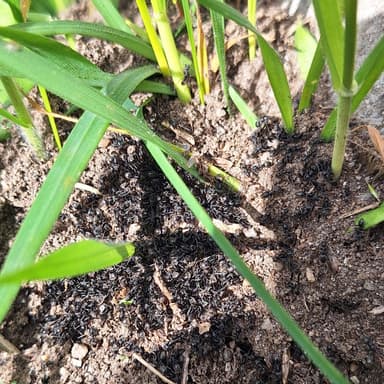
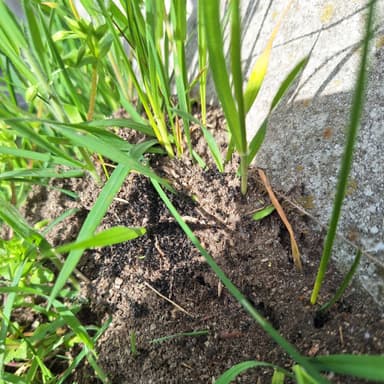
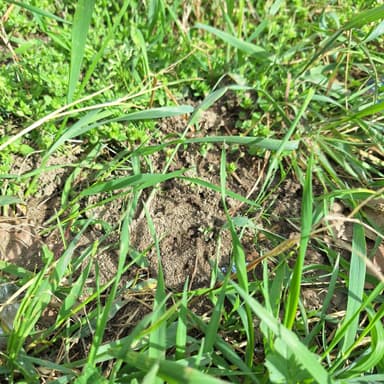
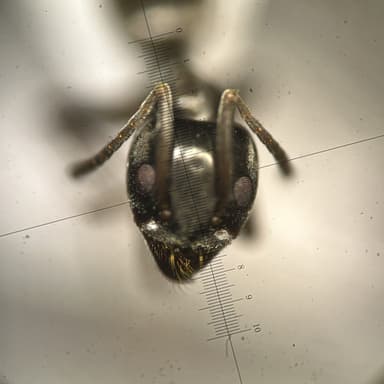
Tapinoma magnum is a fascinating member of the Tapinoma nigerrimum complex, a group of closely related ants that have only recently been disentangled by integrative taxonomy (Seifert et al. 2017). Workers are small and monomorphic, ranging from 3 to 5 millimetres, while queens are only slightly larger at 4.5 to 6 millimetres. Their bodies are a sleek, dark brown to almost black, with a characteristically flexible gaster that gives them a snappy, agile movement and, when crushed, emits a potent odour often likened to rancid butter or blue cheese — a chemical defence typical of the genus. What truly sets this species apart, however, is its supercolonial lifestyle. In the wild, a single colony can sprawl across vast areas, interconnected by trails and harbouring up to a million workers. Unlike many ants that spread primarily through nuptial flights, T. magnum relies overwhelmingly on budding, where groups of queens and workers split from the mother nest to establish new, genetically identical satellites. Nuptial flights do occur in Mediterranean and increasingly in Central European populations, typically on warm, humid afternoons between May and August, but these are secondary to colony fission (Blatrix et al. 2018). This supercolonial nature means that a captive colony, once established, can grow with breathtaking speed into a sprawling network of interconnected nest modules, offering a unique window into the dynamics of unicolonial invasion biology right on your desk.
With a care difficulty rated as intermediate, Tapinoma magnum is not a species for the absolute beginner, but it rewards keepers who have a grasp on containment and routine maintenance with an astonishingly active and resilient colony. The primary challenge lies in their small size, agility, and relentless drive to expand — they are notorious escape artists that can exploit the tiniest flaw in a barrier. Their growth potential is explosive; what starts as a modest group of a few hundred workers can balloon into many thousands within a year, demanding a forward-thinking approach to housing. You must be prepared for a colony that will continuously test your formicarium’s security and will require regular feeding to sustain its voracious brood. If you enjoy the challenges of large, fast-growing species and are not intimidated by the prospect of a supercolony, T. magnum offers an endlessly engrossing display of cooperative foraging and constant nest-building activity.
Housing must be planned with expansion and escape-proofing as the top priorities. Tapinoma magnum thrives at temperatures between 20 and 28 degrees Celsius, with an optimal sweet spot around 24 to 26 degrees, and requires a relative humidity of 50 to 70 percent. They are not particularly demanding about substrate; a sand-clay mix or a plaster nest with pre-formed chambers works beautifully, as they prefer to occupy ready-made cavities rather than excavate extensively. Because of their polygynous, budding nature, offer multiple connected nest areas from the start — a modular formicarium with vinyl tubing linking separate units allows the colony to expand organically and gives you control over when to open up new chambers. The outworld should be generously sized to prevent congestion, with a secure, well-fitted lid. Barrier maintenance is an unceasing ritual: fluon or talc applied in a clean, dry band around the top edge of the outworld must be reapplied whenever its effectiveness wanes, and you must check for gaps around tubing ports and feeders daily. Good ventilation prevents dangerous condensation while keeping the nest areas sufficiently humid; a water-soaked cotton plug in a test tube or a dedicated hydration chamber can supply the needed moisture.
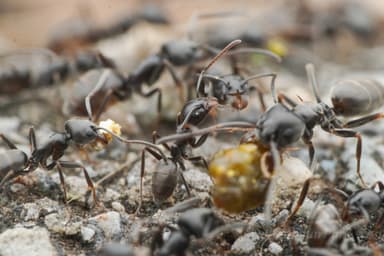
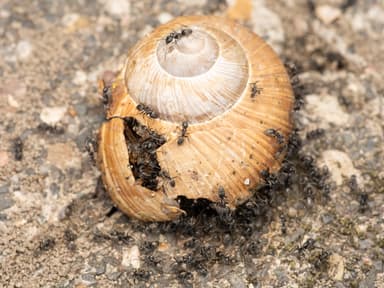
Dietarily, Tapinoma magnum is a classic omnivore with a heavy appetite for both protein and carbohydrates. During growth phases, the brood requires a steady supply of protein, so offer freshly killed or live-disabled insects such as fruit flies, small crickets, or chopped mealworms every day or two, adjusting quantities to the colony’s consumption rate. For carbohydrates, provide thin sugar water, pure honey diluted with water, or a commercial ant jelly in a separate feeder; these fueling stations will quickly become hubs of activity. Small oily seeds like sesame or poppy can be offered as an occasional treat. Always keep a clean, reliable water source available — a test tube with a cotton plug works well. Because large colonies can foul feeding stations quickly, remove uneaten food after 24 hours to prevent mold, and spot-clean the outworld regularly. The colony’s metabolism is swift, so during peak growth in warm conditions, you may find yourself feeding almost daily.
True hibernation is not required for this species. Hailing from Mediterranean and increasingly temperate European climates, Tapinoma magnum does not undergo a diapause. They remain active and continue brood production throughout the year if kept at stable temperatures. However, a modest winter cooling to around 18 to 20 degrees Celsius is perfectly acceptable and may mimic natural seasonal rhythms without harming the colony; it can also slow their metabolism slightly, giving you a maintenance breather. Avoid prolonged exposure to cold below 15 degrees, as they lack the physiological adaptations for deep hibernation. The consistent year-round activity can be a double-edged sword: it provides endless interest but also means there is no off-season for feeding and escape monitoring.
The first days after you bring home a colony of Tapinoma magnum require delicate, patient handling. You will likely receive a multi-queen fragment in a sealed tube or small container, with workers, brood, and perhaps several queens already clustered together. Place the container in a quiet, dim spot and let them settle for at least 24 hours without any disturbance. Resist the urge to peer at them constantly; vibrations can send waves of alarm through the group. If the container is a test tube, ensure its water reservoir is full and the cotton plug is moist but not leaking. After the settling period, offer a tiny drop of sugar water on a piece of foil near the entrance — not inside the nest — and watch for exploratory workers to discover it. Do not introduce protein until after the colony has shown consistent, calm foraging behaviour, usually after another day or two. Monitor for signs of stress, such as workers huddled motionless or queens ceaselessly wandering. Once you see steady traffic to the sugar source, you can begin the process of connecting the tube to your prepared nest, but do so gradually, and confirm that every connection point is tight. Above all, double-check your barriers before introducing them to a new outworld; that first day of full connection is when escape attempts are most likely. With calm patience and meticulous preparation, your T. magnum colony will soon transform from a tentative cluster into a bustling supercolony that reveals the intricate rhythms of one of Europe’s most successful and enigmatic ants.