Polyrhachis
Polyrhachis dives
Nuptial Flight Calendar
Flight months: Apr, May, Jun, Jul, Aug, Sep
Care Guide
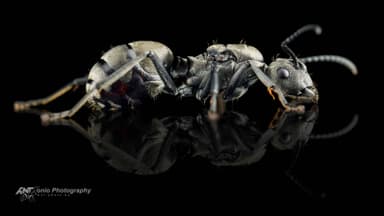
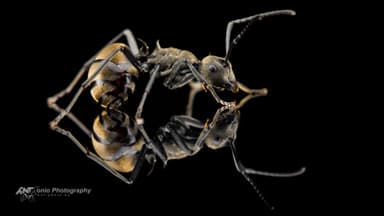
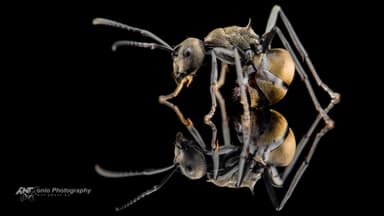
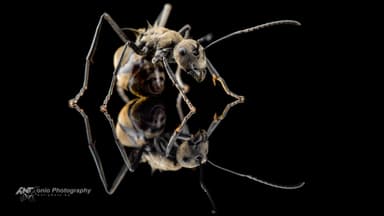
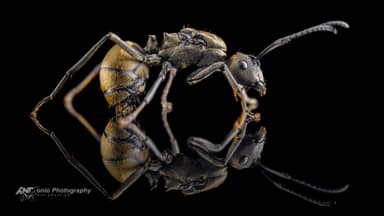
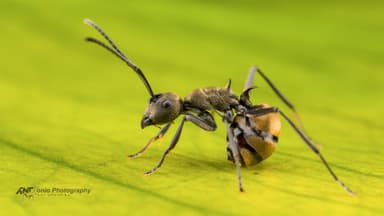
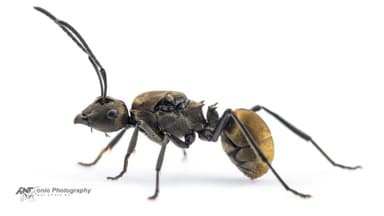
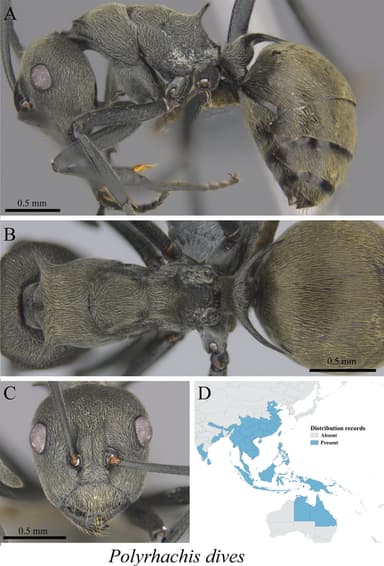
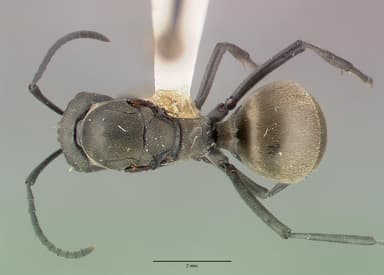
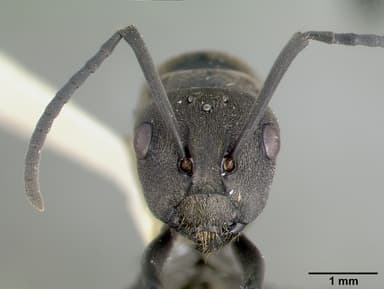
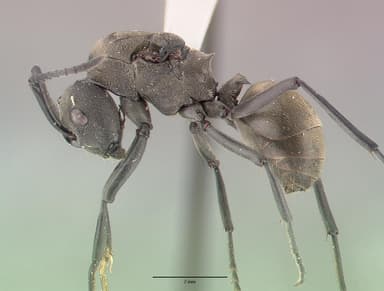
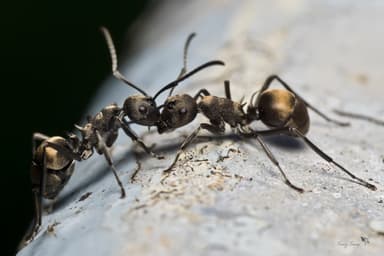
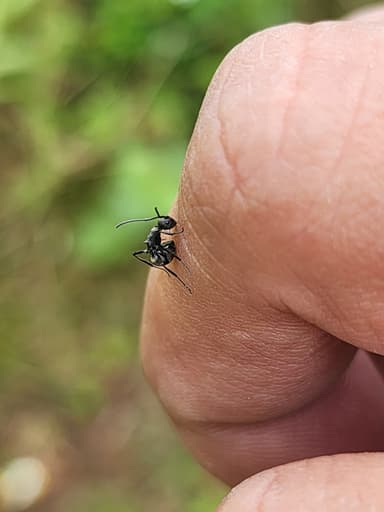
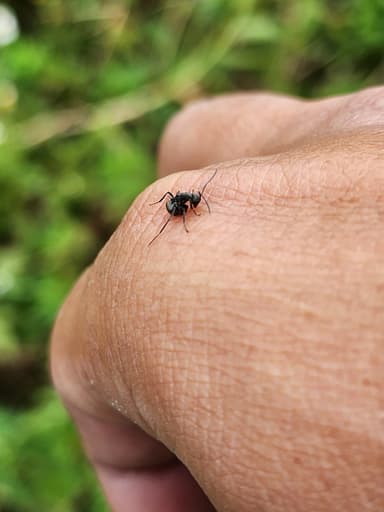
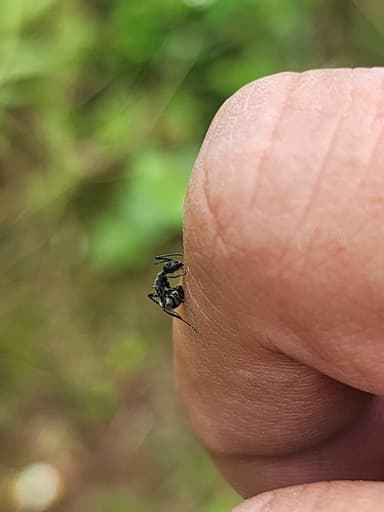
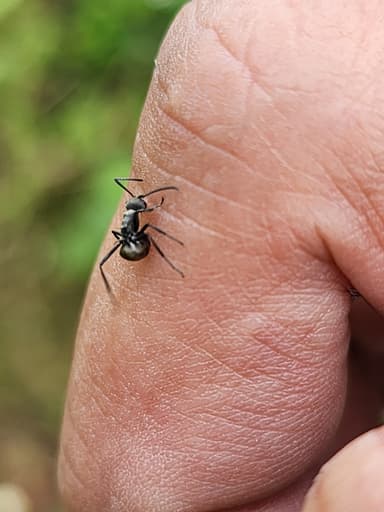
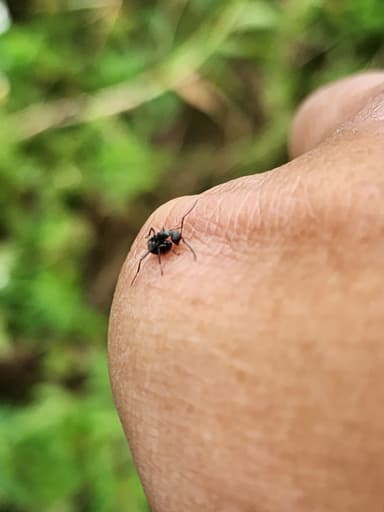
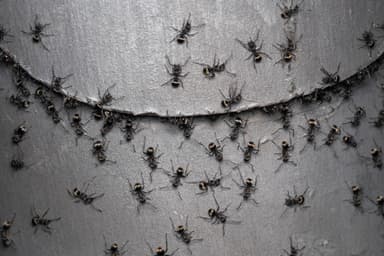
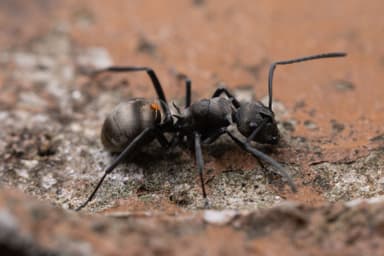
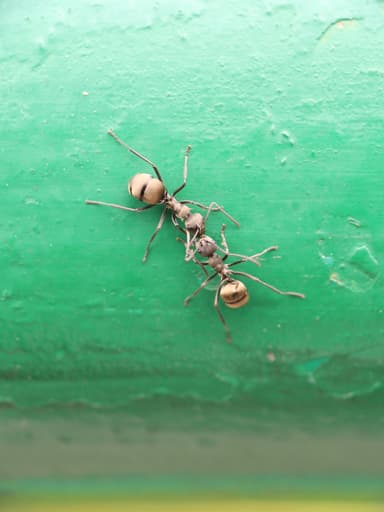
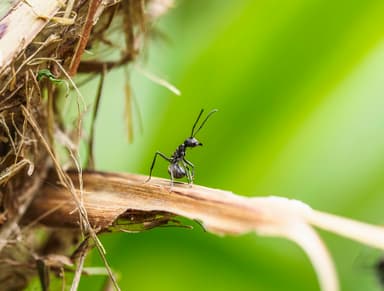
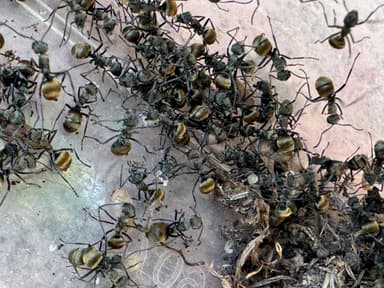
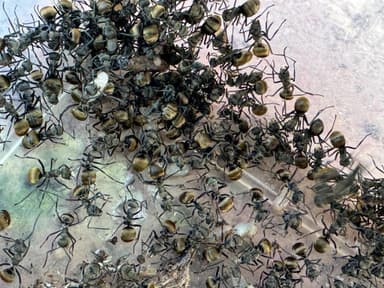
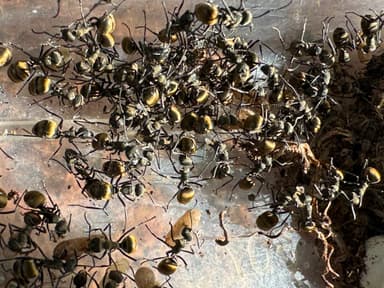
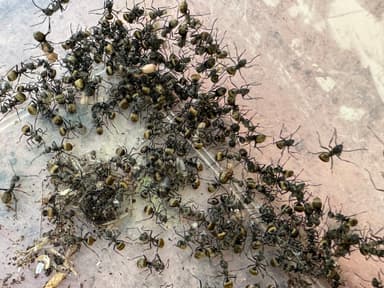
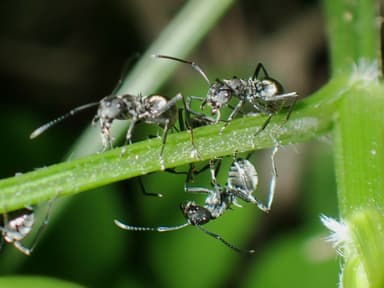
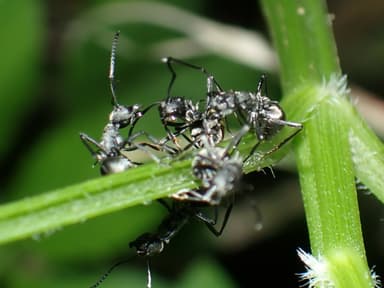
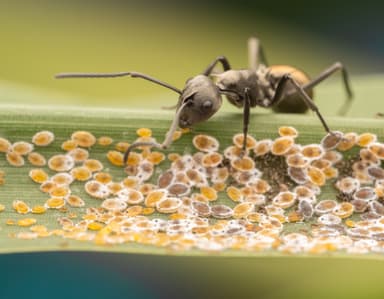
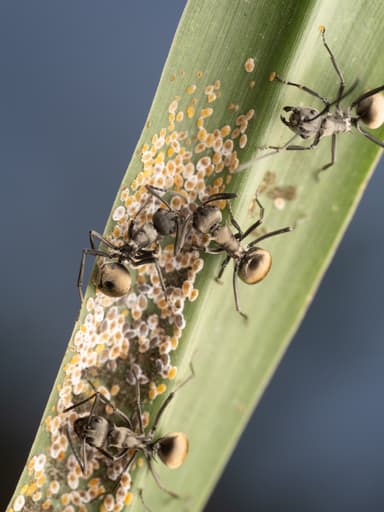
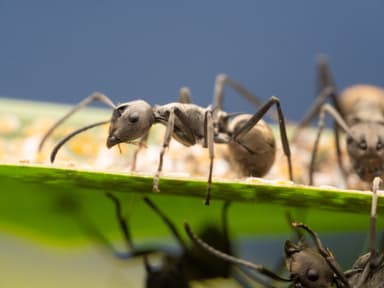
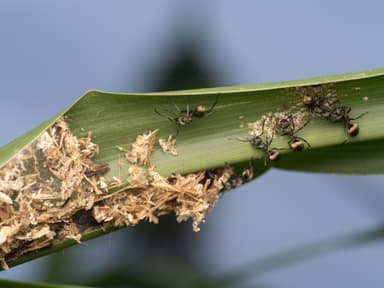
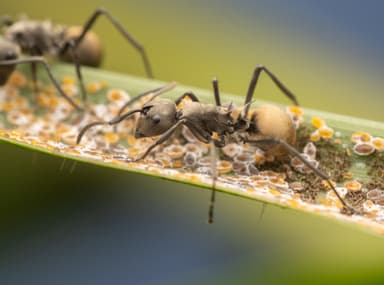
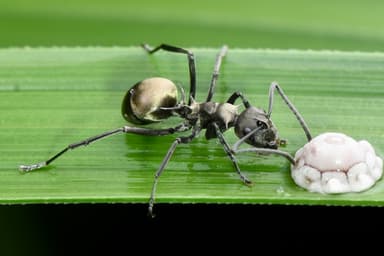
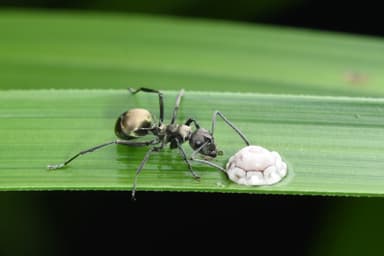
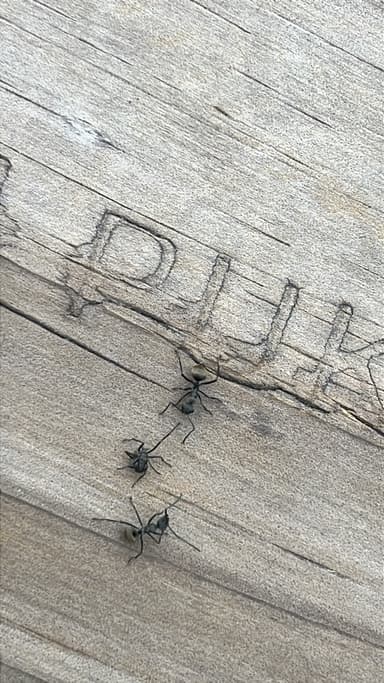
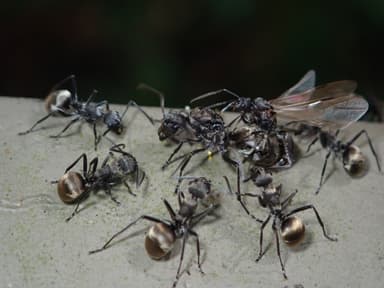
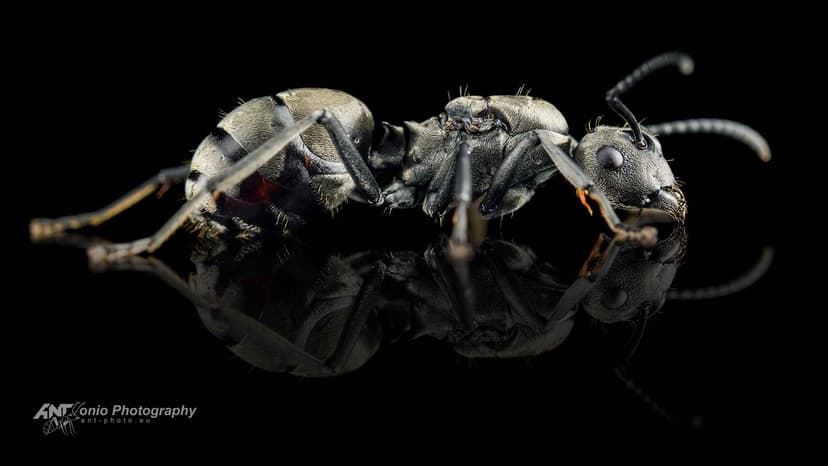
Polyrhachis dives, a medium-sized arboreal weaver ant of tropical and subtropical Asia, enchants keepers with its silk‑spinning nest construction. Queens measure 9–11 mm and workers a consistent 6–8 mm, with colonies reaching up to a million members in polygynous, multi‑queen societies (Yamauchi et al. 1987). Their native range stretches from India and southern China through Southeast Asia to Japan and Indonesia (GBIF occurrence records), always in warm, humid forest. Nuptial flights occur on warm, humid evenings from April to September (AntWiki, AntWeb), but in captivity propagation typically happens through budding—a group of workers and a queen splitting off to form a new colony. The ants are active year‑round, never hibernating, and their elaborate silken pavilions woven from larval silk and plant material make them a living art project.
With a care difficulty rating of intermediate, this species is best suited to keepers who have already mastered the basics of colony maintenance and are ready for a fast‑growing, space‑hungry inhabitant. A mature colony of a million ants demands a very large, custom‑built formicarium and vigilant escape‑proofing, as these adept climbers can scale glass with ease. The single monomorphic worker caste simplifies feeding, and the absence of a hibernation requirement removes seasonal scheduling. Enthusiasts who love watching complex building behaviour and don’t mind the eventual expansion into a multi‑module vivarium will find Polyrhachis dives immensely rewarding.
Housing must reflect their arboreal weaver lifestyle. Provide a tall enclosure such as a terrarium or acrylic tower with ample vertical structure—clean branches, bamboo lengths, live or dried leaves, and safe fibres like cotton string. The ants will gather this material and use larval silk to bind it into silken chambers (Robson & Kohout 2007). A base of coco peat, moss, or a bioactive soil mix retains moisture and serves as a foraging floor. Temperature should be kept between 22°C and 28°C, with relative humidity of 60–80 %, achieved by gentle daily misting while avoiding condensation or pooled water. Because colonies expand rapidly, plan for modular outworlds connected by tubes; this allows them to bud off satellite nests, mirroring their natural fission behaviour. High humidity combined with poor ventilation can encourage mould, so ensure some airflow and introduce springtails as a clean‑up crew.
Feeding Polyrhachis dives is straightforward. They need a constant supply of protein for the brood—offer live or freshly killed fruit flies, small crickets, mealworms, or chopped dubia roaches two to three times per week. Carbohydrates fuel the bustling workforce: provide a shallow dish of diluted honey, sugar water, or a commercial ant nectar, replenished daily. A water source must always be present; a test tube waterer or a small dish with pebbles to prevent drowning works well. Occasional treats of ripe fruit or flower petals mimic their natural fondness for plant exudates and add dietary variety.
Hibernation is entirely unnecessary. Originating from tropical latitudes, these ants experience no winter chill and maintain full activity, brood production, and foraging across all seasons. Keep temperatures stable within the 22–28°C range year‑round, and continue supplying food and water without any cooling‑off period. A slight nightly dip to the lower end of the range is natural but not required.
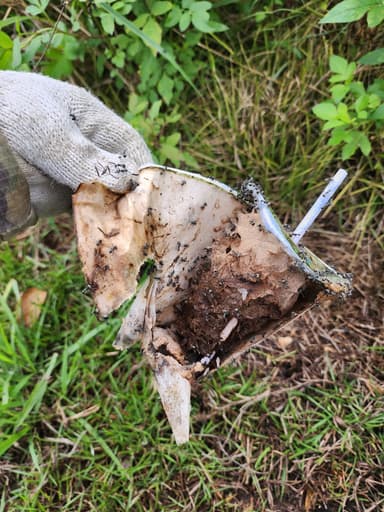
Your Polyrhachis dives colony will likely arrive as a small budding unit—a queen with a handful of workers, some brood, and perhaps a tiny silk nest spun inside the transport vessel. Place the whole container in a dim, quiet spot and leave them undisturbed for 12–24 hours to recover from shipping. After settling, connect a small foraging arena equipped with a water source, a drop of sugar water, and a pre‑killed fruit fly. Provide a few building materials like slim twigs or leaf fragments right away. Watch for calm, exploratory patrolling; if workers race about or try to flee, reduce light and movement around the setup. Over the following days, attach the main arboreal nest to the arena and let them migrate on their own—never force them out. Move slowly, as these ants stress easily and may abandon brood if rushed. With patience, you will soon observe the first silk threads linking leaves, the start of a miniature architectural marvel that grows in step with your colony.