Myrmecia
Myrmecia mandibularis
Nuptial Flight Calendar
Flight months: Jan, Feb, Nov, Dec
Care Guide
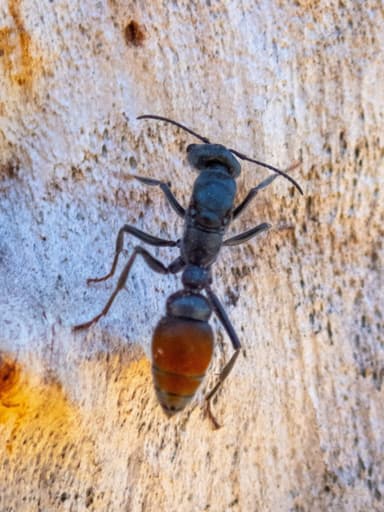
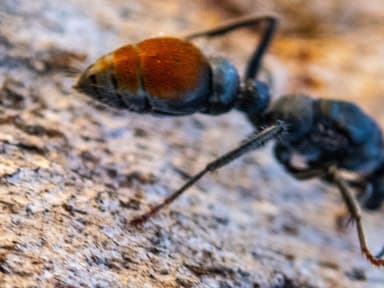
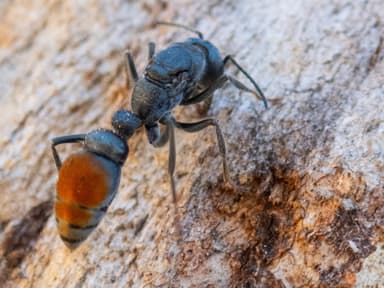
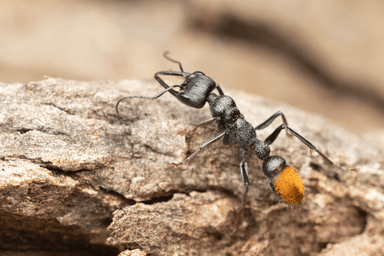
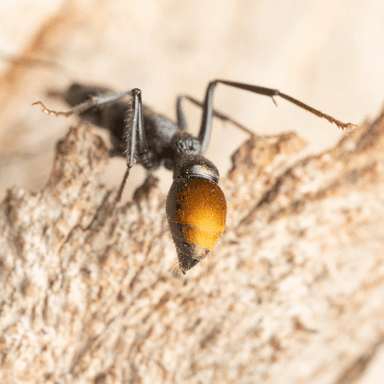
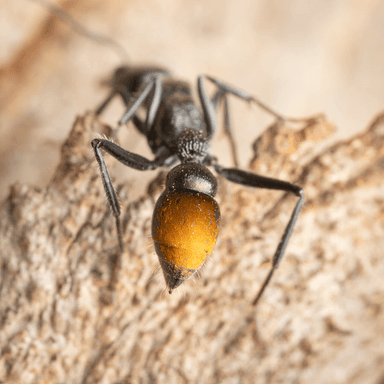
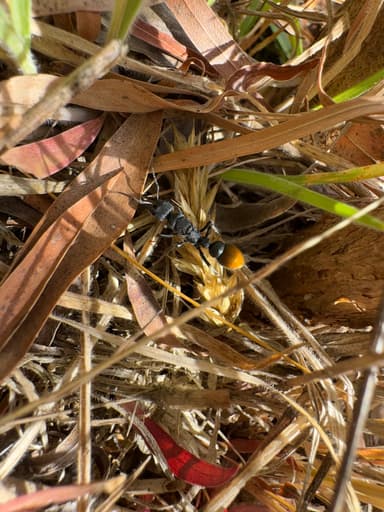
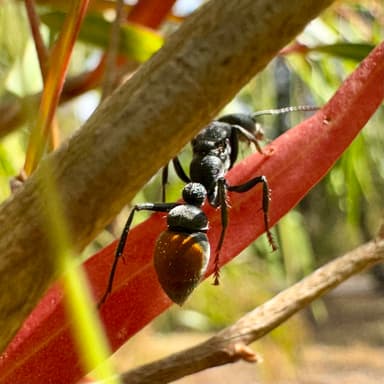
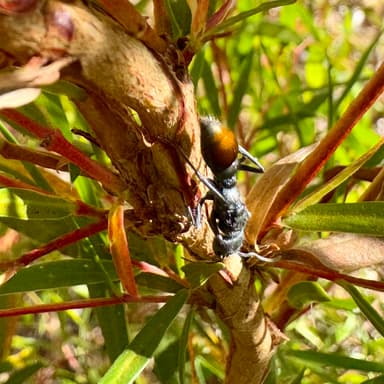
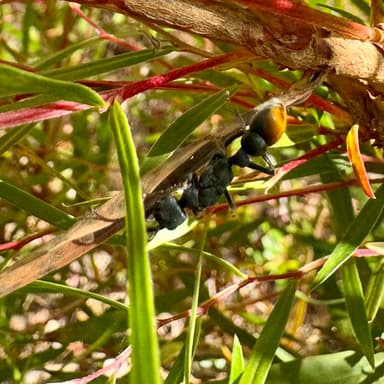
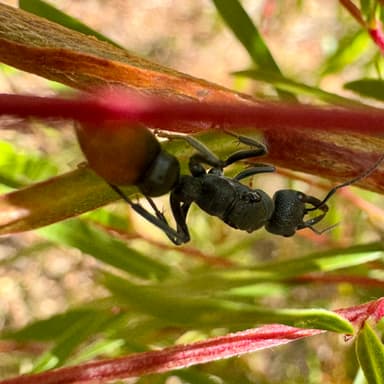
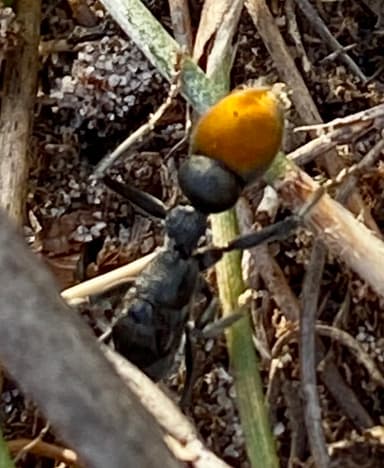
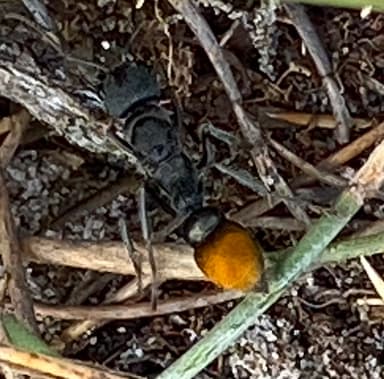
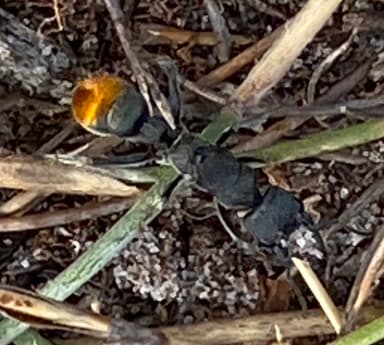
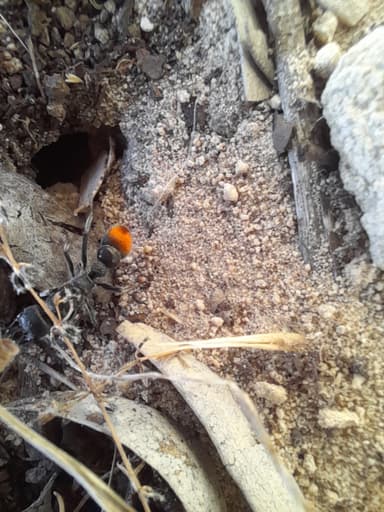
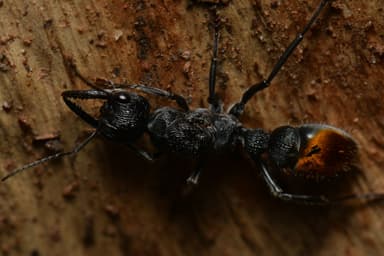
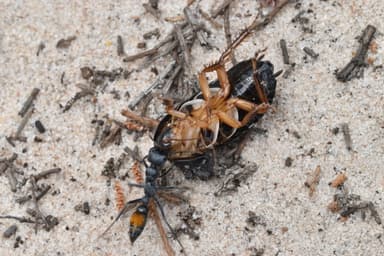
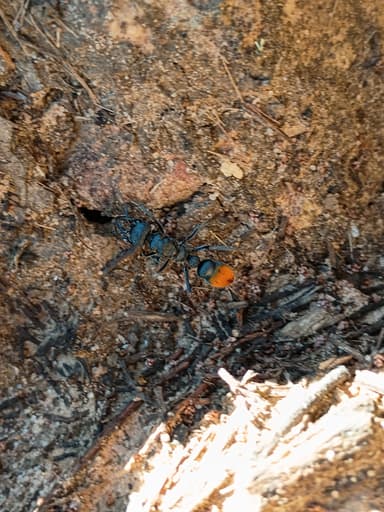
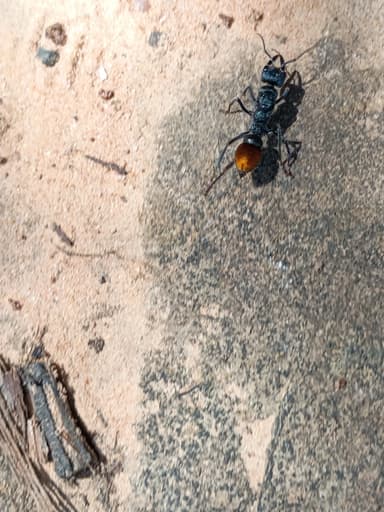
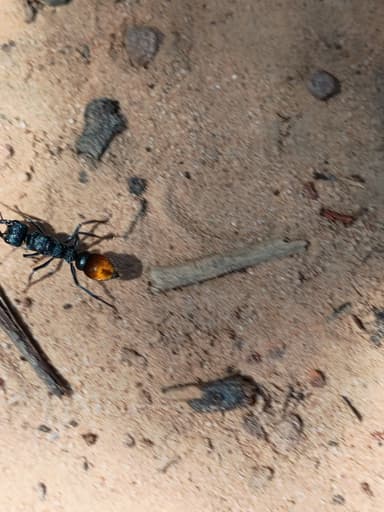
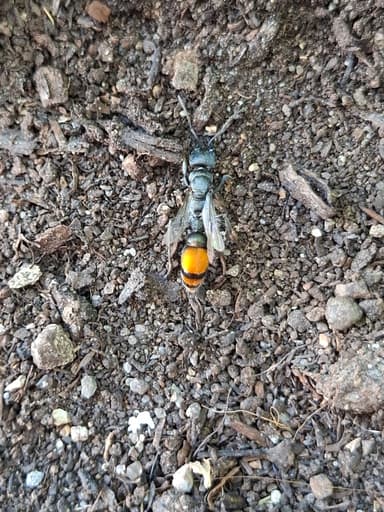
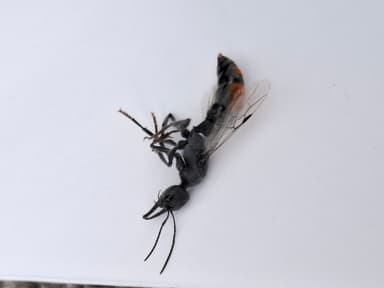
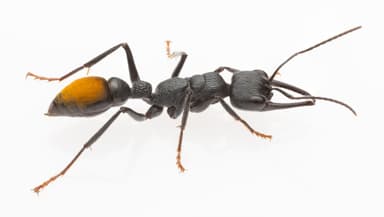
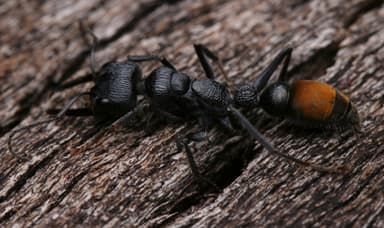
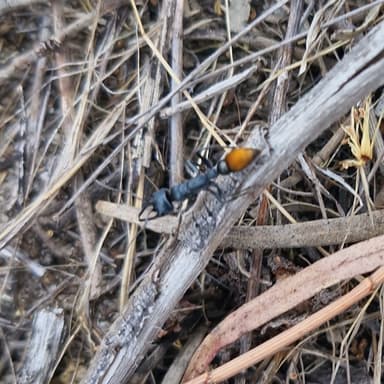
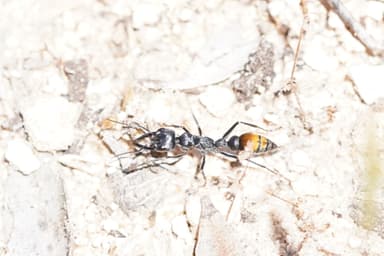
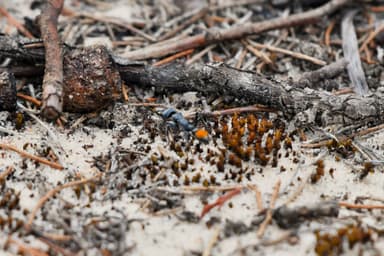
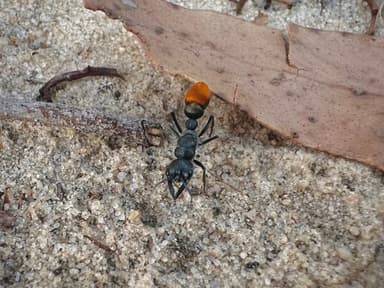
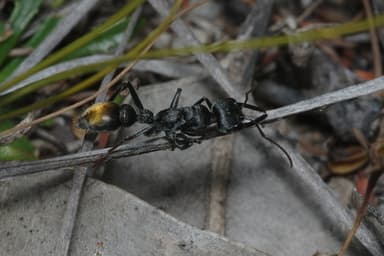
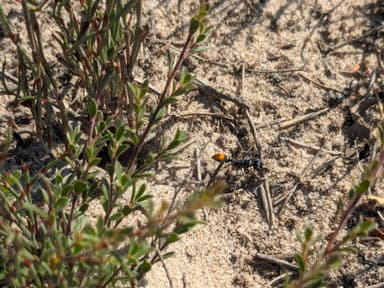
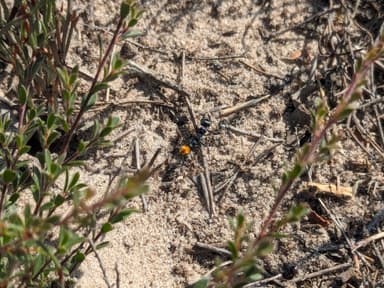
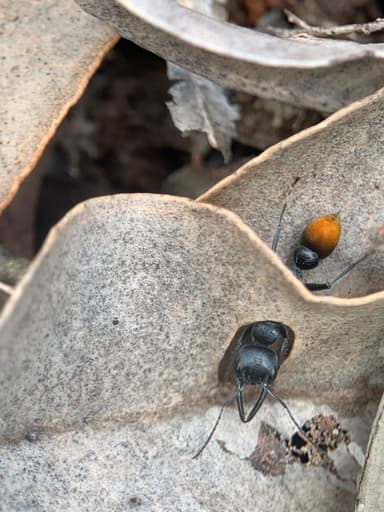
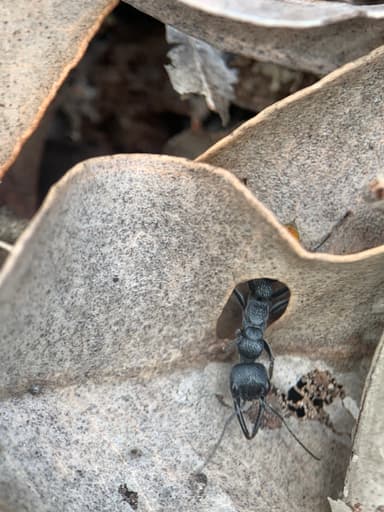
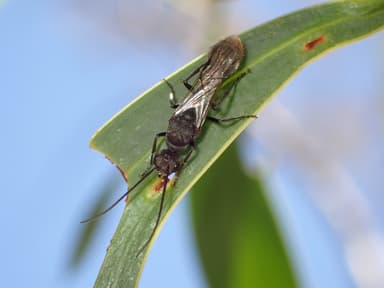
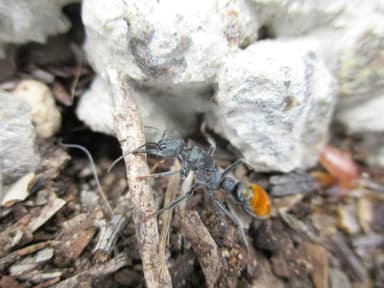
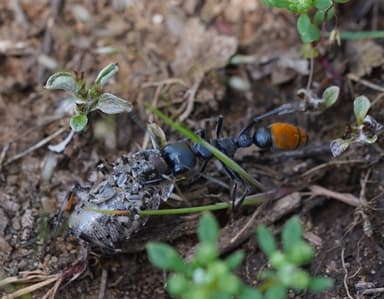
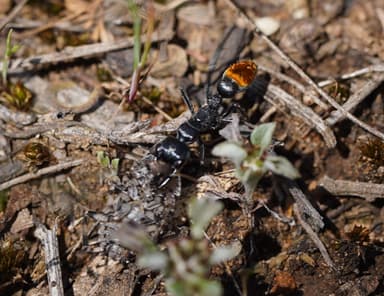
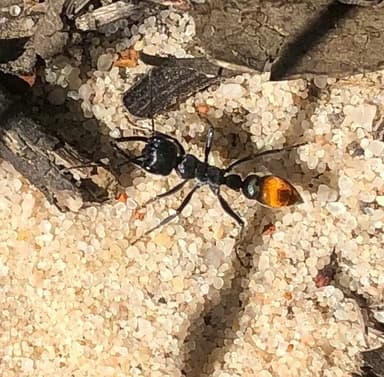
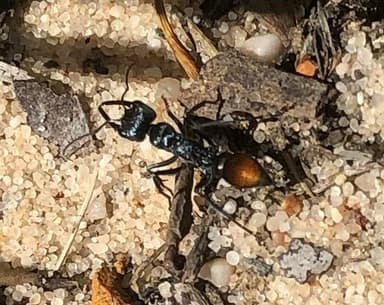
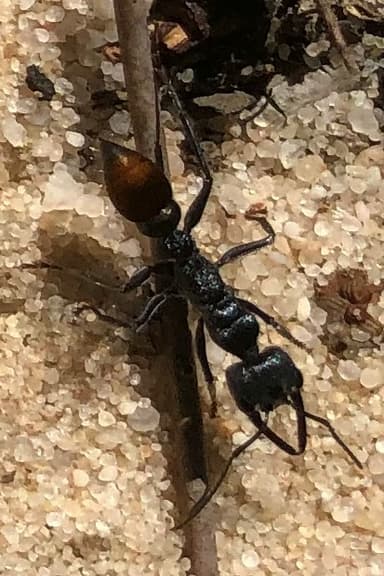
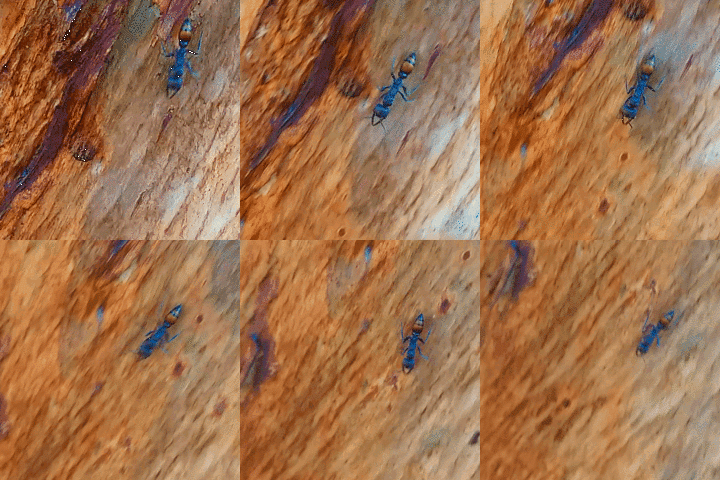
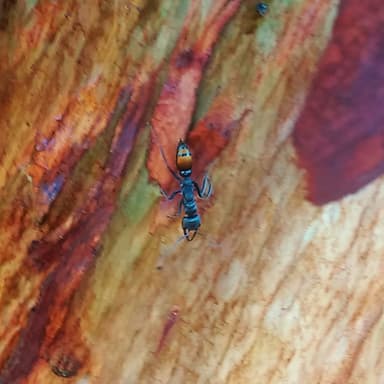
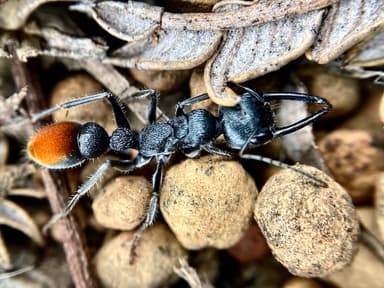
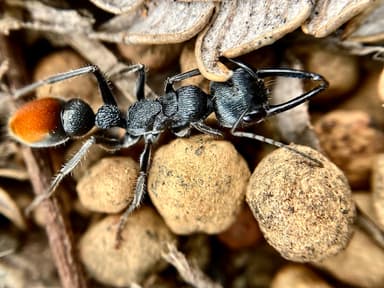
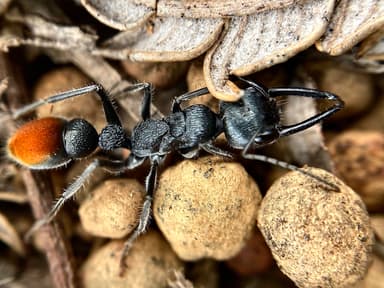
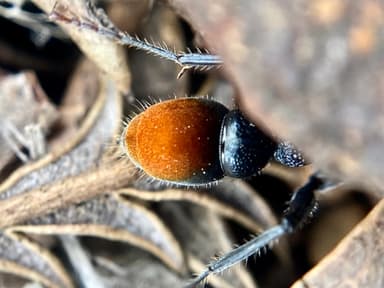
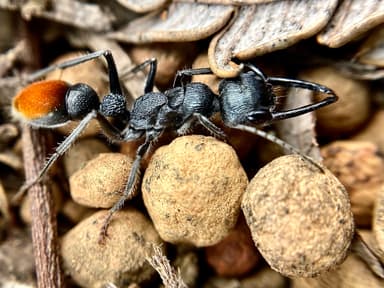
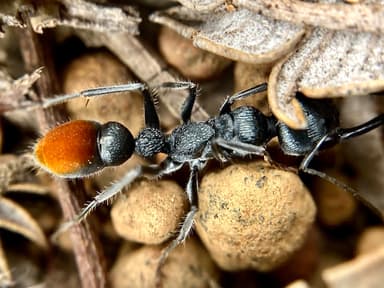
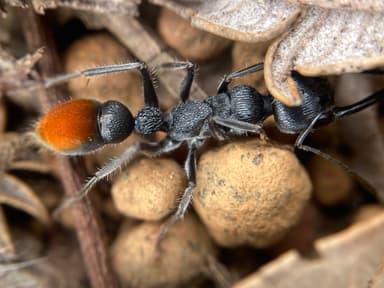
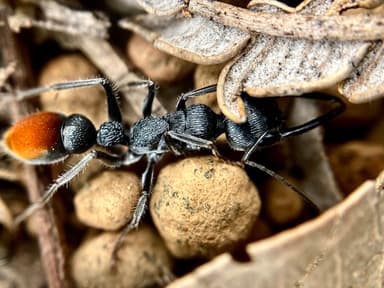
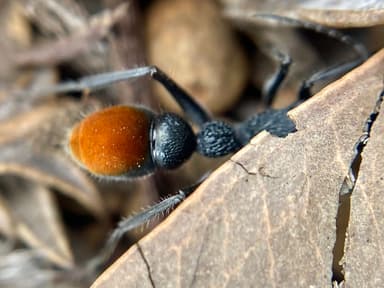
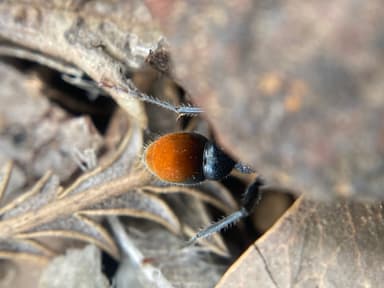
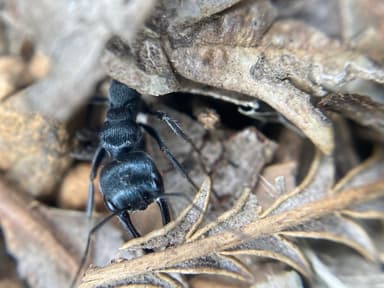
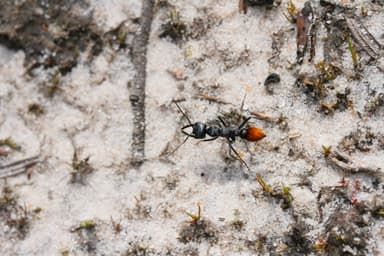
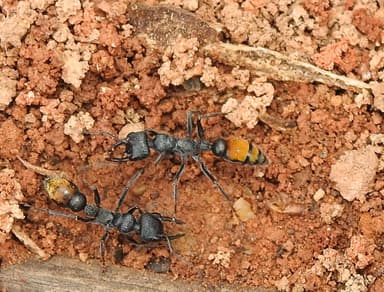
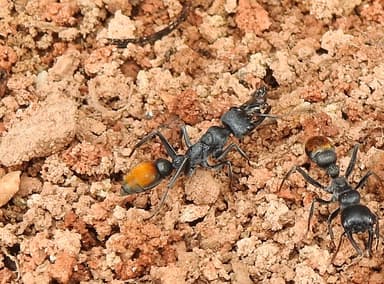
The unmistakable Myrmecia mandibularis, a true giant among the continent’s bull ants, commands attention with queens reaching 25 millimetres and robust workers measuring up to 22 millimetres. Their deep reddish-brown to black bodies and outsized mandibles signal a life built for predation, and this species does not disappoint. Colonies can swell to a thousand individuals—a considerable size for a Myrmecia—with a single queen supported by a monomorphic worker caste, all of which are accomplished visual hunters that combine excellent sight with a punishing sting. The queens are semi-claustral, meaning a newly mated female must leave her founding chamber regularly to forage for food while raising her first brood, a behaviour first meticulously recorded for the genus by Clark (1951) and later refined taxonomically by Ogata & Taylor (1991). Their native range hugs the southeastern coastline from Victoria and southern New South Wales across into South Australia, where nuptial flights occur on warm, humid afternoons following rain from November through February. For the keeper, observing a queen switch between excavator, hunter and nurse in those early weeks offers an extraordinary window into the evolution of ant sociality.
The care demands of Myrmecia mandibularis place it firmly in the expert-only category, requiring a keeper who is not only technically adept but also profoundly respectful of the ants’ potential. Their sting is medically significant, capable of inducing severe local pain and, in sensitised individuals, systemic allergic reactions; every interaction must be planned with escape-proofing in mind. The semi-claustral founding stage alone demands daily monitoring, live prey provision, and an intuitive grasp of when a stressed queen might start consuming her eggs. This ant is suited to experienced myrmecologists who have successfully maintained other large, aggressive genera and who can commit to replicating a precise thermal and hydric gradient, as well as a mandatory winter dormancy. Beginners drawn to the iconic bull ant should first prove their skills with more forgiving Myrmecia like M. pavida or M. nigrocincta, which are more tolerant of minor husbandry missteps. Those who do rise to the challenge, however, will be rewarded with a colony whose foraging behaviour—workers leaping at prey and orientation by polarized-light—is a daily spectacle that few other ants can rival.
Spacious, secure housing becomes the foundation of success. Because workers are highly active and climb glass and plastic with ease, the formicarium must feature a tight-fitting lid and a perimeter coated with a high-quality PTFE barrier, inspected weekly. A naturalistic setup with a soil-based nest captures the ants’ digging instincts and buffers humidity beautifully. A substrate mixture of sandy loam and a small percentage of clay, kept slightly compacted, allows them to construct stable chambers. The nest area requires a reliable humidity of 50–70%, achievable through periodic misting or an external water reservoir, while the outworld can remain drier. Temperature is best delivered as a gradient: a basking spot at 28 °C near one end of the nest tapering to a cooler 18 °C retreat, using a heat mat applied to the side, never underneath, to prevent overheating. Stagnant air breeds fungal pathogens, so cross-ventilation through fine mesh ports is essential. For those preferring a more maintenance-focused system, a plaster or ytong nest with a large outworld works equally well, provided the plaster is kept damp but never sodden. Given the ants’ size, any feeder tubes or inserts must be broad enough to prevent the larger workers from becoming trapped, and all decorations in the outworld should be fixed firmly to survive an ant tackle.
A varied predatory diet fuels this species’ relentless energy. In the wild, Myrmecia mandibularis takes a wide range of invertebrates, and in captivity crickets, roaches, mealworms and waxworms all make excellent protein sources. Founding queens, small colonies and newly eclosed workers thrive on pre-killed or well-crippled prey offered in tiny portions—a freshly killed fruit fly or a severed cricket leg—to avoid the risk of injury from struggling insects. As the colony expands, live food can be introduced, but always watch for aggressive prey that might maim a forager; feeding during periods of high ant activity lets workers quickly subdue the offering. Carbohydrates are just as critical: a shallow dish of sugar water, honey diluted with water, or slices of sweet fruit provides the liquid fuel workers need during long scouting trips. Fresh water, supplied through a test-tube feeder or a soaked cotton ball, must be available at all times in both nest and outworld, as these large ants dehydrate more rapidly than smaller species. Remove uneaten protein after 24 hours to prevent mite infestations, and scrub sugar feeders every other day to halt fermentation.
A true hibernation cycle is non-negotiable for the colony’s long-term health. Myrmecia mandibularis experiences a pronounced southern winter in its range, and captive colonies that skip this rest often suffer from reduced queen fecundity, chronic worker die-off, and failure to rear larvae. Begin preparing the colony in late autumn by gradually reducing the temperature over two to three weeks until a steady 12 °C, with an acceptable range of 8–12 °C, is reached. The nest should remain slightly moist but never wet, and all feeding must stop once the ants become sluggish; they will not digest food at such low temperatures and residual prey will only rot. A dedicated wine cooler or an unheated room that reliably stays cool is ideal. Maintain this chilled dormancy for two to three months, checking weekly only to ensure a water source is still present and condensation has not flooded any chambers. When spring arrives, warm the colony slowly back to the active temperature range over about ten days, and offer a tiny drop of sugar water on the first day of full activity before moving on to protein. This gentle rewarming triggers the queen’s ovaries and aligns the colony’s biological clock with the keeper’s seasonal schedule.
The days immediately following the purchase of a queen or founding colony demand exceptional patience. Unpack in a dimly lit room and transfer the ants to their permanent home as swiftly and calmly as possible, using a soft brush or aspirator, never forceps. For a semi-claustral queen alone, provide a spacious outworld with a pre-moistened nest area, a small water source, and a hide such as a piece of cork bark. Place a minuscule drop of honey or sugar water and a single pre-killed fruit fly near the nest entrance, then cover the setup with a dark cloth. Do not disturb her for at least 24 hours. When you next check, look for evidence that the protein has been consumed, not merely cached, which signals she has fed and is likely settling. A queen that refuses to forage after 48 hours may be overly stressed; ensure the temperature is correct, the light is low, and no vibrations are reaching the table. For a small colony with workers, the same rule applies: offer a tiny dead insect and sugar water, then retreat. The greatest danger in these first days is the keeper’s own eagerness—any sudden movement can cause the queen to devour her precious eggs, setting the colony back months. Let the ants author the pace, and within a week you will likely see the first outlines of a true working partnership beginning to take shape.