Camponotus
Camponotus fallax
Nuptial Flight Calendar
Flight months: May, Jun, Jul, Aug
Care Guide
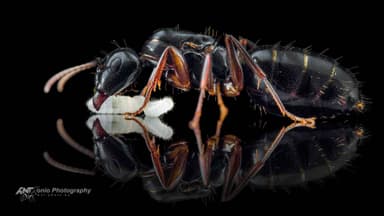
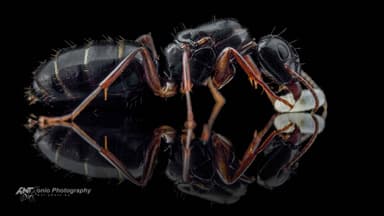
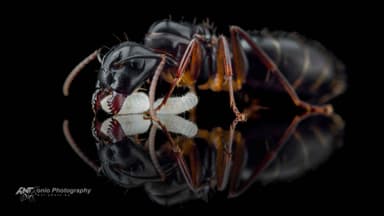
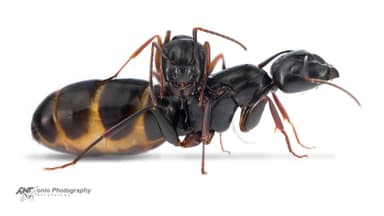
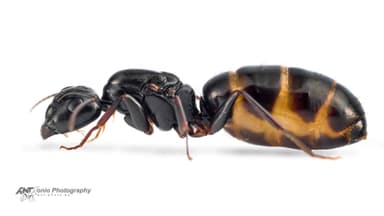
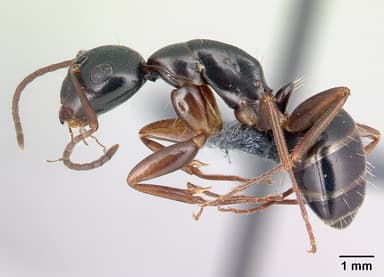
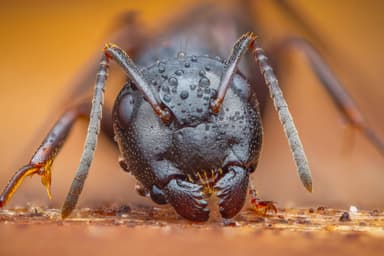
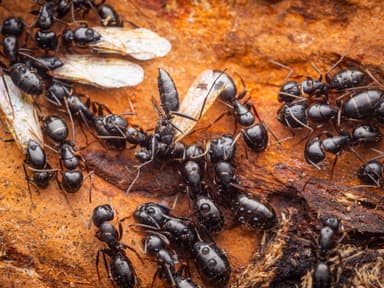
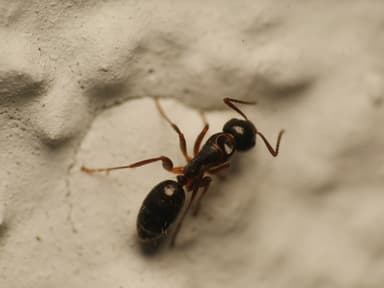
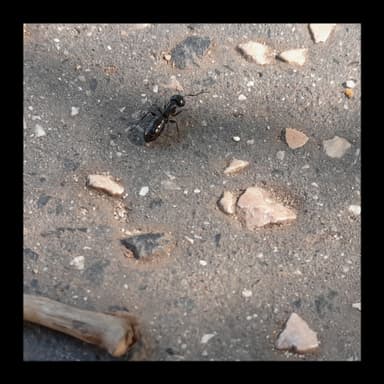
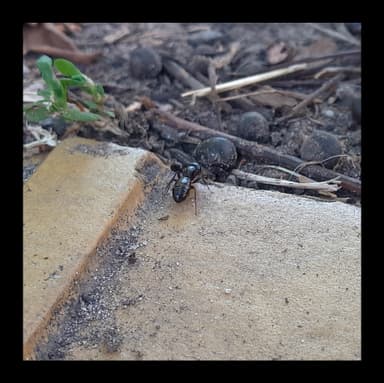
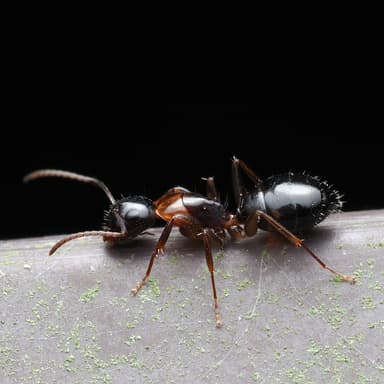
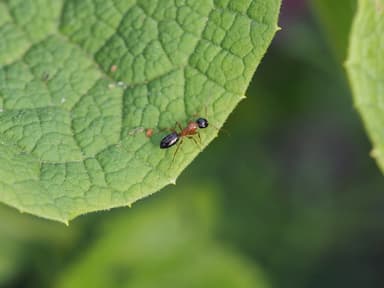
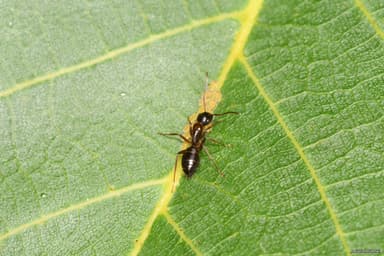
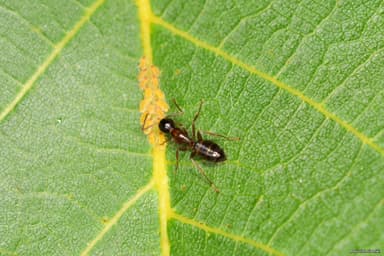
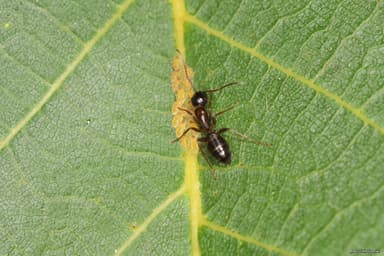
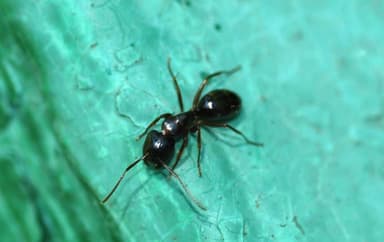
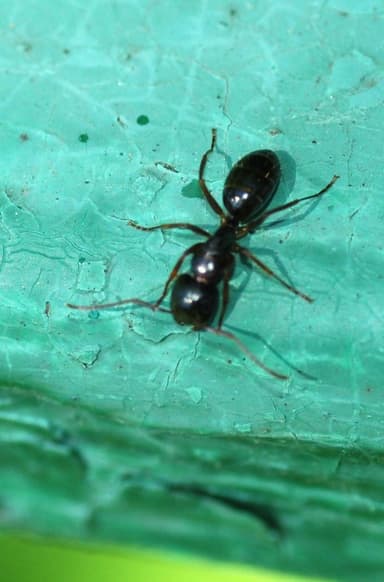
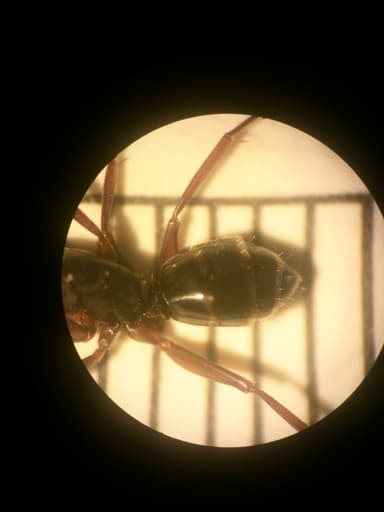
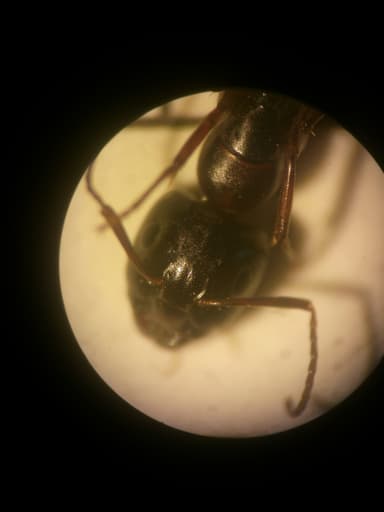
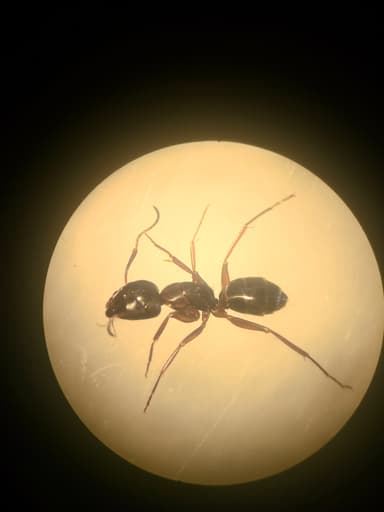
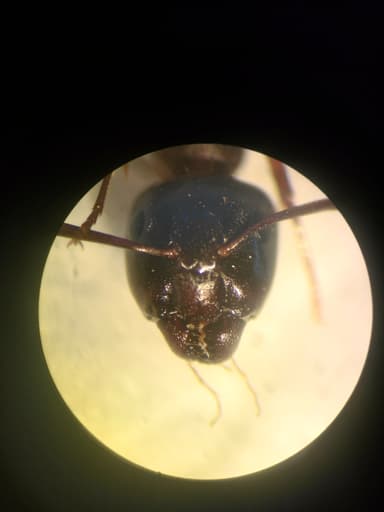
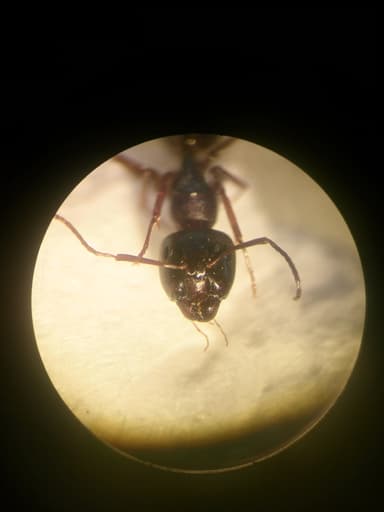
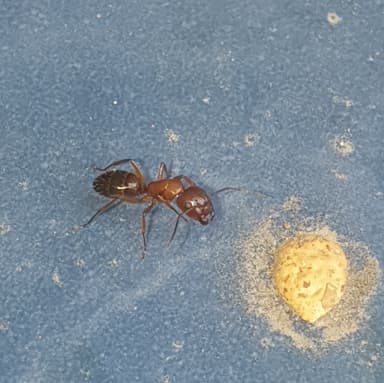
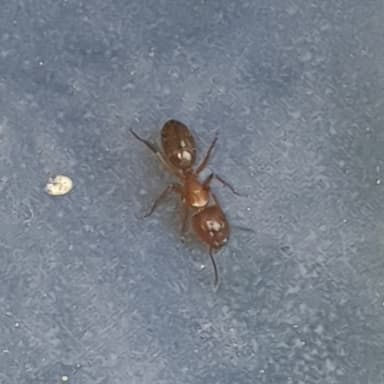
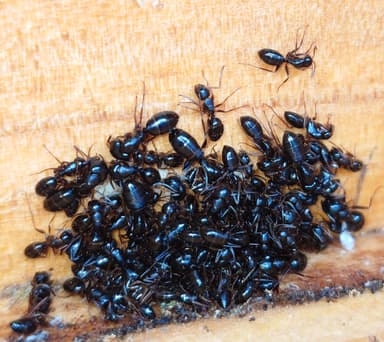
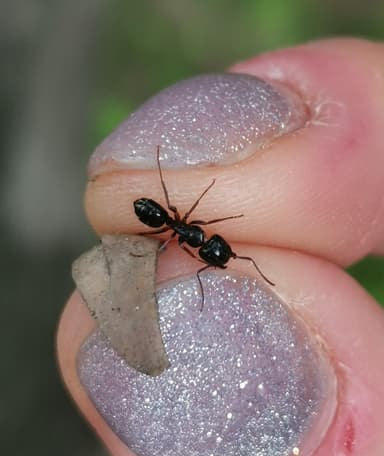
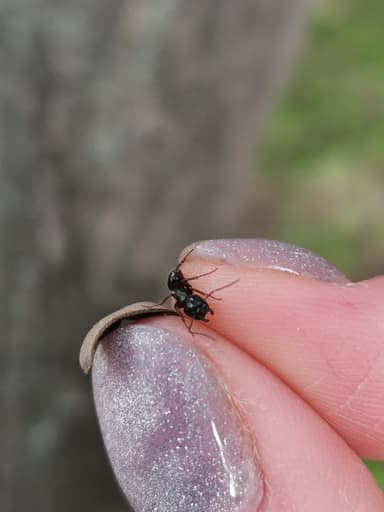
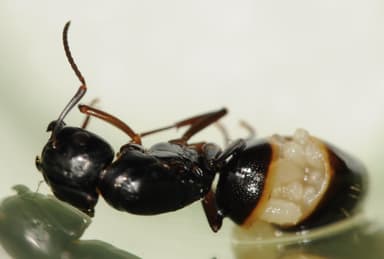
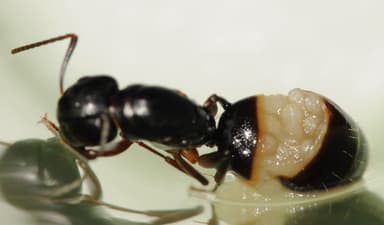
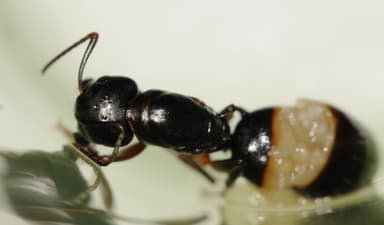
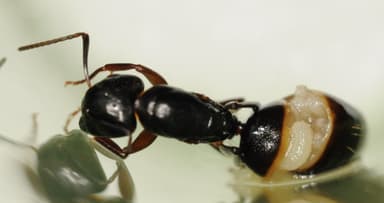
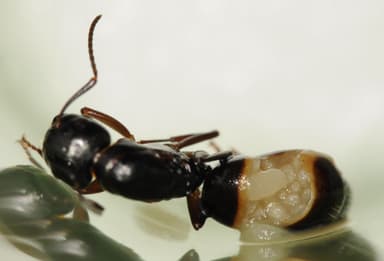
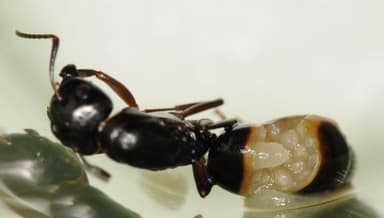
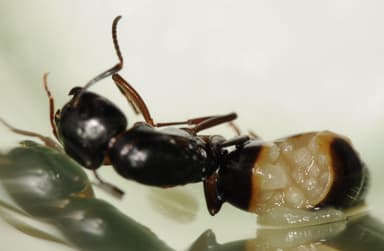
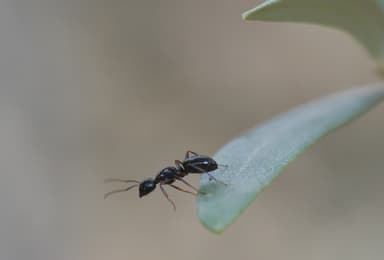
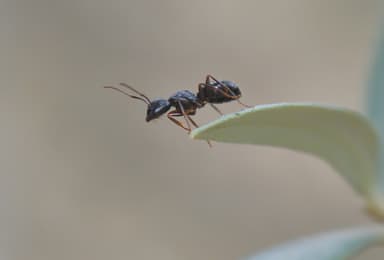
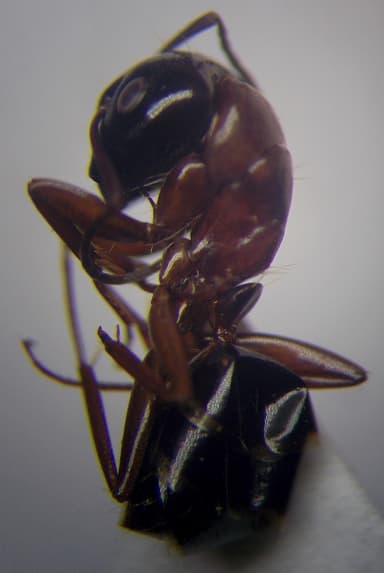
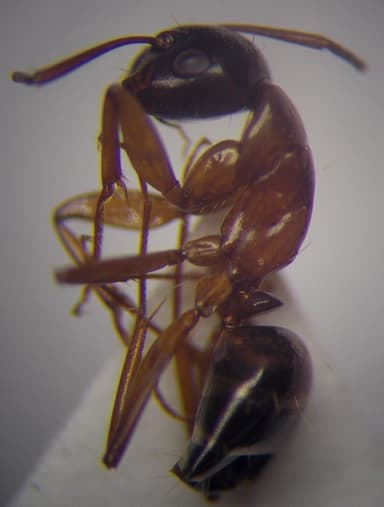
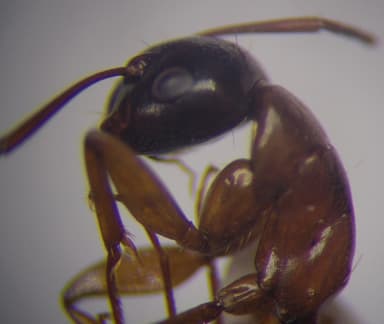
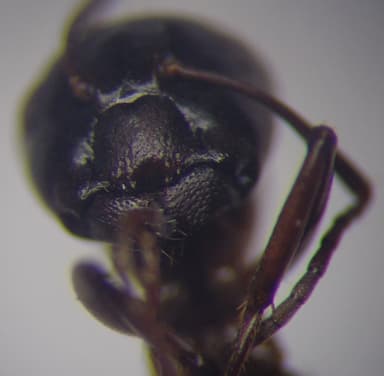
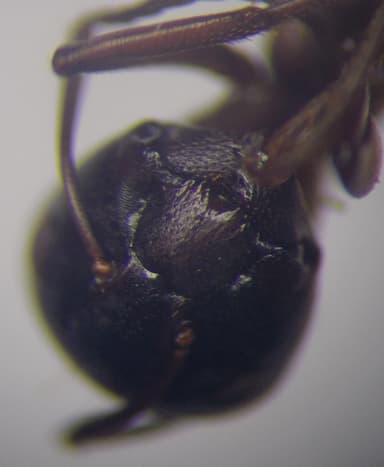
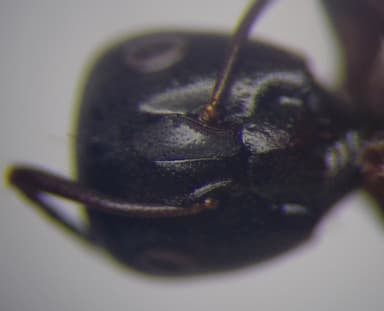
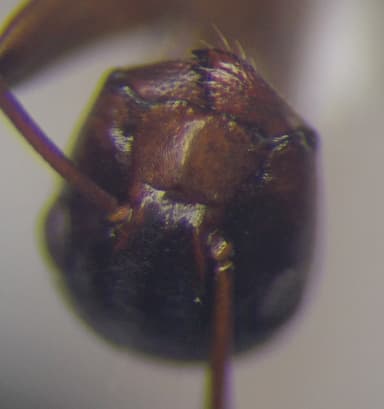
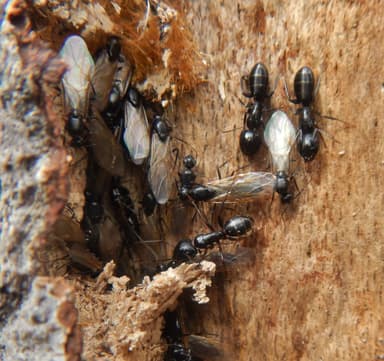
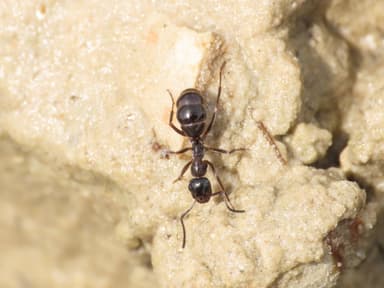
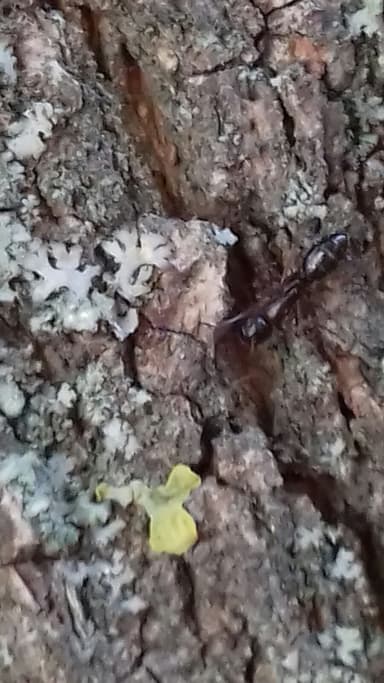
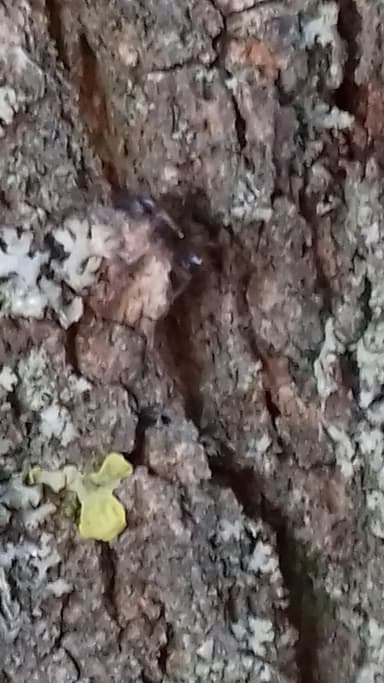
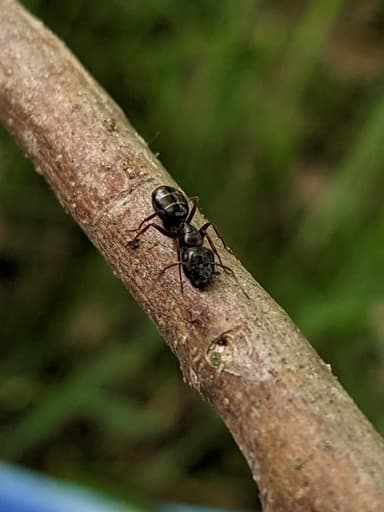
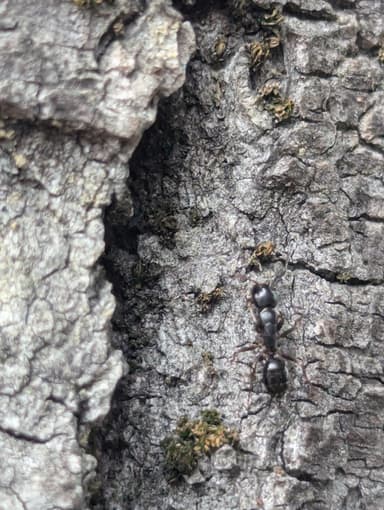
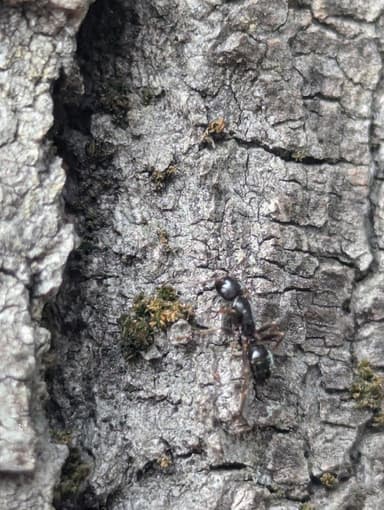
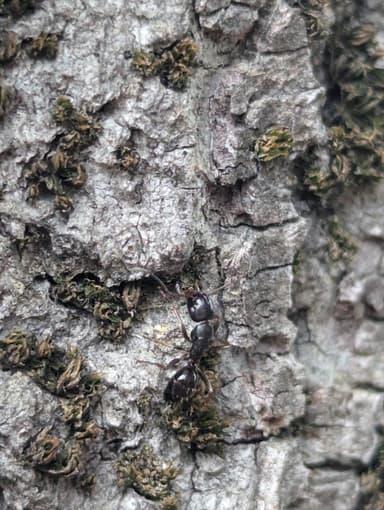
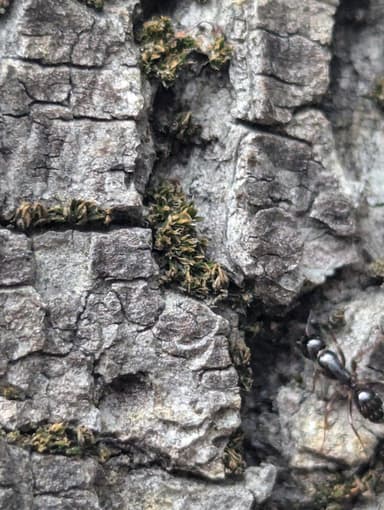
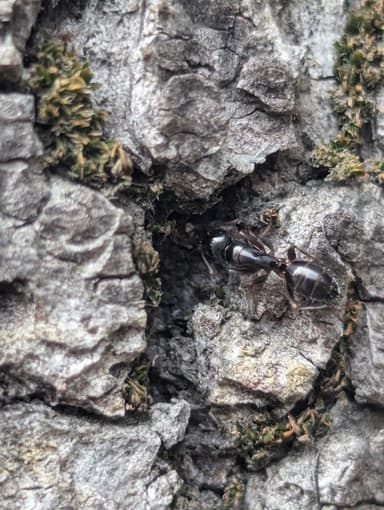
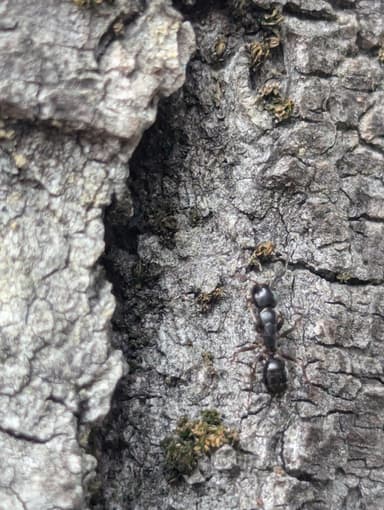
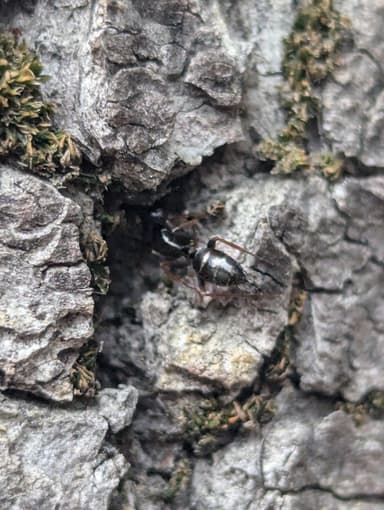
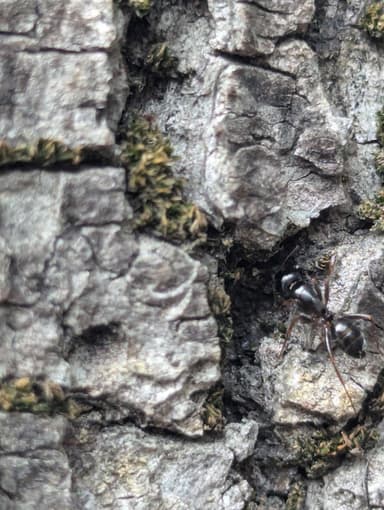
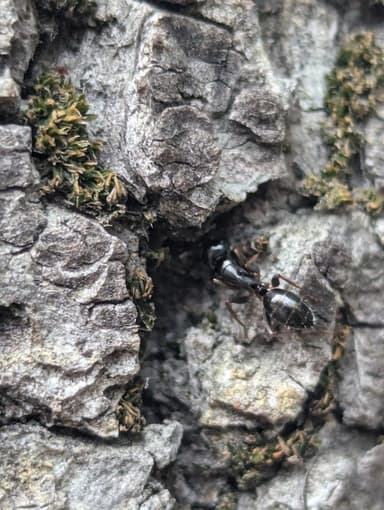
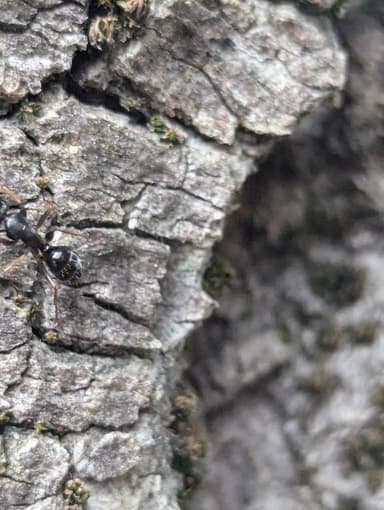
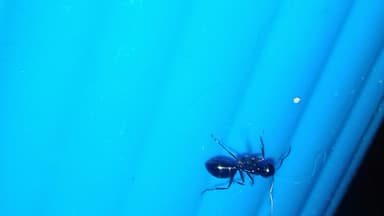
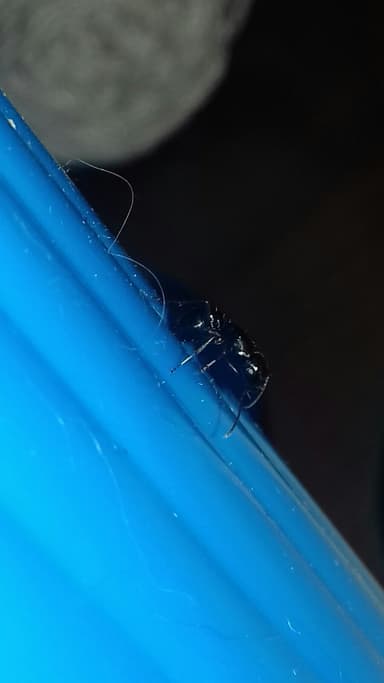
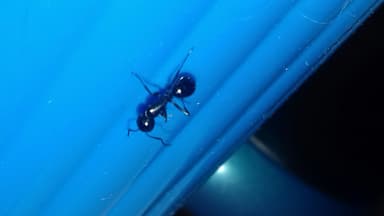
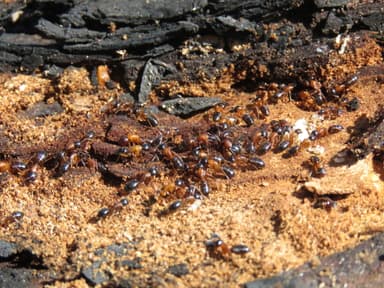
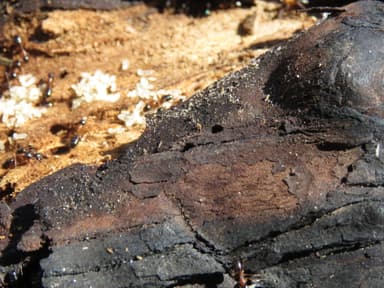
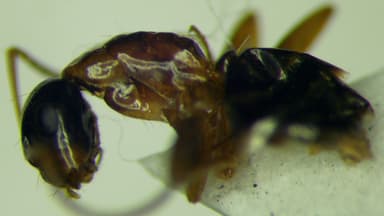
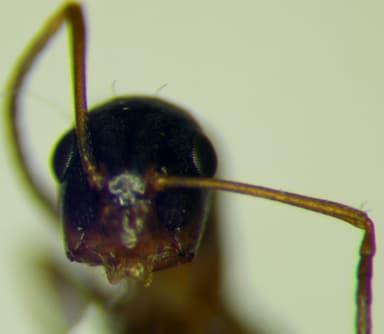
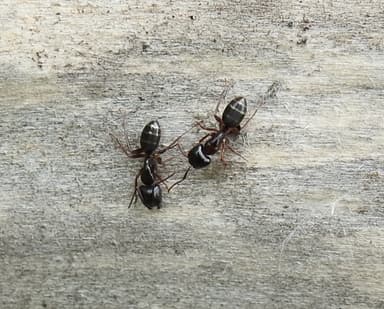
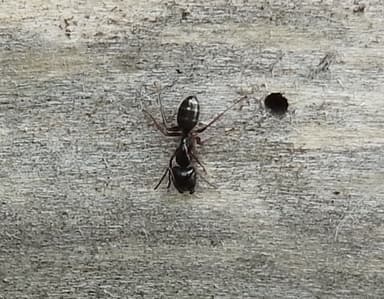
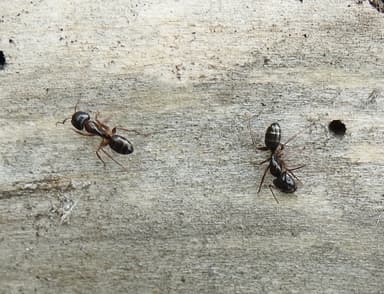
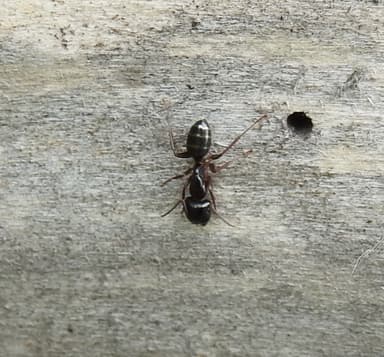
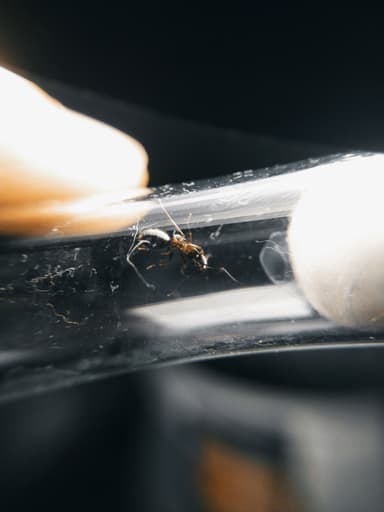
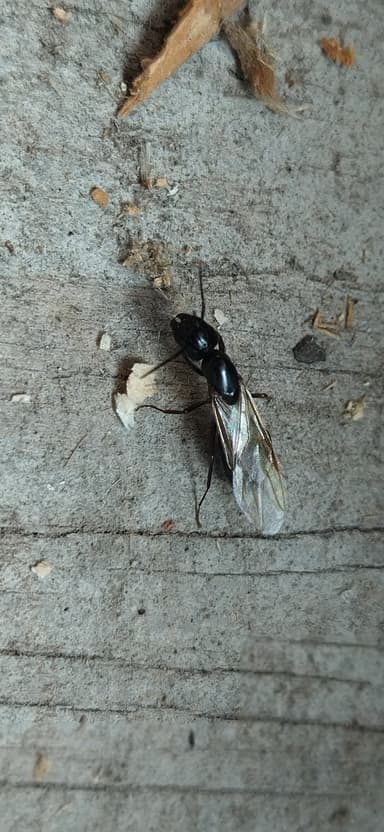
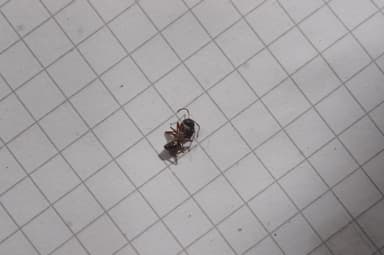
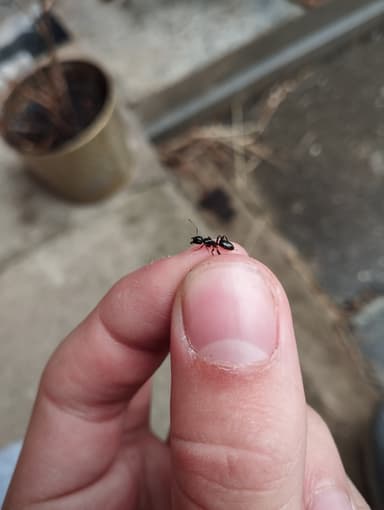
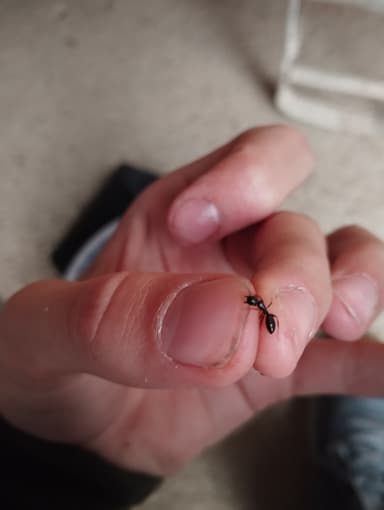
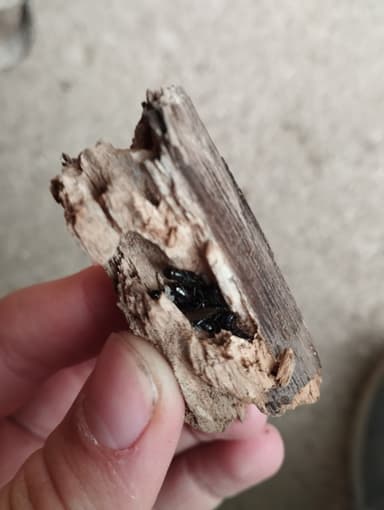
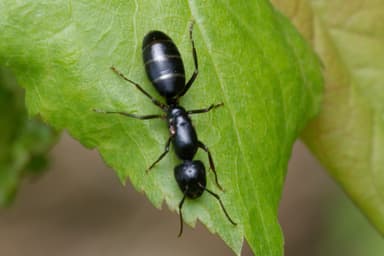
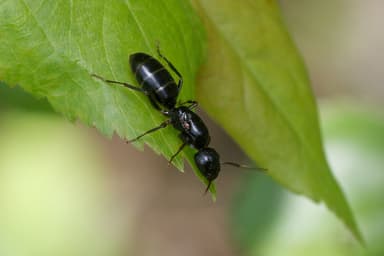
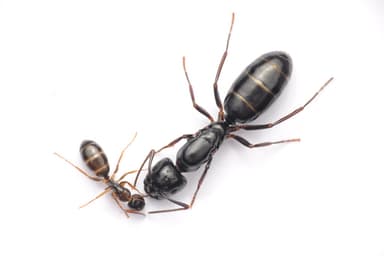
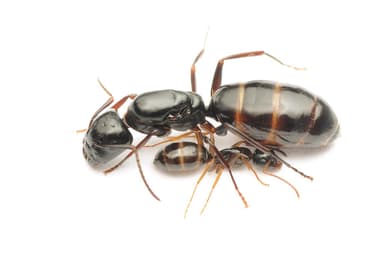
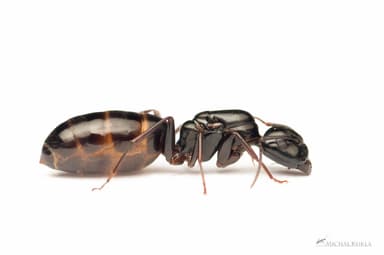
Camponotus fallax is a beautifully sleek, jet-black carpenter ant native to much of Europe, from the Iberian Peninsula eastwards through Central and Southern Europe and as far north as southern Scandinavia (GBIF occurrence data; Seifert 2018). The queen’s body length ranges from 8 to 10 millimetres, while the polymorphic workers span from a petite 4 millimetres for the minor caste up to a sturdy 8 millimetres for the robust, square-headed majors. Unusually for a Camponotus species with such a wide worker size range, the colony displays only two distinct worker castes rather than a continuous gradient, and the majors are not the huge, head-heavy soldiers of larger relatives; instead they are well-proportioned but noticeably larger than their sisters. The colonies are modestly sized, typically peaking at around three thousand individuals, and in the wild they nest almost exclusively in dead or decaying wood, often high in tree branches or within rotting stumps (Czechowski et al. 2012). This arboreal, retiring lifestyle makes C. fallax a less commonly encountered species, which adds a touch of the unusual for the keeper who appreciates an elegant, medium-paced carpenter ant that does not overwhelm with explosive growth.
The care difficulty for Camponotus fallax is best described as intermediate, making it an excellent choice for hobbyists who have already kept easier temperate species and are ready for the responsibility of a mandatory hibernation cycle. It is not excessively demanding from day to day, but its dependency on a cold winter rest and a moderate preference for humidity gradients separates it from beginner-friendly ants like Lasius niger. The colony is generally calm and not inclined to sudden escapes, although the smaller workers can be surprisingly nimble. New keepers drawn to Camponotus will find this species a charming stepping stone, while experienced ant lovers will enjoy the subtle beauty and understated natural history of an ant that feels like a miniature woodland treasure.
Housing these ants successfully requires attention to their wood-dwelling instincts and the temperate climate they inhabit. A temperature range of 21 to 28 degrees Celsius is ideal during the active season, with a slight night-time drop providing a natural rhythm. Humidity should be maintained between 50 and 70 percent, but C. fallax does not require a swampy nest; many keepers achieve excellent results with a plaster, Ytong, or cork-lined nest that offers a clear moisture gradient. One side of the nest can be kept lightly damp, while the remainder stays dry, allowing the ants to choose their preferred microclimate. They will readily accept a block of decaying hardwood as a nest insert, which mimics their natural cavities and can become a focal point of fascinating behaviour as minor workers carefully excavate galleries and major workers guard entrances. Substrates in the outworld can be a simple sand-clay mix, and a thin layer of leaf litter provides cover and stimulates foraging. As with all carpenter ants, avoid resinous woods such as cedar and pine, which can contain harmful volatile compounds.
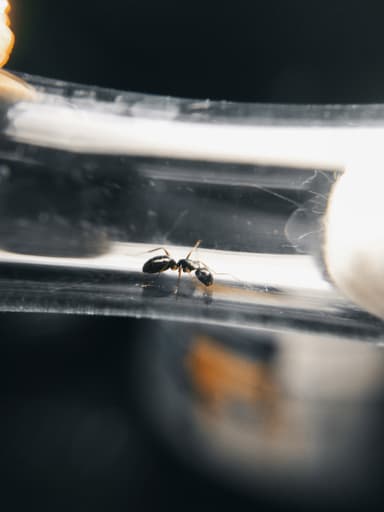
A varied diet underpins the health of any ant colony, and C. fallax has typical Camponotus requirements: protein from small invertebrates and carbohydrates from sugary liquids. Feedings of fruit flies, small crickets, and chopped mealworms are taken eagerly, and it is wise to pre-kill any prey that might fight back, especially when a colony is young. For carbohydrates, offer diluted honey, sugar water, or commercial ant nectar in a small, easily cleaned feeder. This species becomes a reliable, steady feeder rather than a frantic swarm; they will often send out a few scouts before committing larger numbers. Always provide a fresh water source, such as a water-filled test tube with a cotton plug, in the outworld. The workers generally do not drown easily, but a pebble in a shallow water dish adds extra safety.
Hibernation is non-negotiable for the long-term survival of Camponotus fallax. These ants require a cool winter dormancy at around 8 degrees Celsius for three to four months. In most of their range, they would naturally experience a distinct winter, and depriving them of this rest leads to a gradual collapse of the colony’s rhythm, with the queen ceasing to lay and workers dying prematurely. A wine cooler, a frost-free refrigerator, or a reliably cool cellar can all provide suitable hibernation temperatures. Begin the cooling process gradually in late autumn, reducing temperatures over a couple of weeks, and keep the nest just barely moist to prevent desiccation. Do not disturb them during this period, and in early spring, gently warm them back to active temperatures and resume feeding.
When your Camponotus fallax queen and her first workers arrive, the most important thing to provide is darkness and absolute quiet for several days. After transport, they will be stressed and need time to settle into their new nest and re-establish normal pheromone trails. Do not feed immediately; instead, ensure the nest has a small water source and place them in a dim, vibration-free spot. On the second or third day, offer a tiny droplet of sugar water just outside the nest entrance. If they show interest and the workers begin foraging, the following day you can introduce a single pre-killed fruit fly or the soft abdomen of a mealworm. Watch for signs of ongoing distress, such as the queen ceaselessly pacing or the workers refusing to leave the nest, but these are rare if the initial environment is correct. With patient, gentle introductions, a well-adjusted colony will soon display the methodical foraging and quiet grace that make this species such a rewarding addition to any temperate ant collection. (Seifert 2018; Czechowski et al. 2012; GBIF; AntWiki)