Atta
Atta laevigata
Nuptial Flight Calendar
Flight months: Oct, Nov, Dec
Care Guide
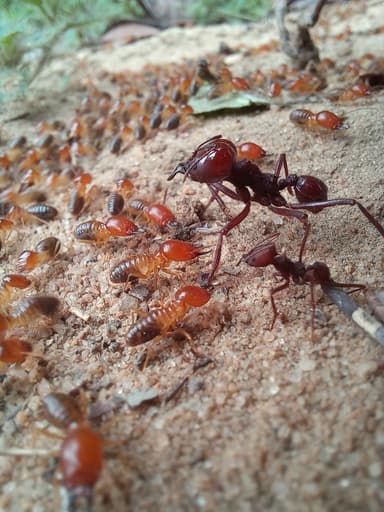
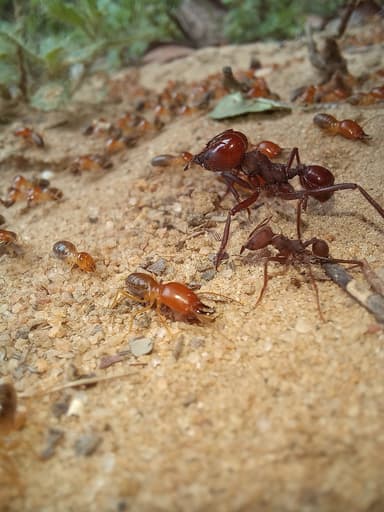
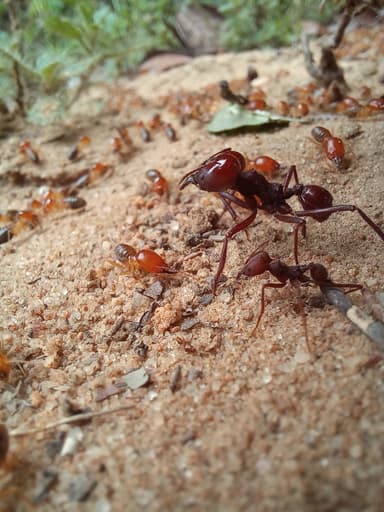
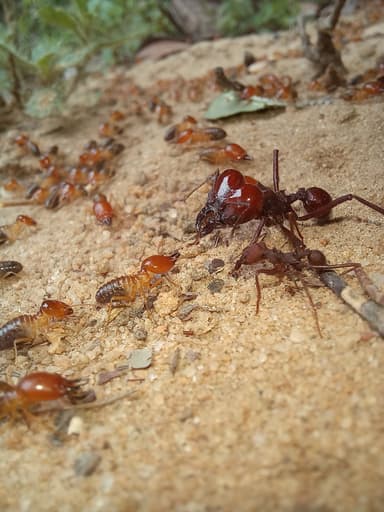
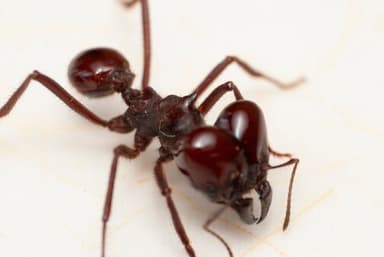
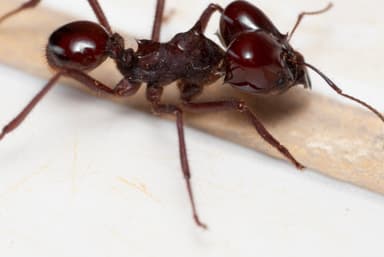
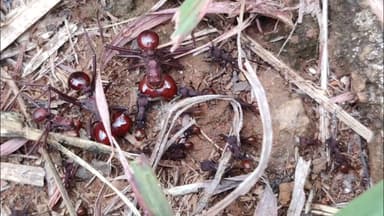
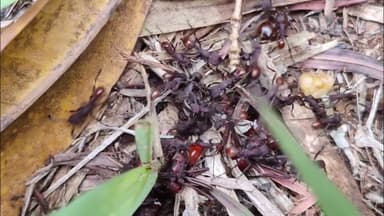
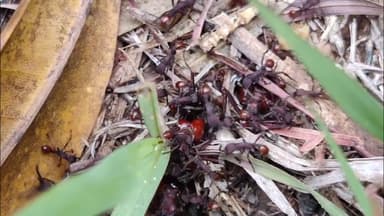
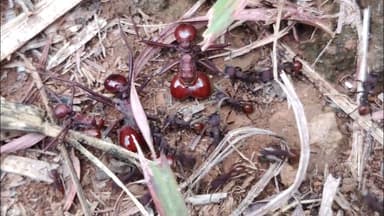
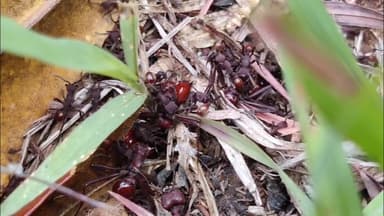
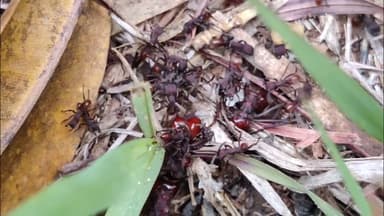
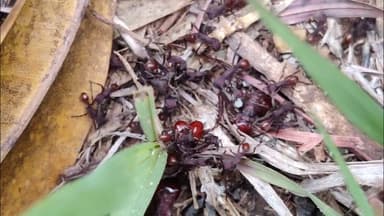
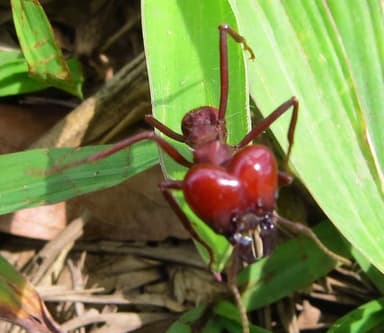
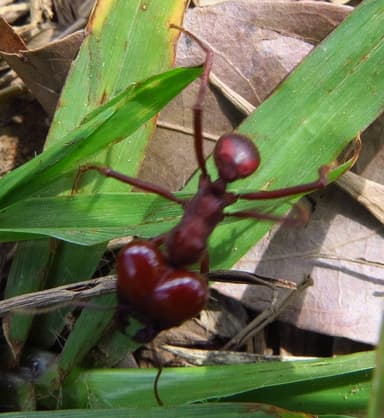
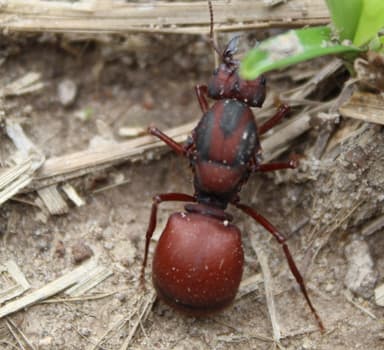
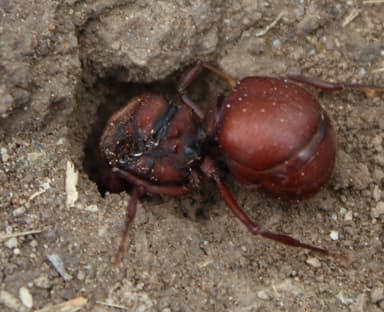
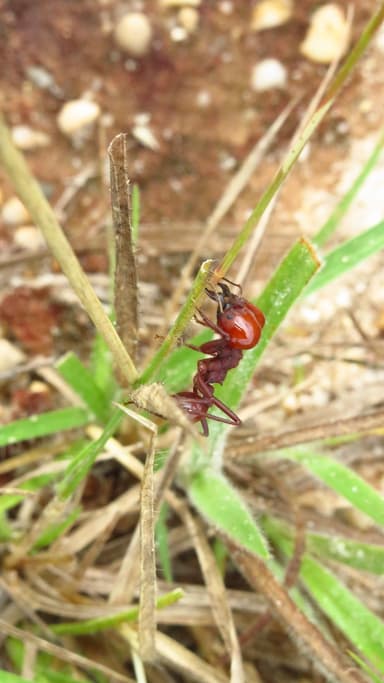
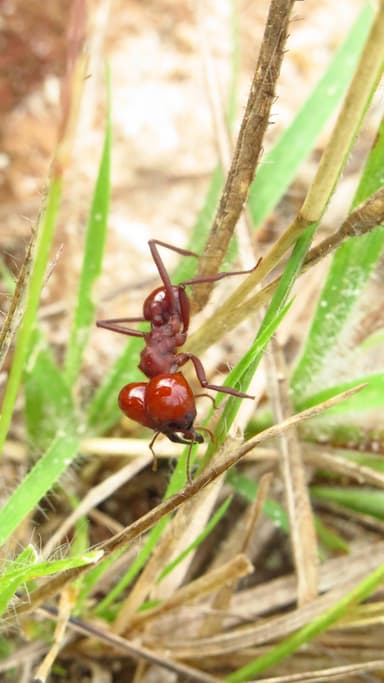
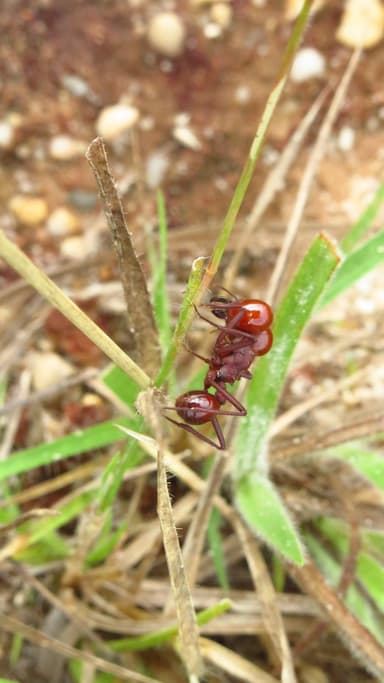
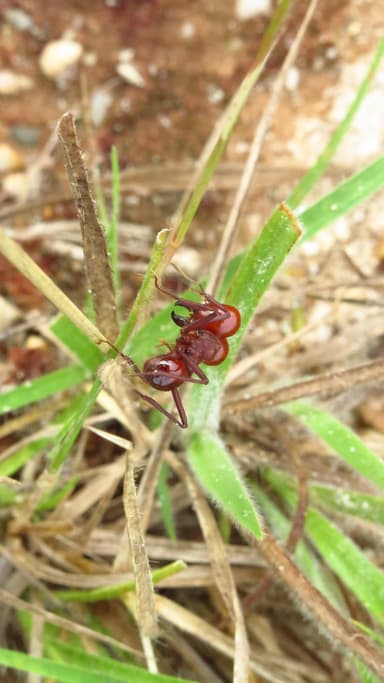
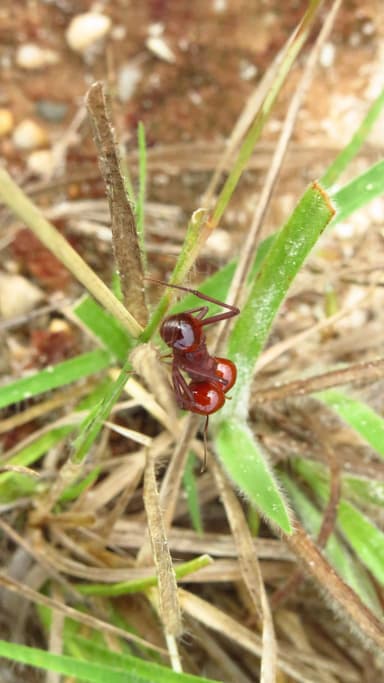
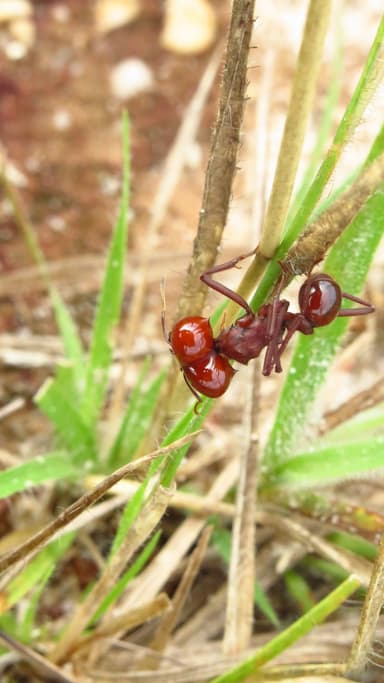
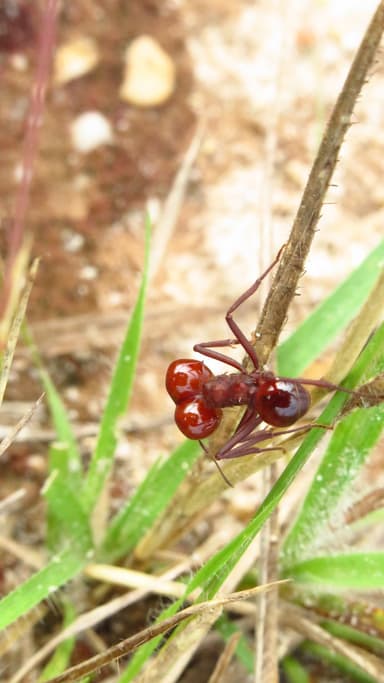
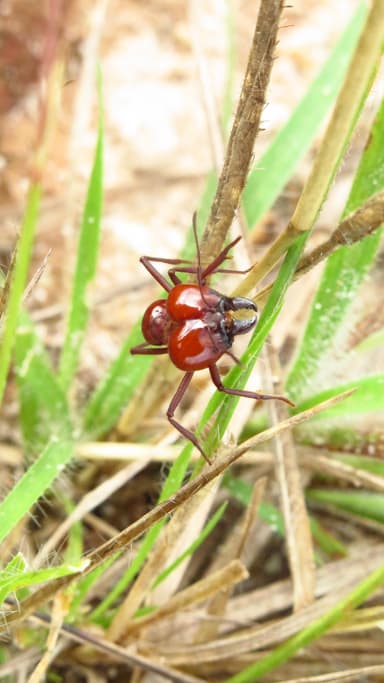
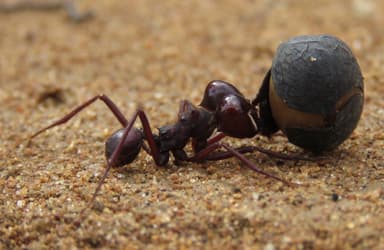
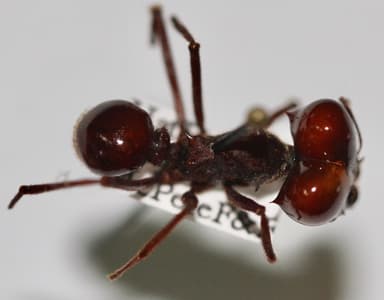
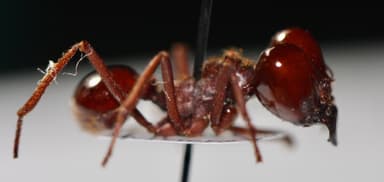
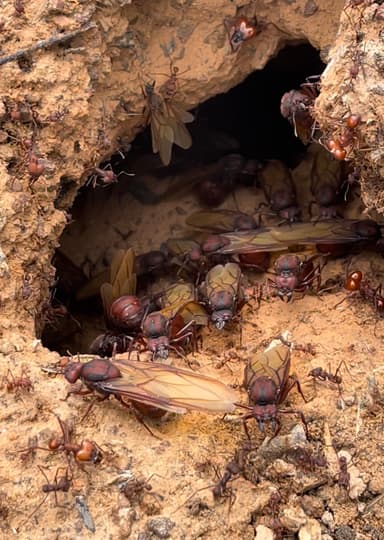
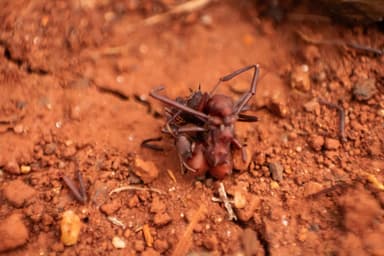
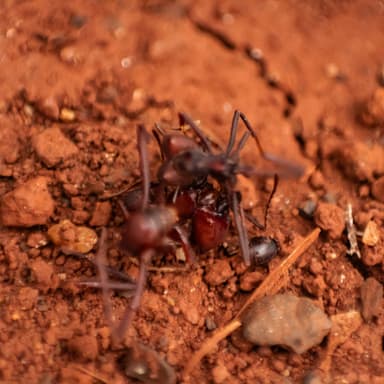
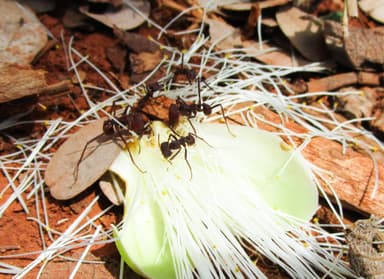
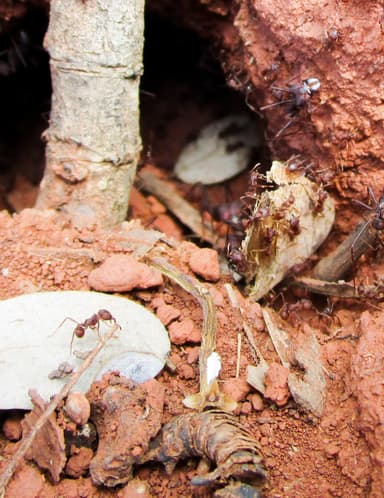
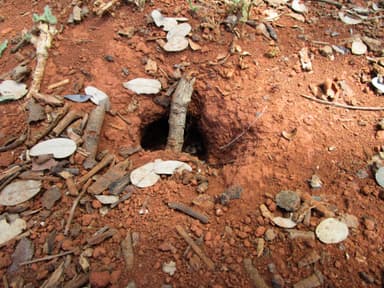
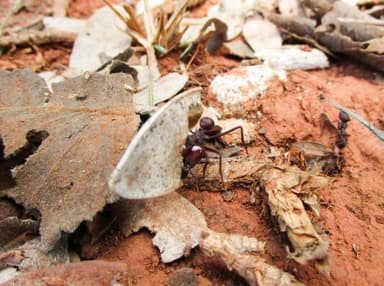
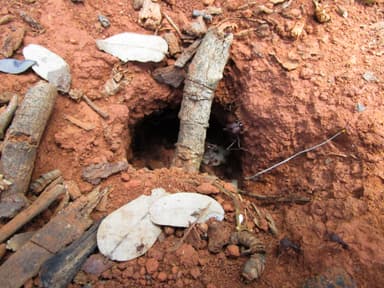
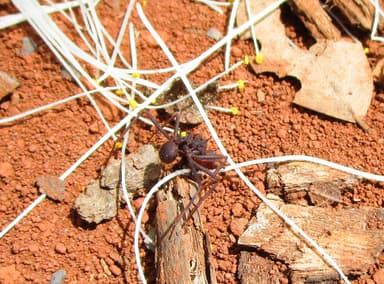
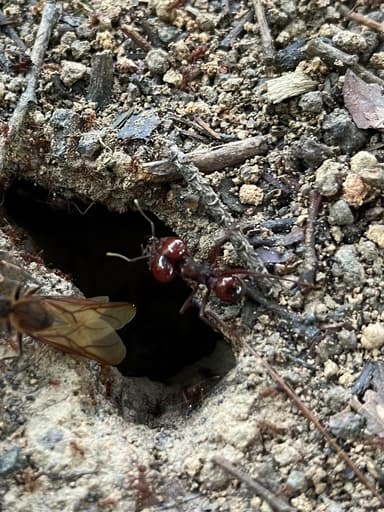
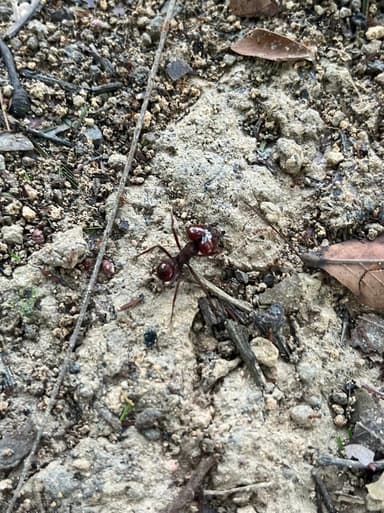
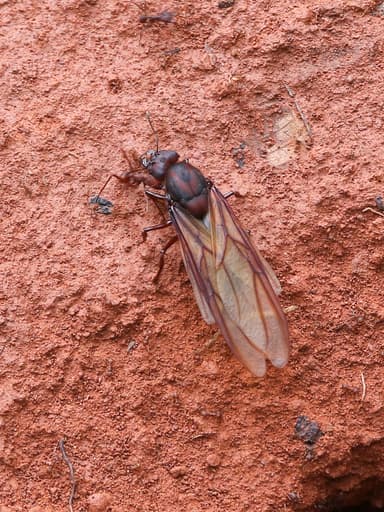
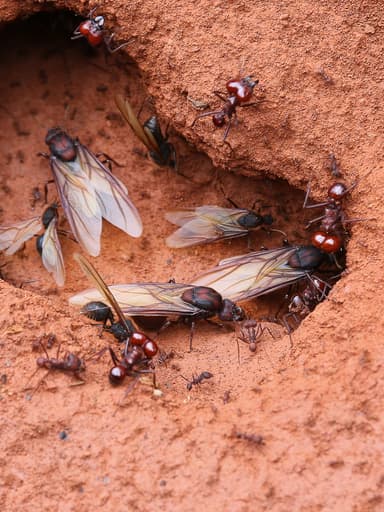
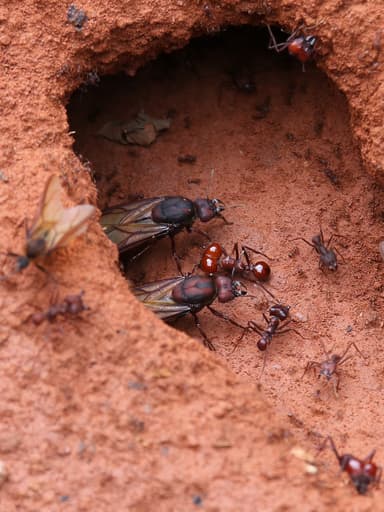
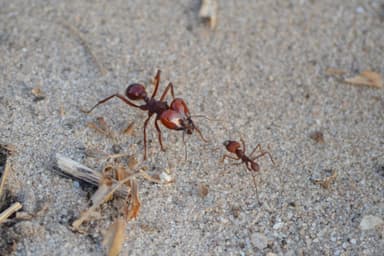
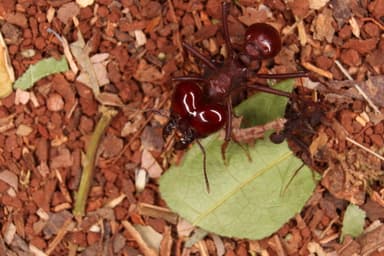
Atta laevigata, the smooth-headed leafcutter ant, stands as one of the most impressive and complex subjects in ant keeping, a species that showcases the pinnacle of social evolution. Native to tropical South America—from the northern savannas of Colombia and Venezuela south to the grasslands of Argentina—this ant boasts a mature colony of up to five million individuals, orchestrated around a single giant queen who can measure 30 to 35 millimeters. The workers are famously polymorphic, spanning a twenty-fold size range from dainty 2-millimetre minors that tend the fungus garden to hulking 18-millimetre supermajors armed with powerful mandibles for cutting tough vegetation and defending the nest. Four distinct castes (minor, media, major, and supermajor) divide the labour, each perfectly suited to its task within a vast subterranean metropolis whose excavated soil mounds can be detected from satellite imagery (Moreira et al. 2004). What truly sets Atta laevigata apart, however, is its obligate cultivation of a symbiotic fungus—Leucoagaricus gongylophorus—fed on a daily rain of freshly cut foliage. This living agriculture has fascinated myrmecologists for decades (Hölldobler & Wilson 2010) and places the species at the zenith of ant-keeping ambition.
Given the sheer scale and sensitivity of the enterprise, Atta laevigata is unequivocally a species for the expert keeper, and even then only for those with the resources and dedication to run a small indoor tropical ecosystem. Beginners should look elsewhere; even intermediate ant keepers will find the demands overwhelming. A colony will quickly outgrow any starter nest and, within a few years, require an enclosure of several square metres—often a custom-built walk-in terrarium or converted greenhouse. The commitment is not merely spatial but temporal, because a healthy queen can live for over a decade, and the daily routine of provisioning fresh, pesticide-free leaves never stops. You are not so much feeding ants as maintaining a living farm: while the adult workers derive some energy from leaf sap, the entire colony’s nutrition flows through the fungus, which digests the plant material and produces nutrient-rich hyphal tips (gongylidia) that feed the larvae and, indirectly, the adults (Della Lucia 2011). This means that any failure in your environmental control can cascade into a fungus crash and colony death within days.
Housing must mirror the warm, humid savanna and woodland habitats of the species’ range. Maintain a constant temperature gradient of 22 to 28 degrees Celsius, with the fungus chamber held at the warmer end and never dropping below 24°C. Relative humidity is equally critical: the fungus garden demands 80 to 90 percent humidity to thrive, while the foraging arena can be slightly drier, around 70 percent, to prevent mould on leaf fragments. Many expert keepers construct a composite nest: a plaster or hydrostone chamber for the fungus, connected by flexible tubing to a large glass or acrylic outworld where foraging takes place. The fungus chamber should have no loose substrate—the ants will build the garden on a moist, clean surface—but a deep, humidified digging medium in a separate section allows for waste disposal and natural behaviour. Robust ventilation ports, screened with fine stainless-steel mesh, must balance gas exchange with moisture retention; small computer fans on timers can help. Heating cables under the fungus chamber and an automatic misting system fed with dechlorinated water will save you from perpetual hand spraying. Above all, the enclosure must be thoroughly escape-proof, as Atta supermajors can chew through thin plastic and climb most silicone seals. A tight-fitting lid with a PTFE-coated barrier is essential.
Diet for Atta laevigata is, famously, an endless parade of fresh foliage. Unlike most ants, you do not need to provide separate protein or sugar solutions—the fungus is the sole intermediary. Supply a diverse rotation of pesticide-free leaves, petals, and soft fruits daily: bramble, privet, rose, grape vine, eucalyptus, and hibiscus are often accepted, but preferences vary by colony. Cut the material into manageable pieces and place it in the foraging arena, where foragers will quickly recruit. Remove any wilted or moulding vegetation after 24 hours to keep the outworld clean. The ants will obtain the moisture they need from the leaves and the saturated air, though a small water-filled test tube plugged with cotton in the outworld gives workers a drinking source and helps settle humidity. Never spray water directly onto the fungus garden, as this can cause rot; keep it damp by maintaining ambient humidity and occasionally adding a drop of sterile water to the plaster beneath if the garden looks dry. During the first days after acquiring a founding queen with her incipient fungus garden or a young colony, preparation is everything. The enclosure should be fully operational and stable for at least 48 hours before introduction. Gently transfer the fungi and brood into the nest chamber without tearing the garden structure. Offer a tiny handful of chopped, organic rose petals or bramble leaves immediately, then darken the tank completely and resist all temptation to peek for the next two days. The ants need stillness to settle, orient themselves, and resume cutting; excessive disturbance at this stage can cause the queen to stop laying or the workers to abandon the fungus. After 48 hours, a brief red-light check is permissible—look for ants actively bringing leaf fragments into the fungus chamber, and ensure the garden appears white and fluffy rather than grey, slimy, or receding. If all is well, gradually introduce a day-night light cycle and establish a routine of daily leaf changes. With patience and unwavering attention to environmental stability, you will be rewarded with a living spectacle of one of nature’s most sophisticated societies, an endlessly fascinating yet enormously demanding piece of tropical ecology on your bench.