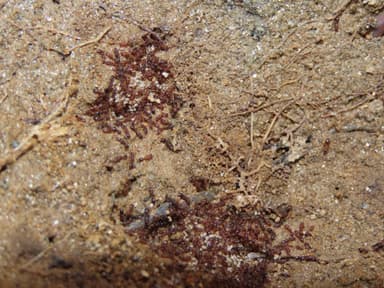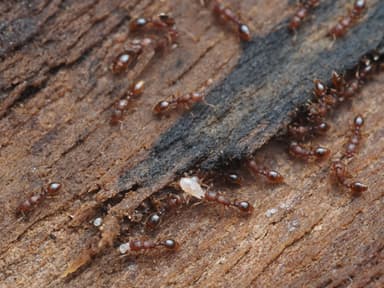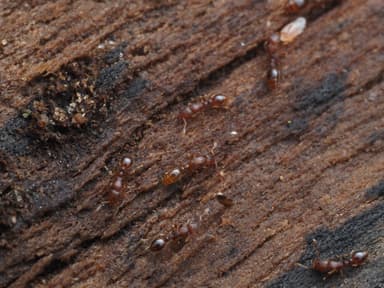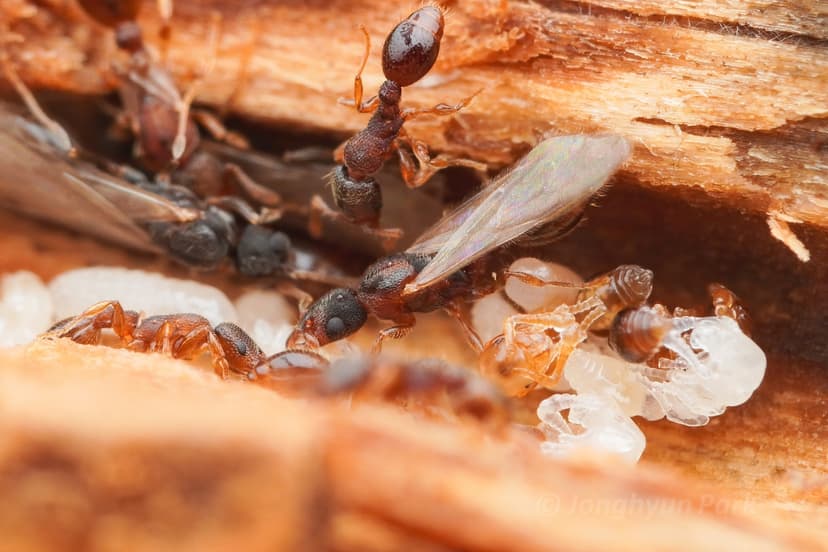
Vollenhovia
Vollenhovia emeryi
Care Guide
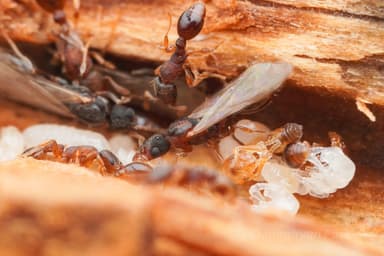
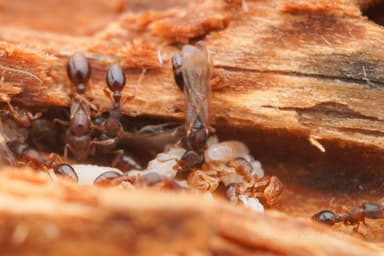
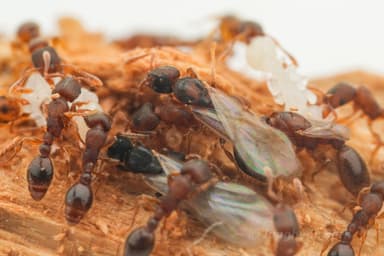
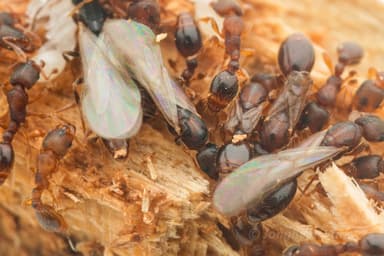
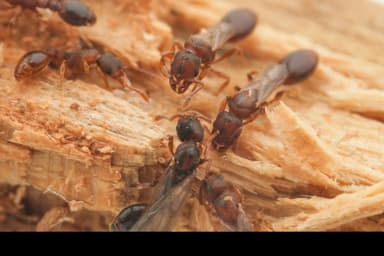
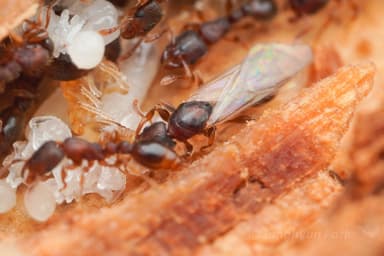
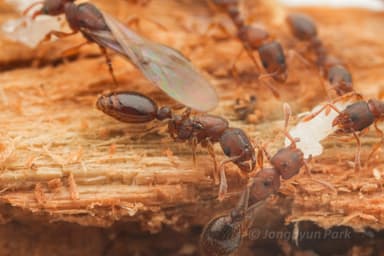
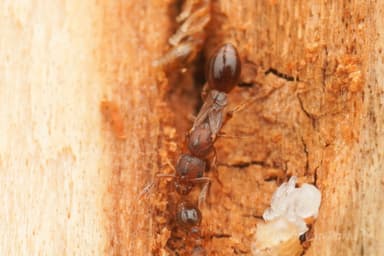
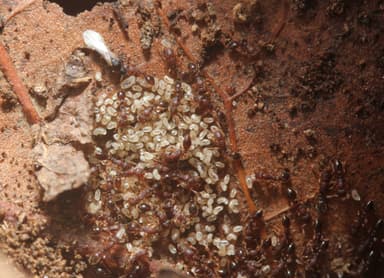
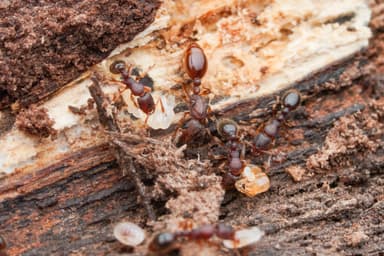
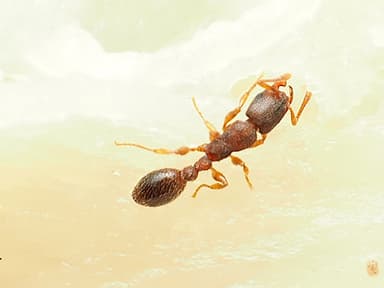
Vollenhovia emeryi is a delightfully manageable ant species that proves size isn’t everything when it comes to keeping ants. With queens measuring just 2 to 2.5 millimetres and workers a mere 1 to 1.5 millimetres, these tiny myrmicines form modest colonies of 50 to 500 individuals. Their claustral founding makes colony establishment straightforward – the queen seals herself into a chamber and raises her first workers entirely on her own metabolic reserves, requiring no feeding during this initial period. What makes Vollenhovia emeryi especially appealing is that they are monomorphic, meaning all workers share a similar size and shape. This simplicity extends to their care needs: they do not require hibernation, making them an ideal choice for keepers in warmer climates or those who prefer year-round activity.
Care difficulty
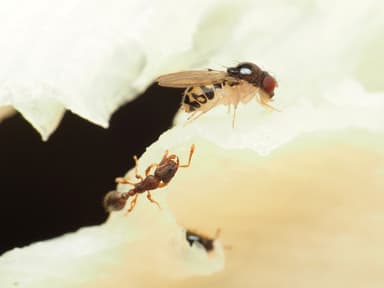
Keeping Vollenhovia emeryi is well suited to beginners. Their small colony size means they never become overwhelming, and their tolerance of a wide temperature range (22 to 28°C) and humidity levels between 60 and 80 percent makes them forgiving of minor environmental fluctuations. These ants are not particularly sensitive to light or vibrations once established, though, like all ants, they appreciate a quiet spot during the earliest stages. Their diet is remarkably straightforward as well – they accept a variety of insect protein (flightless fruit flies, small crickets, or mosquito larvae) alongside sugar water or honeydew. This generalist feeding habit eliminates the need for specialised prey or seed processing. The only real requirement is consistent moisture in the nest area; dry conditions can quickly stress a small colony.
Housing
A suitable formicarium for Vollenhovia emeryi should prioritise humidity retention. Because the ants are so small, they can easily squeeze through gaps that larger species would not, so ensure all connections are tight or use silicone to seal potential escape routes. A plaster or sand‑clay nest with a watering system works beautifully, as these materials hold moisture well. The outworld can be modest – a test tube setup or a small arena is sufficient even for a mature colony. Temperature gradients are less critical, but providing one warmer zone (around 28°C) can boost brood development. No heating cable is strictly necessary if your room temperature stays above 22°C. Importantly, since Vollenhovia emeryi does not hibernate, you can keep them active all year without any cooling period.
First days after purchase
Upon receiving your Vollenhovia emeryi colony, transfer them gently into their new formicarium – ideally one that matches the humidity of their shipping container. Place the setup in a dim, quiet location and resist the urge to check on them constantly during the first few days. Offer a tiny drop of sugar water on a piece of foil and a few small insect pieces near the nest entrance. Observe their foraging behaviour: if workers begin exploring and carrying food back to the queen, they are settling in well. Maintain humidity by moistening the nest substrate or adding water to the test tube, and ensure ventilation to prevent mould. Within a week, the colony should be actively tending brood and expanding their nest. With their easy‑going nature, Vollenhovia emeryi quickly becomes a steady, low‑maintenance companion for any ant keeper.