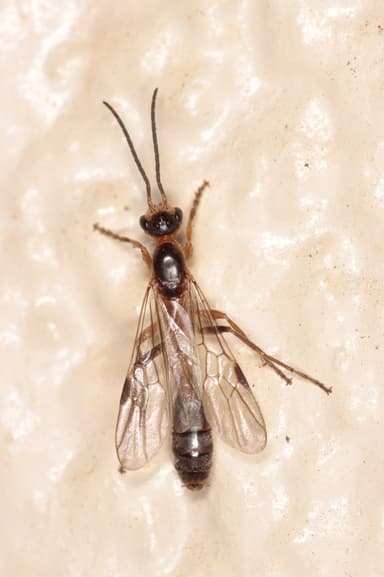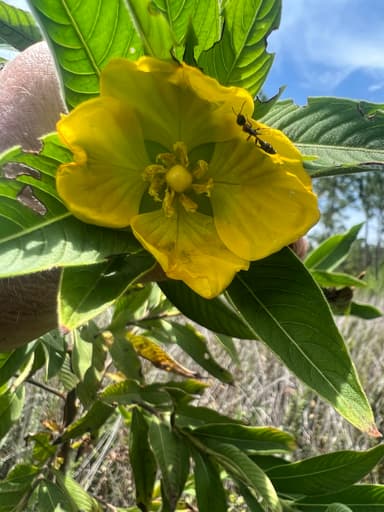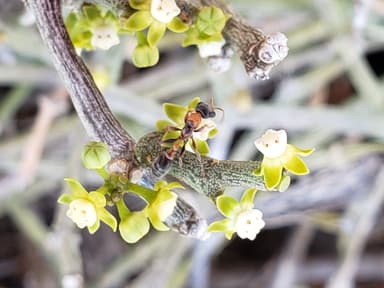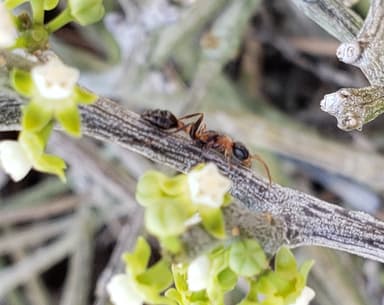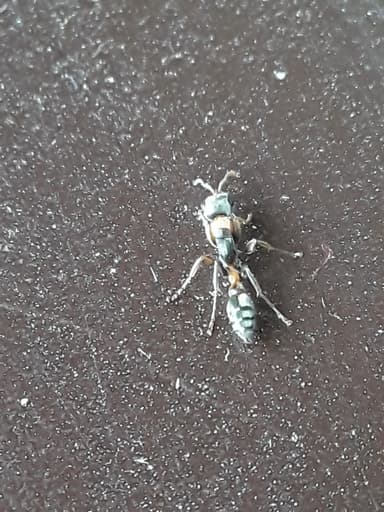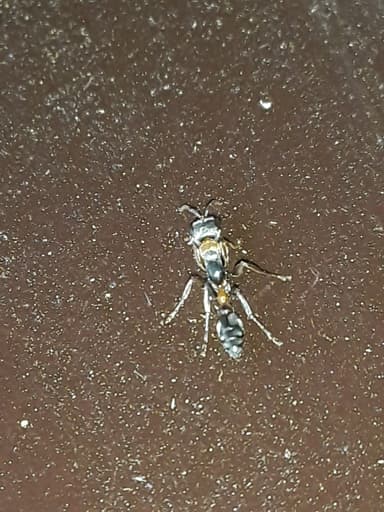
Pseudomyrmex
Pseudomyrmex gracilis
Care Guide
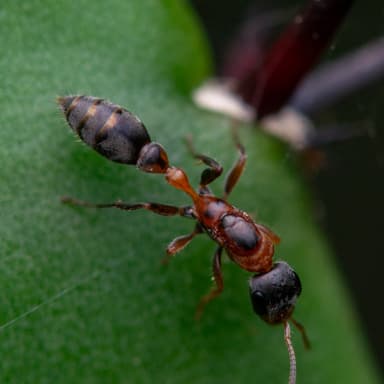
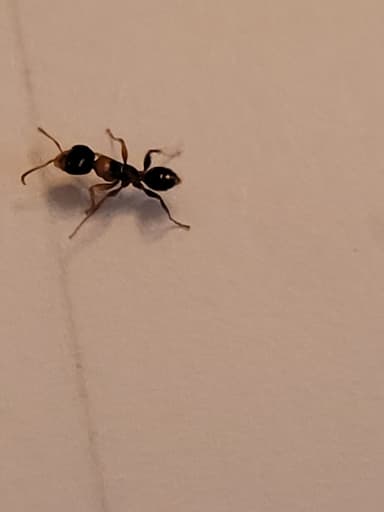
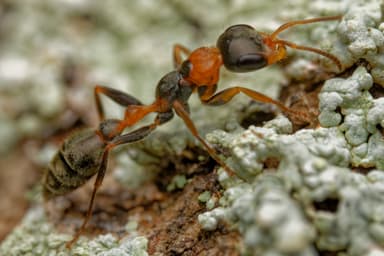
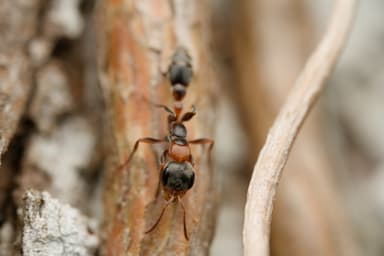
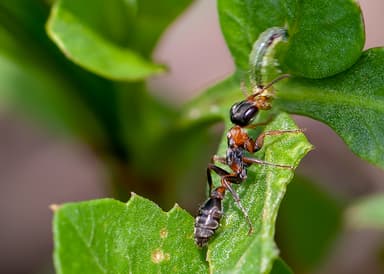
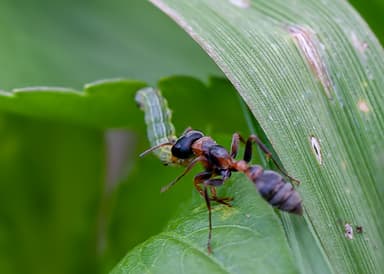
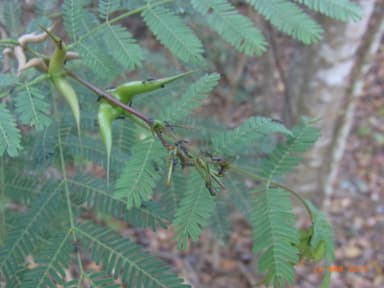
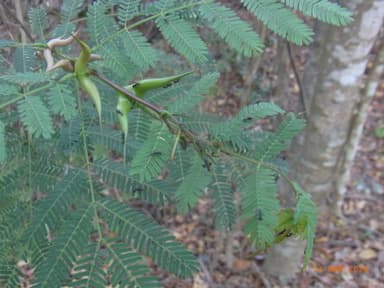
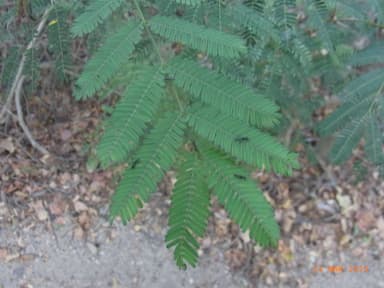
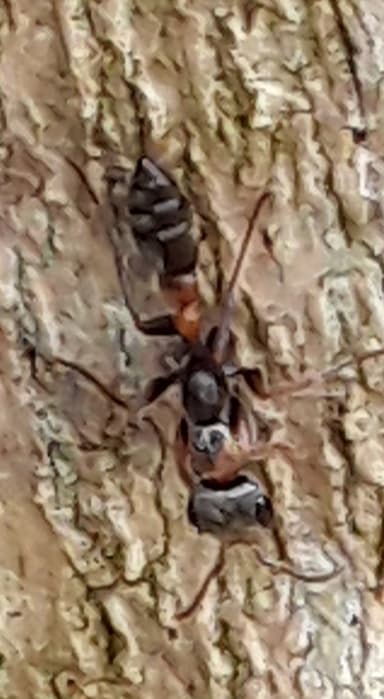
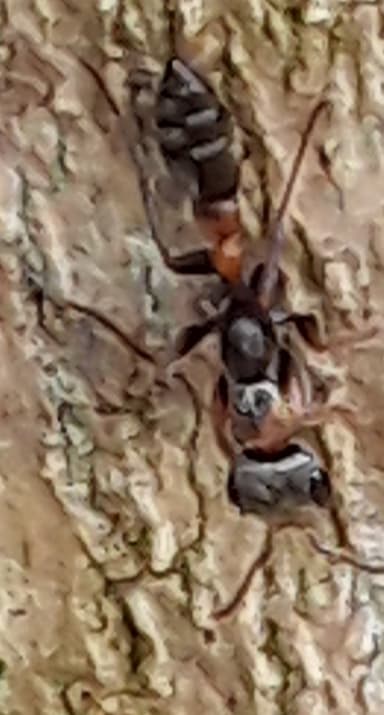
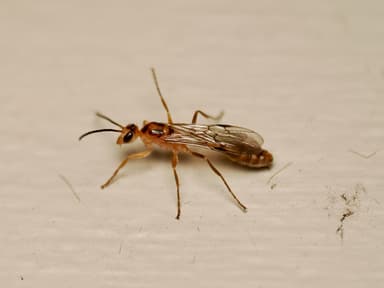
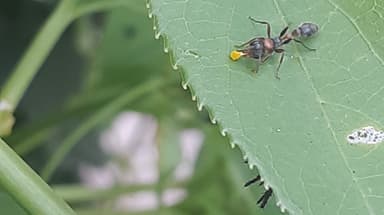
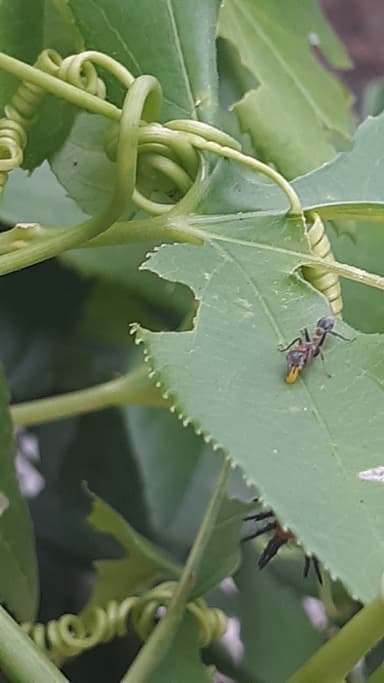
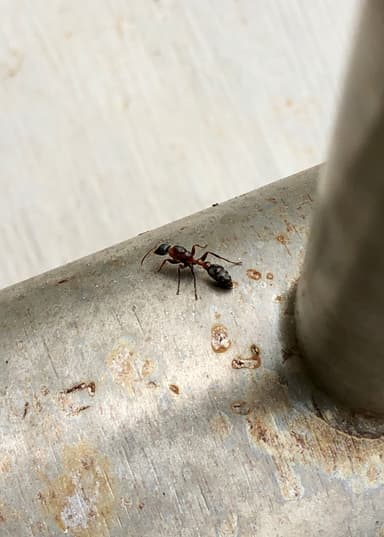
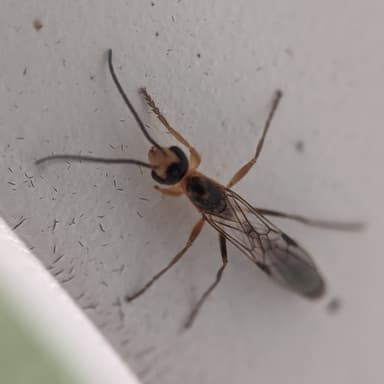
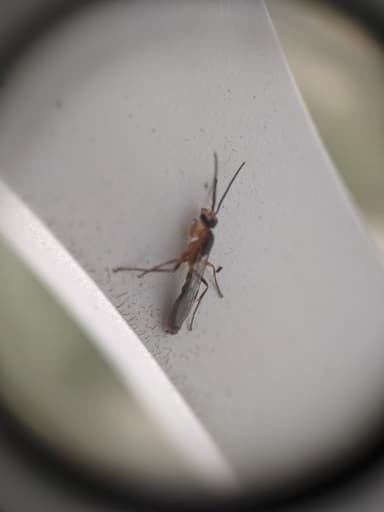
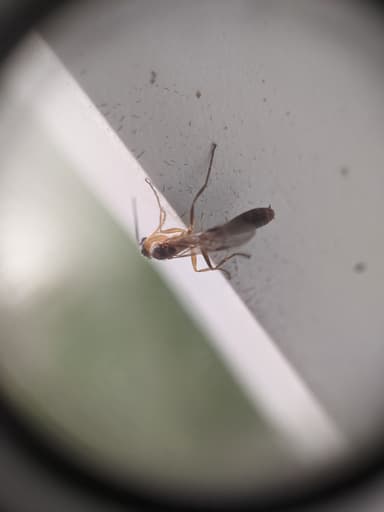
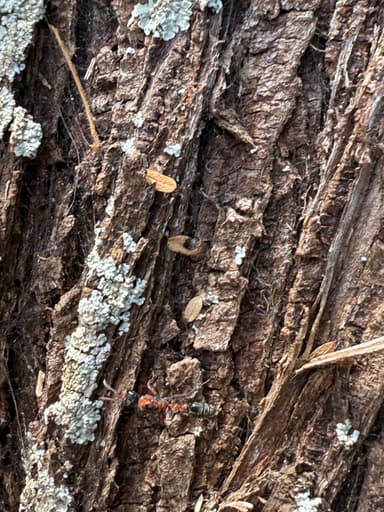
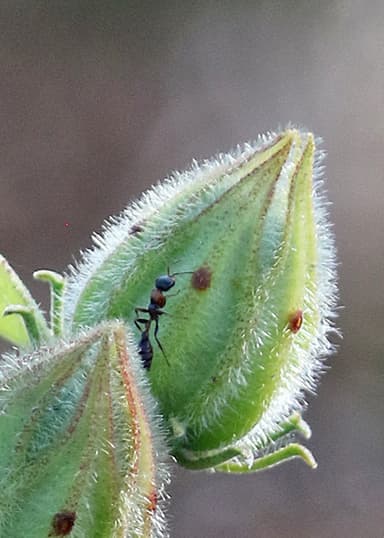
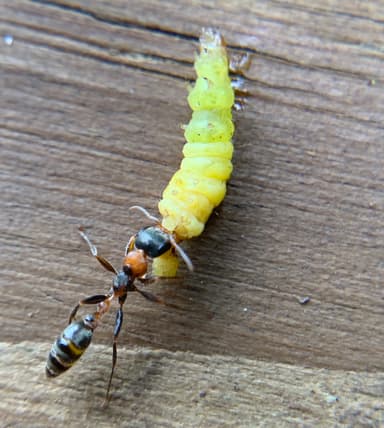
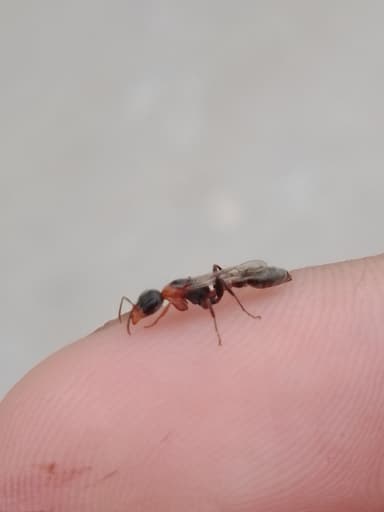
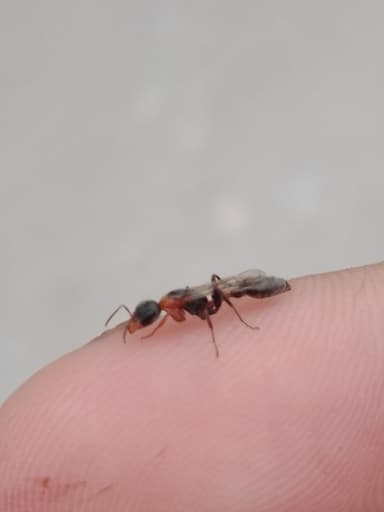
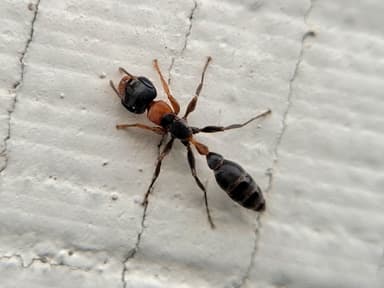
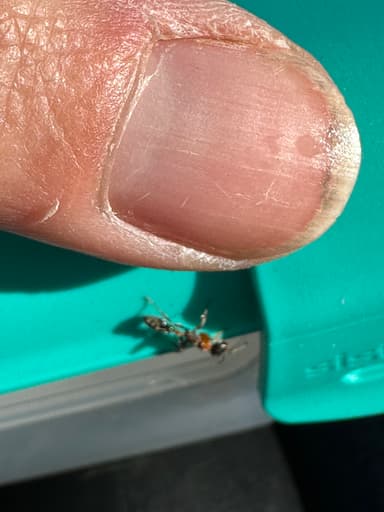
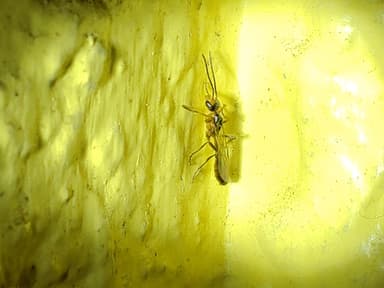
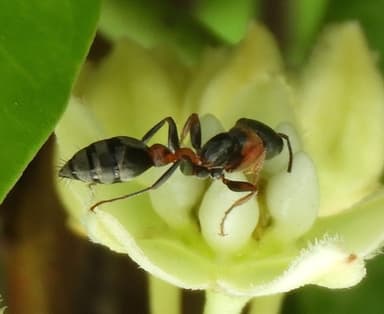
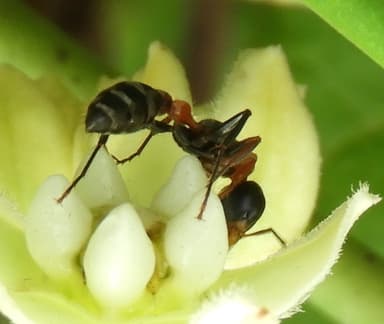
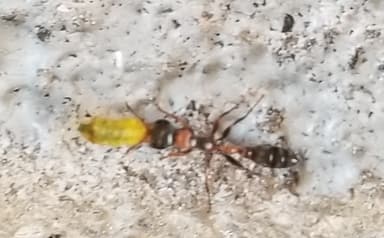
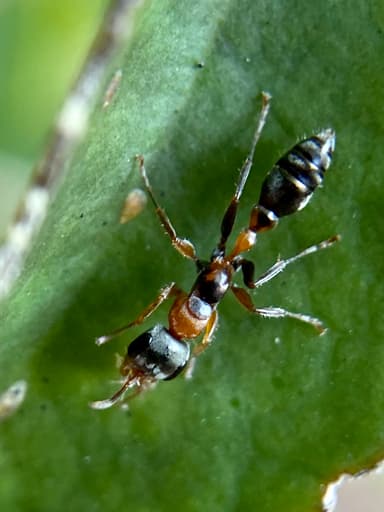
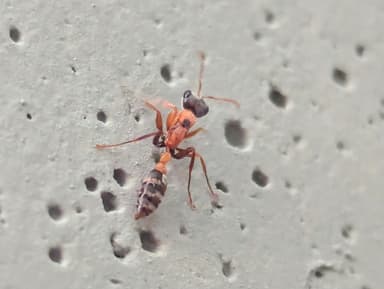
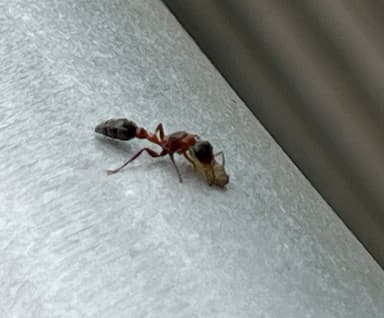
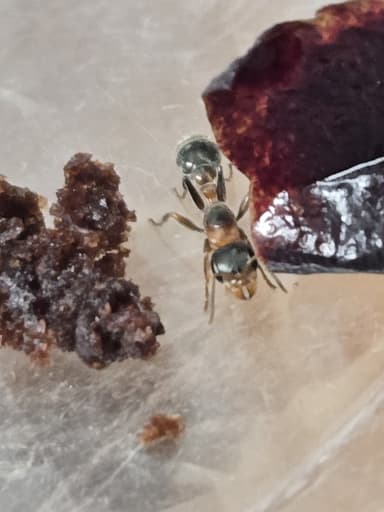
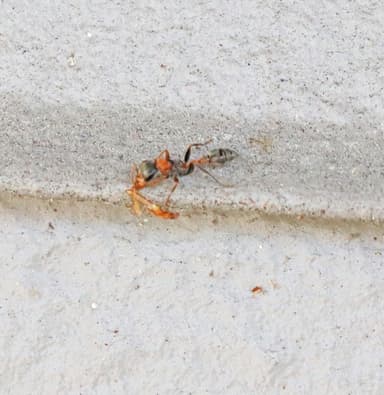
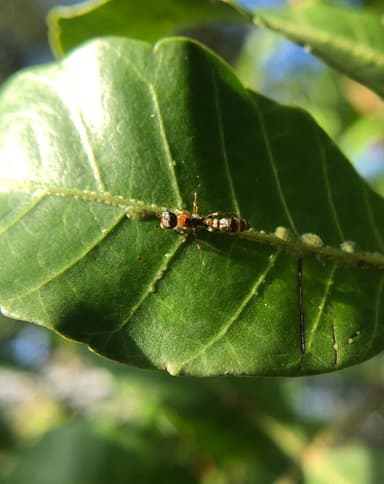
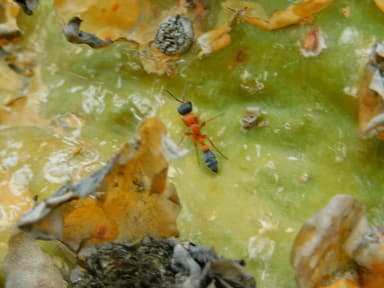
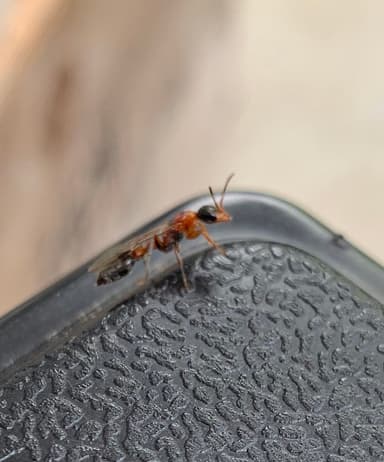
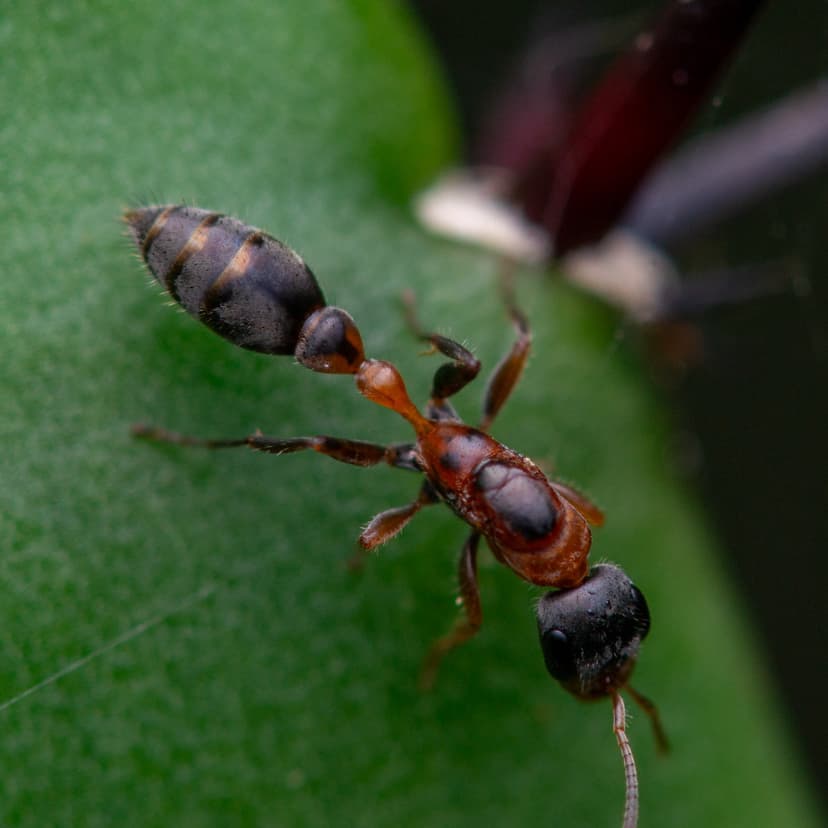
Pseudomyrmex gracilis, commonly known as the graceful twig ant or slender arboreal ant, is a striking species native to the Americas. These ants are instantly recognizable by their elongated, wasp-like bodies and disproportionately large eyes — adaptations for their fast, acrobatic movements among branches and foliage. Unlike many ground-dwelling species, Pseudomyrmex gracilis is a true arboreal specialist, nesting inside hollow twigs, stems, or pre-existing cavities in trees. The queen, measuring 10–15 mm, is the colony’s largest individual, while workers are only slightly smaller at 8–12 mm. There is no pronounced polymorphism; instead, all workers share a similar slender build that allows them to navigate narrow plant stems with ease.
One of the most fascinating aspects of this species is its semi-claustral founding strategy. The queen must forage for food during the early stages of colony establishment, which makes her more visible and vulnerable than fully claustral queens. This also means the colony grows more slowly at first but rewards the keeper with a unique window into the queen’s active role. Their diet is varied: they eagerly hunt small insects such as fruit flies, crickets, and cockroaches, and will readily accept sugar water and honeydew as carbohydrate sources. In the wild, they maintain symbiotic relationships with certain plants, but in captivity, a balanced protein‑sugar diet keeps them thriving. Keepers should note that Pseudomyrmex gracilis possesses a potent sting — they are quick to defend their nest and their venom is notably painful, so caution is advised during maintenance.
Care difficulty
Keeping Pseudomyrmex gracilis is best suited for intermediate keepers. Their semi-claustral founding requires a bit more attention than fully claustral species, especially regarding feeding and stress management during early colony growth. Once established, they are hardy but demand consistent food availability and the right temperature range. Their speed and escape ability also make them a challenge — they are excellent climbers and can squeeze through tiny gaps, so a secure, well‑sealed setup is essential.
Housing
Because these ants are naturally arboreal, their formicarium should reflect that lifestyle. A vertical or high‑ceilinged setup with nesting cavities made of soft wood, hollow branches, or 3D‑printed modular nests works best. They appreciate a dry to moderately humid nest area (around 50–70% humidity) but need good ventilation to prevent mold. The outworld should offer climbing structures like twigs, cork bark, or artificial plants. Temperature should be maintained between 24–28°C; a gentle heat mat on one side of the nest creates a useful gradient. No hibernation is required, so ideal conditions can be provided year‑round.
First days after purchase
Upon receiving your Pseudomyrmex gracilis colony, place the setup in a quiet, dimly lit location. Avoid handling or opening the container for at least 24–48 hours to let the ants settle. Ensure they have access to a small drop of sugar water and a protein source (e.g., a crushed fruit fly) near the nest entrance. Minimize vibrations and bright light; these ants are alert and skittish. Over the first week, observe from a distance to confirm they are drinking and foraging. If the queen appears stressed, reduce disturbance further. With patience, you’ll soon see these elegant, swift ants begin to explore their new home with characteristic grace.