Myrmecia
Myrmecia nigriceps
Care Guide
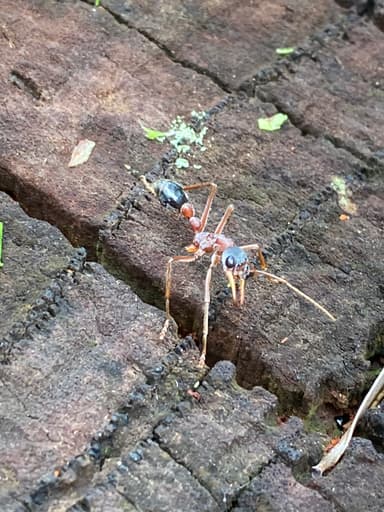
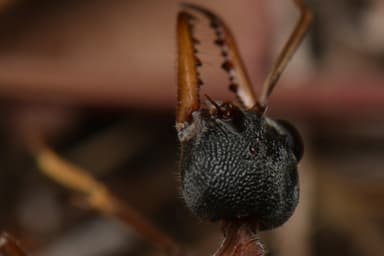
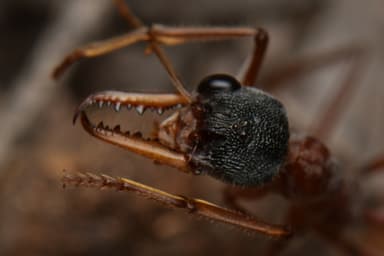
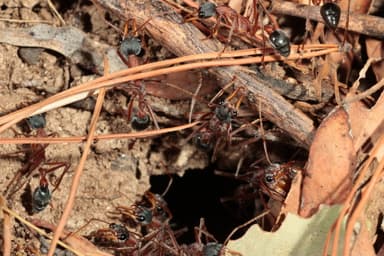
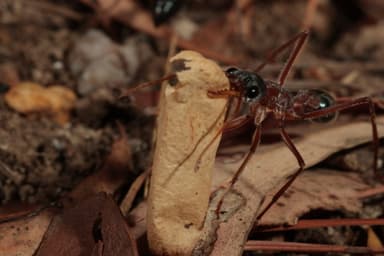
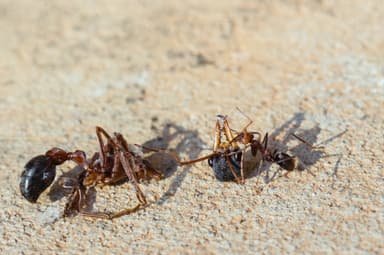
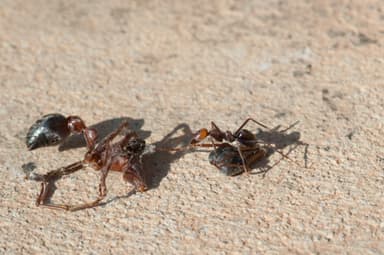
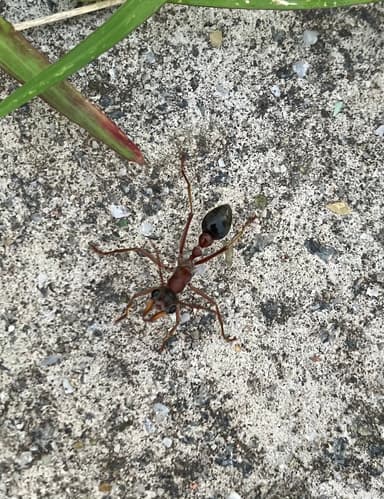
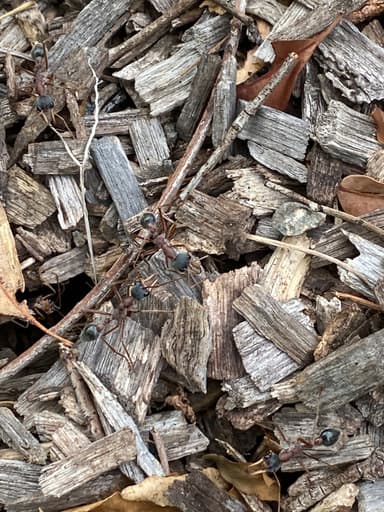
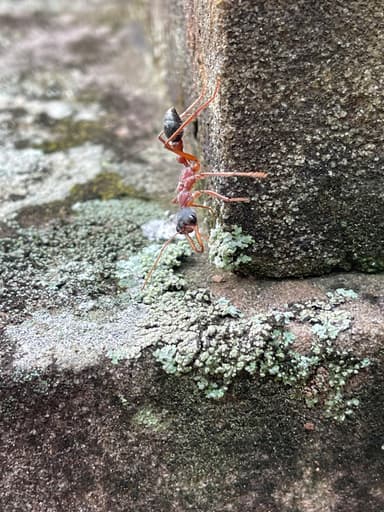
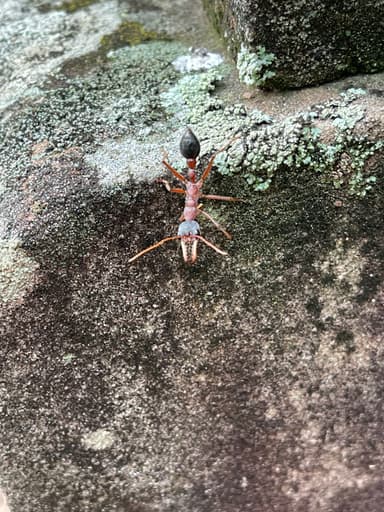
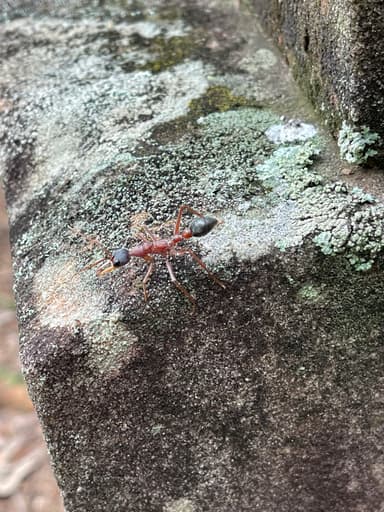
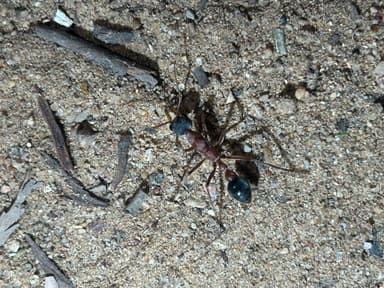
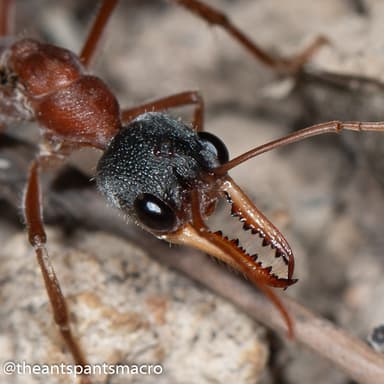
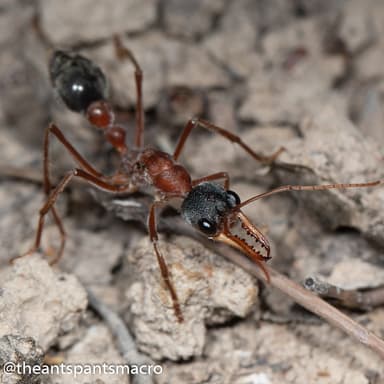
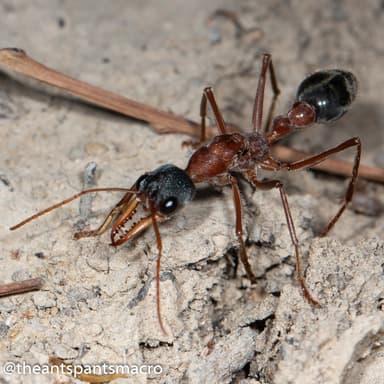
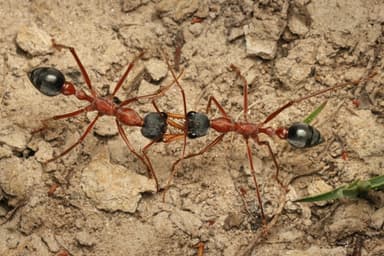
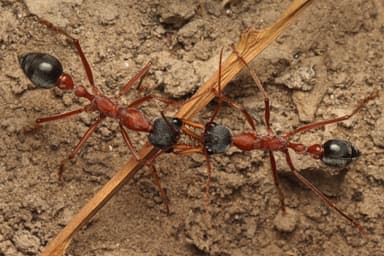
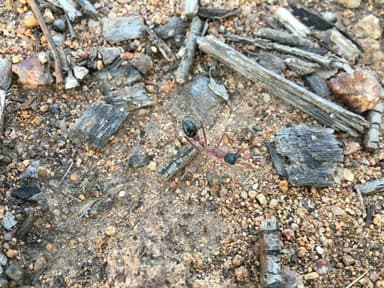
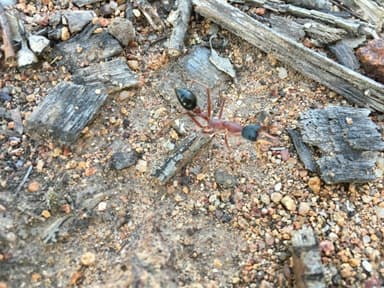
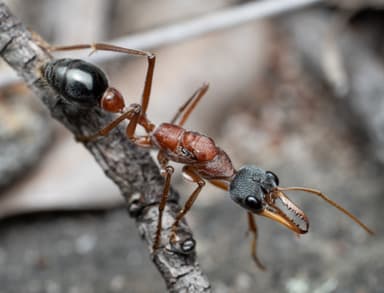
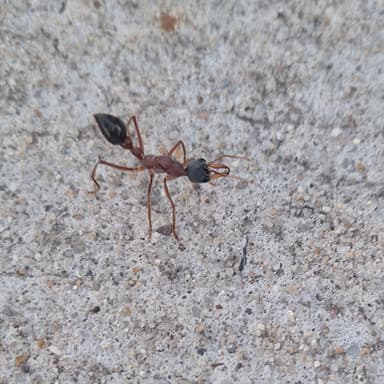
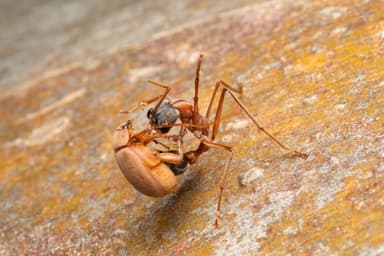
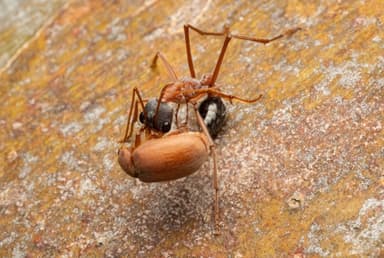
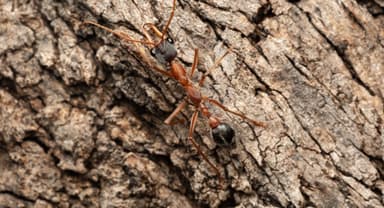
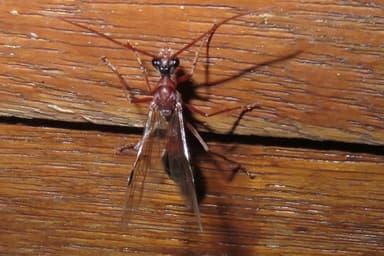
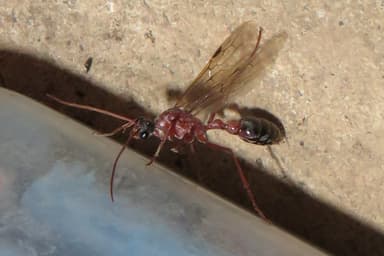
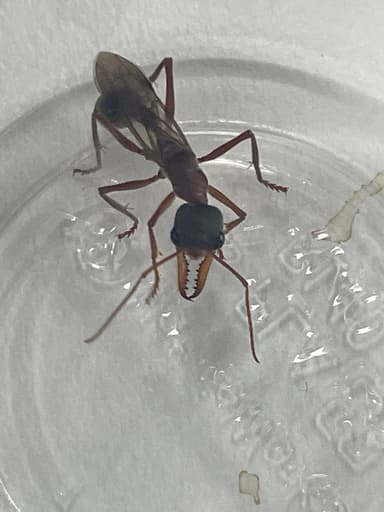
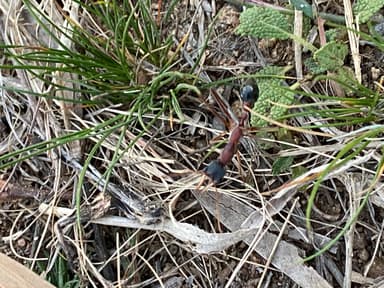
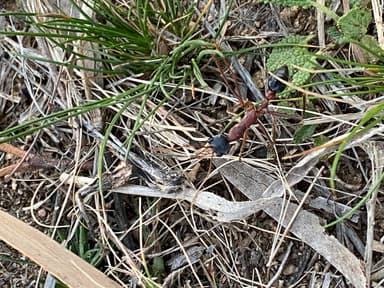
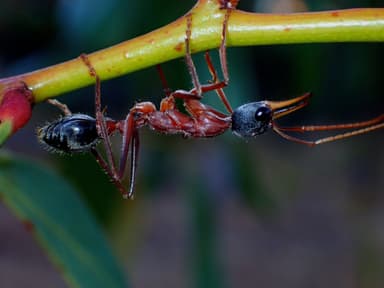
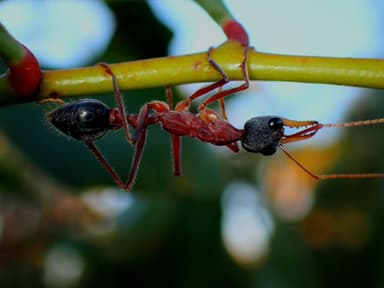
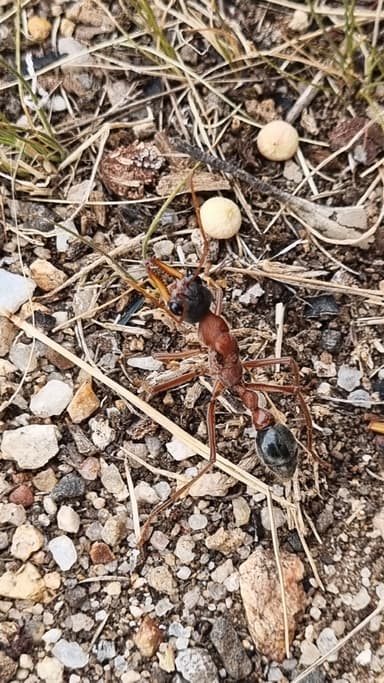
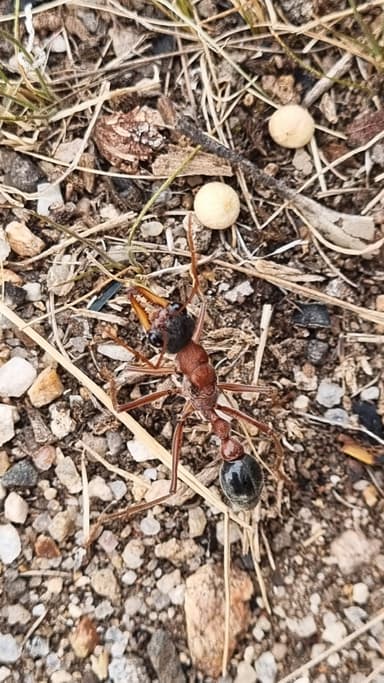
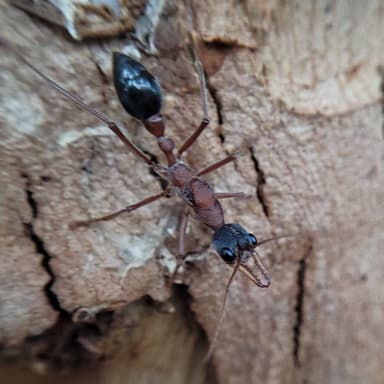
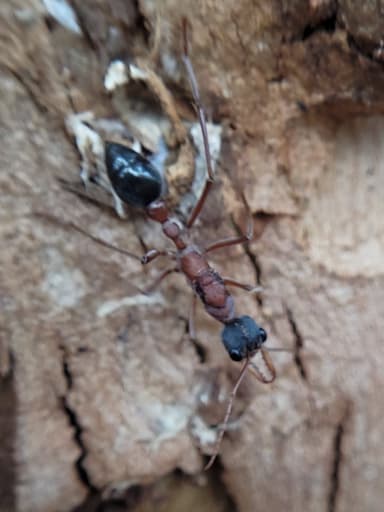
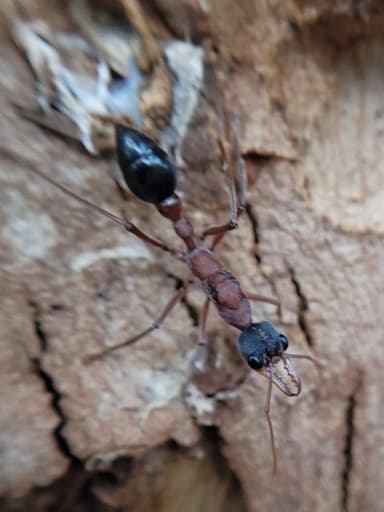
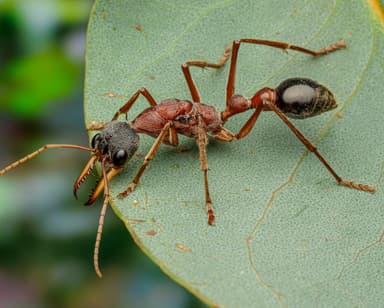
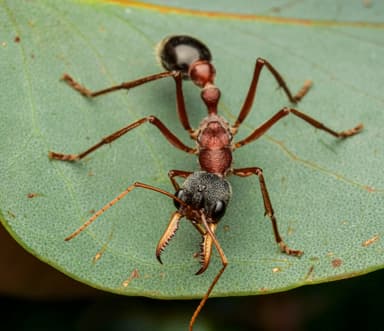
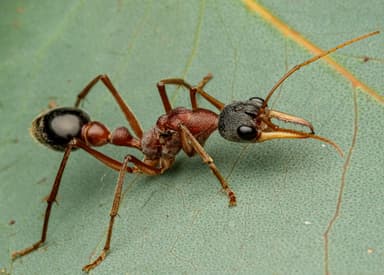
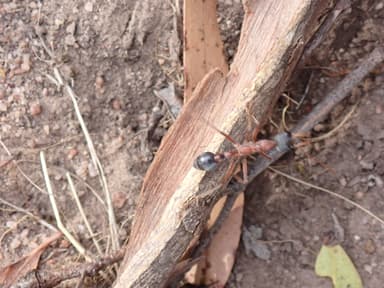
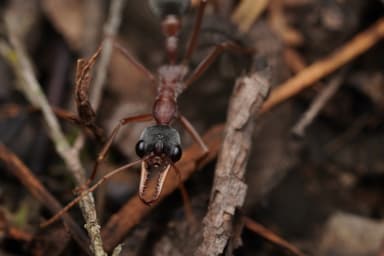
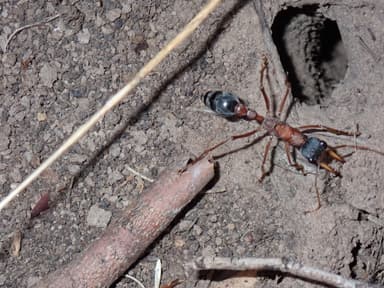
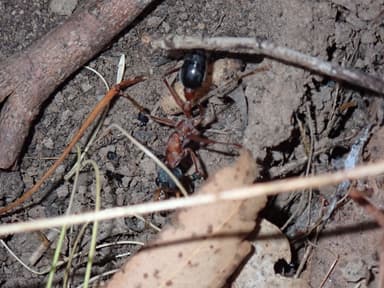
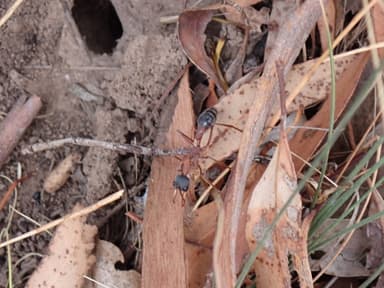
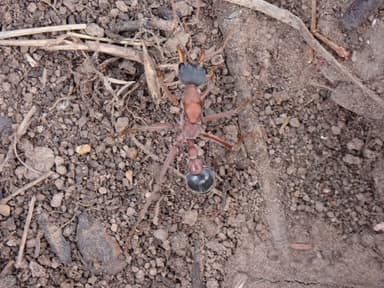
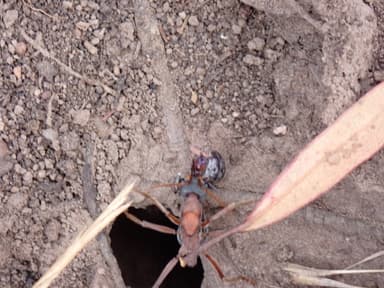
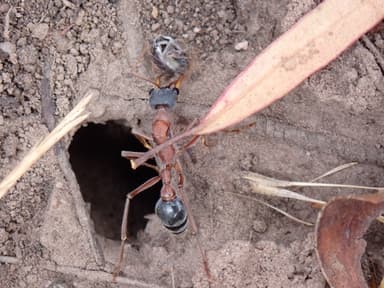
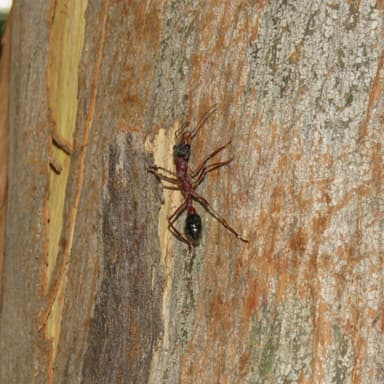
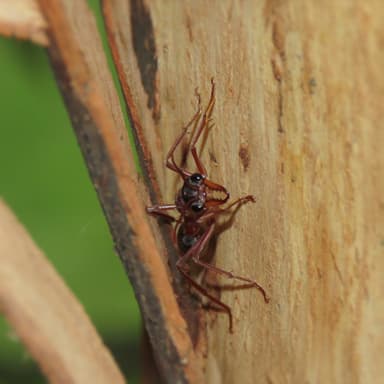
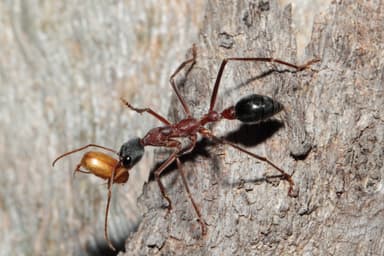
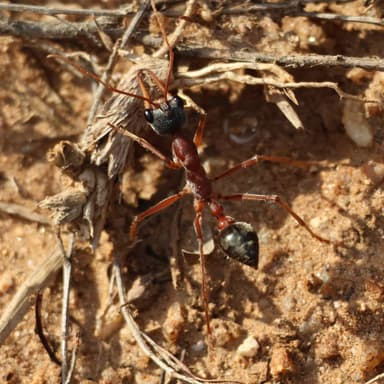
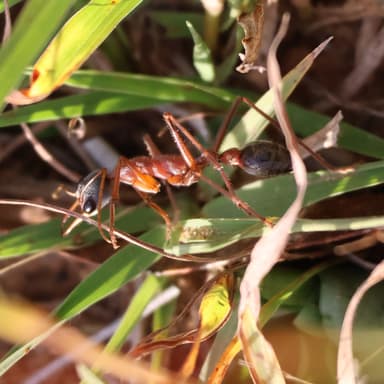
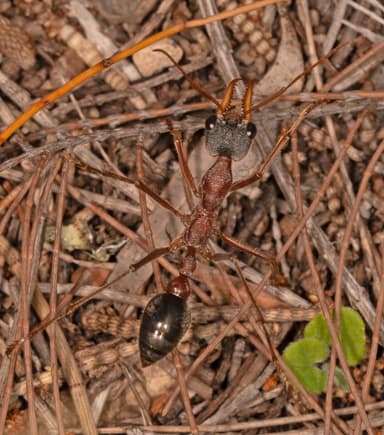
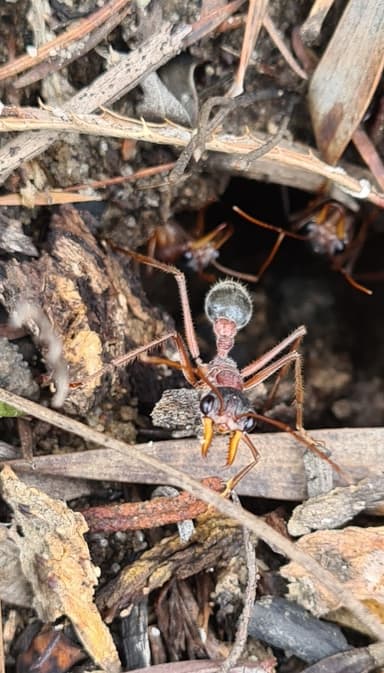
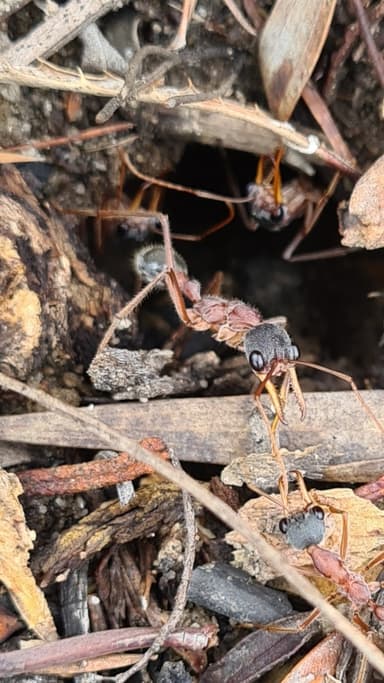
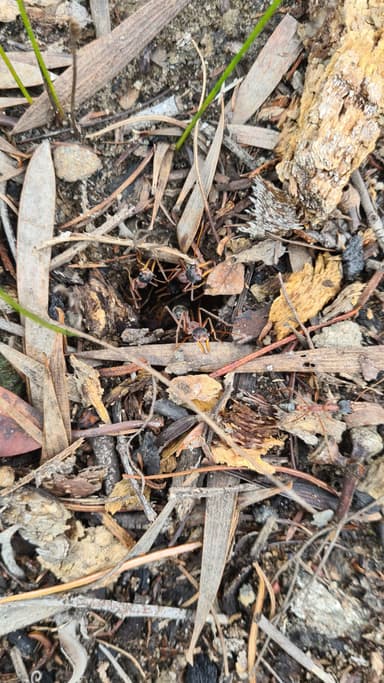
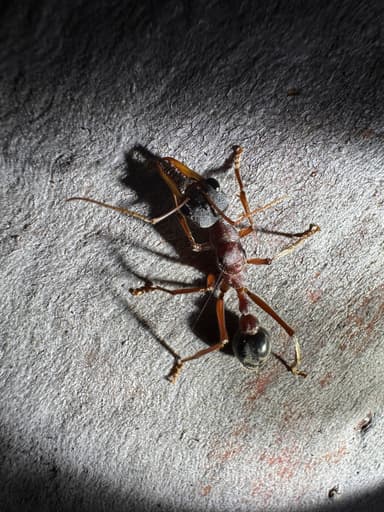
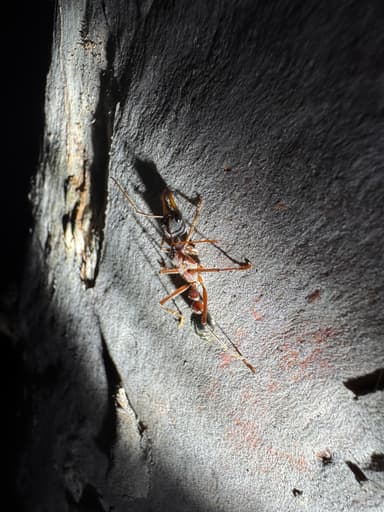
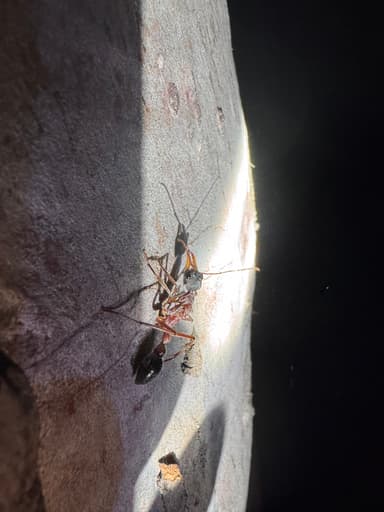
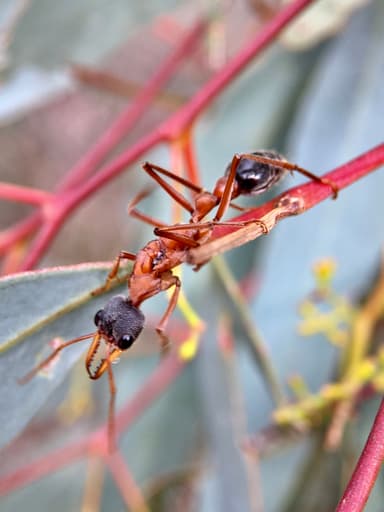
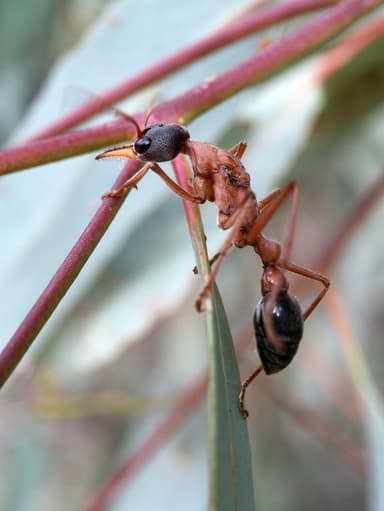
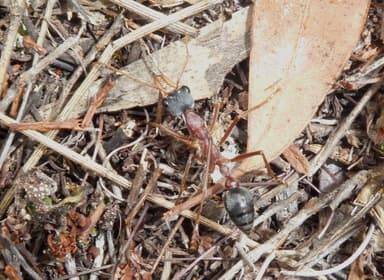
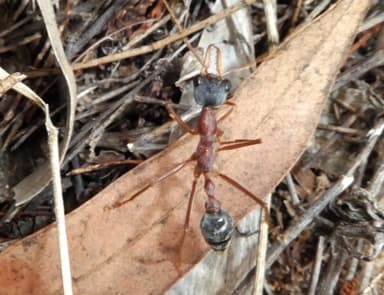
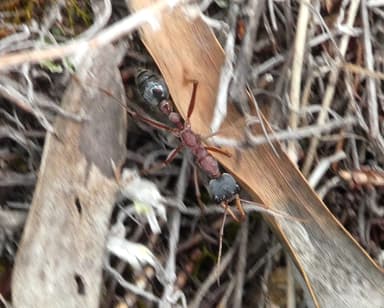
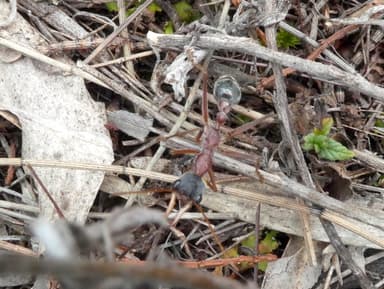
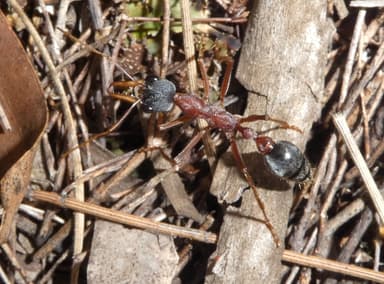
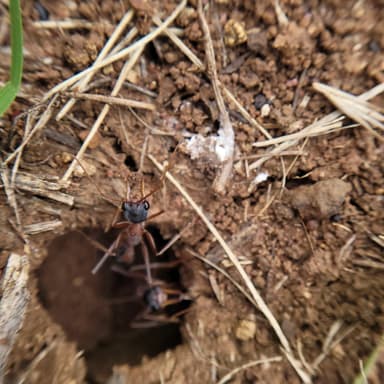
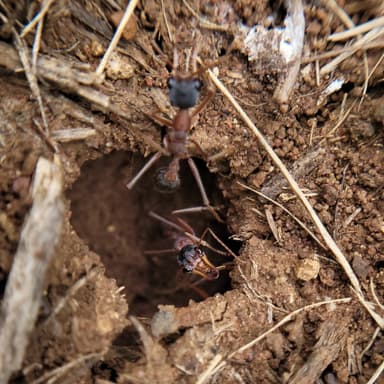
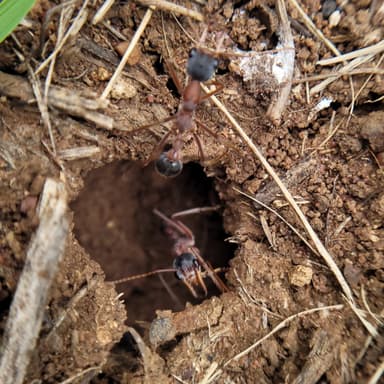
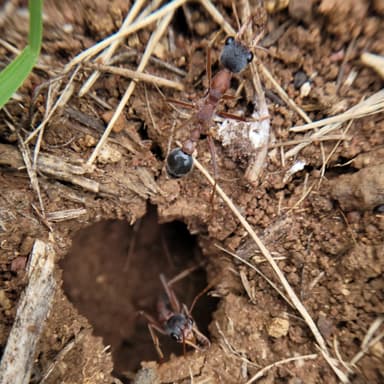
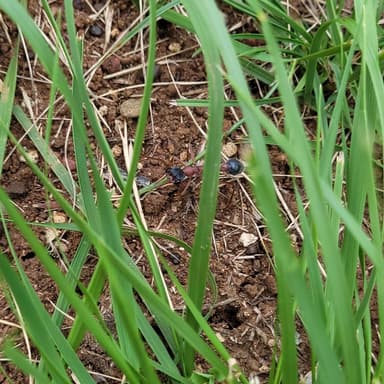
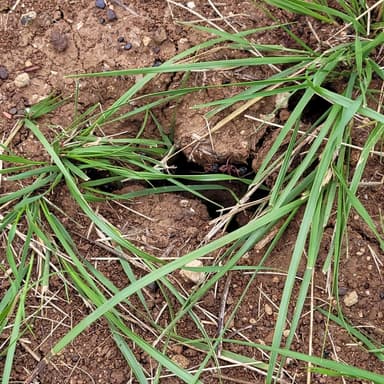
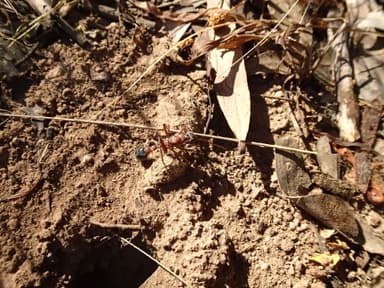
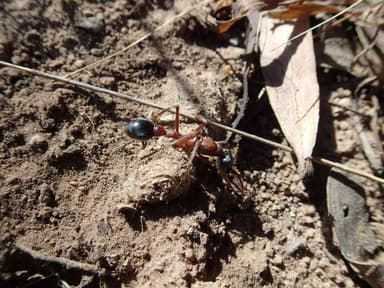
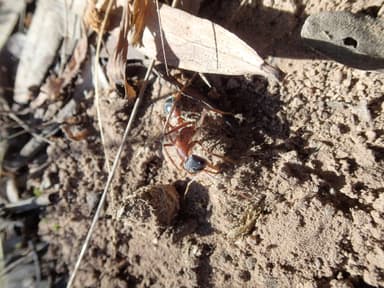
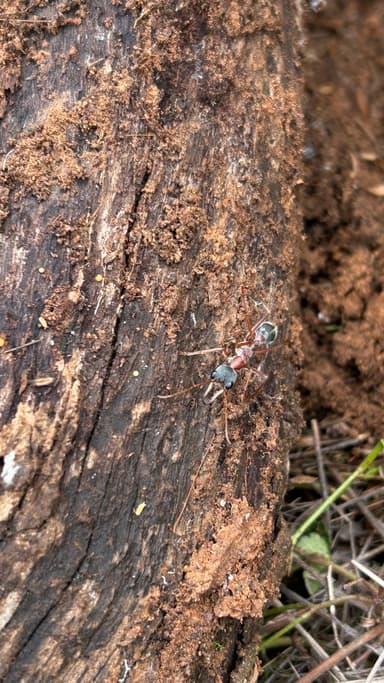
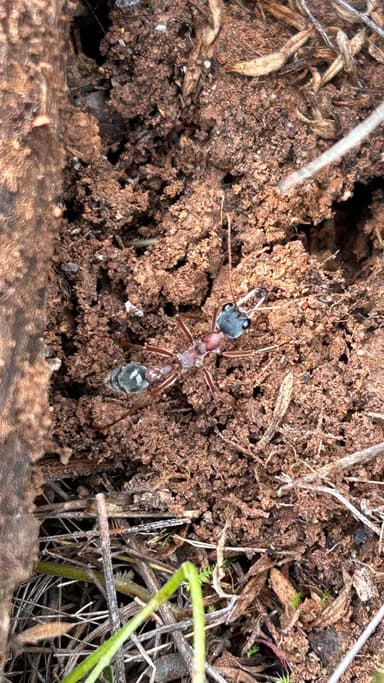
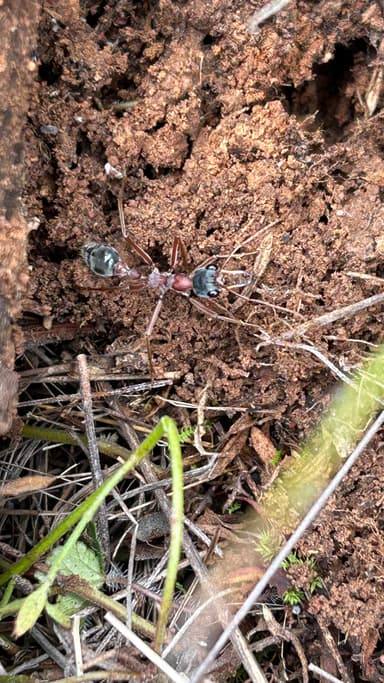
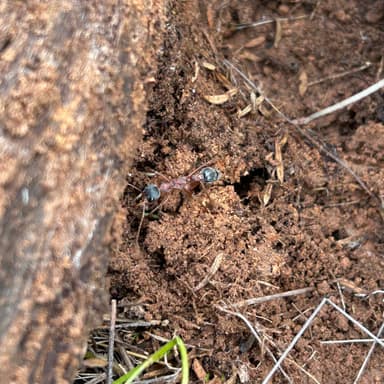
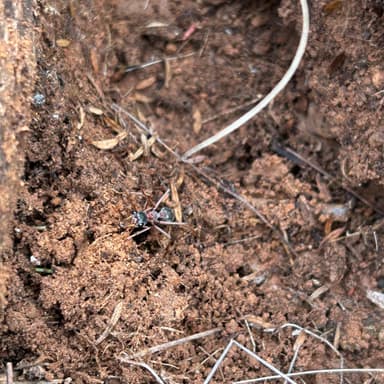
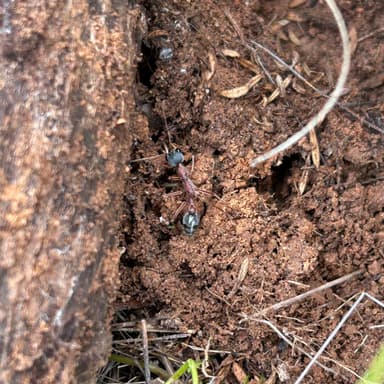
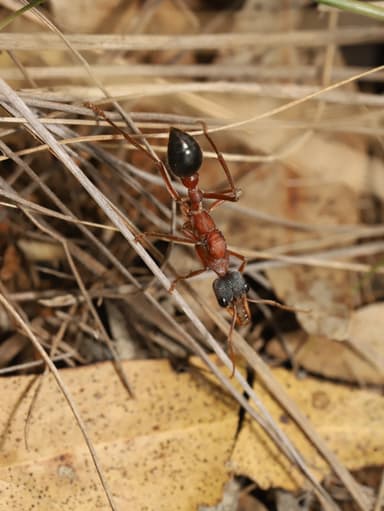
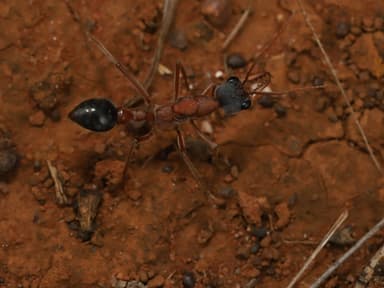
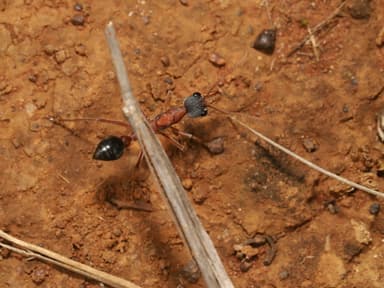
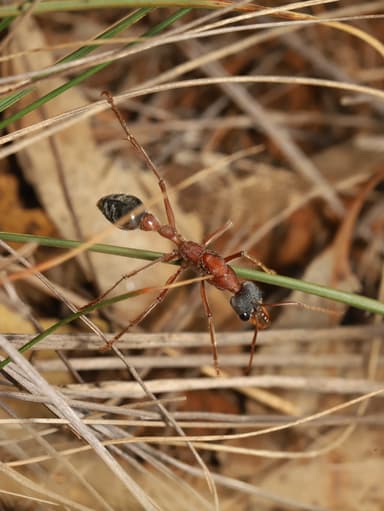
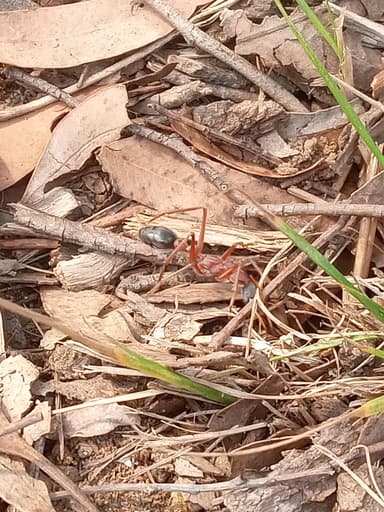
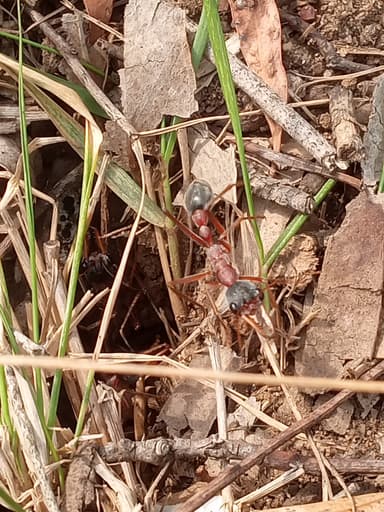
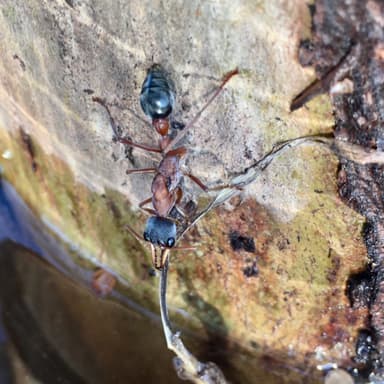
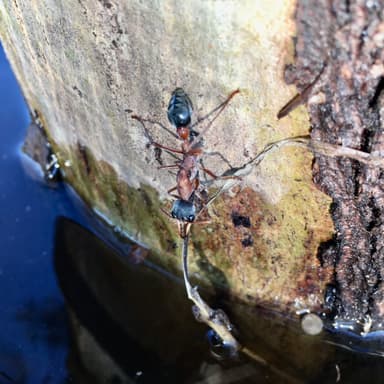
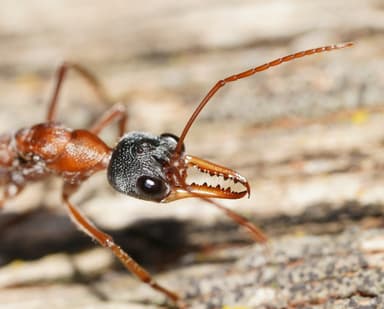
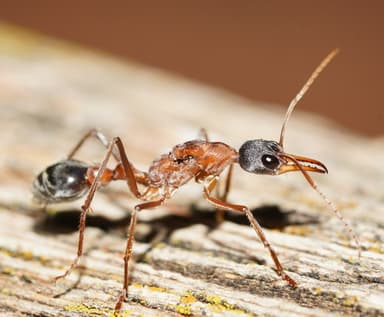
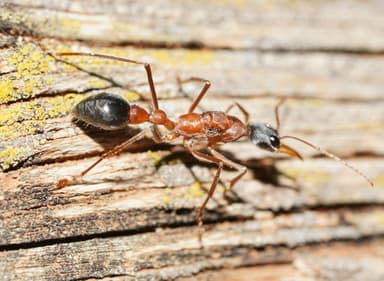
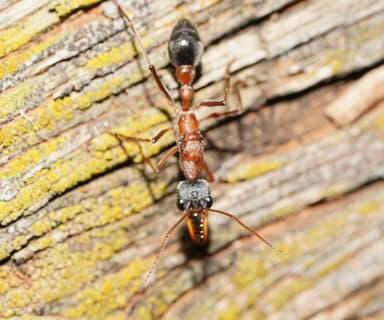
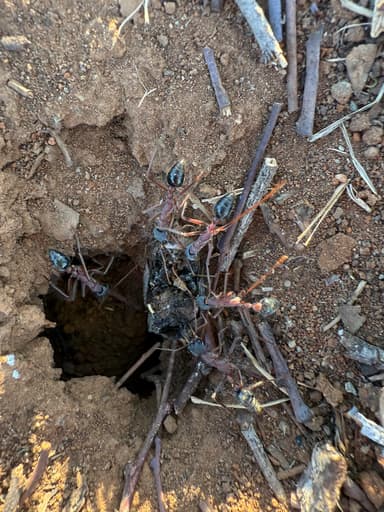
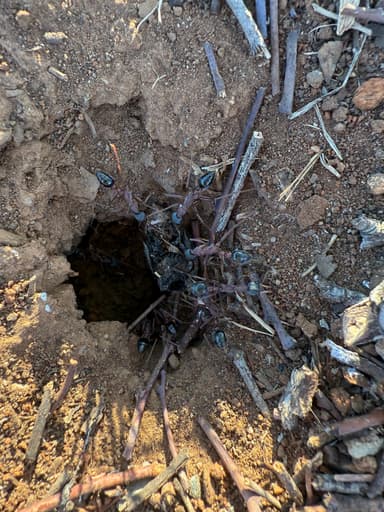
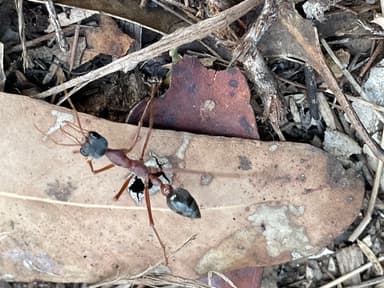
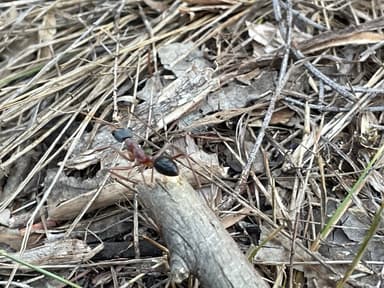
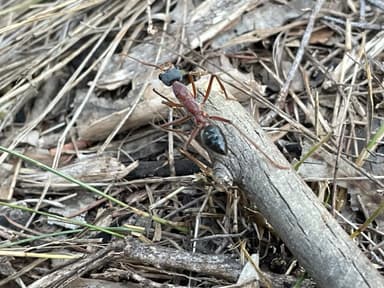
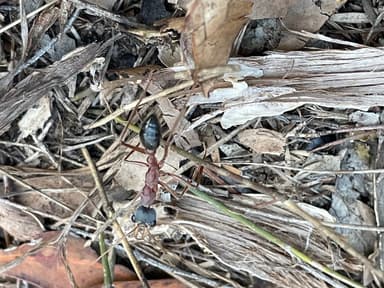
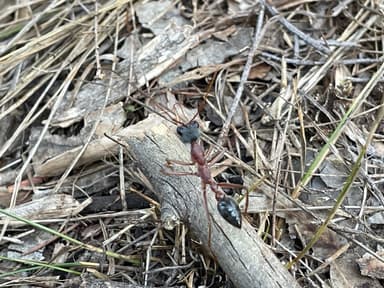
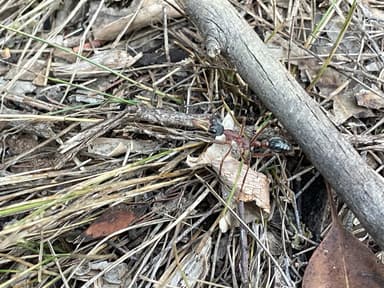
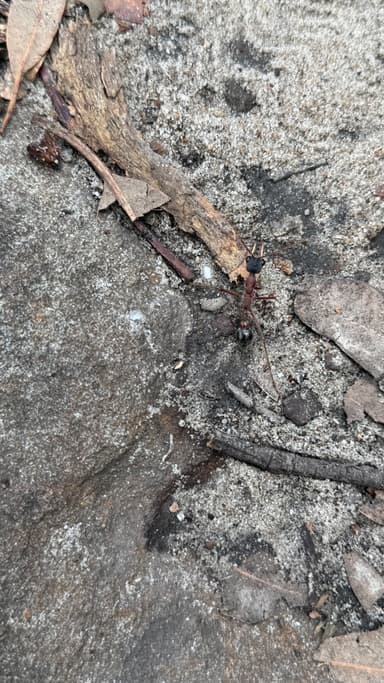
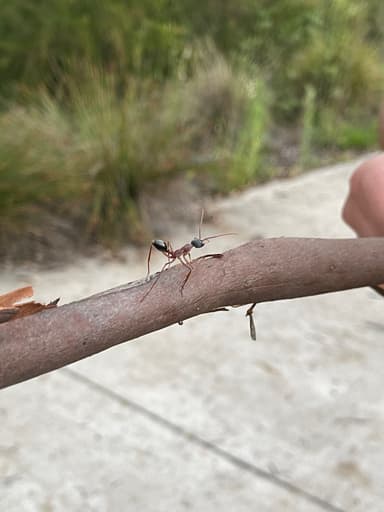
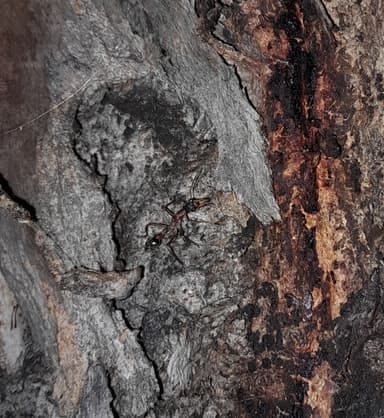
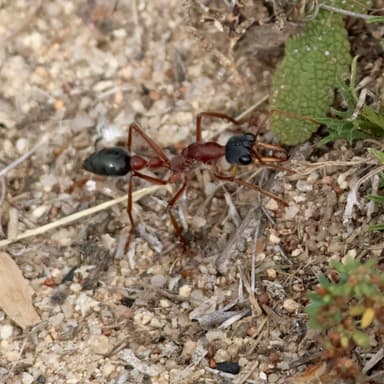
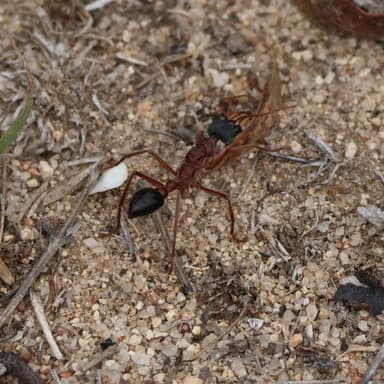
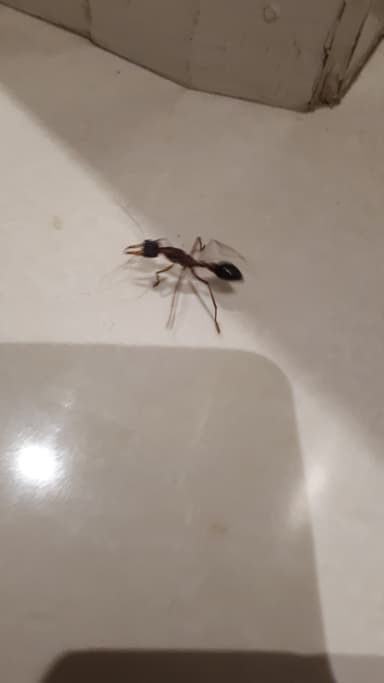
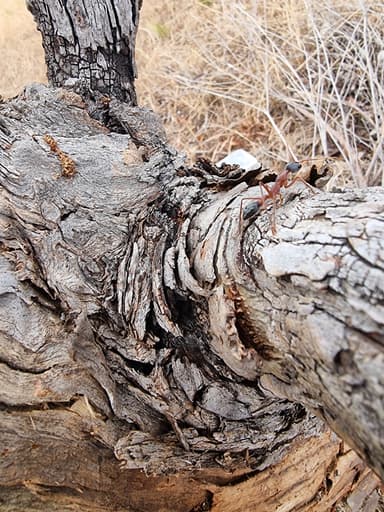
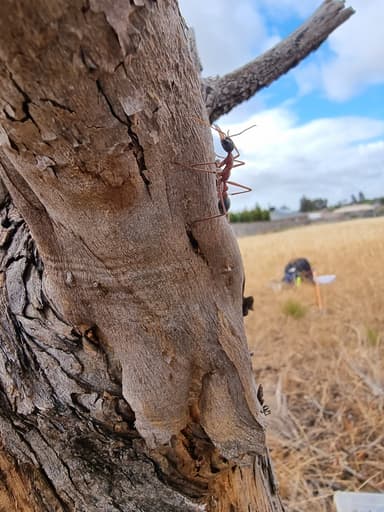
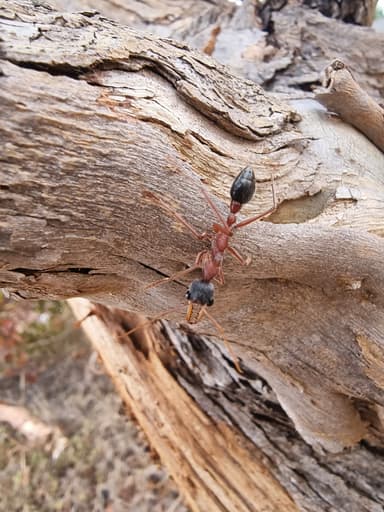
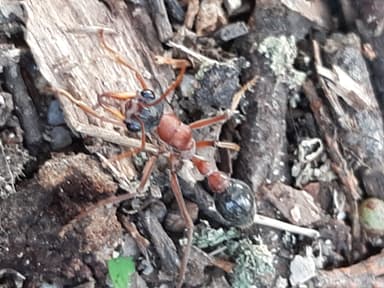
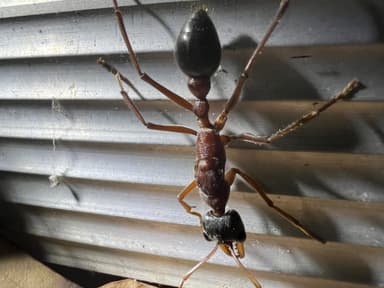
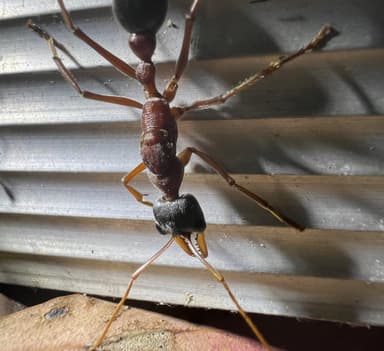
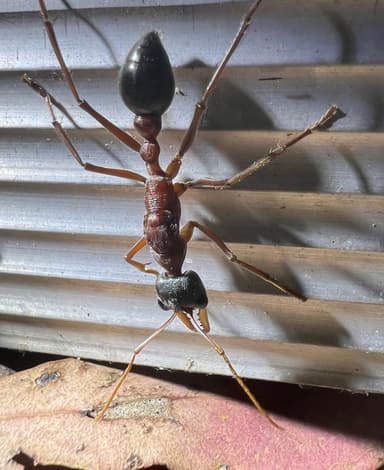
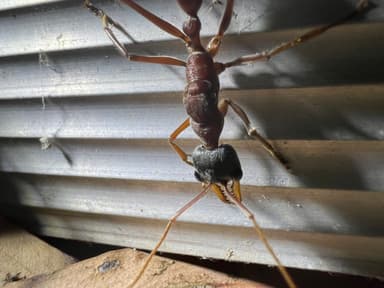
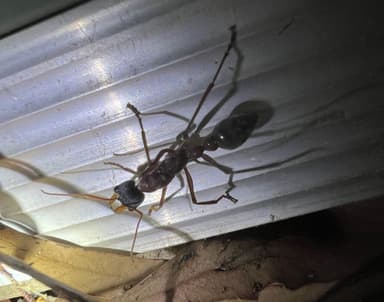
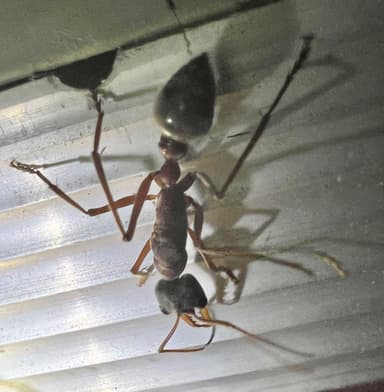
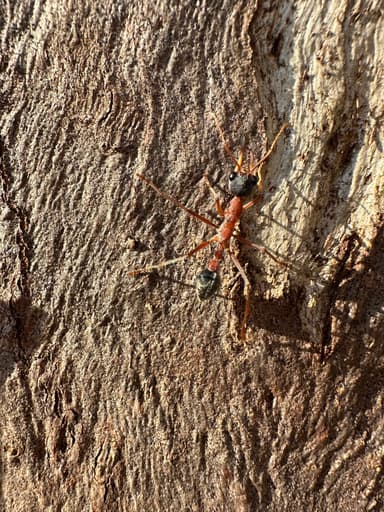
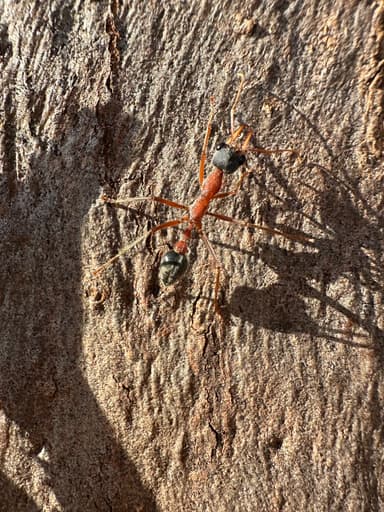
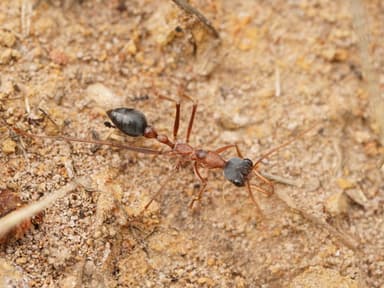
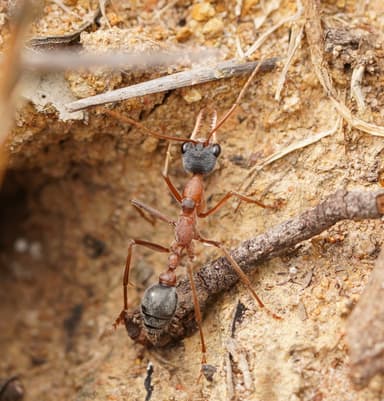
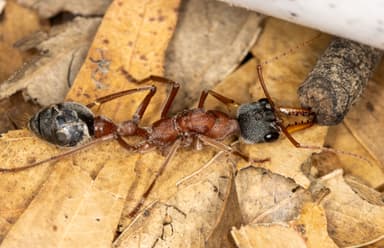
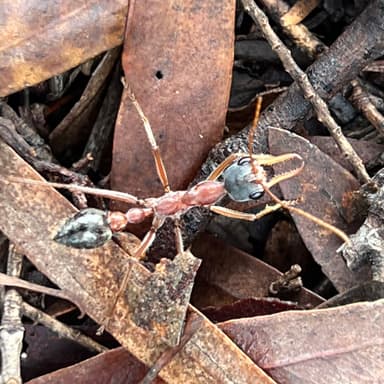
Myrmecia nigriceps, commonly known as the green-headed bull ant, is one of the most impressive and formidable ants in the world. Native to Australia, this species is admired for its striking appearance—a dark body with a vivid green-to-blue tinted head and powerful, elongated mandibles. Unlike many ants that rely on pheromone trails, bull ants are visually oriented hunters, known for their lightning-fast reflexes and a potent sting that can cause significant pain. The queen, measuring up to 20–23 mm, is a robust and daring individual who, during founding, must venture out to hunt for herself and her first brood—a true test of resilience. Workers range from 15–18 mm and display the same fearless, solitary foraging behavior. Colonies remain relatively small by ant standards, reaching up to 500 individuals, but each member commands respect.
Care difficulty
Keeping Myrmecia nigriceps is an advanced undertaking, best suited for experienced keepers who are comfortable with high-risk, high-reward species. The semi-claustral founding means the queen requires live food from the very beginning, and the colony’s aggressive nature demands careful handling and secure enclosure design. These ants are escape artists and will not hesitate to sting if disturbed. Additionally, their need for a true hibernation period at around 10°C adds a layer of seasonal management that beginners may find challenging. Patience and a steady hand are essential.
Housing
A secure, escape-proof formicarium is non-negotiable for bull ants. The nest should be spacious enough for a colony of a few hundred but also allow for easy observation from a safe distance. Myrmecia species are sensitive to vibrations and sudden light, so place the setup in a quiet, low-traffic area. Temperature should be maintained between 20–28°C, with a slight drop at night if possible. Humidity in the nest area should stay at 40–60%—not too damp, as these ants prefer drier conditions than many tropical species. Provide a separate outworld for foraging, where you can offer live insects (crickets, flies, roaches) as the staple protein source. A small dish of sugar water or honeydew mimics their natural sweet tooth and helps sustain the colony between feedings. Never underestimate their jumping ability; a tight lid is mandatory.
First days after purchase
Upon receiving your Myrmecia nigriceps colony, place the formicarium in a calm, dark spot and resist the urge to inspect them constantly. The ants need time to settle after transport. Ensure the queen has access to a small, live insect within the first 24 hours—she will not accept dead prey at this stage. Check that the water source is clean and accessible, but avoid disturbing the nest structure. Over the next few days, watch from a distance for signs of brood care and foraging. If the ants seem agitated, cover the nest with a red film or cloth; bull ants are highly photophobic. Maintain steady temperature and humidity, and do not attempt any handling or nest expansions until the colony is confidently active and feeding. With patience, you will be rewarded with one of the most thrilling ant-keeping experiences available.