Messor
Messor ibericus
Care Guide
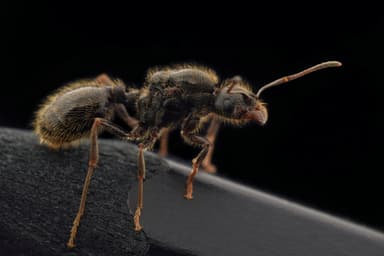
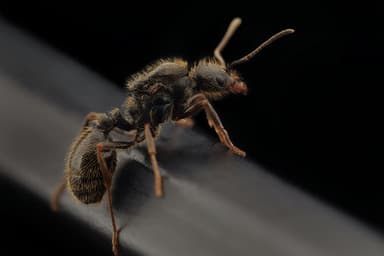
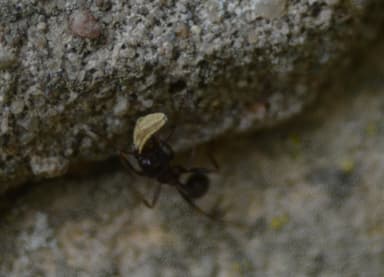
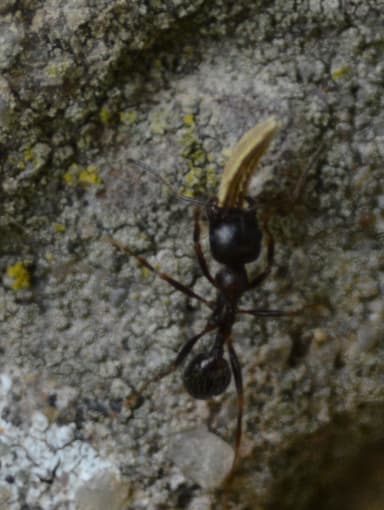
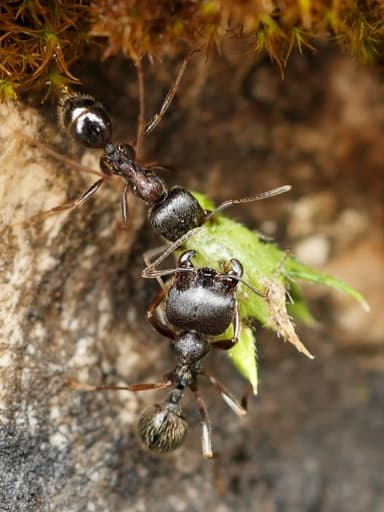
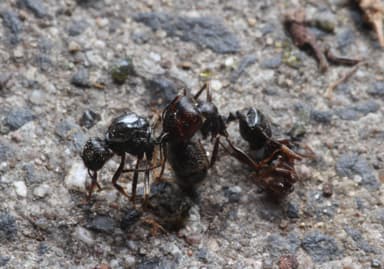
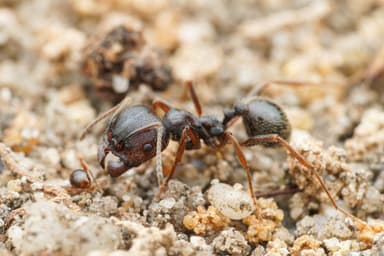
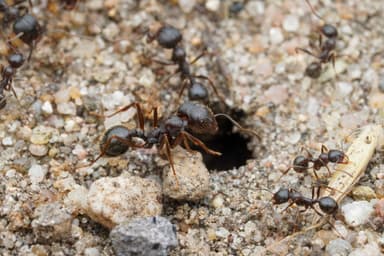
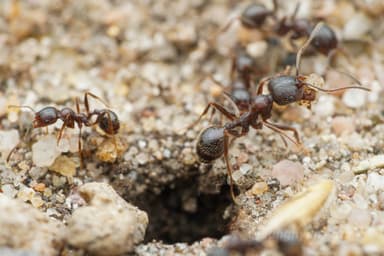
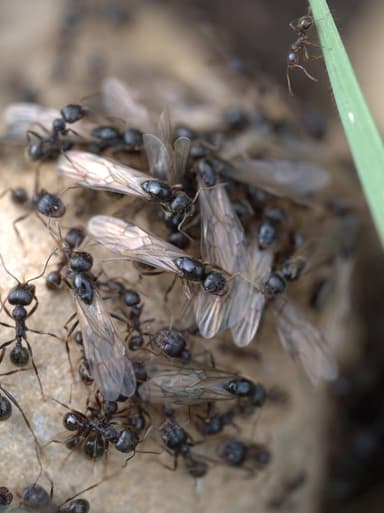
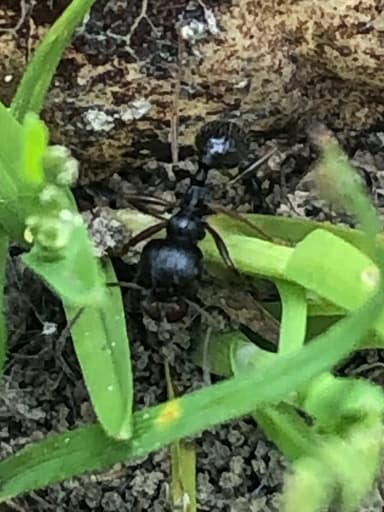
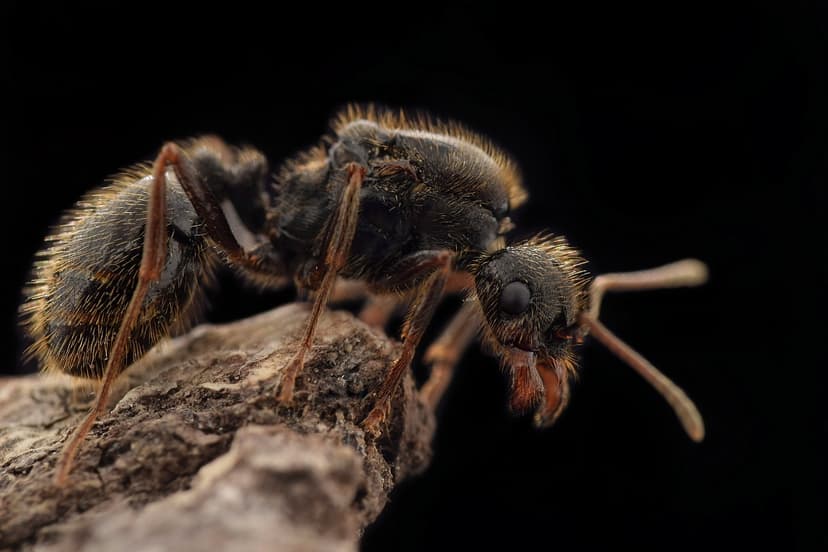
Messor ibericus is a polymorphic seed-harvester species, meaning a single colony contains workers that vary noticeably in size. The queen, the colony’s largest individual, typically measures between 10 and 12 mm. Workers range from 4 mm minors up to 12 mm majors, with the largest individuals possessing disproportionately broad heads used to crush seeds. This clear size polymorphism makes the colony visually fascinating as it matures.
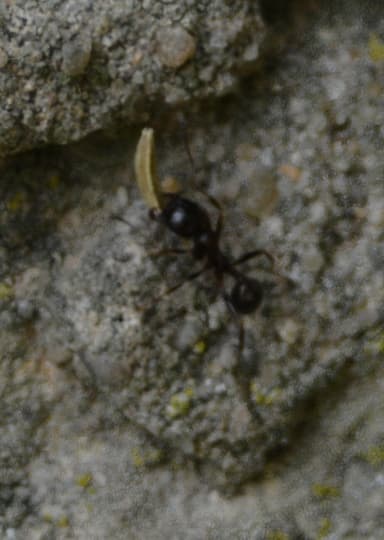
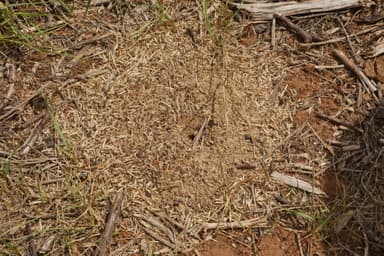
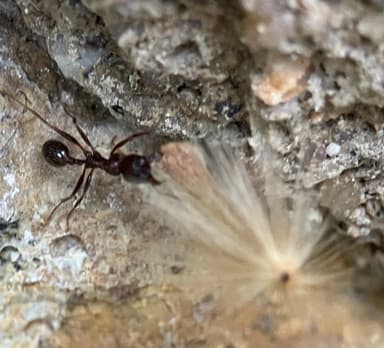
The diet of Messor ibericus revolves around seeds. Foraging workers will collect a wide variety of seeds and transport them back to the nest, where they are stored in dedicated chambers. Inside the nest, the seeds are husked and processed into a flour-like substance often referred to as “ant bread,” which serves as the colony’s primary food source. While seeds form the bulk of their nutrition, Messor ibericus also benefits from occasional insect protein — small crickets or mealworms are readily accepted. Additionally, offering sugar water provides a quick energy boost and helps maintain colony activity, especially during periods of intensive brood rearing.
Care difficulty
Keeping Messor ibericus is considered intermediate, mainly because of their specific hibernation requirements and sensitivity to disturbance during the founding phase. However, once the colony is established, their seed-based diet makes daily maintenance quite straightforward — there is no constant need for live insects, and the ants are generally hardy. The main challenge is ensuring the colony receives a proper winter dormancy period at around 8°C, without which the queen may stop laying eggs or the colony may decline.
Housing
A formicarium for Messor ibericus should provide ample space for seed storage and a dry but not arid nesting area. Humidity should be kept low — between 30 and 50% — as these ants originate from Mediterranean regions and do not tolerate excessive moisture. The foraging area should be well ventilated and offer a reliable water source, such as a test tube or small bowl with a cotton wick. The most critical aspect of housing is providing peace and quiet. Messor ibericus is highly sensitive to vibrations, bright light, and frequent disturbances, especially during the early stages. Place the setup in a calm, shaded location and refrain from unnecessary handling.
First days after purchase
Upon receiving your Messor ibericus colony, transfer them into a prepared formicarium and place it in a quiet, dimly lit spot. Allow the ants at least 24 to 48 hours to settle without interference. During this acclimation period, ensure they have constant access to clean water and a small quantity of seeds — poppy or millet seeds are ideal. Avoid bright lights or tapping on the enclosure. Observe from a distance; if the ants begin exploring and storing seeds, the colony is adapting well. Once they appear calm, you can gradually introduce a small insect or a drop of sugar water as a treat. Patience during these first days greatly reduces stress and sets the foundation for a thriving colony.