Camponotus
Camponotus fellah
Care Guide
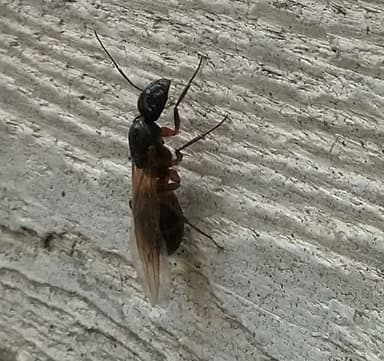
Camponotus fellah is a species that perfectly balances the classic charm of carpenter ants with a beginner-friendly temperament. These ants display a gentle size polymorphism: the queen, measuring up to 13–15 mm, is the colony’s matriarch, while workers range from tiny minors around 4 mm to larger majors that can reach 12 mm. Though less dramatic than the extreme polymorphism seen in some seed harvesters, this size variation gives the colony a pleasant visual diversity and allows for efficient division of labor.
One of the most appealing traits of Camponotus fellah is its adaptability. In nature, these ants inhabit arid and semi‑arid regions, where they nest in dead wood or under stones. They are claustral founders, meaning the queen seals herself in a founding chamber and raises her first workers without needing food – an ideal trait for new keepers. Once established, the colony grows steadily to a manageable 1,000–5,000 workers, making them perfect for anyone wanting a moderately sized colony that won’t overrun a formicarium.
Care difficulty
Keeping Camponotus fellah is straightforward, earning them a well‑deserved beginner rating. Their dietary needs are simple: provide a balanced mix of protein (small insects like fruit flies, crickets, or mealworms) and carbohydrates (sugar water or honeydew). They are not picky eaters and will eagerly accept nearly any offered food. The most important factor is ensuring a regular supply of fresh water – a test tube or small water feeder works well. Temperature should be kept between 24–28 °C, and humidity around 40–60%, which is easily achieved in most standard formicaria. They require a winter diapause at around 8 °C for several months, mimicking their natural cycle and promoting healthy brood production in spring.
Housing
A simple acrylic or plaster formicarium with a connected outworld is ideal. The nest should have chambers with moderate humidity – the outworld can be kept drier. Camponotus fellah appreciate a substrate that retains some moisture, like sand‑clay mix, but avoid waterlogging. They are not aggressive chewers, so most standard setups work well. Provide a clean, quiet location away from direct sunlight and strong vibrations. These ants are relatively calm and will adjust to regular observation once accustomed to their environment.
First days after purchase
Upon receiving your colony, place the transport tube or test tube directly into the outworld, allowing the ants to explore and move into their new home at their own pace. Keep the formicarium in a dim, quiet space for the first few days to reduce stress. Ensure the outworld has a water source and a small drop of sugar water, but avoid overfeeding – a single drop is enough. Do not disturb the queen or attempt to move her prematurely. Monitor that the ants are foraging and tending brood normally. Within a week, you can gradually increase feeding and begin gentle observation. With patience, your Camponotus fellah colony will reward you with steady growth and fascinating daily activities.