Atta
Atta laevigata
Care Guide
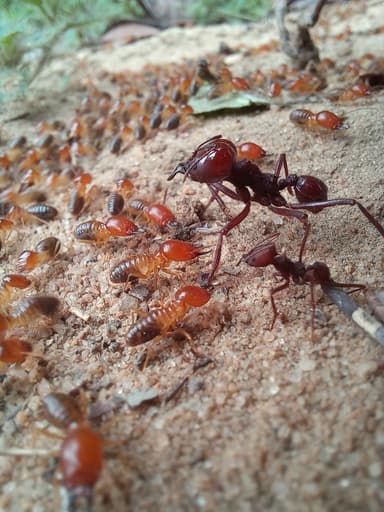
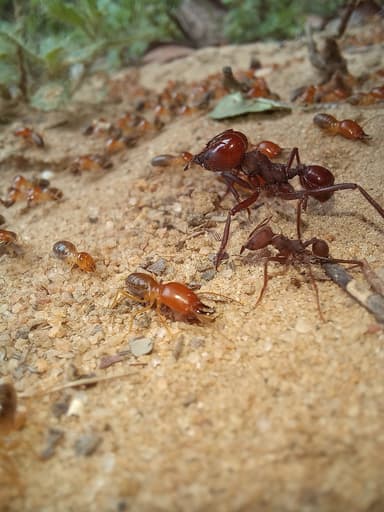
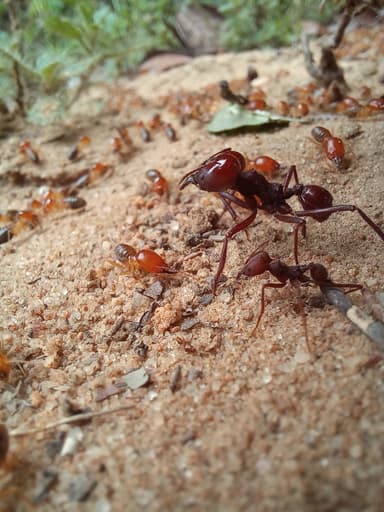
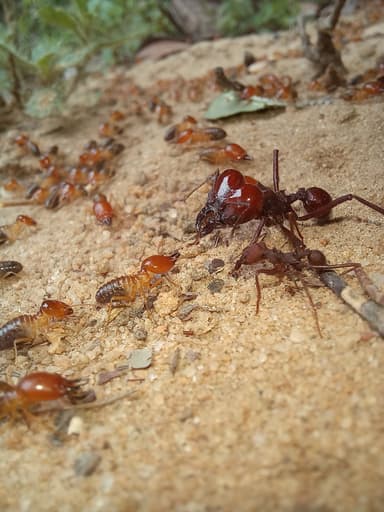
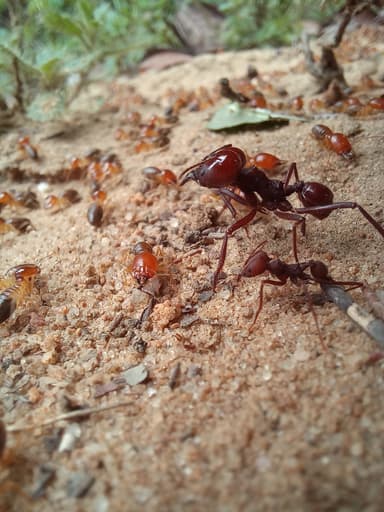
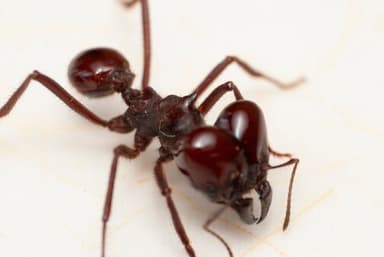
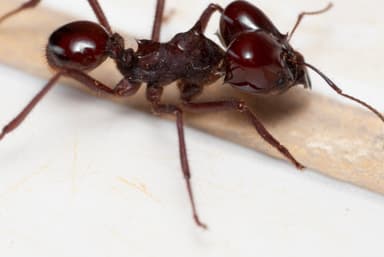
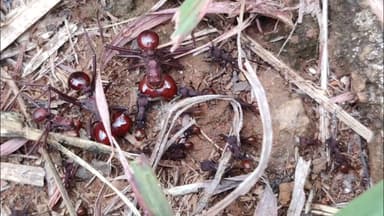
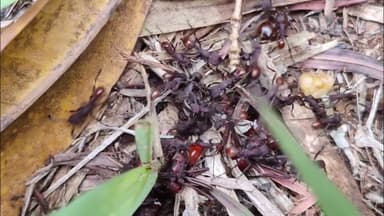
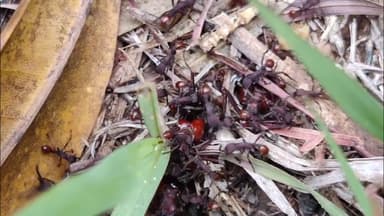
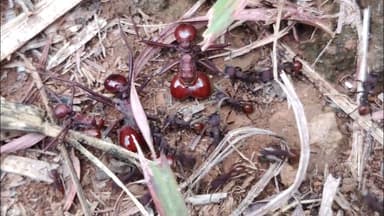
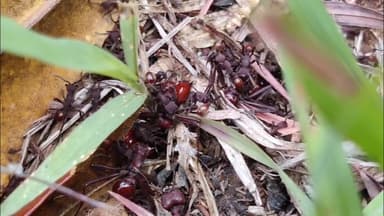
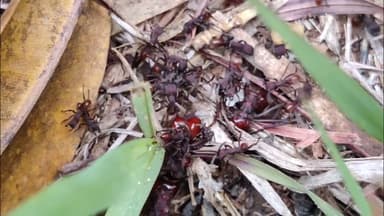
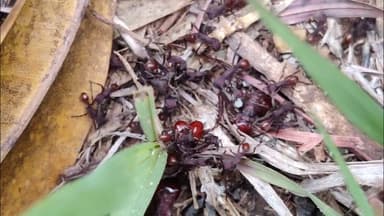
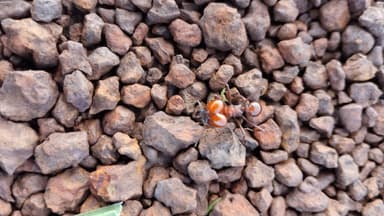
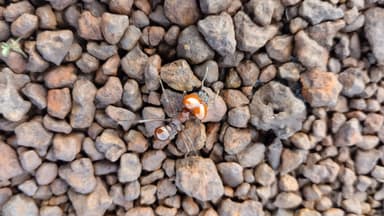
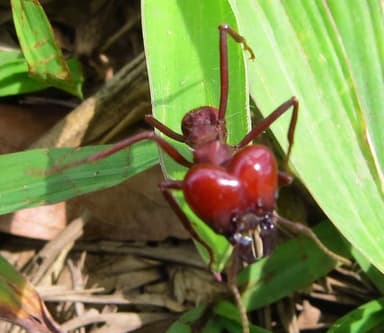
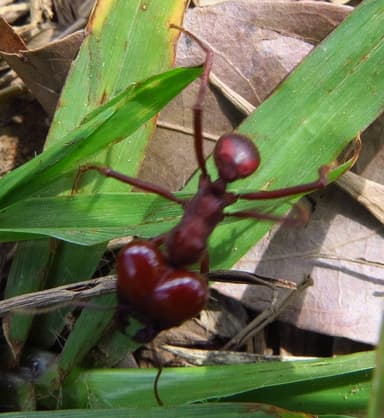
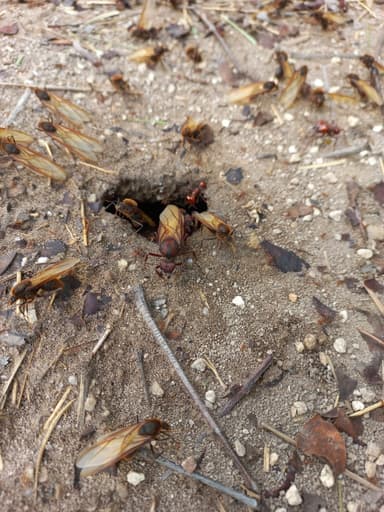
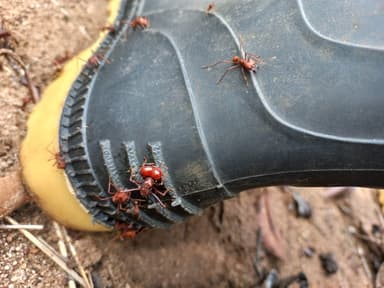
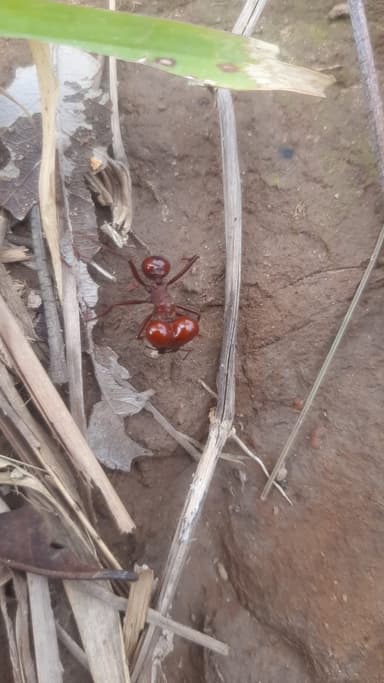
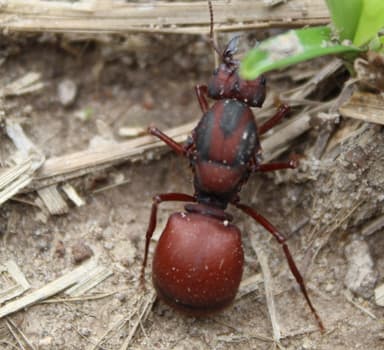
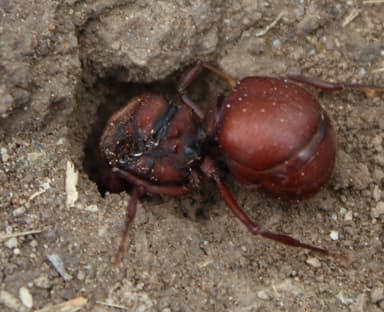
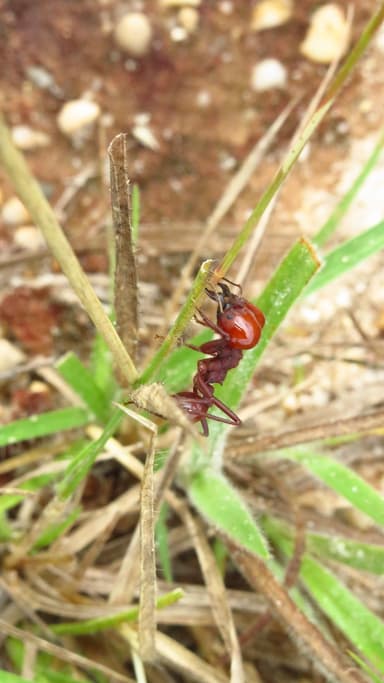
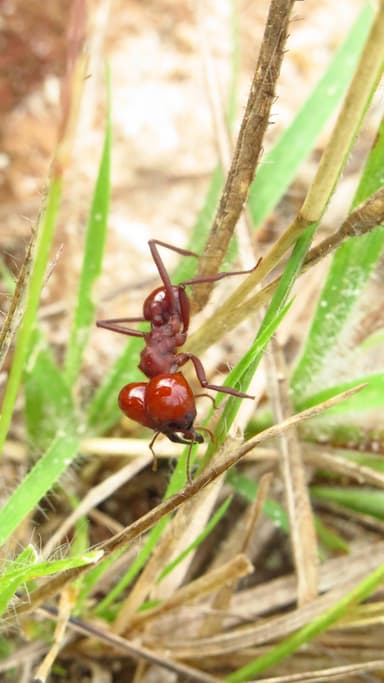
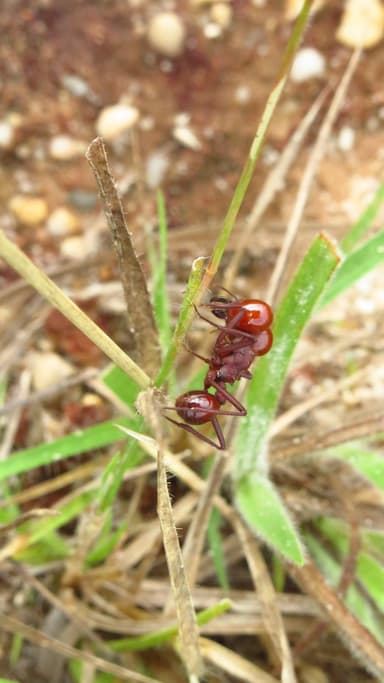
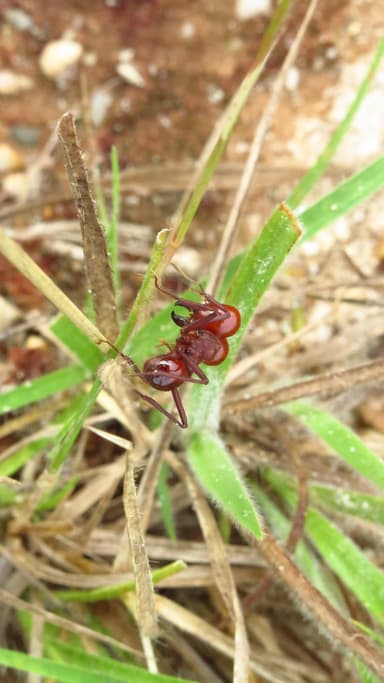
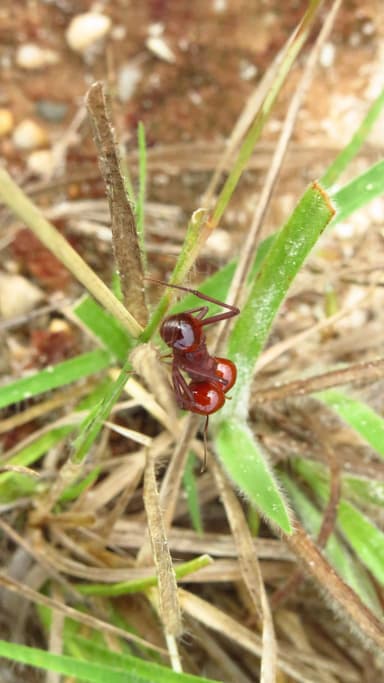
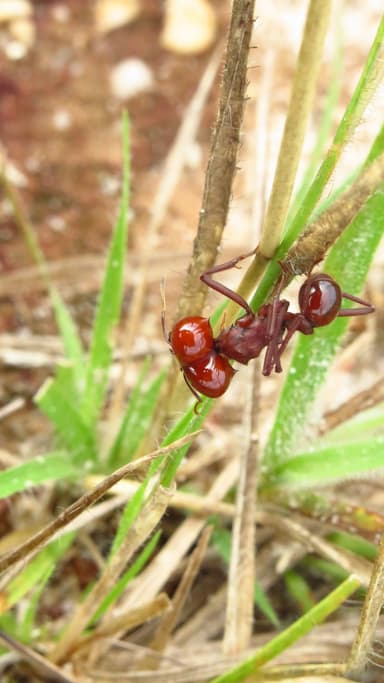
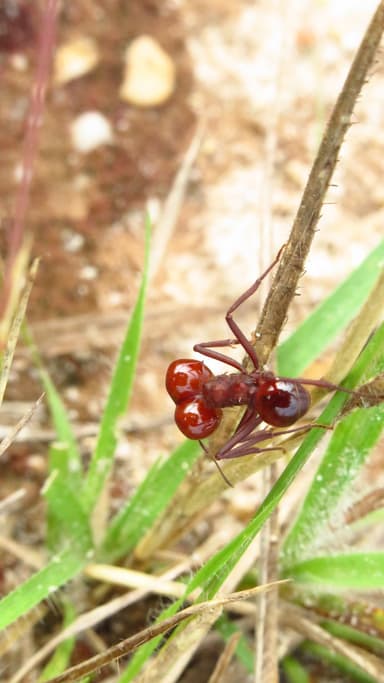
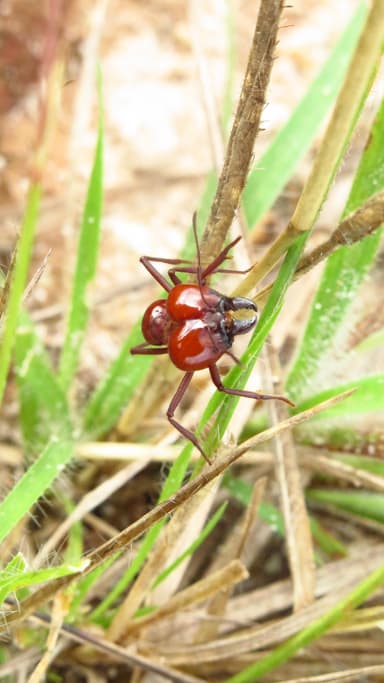
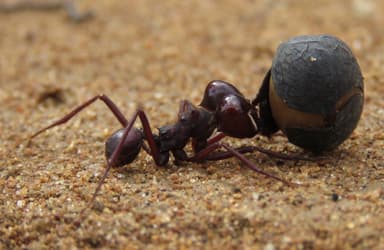
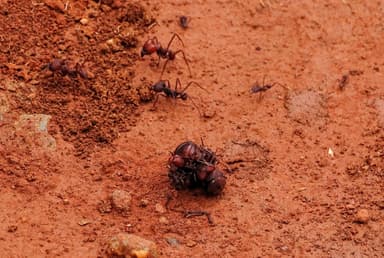
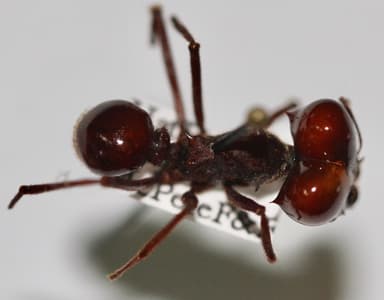
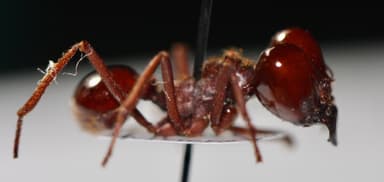
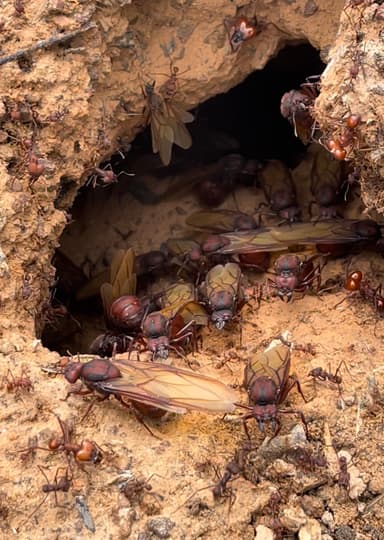
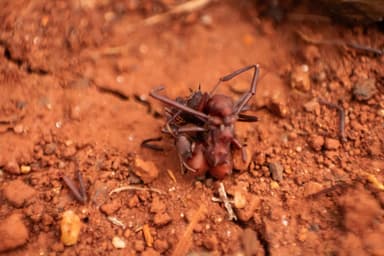
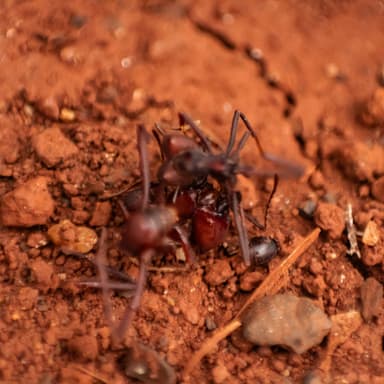
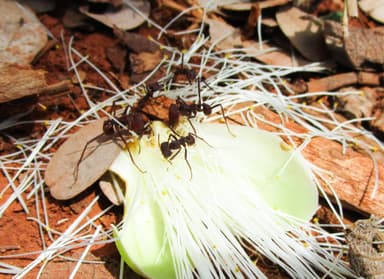
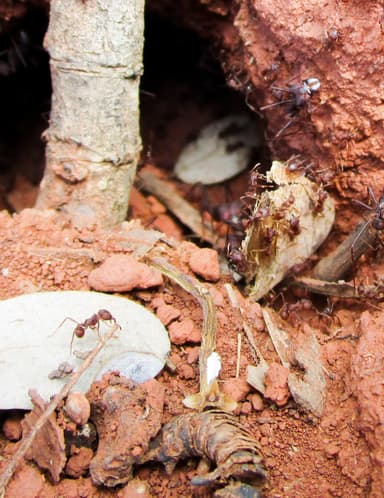
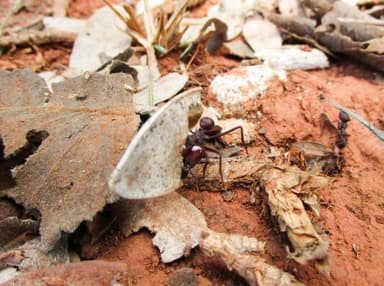
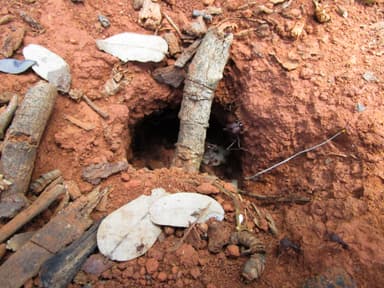
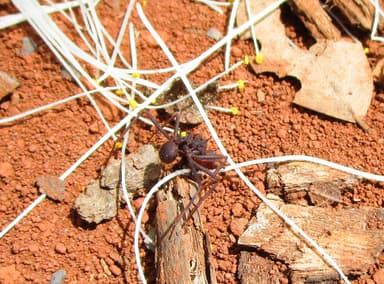
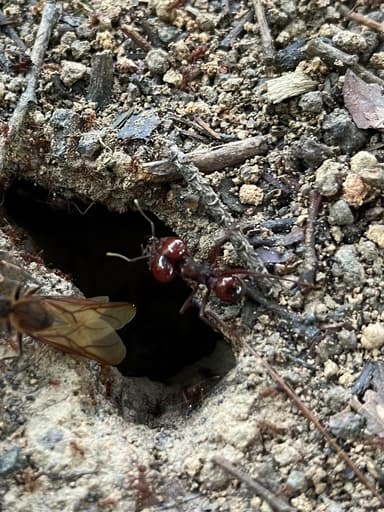
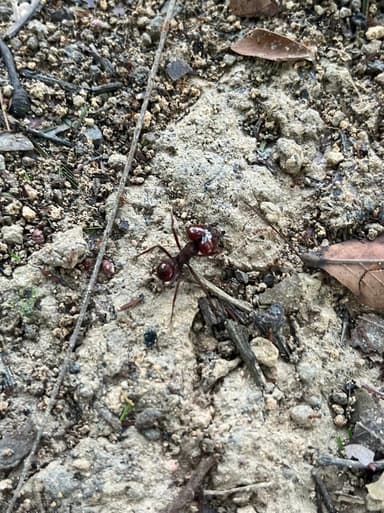
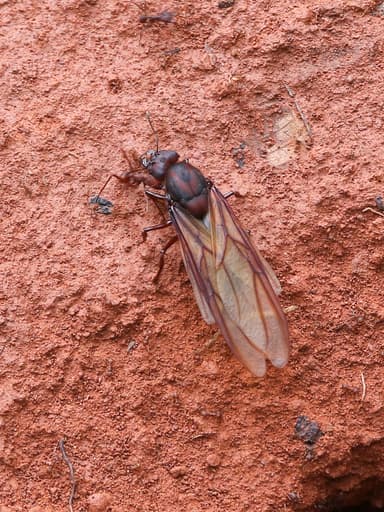
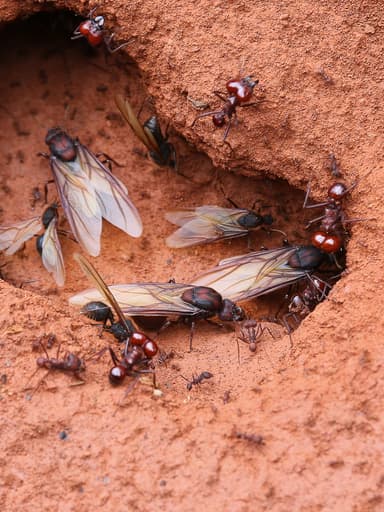
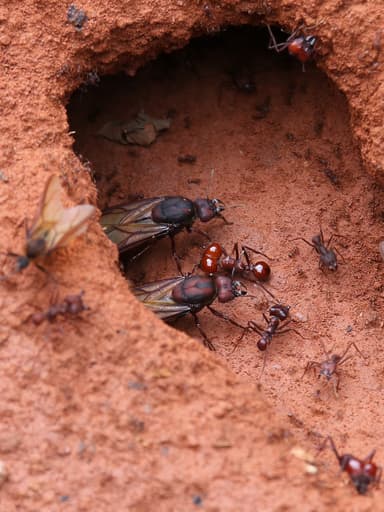
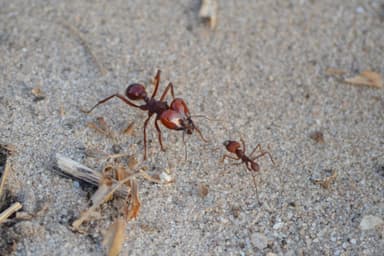
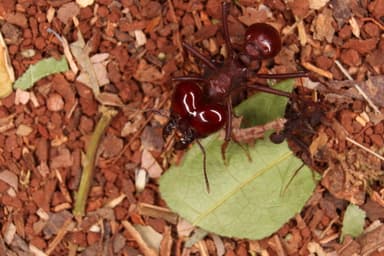
Atta laevigata, commonly known as the robust leafcutter ant, is one of the most impressive and challenging species to keep in captivity. Like other leafcutters, these ants are fungus farmers – they do not eat the leaves they cut, but instead use them as a substrate to cultivate a specialized fungus that serves as the colony’s sole food source. The colony displays pronounced polymorphism: the queen, measuring 22–25 mm, is the largest individual, while workers range from tiny 2 mm minors to massive soldiers up to 18 mm. These soldiers possess powerful mandibles and are responsible for nest defense and leaf processing. The sheer scale of a mature Atta laevigata colony – numbering up to a million workers – demands an extraordinary commitment from the keeper, both in space and in resources.
Care difficulty
Keeping Atta laevigata is strictly for advanced ant keepers. The difficulty lies not only in maintaining the large colony over years but in sustaining the symbiotic fungus garden. Temperature must be held steadily between 24–28°C, with humidity levels of 70–90%. The fungus requires a consistent supply of fresh, pesticide-free leaves – usually bramble, rose, or oak – and cannot tolerate drying out, overwatering, or sudden temperature swings. Even a short neglect period can cause the fungus to mold or die, leading to colony collapse. Additionally, the queen’s claustral founding means she does not need feeding during the first weeks, but once the first workers emerge, a steady supply of leaf material must begin immediately. Protein supplementation via insects or egg powder can help the colony grow, but the fungus remains the staple.
Housing
A formicarium for Atta laevigata must be spacious, with separate chambers for the fungus garden and waste disposal. The nest area should be kept dark, moist, and well-ventilated. Many keepers use acrylic or glass containers with a built-in heating cable and a substrate that holds moisture – such as clay or a sand-soil mix. A foraging arena with ample leaf sources is essential; ants will need to carry leaves through tubing into the nest. Because of their size and strength, all connections must be escape-proof. The colony will produce large amounts of exhausted fungus (waste) that must be removed regularly. A good rule is to monitor the humidity gauge daily: too wet and the fungus rots, too dry and it shrivels.
First days after purchase
Upon receiving your Atta laevigata colony, place the entire setup in a quiet, vibration-free location with stable temperature. Do not disturb the queen or fungus for at least a week. Offer small, tender leaves immediately – start with pre-washed bramble or rose leaves. Observe whether workers begin cutting and carrying them to the fungus. Avoid opening the nest frequently; instead, check through the glass. If the fungus looks fluffy and white, all is well. If it turns grey or black, reduce moisture and improve ventilation. Provide a water source (test tube or hydration station) in the foraging area. Patience is key – these ants are slow to settle, but once the fungus is established, the colony’s growth is spectacular.