Anoplolepis
Anoplolepis gracilipes
Care Guide
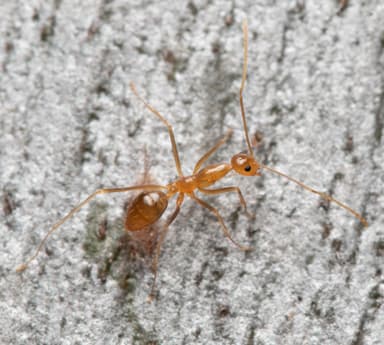
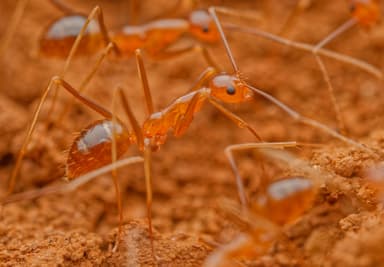
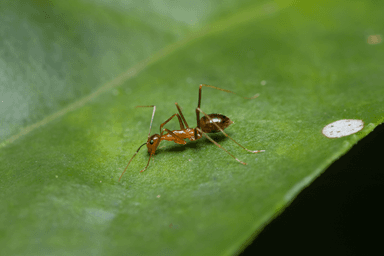
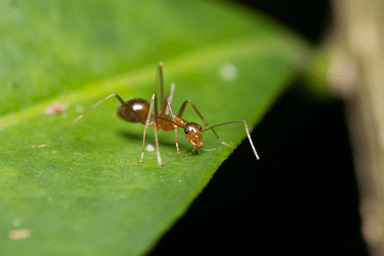
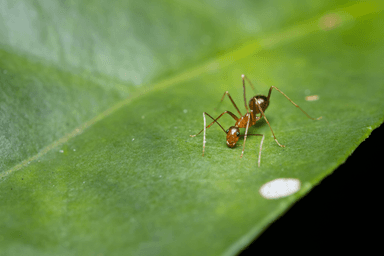
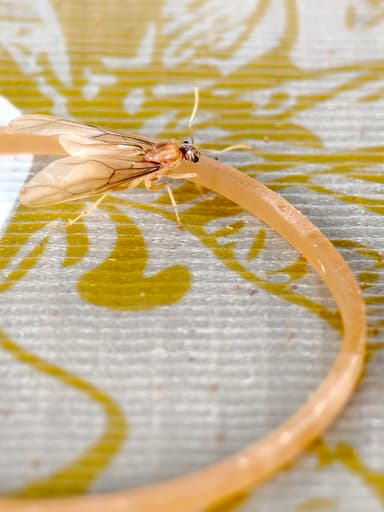
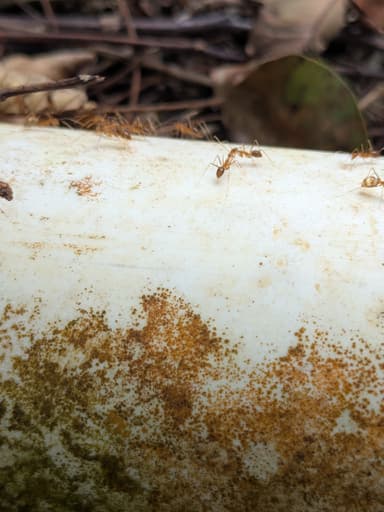
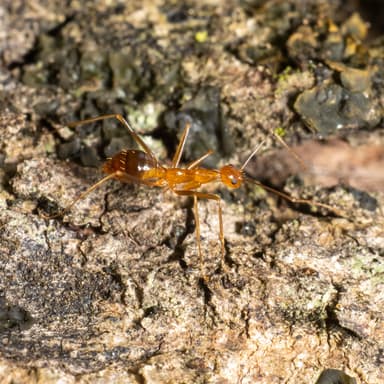
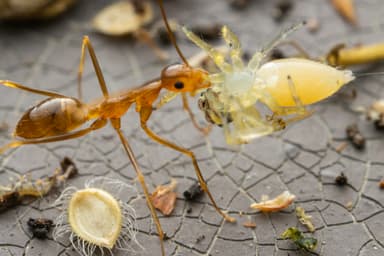
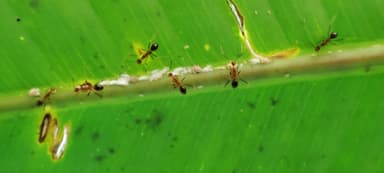
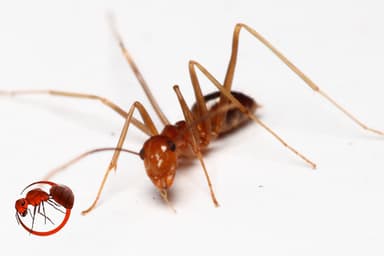
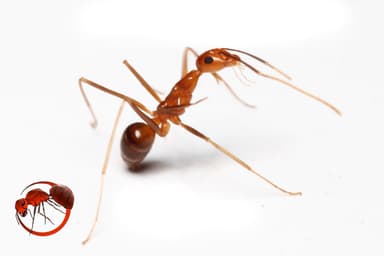
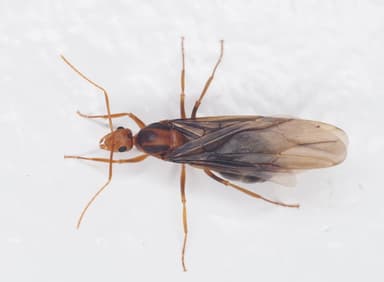
Anoplolepis gracilipes, commonly known as the yellow crazy ant, is a species defined by its frenetic energy and overwhelming numbers. Workers are slender, uniformly yellow-brown, and measure around 3–4.5 mm, while the queens are slightly larger at 5–7 mm. Unlike many ants, they show no significant polymorphism—all workers look similar, but what they lack in size difference they make up for in sheer speed and coordination. Their common name comes from the erratic, rapid movements they display when disturbed, a behavior that can be startling to observe. Colonies are among the largest in the ant world, regularly reaching 100,000 to half a million workers, and in their invasive range they form supercolonies spanning kilometers. This species is semi-claustral, meaning the queen must forage during the founding stage, which adds a layer of challenge for the keeper.
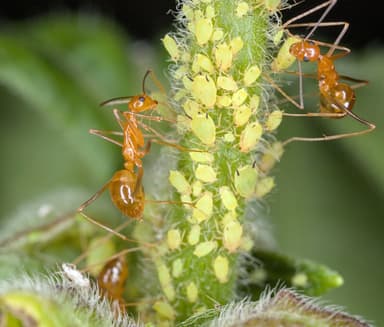
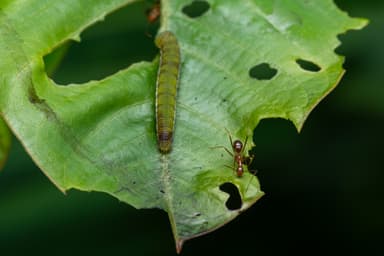
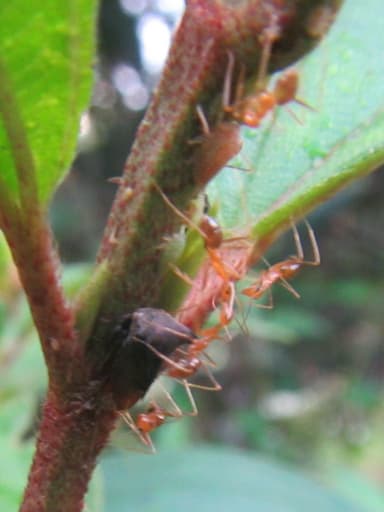
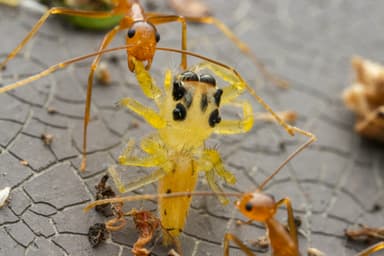
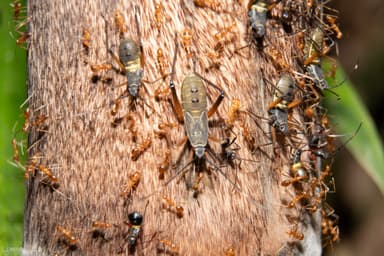
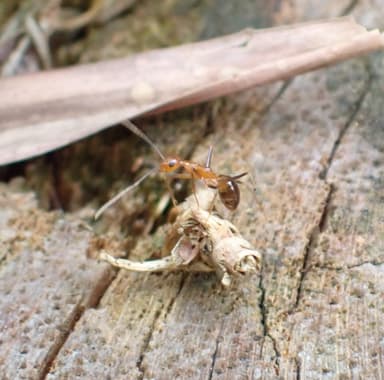
The foraging strategy of Anoplolepis gracilipes is relentless. These ants are omnivorous scavengers and predators, with a particular fondness for sweet foods. In addition to hunting insects, they tend honeydew-producing insects like aphids and scale insects, and they eagerly accept sugar water and ripe fruit in captivity. Their appetite is matched only by their ability to recruit huge numbers of workers to a food source in minutes. In the wild, they are infamous for displacing native fauna and even causing ecological changes, so responsible keeping is essential—escape-proof setups are non-negotiable.
Care difficulty
Keeping Anoplolepis gracilipes is considered advanced. Their enormous colony size demands a spacious and well-sealed formicarium, and their high metabolic rate means they require constant feeding. Any lapse in food supply or humidity can lead to colony crashes. They also have a strong tendency to escape through the smallest gaps, so silicone seals and fluon or oil barriers are a must. This species does not hibernate, allowing year-round growth, but that also means no winter break for the keeper.
Housing
Provide a nest with high humidity—between 70 and 90 percent—and maintain temperatures of 25–30°C. A substrate that retains moisture, such as cocopeat or plaster, works well, but ensure good ventilation to prevent mold. The outworld should be large enough to accommodate thousands of foraging ants and must include a water source and feeding area. Because they are extremely sensitive to desiccation, the nest itself should be kept in a warm, humid microclimate, ideally with a heat mat on one side to create a gradient.
First days after purchase
Upon receiving your colony, place the container in a quiet, warm spot and allow the ants to decompress for 24 hours. Offer a drop of sugar water and a small insect to gauge their appetite. Avoid disturbing them while they establish themselves in their new nest. Monitor humidity closely—if the nest dries out, the ants will become stressed and may abandon their brood. Patience is key: once settled, you’ll be rewarded with one of the most dynamic and impressive ant-keeping experiences available.