Tetramorium
Tetramorium immigrans
Nuptial Flight Calendar
Flight months: May, Jun, Jul, Aug
Care Guide
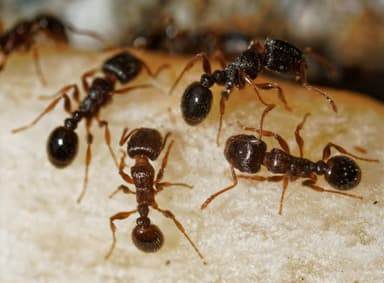
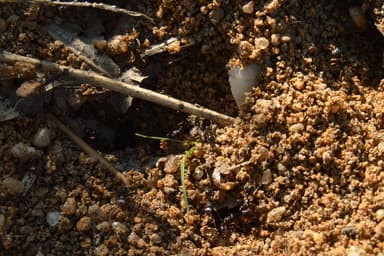
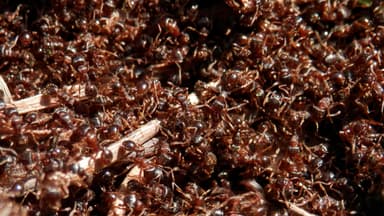
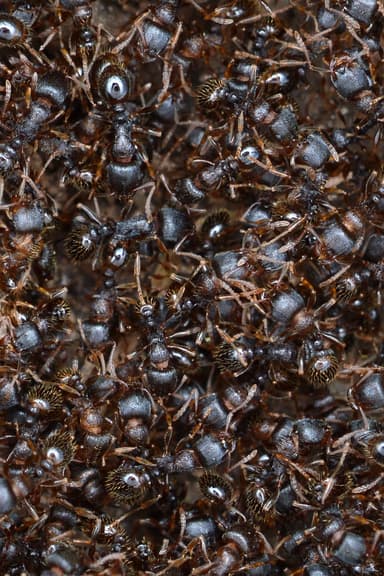
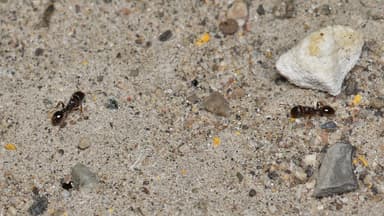
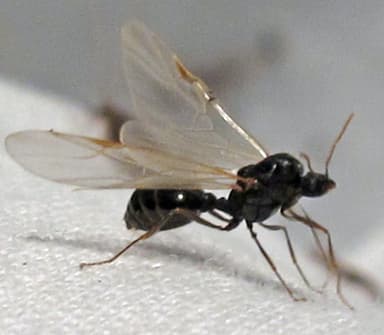
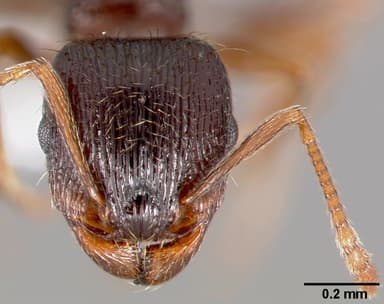
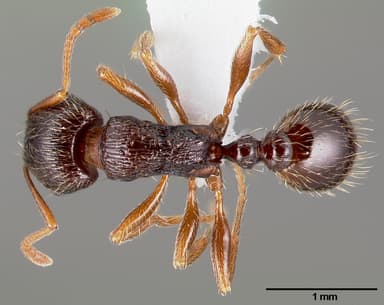
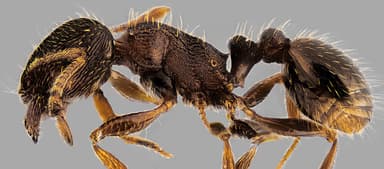
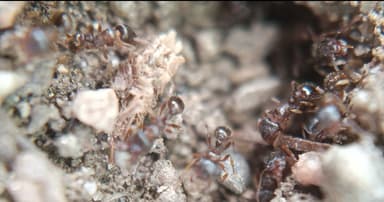
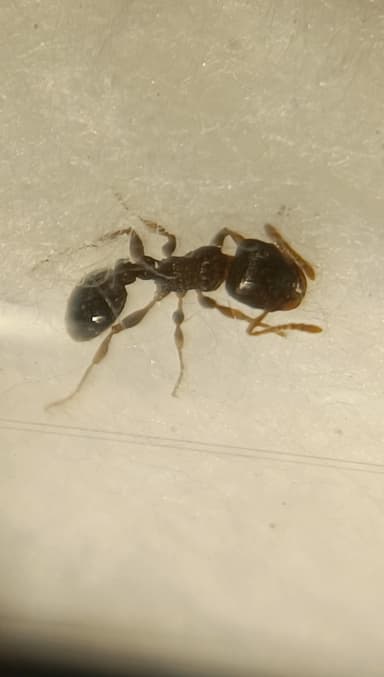
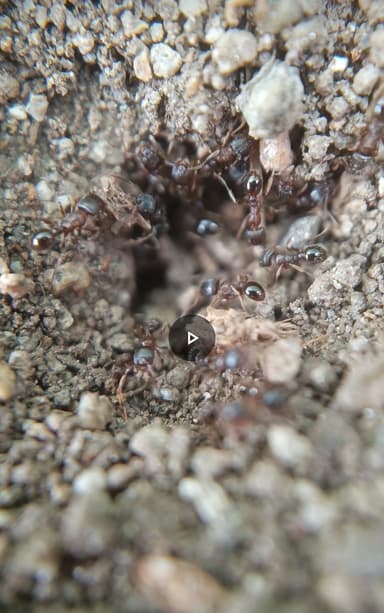
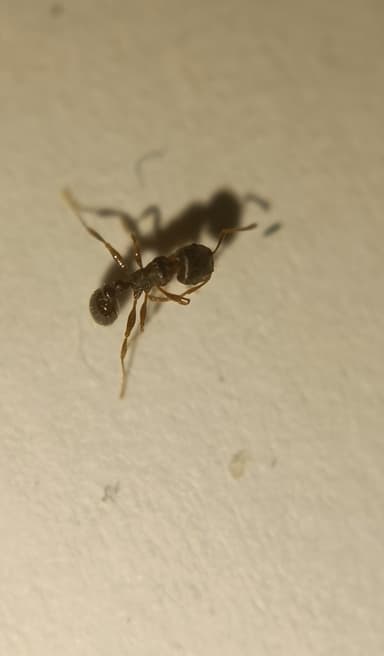
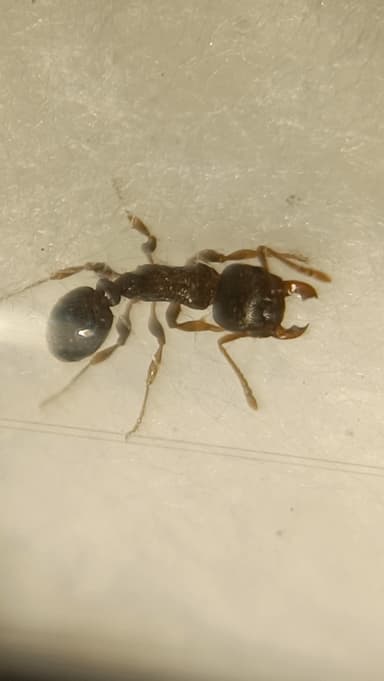
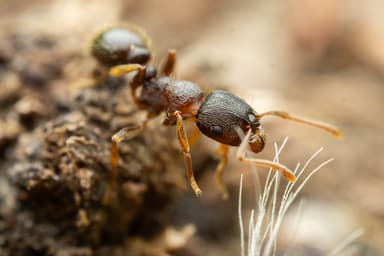
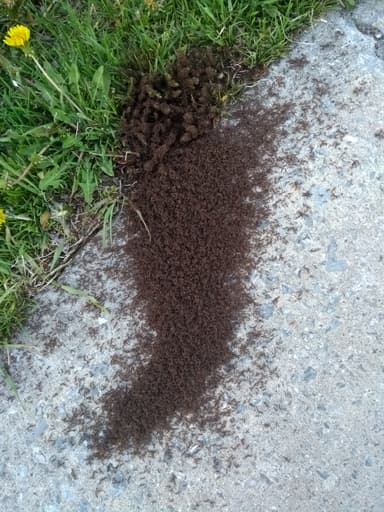
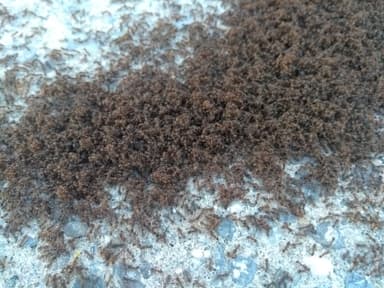
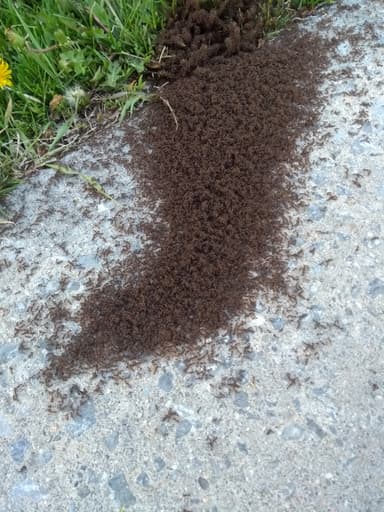
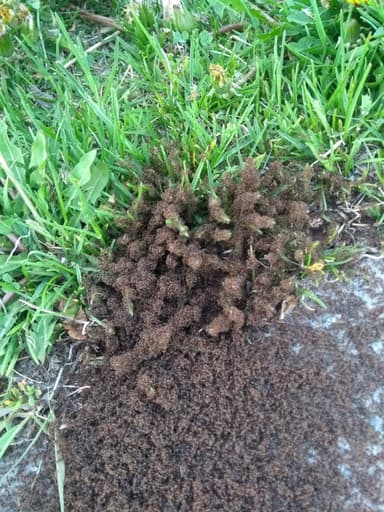
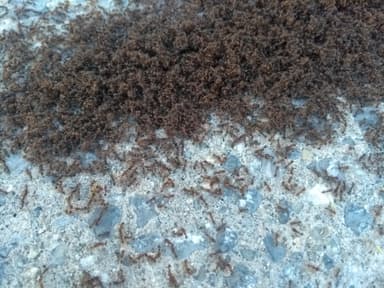
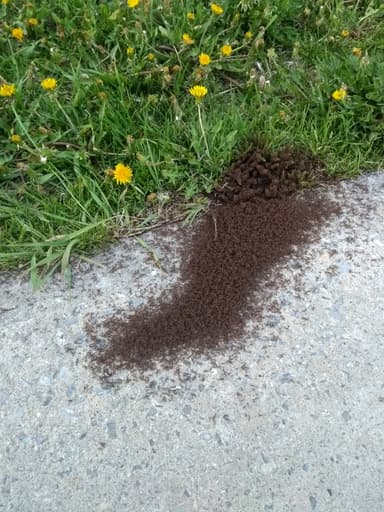
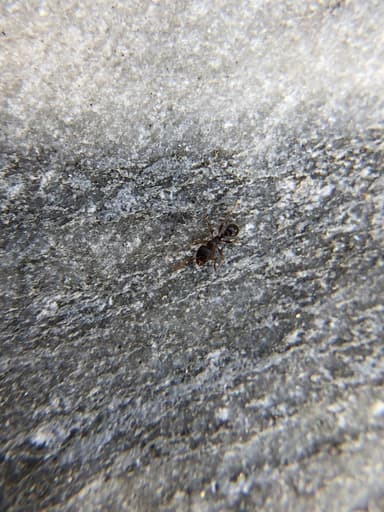
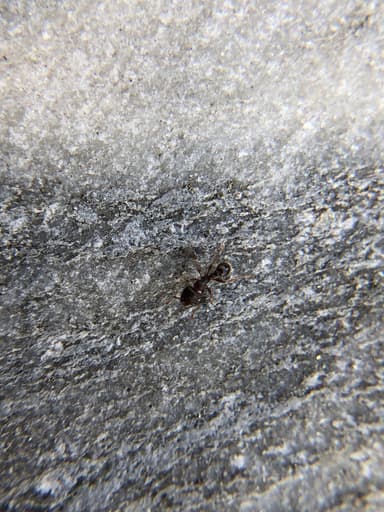
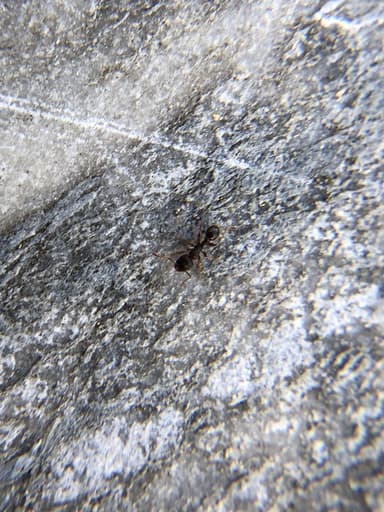
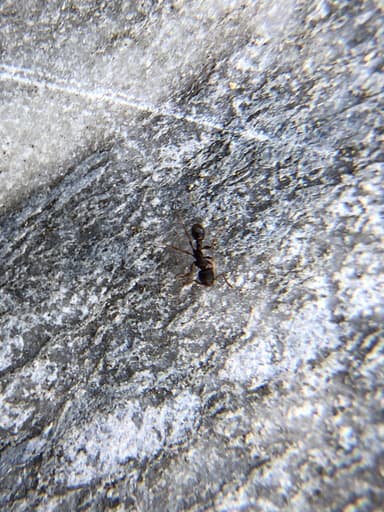
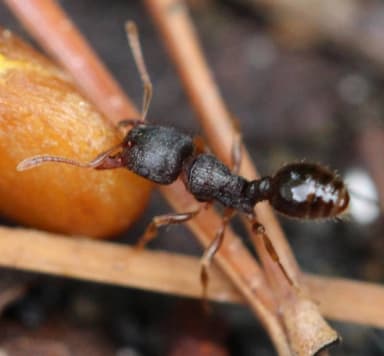
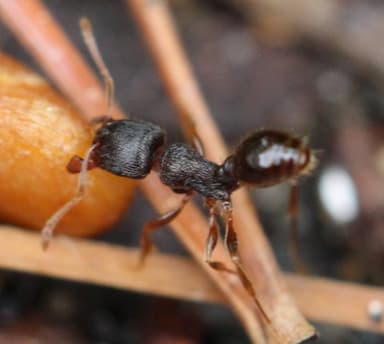
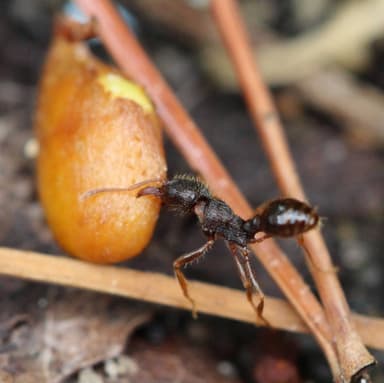
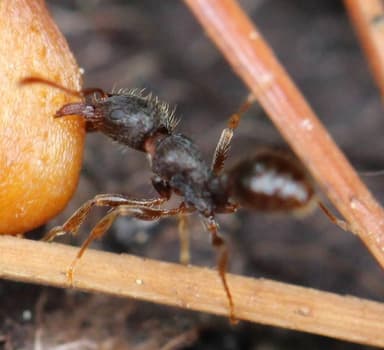
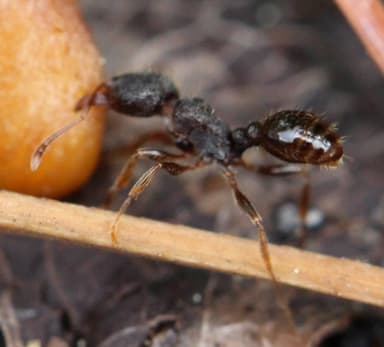
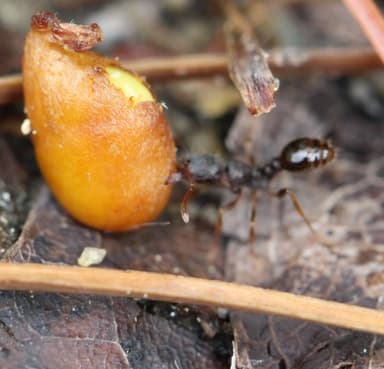
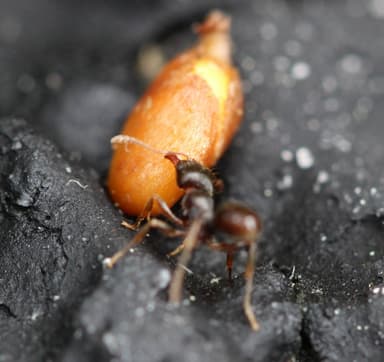
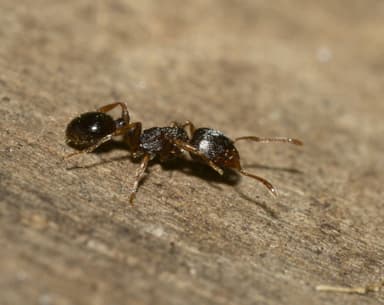
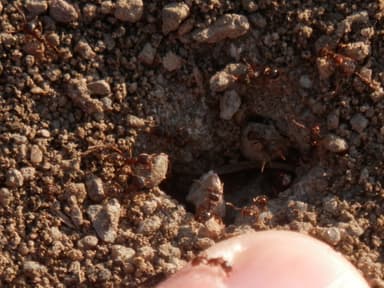
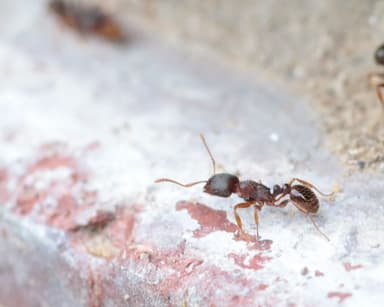
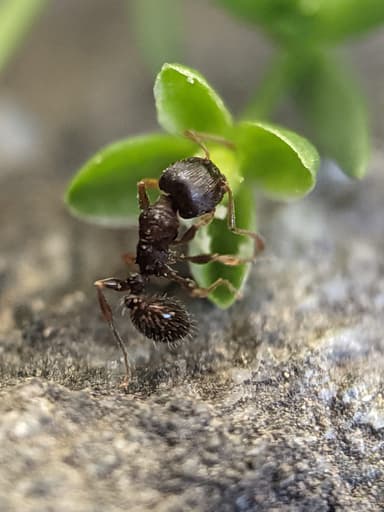
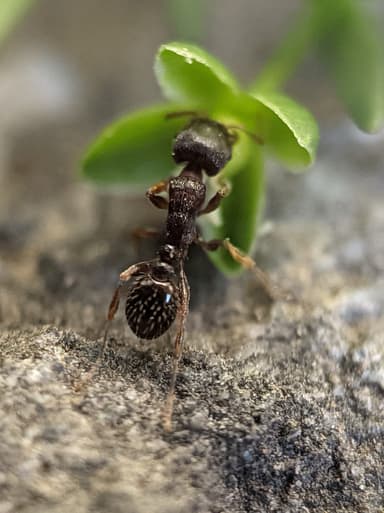
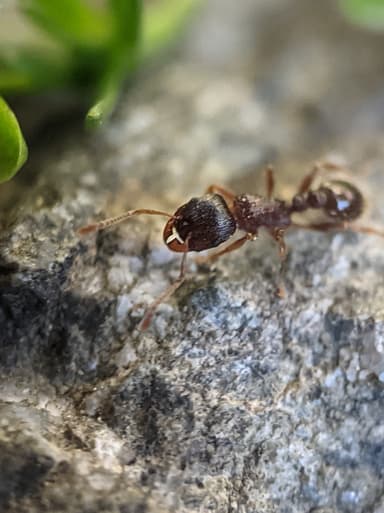
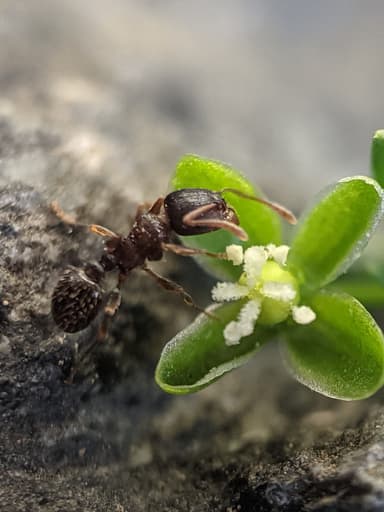
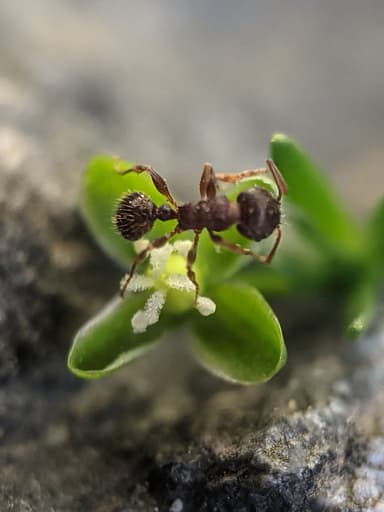
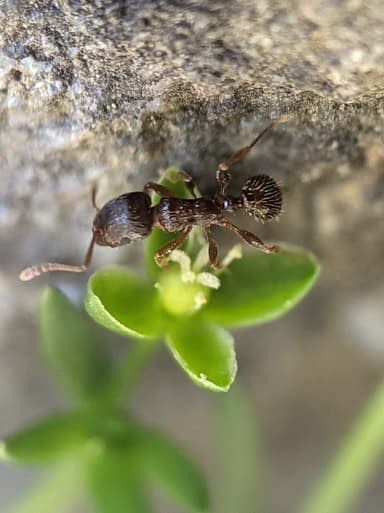
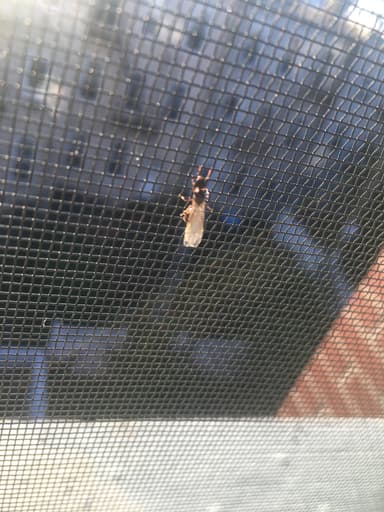
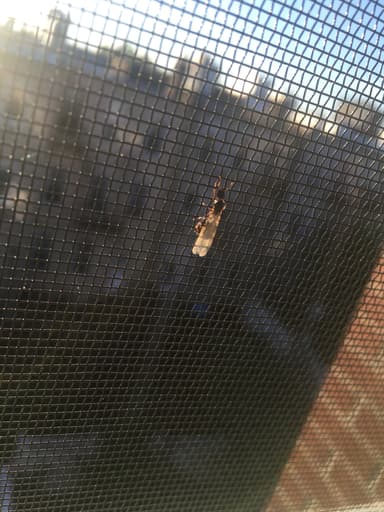
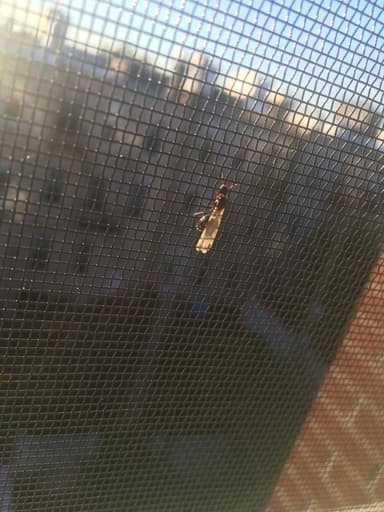
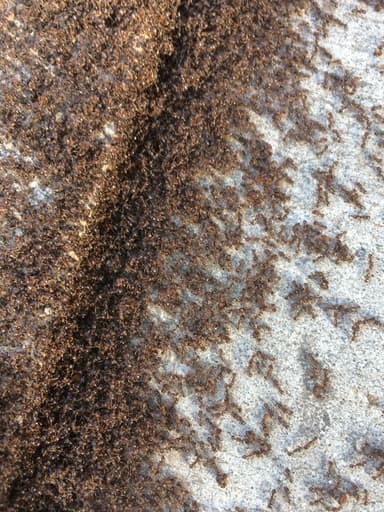
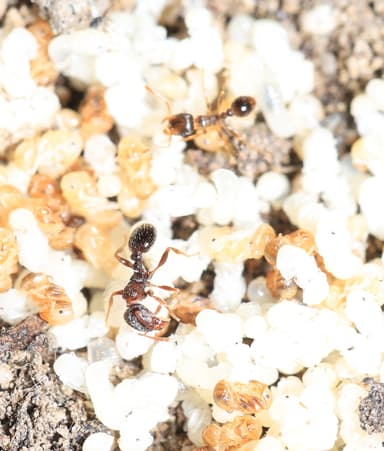
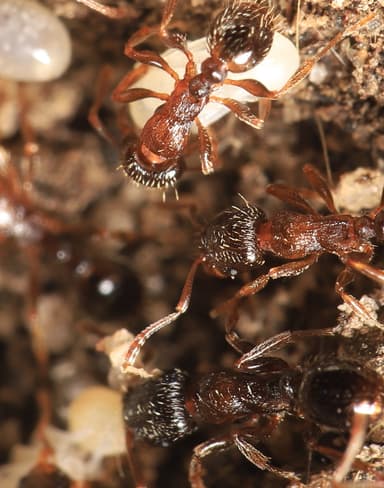
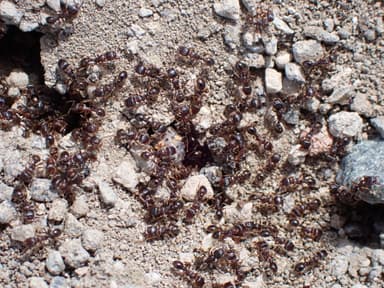
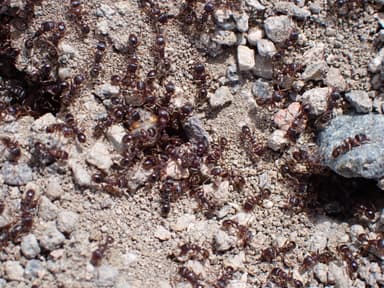
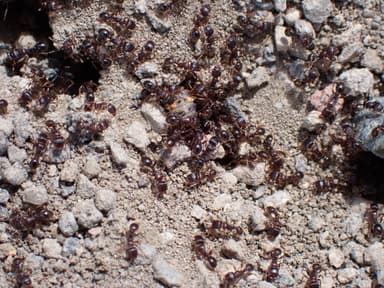
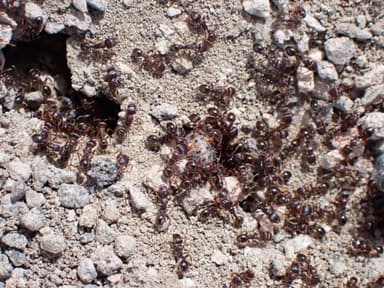
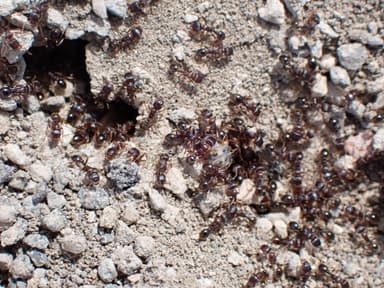
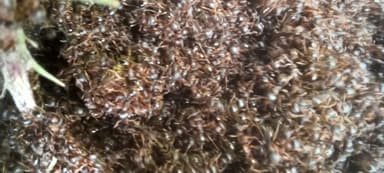
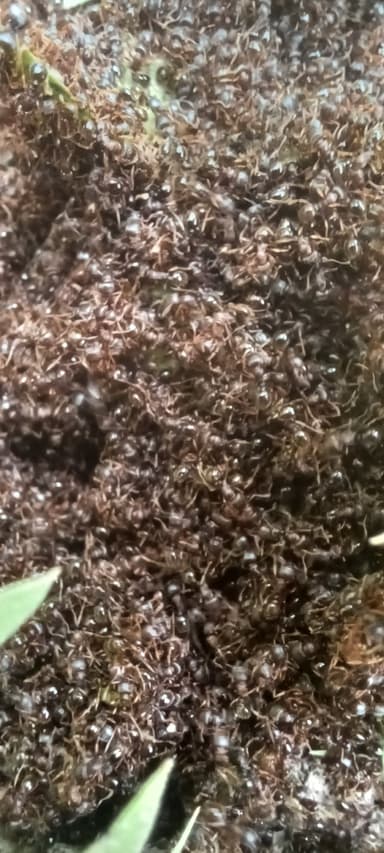
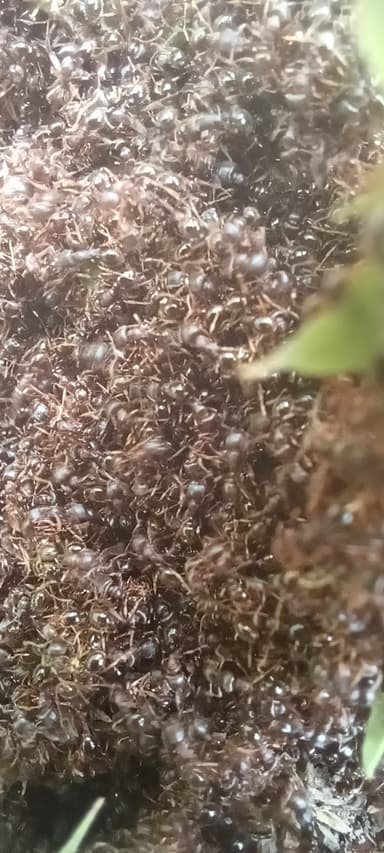
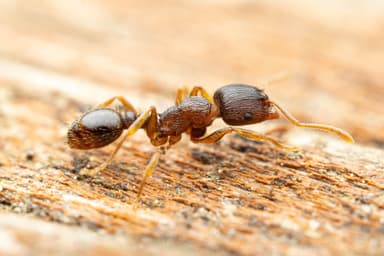
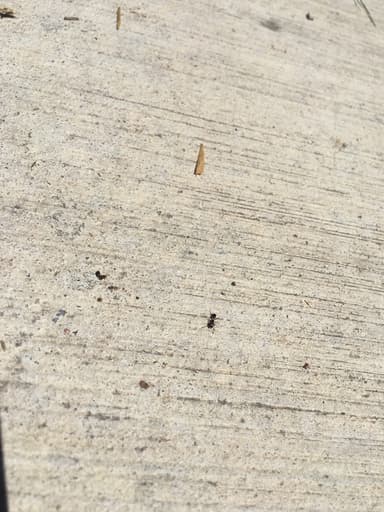
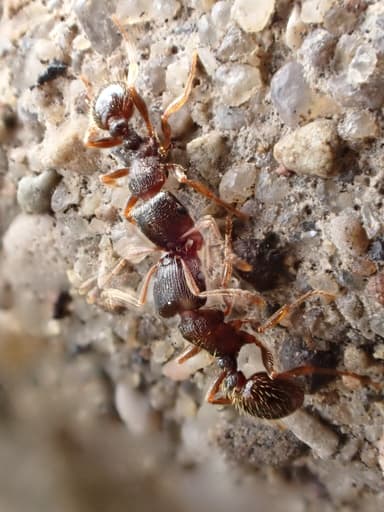
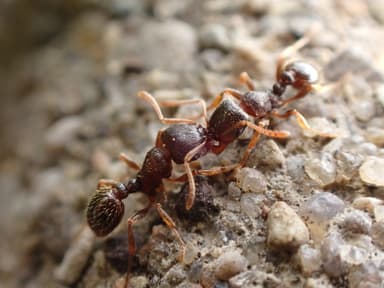
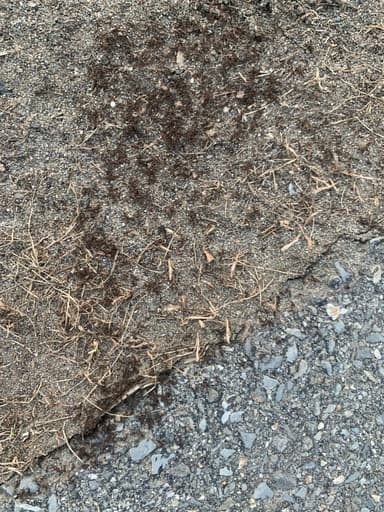
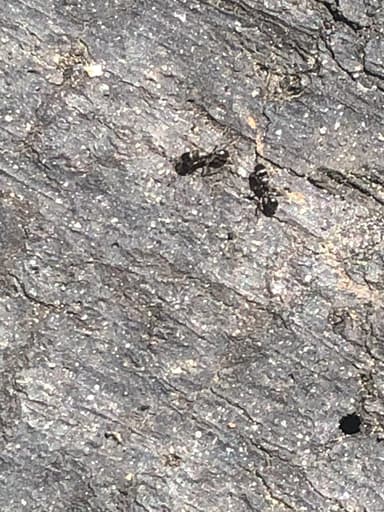
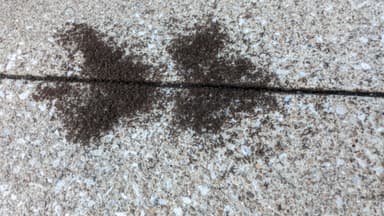
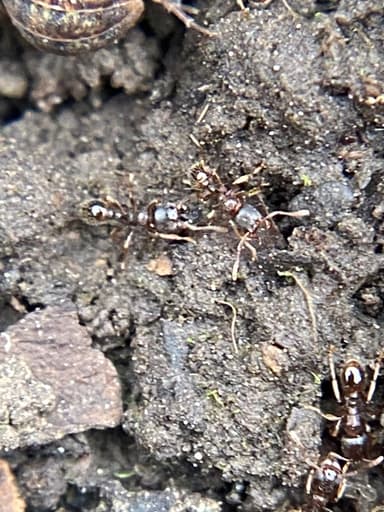
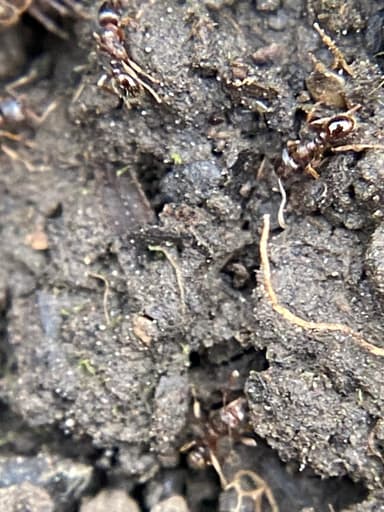
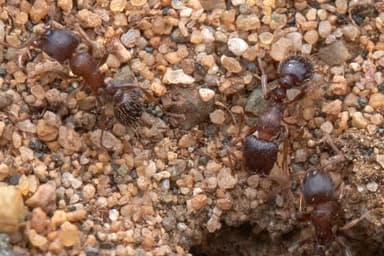
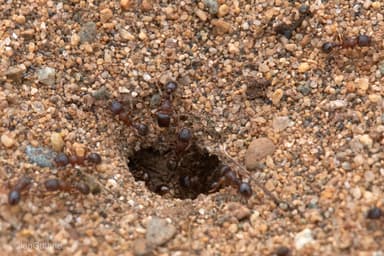
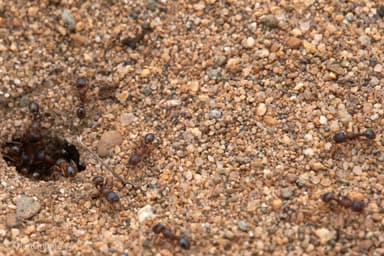
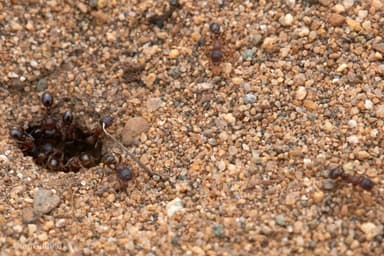
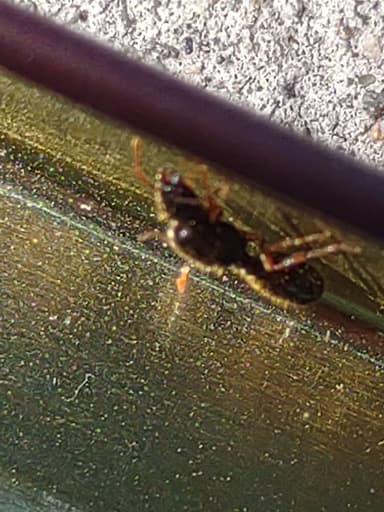
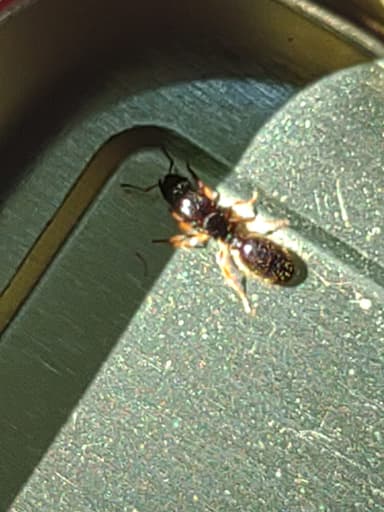
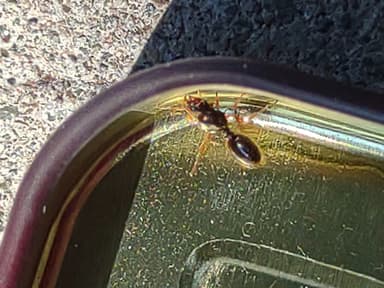
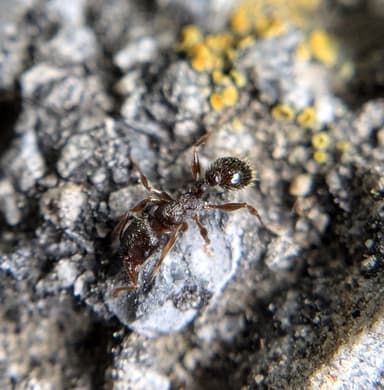
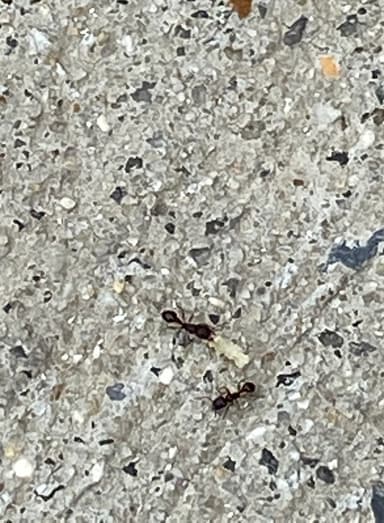
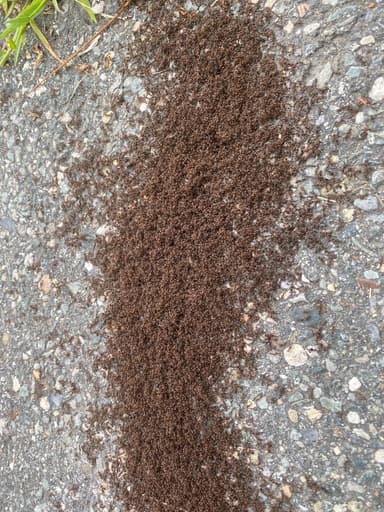
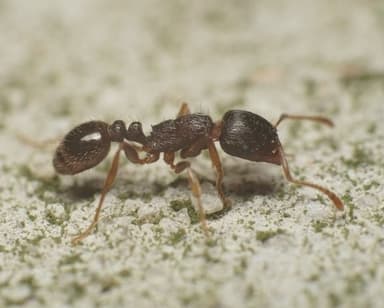
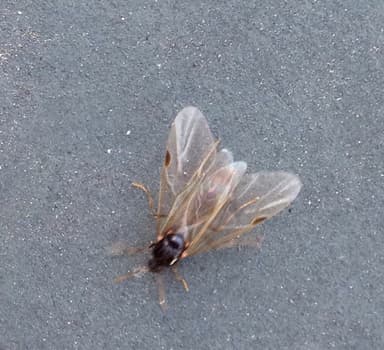
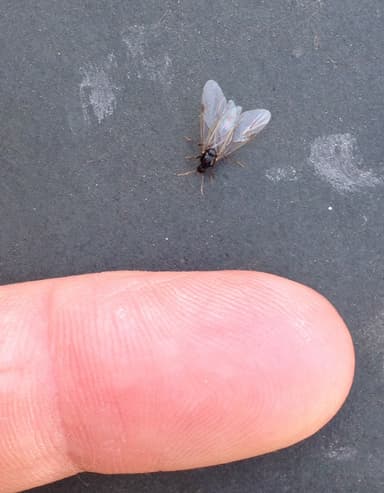
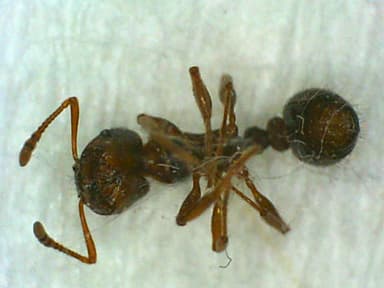
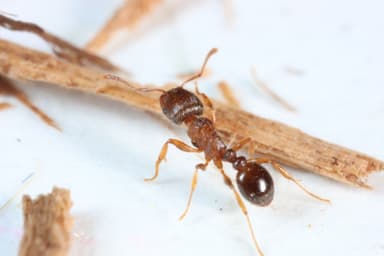
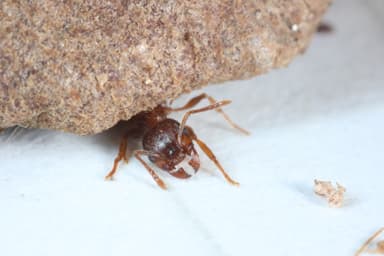
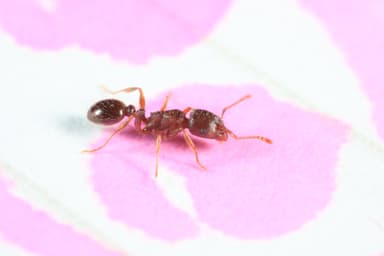
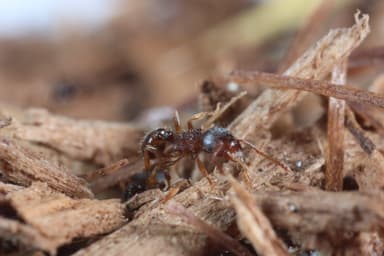
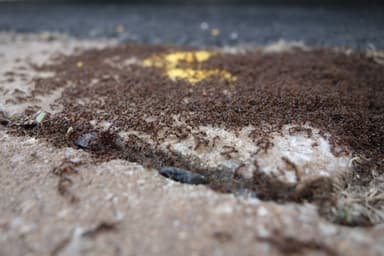
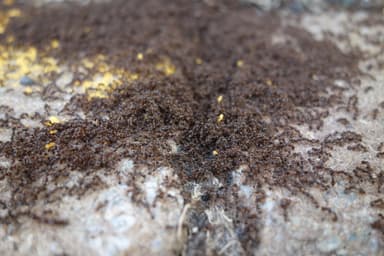
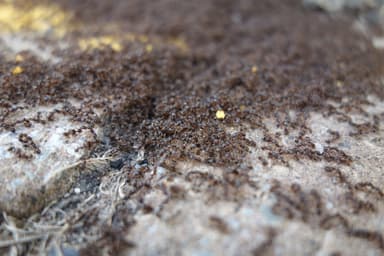
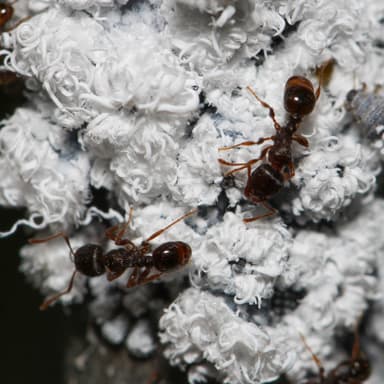
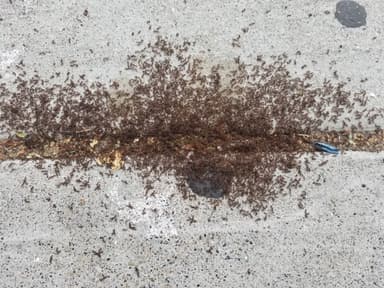
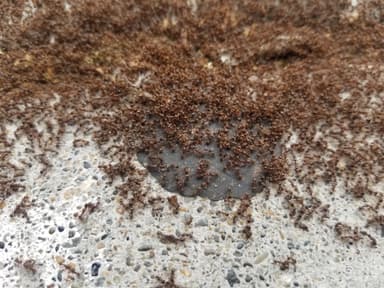
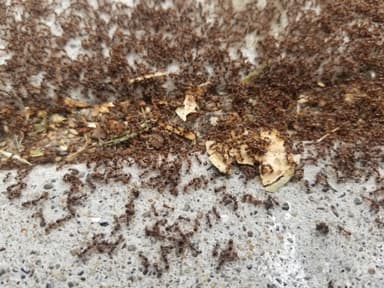
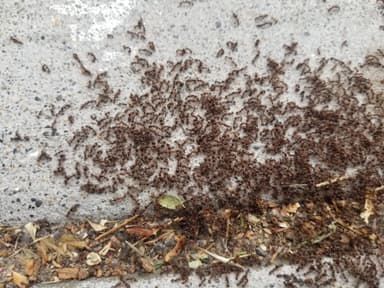
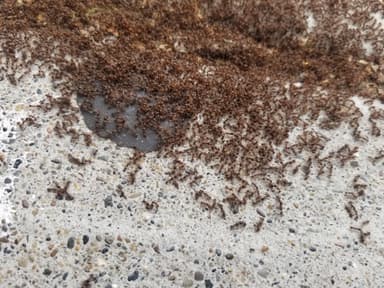
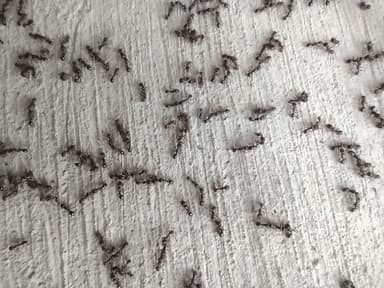
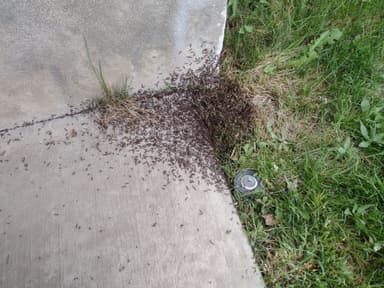
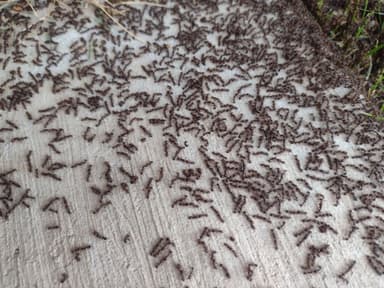
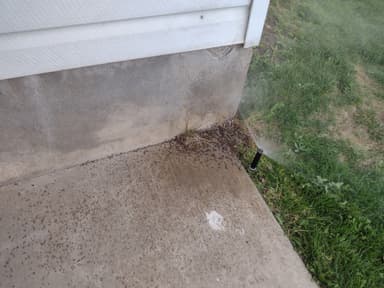
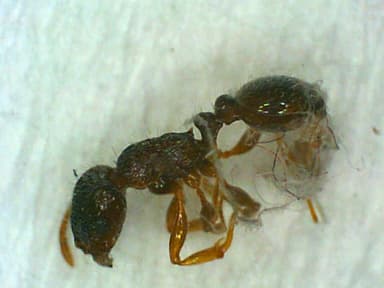
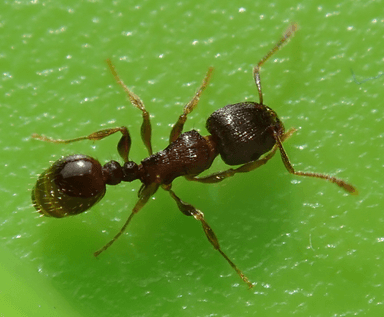
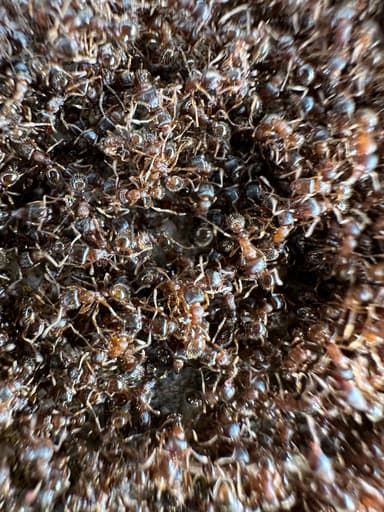
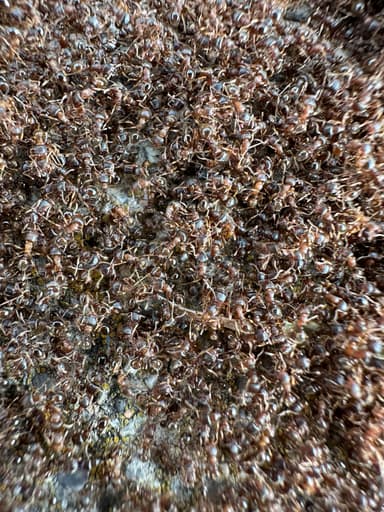
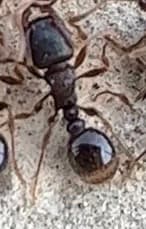
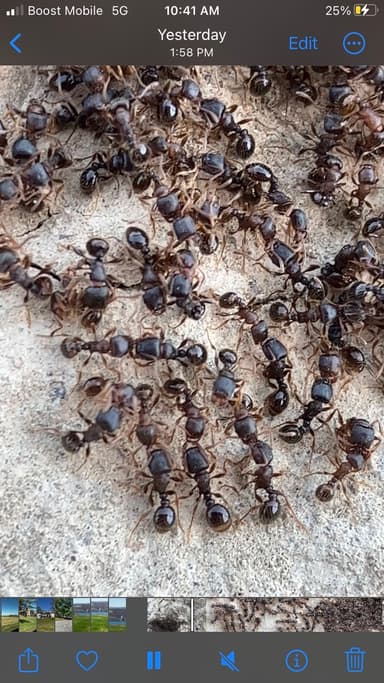
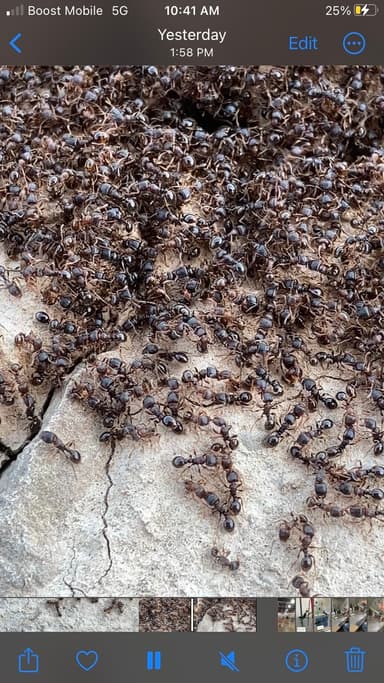
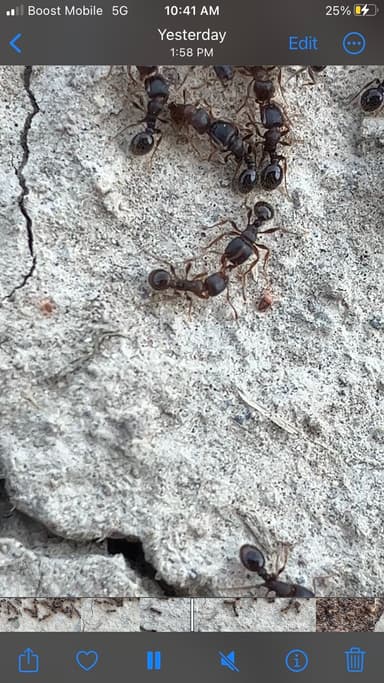
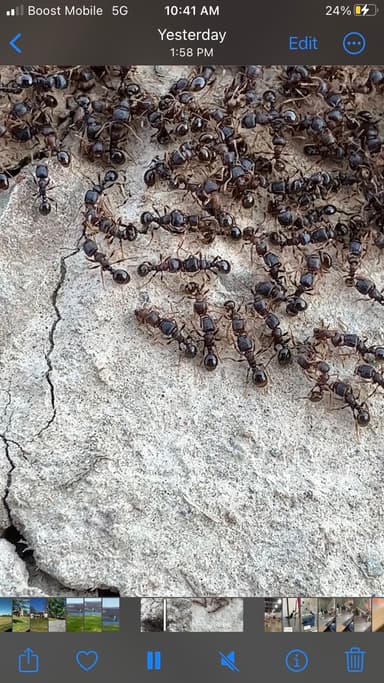
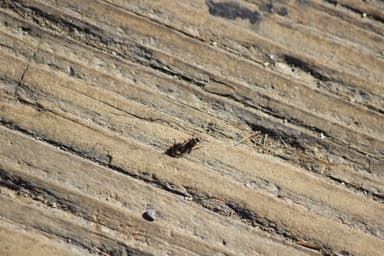
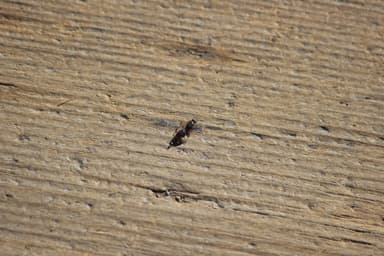
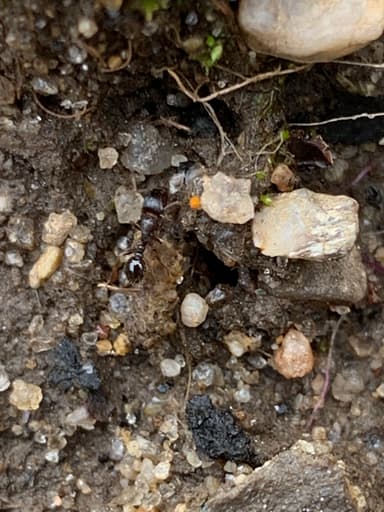
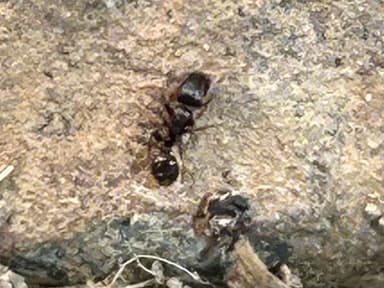
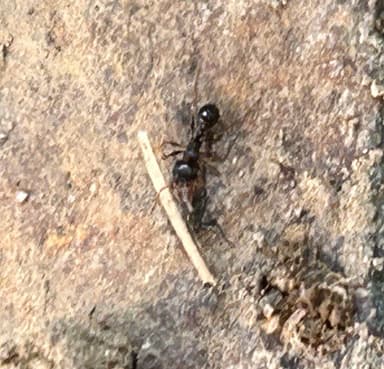
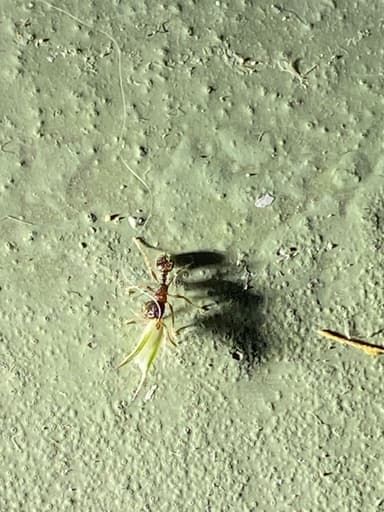
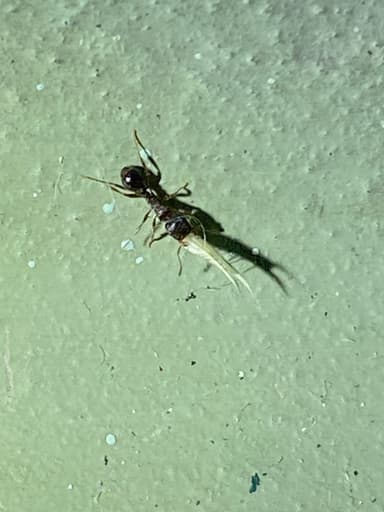
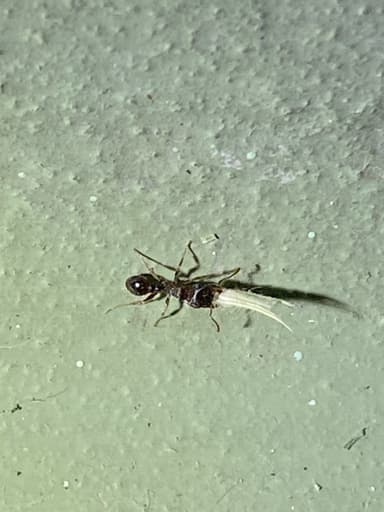
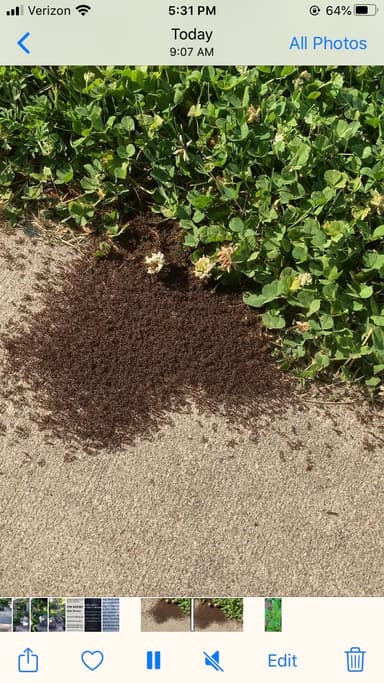
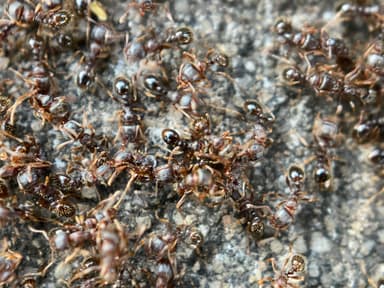
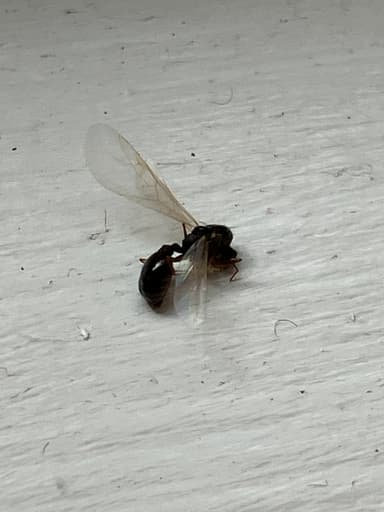
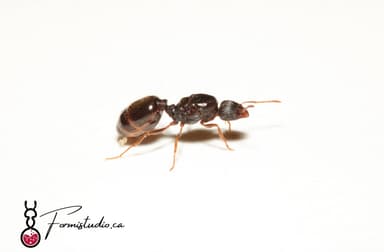
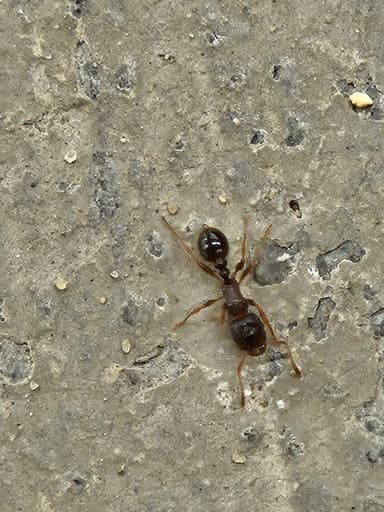
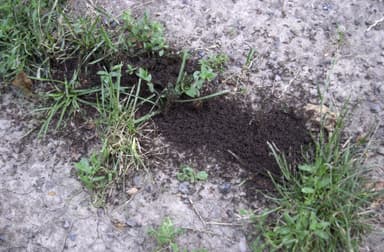
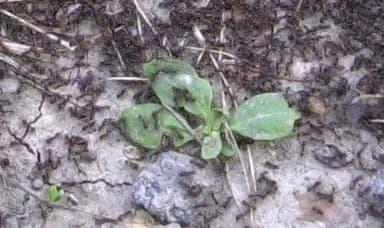
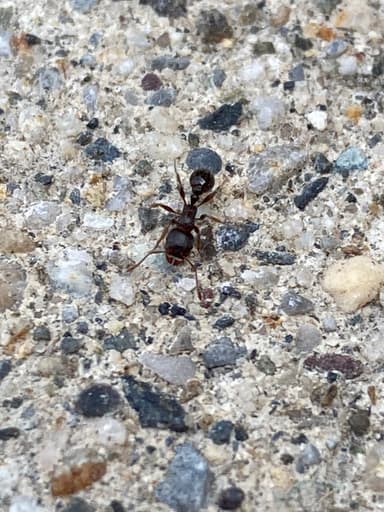
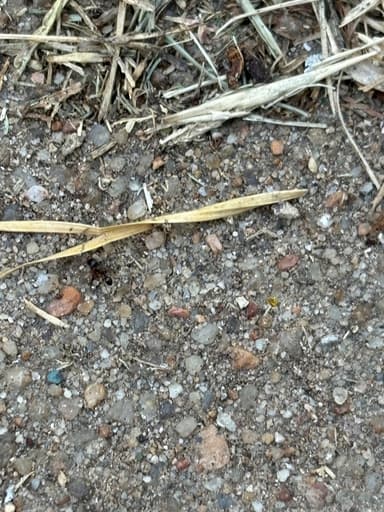
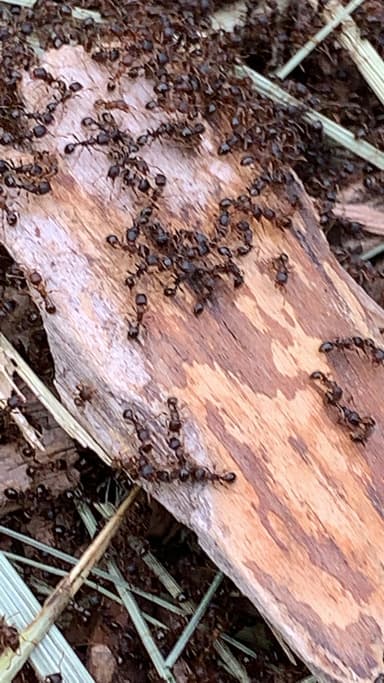
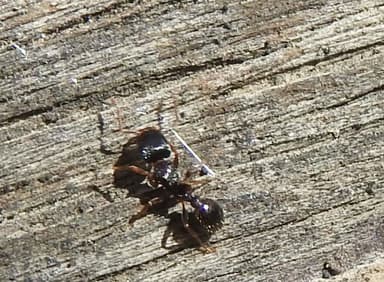
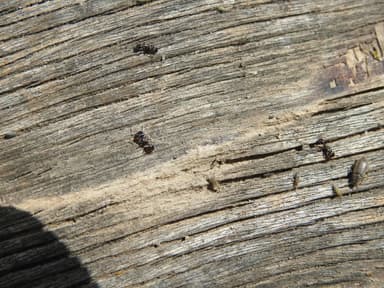
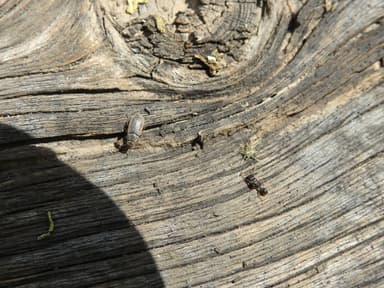
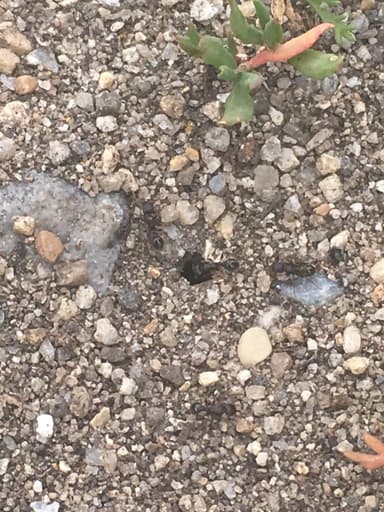
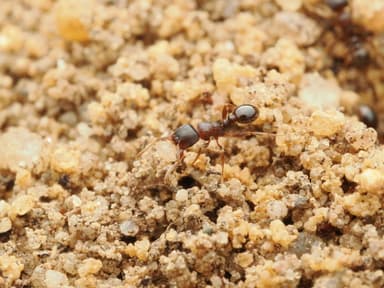
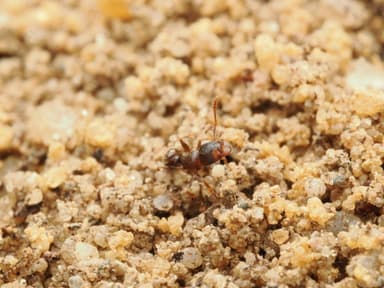
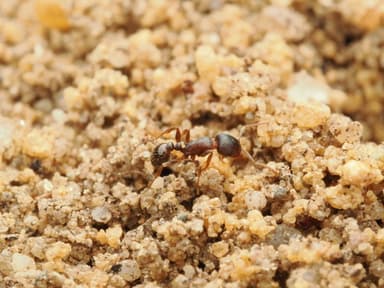
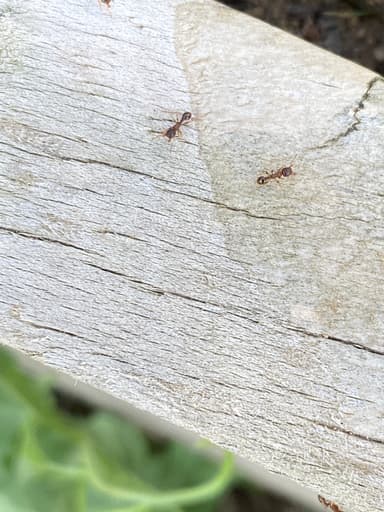
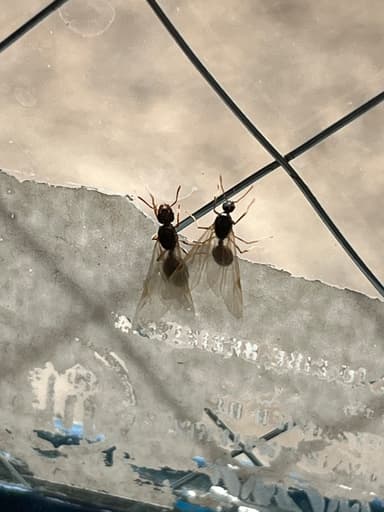
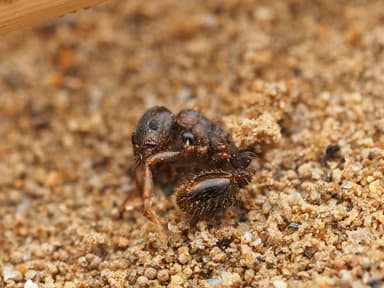
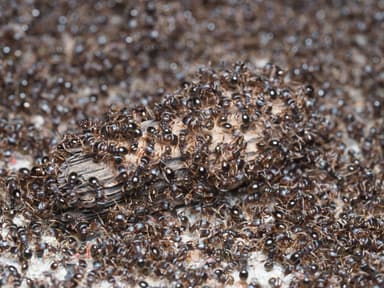
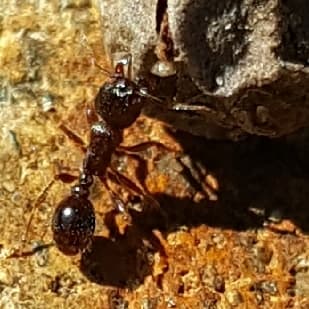
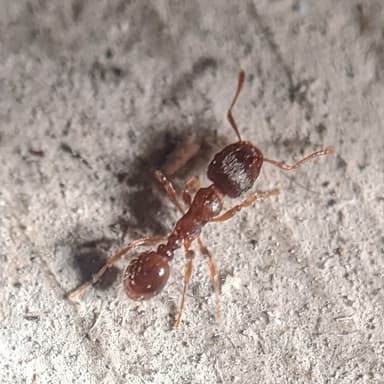
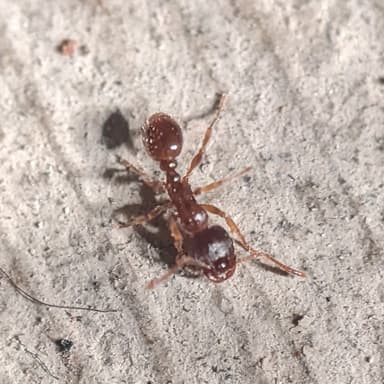
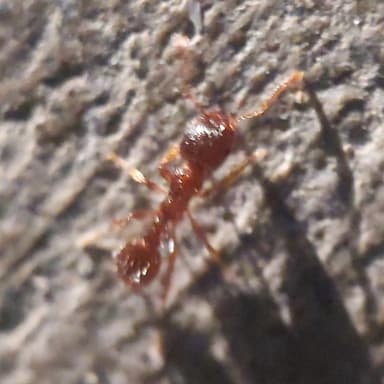
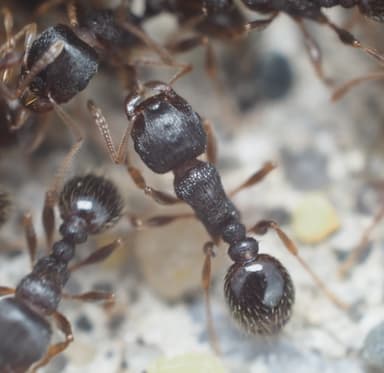
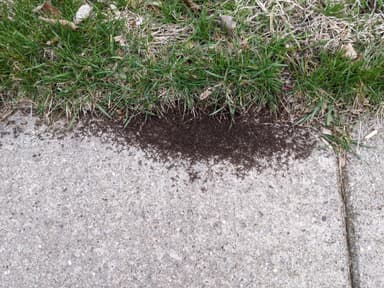
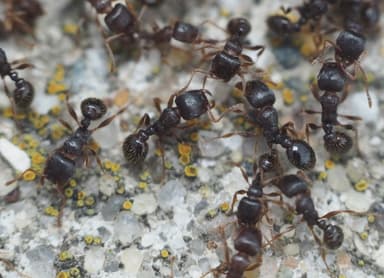
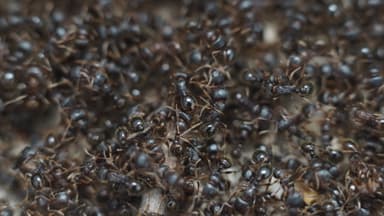
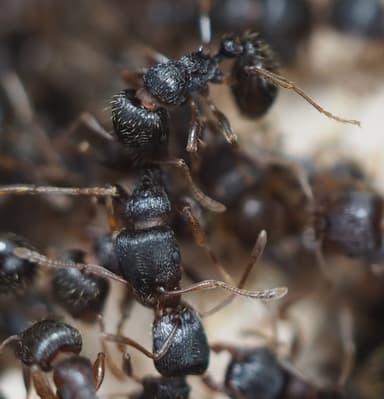
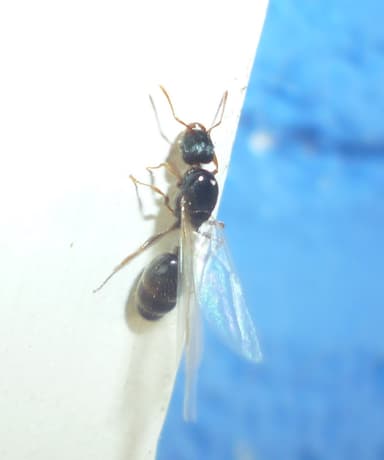
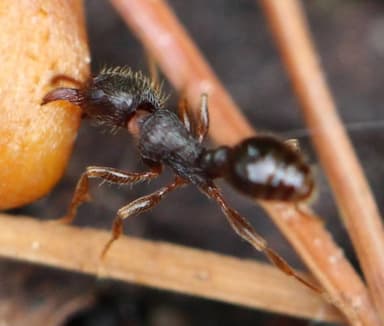
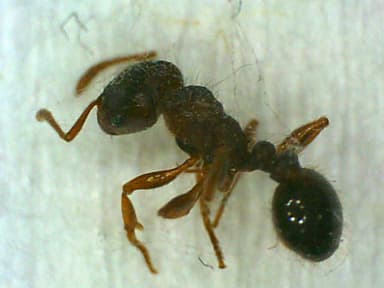
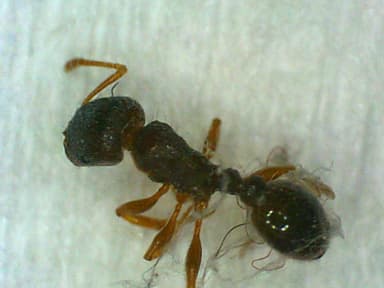
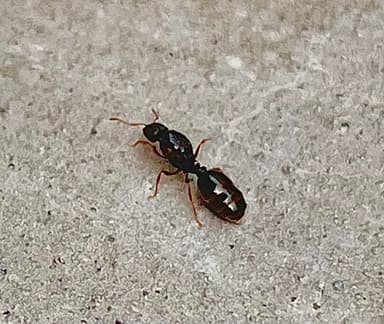
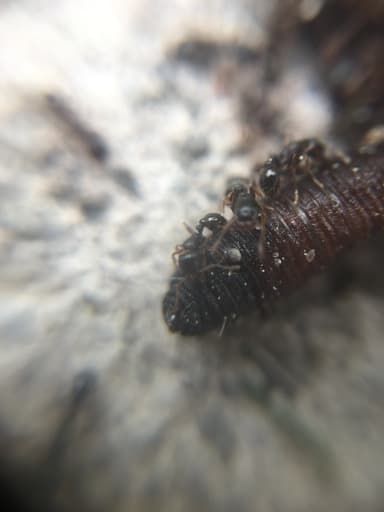
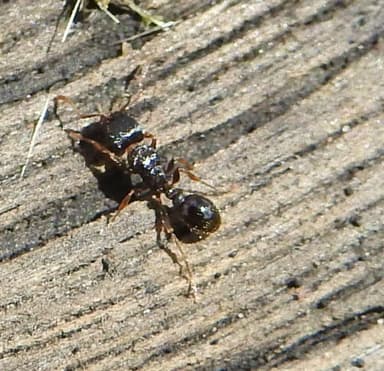
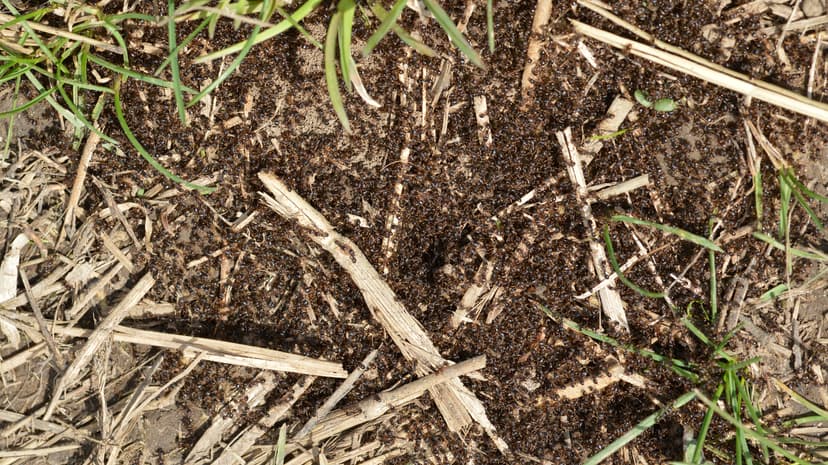
The pavement ant, Tetramorium immigrans, is a small but enormously charismatic species that has become a staple of the hobby on both sides of the Atlantic. Workers range from just 2.5 to 4 mm, while the queen is noticeably more robust at 7 to 9 mm. Their monomorphic minor workers are uniformly dark brown to black, with a shining cuticle and distinctive parallel ridges running along the head and thorax — a feature that helps distinguish them from close relatives in the taxonomically tangled Tetramorium caespitum complex (Wagner et al. 2017). Each colony revolves around a single claustral queen, who raises her first brood in seclusion; over two or three years the population can balloon to 30,000 individuals, creating a bustling metropolis that hums with constant foraging activity. Native to Central and Southern Europe, the species was accidentally introduced to North America, where it now thrives in urban and suburban soils from the East Coast to the Great Plains and beyond (GBIF occurrence data highlights abundant records in this transcontinental range). Nuptial flights occur on warm, humid afternoons from June through August, typically after rainfall and when temperatures sit between 25 and 30°C, making the summer months a prime time for founding new queens. What really endears T. immigrans to keepers is its fearless, almost pugnacious character: these ants are notorious for epic territorial wars with neighboring colonies, visible as churning masses of workers locked in mortal combat on footpaths and driveways, a spectacle that, in a contained setting, never fails to impress.
With a care difficulty rated as beginner, Tetramorium immigrans is arguably the perfect introductory species for anyone new to ant keeping. Its near-indestructible colonies forgive a multitude of minor husbandry mistakes — a missed feeding, a brief humidity dip, a slightly suboptimal temperature — and the queen’s claustral foundation means no complicated initial feeding schedule is required. Because workers are small and monomorphic, you won’t need to juggle multiple nest chamber sizes or worry about the specialised dietary needs that come with physical caste systems. This species suits anyone from a curious child (with adult supervision) to an experienced keeper seeking a low-maintenance, fast-growing display. The main practical consideration is their Houdini-like escape instinct: they are spectacular climbers, so a PTFE or olive oil barrier applied around the perimeter of the foraging arena is non-negotiable. Once that is in place, however, the colony is a dependable and rewarding subject.
Housing a pavement ant colony successfully is a matter of balancing moderate warmth, ventilation, and a substrate that allows their natural digging urges to be expressed. A temperature range of 20 to 28°C is ideal, with the warmer end accelerating brood development and foraging eagerness; a simple heating mat or cable applied to one side of the nest provides a gradient from which workers can self-select. Humidity inside the nest should hover between 40 and 60%, well within the range of a standard water tower or plaster nest kept lightly moistened — too wet and you’ll invite mites and fungus, too dry and brood can desiccate. Although they can live happily in an acrylic or 3D-printed nest from the start, offering a naturalistic soil or sand-clay mix in a classic dirt setup unleashes their most endearing behaviours: constant tunnelling, chamber excavation, and refuse piling. Regardless of nest type, include a foraging arena with a thin layer of sand or grout; they will use it to deposit debris, and it simplifies cleaning. Escape-proofing the arena with a top rim of fluon is essential, as these ants will test every millimetre of possible egress.
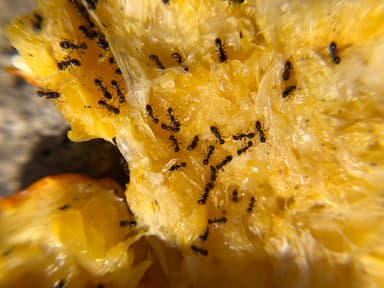
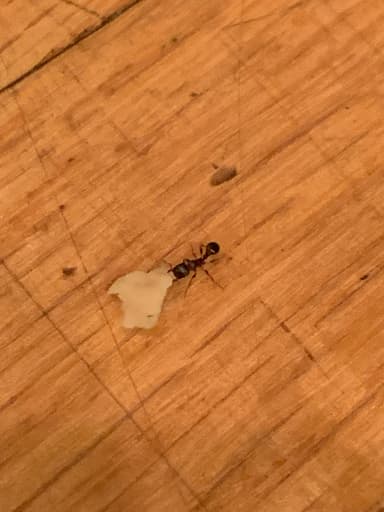
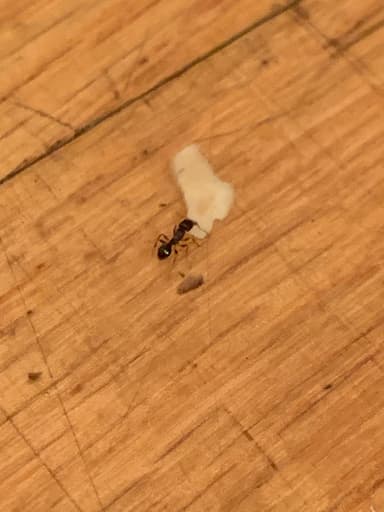
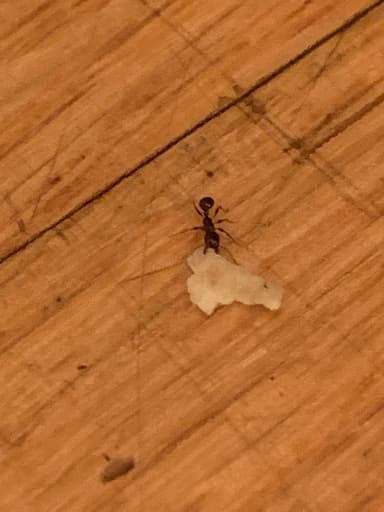
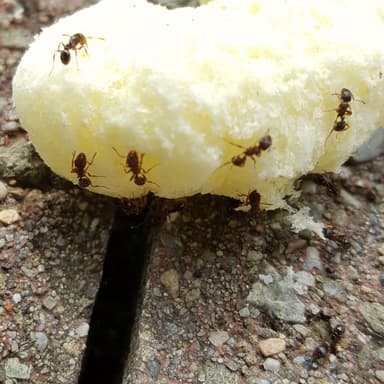
Feeding Tetramorium immigrans is exceptionally straightforward. As omnivores, they relish protein in the form of freshly killed mealworms, crickets, or fruit flies — offered twice a week for a young colony and almost daily for a mature one — alongside a reliable carbohydrate source such as plain sugar water, honey diluted to syrup consistency, or commercial ant nectar. Their small gasters fill rapidly, so a drop of sweets no larger than a pea is plenty for a small colony. Remove any uneaten insect pieces after 24 hours to prevent mould, and always ensure a clean, accessible water source, either in a test tube with a cotton plug or a small water-feeding dish filled with cotton wool to prevent drowning. During the hectic early summer growth phase, a colony will become ravenously hungry, and you may need to increase offerings; watching a returning forager touch antennae with nestmates and then lead them in a tidy tandem run to a new food source is one of the quiet pleasures of this species.
A mandatory and non-negotiable part of pavement ant husbandry is a proper hibernation period. Unlike some subtropical species, T. immigrans requires a cool resting phase of around three to four months at roughly 8°C to reset the queen’s reproductive cycle and maintain overall colony vigour. When daytime temperatures outside begin to drop in autumn, gradually reduce heating and feeding; by late October or November, the colony can be moved to a garage, unheated room, or the vegetable drawer of a refrigerator, provided the nest is insulated from vibration and total darkness. Monitor moisture levels every few weeks so the nest neither dries out nor becomes sodden, but otherwise leave them completely undisturbed. An unheeded warning: skipping hibernation often results in a colony that stagnates, with the queen ceasing to lay and workers dying off prematurely. The post-hibernation spring revival, when the queen suddenly produces a flush of eggs and workers resume eager foraging, is a testament to the power of this seasonal rhythm.
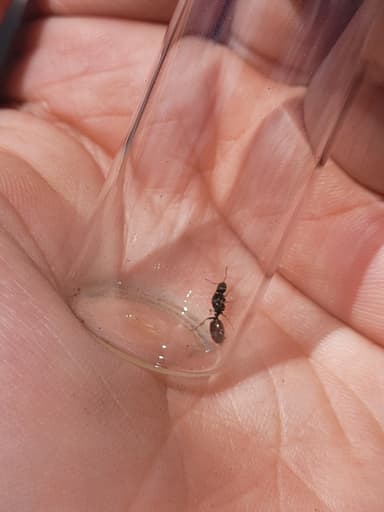
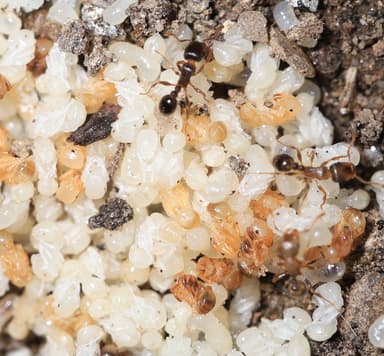
Your first days with a new Tetramorium immigrans colony should be a period of quiet patience. Upon arrival, place the test tube or small nest in a dark, vibration-free spot and resist the urge to check on them for at least 24 to 48 hours; this allows them to settle after the stress of transit. After that, you can offer a minuscule smear of sugar water on a square of foil just inside the foraging arena and, if the colony already has workers, a single small pre-killed fruit fly or mealworm segment. Don’t be alarmed if only a few foragers emerge at first — they are naturally cautious — and if the food remains untouched for a day, simply remove it and try again later. For a freshly caught queen still in her founding test tube, she needs no food at all until her first nanitic workers arrive, which may take six to eight weeks; during this time, keep the tube comfortably warm and dark, and avoid moving it. Once the pioneering workers appear, begin the micro-feeding routine, and within a few months you’ll watch exponential growth transform a handful of ants into a true bustling pavement empire.