Temnothorax
Temnothorax curvispinosus
Nuptial Flight Calendar
Flight months: Jun, Jul, Aug
Care Guide
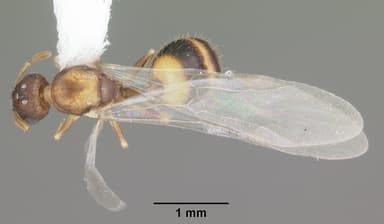
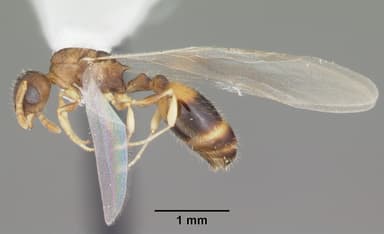
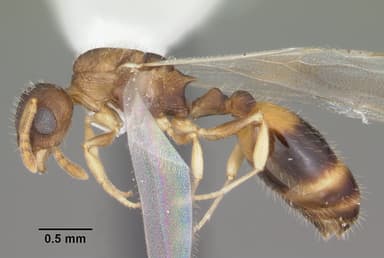
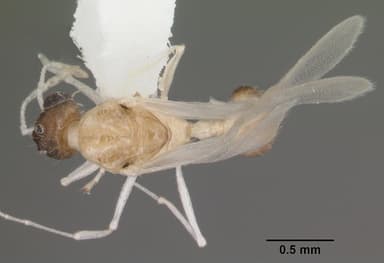
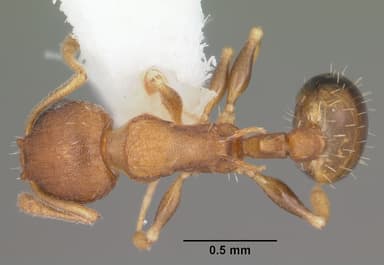
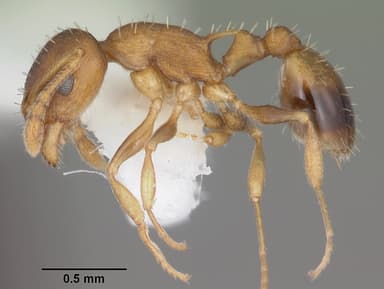
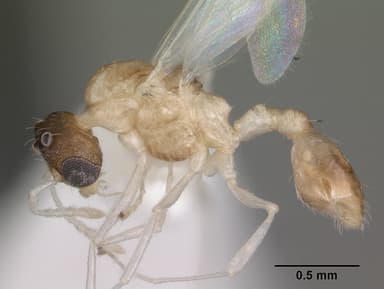
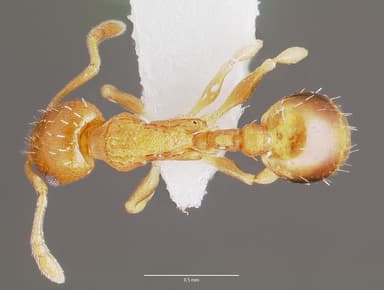
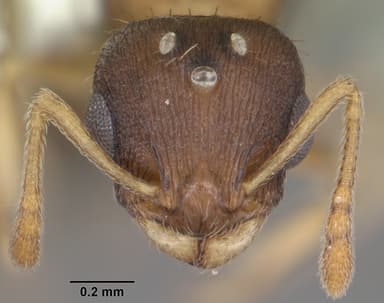
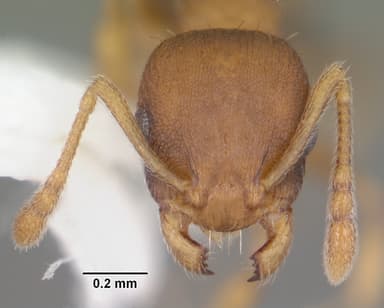
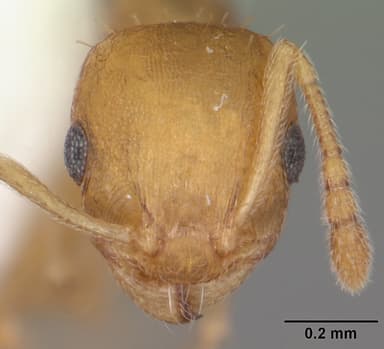
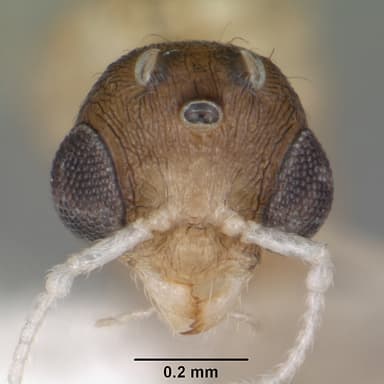
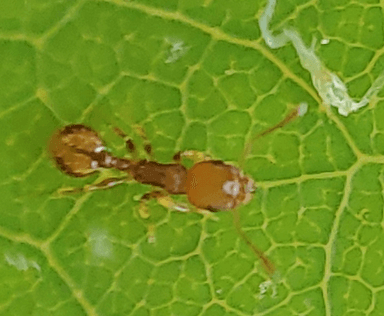
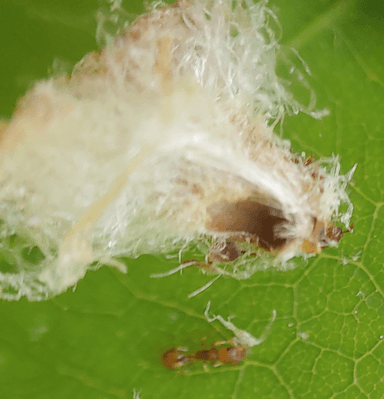
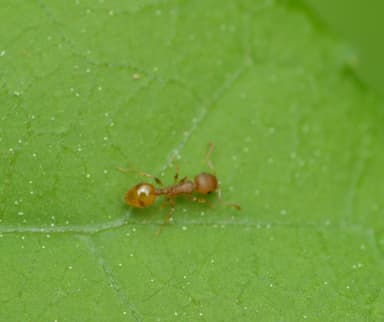
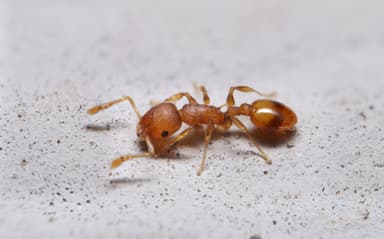
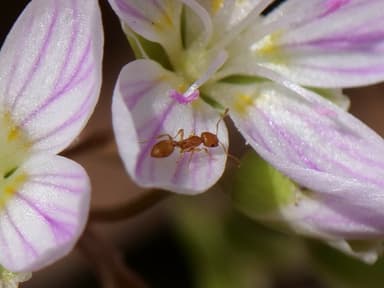
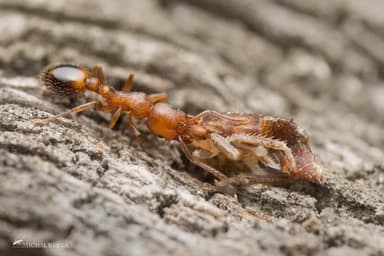
Temnothorax curvispinosus, commonly called the acorn ant, is one of the most endearingly minute ants kept in captivity. Workers measure a mere 2–3 mm, with queens reaching 3.5–4.5 mm, their bodies slender and polished in shades of light amber to warm honey (Mackay 2000). A mature colony seldom exceeds 500 individuals, and all workers are the same size, a trait known as monomorphism. Queens found colonies alone after nuptial flights that occur on warm, humid afternoons from June through August across the eastern United States (AntWiki). What makes this species so fascinating is the opportunity to observe an entire society in a nest no larger than a walnut. Recent research has revealed that colonies exhibit consistent personality differences—some are bold foragers, others more timid—a behavioural syndrome that adds a layer of intrigue to even the quietest days of watching (Bengston & Dornhaus 2014). Their tiny scale and rich social lives make them a living jewel under a magnifying glass.
With a care difficulty of “beginner,” Temnothorax curvispinosus is perfectly suited to newcomers and those with limited space. They are forgiving of minor fluctuations in temperature and humidity, grow slowly, and never demand elaborate formicaria. Because they do not sting and their mandibles are harmless to human skin, handling stress is minimal, though their diminutive stature does require a keeper’s commitment to meticulous escape prevention. This ant is ideal for anyone who enjoys quiet observation and has a spot on a desk or shelf where a small, low-maintenance colony can thrive.
Housing must contend with their size above all else—any gap wider than 0.5 mm is a doorway to freedom. Nests made of plaster, ytong, or finely printed 3D material work beautifully, especially when carved with small, flattened chambers that mimic the hollow acorns and twig cavities they inhabit in the wild (Herbers 1989). Maintain a temperature gradient between 20 and 28°C, easily achieved at room temperature with an optional gentle heating element placed against one side. Humidity should hover between 40% and 60%; a simple water-filled test tube attached to the nest gives them a moisture source and allows self-regulation. The outworld can be spartan—a thin layer of dry, fine sand or a bare floor, with a tiny water feeder and perhaps a piece of bark for shade. Keep the nest dark by covering it with a red film or a cardboard sleeve, as they prefer subdued light.
A balanced diet of protein and sugars keeps this scavenging species content. For protein, offer pre-killed fruit flies, pinhead crickets, or minute roach nymphs, sliced into pieces the workers can carry. Remove any uneaten insect after a day or two to prevent mould. Carbohydrates are best supplied as a tiny droplet of sugar water, diluted honey, or maple syrup on a slip of foil, refreshed every few days. A small cotton-plugged water tube should always be available. Because colonies are small, a single fruit fly and a drop of sweet liquid twice a week suffices for a young colony, with portions increased gradually as the population grows.
As a temperate ant, Temnothorax curvispinosus requires a mandatory hibernation period. In late autumn, gradually lower the temperature to around 8°C over the course of a week, then hold them there for three to four months. A wine cooler, unheated basement, or temperature-controlled fridge works well. Provide a humidity-retaining water source, such as a damp cotton ball or a small water tube, so they do not desiccate during their slumber. The ants will cluster together, appearing almost lifeless. In early spring, warm them slowly back to room temperature. Skipping this cold rest reliably leads to dwindling brood production and poor colony vigour (Herbers 1989).
Newly purchased colonies typically arrive in a test tube with a water reservoir. Place the tube in a dim, quiet spot at 20–28°C and resist all temptation to peek for at least the first 24 hours; shipping stress can be fatal, and they need uninterrupted calm. After a day, you may offer a minute dab of sugar water at the tube entrance using a toothpick. Attach the tube to their prepared nest, but do not force a move—simply darken the new nest and let the colony discover it on its own schedule, which can take days or weeks. Until they begin foraging, avoid introducing protein. Apply a fresh ring of fluon around the outworld’s rim, and watch for escape artistry at every connection. With patience, you will soon be rewarded with the daily routines of one of the smallest yet most characterful ant colonies you can keep.