Prenolepis
Prenolepis imparis
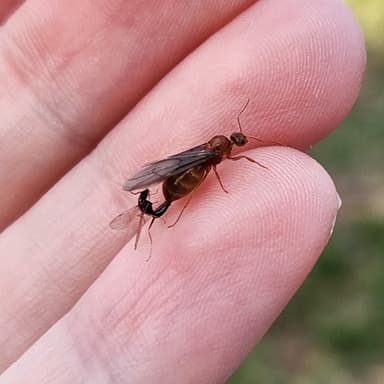
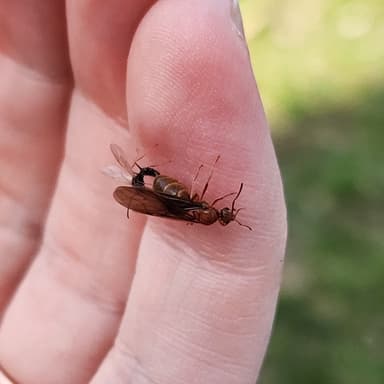
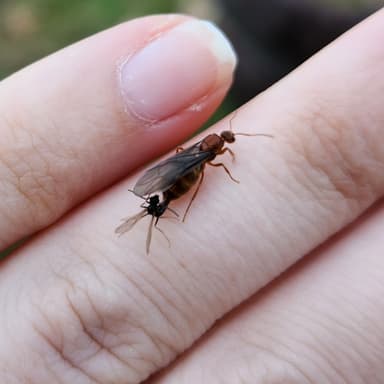
Nuptial Flight Calendar
Flight months: Feb, Mar, Apr, May
Care Guide
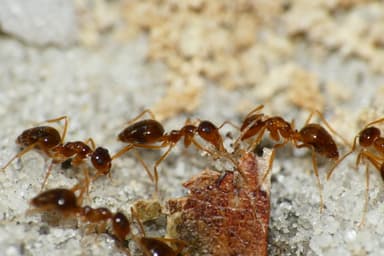
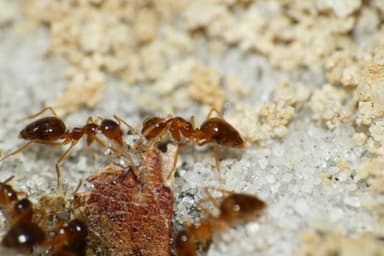
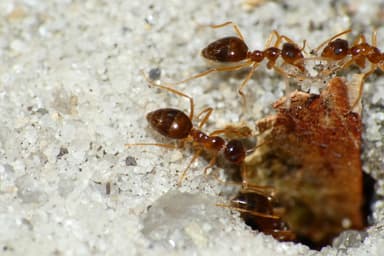
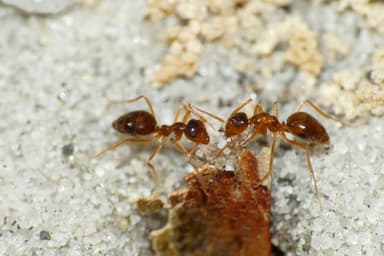
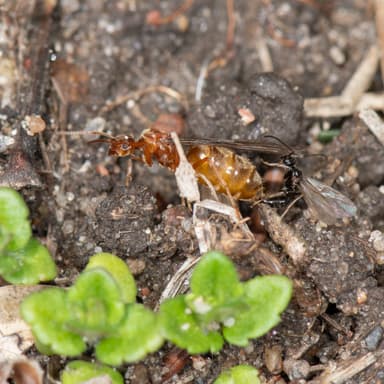
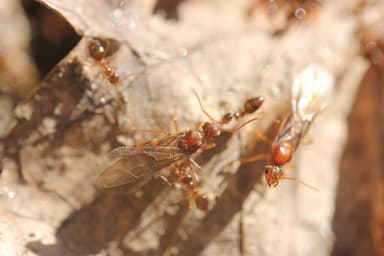
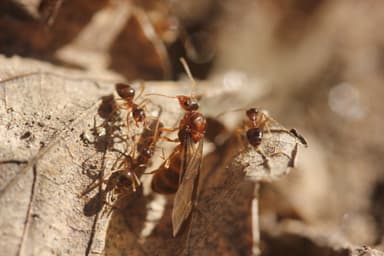
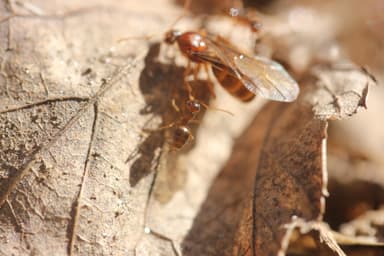
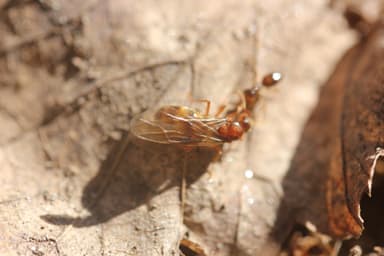
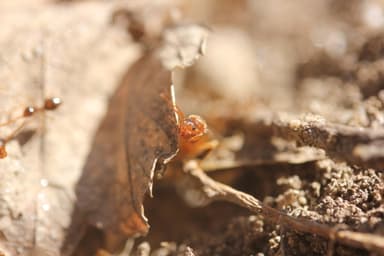
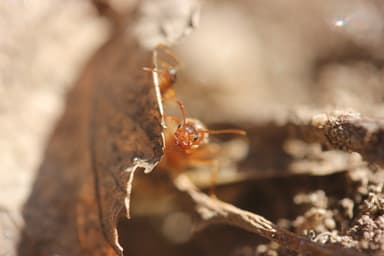
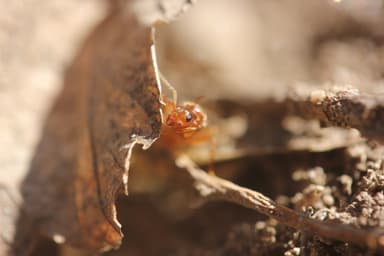
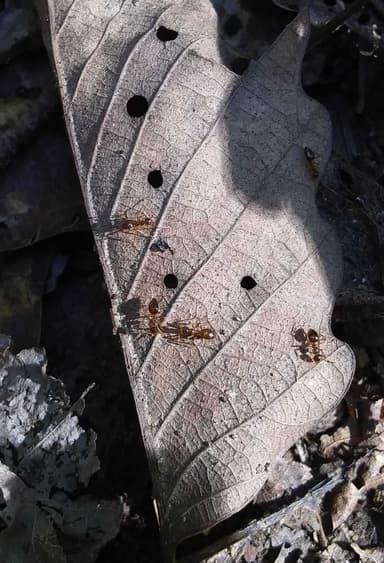
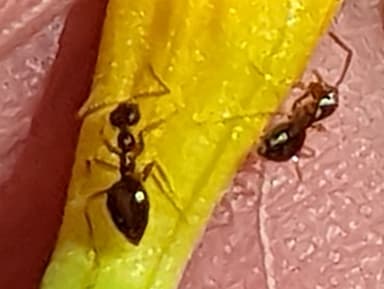
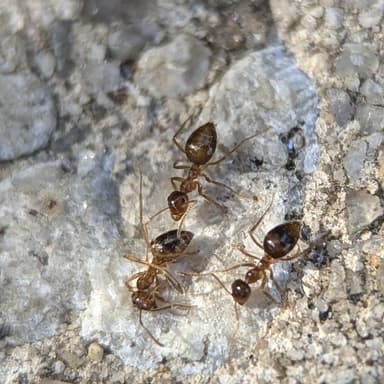
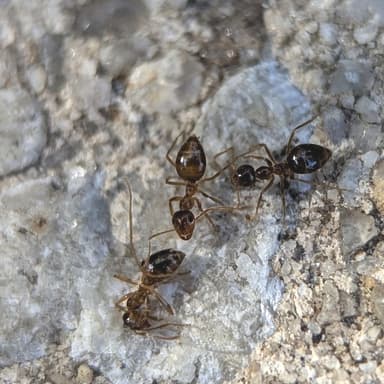
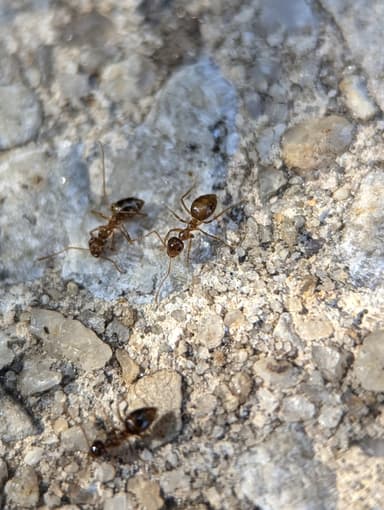
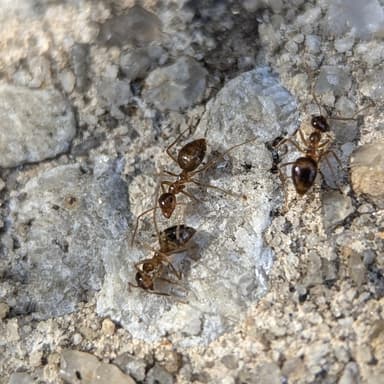
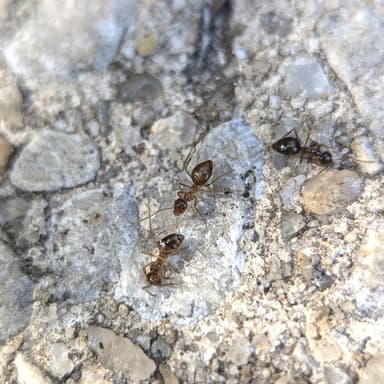
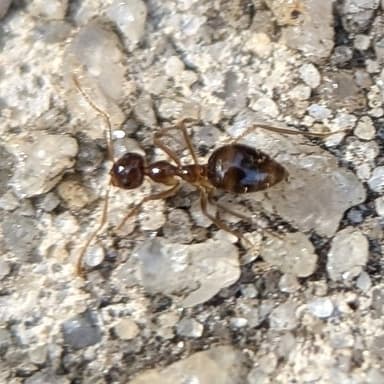
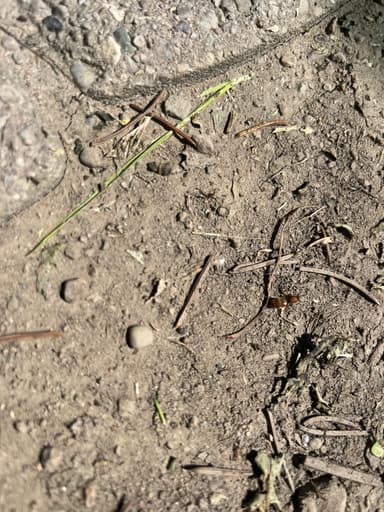
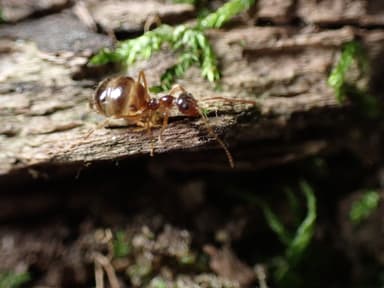
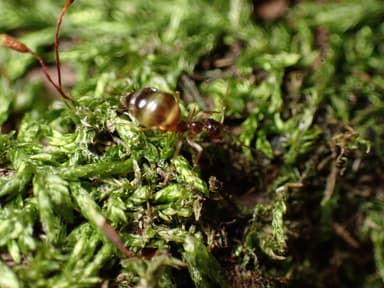
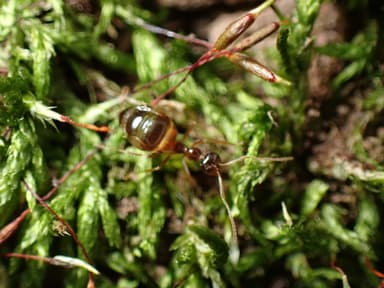
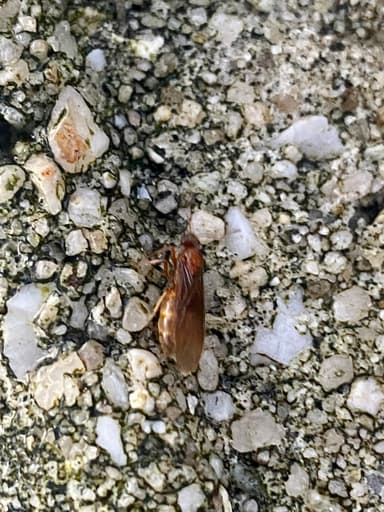
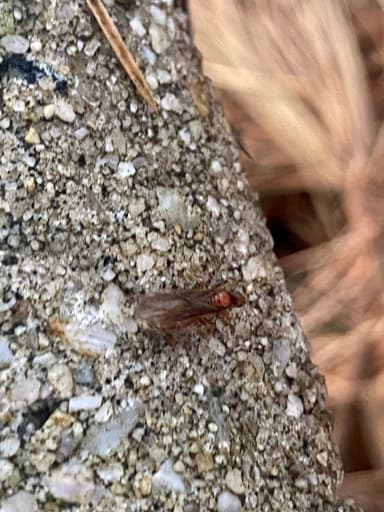
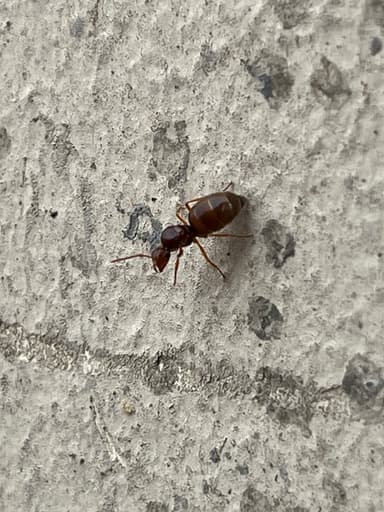
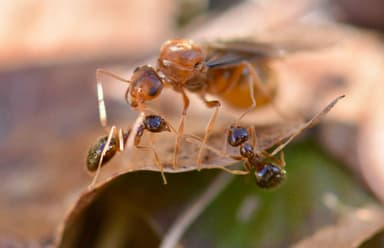
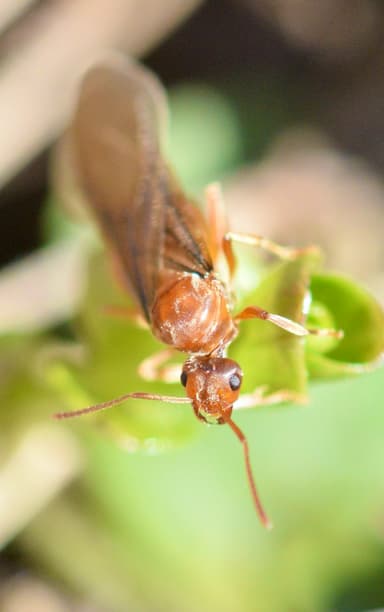
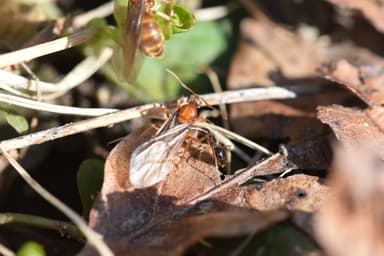
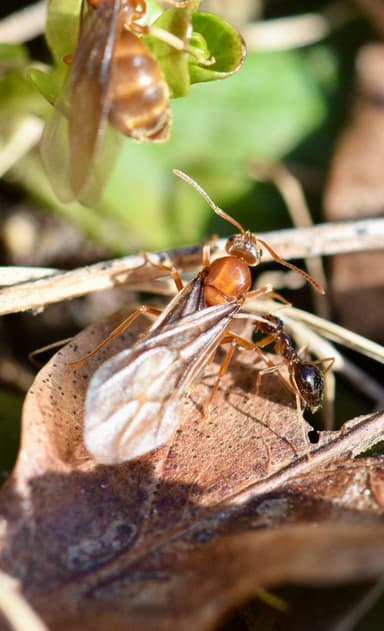
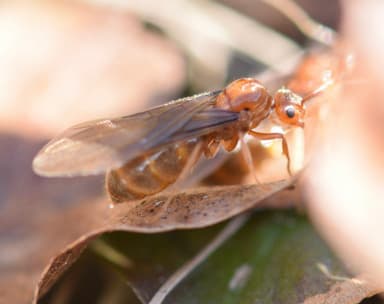
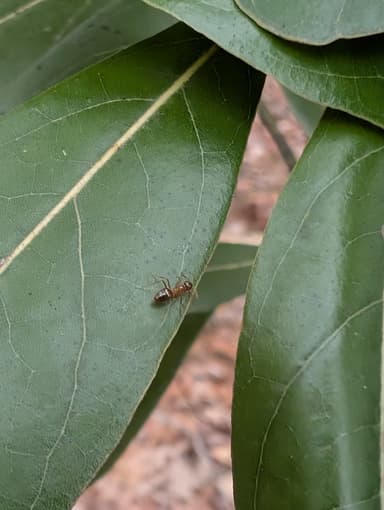
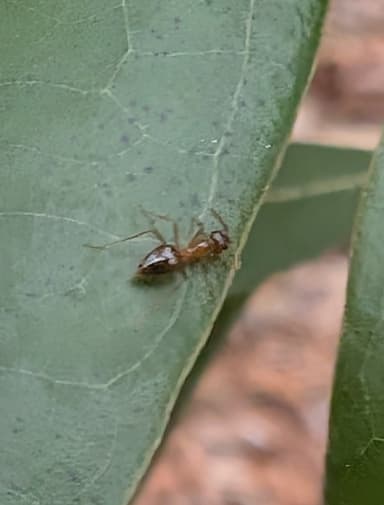
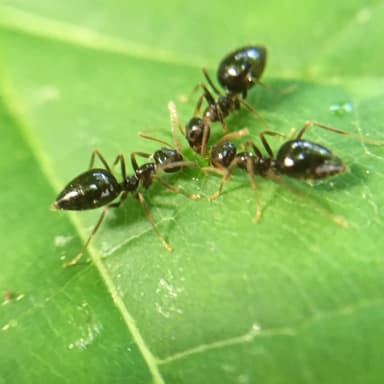
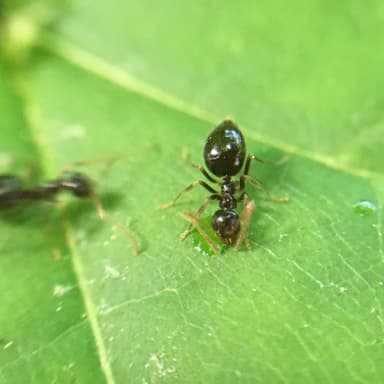
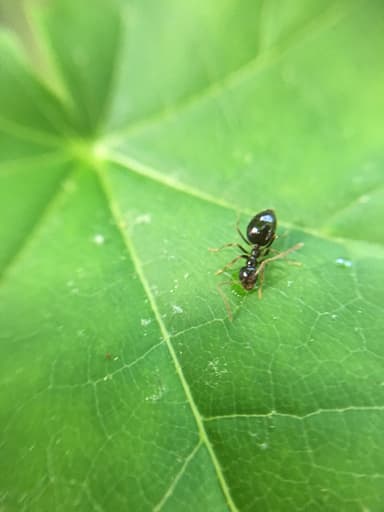
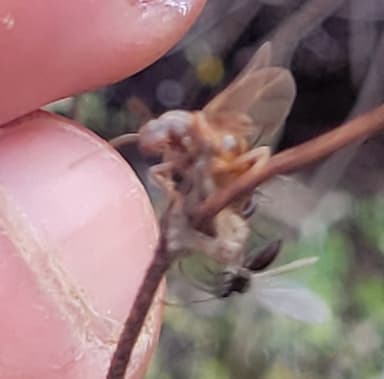
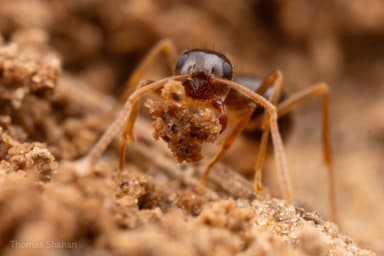
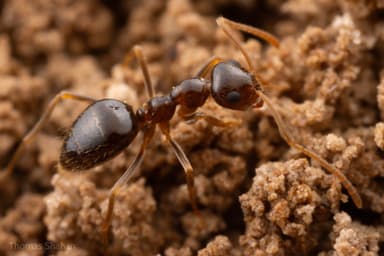
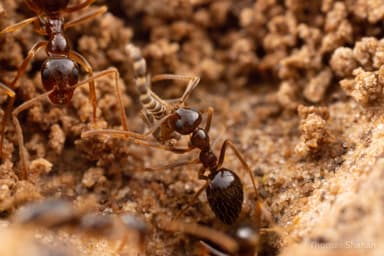
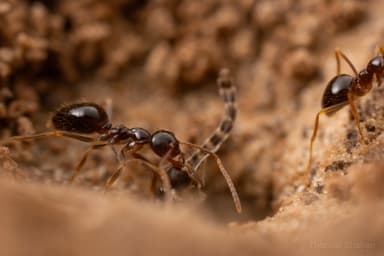
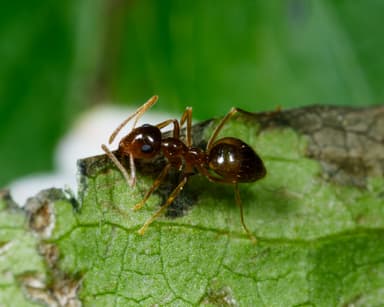
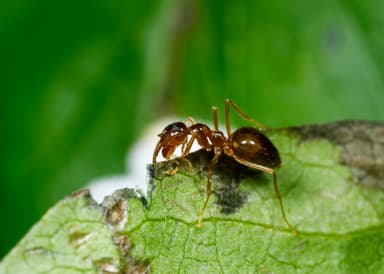
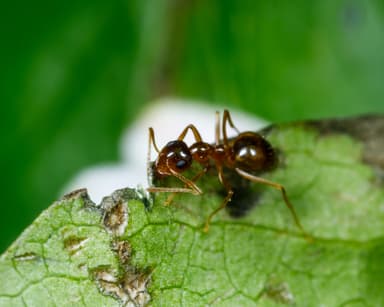
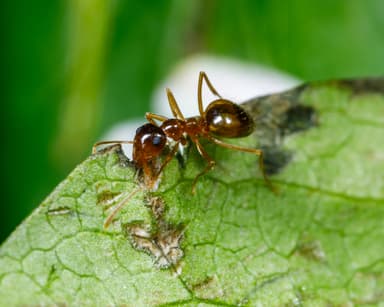
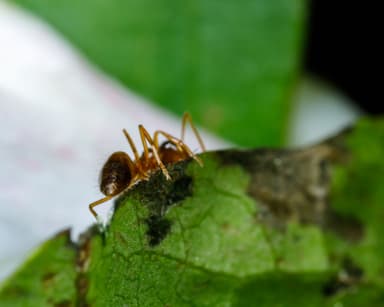
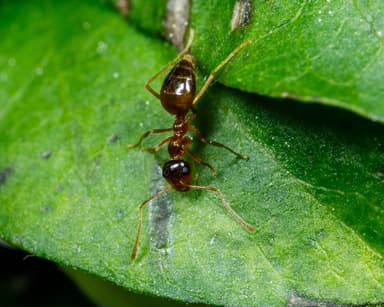
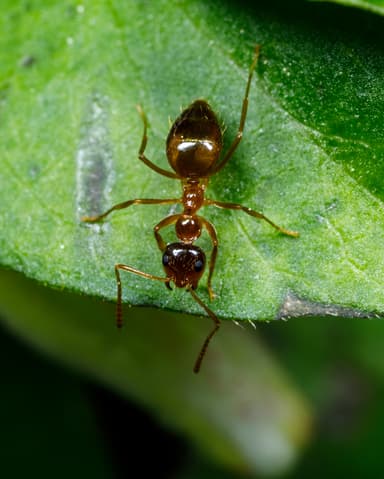
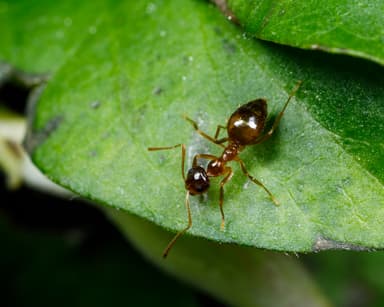
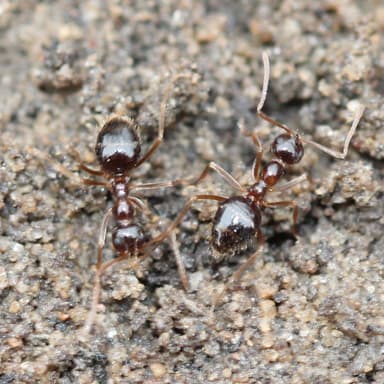
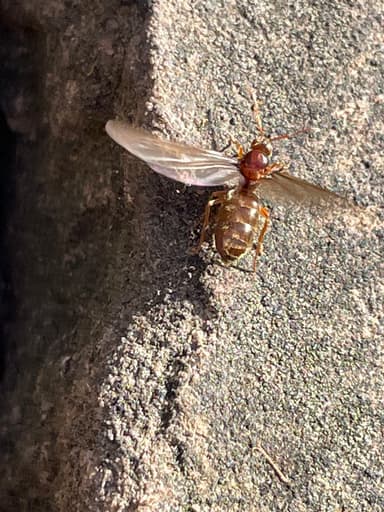
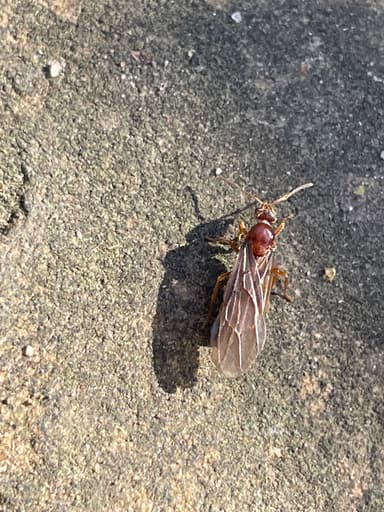
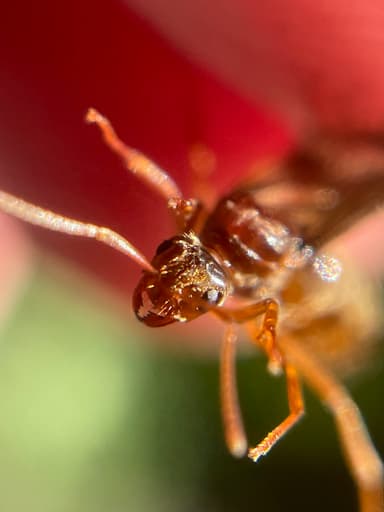
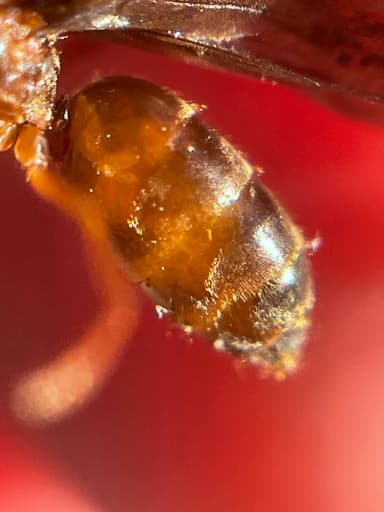
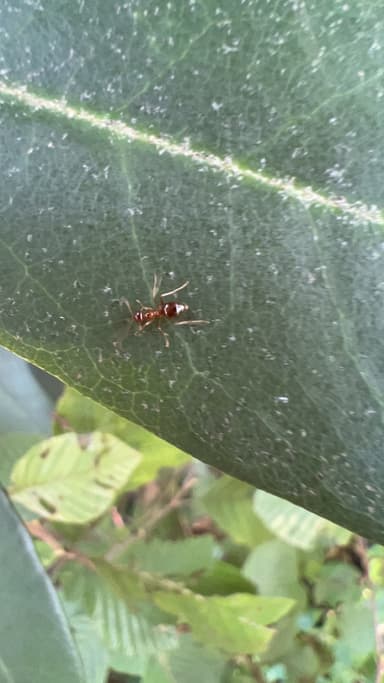
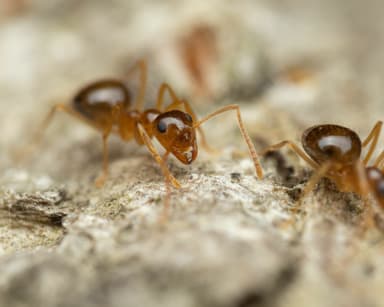
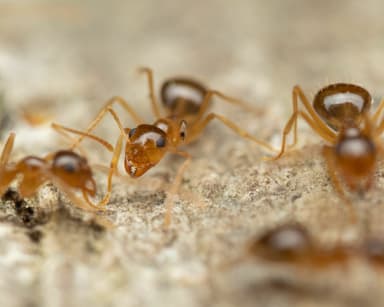
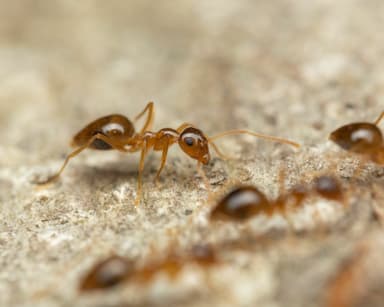
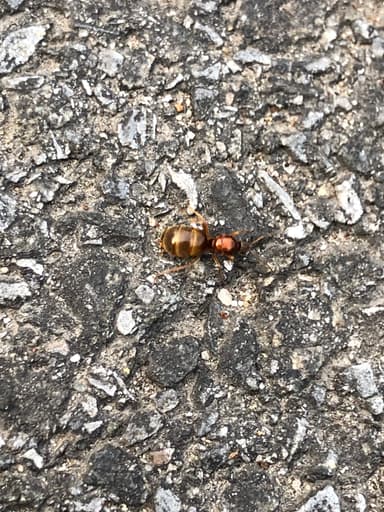
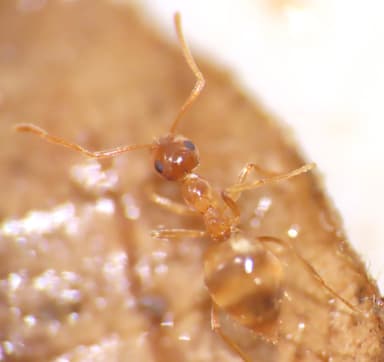
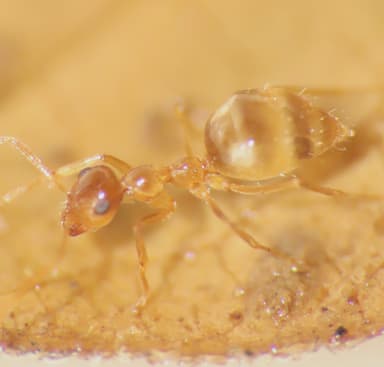
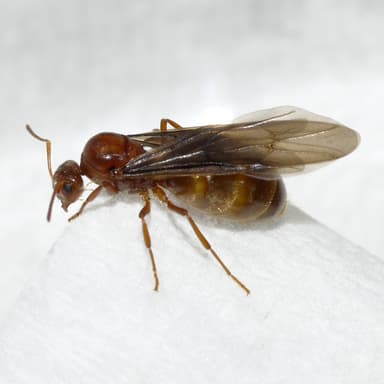
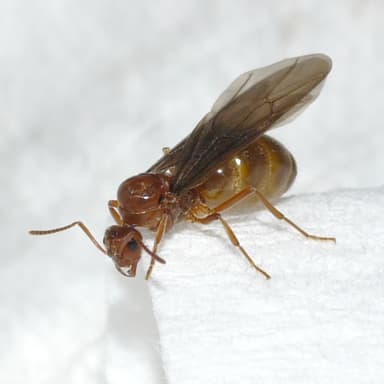
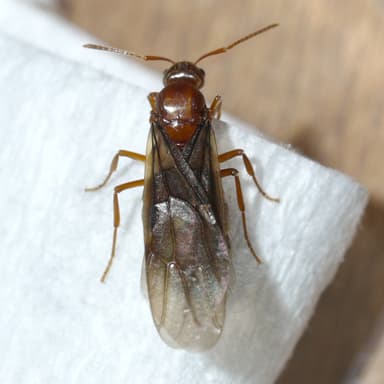
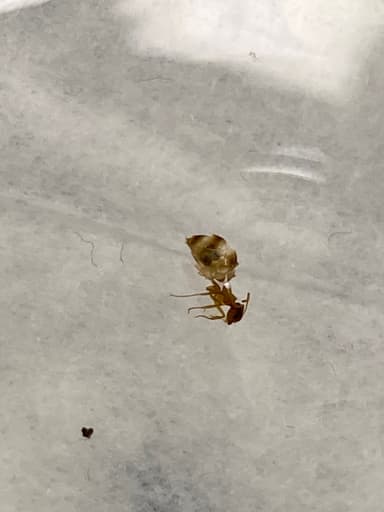
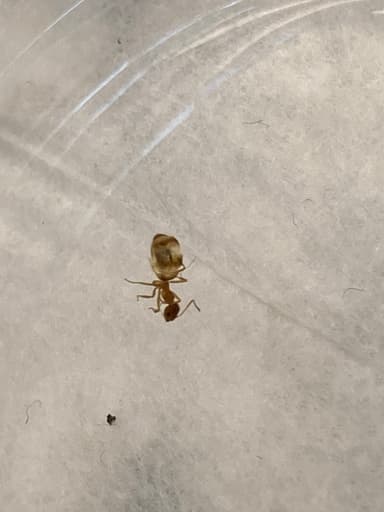
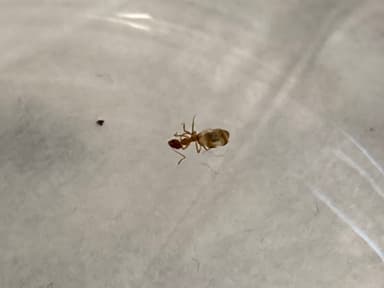
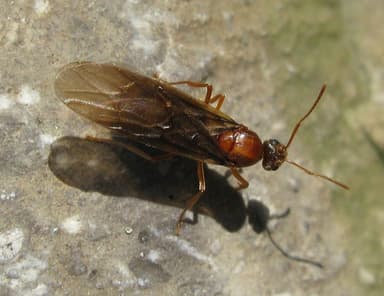
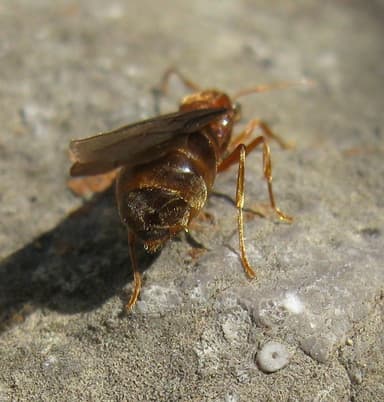
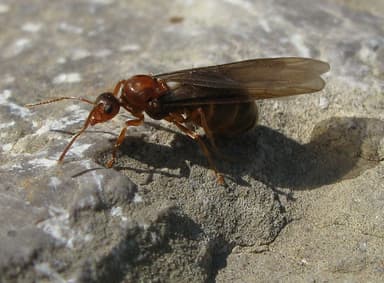
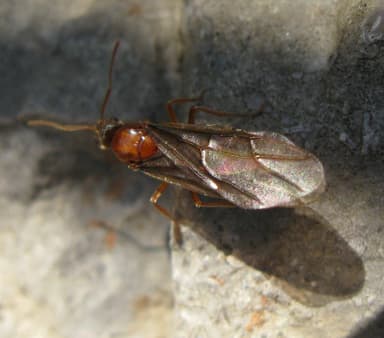
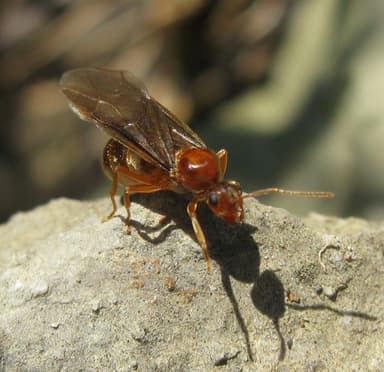
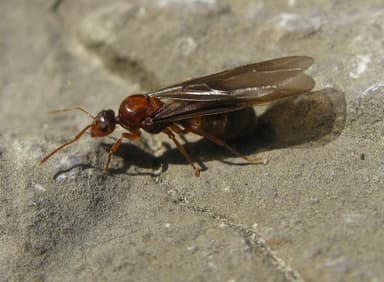
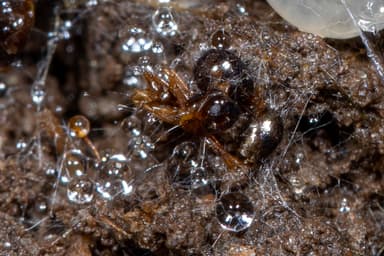
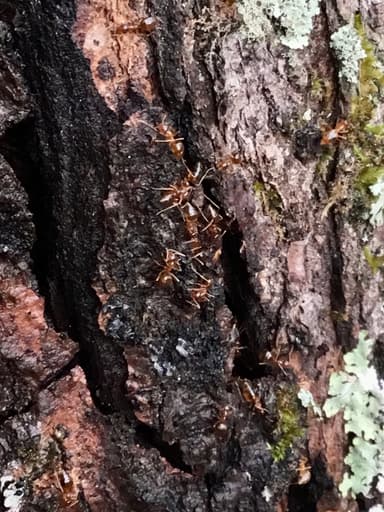
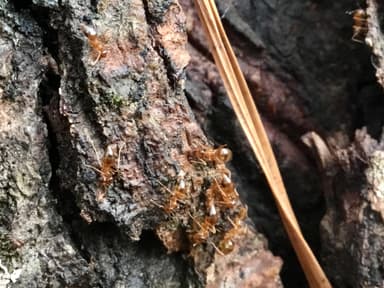
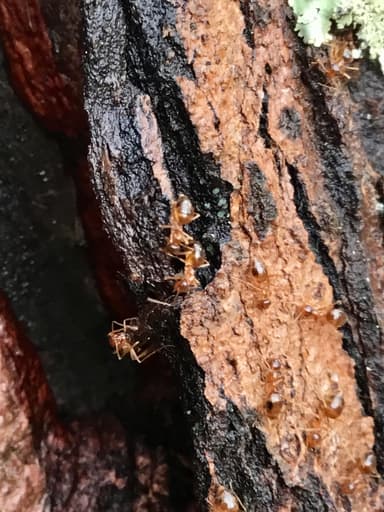
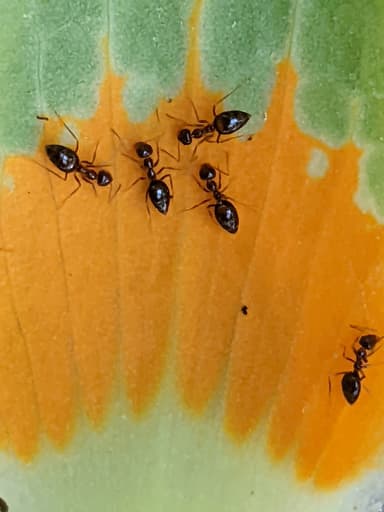
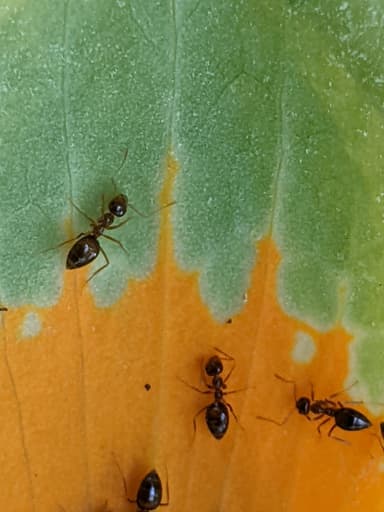
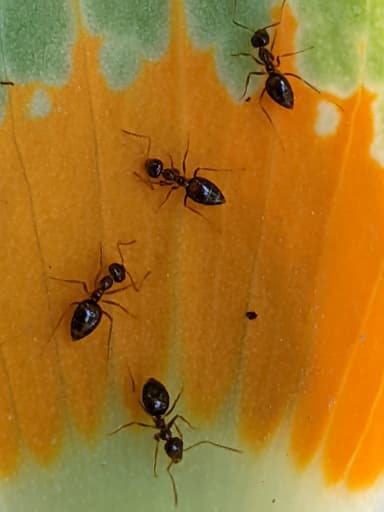
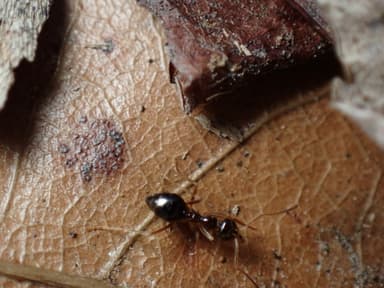
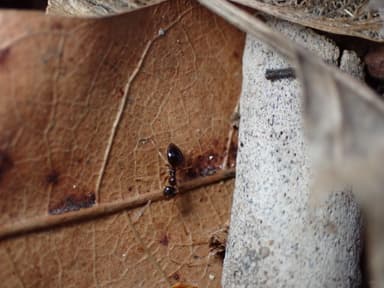
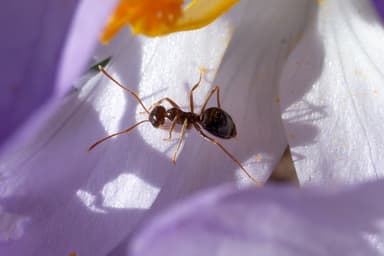
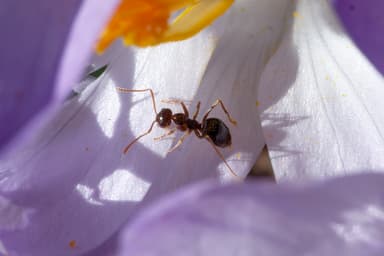
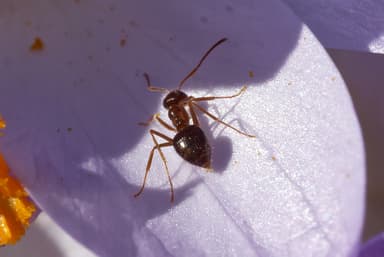
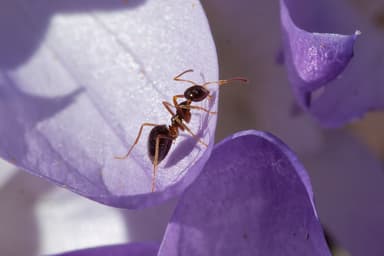
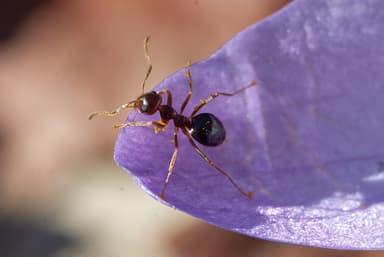
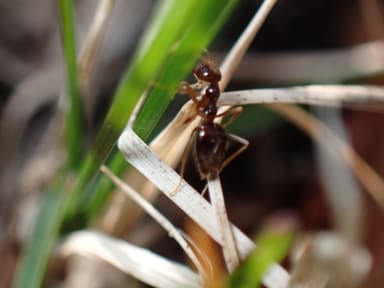
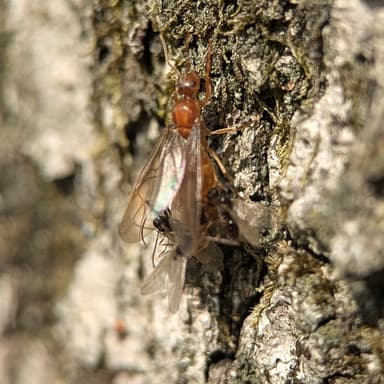
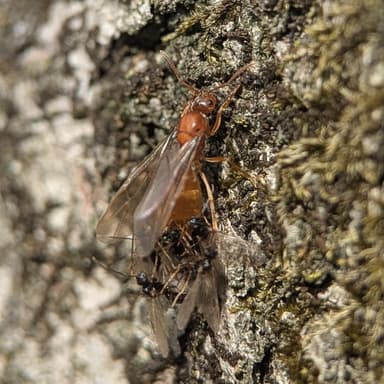
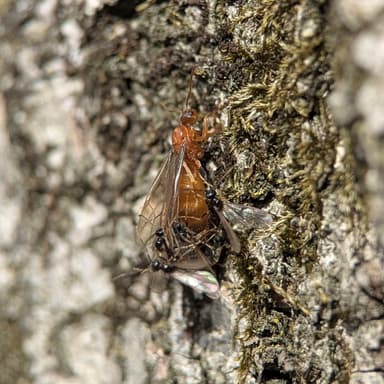
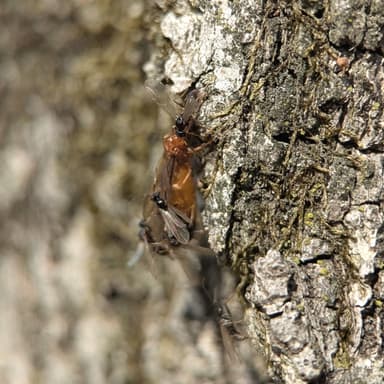
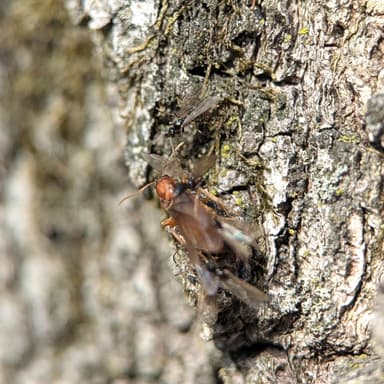
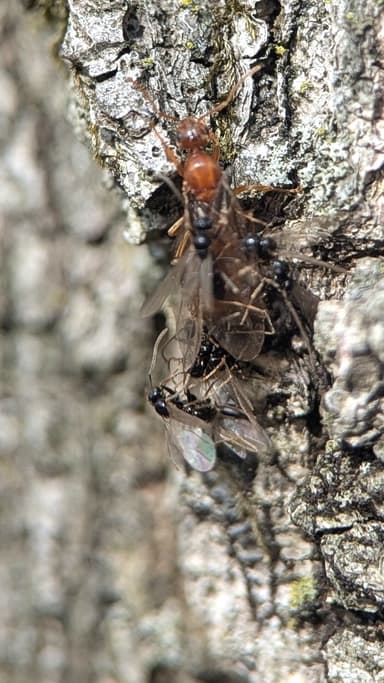
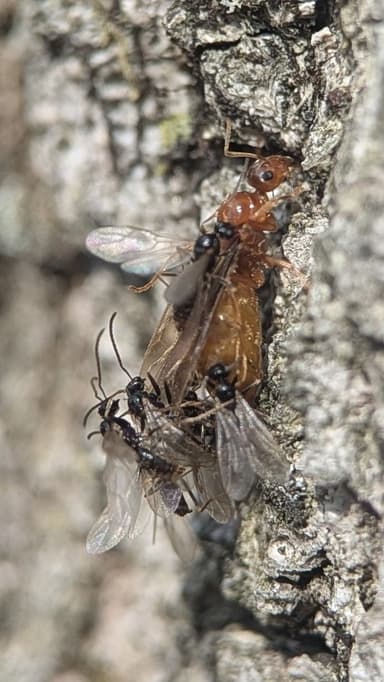
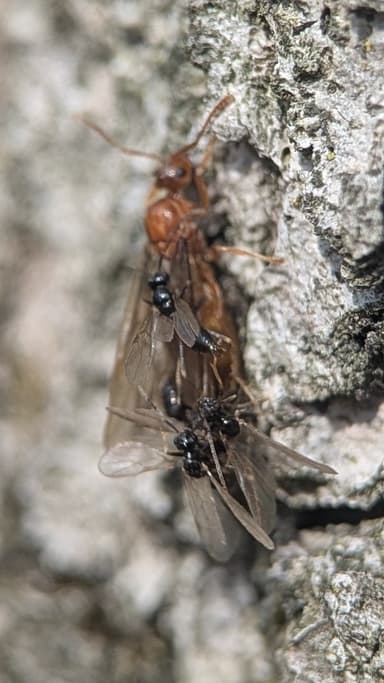
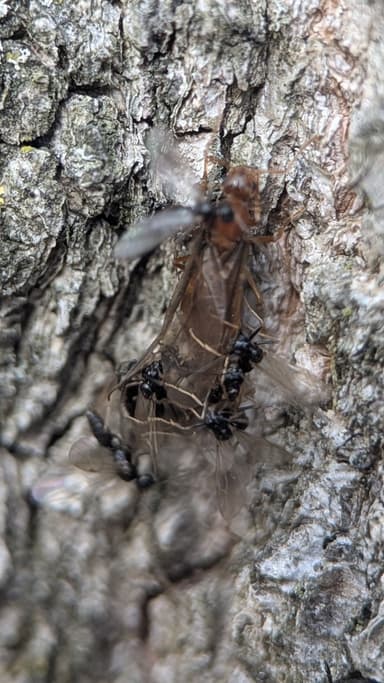
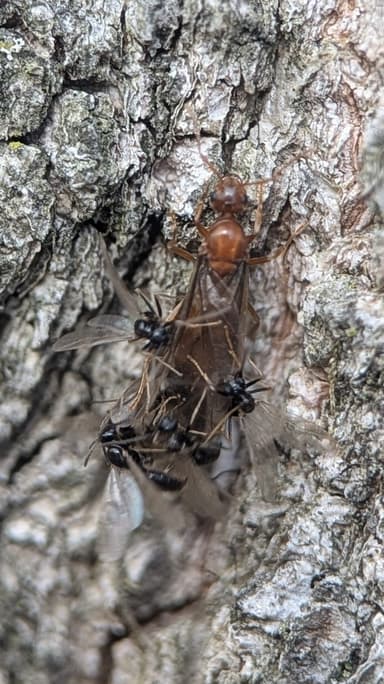
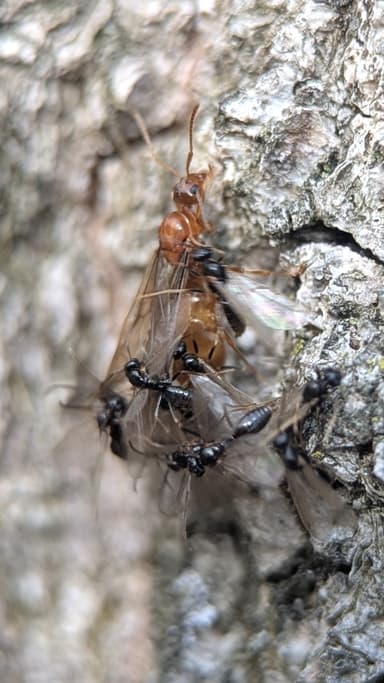
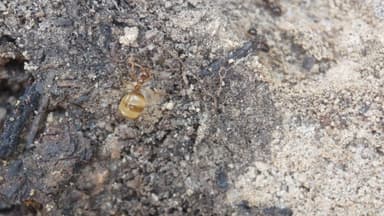
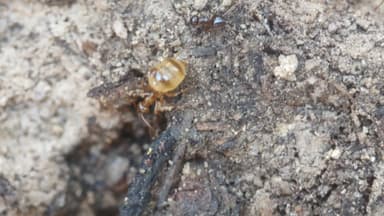
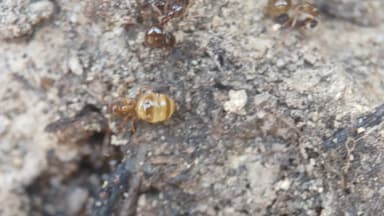
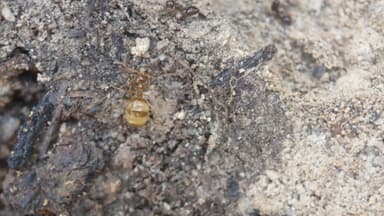
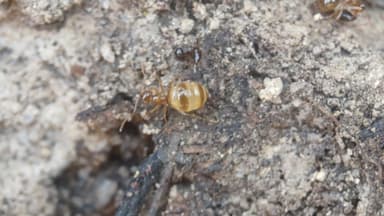
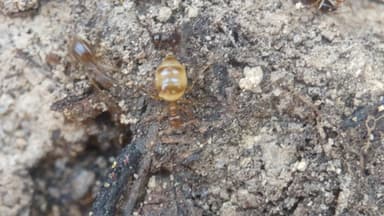
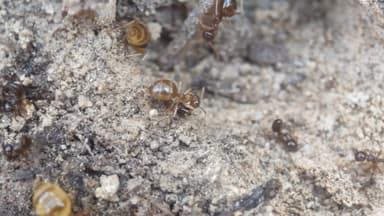
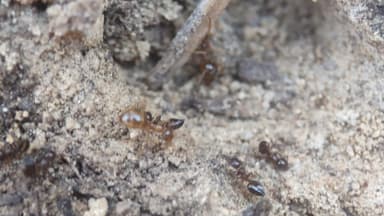
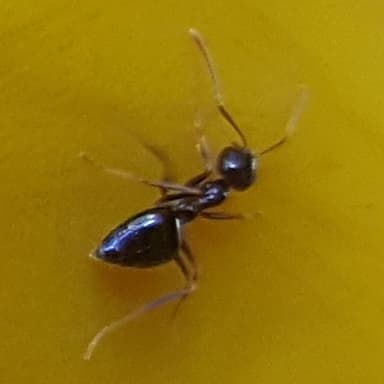
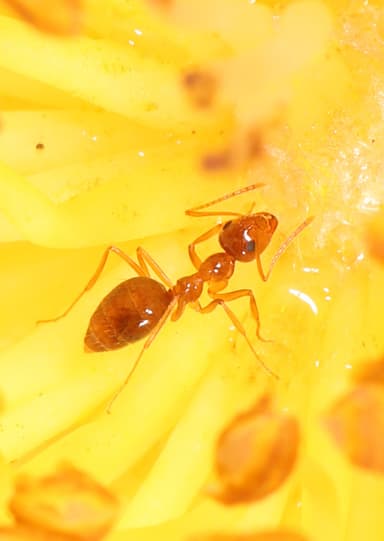
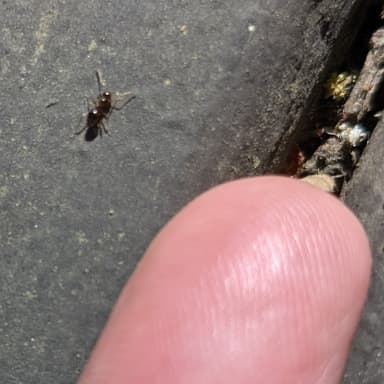
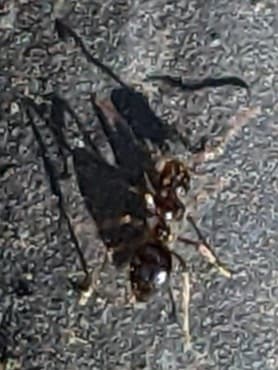
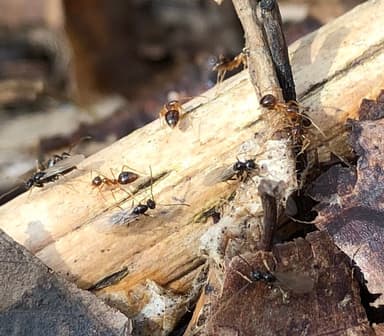
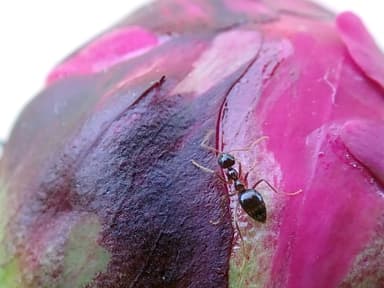
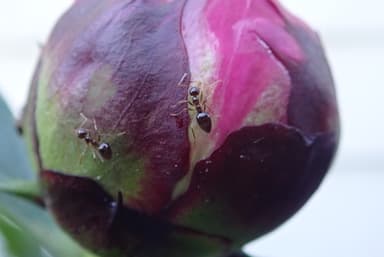
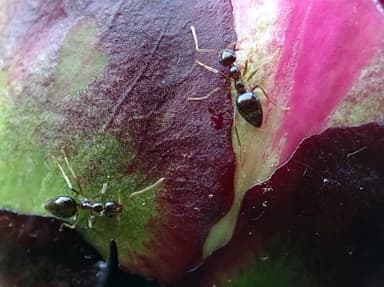
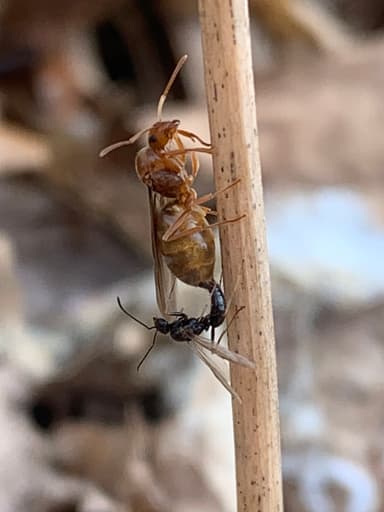
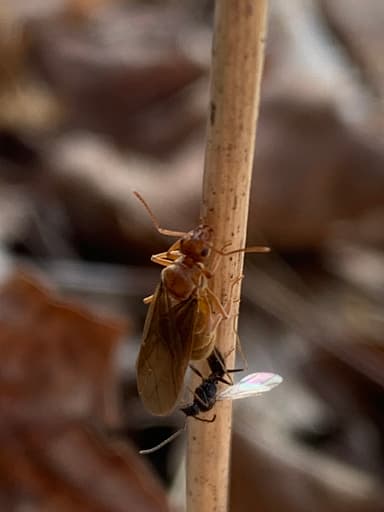
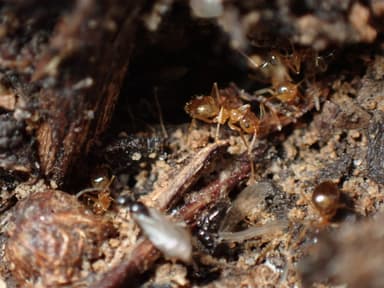
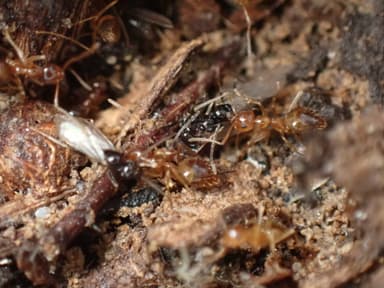
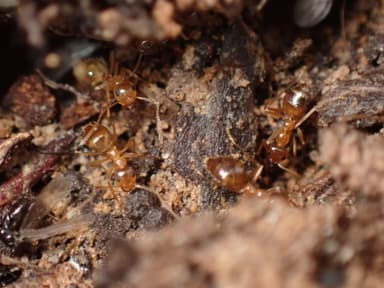
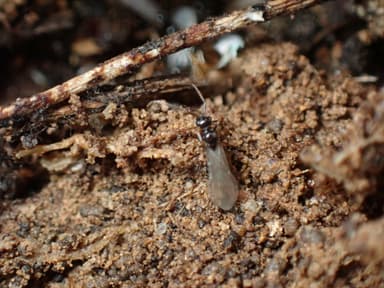
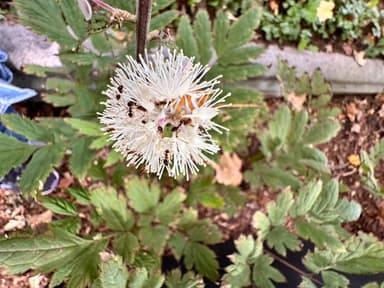
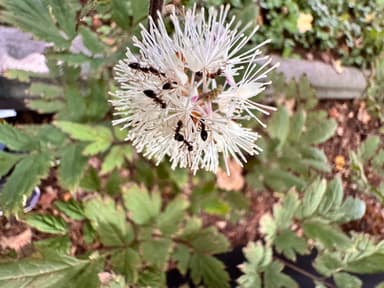
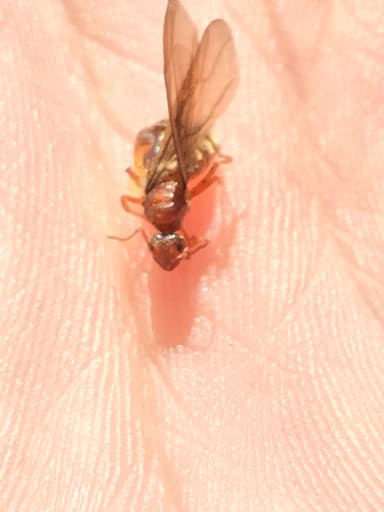
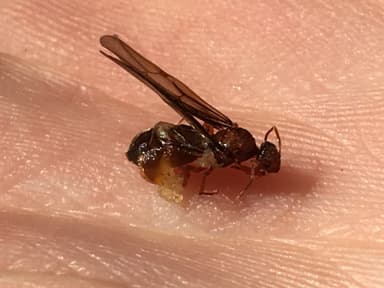
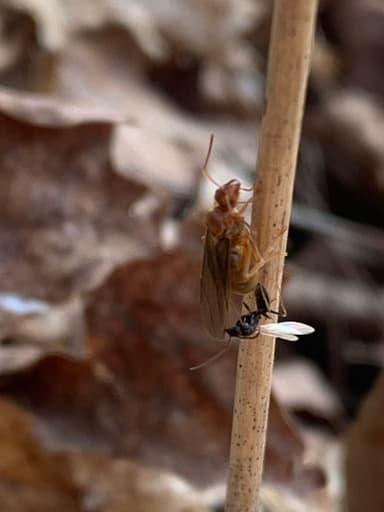
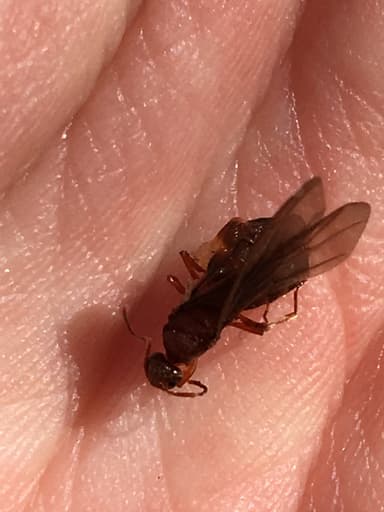
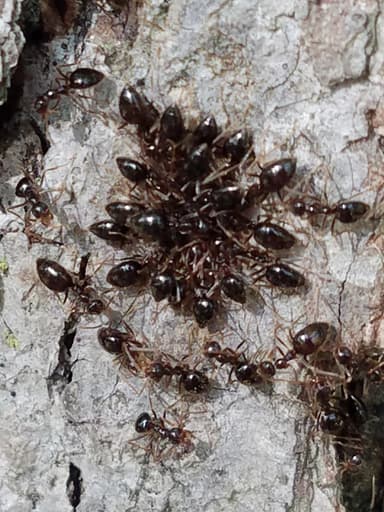
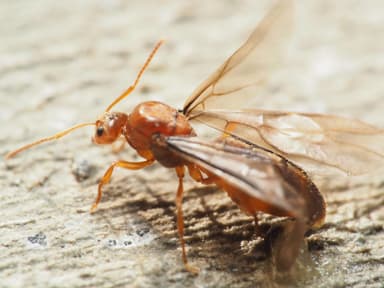
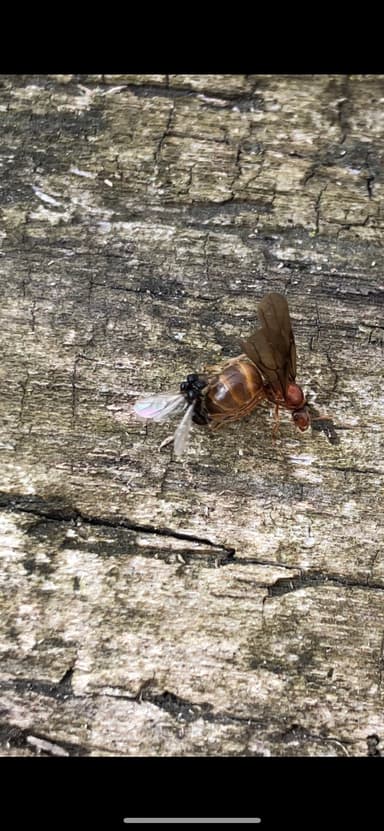
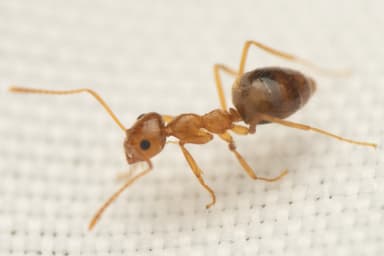
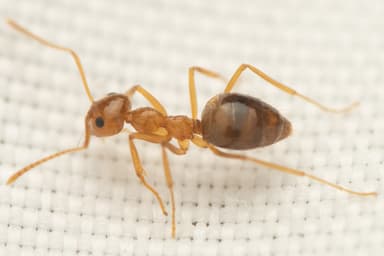
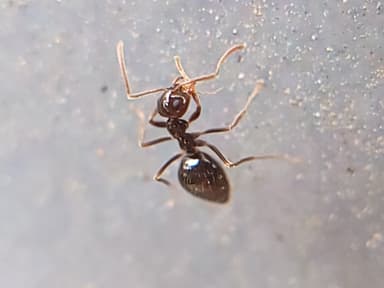
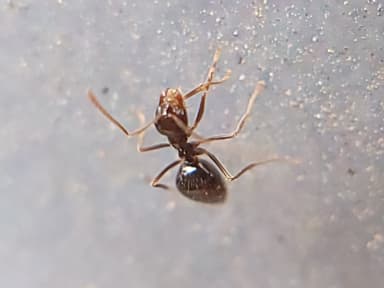
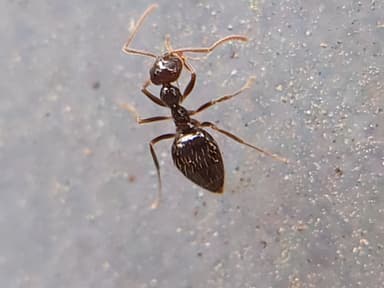
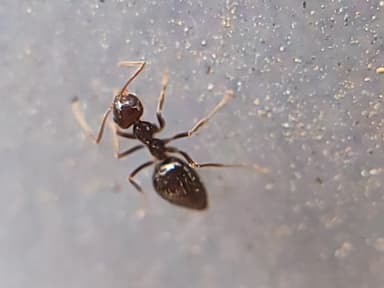
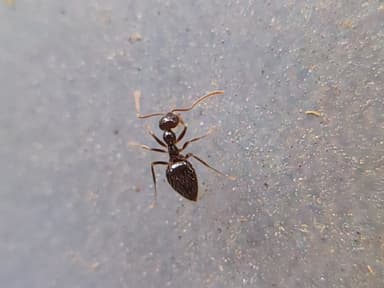
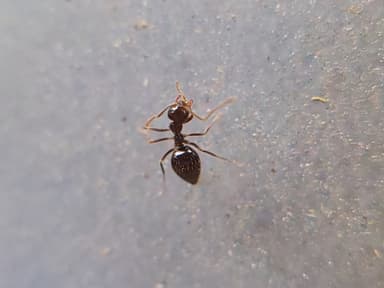
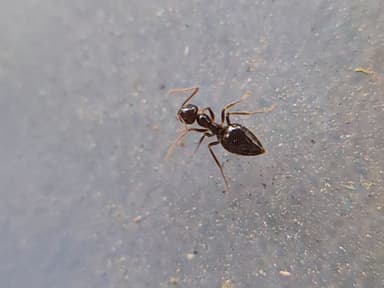
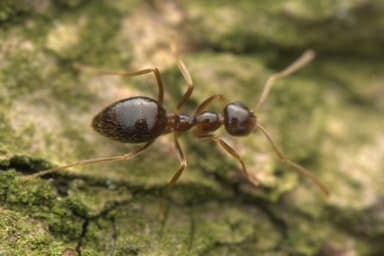
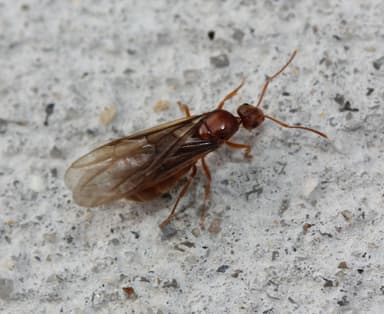
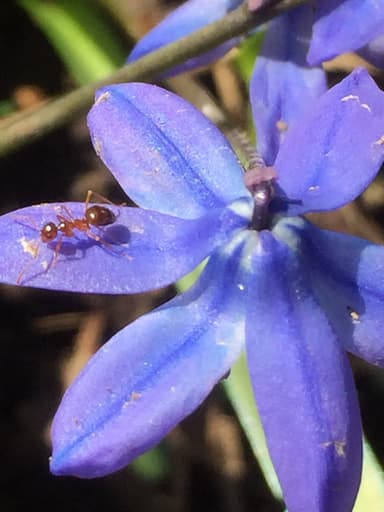
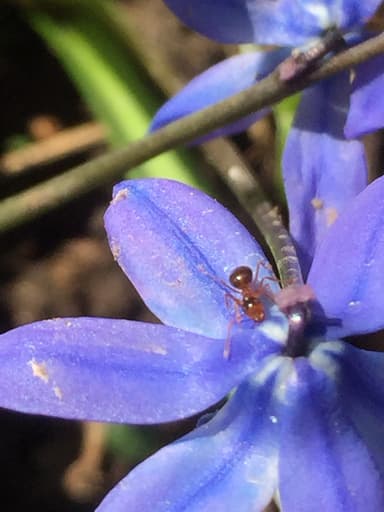
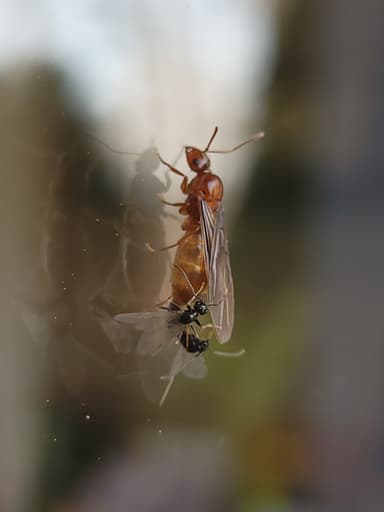
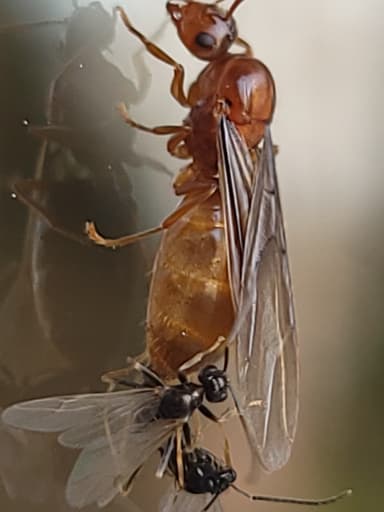
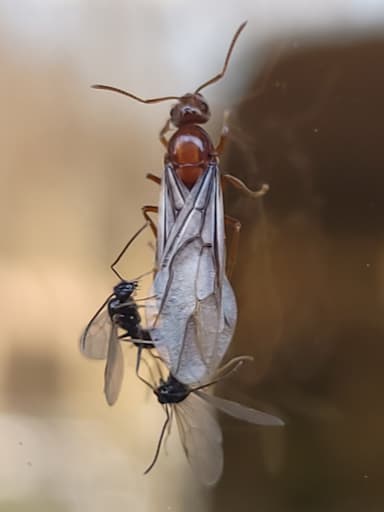
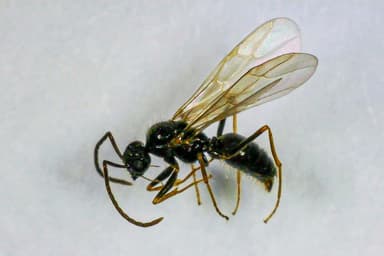
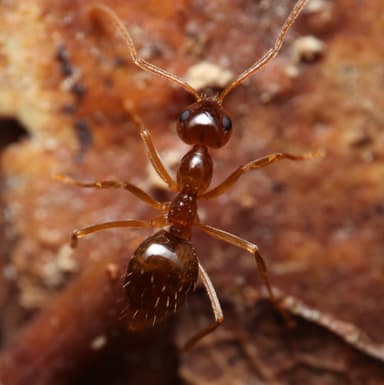
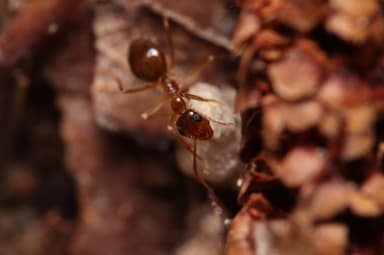
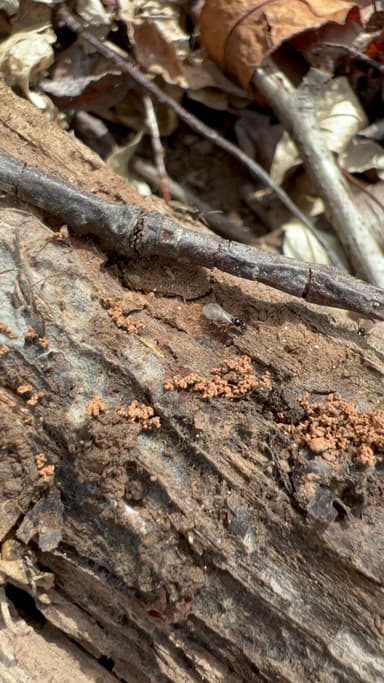
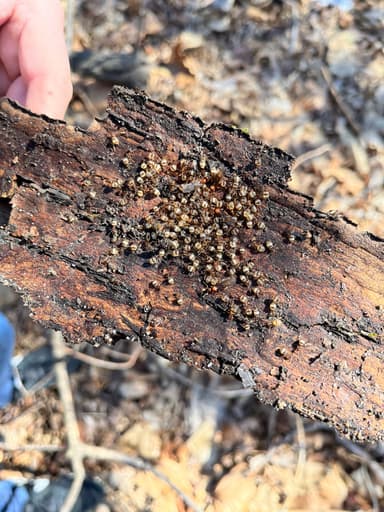
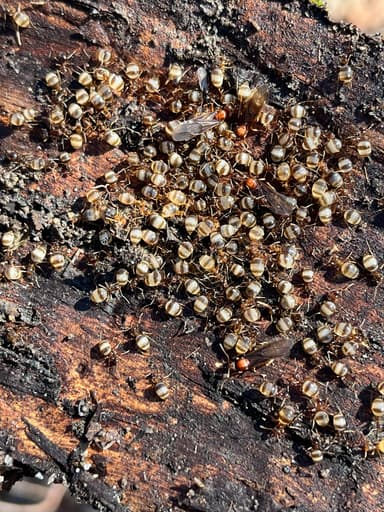
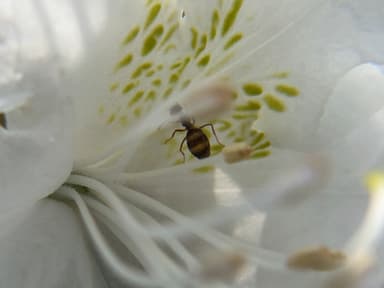
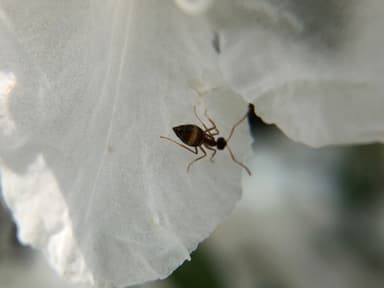
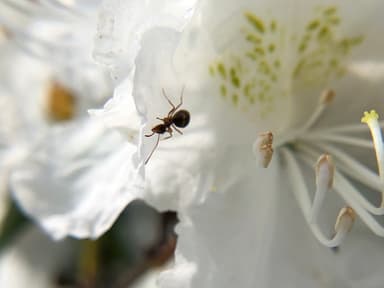
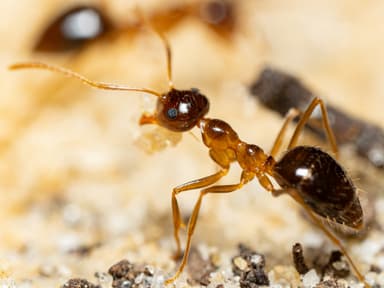
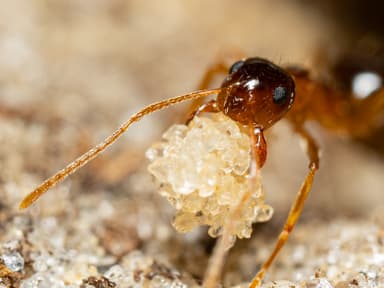
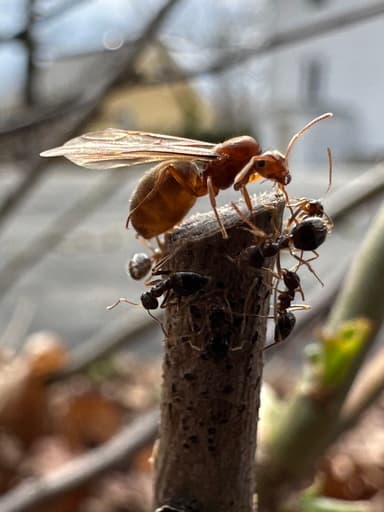
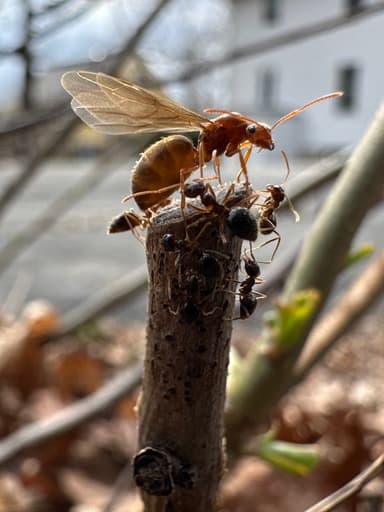
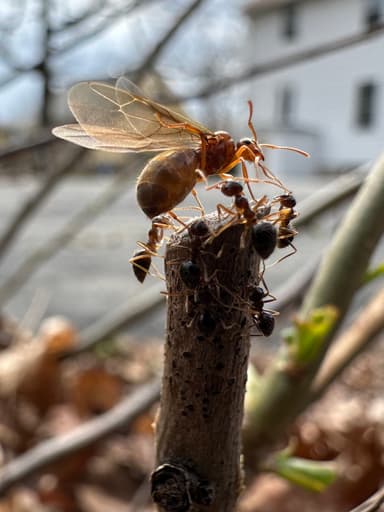
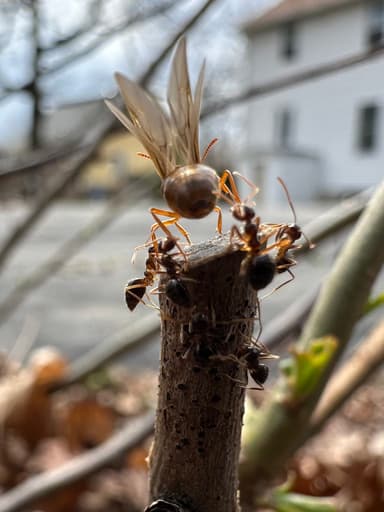
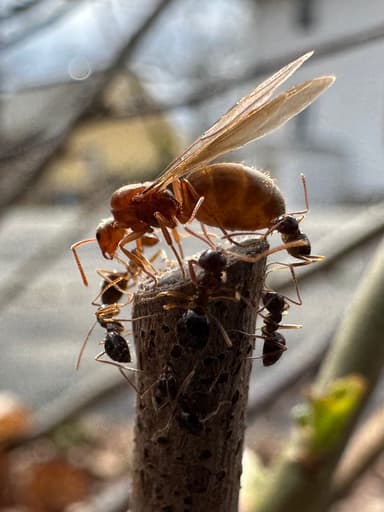
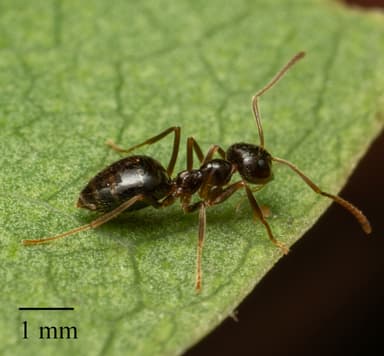
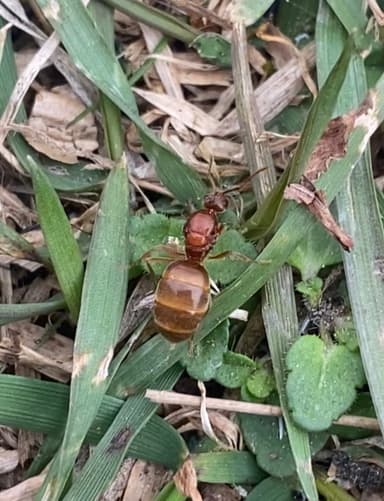
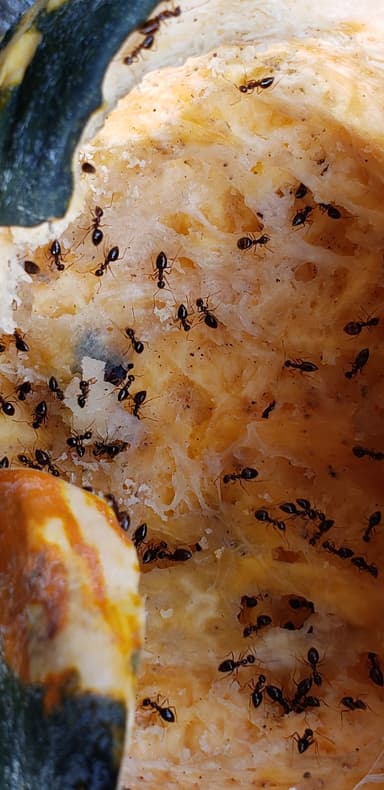
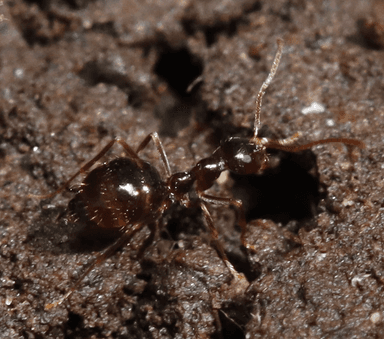
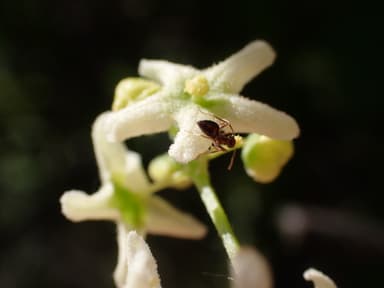
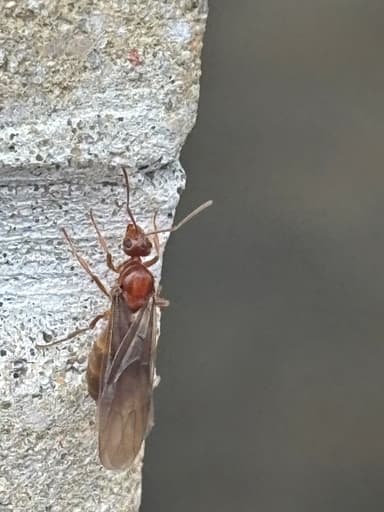
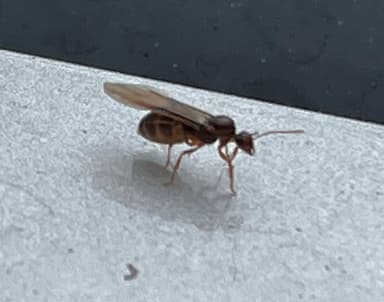
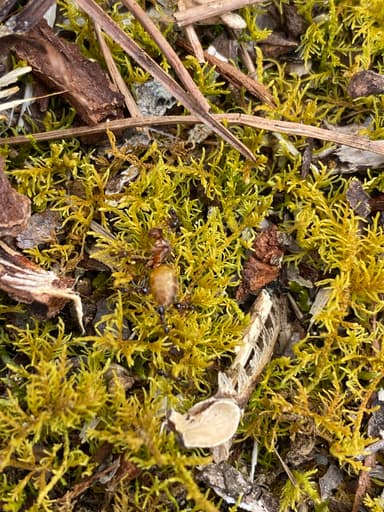
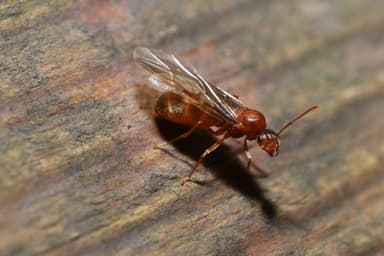
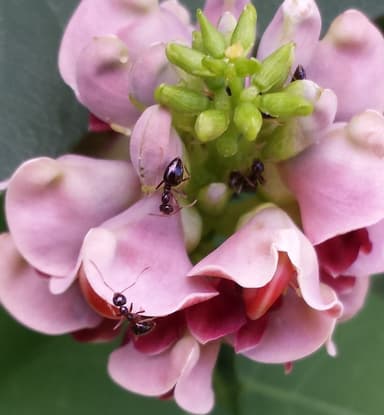
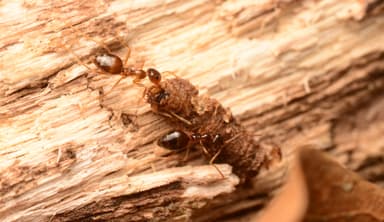
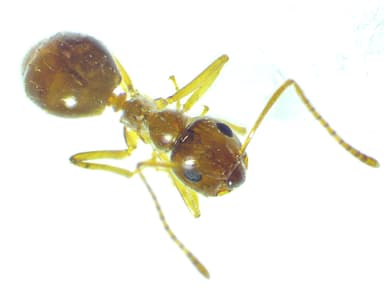
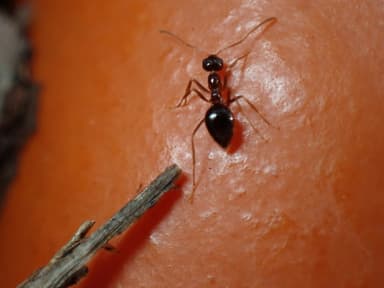
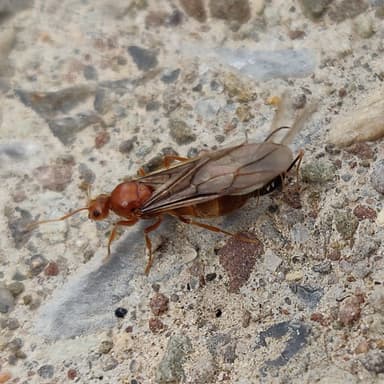
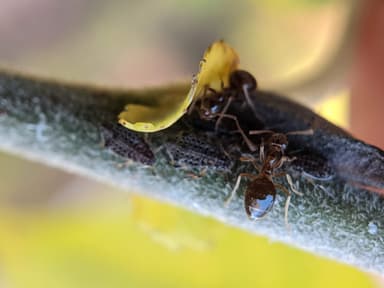
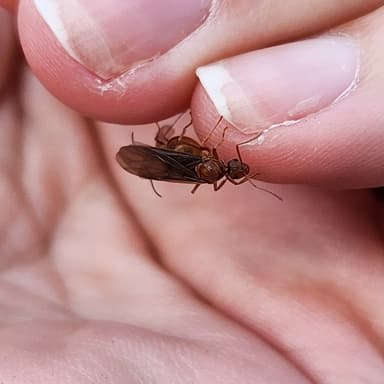
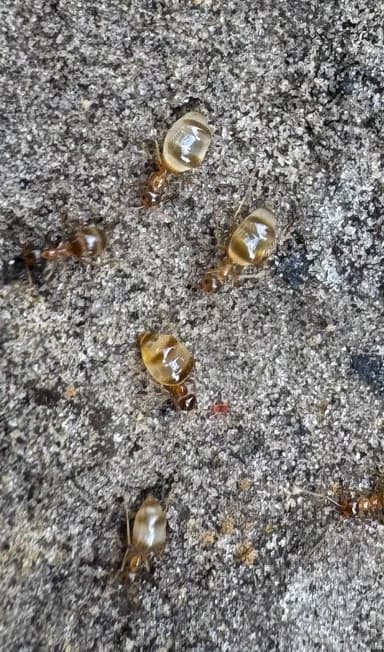
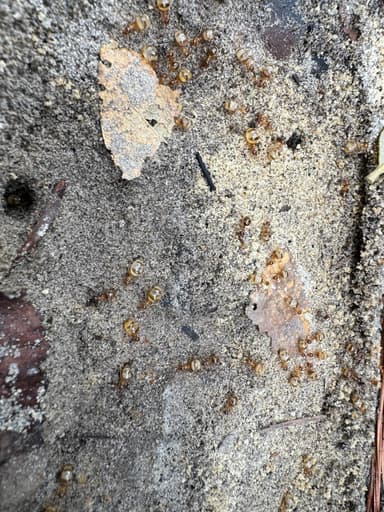
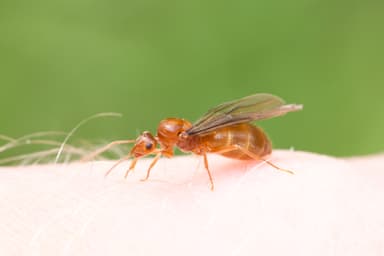
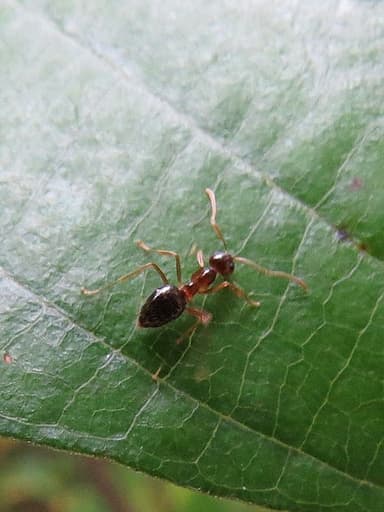
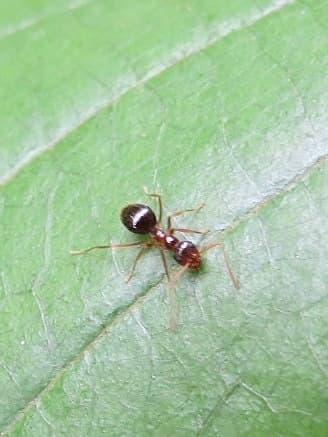
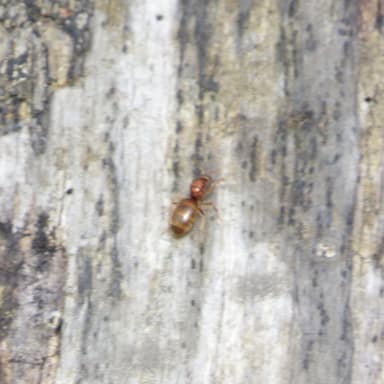
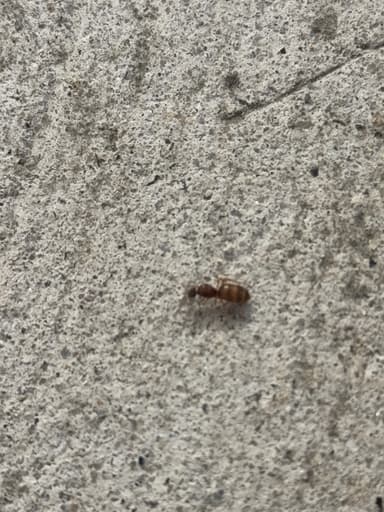
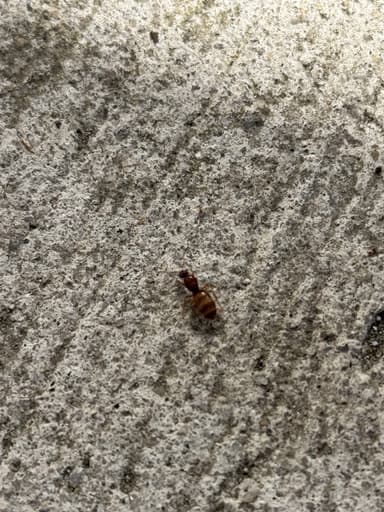
Few ants so perfectly embody the rhythm of the seasons as Prenolepis imparis, a species known colloquially as the winter ant or false honey ant. Workers are modestly sized at 3–4.5 mm, with queens reaching a more robust 6.5–8 mm, and while the species lacks true physical polymorphism, colonies do produce a specialized temporal caste: the repletes. These living storage vats, whose abdomens swell with liquid food, allow the colony to survive through lean periods and give the ant its honey-ant moniker. Mature colonies can grow to around 10,000 individuals, and their natural range stretches across much of North America, from the cool boreal edges of Canada down through the United States into subtropical northern Mexico (Talbot 1943; occurrence data). What truly sets P. imparis apart, however, is its inverted activity cycle. As Tschinkel (1987) detailed in a landmark study, these ants are winter-active, foraging at temperatures that send nearly all other ants into torpor, and their nuptial flights occur on crisp early-spring afternoons when the air warms to 18–24°C after cool nights, typically between March and May.
Given this deeply seasonal biology, Prenolepis imparis sits at an intermediate care difficulty. It is not a species for an absolute beginner who may expect year-round bustling activity, but it is immensely rewarding for a keeper who can embrace and replicate the ant’s natural rhythm. If you are the sort of hobbyist who delights in precision environmental control and finds the prospect of a colony that slumbers through summer and explodes into life as the leaves fall intriguing, this ant will captivate you. The colony’s annual cycle becomes a miniature window into a temperate ecosystem, and the sight of repletes hanging like amber droplets in the nest is a constant source of wonder. Because they require a strict dormancy period, they are best suited to keepers who already have some experience maintaining stable humidity and temperature gradients and who are not discouraged by a few months of apparent inactivity.
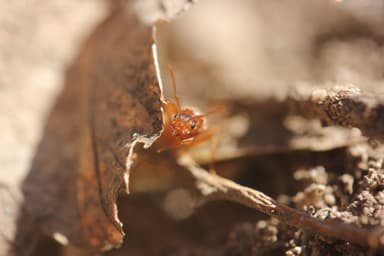
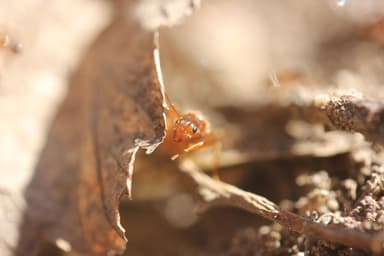
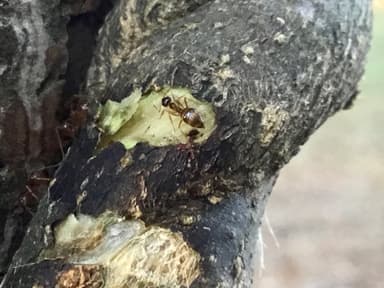
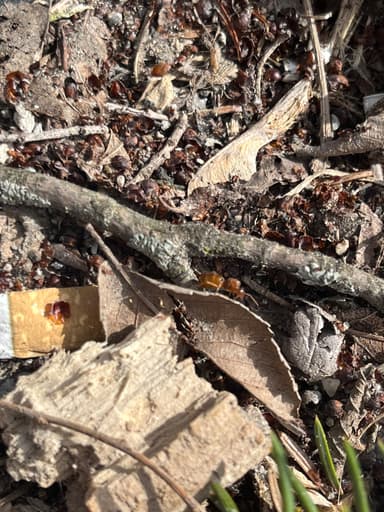
Designing housing for P. imparis means catering to a species that shuns extreme heat and loves a stable, moderate environment. Aim to keep the foraging area and nest between 8°C and 24°C, with a pronounced humidity gradient ranging from about 50% to 70%. Most modern formicaria work well, particularly those with a moisture-retaining substrate like a sand–clay mix or a plaster nest that can be kept damp on one side, as the ants appreciate the ability to choose their preferred microclimate. In nature they nest in soil, often beneath leaf litter (Lynch 1981), so a naturalistic setup with a deep substrate layer will encourage tunneling and replete formation. Crucially, P. imparis becomes stressed and may cease foraging if the nest overheats; in the height of summer you will likely need to move the colony to a cool basement or a temperature-regulated chamber to keep them within their active range. Good ventilation prevents stagnant air and mold, but avoid drafty positions that chill the nest below 8°C when they are not in dormancy.
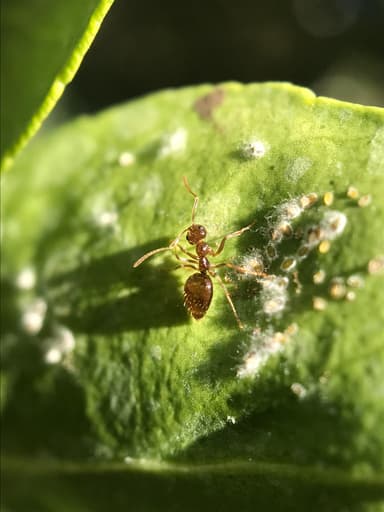
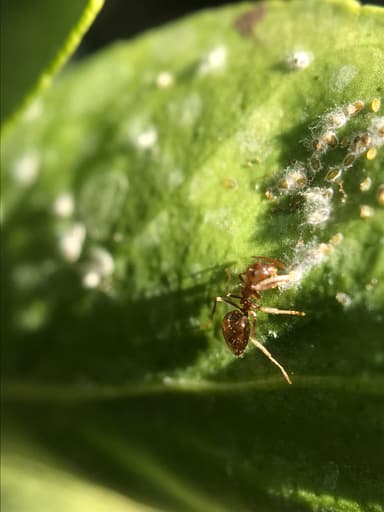
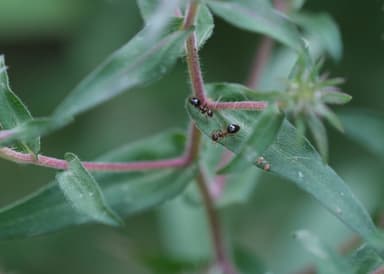
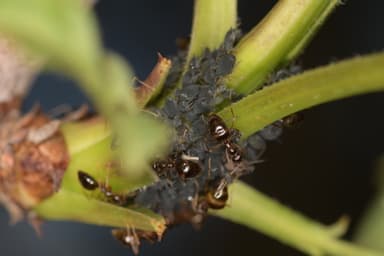
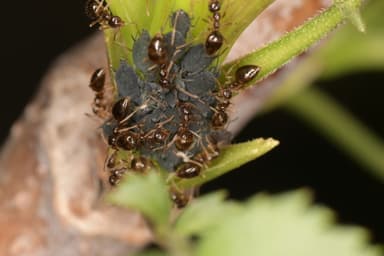
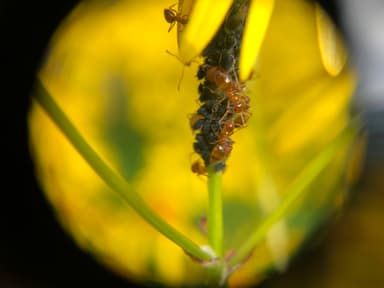
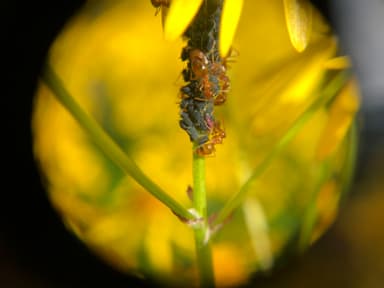
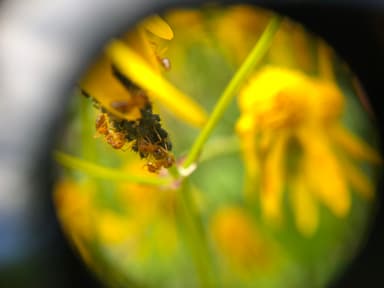
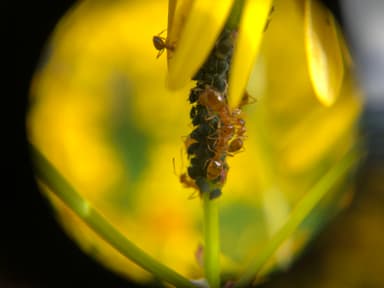
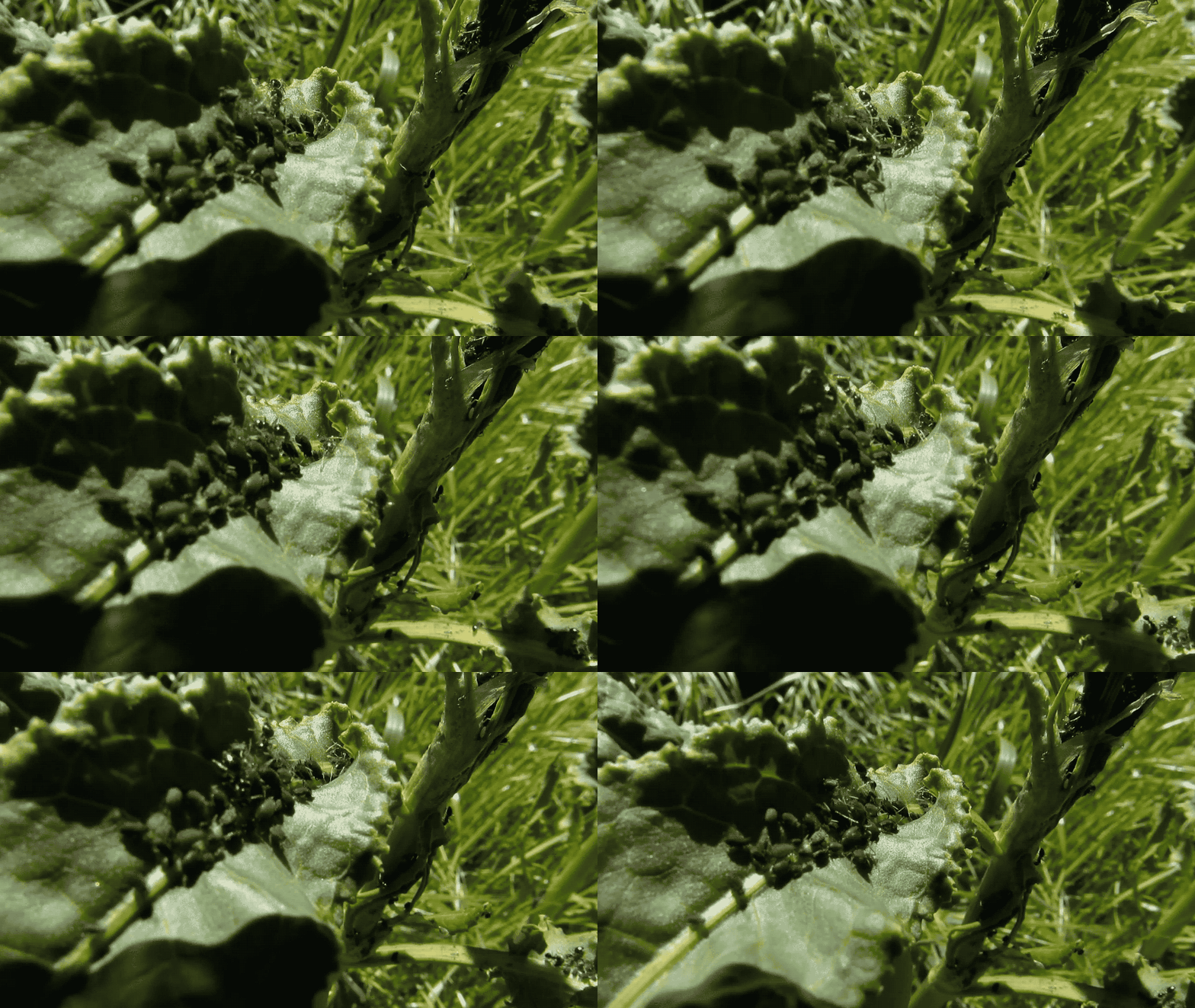
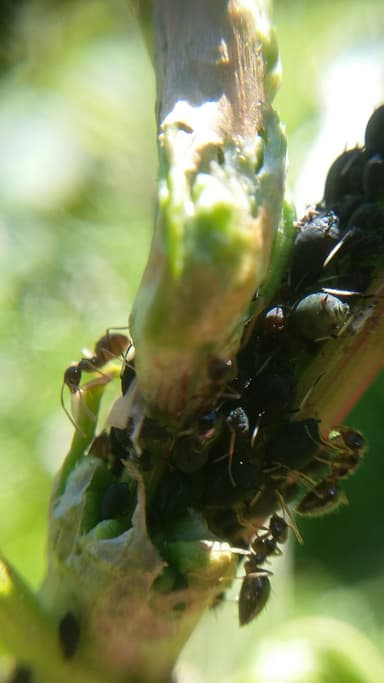
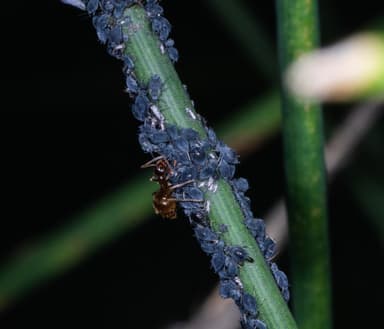
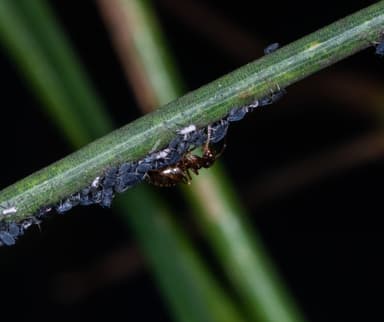
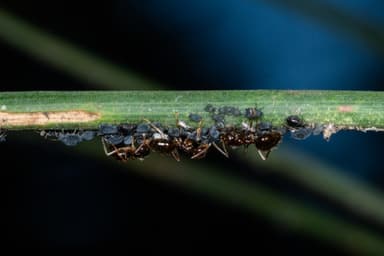
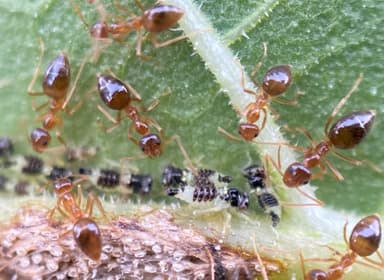
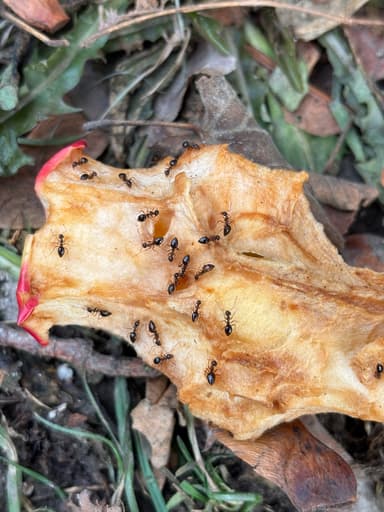
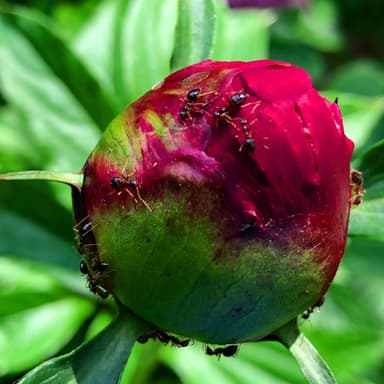
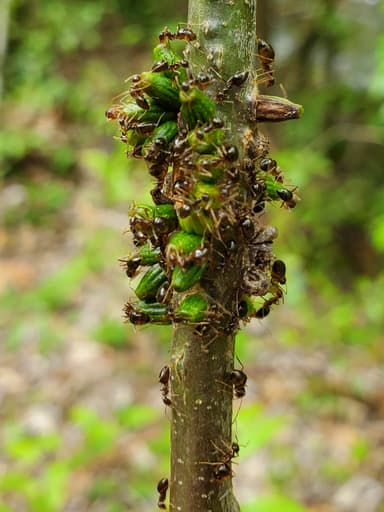
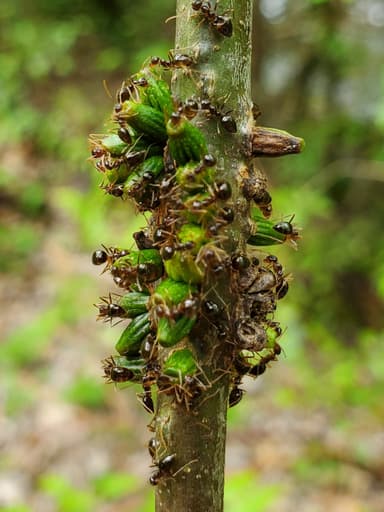
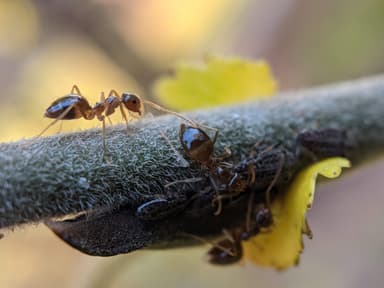
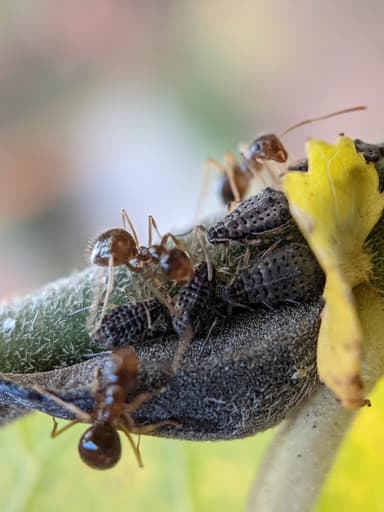
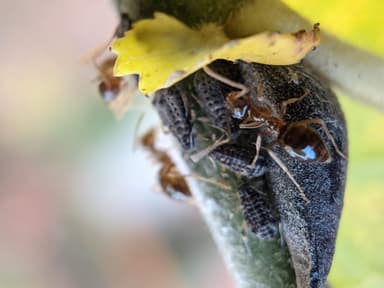
Their dietary needs are straightforward but deeply tied to the calendar. In the wild, these ants are avid tenders of aphids and scale insects, lapping up honeydew, and their repletes store vast quantities of liquid sugars (Lynch 1981). In captivity, provide a constant source of carbohydrates such as sugar water, honey water, or a commercial ant nectar alongside fresh water in a sipper tube. Protein intake supports brood development, and during the active season you should offer small insect prey like fruit flies, pinhead crickets, or chopped mealworms two to three times a week. As the colony approaches its dormant phase, they will refuse protein and rely on their stored reserves; taper offerings at that point. Surprisingly, P. imparis often forages more vigorously during cooler months, so don’t be alarmed if your colony ignores food on a warm July afternoon but voraciously takes sugar water on a chilly October morning.
Correct dormancy is not optional for this species—it is the axis around which the entire colony’s life turns. The research consensus, drawn from Tschinkel’s (1987) detailed observations of their seasonal nest dynamics, points to a required cold hibernation period at around 5°C for three to four months. In practice, many keepers put the colony into a temperature-controlled fridge or an unheated porch from approximately November through February, gradually warming them in early March to trigger the natural start of the foraging and reproductive cycle. During hibernation the ants cluster tightly and may appear almost motionless; do not disturb them and check only briefly for moisture, ensuring the nest does not dry out completely. A colony deprived of a proper dormancy typically shows weak brood production and a shortened lifespan, so this is the single most important husbandry step to get right.
When your Prenolepis imparis colony first arrives, resist the urge to fuss. Unbox them carefully in a dimly lit room and connect the travel tube or container directly to the prepared nest, allowing the ants to move in at their own pace. For the first forty-eight hours, keep the setup in a quiet, dark space and offer nothing more than a tiny drop of sugar water near the entrance to give the queen a quick energy boost. Make sure the temperature is within their comfort band—if it’s a hot summer day, immediately place them in a cool spot around 15–18°C. Watch for a steady, unhurried exploration of the nest and the first careful deposition of eggs by the queen; a claustral founder, she should begin laying within a week if conditions suit her. Signs of stress like constant frantic patrolling or a queen clinging to the cotton plug of her tube suggest the environment is too warm or dry. Be patient, move slowly, and within a few weeks you’ll see the first tiny workers, starting a journey that, if you follow the cool-weather cadence of their wild kin, will reward you for years to come.