Pogonomyrmex
Pogonomyrmex magnacanthus
Nuptial Flight Calendar
Flight months: Apr, May, Jul, Aug, Sep
Care Guide
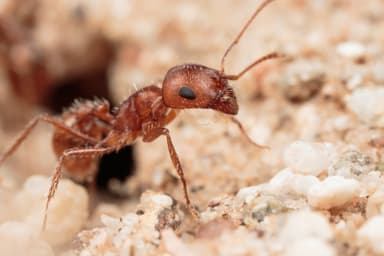
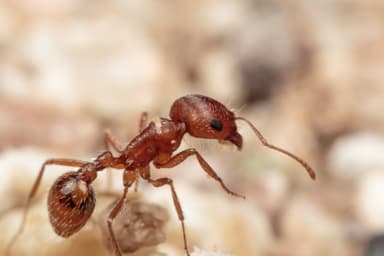
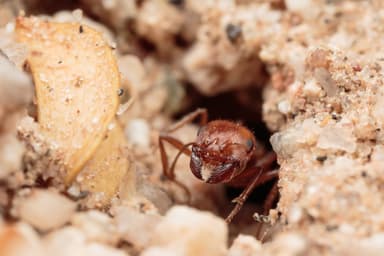
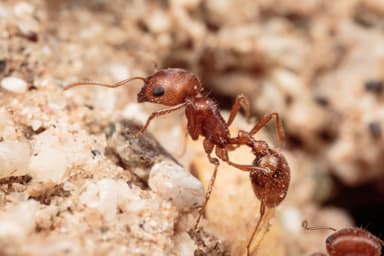
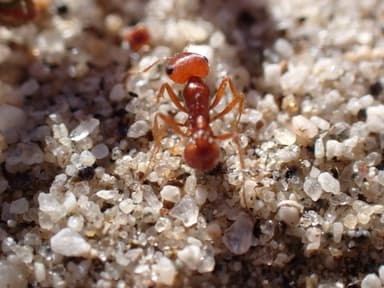
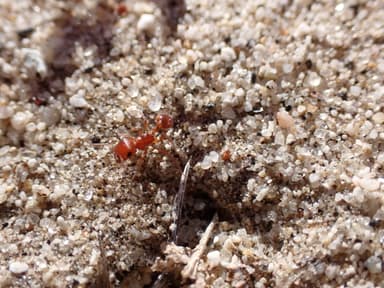
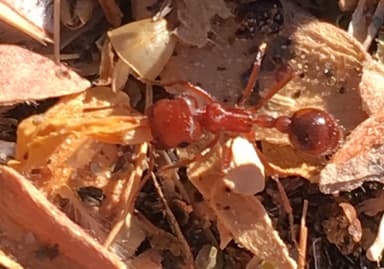
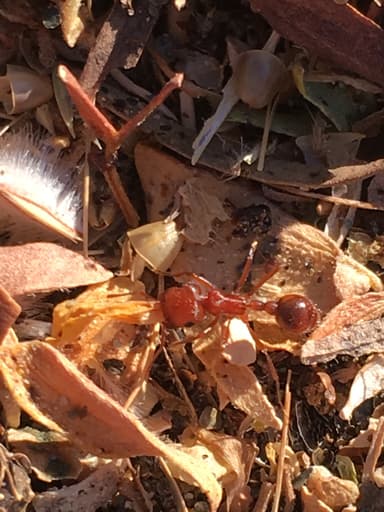
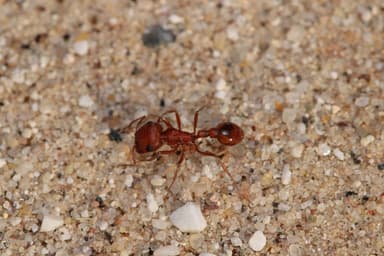
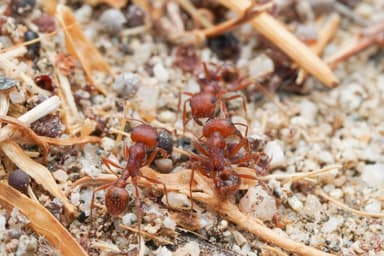
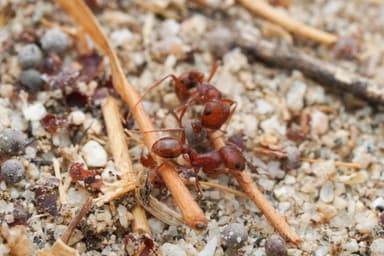
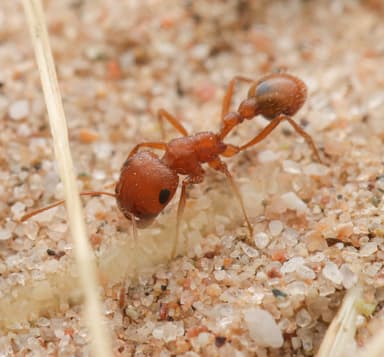
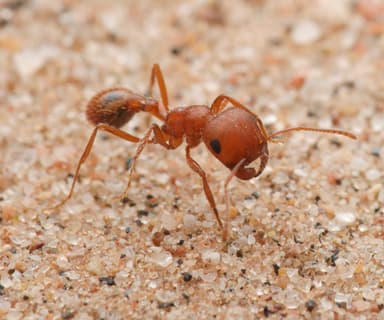
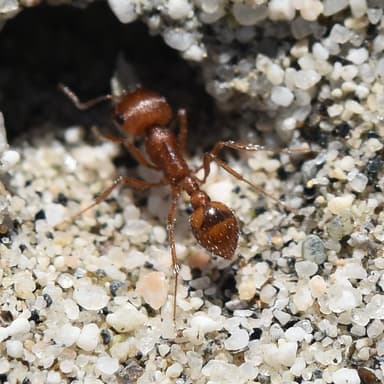
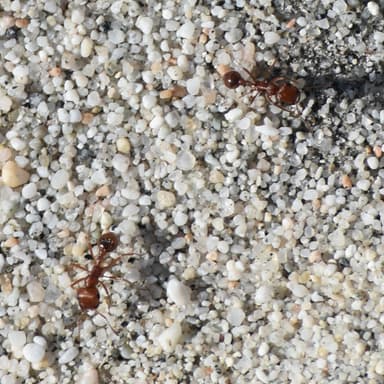
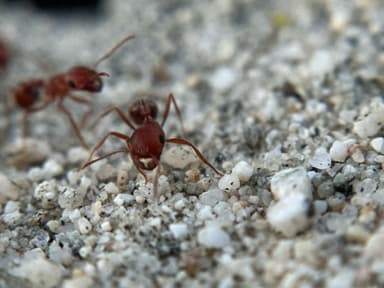
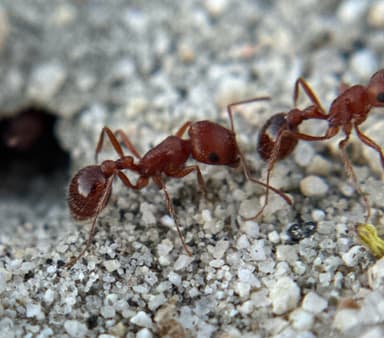
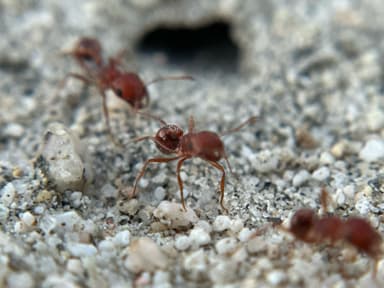
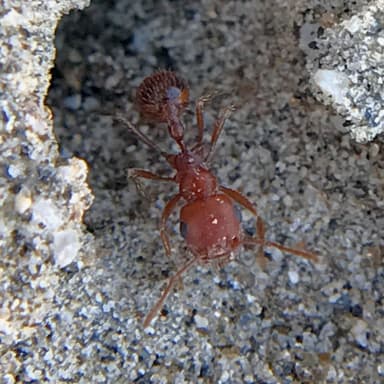
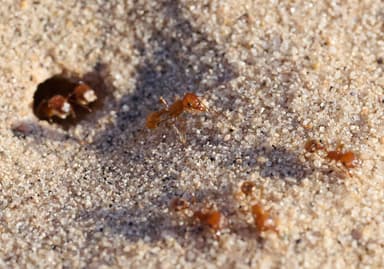
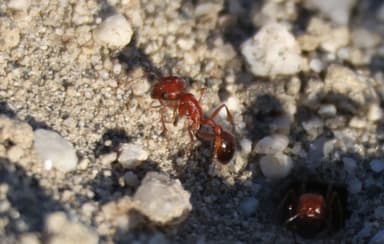
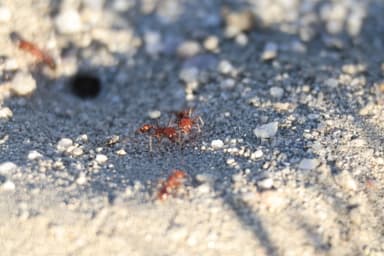
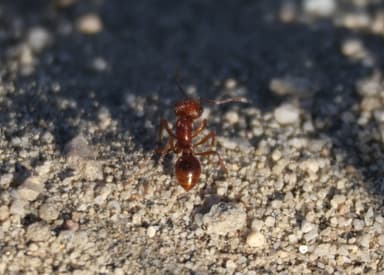
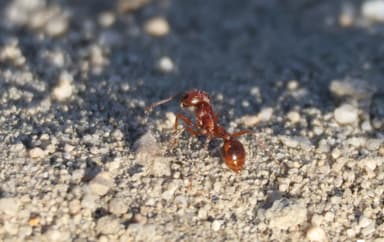
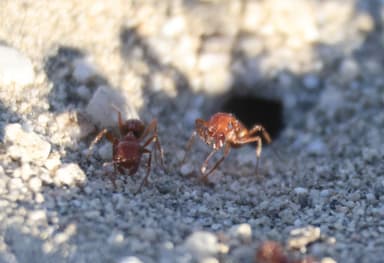
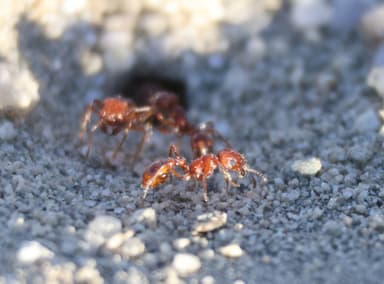
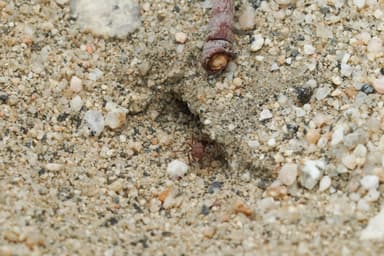
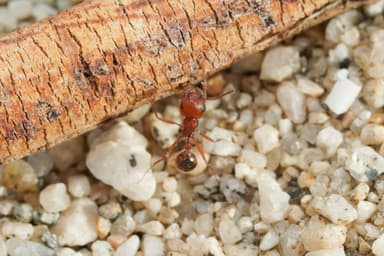
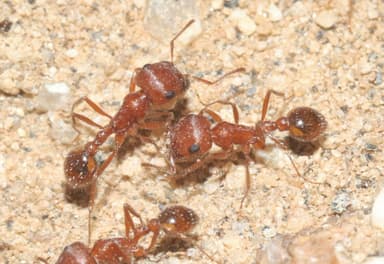
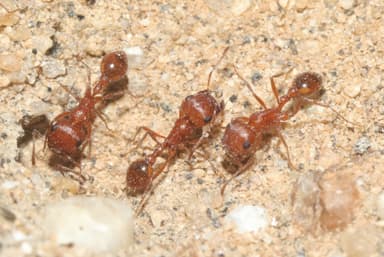
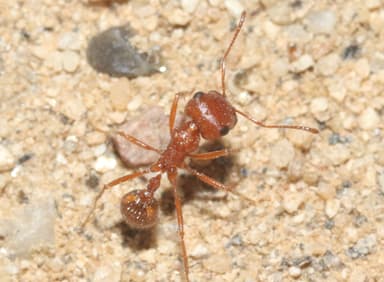
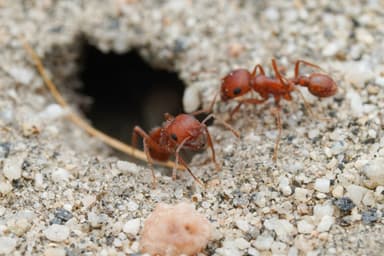
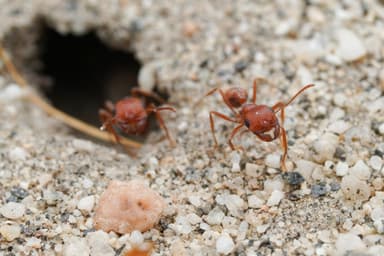
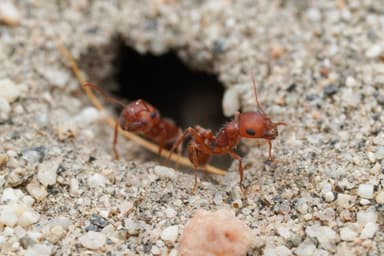
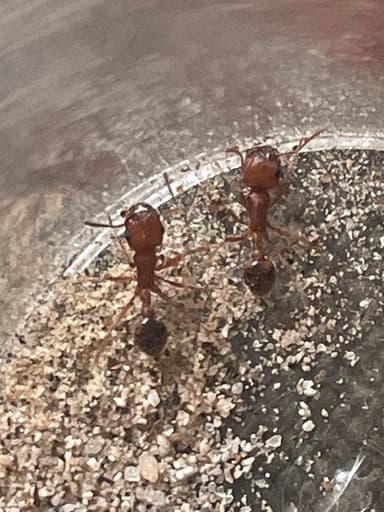
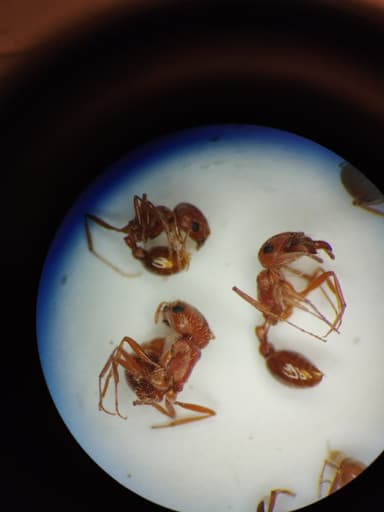
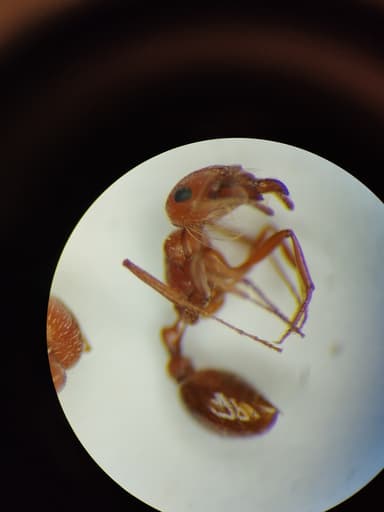
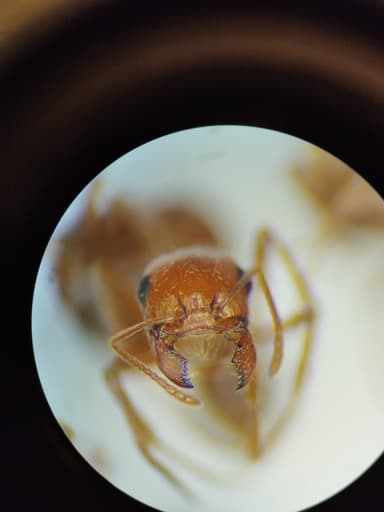
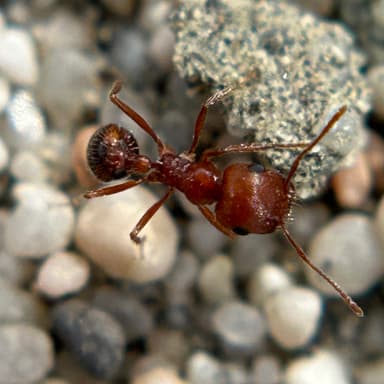
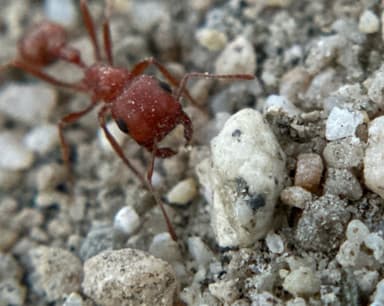
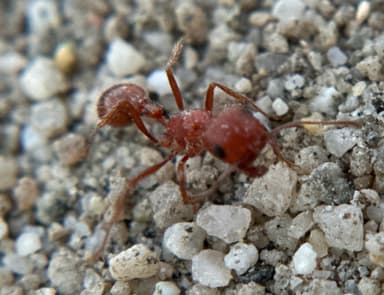
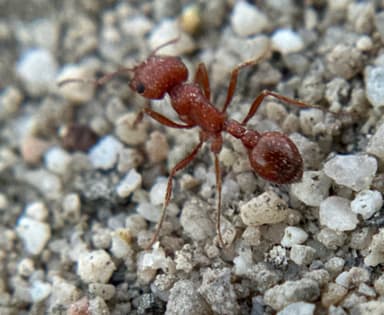
Pogonomyrmex magnacanthus is a remarkable but relatively obscure member of the North American harvester ants, native to the arid landscapes of the southwestern United States and northern Mexico, bounded roughly by the Sonoran and Chihuahuan deserts (Cole 1968). The queens are substantial at 6.5 to 7.5 mm, with a deep reddish‑brown hue, while the workers are monomorphic, all falling within a tight 4 to 5 mm size range. Unlike some of their larger cousins, these ants build modest colonies that peak at around 2,000 individuals, but what they lack in sheer numbers they make up for in their specialized granivorous lifestyle and a defensive repertoire anchored by a notoriously painful sting. Founding is fully claustral, with new queens sealing themselves away to raise their first brood solely on fat reserves and wing‑muscle histolysis—a trait that simplifies early care. Their nuptial flights reportedly follow the summer monsoon rains, with winged reproductives taking to the wing on warm mornings between July and September, though detailed observations remain sparse (Johnson 2000).
This species is decidedly for the expert keeper. The narrow thermal and humidity tolerances (22–32 °C and an extraordinarily low 20–50% relative humidity) demand precise control, and any prolonged deviation can quickly precipitate stress, fungal outbreaks, or a refusal to forage. Moreover, their defensive venom is exceptionally potent, and colonies that feel threatened will not hesitate to sting. Thus, Pogonomyrmex magnacanthus suits those who have already successfully maintained desert‑adapted ants and who appreciate the challenge of replicating a harsh, seasonally variable microenvironment. Novices should look to more forgiving harvester species, such as Messor or some Novomessor, before attempting this sensitive gem.
In the formicarium, mimicry of the Sonoran bajada is key. A well‑ventilated, dessicated setup is non‑negotiable. Ytong or plaster nests with a single shallow chamber opening into a spacious, sand‑filled outworld work well, but the nest itself must be kept almost bone‑dry; only a small test tube of water or a tiny cotton‑plugged water feeder should be provided for drinking, placed far from the brood area to avoid humidity spikes. The bulk of the nest substrate should be a fine, mineral‑rich sand or sandy loam, deep enough for the ants to arrange seeds and to construct their cryptic granaries. Temperature gradients are beneficial: offer a basking spot of 30–32 °C through a gentle heat mat placed under one‑third of the outworld, while the nest area can sit at a slightly cooler 24–26 °C. Never enclose the setup in a sealed humid environment—high airflow is your ally.
Diet centers on seeds, and a varied menu of small, hard‑coated seeds produces the best results. Grass seeds (e.g., Kentucky bluegrass), chia, poppy, and crushed nuts like sesame all mimic the seed flushes that follow desert rains. These ants macerate the seeds into a paste called “ant bread,” which is fed to their larvae. For protein, offer small, pre‑killed insects weekly—flightless fruit flies, pinhead crickets, or mealworm pieces—but only in quantities they can consume within a few hours to prevent spoilage in the arid warmth. A carbohydrate supplement such as a drop of honey water can be given sparingly during periods of high brood production, but it is not a staple; most Pogonomyrmex workers are not avid liquid‑feeders and the seeds already contain carbohydrates. Fresh water must always be available via a test tube setup or a capillary waterer, never a pool that might drown foragers.
Hibernation is an absolute requirement for long‑term colony health. In their native high desert, winter temperatures drop significantly; thus, a sustained cooling period at around 12 °C is mandatory. Begin gradually reducing temperatures over two to three weeks in late autumn, and maintain the cool, dark hibernation for three to four months. The ants will cluster tightly and cease foraging, relying on stored seed reserves and their own metabolic slowdown. A wine cooler or dedicated hibernation chamber set to exactly 12 °C works well, but be certain the nest does not become moist or condensing—ventilation remains critical even in dormancy. Failure to hibernate typically leads to dwindling brood production and eventual colony collapse within the next season.
Upon receiving a new colony, patience is paramount. House them immediately in their permanent setup with a shallow sand layer and a water source, and then leave them completely undisturbed in a dim, quiet room for at least five days. After this acclimation, scatter a tiny pinch of mixed seeds near the nest entrance and observe without tapping or breathing on the setup; the colony may initially be timid. Refrain from offering protein until workers are seen actively gathering seeds and the queen has resumed egg‑laying. Watch for telltale signs of stress: excessive wall‑clinging, frantic running, or refusal to enter the nest chamber often indicate too‑high humidity or vibration. Once settled, a well‑managed colony of Pogonomyrmex magnacanthus rewards the dedicated keeper with an intimate view into the life of one of the desert’s most specialized and ecologically significant seed‑harvesters.