Myrmica
Myrmica scabrinodis
Nuptial Flight Calendar
Flight months: Jul, Aug, Sep
Care Guide
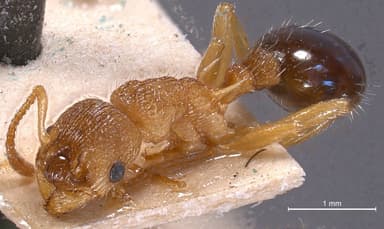
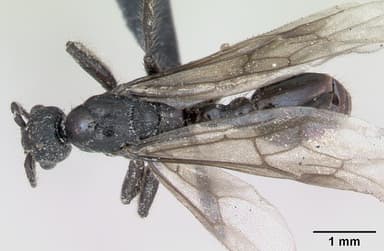
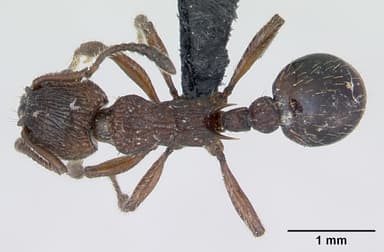
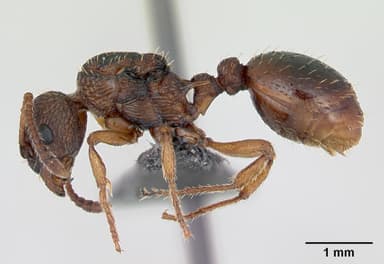
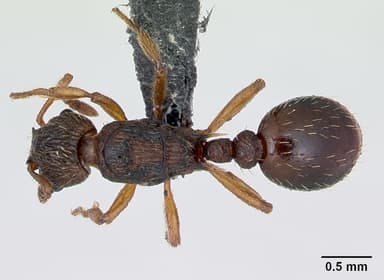
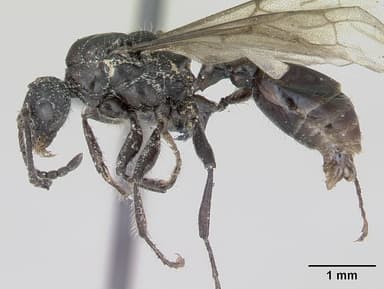
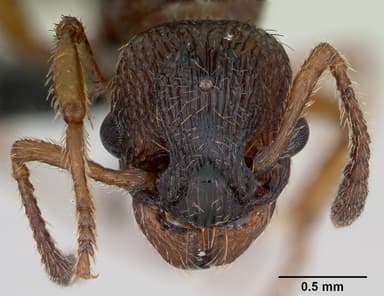
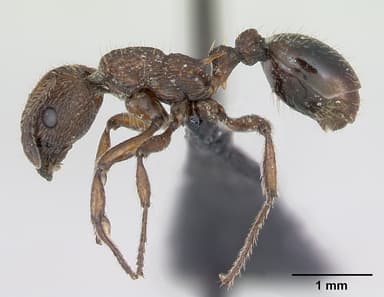
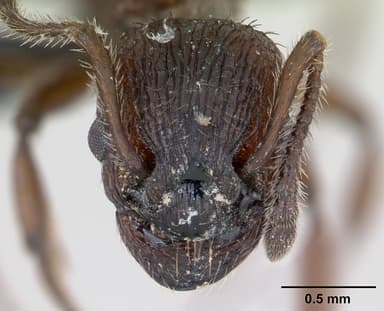
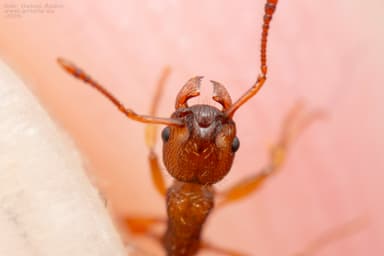
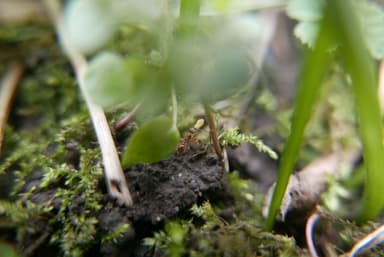
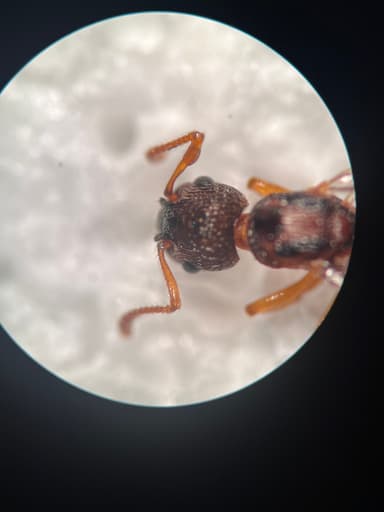
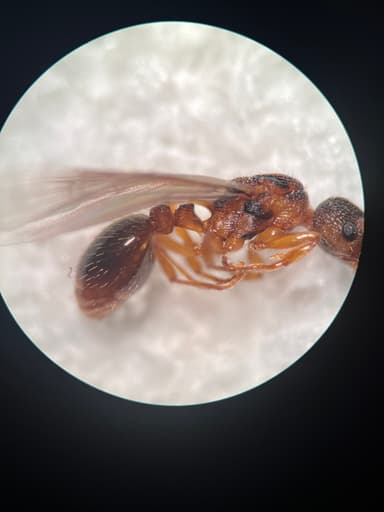
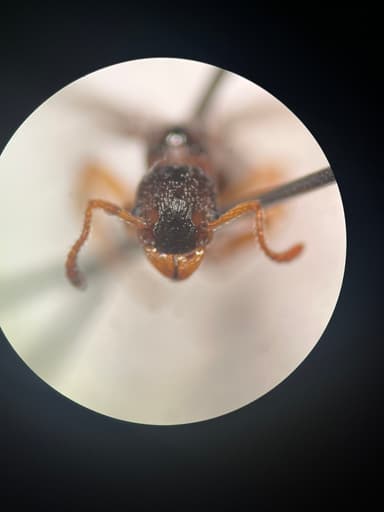
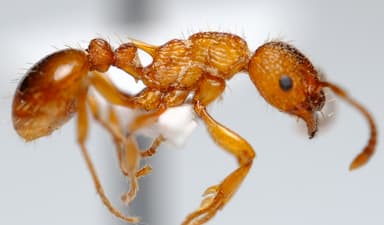
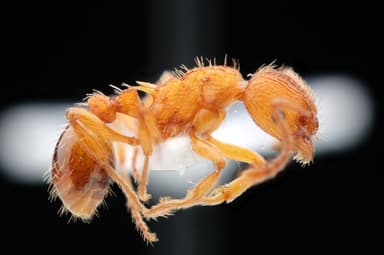
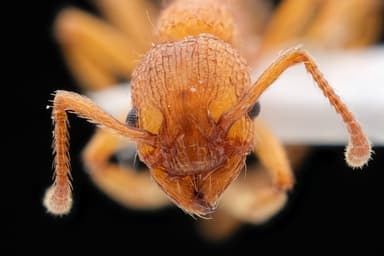
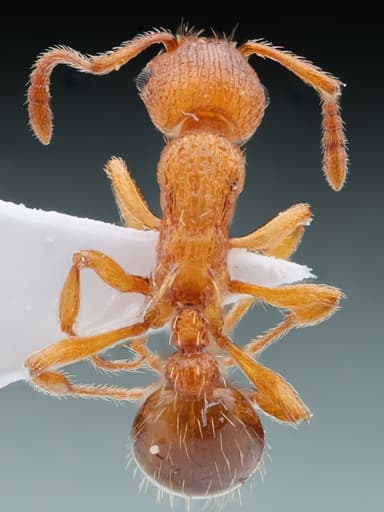
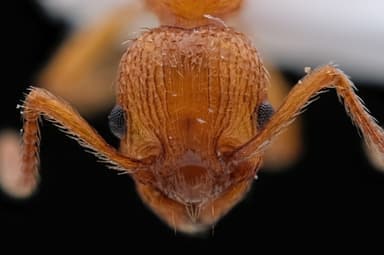
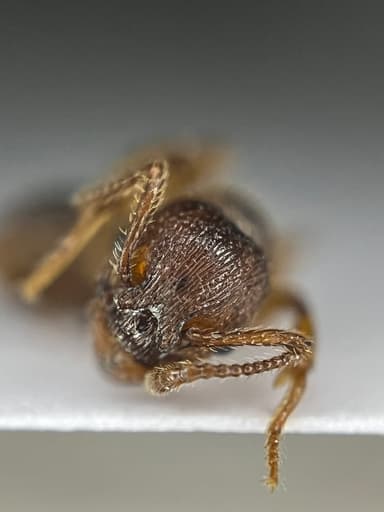
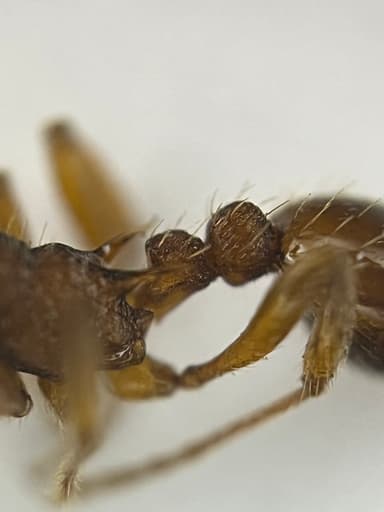
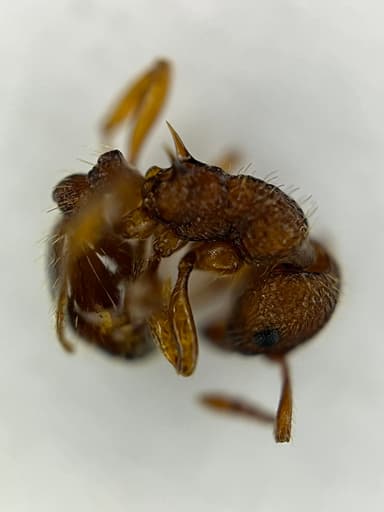
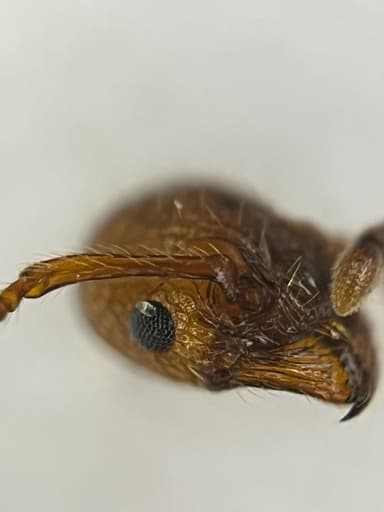
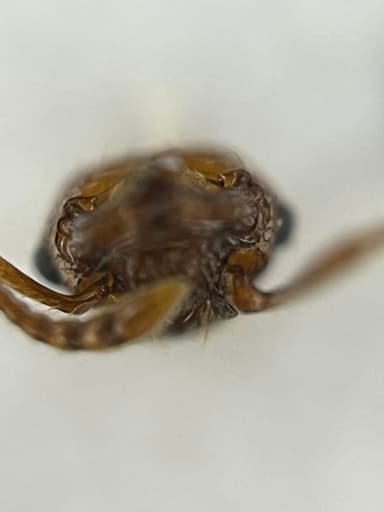
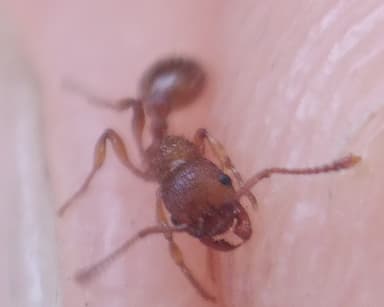
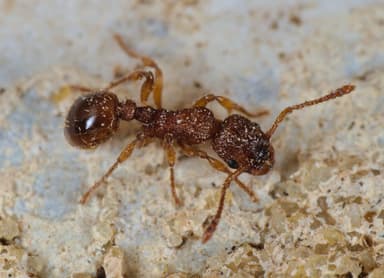
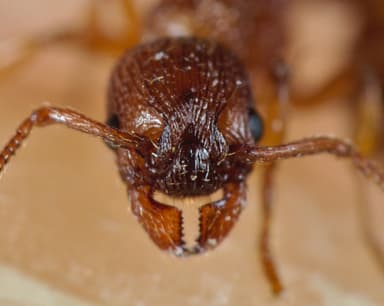
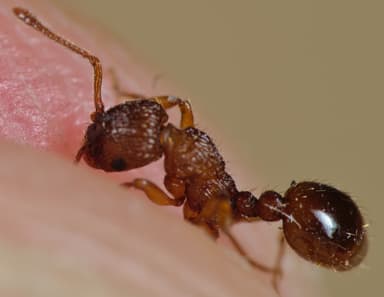
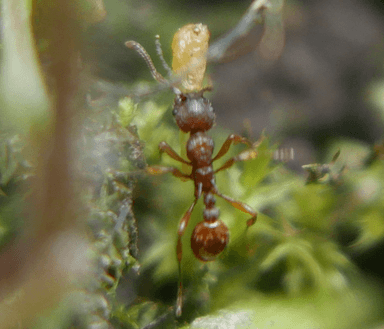
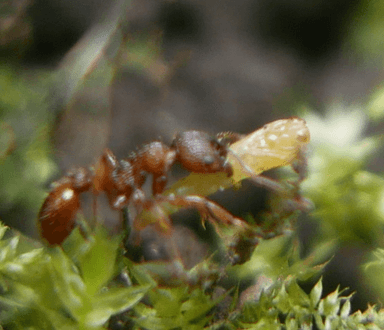
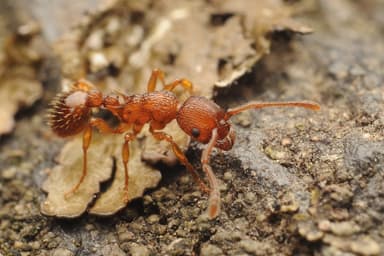
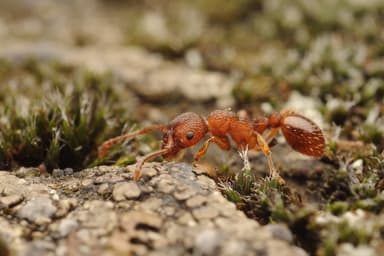
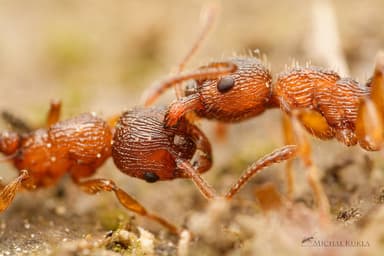
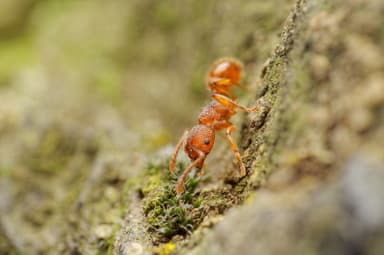
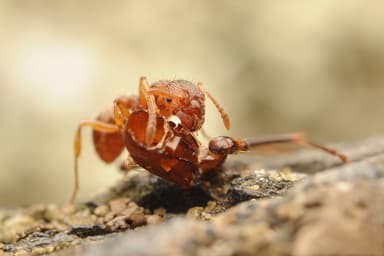
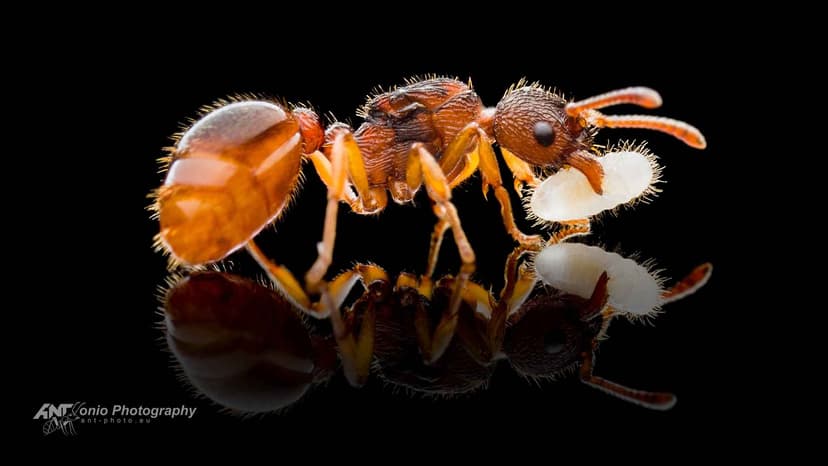
Myrmica scabrinodis, first described by Nylander in 1846, is a resilient and widely distributed ant found from the cool woodlands of Scandinavia to the warmer lowlands of southern Europe and east into Asia, with records spanning a bounding box from 36° to 68° north and from 10° west to 140° east (GBIF occurrence data). Queens measure a robust 5.5–7 millimetres, while their monomorphic workers range from 4 to 5.5 millimetres, all cloaked in a reddish‑brown cuticle with a somewhat shiny gaster. Colonies are typically monogynous or at most oligogynous, yet they can still swell to a respectable 2,500 individuals when thriving. What makes this species particularly fascinating is its semi‑claustral founding strategy: newly mated queens must leave the safety of their brood chamber to forage for food during the earliest stages of colony establishment, a behaviour that offers a captivating window into the interplay between maternal investment and self‑sufficiency. Additionally, like many of its congeners, M. scabrinodis possesses a functional sting that, while not medically significant, can deliver a sharp pinch, underscoring the need for careful handling (Seifert 2018; Czechowski et al. 2012).
With an overall care difficulty rated as intermediate, this ant is best suited to keepers who have already mastered the basics of humidity control and routine feeding and are ready to manage a more active, semi‑claustral species. A foundational understanding of hibernation is essential, as is patience during the queen’s solitary founding phase. The species is decidedly not for the complete beginner, but for anyone with a few successful colonies under their belt, Myrmica scabrinodis offers tremendous rewards: energetic foraging, a keen visibility of brood‑rearing, and the authentic challenge of replicating a temperate microenvironment.
Housing should mimic the cool, moist grassland and woodland edge habitats these ants favour. Aim for a temperature gradient between 18 and 26°C, with a relative humidity consistently held at 60–80%. Such conditions are readily achieved in plaster, ytong, or high‑quality soil‑based nests that wick moisture from a water source; a well‑constructed naturalistic setup incorporating a sand‑clay mixture will allow the ants to express their modest digging tendencies while also providing stable humidity. The foraging arena must be completely escape‑proof because these workers climb smooth surfaces with ease — a tight‑fitting lid and a barrier of PTFE or olive oil are non‑negotiable. While they do not require special lighting, a natural photoperiod helps synchronize their internal clock. A thin layer of decorative substrate such as sand or fine gravel in the arena completes the habitat and gives the ants a surface they can explore confidently.
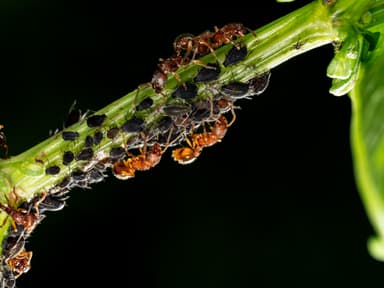
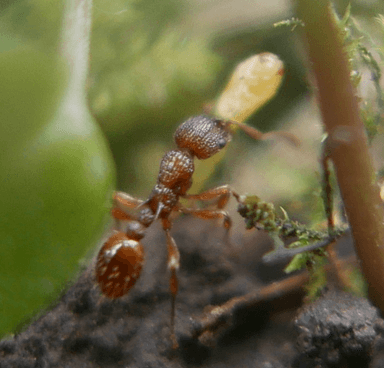
Feeding Myrmica scabrinodis is a straightforward affair once you appreciate their omnivorous opportunism. In the wild they tend aphids for honeydew and scavenge small invertebrates; in captivity, carbohydrate sources like sugar water, diluted honey, or pieces of ripe fruit should be offered two to three times a week, while protein is supplied by freshly killed or pre‑frozen insects such as crickets, mealworms, and fruit flies. A small, permanent water source — a test tube plugged with wet cotton or a sponge soaked in clean water — is critical to prevent desiccation, especially given the high humidity requirements. During the semi‑claustral founding phase, the queen must be fed directly: offer her a tiny droplet of carbohydrate and a piece of insect leg every other day, removing any uneaten food promptly to prevent mould.
Hibernation is an uncompromising requirement if the colony is to remain healthy and productive. In their native range, these ants experience a pronounced winter cold that triggers a period of dormancy. Replicate this by gradually lowering the temperature over a few weeks in late autumn until the colony sits at a stable 5°C, where it must remain for three to four months. A dedicated refrigerator, wine cooler, or insulated cellar is ideal; during this time check only that the nest retains adequate moisture and that no condensation leads to flooding. Skipping or shortening hibernation almost invariably results in a queen that stops laying, workers that age prematurely, and a general decline that can be difficult to reverse.
When you first receive your ants, whether a single queen or a small founding colony, the key is to respect their stress threshold. Place a newly arrived queen in a small, dark test tube setup with a moist cotton plug and a pinch of fine soil; leave her undisturbed for a day before offering the first micro‑feed. For an established colony, connect the transport container to the prepared nest and allow the ants to move at their own pace, resisting the urge to nudge or pour them. Only after they have settled and begun to explore the arena should you introduce a droplet of sugar water and, a few hours later, a pre‑killed fruit fly. In these early days, watch for the workers actively tending brood, the queen’s gaster remaining plump, and a steady interest in food. Any sign of excessive dampness, mould, or restless escape attempts should prompt a quick adjustment of ventilation or moisture, setting the foundation for a vigorous, long‑lived colony.