Myrmica
Myrmica pinetorum
Nuptial Flight Calendar
Flight months: May, Jul, Aug, Sep
Care Guide
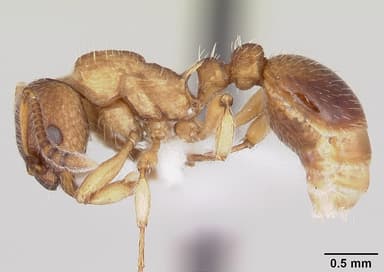
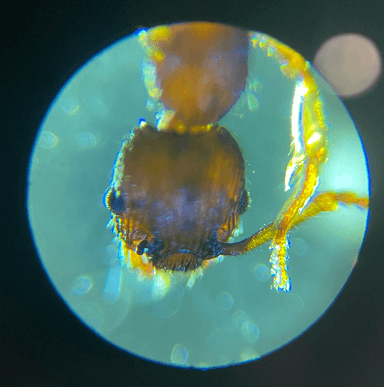
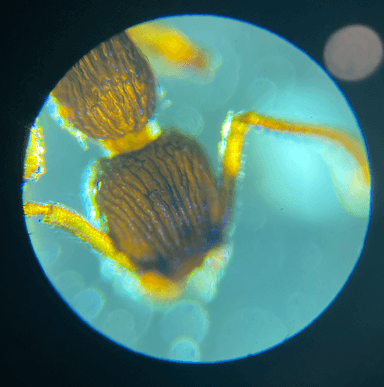
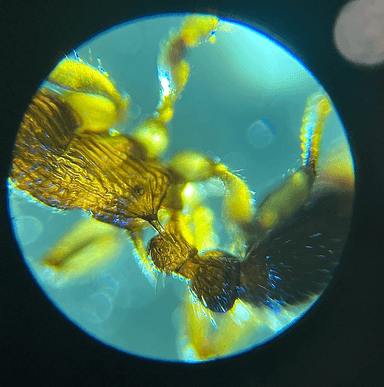
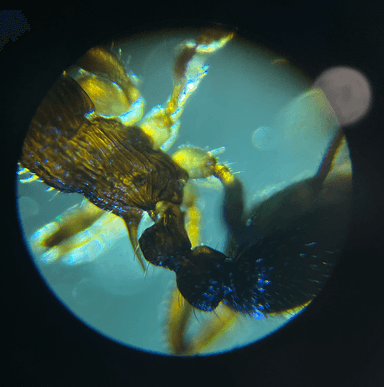
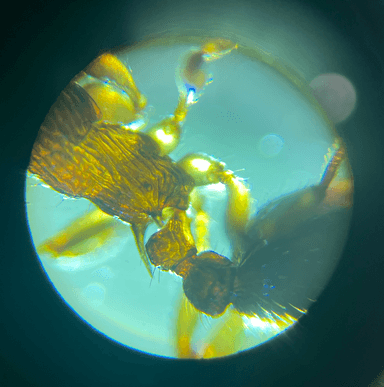
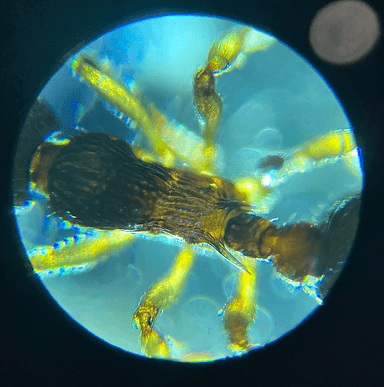
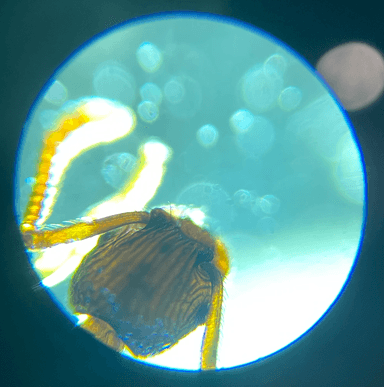
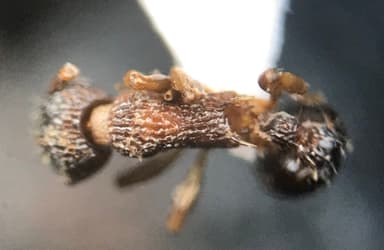
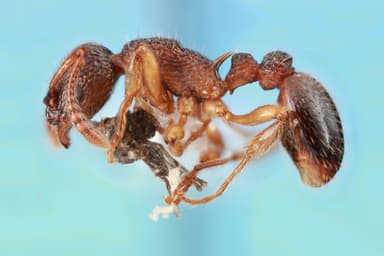
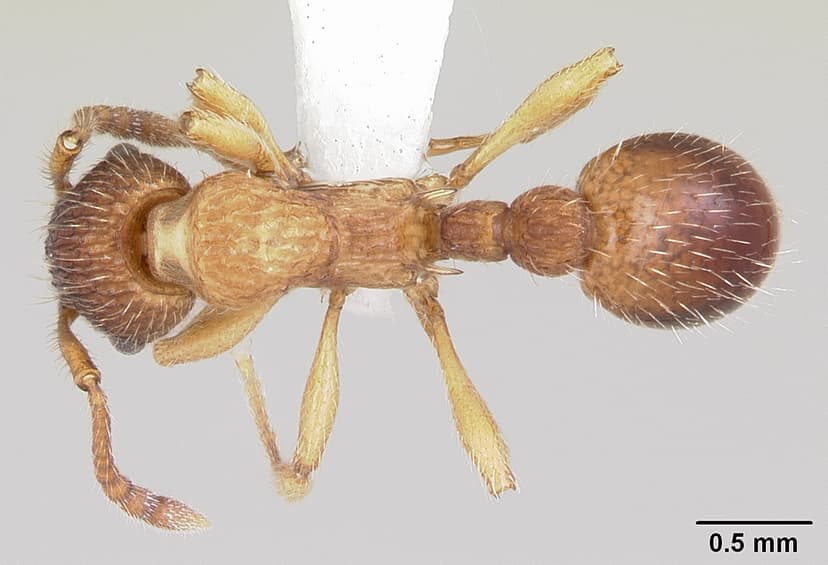
Myrmica pinetorum is a subtle beauty of the eastern North American woodlands, a small, reddish‑brown ant that brings the quiet energy of the pine forest floor into the careful keeper’s home. Queens range from 5 to 6 mm, while the monomorphic workers span a slender 3.5 to 4.5 mm, all cast in a russet that blends effortlessly with needle litter. Colonies mature to a modest 1,500 individuals, a size large enough to showcase the full repertoire of Myrmica life: deliberate foraging, a punchy sting, and attentive brood care. Like all its close relatives, newly mated queens retreat into seclusion to found claustrally, nourishing their first brood from internal reserves. In the wild, mating flights occur in late summer, with scattered records pointing to warm, humid afternoons following rain from July through September—though direct observations are few, lending a pleasant air of mystery to this species’ early life. Francoeur (2007) placed it within the Nearctic punctiventris complex, and Coovert (2005) documented its quiet presence in the well‑drained soils of Ohio and neighboring states, often under stones or decaying wood. For the hobbyist, its appeal lies in that blend of manageable colony size, lively temperament, and the chance to recreate a slice of a vanishing eastern pine ecosystem.
This is a species for the intermediate keeper, someone who has already experienced the rhythm of a temperate ant’s year and can maintain a steady microclimate. The difficulty rating stems not from unpredictable aggression but from a few interlocking demands: a relatively narrow temperature range, high humidity, a mandatory cold hibernation, and the escape‑artist potential of a 3.5‑millimeter insect armed with a defensive sting. A beginner fresh from a Lasius or Camponotus may find the moisture control and overwintering discipline frustrating, while a keeper who has successfully wintered a similar‑sized temperate species will find Myrmica pinetorum both challenging and deeply satisfying. The sting, though tiny, is proportionately sharp, so secure barriers and careful lid design are a must.
Housing should echo the cool, humid duff of a pine forest. A plaster, gypsum, or ytong nest block that allows a moisture gradient works beautifully, while a naturalistic substrate nest—sterilized sandy soil mixed with shredded bark and pine needles—can be even more rewarding. Inside the nest, aim for a humidity of 60–80% by providing a water reservoir or moistened base; a dry area for foraging should always be available. Temperature needs to stay between 18 and 24°C, with a steady room temperature around 21°C being ideal. An outworld sealed with a PTFE or fluon barrier is non‑negotiable, as workers will test every seam. A layer of leaf litter or pine needles in the foraging arena gives them cover and encourages the deliberate, tapping exploration that makes this genus so watchable.
In terms of diet, Myrmica pinetorum is a generalist with a taste for soft‑bodied prey. Offer fruit flies, pinhead crickets, chopped mealworms, or worker termites two to three times a week, removing uneaten remains before they spoil. Carbohydrates can be supplied as a shallow drop of diluted honey, sugar water, or commercial ant nectar placed on a small feeding tray to prevent drowning and mold. Fresh water should be constantly present, either through a test‑tube drinker or the nest’s hydration system. Because of the high humidity required, moderation is critical; a neglected sugar droplet in a warm, moist environment will rapidly become a vector for fungus.
A cold hibernation at around 5°C is not merely suggested—it is essential for the colony’s long‑term endocrine cycle and queen fecundity. Across their broad eastern range, from the Gulf Coast to the Great Lakes, these ants are genetically programmed for a dormancy of three to four months. Begin cooling gradually in late fall, and once the nest is stable at 5°C, check only occasionally to ensure the medium remains just damp, never wet. The colony will cluster tightly and cease all above‑ground activity. In early spring, warm them slowly back to active temperatures and offer sugar water as their first meal; skipping this rest can lead to brood failure and queen death within the year.
When your Myrmica pinetorum arrives, the first 48 hours are all about gentle acclimation. Place the tube or nest in a dark, quiet spot at room temperature and resist the urge to peek more than briefly. A tiny smear of sugar water on wax paper in the outworld is enough; hold off on protein for at least two days. A stressed colony may ignore food entirely, and a dead cricket in a humid nest is a fast‑spreading disaster. Watch for normal recovery signs: workers grooming the queen, brood being repositioned, and eventually a tentative forager taking the sugar. If the ants seem listless, reassess temperature and humidity, then give them more time. Once they are taking food and exploring confidently, you can begin a regular feeding schedule and gradually increase observation windows—always mindful of their minuscule size and the inevitable escape attempt. In time, you’ll be rewarded with a colony whose daily pulse mirrors the quiet, persistent life of the pine woods.