Monomorium
Monomorium minimum
Nuptial Flight Calendar
Flight months: Mar, Apr, May, Jun, Jul, Aug
Care Guide
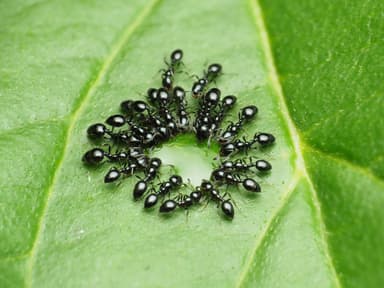
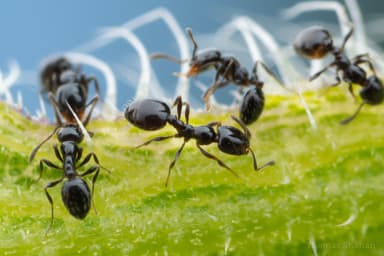
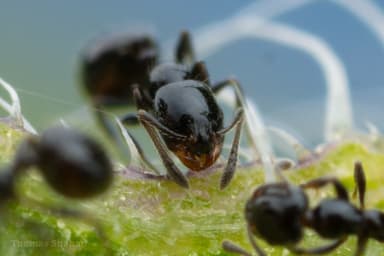
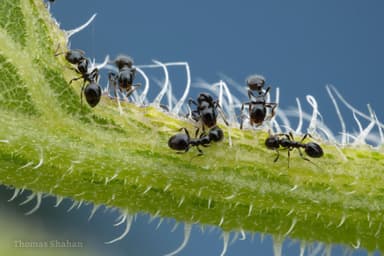
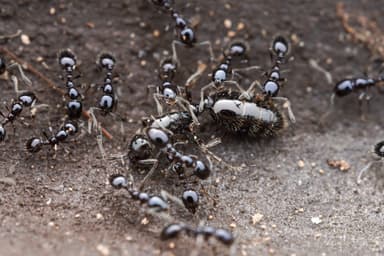
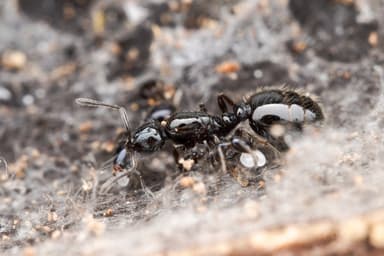
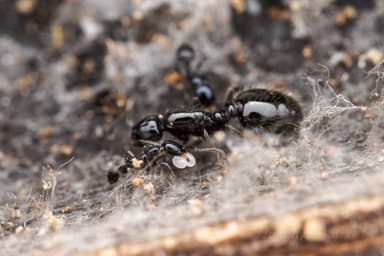
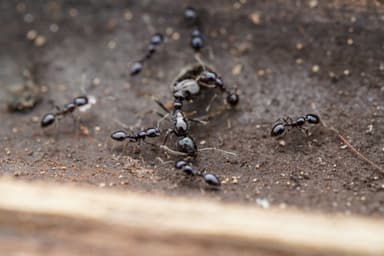
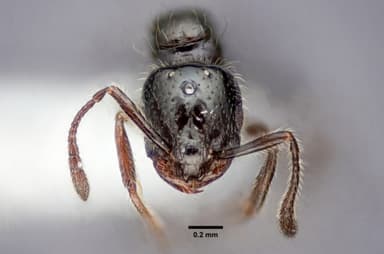
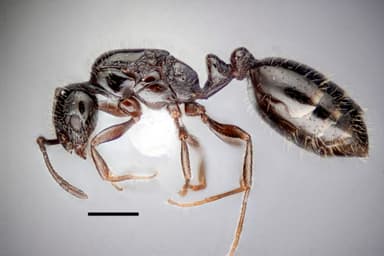
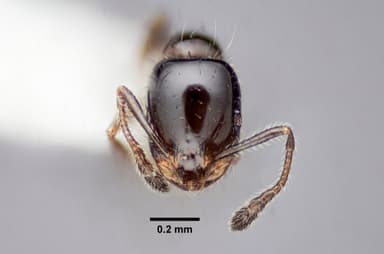
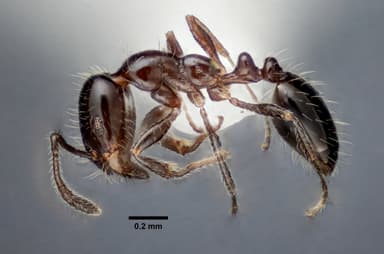
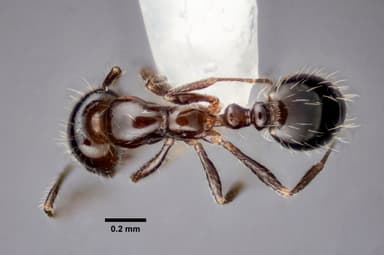
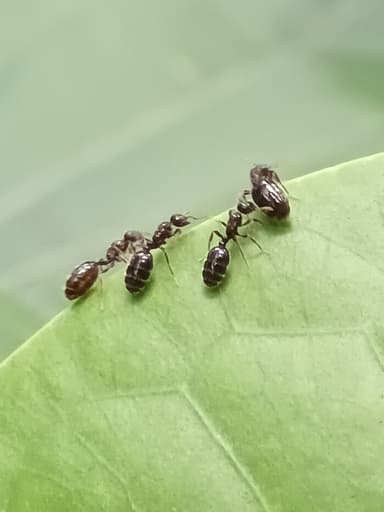
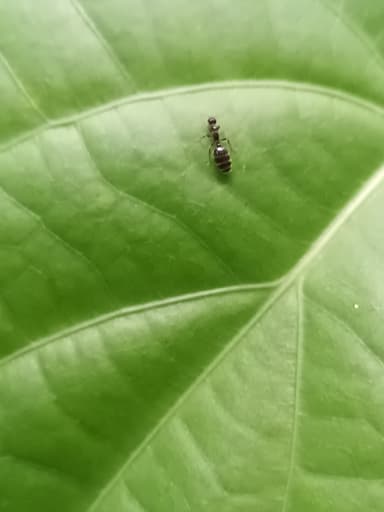
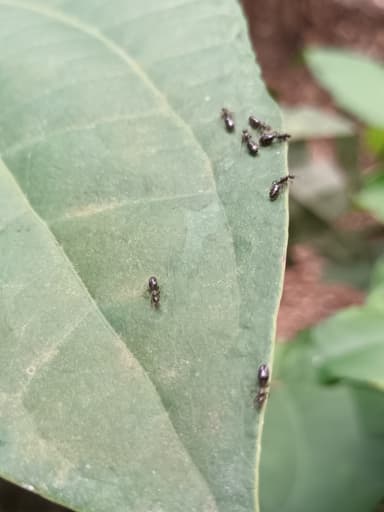
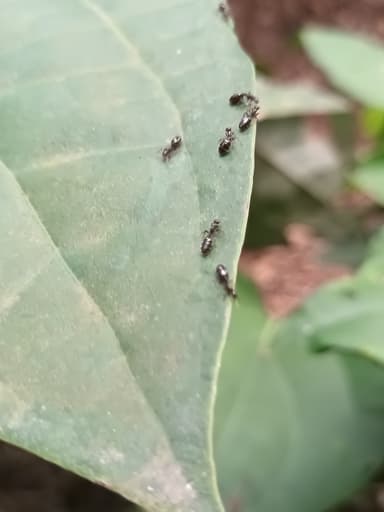
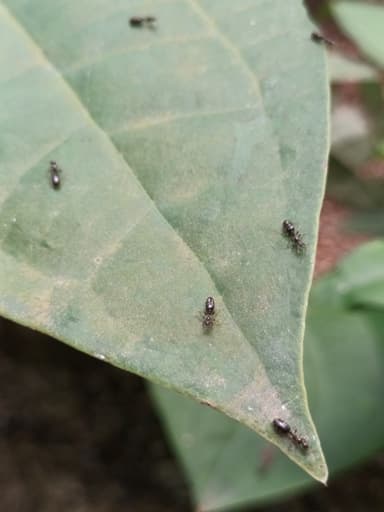
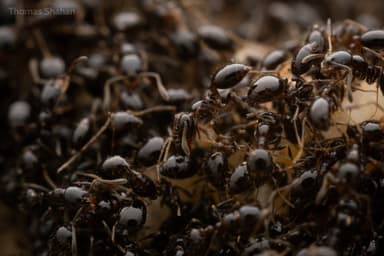
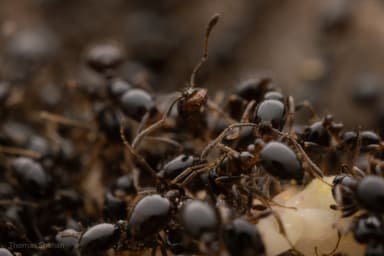
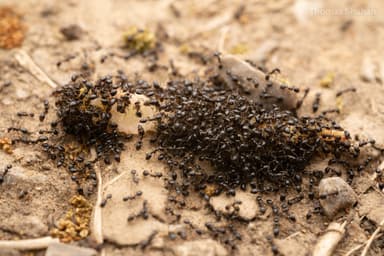
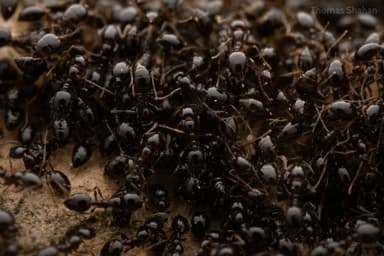
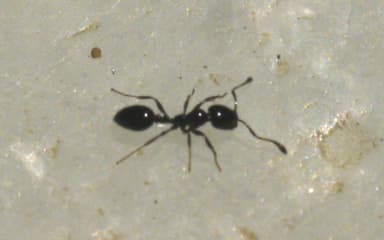
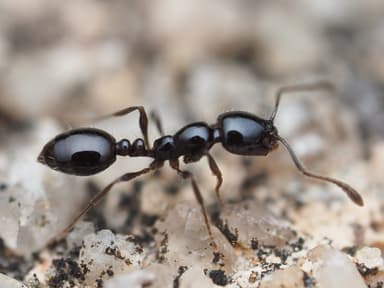
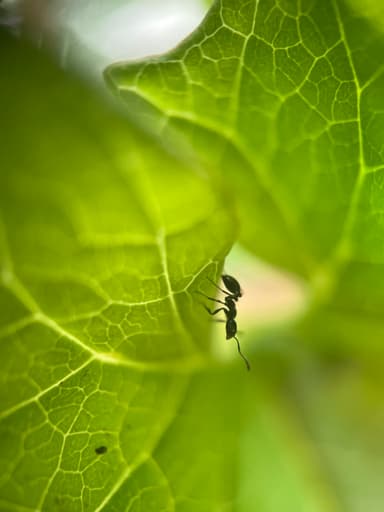
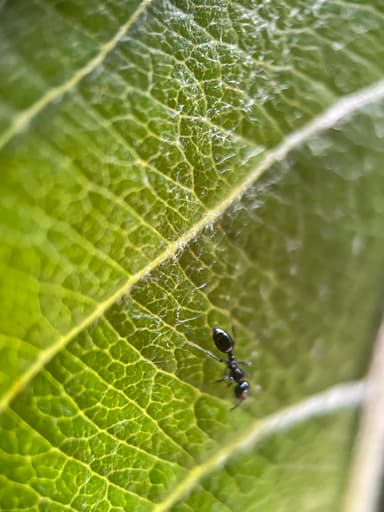
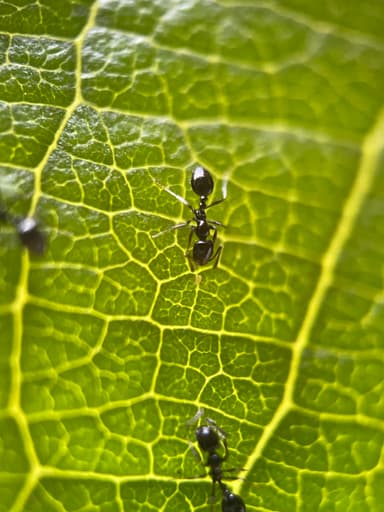
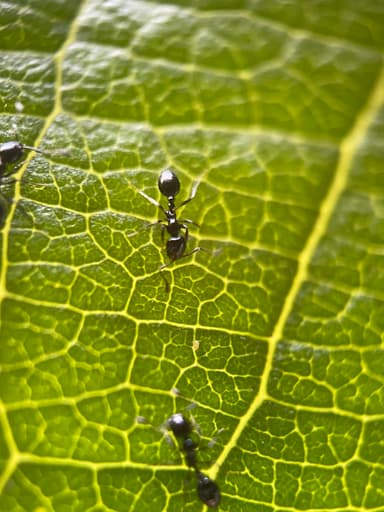
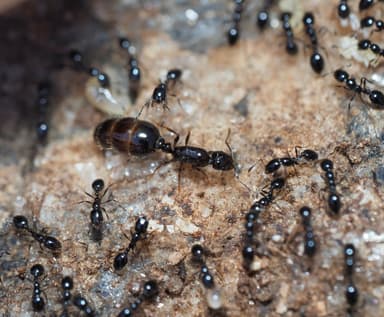
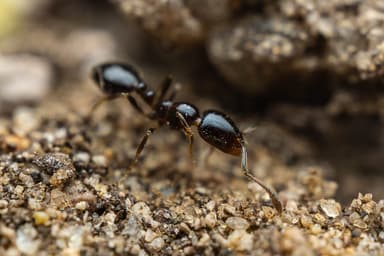
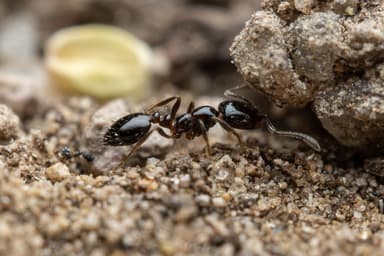
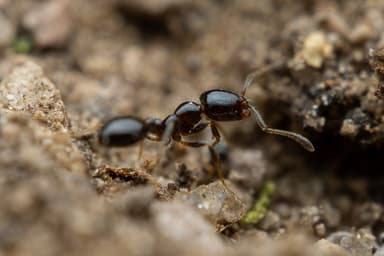
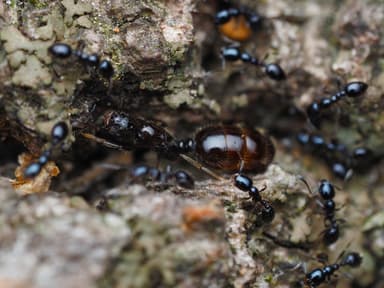
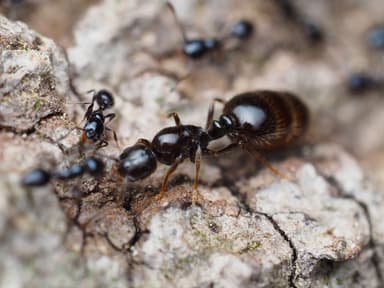
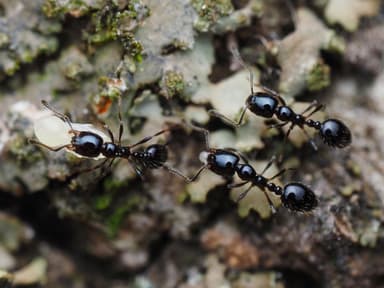
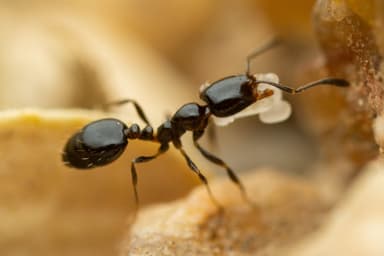
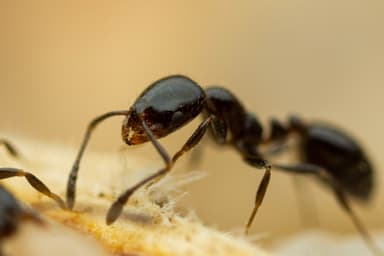
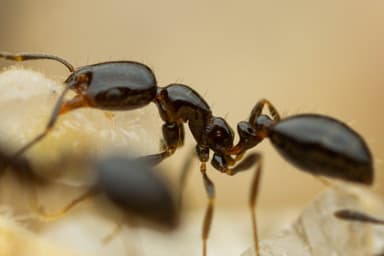
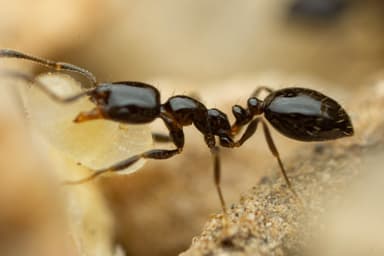
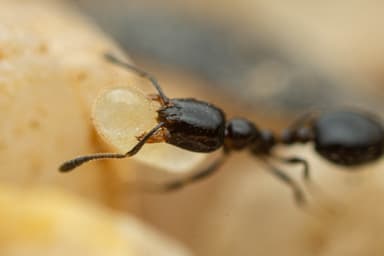
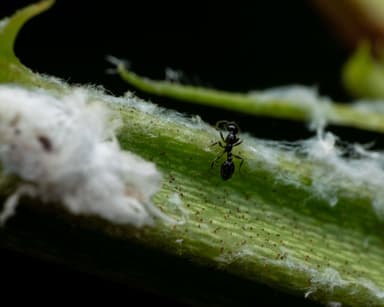
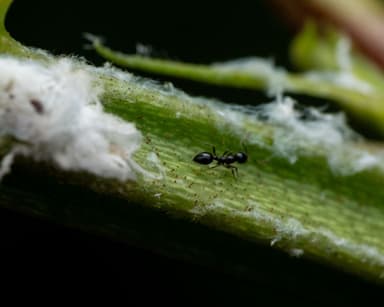
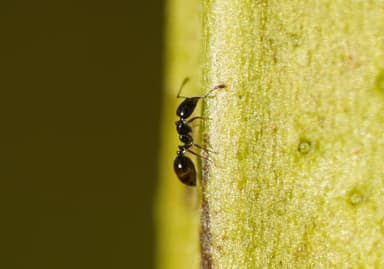
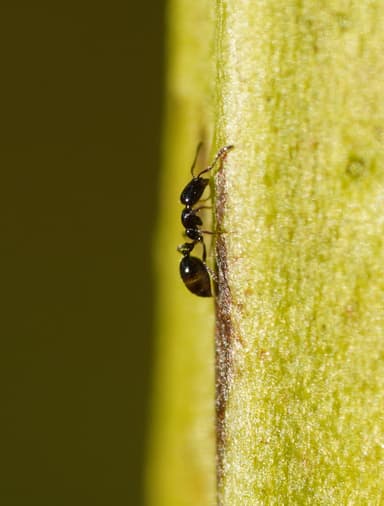
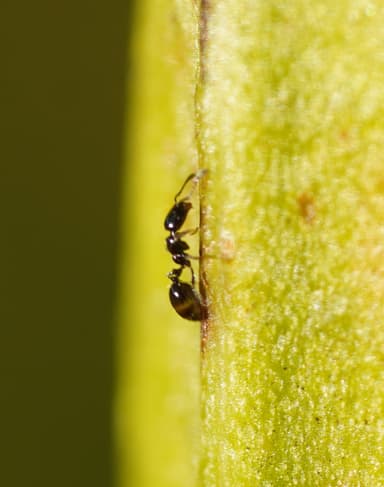
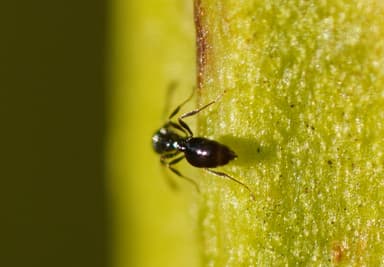
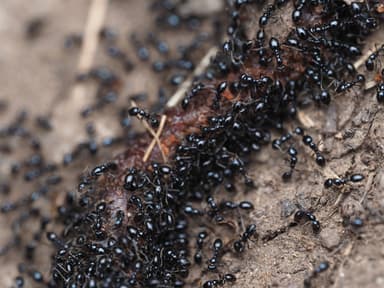
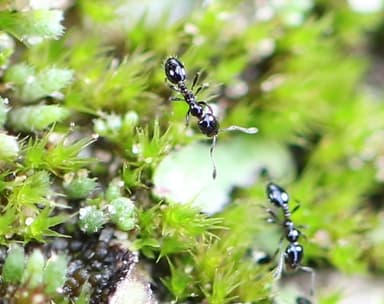
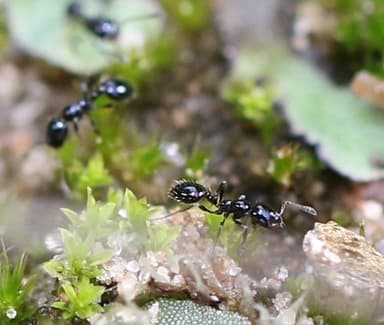
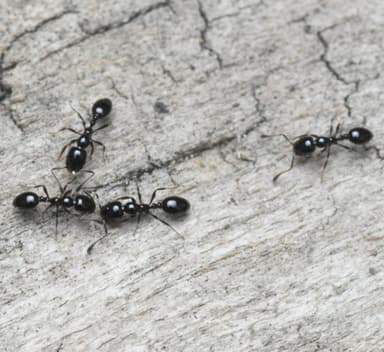
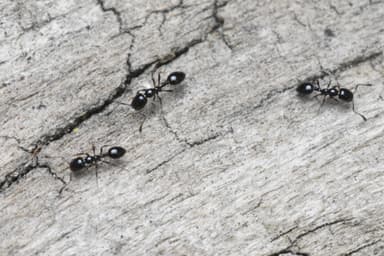
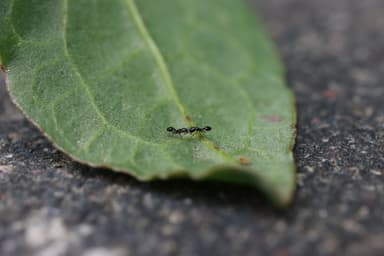
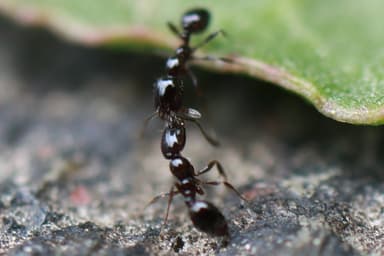
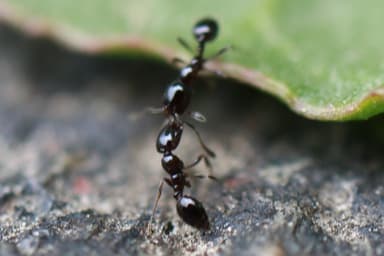
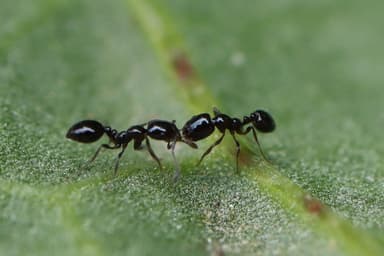
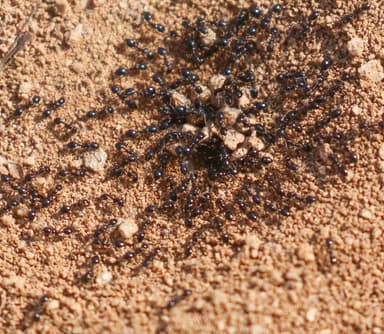
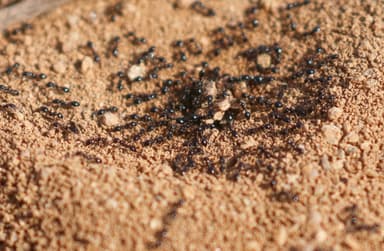
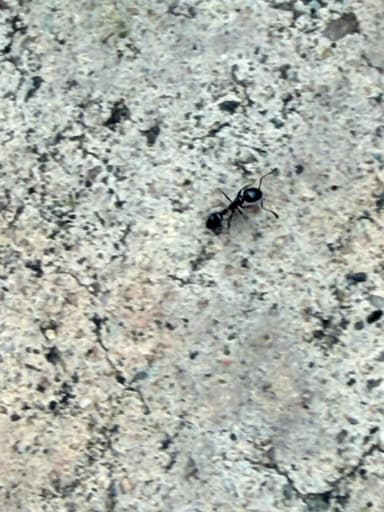
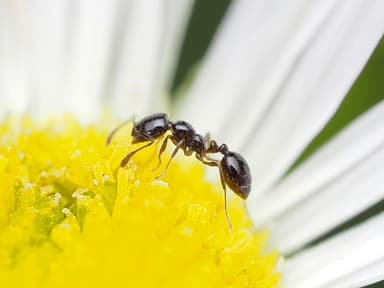
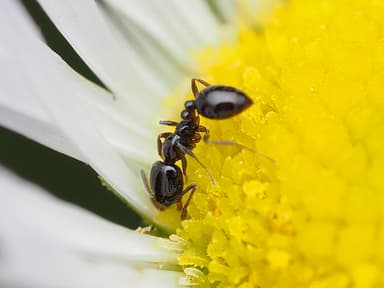
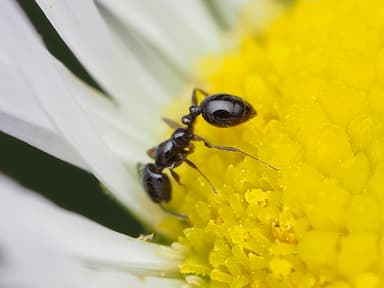
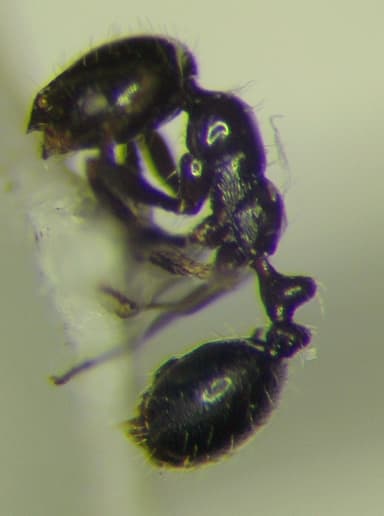
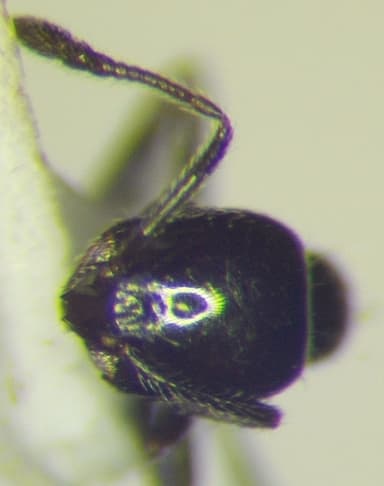
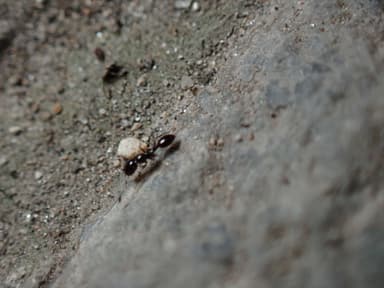
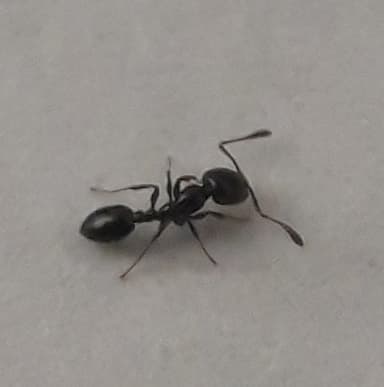
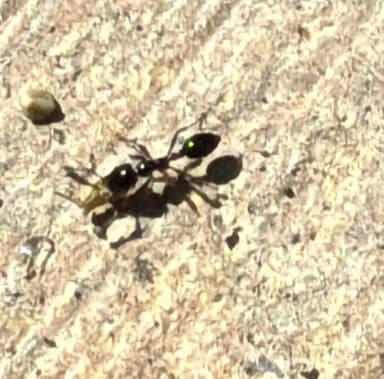
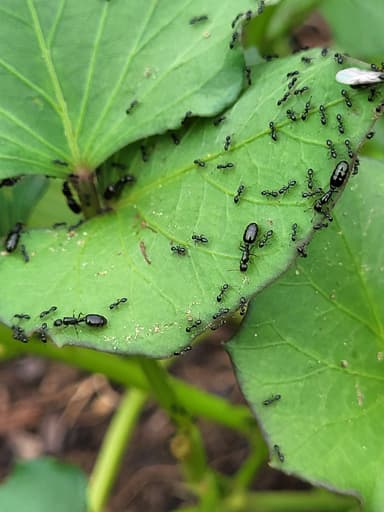
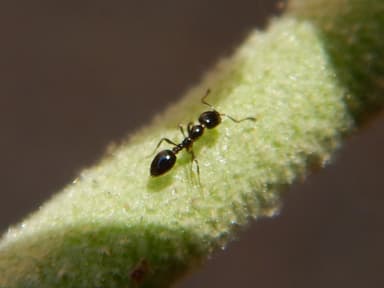
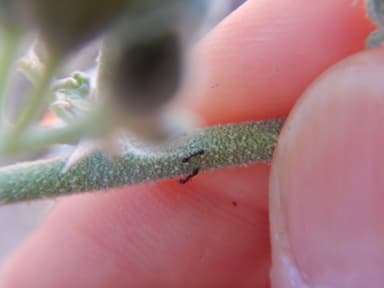
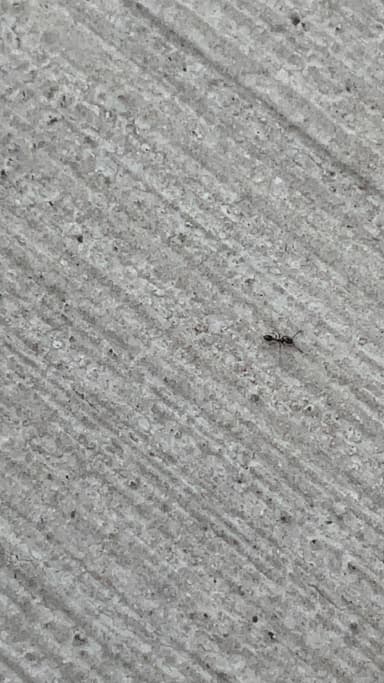
Monomorium minimum, widely known as the little black ant, is one of the most familiar ants across much of North America, and its diminutive size belies a fascinating biology. Workers measure just 1.5 to 2 millimeters, with queens a relatively robust 4 to 5 millimeters, making them one of the smallest ants regularly kept in captivity. The body is uniformly dark brown to jet‑black, smooth, and glossy, with a subtle sheen that catches the light when observed under magnification. Colonies are monomorphic, composed solely of a single worker caste, and under optimal conditions can swell to populations approaching 15,000 individuals. Found from the humid Gulf Coast up into southern Canada (GBIF occurrence data shows a bounding box north to 50°, south to 14°, and spanning the continent from the Atlantic to the Pacific), this species thrives in open, disturbed habitats, pavement cracks, and even within human dwellings — indeed, Smith (1965) documented its frequent role as a house‑infesting ant. For the ant‑keeper, M. minimum offers a window into the industriousness of a truly cosmopolitan ant, with a colony that remains active and visible even at modest sizes.
Without question, this is a beginner‑friendly species that suits anyone new to ant keeping or experienced keepers seeking a low‑maintenance, endlessly watchable display. Founding is fully claustral, meaning a freshly mated queen requires no food until her first workers eclose, eliminating the need for early supplemental feeding. Their tiny size demands some attention to escape prevention — a high‑quality, tight‑fitting formicarium with fine mesh or a PTFE barrier is essential — but otherwise care is straightforward. Since colonies tolerate moderate fluctuations in temperature and humidity, they are forgiving of beginner mistakes, and their rapid brood development provides a rewarding sense of progress.
Housing should mimic the warm, moderately humid microhabitats these ants prefer. The ideal temperature bracket runs from 22 to 28°C, with a slight gradient that allows workers to self‑regulate; this can be accomplished with a heat mat placed under one end of the nest. Humidity should be maintained between 40% and 60%. I find that a classic plaster or sand‑loam formicarium provides both hydration and structural stability, but a simple test‑tube setup with a water reservoir works beautifully for founding queens and small colonies. Because these ants are soil‑dwelling in the wild (Creighton 1950 detailed their nesting preferences), a thin layer of sandy substrate encourages natural tunneling behavior, though they will readily accept pre‑formed chambers. Always include an outworld for foraging, as workers are tenacious scavengers and will rapidly deplete any food placed directly inside the nest.
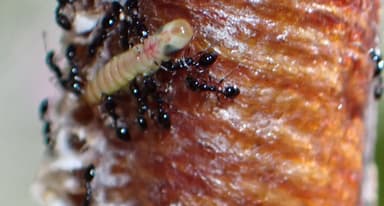
Diet in the artificial nest requires a balance of protein and carbohydrates. Protein should come from small, soft‑bodied insects — fruit flies, pinhead crickets, chopped mealworms — offered at least twice weekly. Workers are especially drawn to freshly killed prey, and their diminutive jaws make minced food easier to manipulate. Carbohydrate sources can be provided as a droplet of sugar water, diluted honey, or a small cube of apple; replace these quickly to prevent mold. Continuous access to a water source, usually via a test‑tube waterer or a moist cotton ball, is critical, as these ants can desiccate in dry air. Feed sparingly: a colony of M. minimum can overwhelm a large food item with hundreds of workers, but leftovers will spoil rapidly in the warm, humid environment.
A true hibernation period is required for long‑term colony health, even though this species ranges well into the subtropics. From late autumn, gradually reduce the temperature over several weeks to a steady 15°C, and maintain this for roughly three to four months. The ants will cluster tightly and activity will nearly cease — this is normal and essential for queen fecundity and worker longevity. Keep the nest just barely moist during diapause, and do not feed. In late winter, slowly raise the temperature back into the growth range, and the colony will spring to life, often with a marked increase in egg‑laying.
When your test‑tube or starter colony first arrives, the critical period is the first week. Place the sealed tube in a quiet, dim location within the target temperature range and leave it undisturbed for at least 48 hours. After settling, you may offer a micro‑droplet of sugar water on a slip of foil or wax paper, but do not be alarmed if the queen refuses to feed — her claustral reserves will still sustain her. Small dots of protein can be introduced once the first nanitics (the initial, smaller workers) are foraging actively. Watch for signs of stress: constant pacing along the tube walls, frantic grooming, or refusal to settle into a cluster. If observed, re‑darken the tube and eliminate vibrations. Once the colony reaches a few dozen workers, attach the outworld and gradually expose them to ambient light so they learn the foraging rhythm. With patience and gentle care, your Monomorium minimum colony will soon become a kinetic, tidy miniature of ant society, endlessly patrolling for sweets and protein and busily expanding its miniature empire.