Leptomyrmex
Leptomyrmex erythrocephalus
Nuptial Flight Calendar
Flight months: Jan, Feb, Oct, Nov, Dec
Care Guide
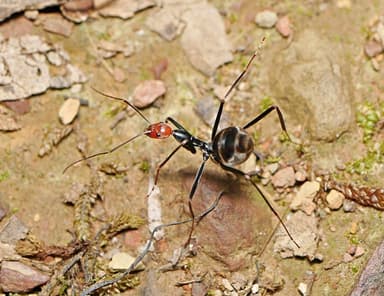
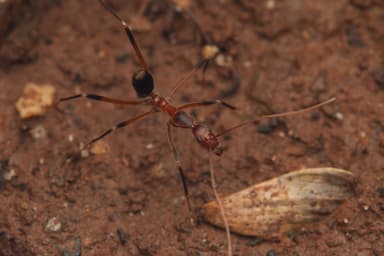
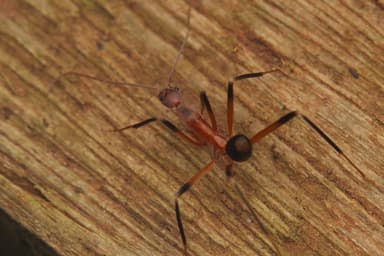
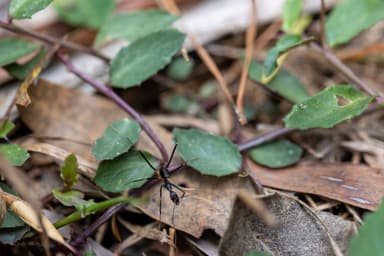
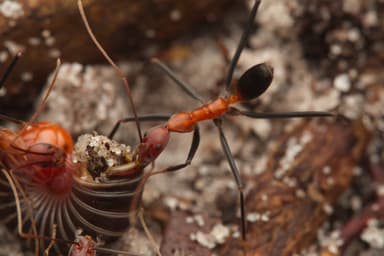
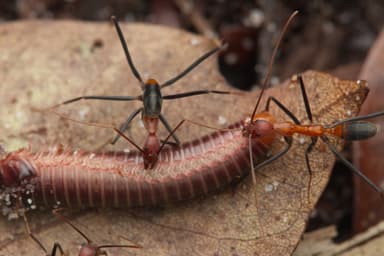
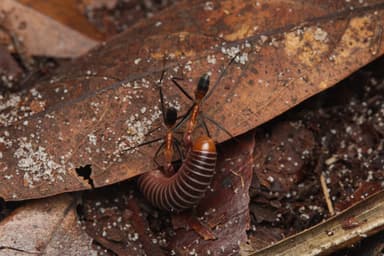
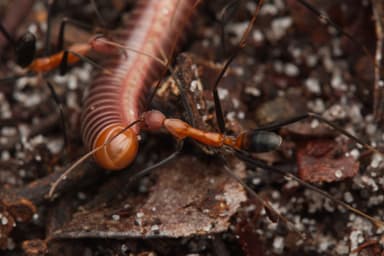
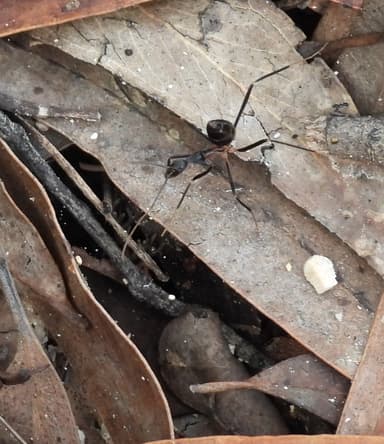
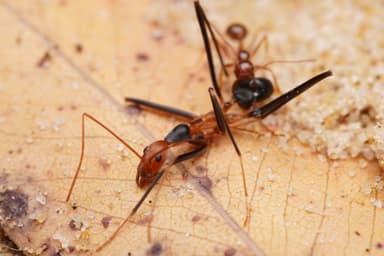
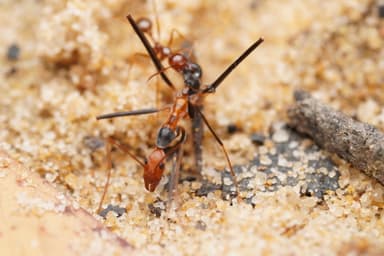
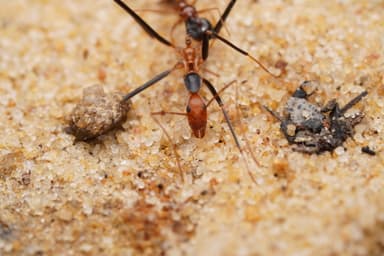
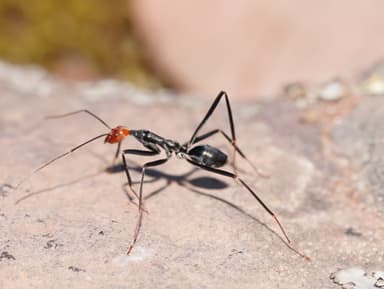
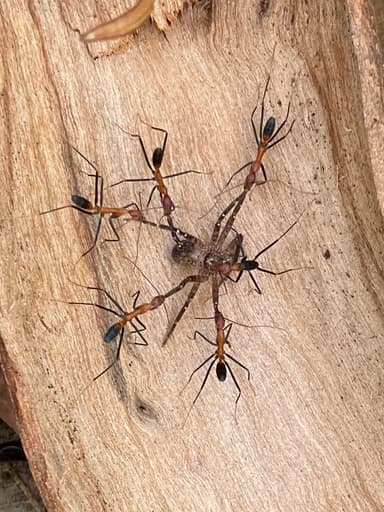
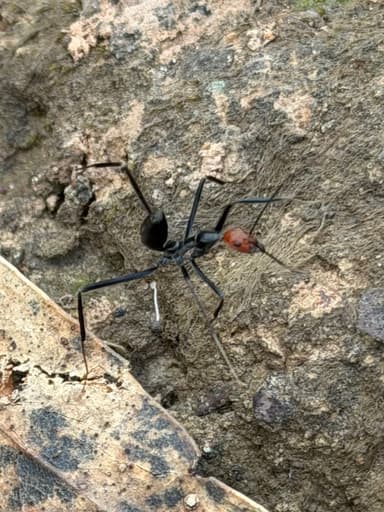
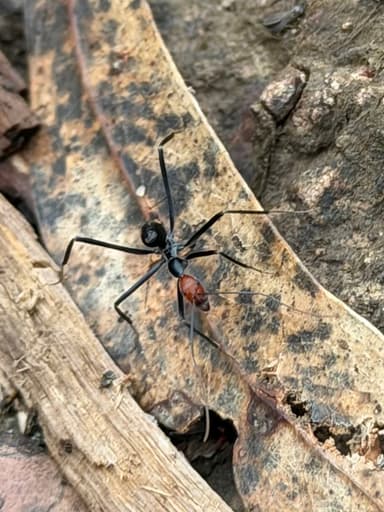
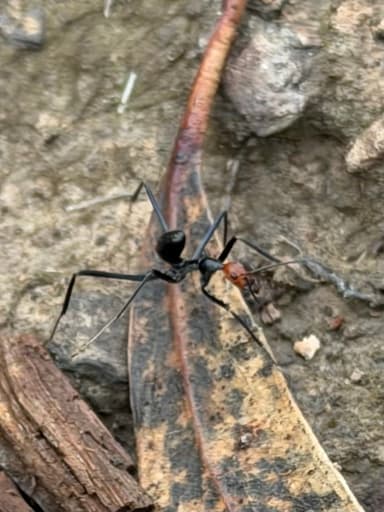
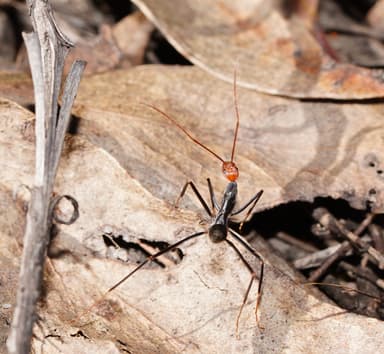
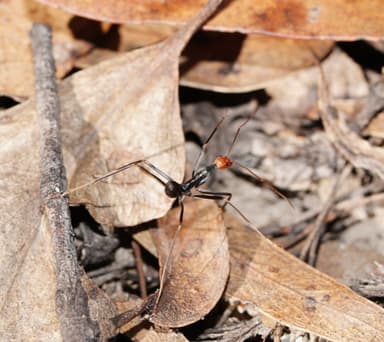
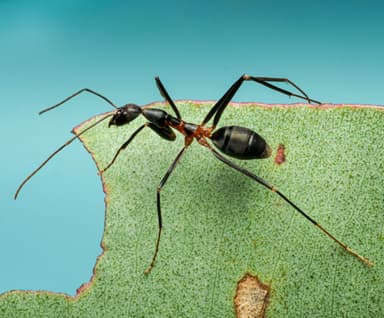
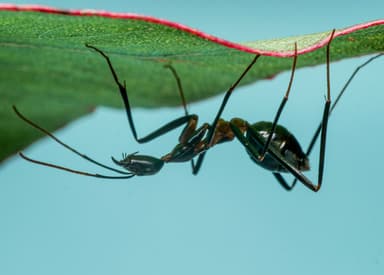
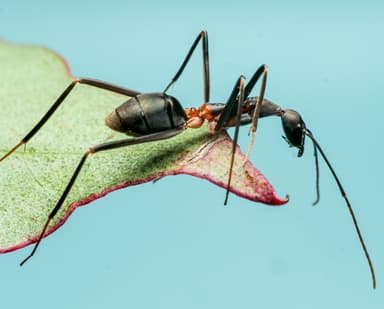
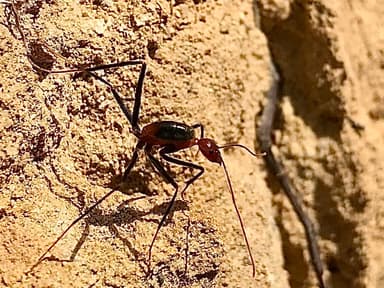
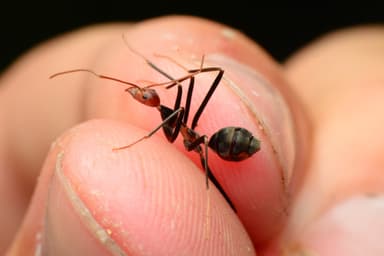
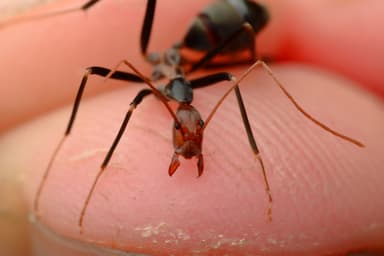
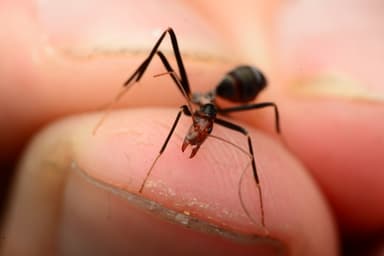
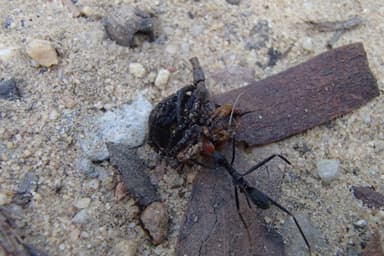
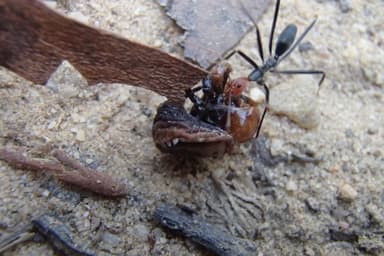
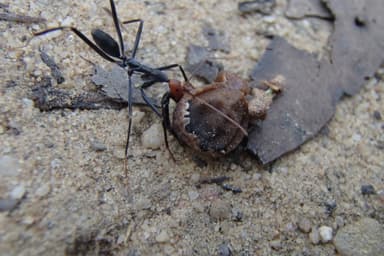
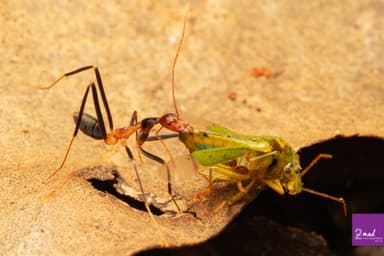
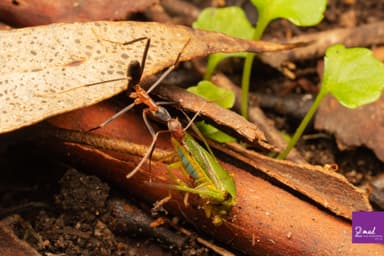
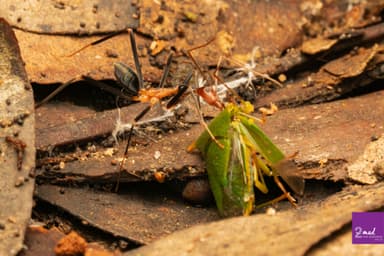
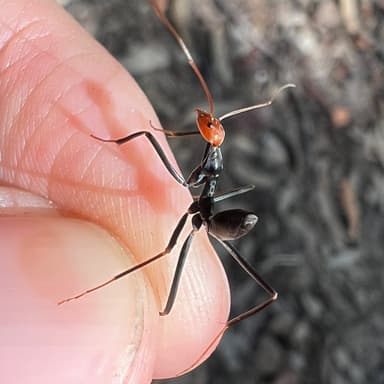
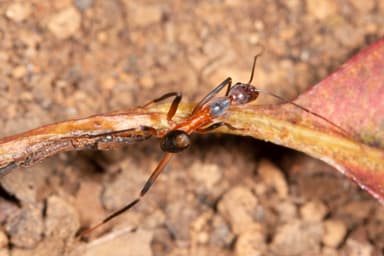
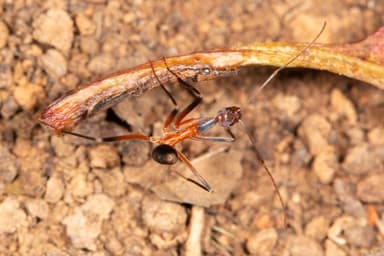
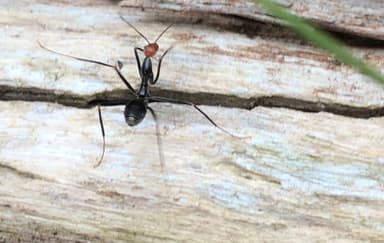
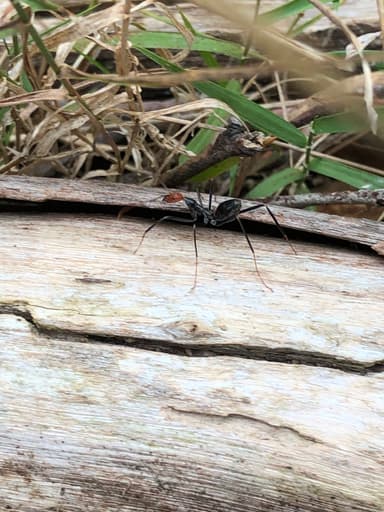
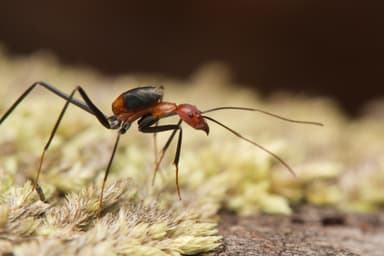
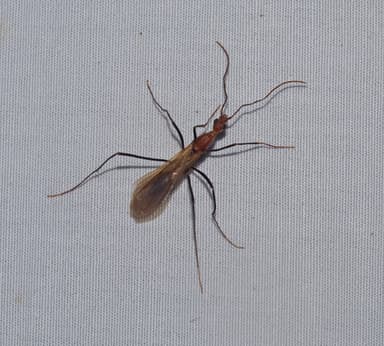
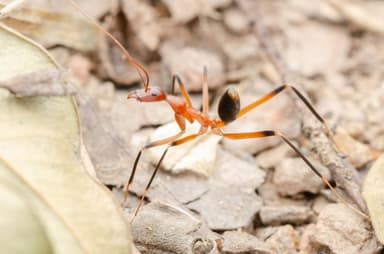
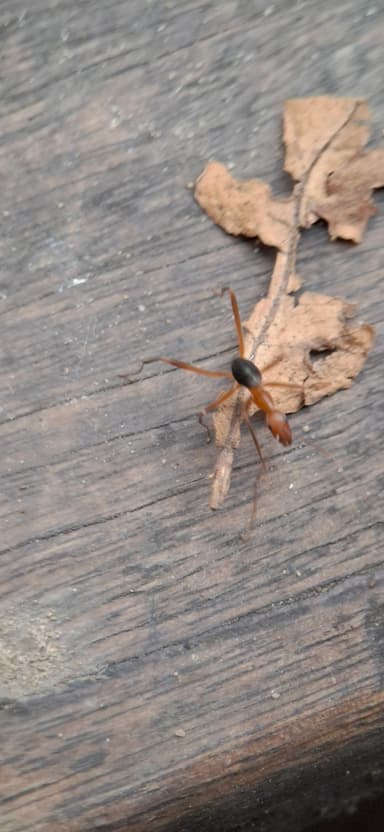
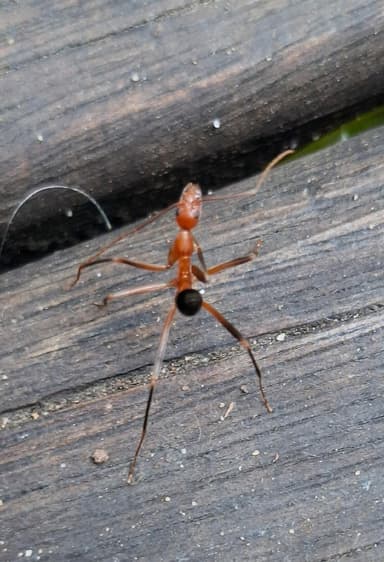
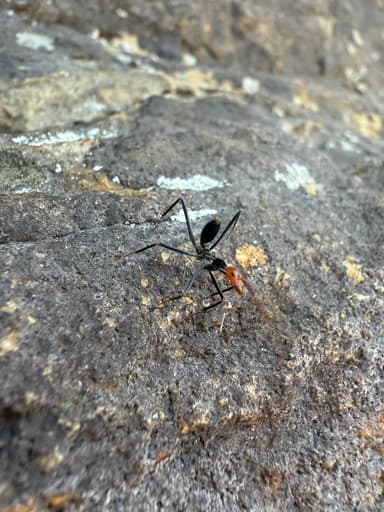
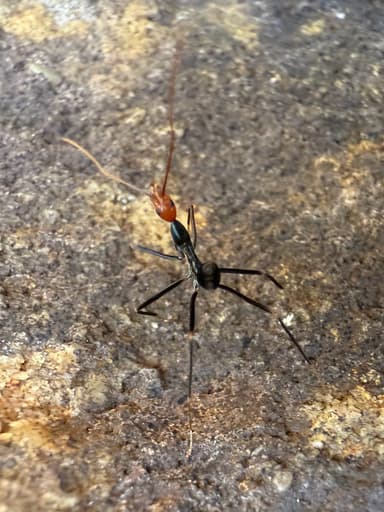
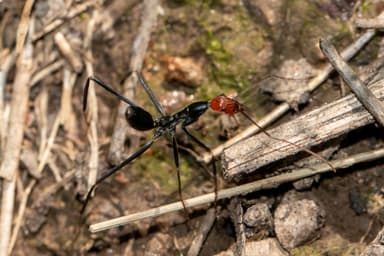
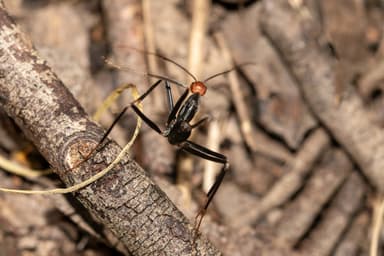
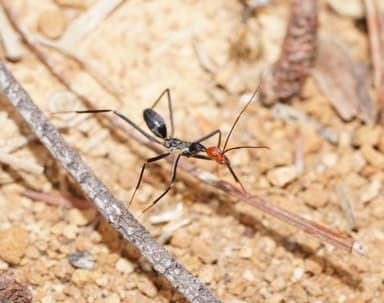
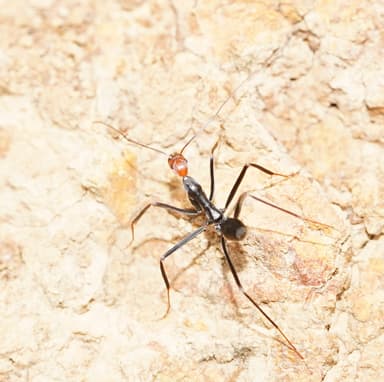
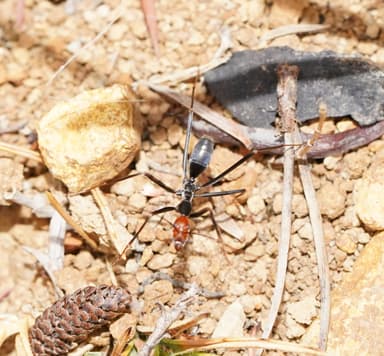
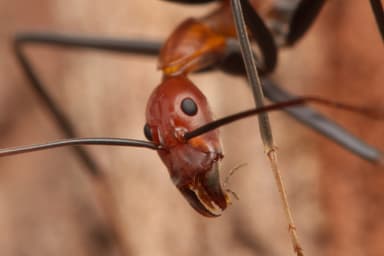
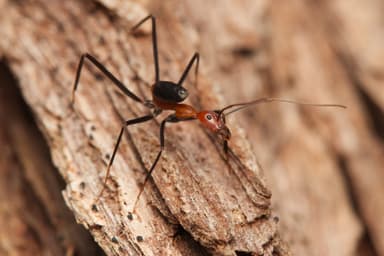
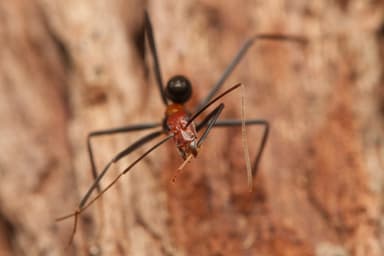
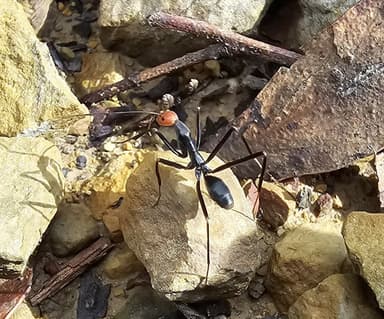
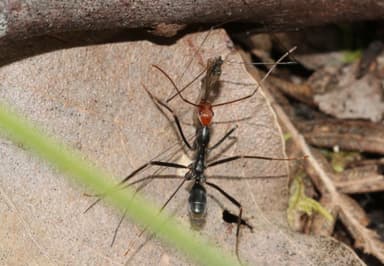
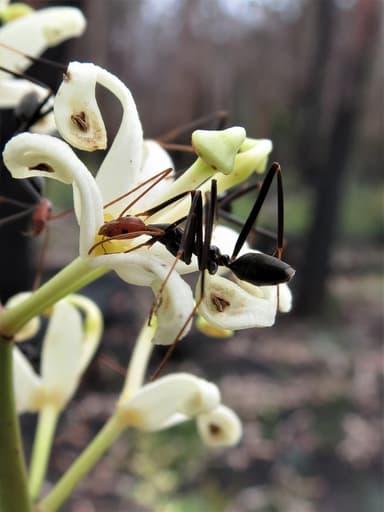
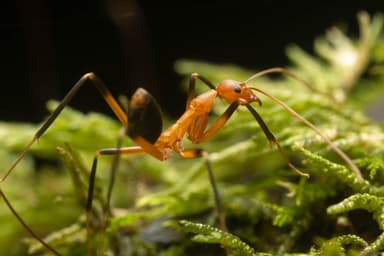
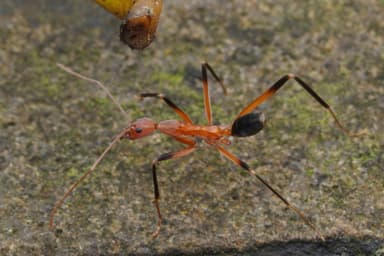
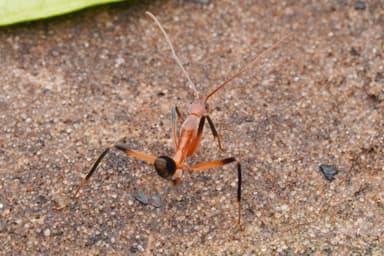
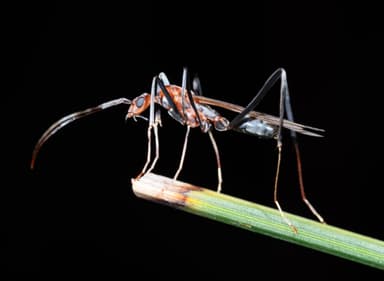
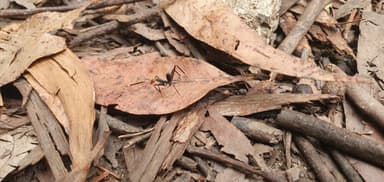
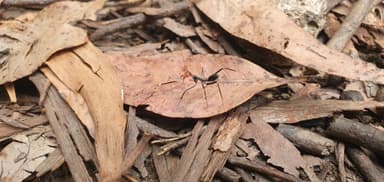
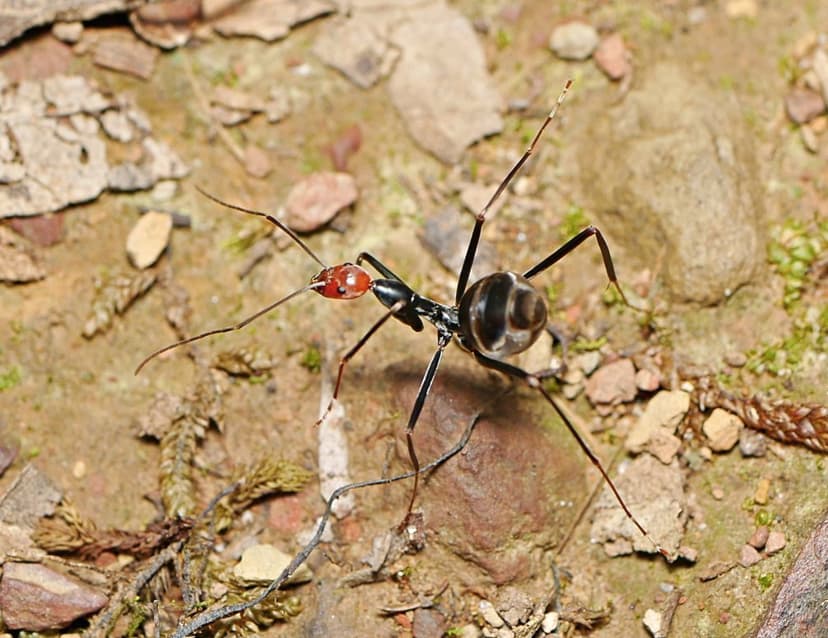
Within the charismatic spider ant genus _Leptomyrmex_, the red-headed spider ant (_Leptomyrmex erythrocephalus_) stands out for its striking coloration, slender elongate body, and unusually high degree of worker polymorphism. Queens reach a graceful 14 to 18 mm, while workers span a remarkable range from 8 to 14 mm, manifesting as minor and major subcastes alongside a specialized replete caste that stores liquid food in a distended gaster (Shattuck 2008). Mature colonies can grow to around 3,000 individuals, a substantial size for a _Leptomyrmex_. These ants are avid foragers that often hunt solo or in small files, lifting their gasters in alarm like tiny elegant spiders—a behaviour that gives them their common name. The species is broadly distributed along the humid eastern seaboard of Australia, from tropical north Queensland to temperate Victoria (AntWeb; Lucky 2011). Nuptial flights occur on warm humid evenings following summer rain, spanning October through February, though the precise timing is still poorly documented and carries a low confidence in the literature. For the dedicated keeper, these flights are a rare window to acquire a freshly mated queen, but rearing from a queen is an exacting undertaking. Founding is fully claustral, meaning queens seal themselves away without needing to forage, yet the long claustral period and delicate early larvae demand meticulous environmental control. This is unequivocally an expert-level species, suited only to those with years of experience managing sensitive, polymorphic ants that rely on steady microclimates and react poorly to sudden fluctuations.
Successfully housing _Leptomyrmex erythrocephalus_ means replicating the warm, humid conditions of their native east-coast forests. A temperature gradient within the nest is essential: provide a stable range of 20 to 28°C, with a basking spot at the upper end that allows the ants to actively brood-rear without overheating the entire colony. Humidity must be held between 50 and 70 percent; these ants are highly prone to desiccation, so a hydration system that wets a portion of the nest medium is non-negotiable. Purpose-built ytong or plaster nests with a hydration reservoir work well, as do naturalistic setups using a deep layer of sandy loam and decomposed wood, which mimics their subterranean tendencies in the wild. Ventilation must be generous enough to prevent stagnant air but not so aggressive that it dries the nest. Many successful keepers employ a two-part formicarium: a humid nest chamber block and a drier outworld for foraging, linked by tubing. Because workers are leggy escape artists, a tight-fitting lid with a PTFE barrier is mandatory. The replete caste further complicates housing—these living larders cling to the nest roof and walls, and if disturbed by excessive vibrations or light, they may regurgitate food, leading to fouling and dangerous bacterial blooms. Thus, the nest should be placed on a vibration-dampening pad away from foot traffic, and it should be kept under a red-light or dark cover for most of the day.
Feeding these specialist predators and nectar-gatherers demands variety and careful hygiene. In the protein department, they accept freshly killed small insects—fruit flies, pinhead crickets, and termites are excellent choices—and should be offered two to three times per week in quantities the colony can consume within a day. Uneaten prey must be removed promptly, as _Leptomyrmex_ are fastidious and decaying material will repel them from the outworld. Carbohydrates are equally critical: provide a permanent supply of dilute honey, maple syrup, or sugar water via a sponge or cotton wick in a small dish. Repletes will engorge on these liquids, serving as a communal reserve, so never let the carbohydrate station run dry, especially for colonies exceeding a few hundred workers. Water demand is high; in addition to nest hydration, a separate test-tube water source in the outworld ensures constant access without drowning risk. Dusting prey with a calcium and mineral supplement once a month helps prevent cuticle deformities that have been occasionally reported in captive _Leptomyrmex_ (Shattuck 2008; keeper observations), though more research is needed to establish firm requirements.
A seasonal hibernation cycle is not merely suggested—it is required for the long-term health of _L. erythrocephalus_. From late autumn to early spring the colony should be gradually cooled to a constant 15°C over a three-week transition period, simulating the mild winter of their southern range. During this 8- to 12-week diapause, brood production ceases and the ants cluster quietly. No protein is needed; only a small carbohydrate feeder and a water source should remain available, as workers will wake periodically to drink. After hibernation, warm the nest back to 20–28°C over another week. Skipping this cooling period often leads to queens shutting down egg-laying prematurely and workers dying in unpredictable waves the following summer, a pattern that suggests deep physiological reliance on a rest phase.
The first days after acquiring a founding queen or small colony demand patience above all else. Place the test tube or founding chamber directly into the prepared nest’s connection port and wrap the nest in a dark cloth. Resist the urge to check on them for at least five days; only a quick glance through a red film can be made to confirm that the queen is settled and that condensation levels remain appropriate. Offer the very first tiny drop of honey on a wax strip only after this settling period, and wait two more days before introducing a single pre-killed fruit fly fragment, placed just inside the outworld entrance. Disturbance in this vulnerable window is the most common cause of failure: a stressed queen may eat her eggs, and newly emerged nanitic workers are extremely shy. Once the first foragers start walking confidently out into the outworld, you can gradually introduce a regular feeding schedule. From that point onward, consistent humidity, gentle warmth, and a steady supply of sugars and clean protein will reward the expert keeper with one of the most visually arresting and behaviourally fascinating ant colonies in the Australian hobby.