Harpagoxenus
Harpagoxenus sublaevis
Nuptial Flight Calendar
Flight months: Jul, Aug
Care Guide
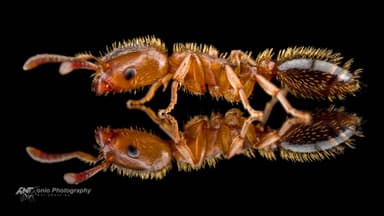
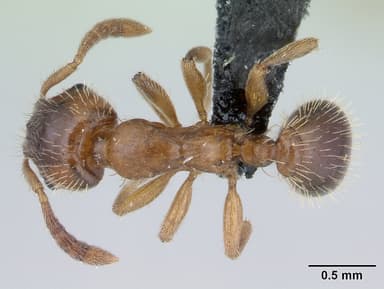
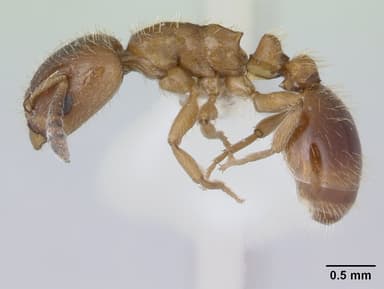
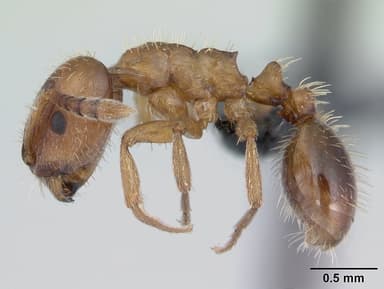
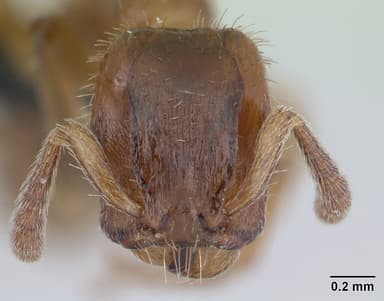
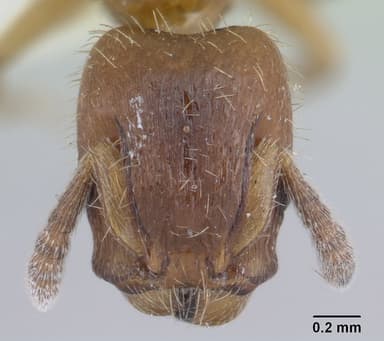
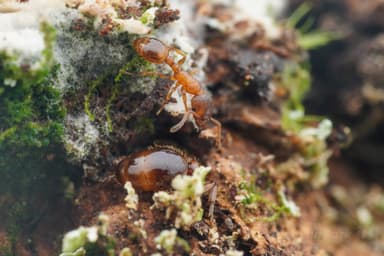
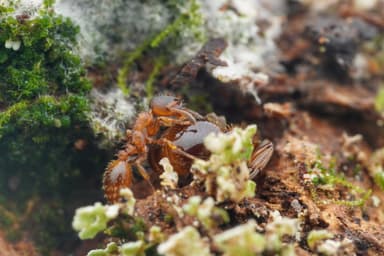
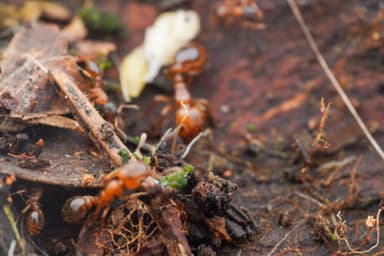
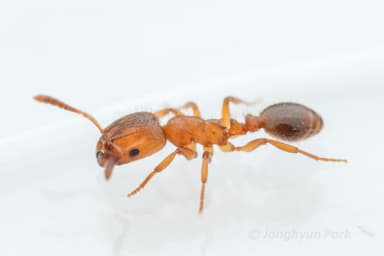
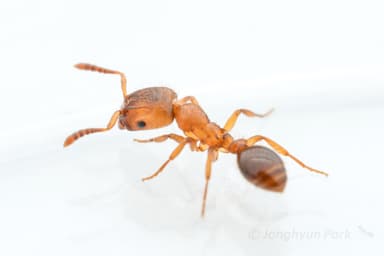
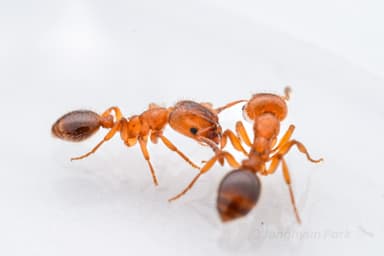
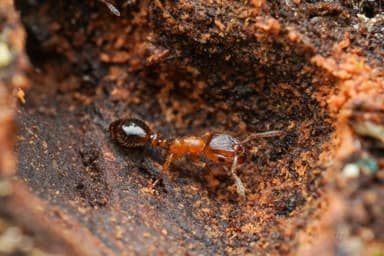
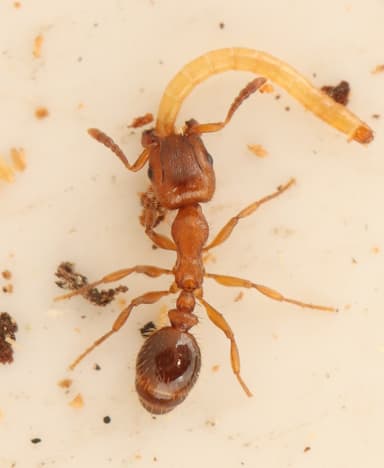
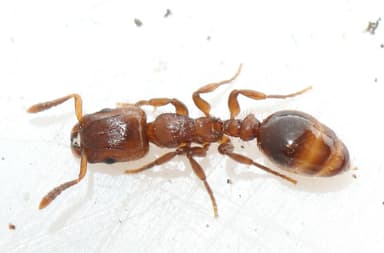
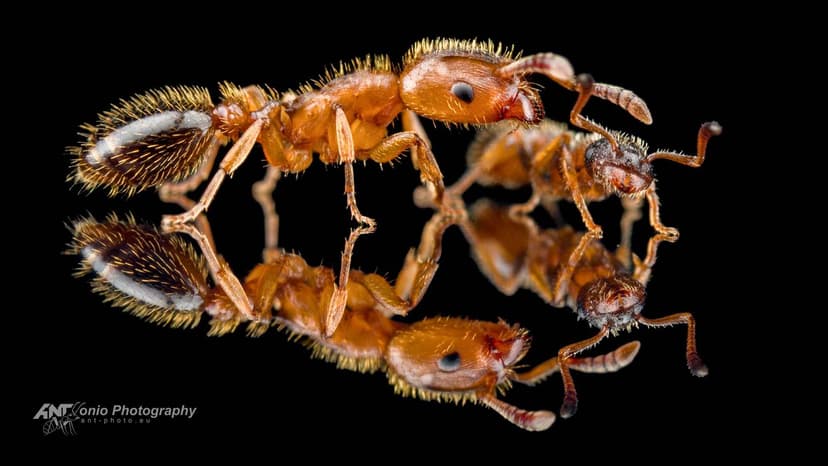
Harpagoxenus sublaevis is a diminutive yet captivating ant that challenges our notion of what a colony can be. Workers measure a mere 3–4 mm, while queens range from 3.5–4.5 mm, both clad in a glossy, reddish-brown exoskeleton that makes them nearly indistinguishable at a glance from their preferred hosts, Leptothorax species. This is no coincidence—H. sublaevis is an obligate slave-maker. Its foragers do not collect food or rear their own brood; instead, they conduct ritualized raids to pillage pupae from neighboring Leptothorax acervorum nests. The emerging host workers then assume all foraging, brood care, and nest duties for the parasite queen and her offspring. Colony sizes seldom exceed 100 adult Harpagoxenus workers, usually accompanied by a similar number of enslaved helpers, and colonies may be functionally monogynous or polygynous (Buschinger 1968). The species’ range stretches from the British Isles across boreal and montane Europe well into Siberia, with nuptial flights recorded during warm, sunny afternoons in July and August after rain. For the advanced k ant-keeper, housing this “pirate” ant offers an unparalleled window into the evolution of social parasitism (Buschinger 2009).
This ant is unambiguously rated for expert keepers only. Its entire life history pivots on the seamless integration of a healthy host workforce, a condition that demands from the keeper a deep understanding of both the parasite and the host species. Without a stable cadre of Leptothorax slaves—usually L. acervorum, though other Leptothorax may work—the parasite workers fail to feed, and the queen ceases oviposition. Even with slaves, the colony exists in a delicate balance; overly aggressive raids in confined captive spaces can decimate the host supply, while host workers that are too few lead to neglect of the Harpagoxenus brood. This care guide assumes you already maintain self-sustaining source colonies of the appropriate host, as regularly supplementing with freshly collected host pupae or callow workers is almost always necessary. The reward for such diligence is observing the intricate chemical mimicry and behavioral subjugation that has fascinated myrmecologists since Buschinger’s foundational work, but make no mistake: Harpagoxenus sublaevis is a long-term project for the few, not a casual display species.
Housing must replicate the cool, humid microclimate of the forest floor. A temperature corridor of 18–24°C is ideal, with a humidity gradient between 50% and 70%—too dry and the delicate brood desiccates, too damp and mold overruns the tiny chambers. The nest itself should be compact, mimicking the small pre-formed cavities in twigs or under bark that these ants naturally occupy. A plaster or ytong nest with a single narrow chamber (roughly 5 cm by 3 cm, height only a few millimeters) works well, connected by a short tube to a small foraging arena. A thin layer of sand or fine gravel in the arena gives adult ants purchase, but deep substrates are unnecessary. Crucially, the nest design must accommodate the host workers; they are the ones that will move the brood and adjust microclimate, so any nest that suits Leptothorax acervorum—a species that thrives in tight, humid spaces—will suit H. sublaevis. Keep the setup entirely dark except during observations, as constant light stresses both slaves and parasites.
Feeding a Harpagoxenus sublaevis colony is an exercise in indirect care. The parasite workers rarely, if ever, feed themselves; instead, you must cater to the dietary needs of their Leptothorax slaves, who then trophallactically transfer nutrients to the Harpagoxenus adults, larvae, and queen. Provide a steady supply of small, soft-bodied prey, such as vestigial-winged Drosophila melanogaster or pinhead crickets, lightly crushed to allow the host workers to access the hemolymph. Carbohydrates should be offered as minute droplets of diluted honey or sugar water placed directly on a small slip of foil in the foraging area; change this every two days to prevent fermentation. A test-tube waterer plugged with cotton supplies drinking water. Because Harpagoxenus larvae are fed by the slaves with processed insect protein, a lack of fresh prey will cause a rapid decline in brood. Keeper should thus maintain a regular feeding schedule of two to three insect feedings per week, adjusting to the host workers’ enthusiasm—an empty arena moments after offering food is a sign of a hungry colony.
Hibernation is not optional; it is a physiological imperative. In the wild, these ants experience prolonged winter chilling, and captive colonies must be cooled to around 4°C for three to four months, typically from late November to early March. Before cooling, ensure the colony has a robust slave force and a well-fed queen, and transition them gradually—drop the temperature by a few degrees per week to avoid shock. A wine cooler or a dedicated ant fridge set to 4°C works perfectly. During diapause, the ants cluster motionless; do not disturb them, though a periodic check (once monthly) to confirm the water source hasn’t dried out is wise. Buschinger’s laboratory studies repeatedly underscore that without a proper cold period, queens cease egg-laying, workers die prematurely, and the colony collapses (Winter & Buschinger 1986). When spring arrives, reverse the warming process slowly and offer a modest honey meal to reawaken the slaves before resuming normal feeding.
Upon receiving a shipped Harpagoxenus sublaevis colony—likely a mated queen with a handful of workers and perhaps ten to twenty slaves—patience is everything. Immediately connect the transport tube to the prepared nest and place the entire assembly in darkness at 20°C. Do not rush to feed. For the first 24 hours, simply let the ants settle; the slaves will begin exploring and moving the brood into the chosen chamber. On day two, place a single micro-drop of honey on a slip of paper just inside the arena entrance. Watch through red-tinted glass if you must observe: the hosts should recruit to it quickly. Only once the slaves are confidently foraging should you introduce a tiny, freshly killed fruit fly. Monitor closely for any sign of slave rebellion—occasionally, host workers may attack the parasite queen or brood if the colony has been heavily disrupted. If this occurs, remove the offending host and introduce a few new host pupae from your source colony. Over the following weeks, maintain strict darkness, stable humidity, and a subdued feeding rhythm. With meticulous support, the queen will resume laying eggs, and you’ll have secured a fragile foothold into the world of slave-making ants.