Camponotus
Camponotus singularis
Nuptial Flight Calendar
Flight months: Jan, Apr, May, Jun, Jul, Aug, Sep, Oct
Care Guide
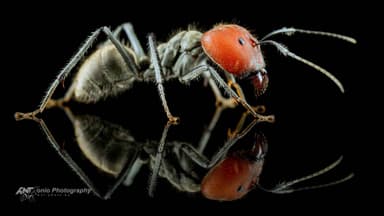
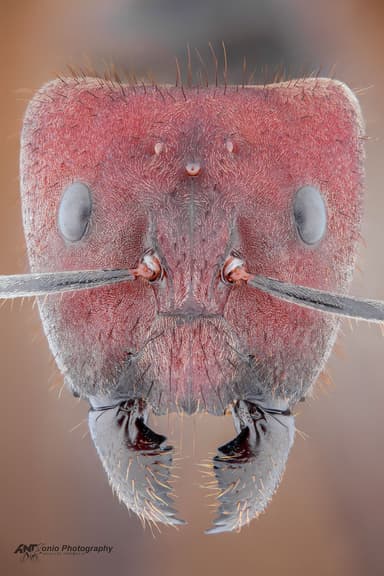
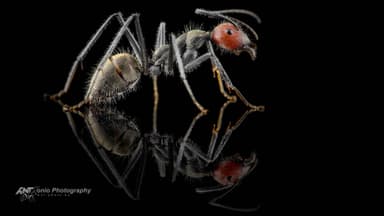
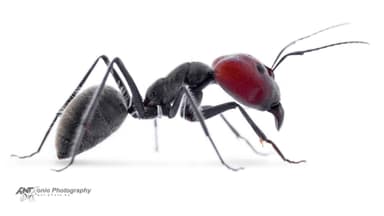
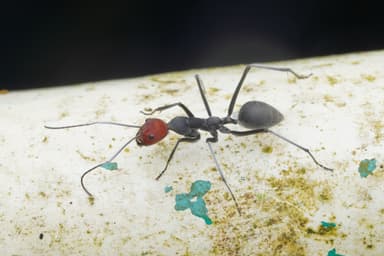
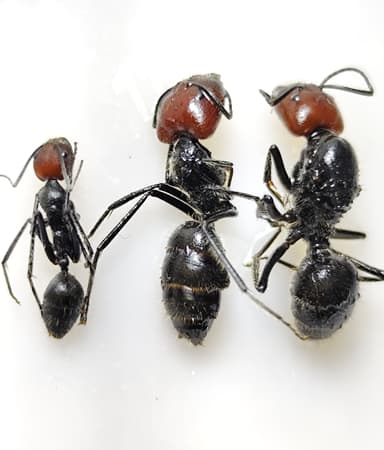
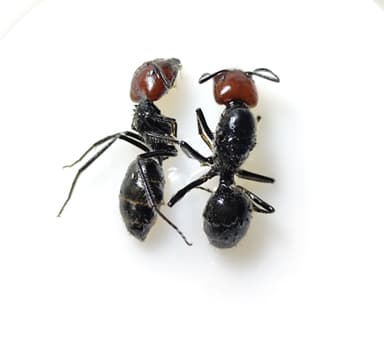
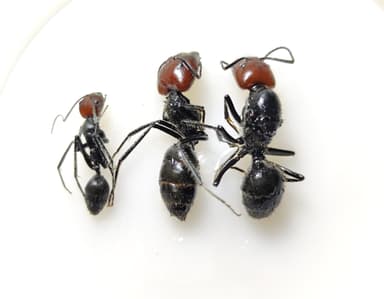
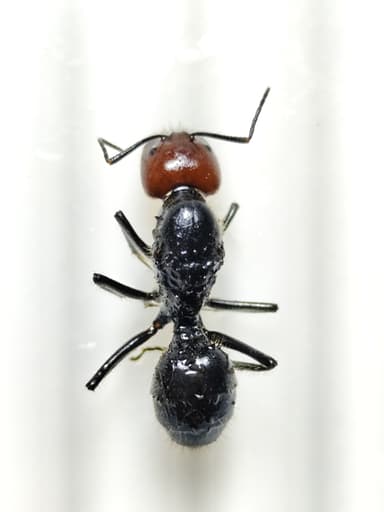
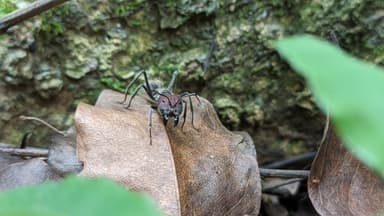
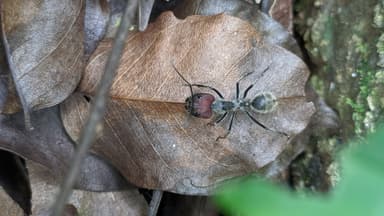
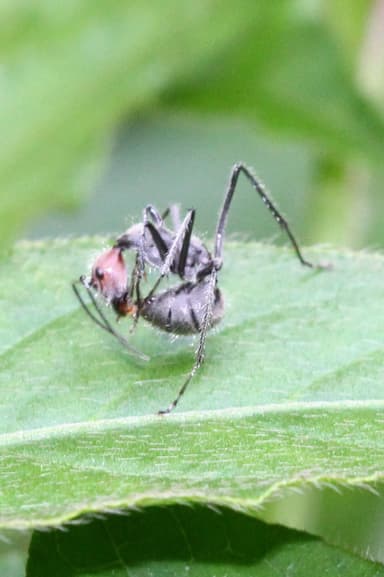
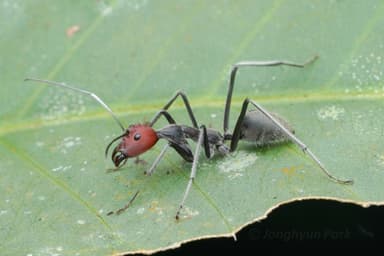
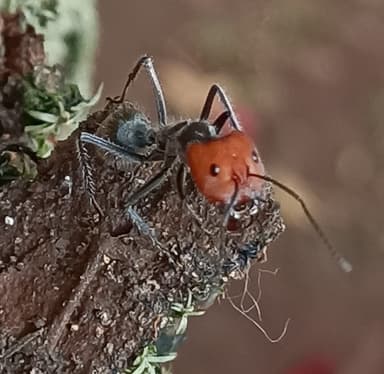
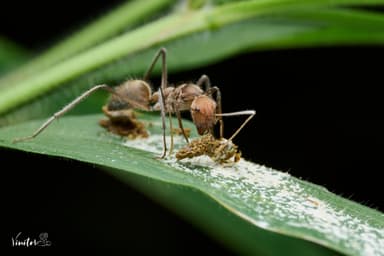
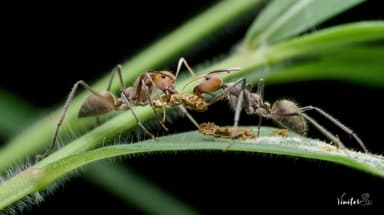
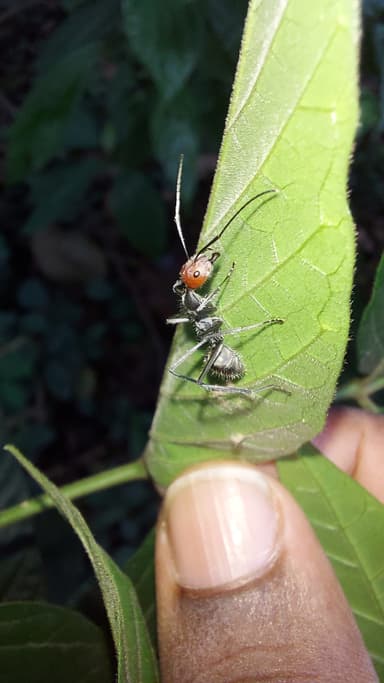
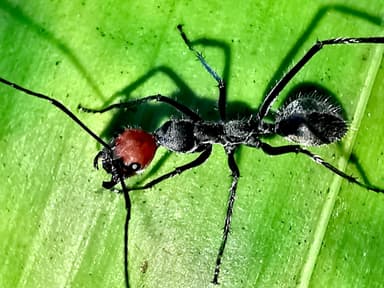
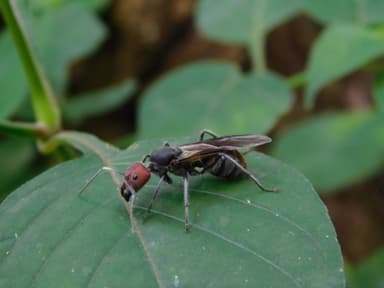
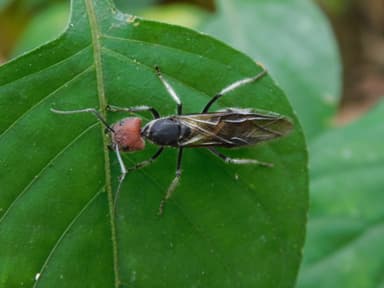
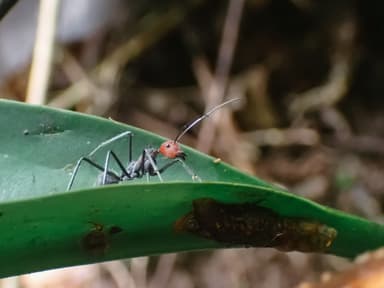
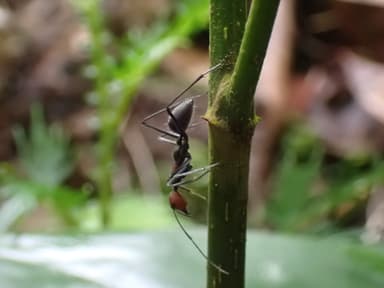
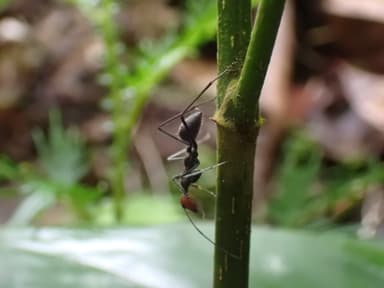
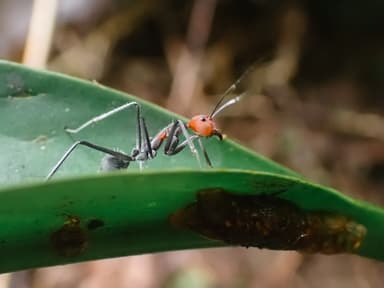
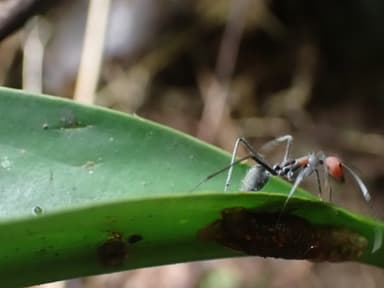
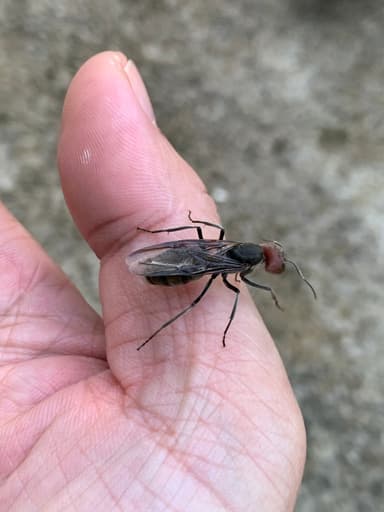
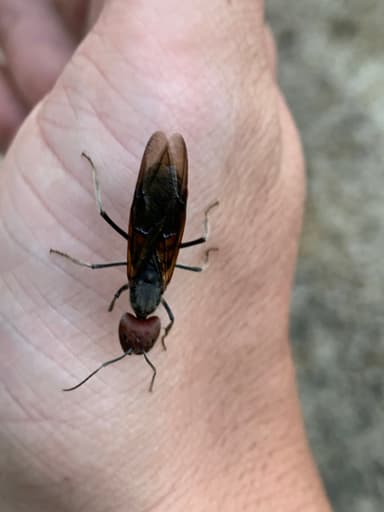
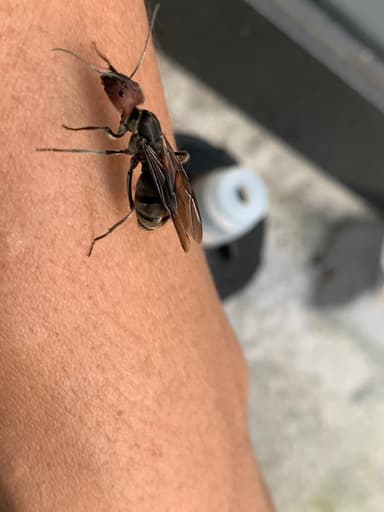
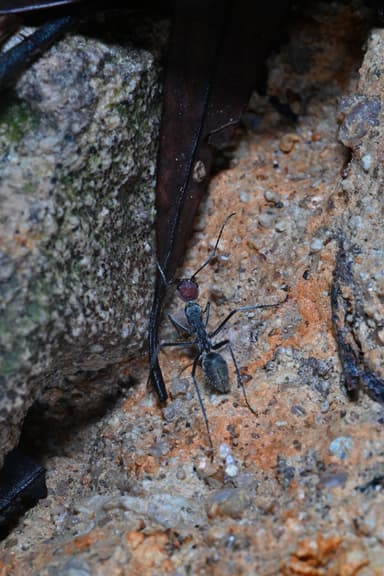
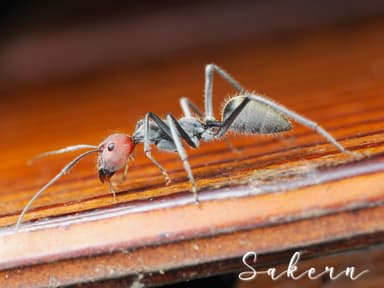
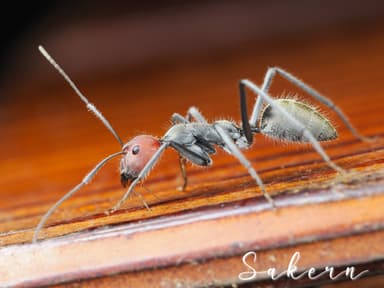
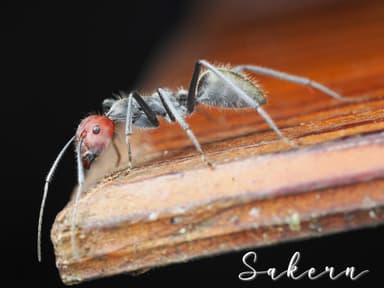
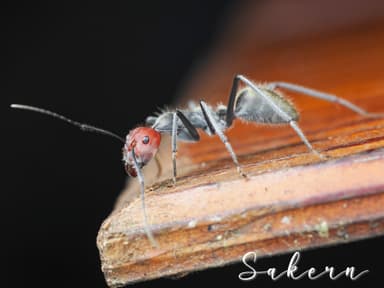
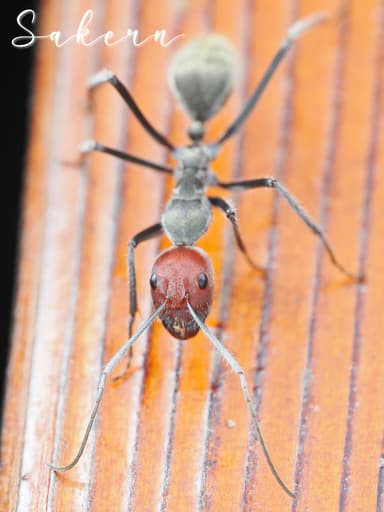
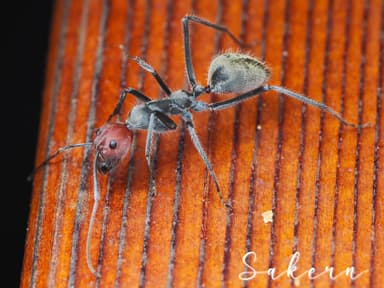
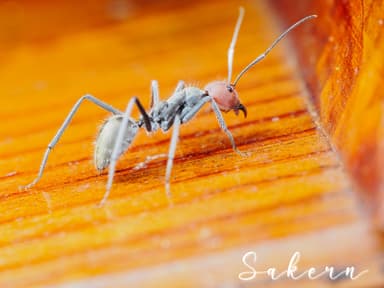
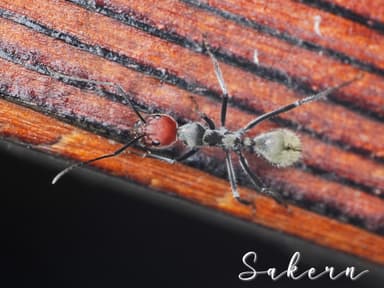
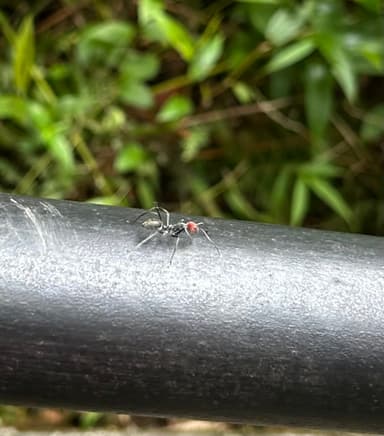
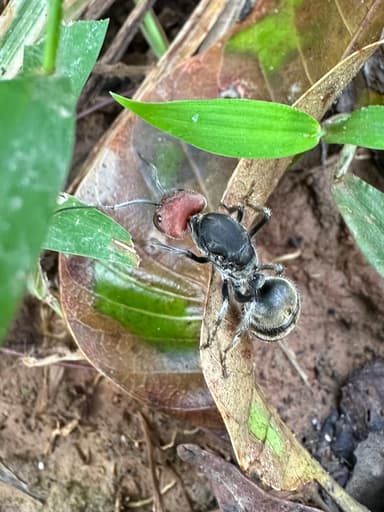
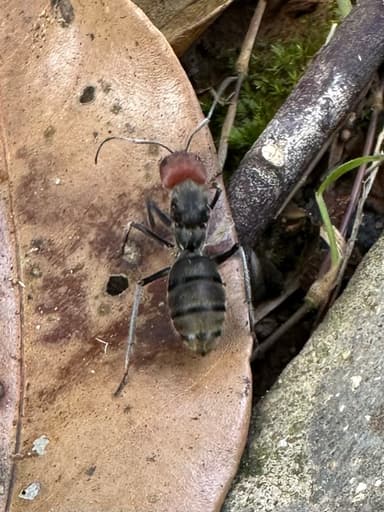
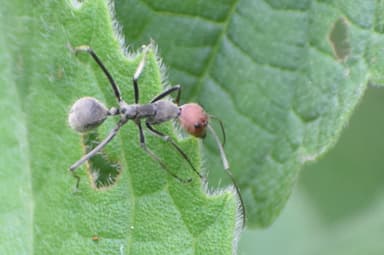
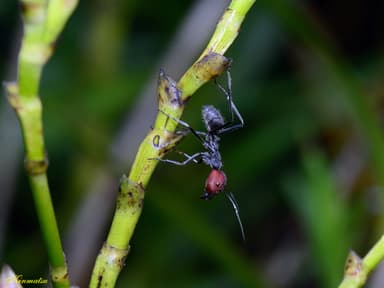
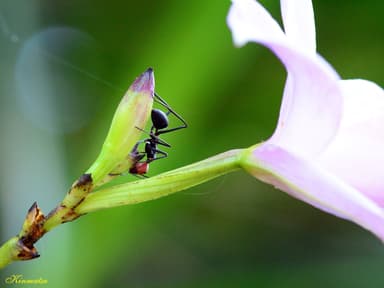
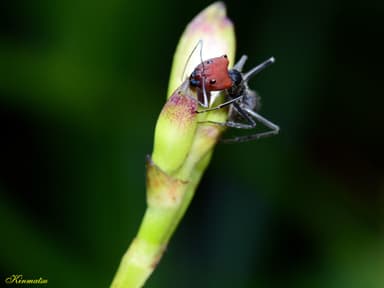
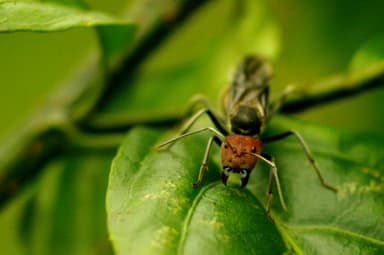
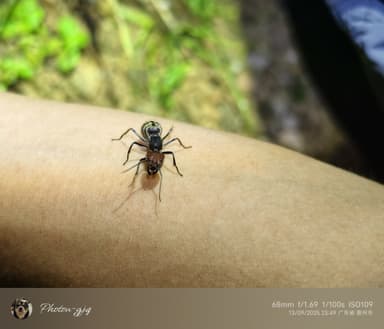
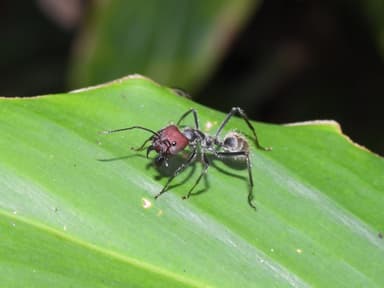
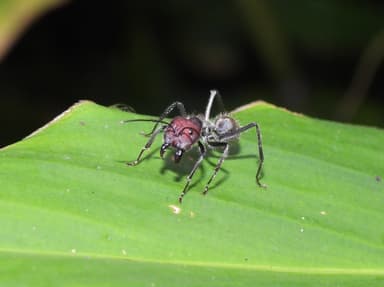
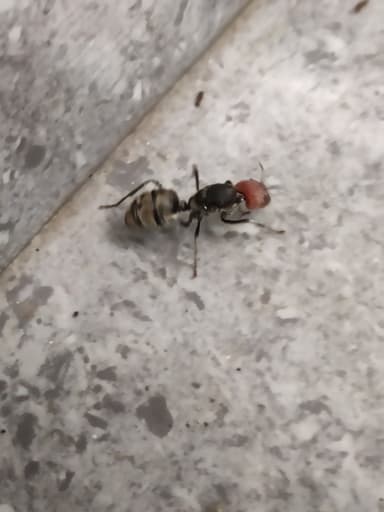
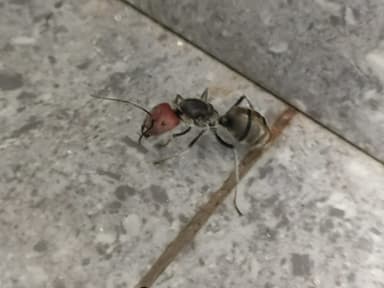
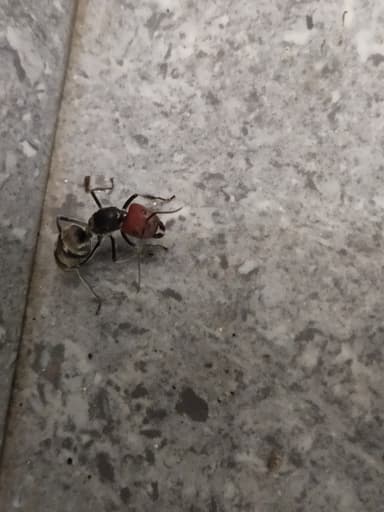
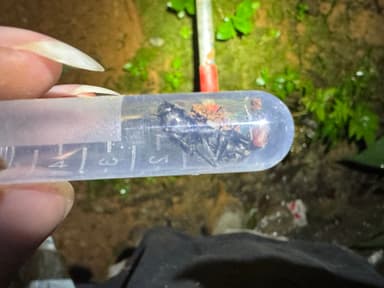
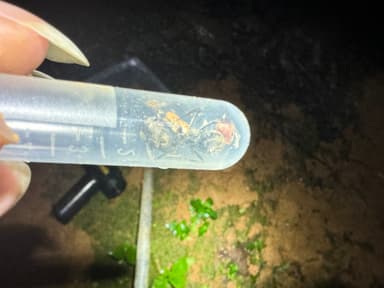
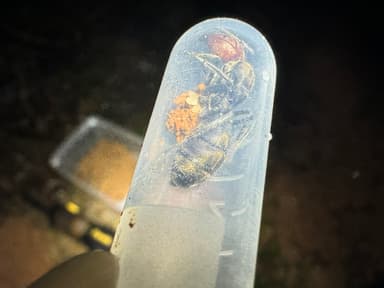
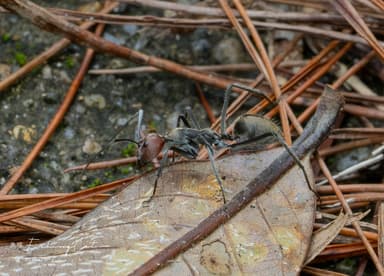
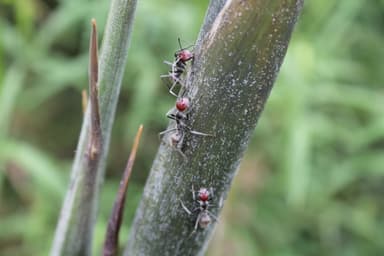
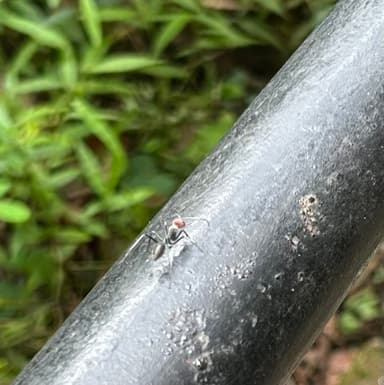
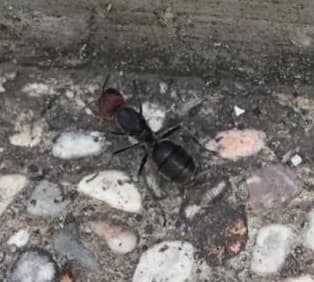
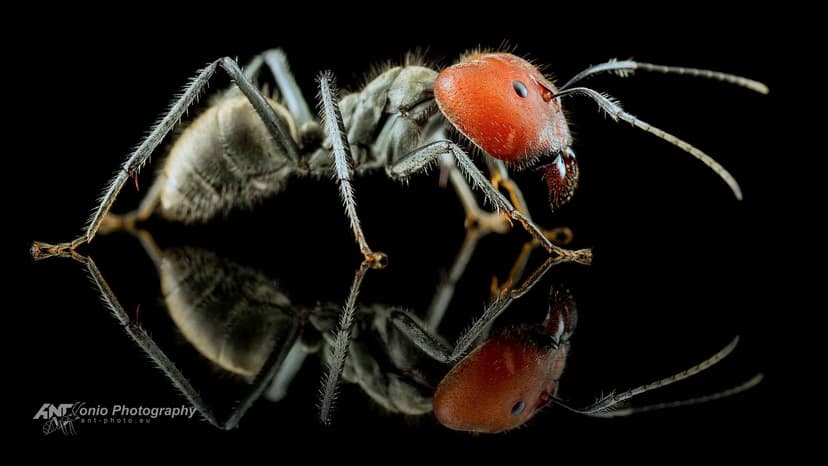
A true giant of the ant world, Camponotus singularis commands attention with its remarkable size and striking presence. Queens measure an imposing 18–22 mm, while workers range from 8 mm minors to heavily built majors that can reach 17 mm, making them among the largest carpenter ants kept in captivity. Colonies are polymorphic, with a clear division between minor workers, which handle foraging and brood care, and massive major workers that serve as living food stores and defenders. Native to the tropical forests of Southeast Asia — from India through to Indonesia, as documented in GBIF occurrence records — this species bears a dense, often golden pubescence that shimmers under good lighting. Like all Camponotus, it utilizes a claustral founding strategy, with the queen sealing herself away to raise her first generation without feeding (AntWiki, referencing Smith’s 1858 description).
Care is best suited to keepers with some prior ant husbandry experience, as the species carries an intermediate difficulty rating. The challenge lies not in aggression — these ants are typically calm — but in maintaining the narrow environmental parameters that mimic their humid, tropical homeland. A stable temperature between 22°C and 28°C and relative humidity of 60–80% must be sustained day and night, with no hibernation or diapause period to provide seasonal respite. Novices may underestimate how quickly a dry spell can stress a colony, leading to brood loss or restless workers. For those comfortable with monitoring and adjusting conditions, however, C. singularis rewards with robust growth rates and the fascinating spectacle of caste differentiation, where a single larva’s fate diverges dramatically based on nutrition and pheromonal cues.
Housing must accommodate a colony that can swell to around 3,000 individuals in time. A spacious formicarium built from plaster, ytong, or food-safe acrylic provides the necessary humidity retention while allowing partial visibility. Many successful keepers employ a naturalistic outworld with a clay-sand substrate that holds moisture, though the ants generally prefer pre-formed chambers and galleries to digging from scratch. Ventilation is critical: a mesh-covered opening or a grid of small holes prevents the mold explosions that can occur in stagnant, high-humidity environments. A thermal gradient created by a gentle heat mat placed on one side of the nest allows workers to choose their preferred microclimate, with the warm end around 28°C and the cool end no lower than 22°C. Always use a digital hygrometer to verify that the nest interior remains consistently moist but never wet, as condensation on the walls signals over-saturation.
Diet follows the classic carpenter ant pattern of protein and carbohydrates. Offer freshly killed, soft-bodied insects such as crickets, small roaches, and mealworms two to three times weekly, with occasional dusting of a calcium supplement for larval development. Carbohydrate sources are eagerly accepted: diluted honey, sugar water, or small slices of overripe fruit like mango or banana can be placed on a feeding tray. A constant supply of pure water — ideally through a test tube stoppered with cotton — is essential, while open water drops risk drowning workers. Experienced keepers on Ameisenforum.de note that C. singularis can become finicky if fed the same protein for extended periods, so rotating between different insect feeders helps sustain their appetite and ensures a broad nutrient intake.
Because this species evolved in a region without cold winters, it requires no hibernation. The colony remains active and brooded continuously year-round, so the keeper must provide warmth and food without interruption. While a slight nighttime temperature dip of a few degrees is harmless and even natural, sustained temperatures below 20°C can halt egg production and weaken the colony. Plan your setup to maintain stability through all seasons, and be prepared for an ant that never takes a break.
On arrival, give your new colony a quiet, darkened environment for the first 24–48 hours to recover from transit shock. Avoid the temptation to peek constantly; minor vibrations can stress a queen at this sensitive stage. After the settling period, offer a tiny smear of honey on foil and a single piece of pre-killed insect, no larger than the workers can finish in a day. Remove uneaten food promptly to avoid mold in the humid nest atmosphere. Watch for the queen — she should appear calm, with workers tending her attentively. If workers pace incessantly or retreat to the outworld, check humidity and temperature first, and make any adjustments gradually. With patience and careful attention to their tropical needs, Camponotus singularis will flourish, offering a spectacular window into the sophisticated social life of giant ants. (Care insights drawn from Antstore.net species sheets and AntWeb’s extensive bioregional records.)