Camponotus
Camponotus ligniperda
Nuptial Flight Calendar
Flight months: May, Jun, Jul
Care Guide
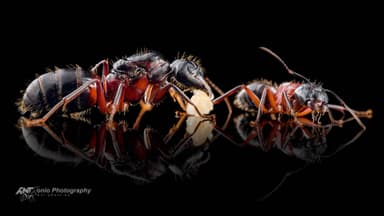
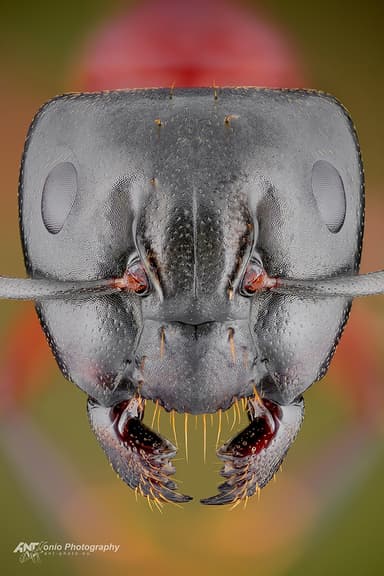
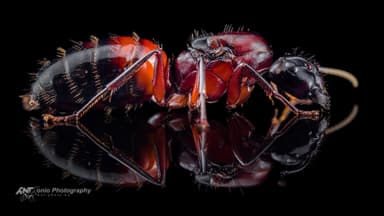
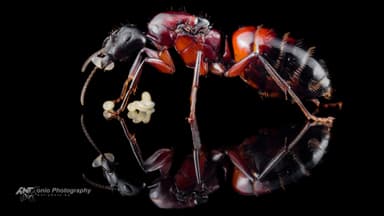
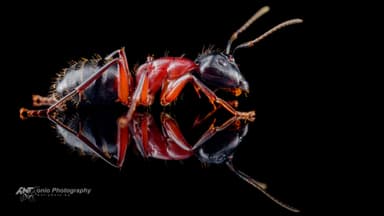
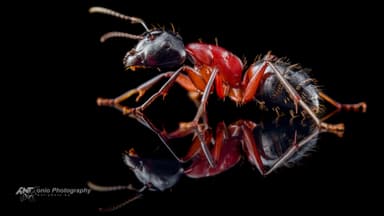
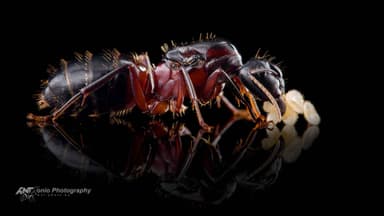
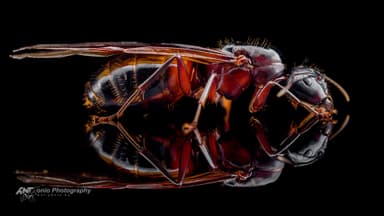
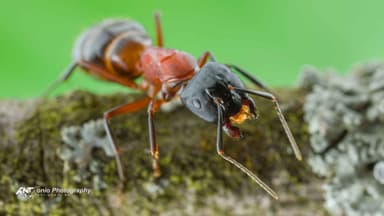
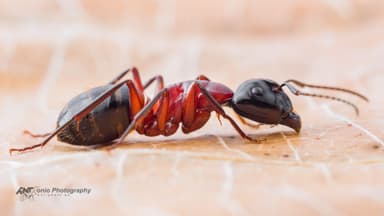
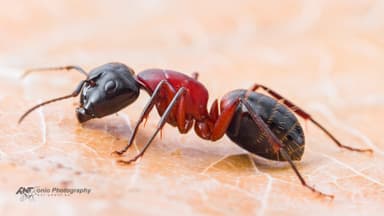
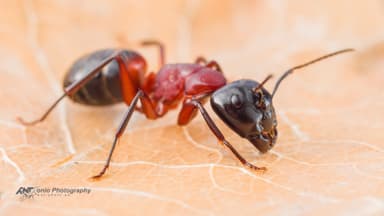
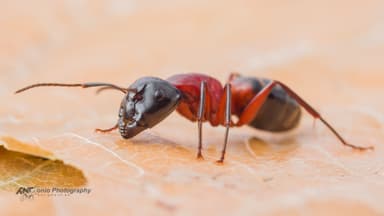
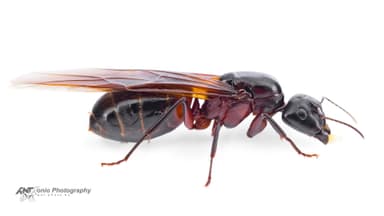
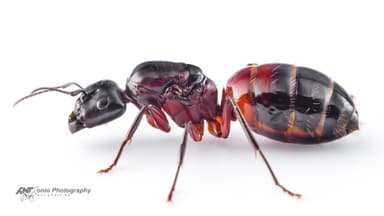
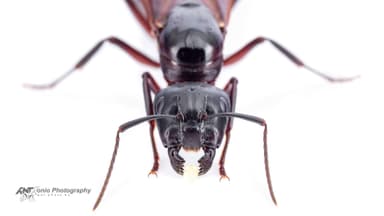
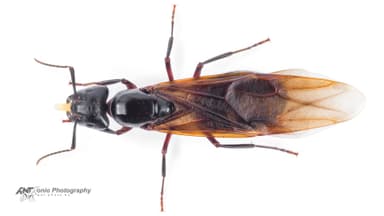
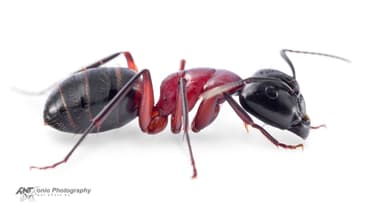
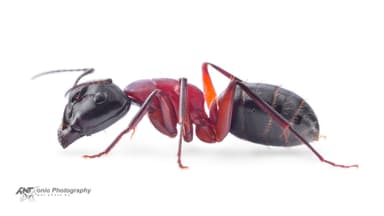
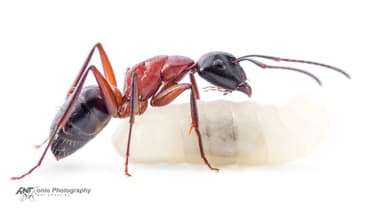
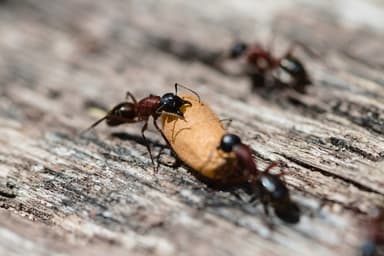
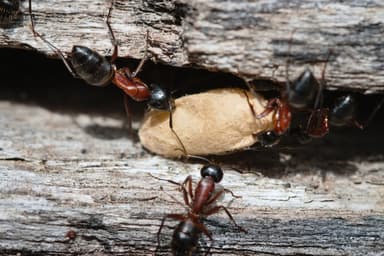
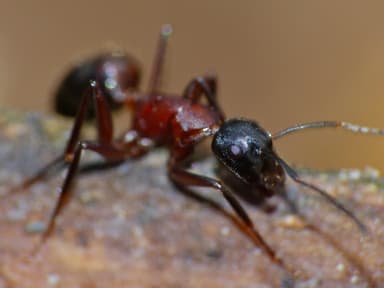
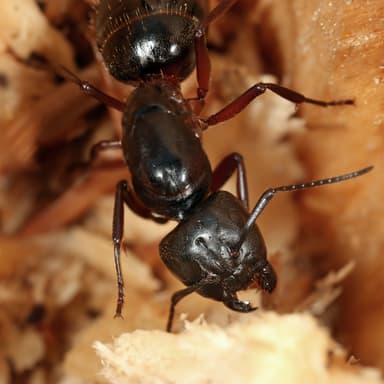
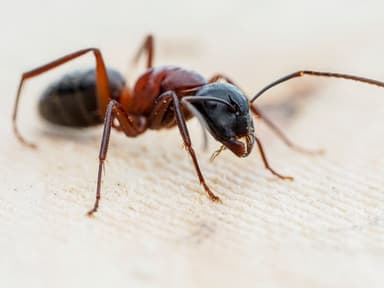
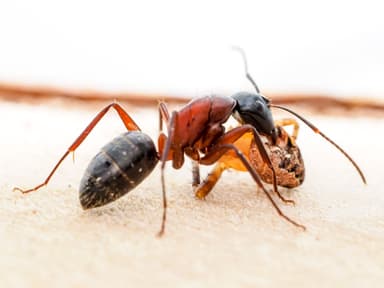
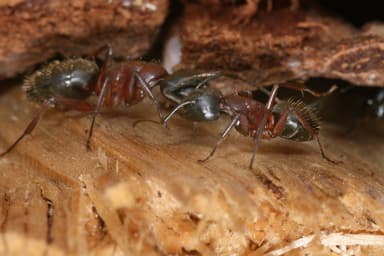
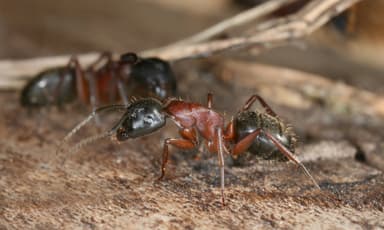
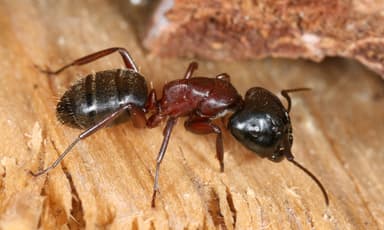
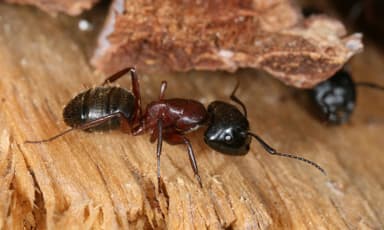
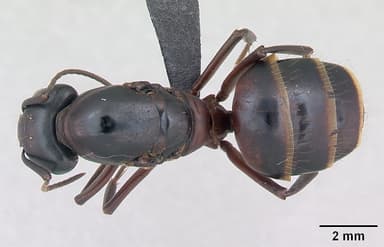
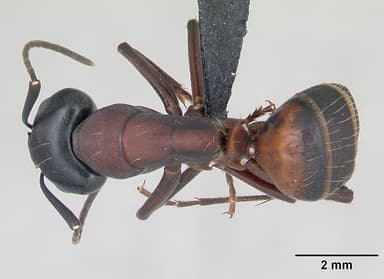
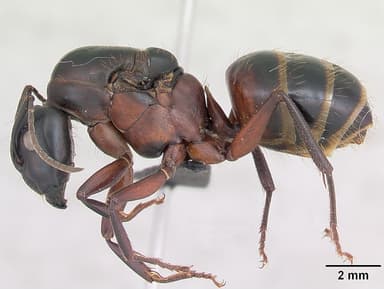
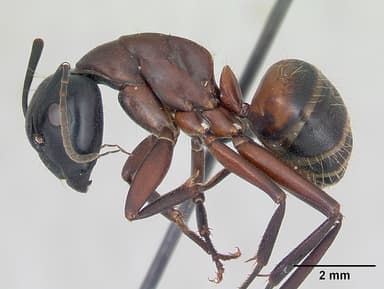
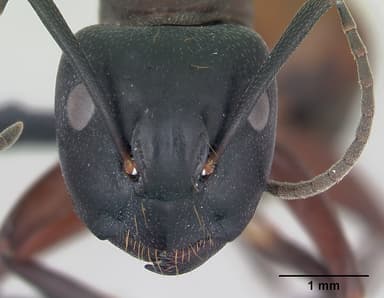
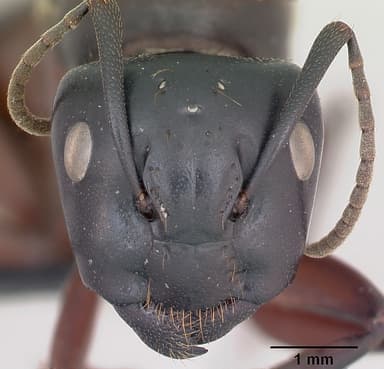
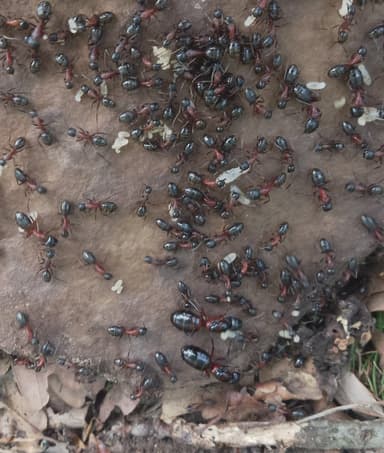
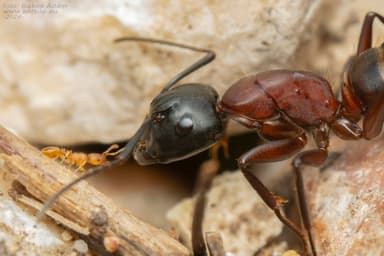
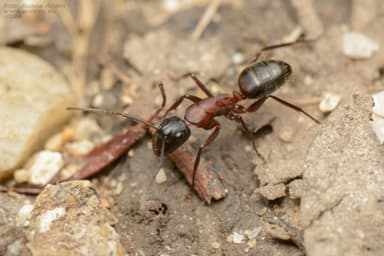
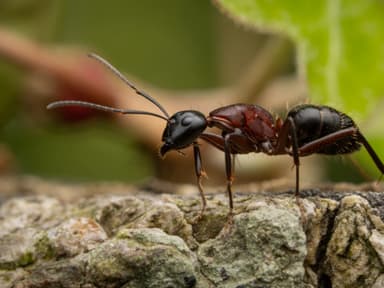
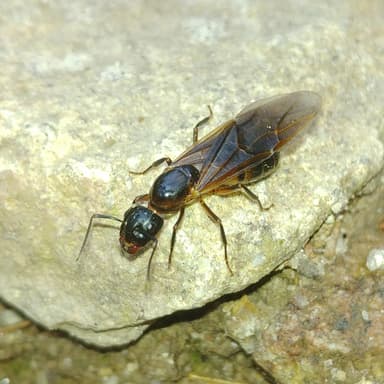
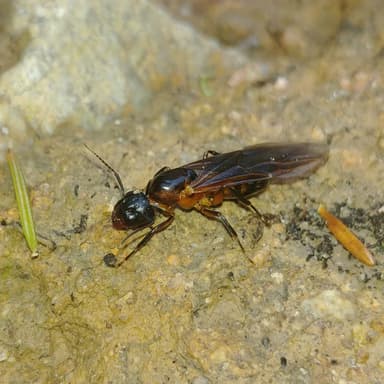
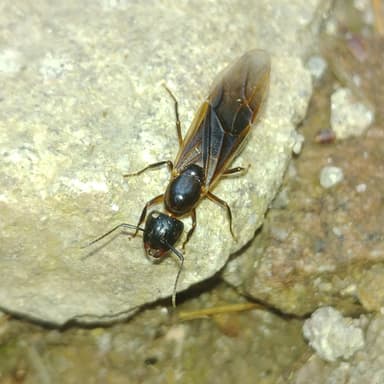
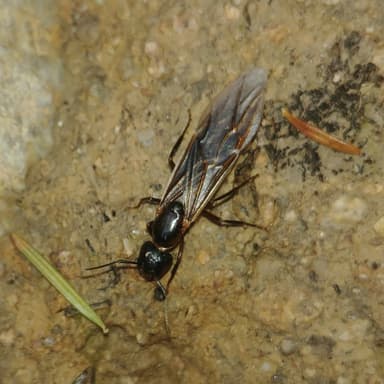
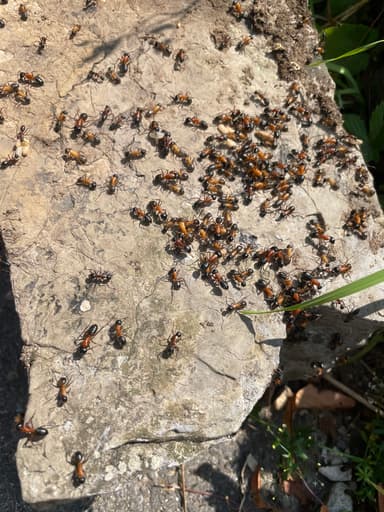
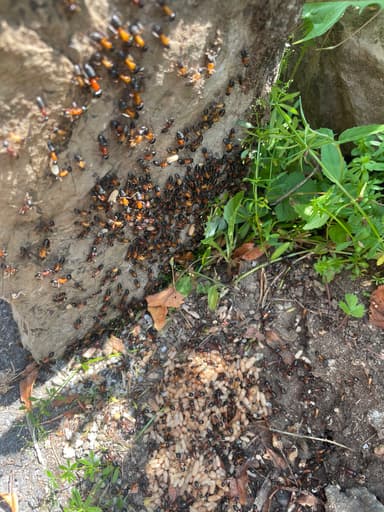
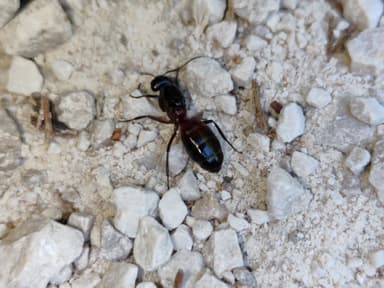
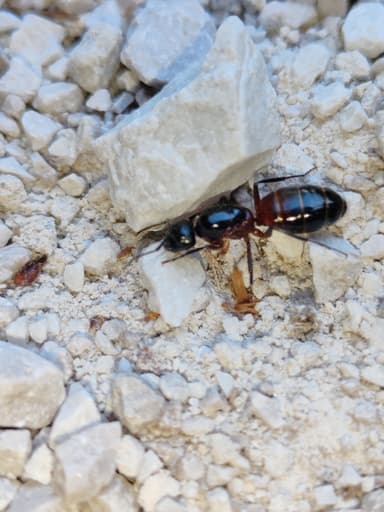
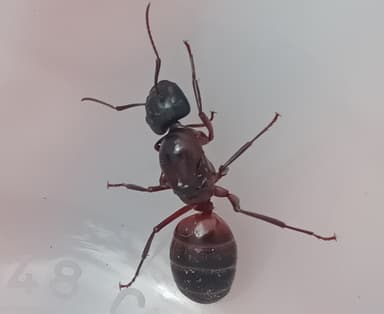
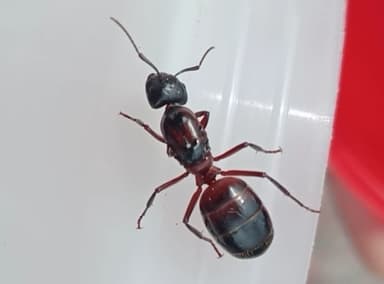
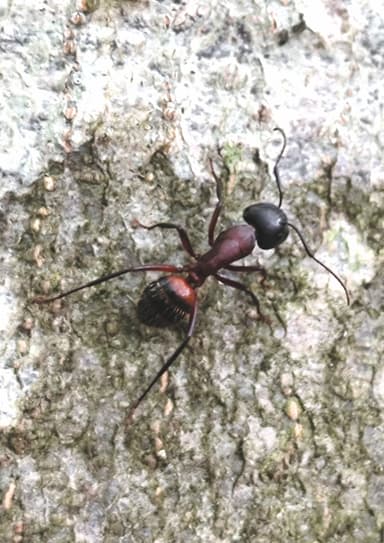
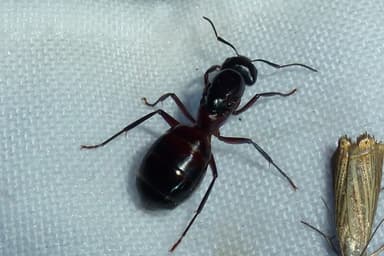
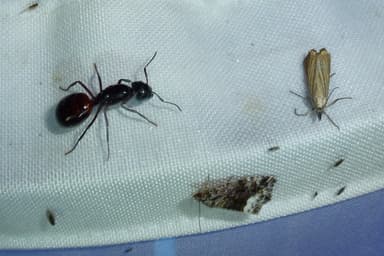
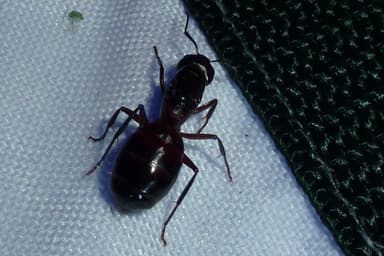
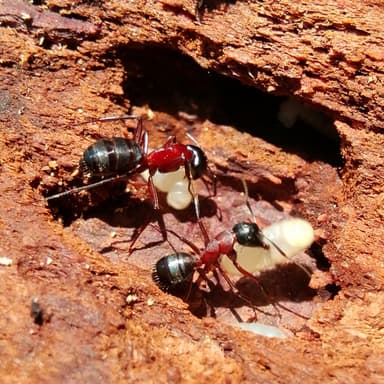
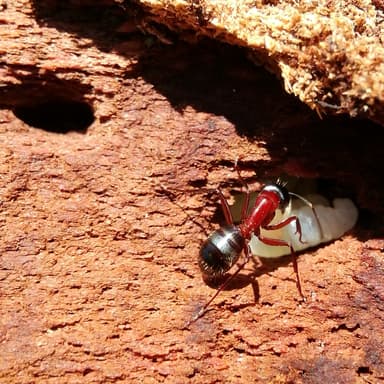
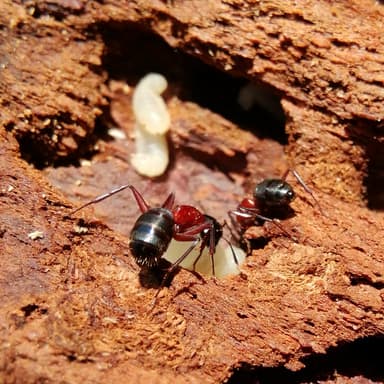
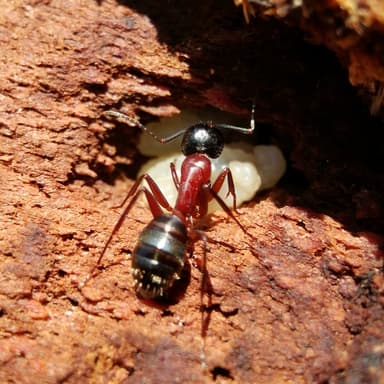
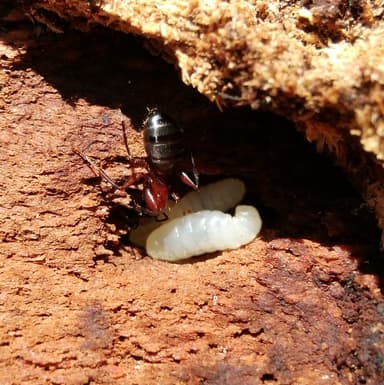
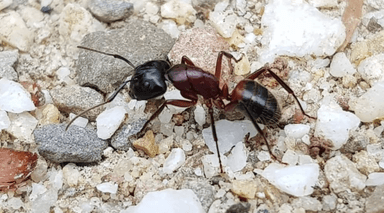
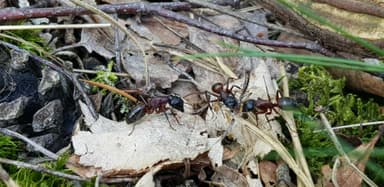
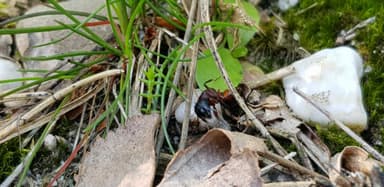
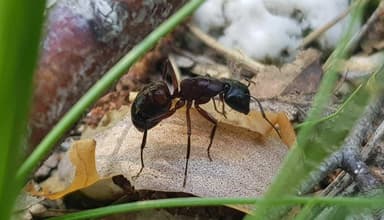
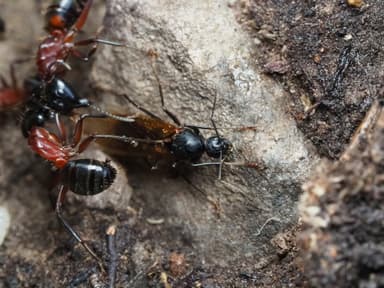
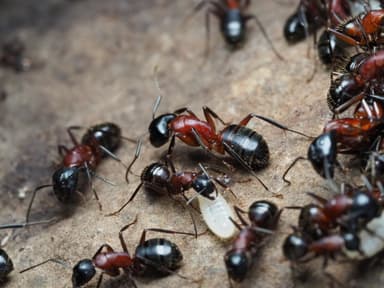
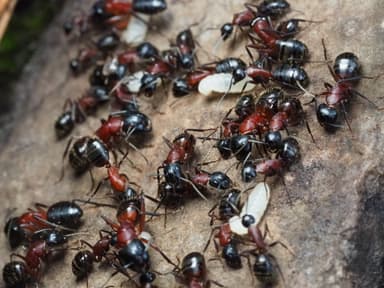
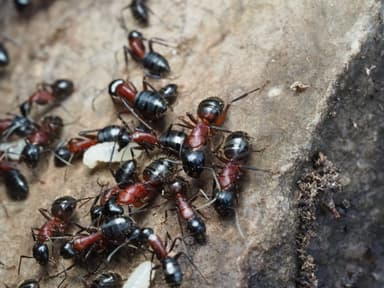
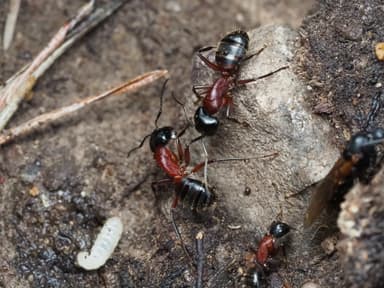
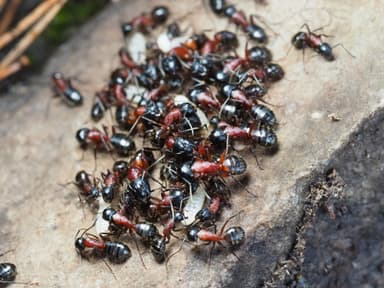
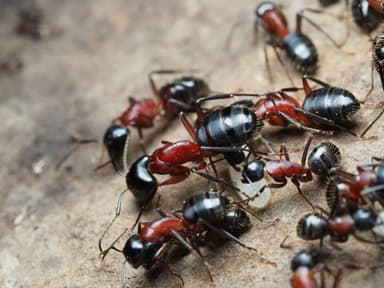
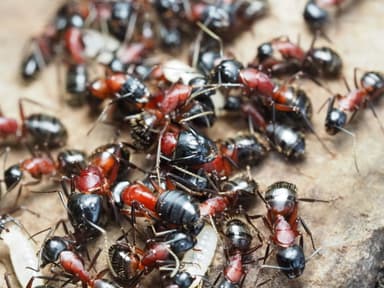
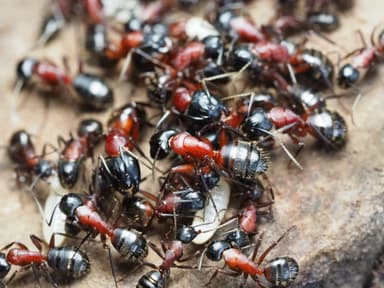
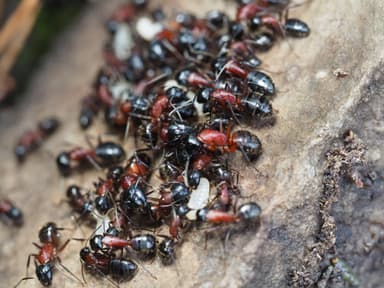
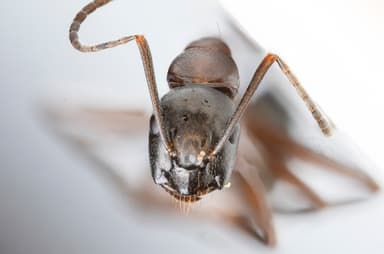
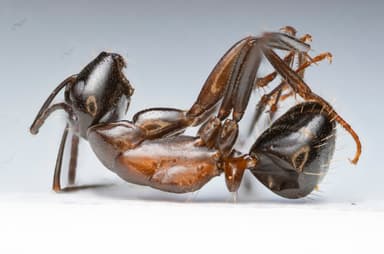
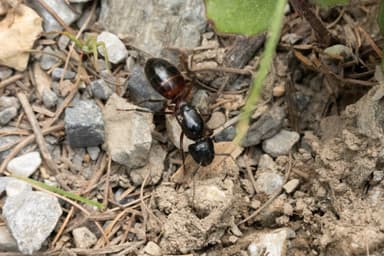
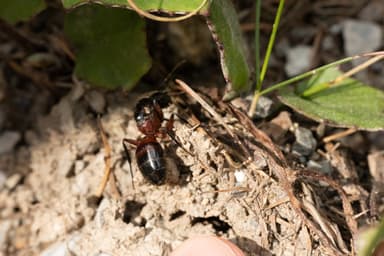
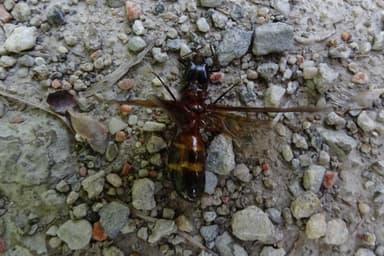
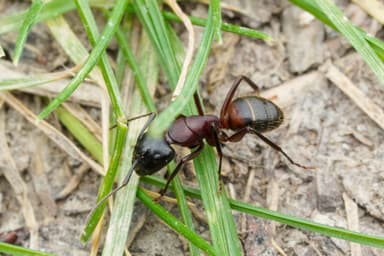
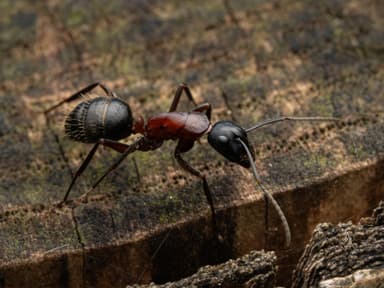
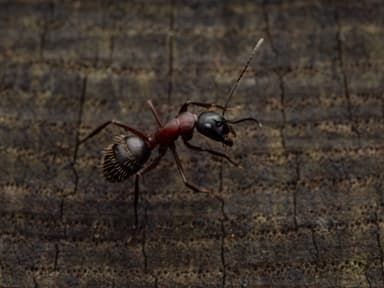
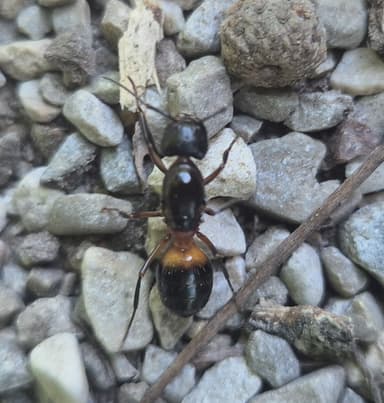
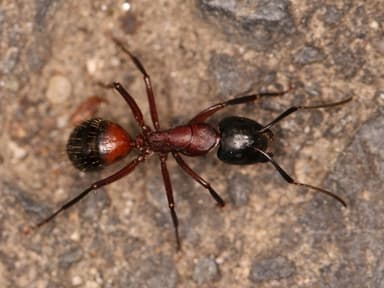
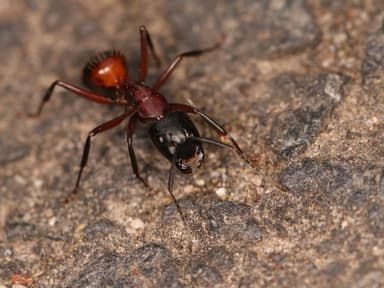
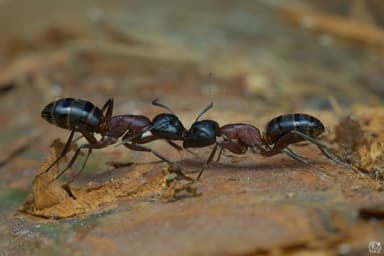
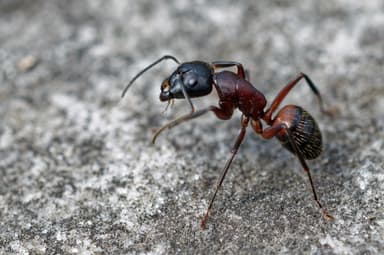
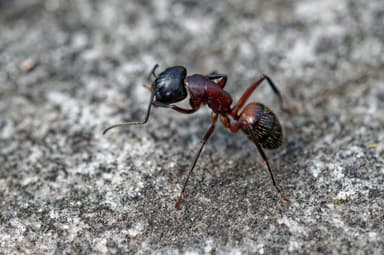
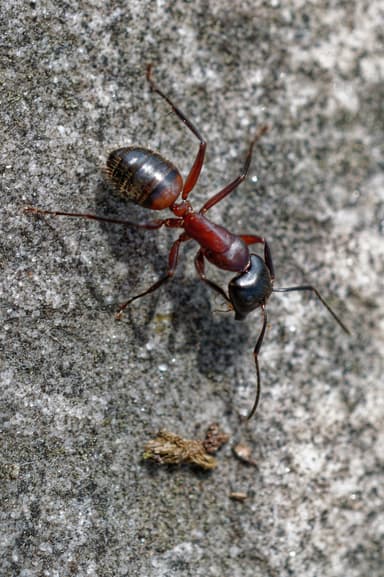
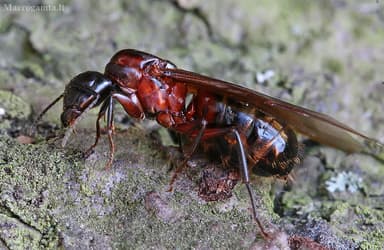
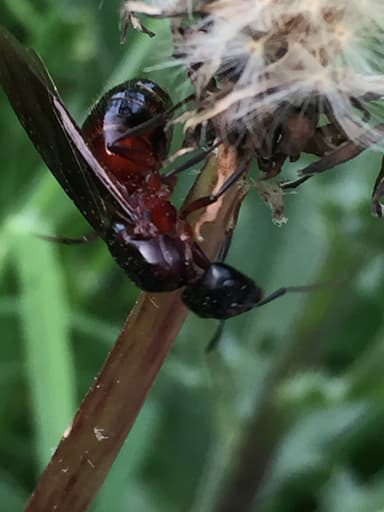
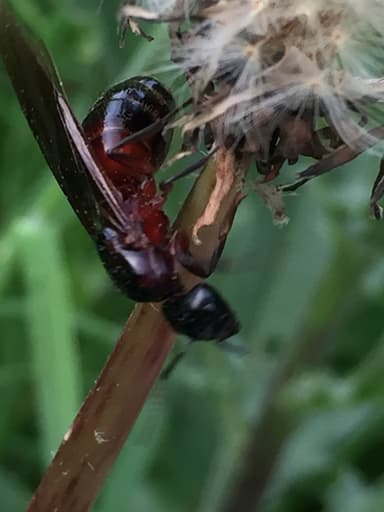
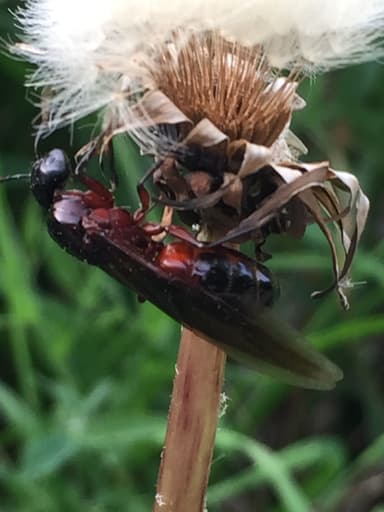
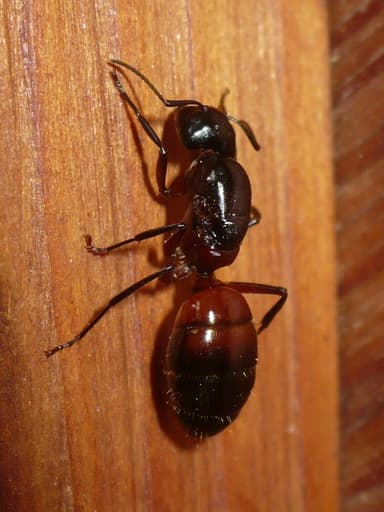
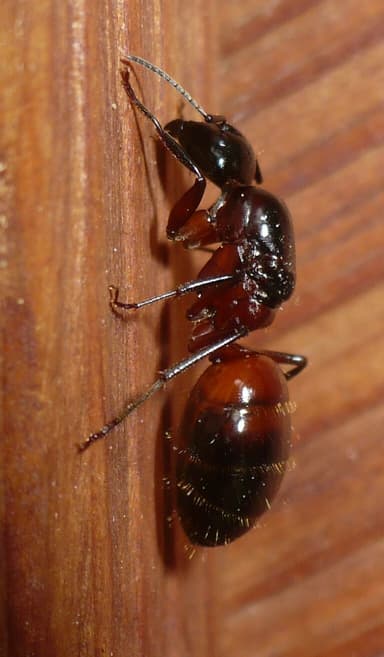
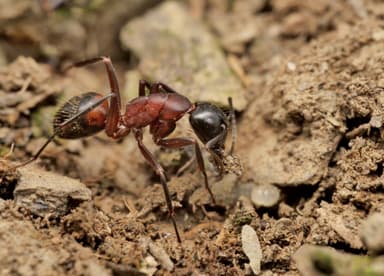
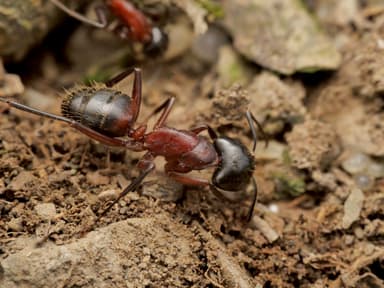
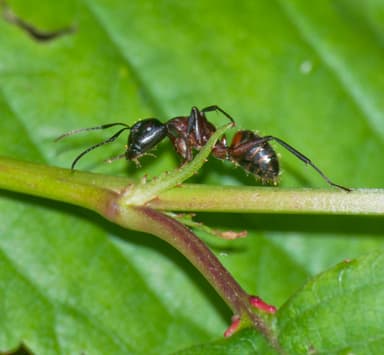
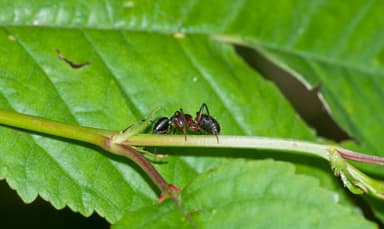
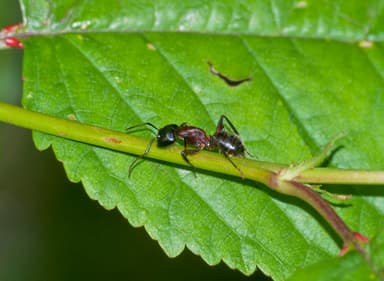
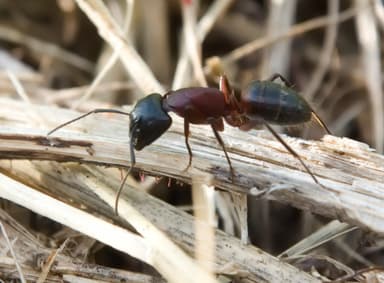
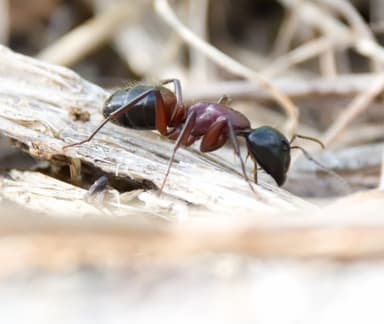
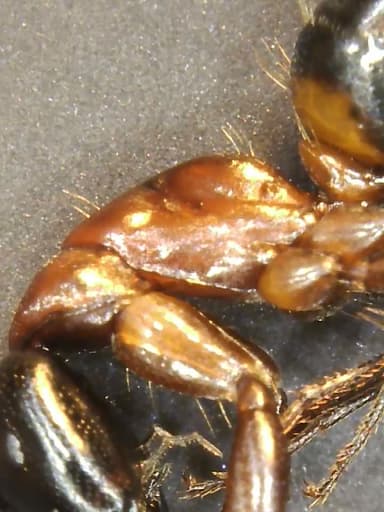
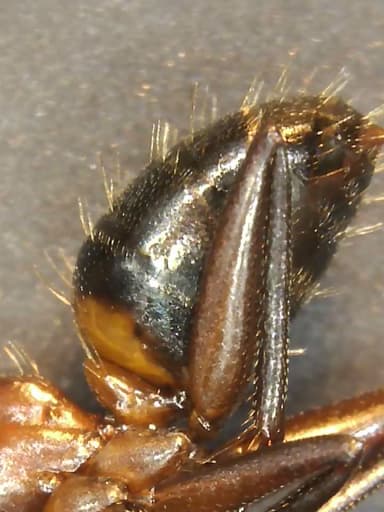
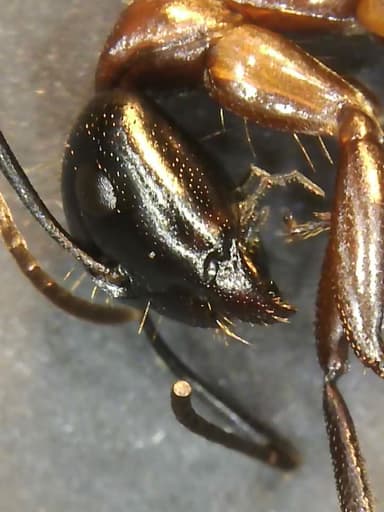
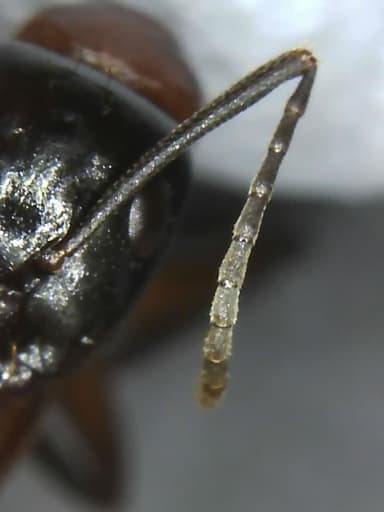
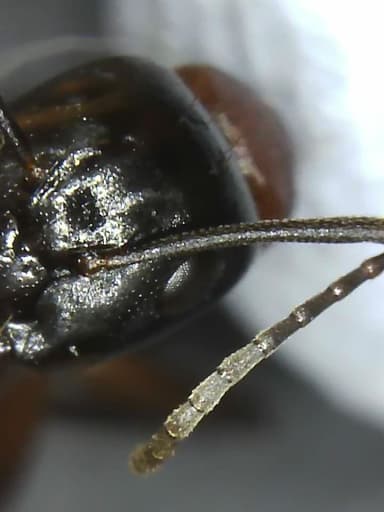
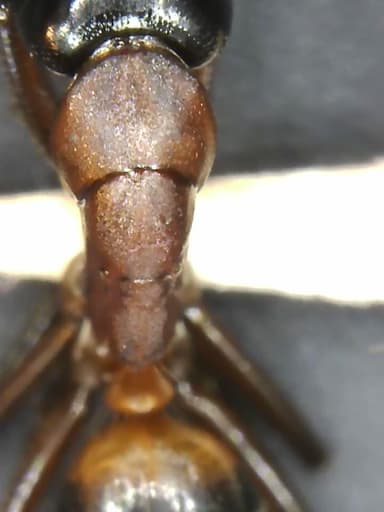
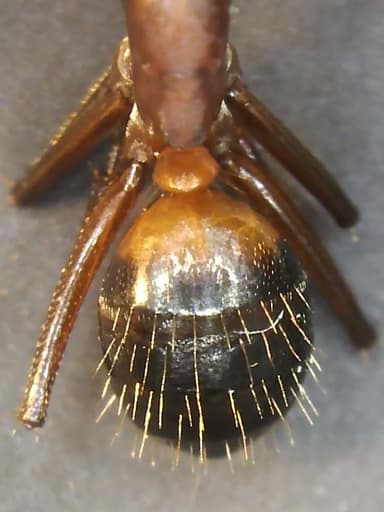
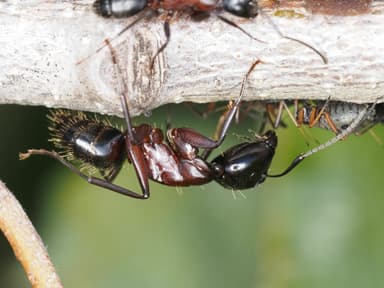
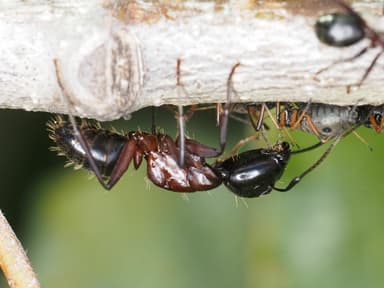
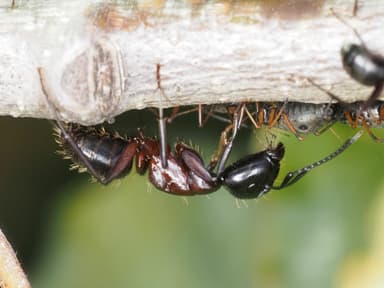
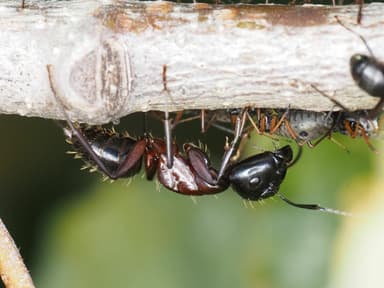
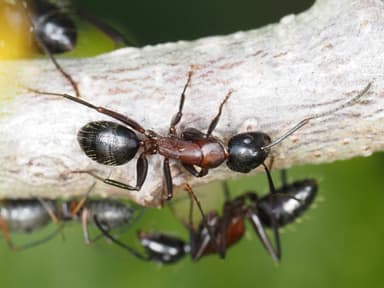
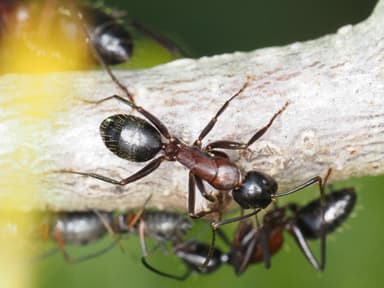
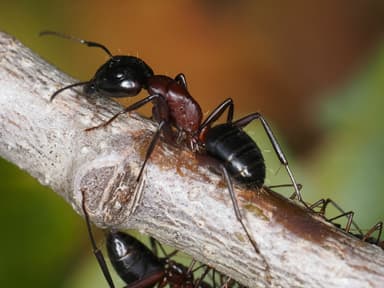
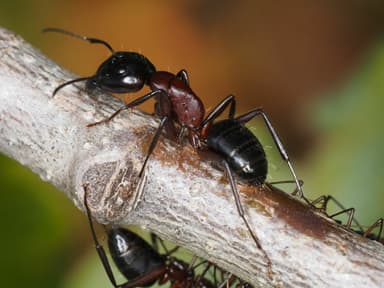
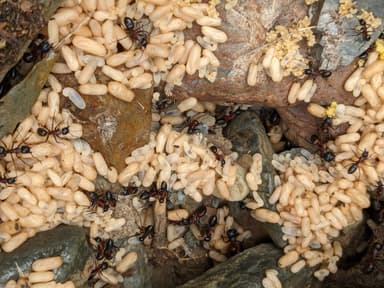
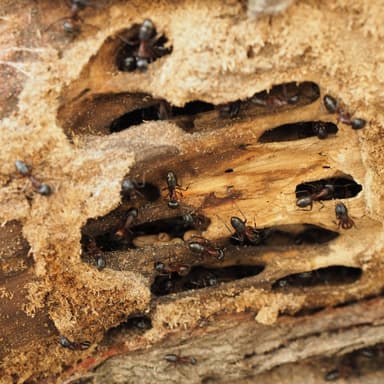
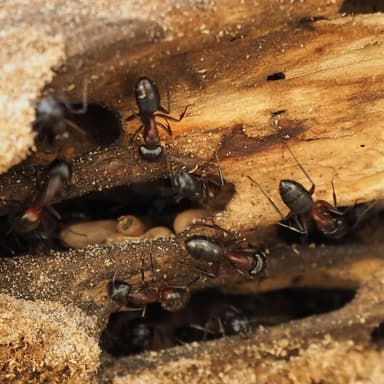
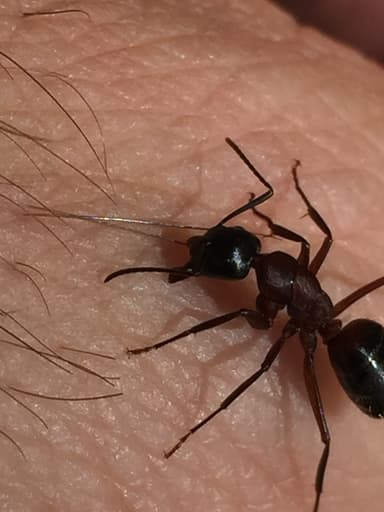
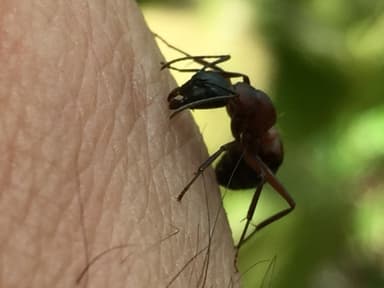
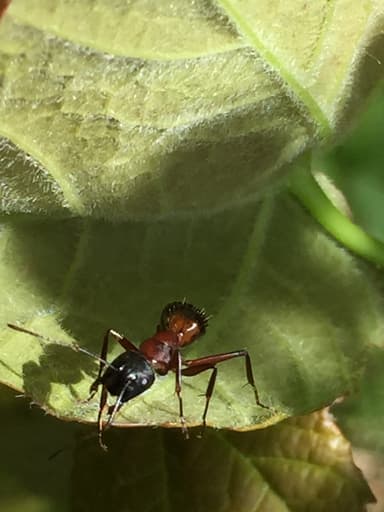
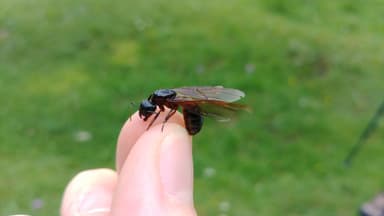
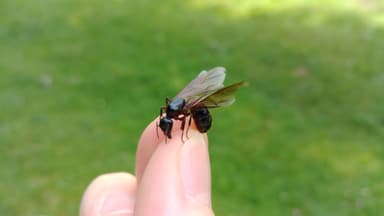
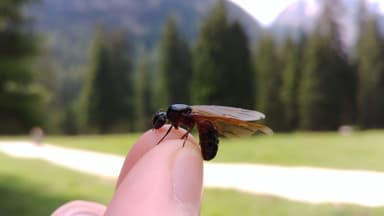
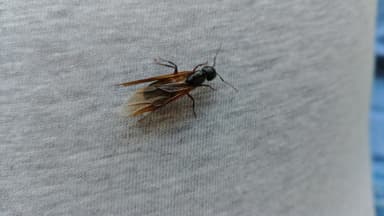
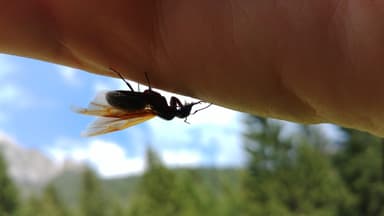
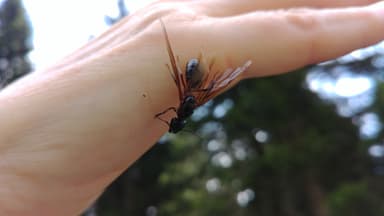
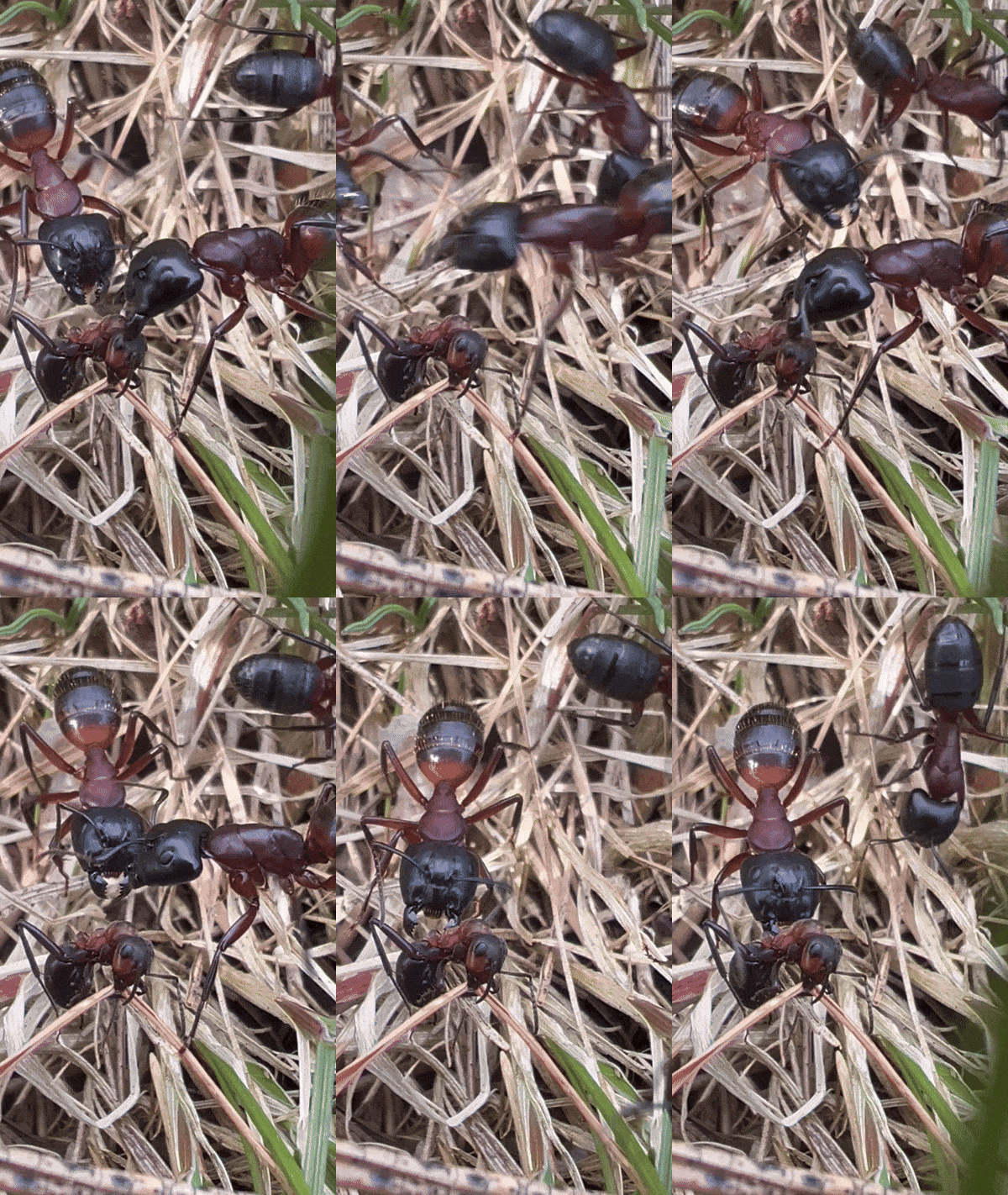
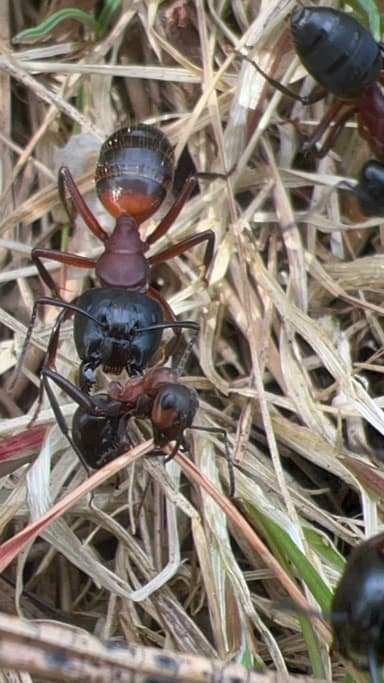
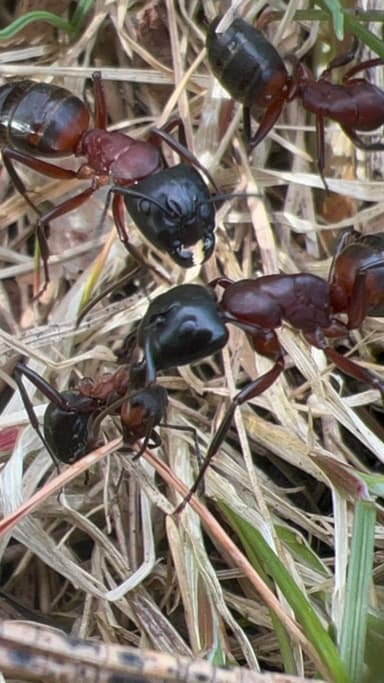
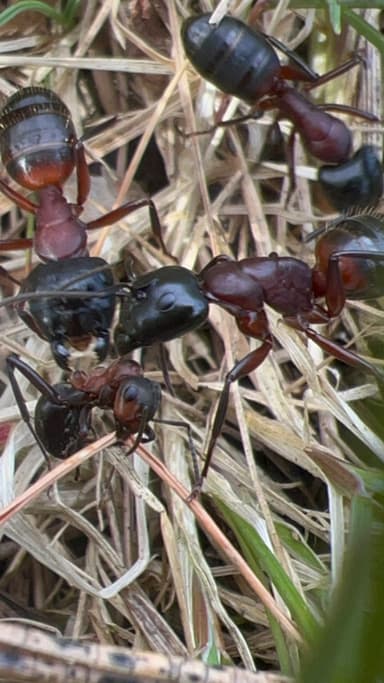
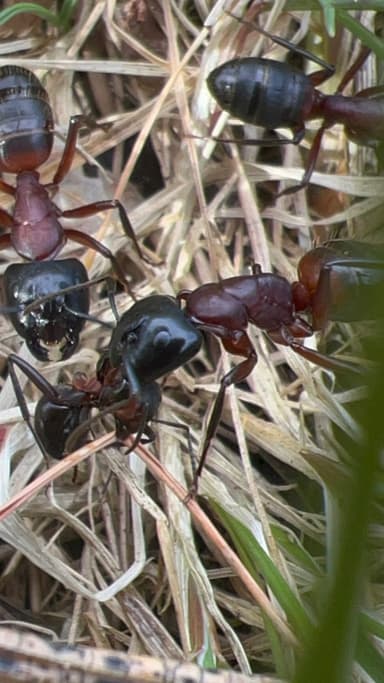
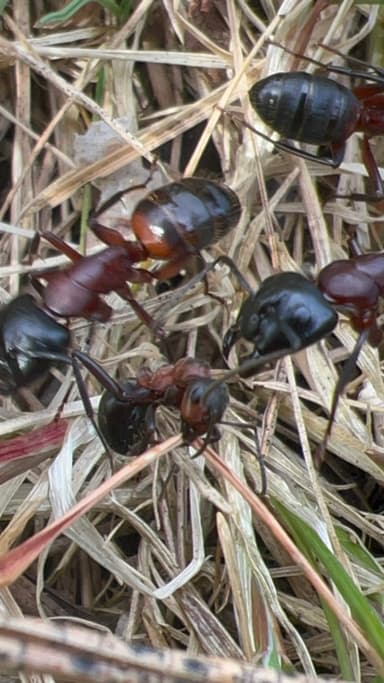
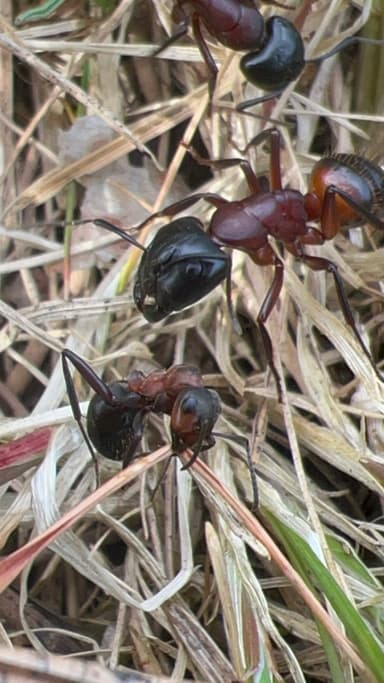
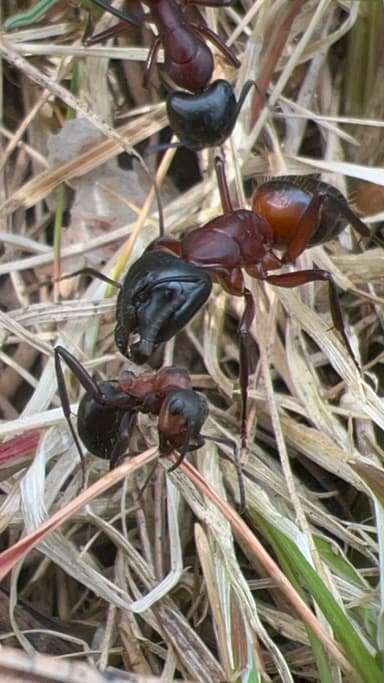
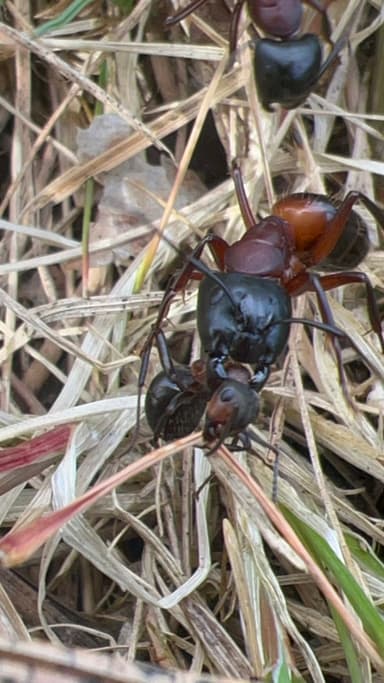
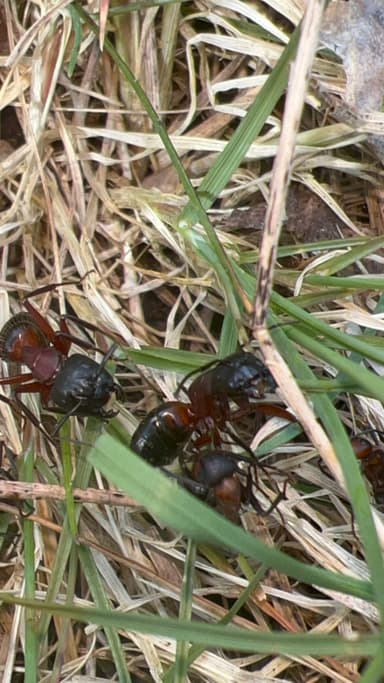
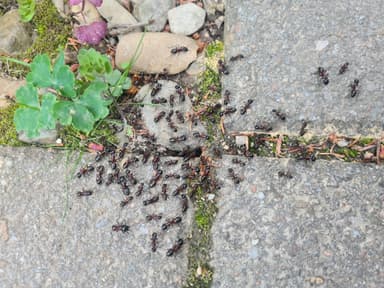
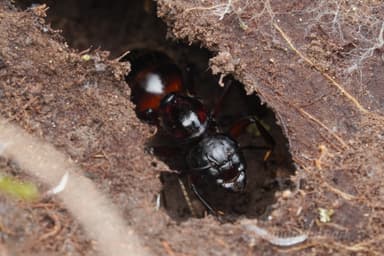
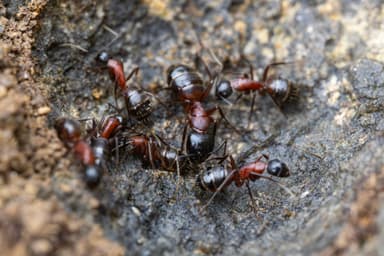
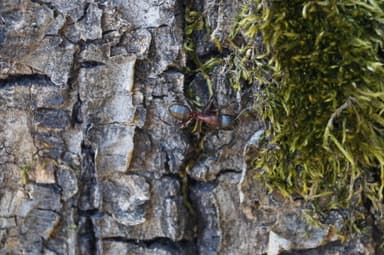
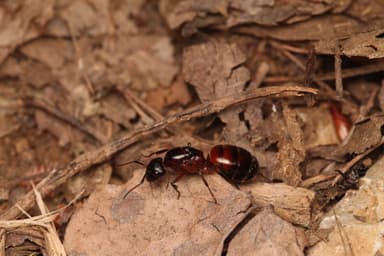
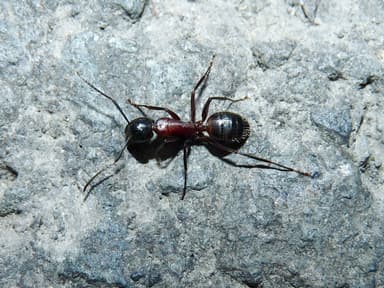
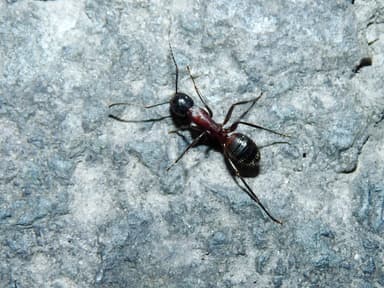
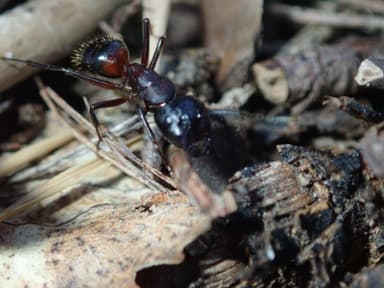
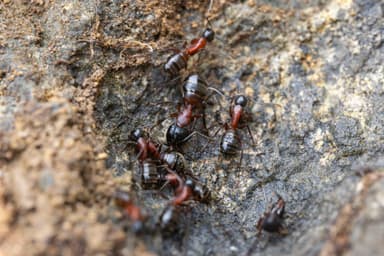
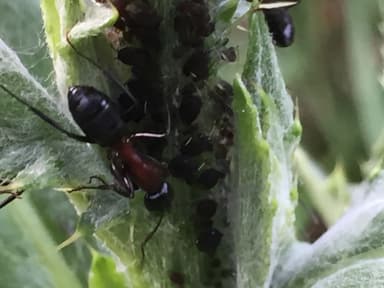
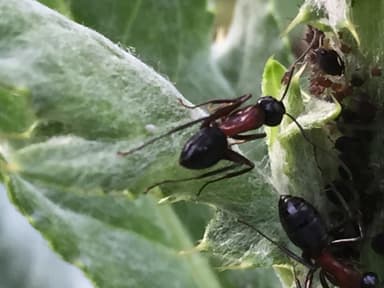
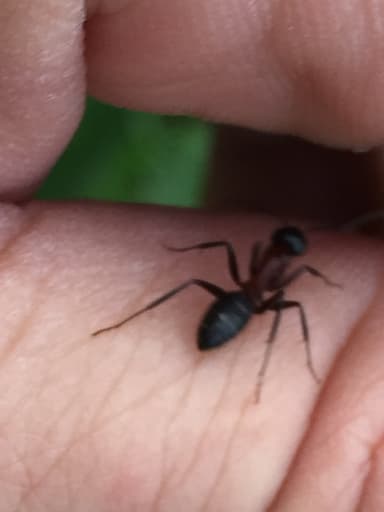
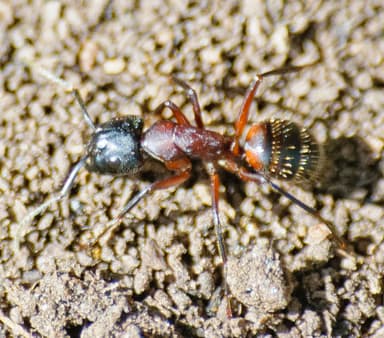
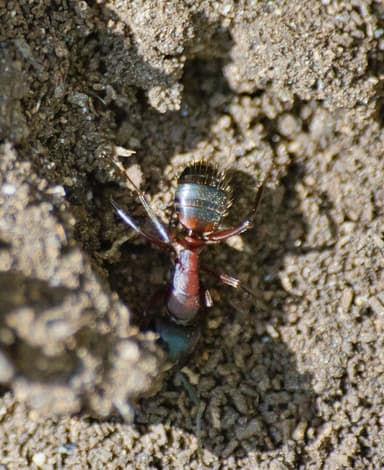
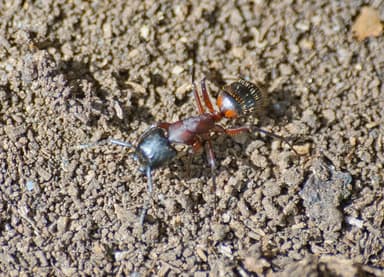
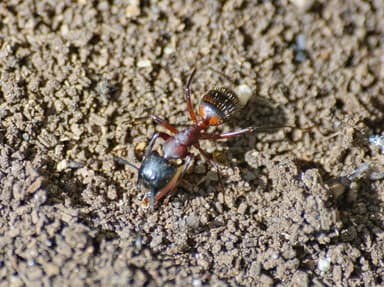
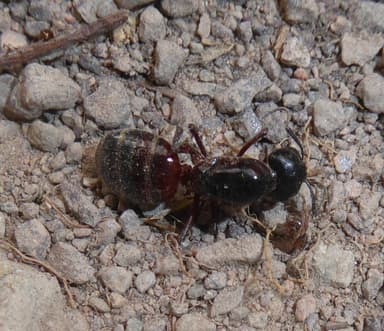
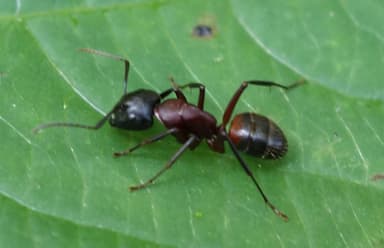
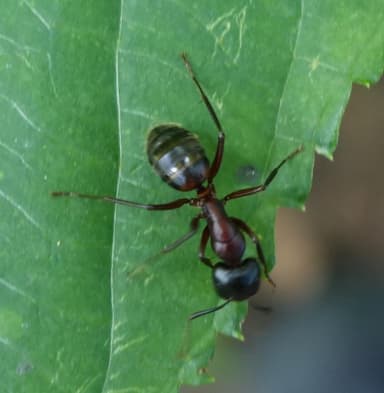
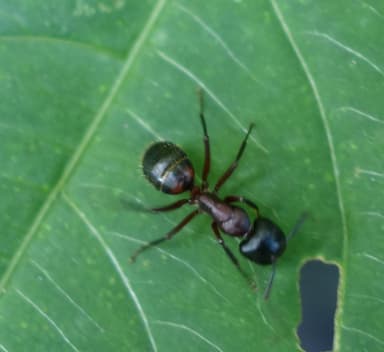
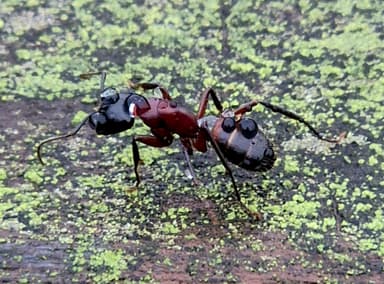
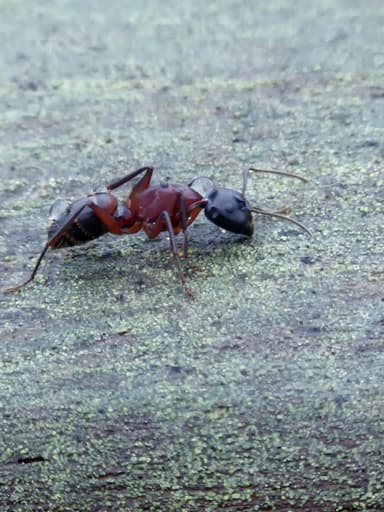
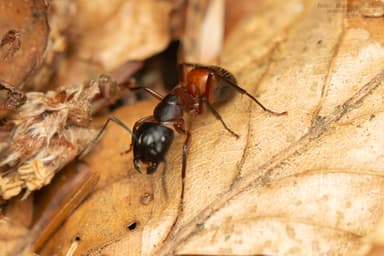
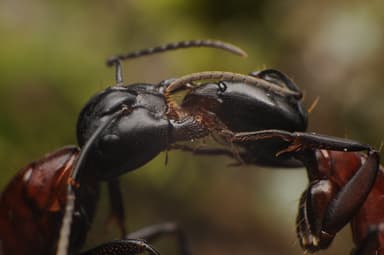
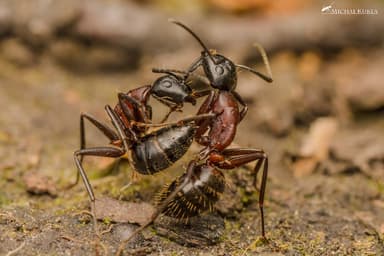
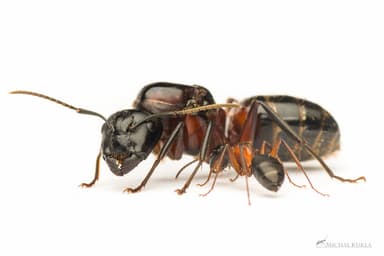
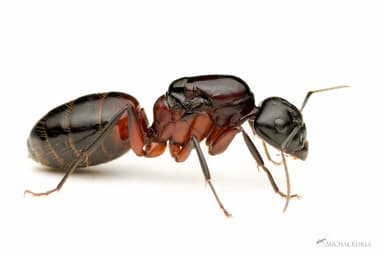
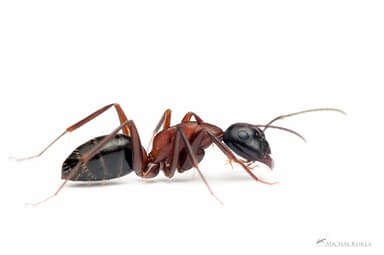
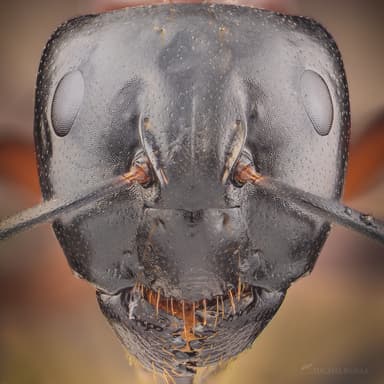
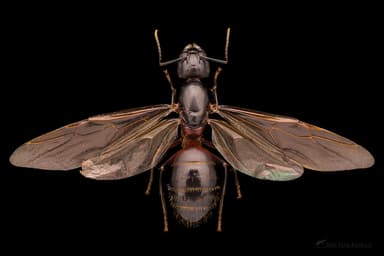
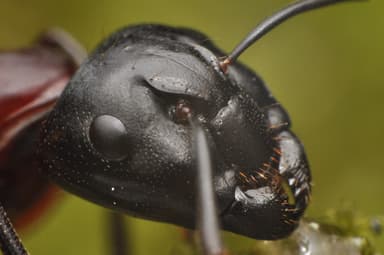
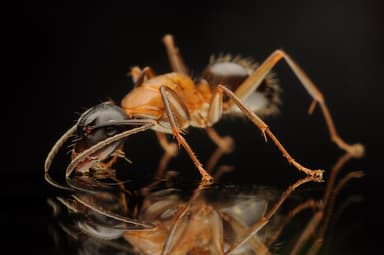
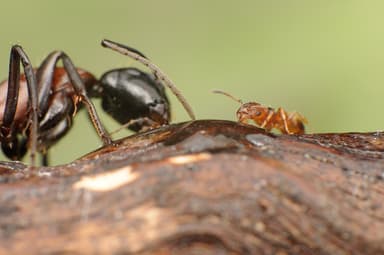
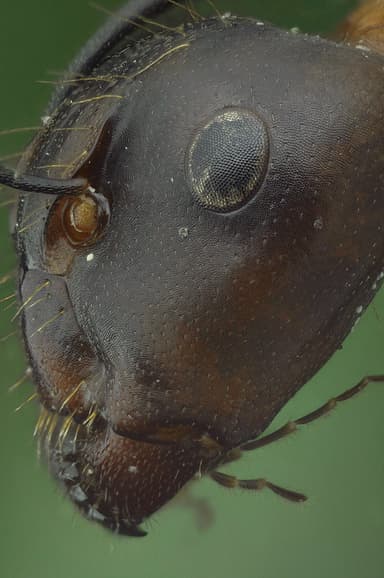
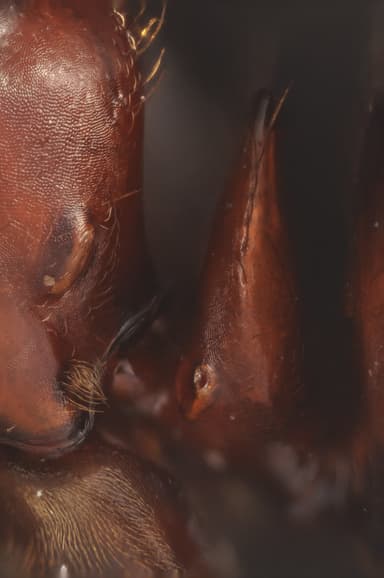
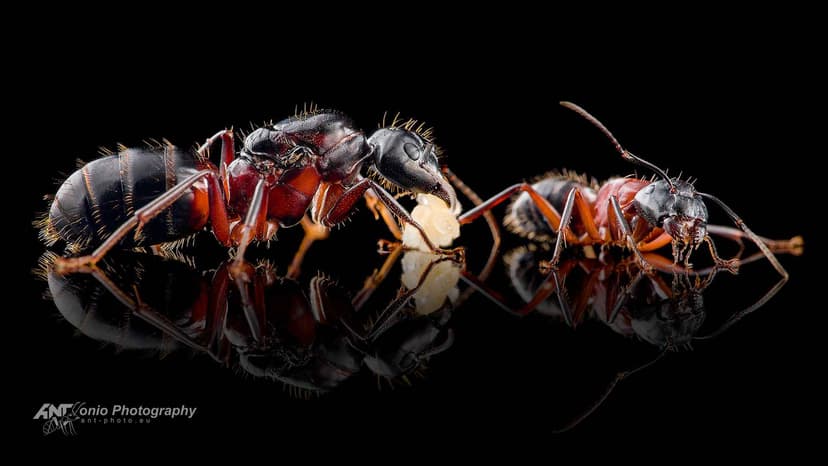
Few ants capture the imagination of European hobbyists quite like Camponotus ligniperda, a true giant among the continent’s native species. This large carpenter ant exhibits dramatic polymorphism, with minor workers starting at just 6 mm, graceful media workers bridging the gap, and heavily armoured major workers reaching up to 14 mm, all serving a queen that spans an impressive 16–18 mm (Seifert 2018). The deep black body, often with a subtle mahogany sheen on the gaster, makes for a striking display. Mature colonies in the wild may house as many as 10,000 individuals (AntWiki), and while that number takes years to achieve in captivity, the slow but steady growth allows keepers to witness every nuance of their social development. The species is widely distributed across Europe, from the Iberian Peninsula up into southern Scandinavia (GBIF occurrence data), thriving in sun-warmed deciduous forests and woodland edges. Their nuptial flights occur on warm, sunny afternoons from May through July across Central Europe, typically after rainfall and with temperatures above 20°C and little wind — a detail that can inspire those daring enough to found a colony from a newly mated queen (Seifert 2018).
For the ant keeper, Camponotus ligniperda is unequivocally a beginner-friendly species, and one of the most rewarding to start with. Claustral founding means the queen needs no food until her first workers arrive, simplifying the initial weeks immensely. Their large size makes observation a joy, and escape attempts are minimal if the setup is secured, as these ants prefer to stay in their nest rather than wander erratically. Their calm disposition means they rarely react aggressively to gentle disturbances, though major workers can deliver a memorable pinch if handled carelessly. Because colonies grow slowly at first, the keeper isn’t overwhelmed by sudden population booms, but the eventual emergence of distinct castes provides a long-term spectacle that remains fascinating for years. The species suits anyone from a complete novice to an experienced myrmecologist who appreciates the majestic rhythm of a large carpenter ant colony unfolding.
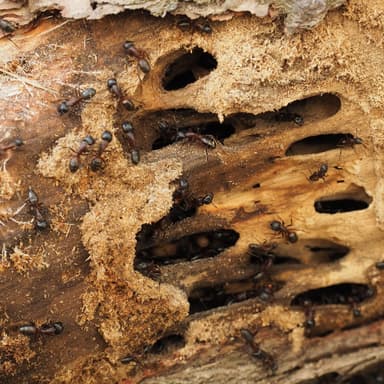
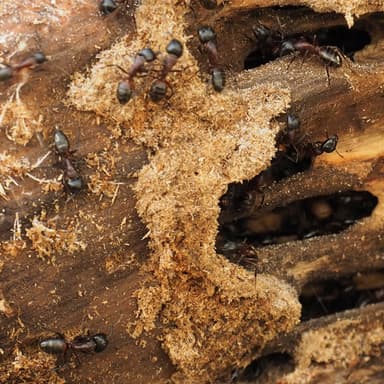
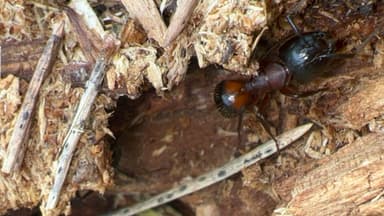
Housing C. ligniperda is straightforward but benefits from a few thoughtful choices. A temperature range of 20–28°C suits them well, with a warmer end near the nest encouraging brood development. Humidity inside the nest should hover between 50% and 70%, achievable with a plaster, ytong, or grout nest that can be lightly misted, while the foraging arena can remain drier. Because they are carpenter ants, they will chew into softwood or cork with relish, so providing a piece of untreated cork bark or a rotting branch inside the outworld enriches their environment and gives them a natural outlet for their wood-carving instincts. Many keepers house them in a glass formicarium with a sand-loam substrate in the nest area, or simply a connected test tube setup for young colonies. Good ventilation is important to prevent mold, and an escape-proof barrier of fluon or a tight-fitting lid is non-negotiable. Lighting can be ambient room light; they are fairly tolerant of observation once settled.
A balanced diet mirrors what they would forage in the wild. Offer carbohydrates as a staple: sugar water, honey water, or commercial ant nectar are taken eagerly by workers of all castes. Protein is critical for larval growth and the queen’s egg production. Feed chopped mealworms, crickets, fruit flies, or other soft-bodied insects two to three times a week for a growing colony, removing uneaten pieces after a day to prevent spoilage. A constant supply of fresh water is essential, best provided via a water tower or the traditional test tube setup with a cotton plug. Small colonies do well with pre-killed insects, while larger colonies may enthusiastically take live, well-crushed prey. Avoid harmful preservatives and never offer insects from areas treated with pesticides. The strong foraging response of the larger workers is a highlight of feeding time, as they quickly carry food back to the nest.
Hibernation is not optional — it is a biological requirement for the queen’s longevity and the colony’s overall health. In their native range, Camponotus ligniperda experiences a pronounced winter, and replicating this in captivity is essential. From roughly November to late February or early March, the colony should be moved to a dark, cool environment at around 5°C, such as a refrigerator, cool cellar, or a wine cooler dedicated to ant keeping. Reduce the temperature gradually over a couple of weeks, stop feeding a few days beforehand so guts are empty, and maintain darkness. The ants will cluster together in a dormant state. Check monthly for any signs of excess condensation or mold, but disturbance should be minimal. A proper diapause period of at least three months is recommended; failure to hibernate will typically lead to a weak queen, poor brood development, and a shorter-lived colony.
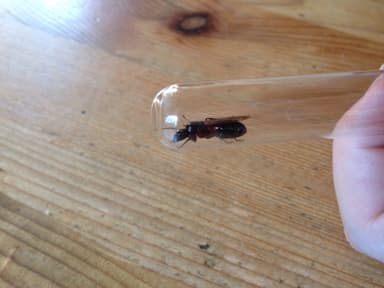
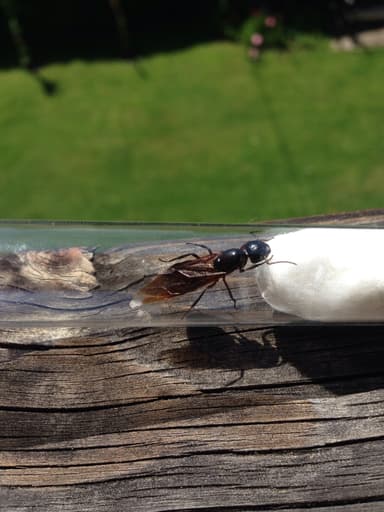
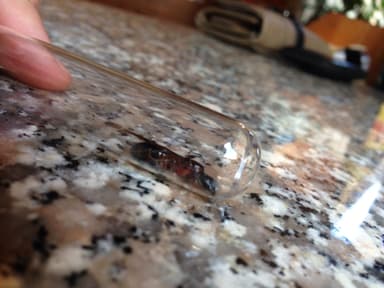
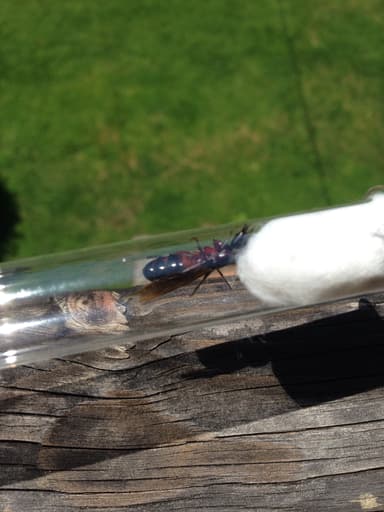
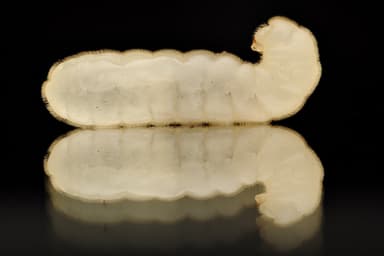
The first days after purchasing a C. ligniperda queen or small colony are critical. You will likely receive them in a test tube with a water reservoir and cotton plug. Place this tube in a quiet, dimly lit spot at a steady 22–25°C and resist the urge to peek during the first week — every inspection stresses the queen and can cause her to eat her eggs. After a few days, you may offer a minuscule droplet of sugar water on the end of a toothpick placed just inside the tube’s open end, then remove it after a few hours. Claustrally founded queens will not need protein until the first tiny workers appear, which can take 6–10 weeks. Once the first workers, or nanitics, are foraging, introduce a freshly killed fruit fly or a cricket leg. Watch for signs of mold in the tube, which is common if humidity is too high; if that occurs, gently attach a new, clean test tube and let the colony move on its own. With patience and a light touch, these first cautious steps will lay the foundation for a thriving, decades-long presence in your ant room. The guidance shared here draws not only on curated community knowledge from forums like Ameisenforum.de but also on authoritative sources such as AntWiki, AntWeb, and Seifert’s definitive text on European ants (2018), ensuring that your care aligns with the species’ natural history.