Camponotus
Camponotus consobrinus
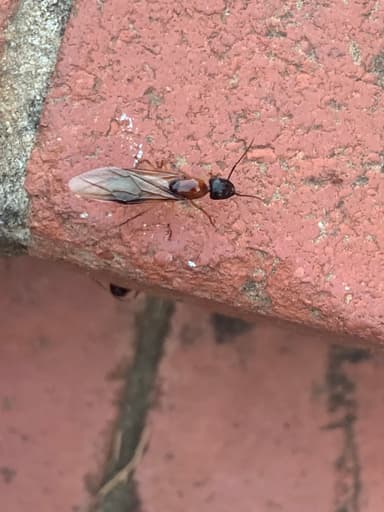
Nuptial Flight Calendar
Flight months: Jan, Feb, Oct, Nov, Dec
Care Guide
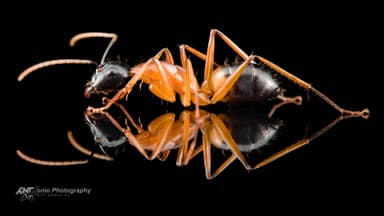
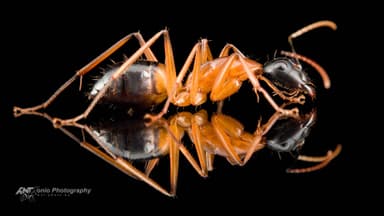
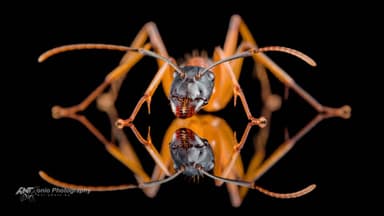
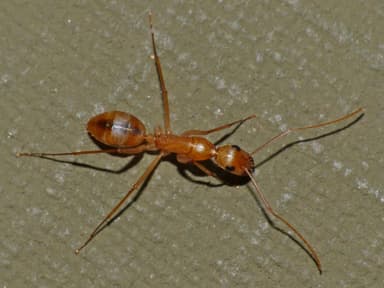
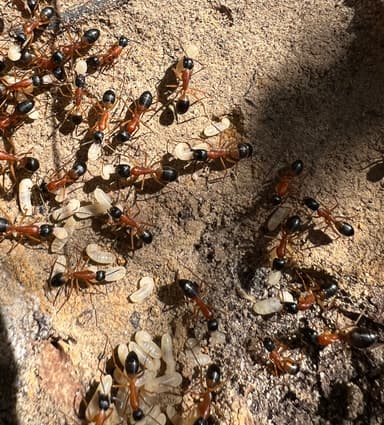
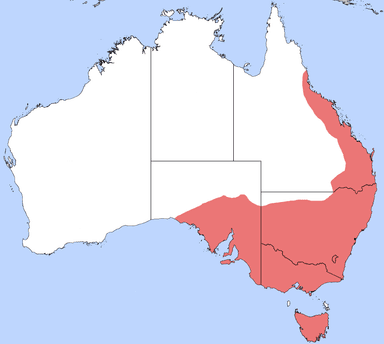
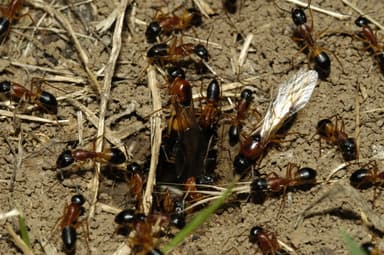
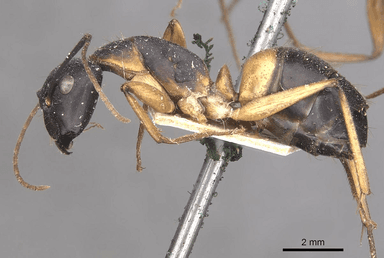
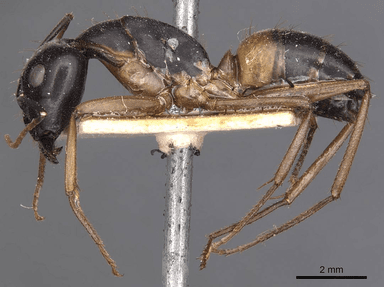
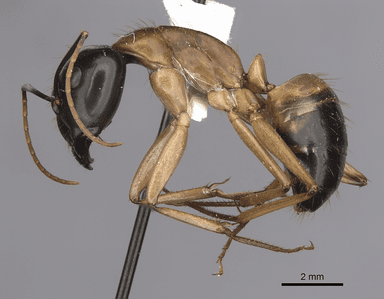
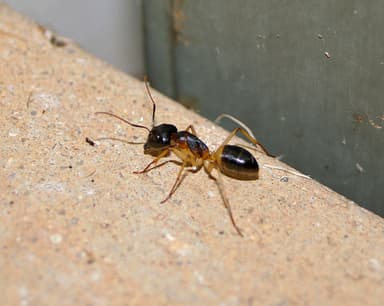
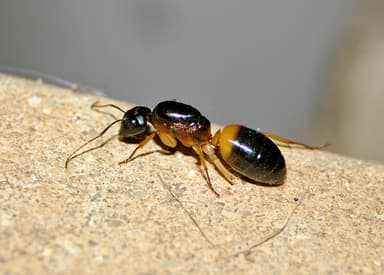
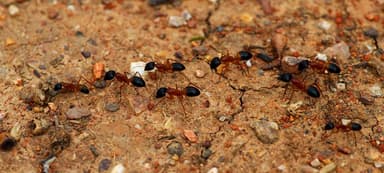
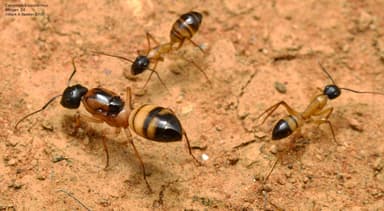
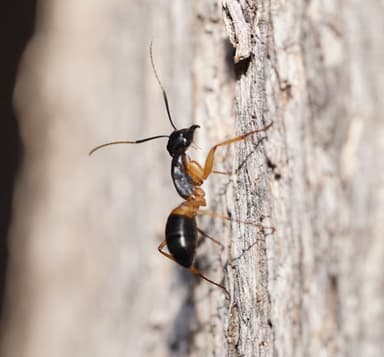
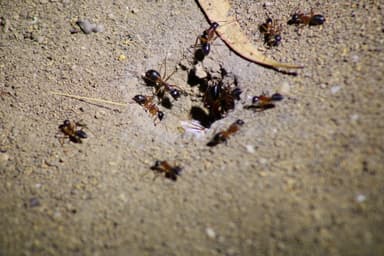
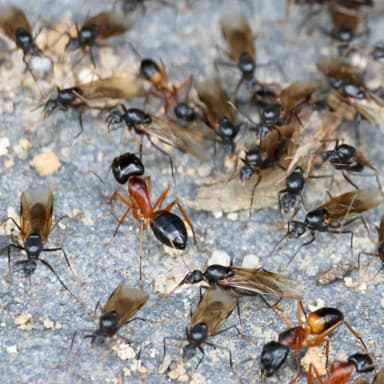
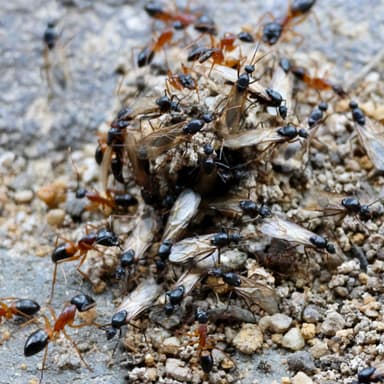
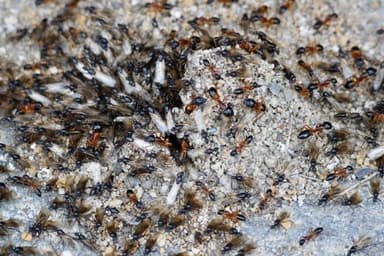
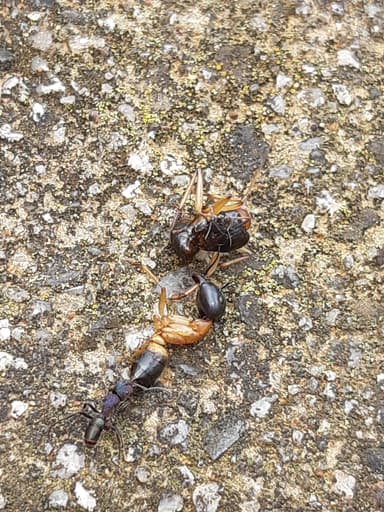
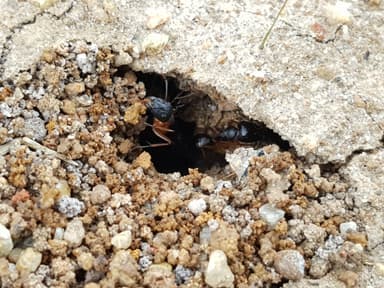
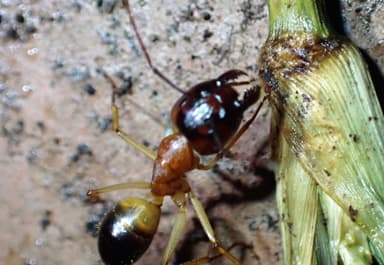
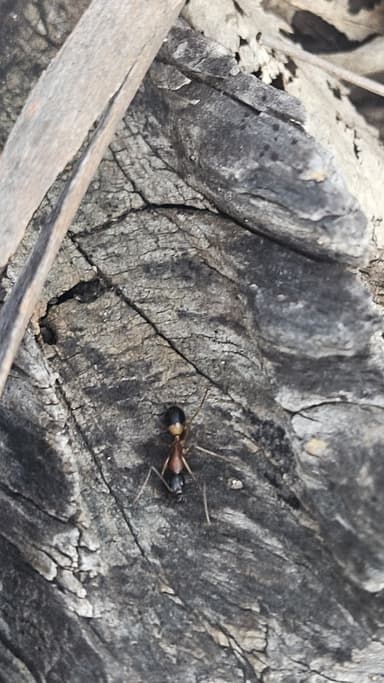
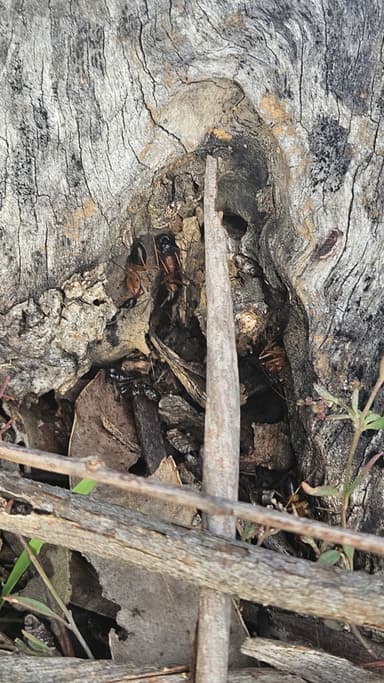
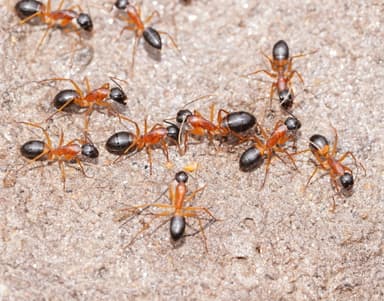
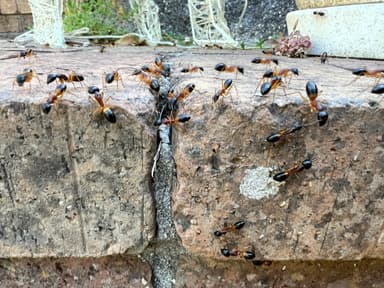
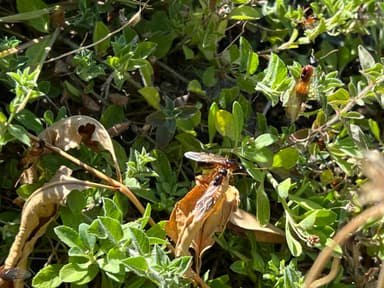
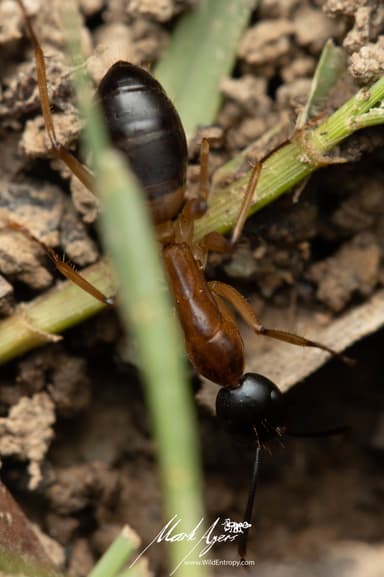
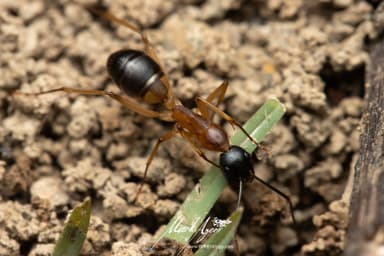
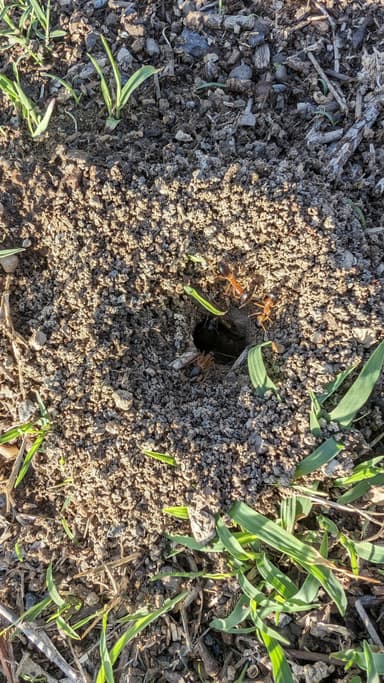
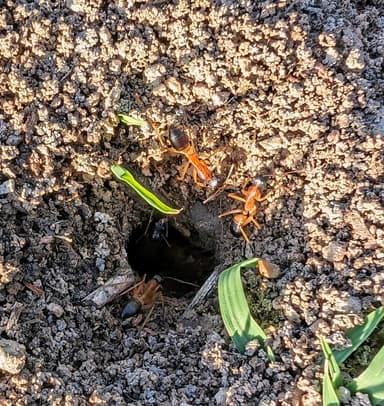
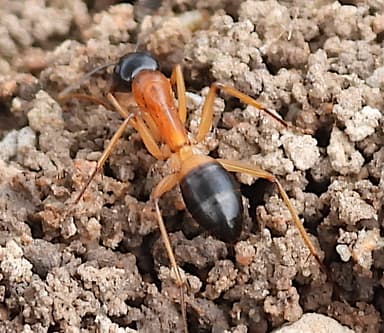
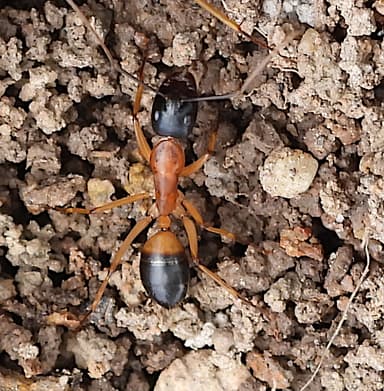
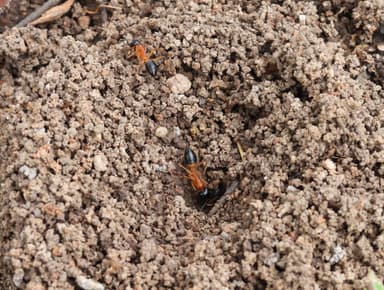
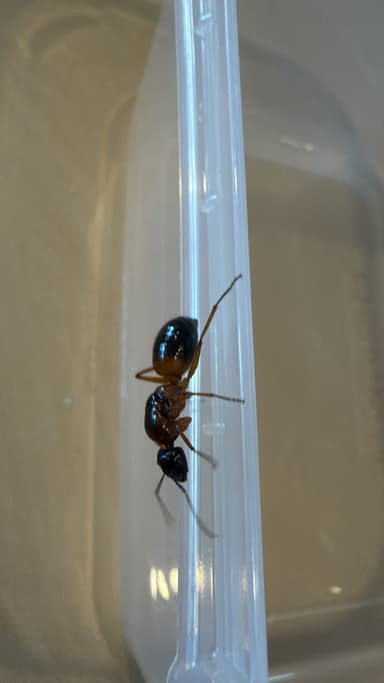
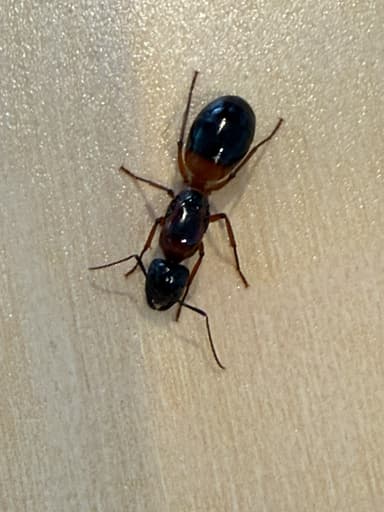
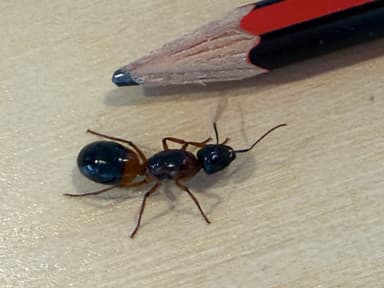
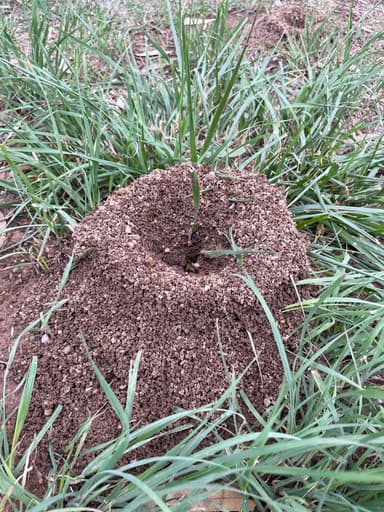
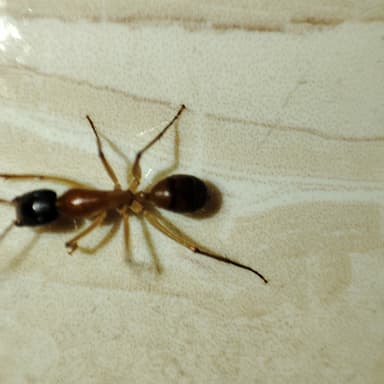
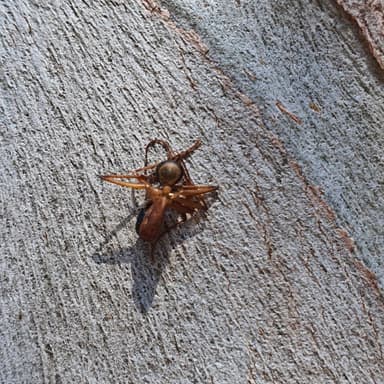
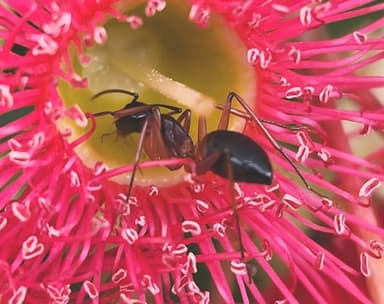
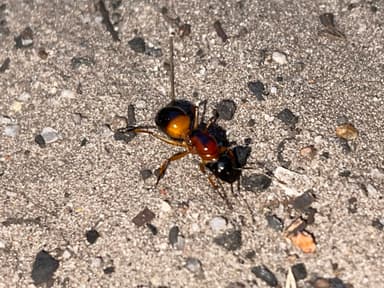
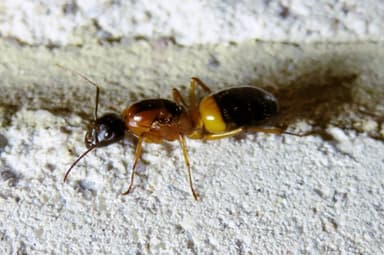
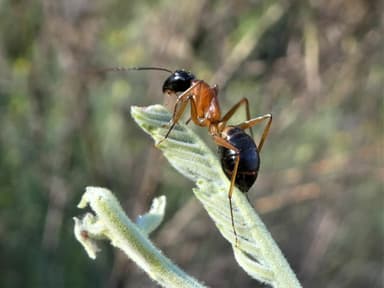
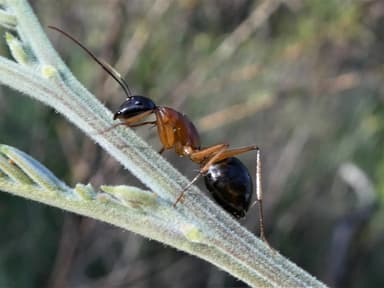
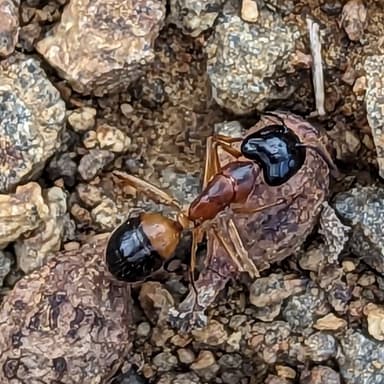
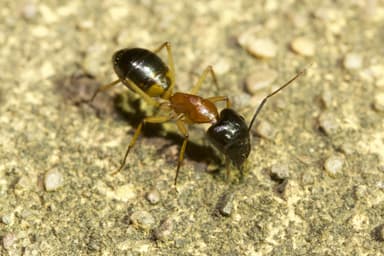
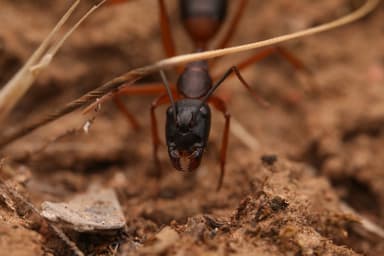
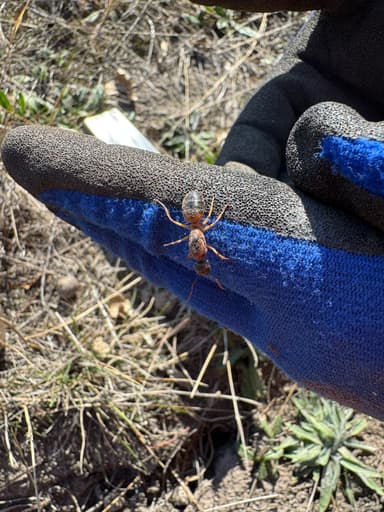
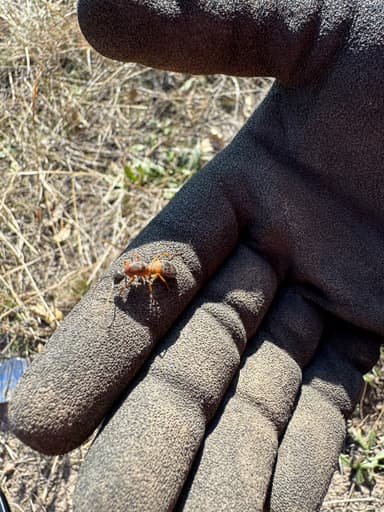
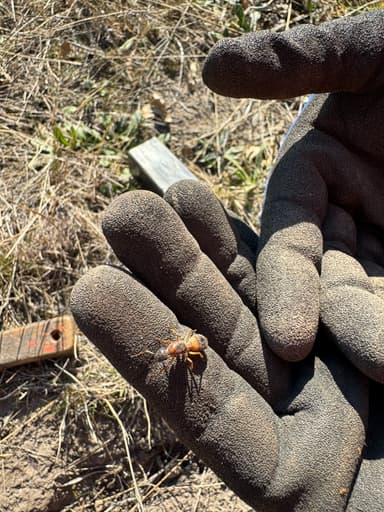
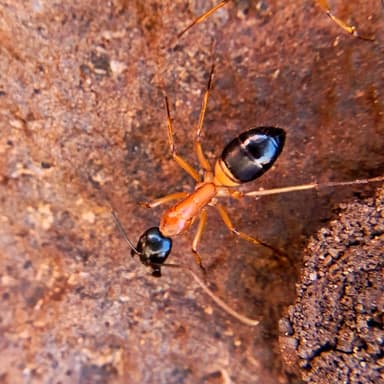
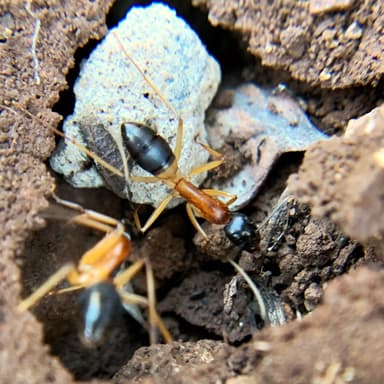
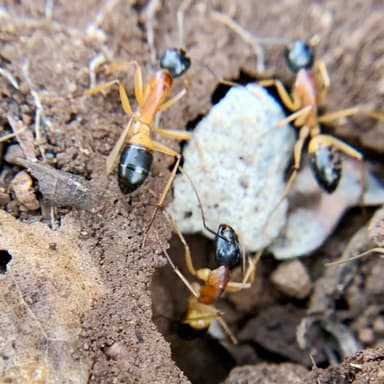
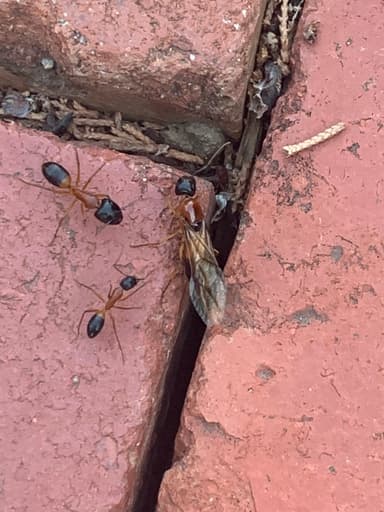
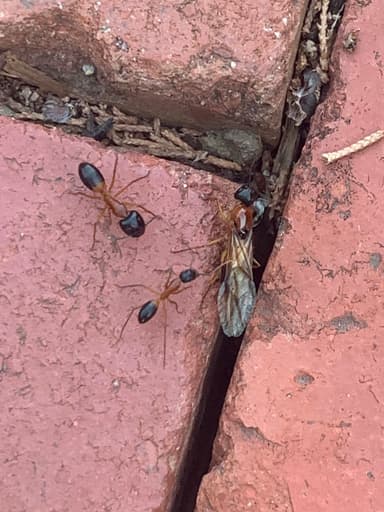
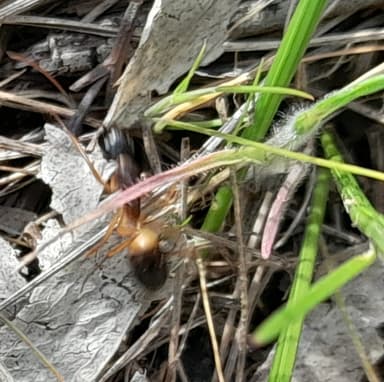
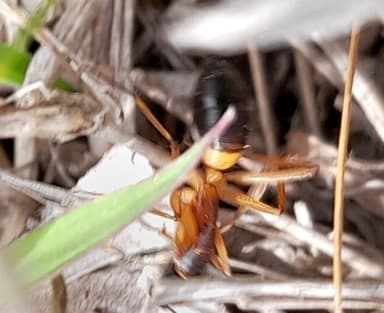
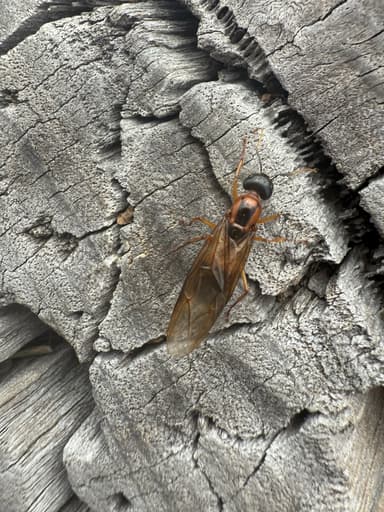
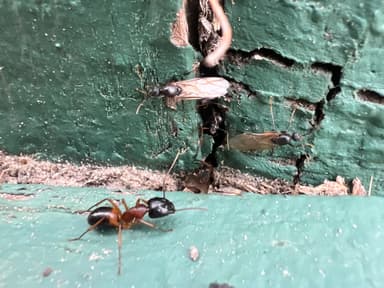
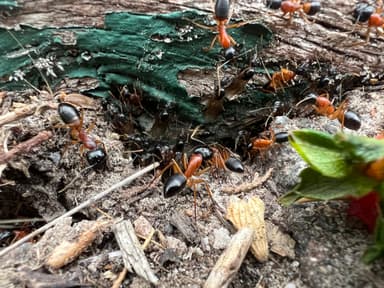
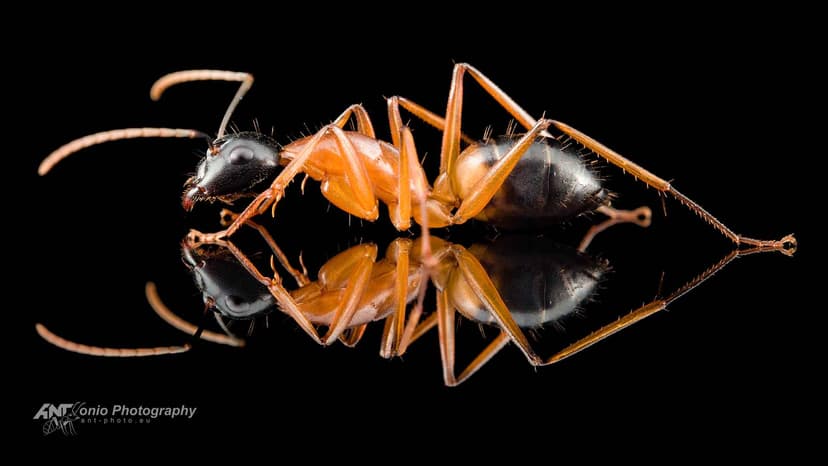
Among the largest and most charismatic ants to grace the Australasian formicarium, Camponotus consobrinus – widely known as the banded sugar ant – captivates keepers with its striking polymorphism and insatiable sweet tooth. Queens measure a robust 15 to 18 millimetres, while the worker caste splits into two distinct subcastes: slender minors of around 7 millimetres and tank-like majors reaching 12 millimetres, their heads packed with muscle for biting and nest defence (Shattuck 1999). The common name derives from the conspicuous banding on the gaster, where alternating caramel-orange and dark chocolate segments create a warm, elegant contrast against a black to brown thorax and head. Colonies can swell to an impressive 10,000 individuals under good conditions, and successful founding is claustral, meaning a newly mated queen requires no food until her first workers emerge. Their native range sweeps across much of southern Australia, from the west coast near 113.5°E to the eastern seaboard at 153.5°E, and from temperate Victoria up into the subtropical north (GBIF occurrence data). The ants are most active during warm humid evenings, often staging spectacular nuptial flights from October through February after rainfall, when winged reproductives fill the dusk air. For the hobbyist, the species’ large size, lively foraging behaviour, and the visual drama of a major worker guarding the nest entrance make them endlessly fascinating.
Classified as a beginner-level species, Camponotus consobrinus is remarkably forgiving of the minor mistakes that novices often make, and its steady, predictable development provides a satisfying introduction to ant keeping. They tolerate a comfortable broad spectrum of temperatures, thriving between 18°C and 28°C, and require a relative humidity of just 50% to 70% – values easily maintained in a standard home without elaborate misting routines. Because they do not hibernate, there is no need to simulate a winter cooling period, which greatly simplifies year-round care. That said, their size and speed demand respect: a loose lid or an unsealed port can result in an impressive escape, and the foraging columns they form at dusk are adept at finding the tiniest gaps. This species is well-suited to anyone who can offer a warm room and a secure enclosure, from the curious child with a supervising adult to the seasoned keeper looking for a low-maintenance display colony that grows quickly and reacts dramatically to prey and sweets.
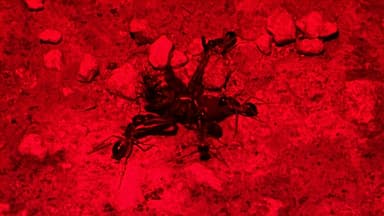
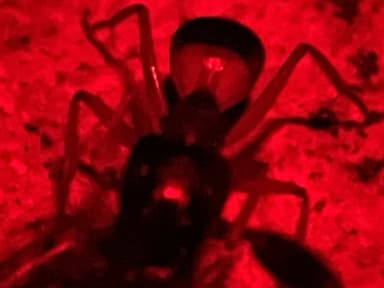
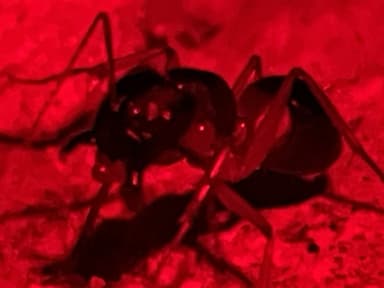
Housing a banded sugar ant colony requires attention to security and space, paired with a nest that mimics their natural microclimate. A spacious glass or acrylic formicarium with a removable lid and fine mesh ventilation works best, often a modular design where the nest chamber connects via tubing to a separate foraging arena. Internal nest material can be as simple as a plaster, ytong, or grout block with pre-formed galleries, though adding a thin layer of sandy loam in the arena gives workers a surface they naturally accept for dragging food. A heating cable or mat placed under one side of the nest creates a gentle thermal gradient, allowing the ants to choose their preferred warmth within the 18–28°C band; this is particularly important for speeding brood development. Humidity is easily regulated by providing a water source in the arena – such as a test tube with a cotton plug – and by occasionally dampening one corner of the nest block if the chamber looks too dry. While the ants are largely nocturnal, a red-tinted viewing window or a subdued red light enables observation without stress. The major workers’ formidable mandibles can chew through soft plastics and silicone seals with time, so inspect all joints regularly and opt for glass or thick acrylic nests with metal or nylon mesh screens to prevent breakout.
Diet for Camponotus consobrinus mirrors their wild habits: a carbohydrate-rich base supplemented with regular protein. In nature they tend hemipteran honeydew and scavenge insect carcasses, traits that translate easily to captivity. Offer a fresh drop of honey, maple syrup, or sugar water on a small piece of foil or in a liquid feeder two to three times a week, and swap it out before it ferments. For protein, any soft-bodied feeder insect – crickets, cockroaches, mealworms – is greedily accepted; freeze them first to kill any parasites, then cut larger prey into manageable chunks that the minors can process. As the colony grows, a single large cricket every other day can sustain a workforce of several hundred. Always provide clean water in a test tube or a small water tower, ensuring a consistent humidity source and drinking supply. Avoid overfeeding, as leftover protein quickly moulds and can suffocate a small colony, and never introduce wild-caught insects that may carry pesticides or diseases.
Because Camponotus consobrinus lacks any obligate hibernation period, the keeper’s routine remains constant across the seasons. While wild colonies in southern Australia may slow down during cooler winters, they do not enter a true diapause and do not require a temperature drop for long-term health. Keeping the nest at a steady room temperature of 22–25°C year-round is perfectly healthy, and brood production will continue with only mild fluctuations. If your home naturally cools below 18°C at night, a supplemental heat source ensures the ants remain active and avoid developmental delays. The absence of hibernation makes this species an endearing “always-on” display, but do respect the natural day–night cycle; turning off the room lights in the evening triggers their peak foraging activity, turning a quiet formicarium into a bustling trail of workers within half an hour.
The first days after bringing your new Camponotus consobrinus colony home are a delicate period that rewards patience and minimal interference. Place the queen, along with her small cluster of workers and brood, into their prepared nest, connect a water supply, and immediately cover the entire setup with a dark cloth or place it in a quiet, dim room. For the initial 48 hours, do not feed them – this allows the ants to settle, stabilise their scent trail, and forage for the water they need. On day three, offer a tiny dab of sugar syrup on a slip of paper placed near the nest entrance; watch for the characteristic tapping of antennae as the first scouts discover it. Once they are consistently drinking sugars, introduce a small piece of pre-killed fruit fly or cricket drumstick. Over the next week, gradually increase protein portions as the foragers appear more boldly. Resist the urge to open the lid to check on them, as vibrations and sudden light can cause the queen to stop laying. Watch instead for the steady accumulation of eggs behind the glass, and for the gentle undulation of workers tending their translucent charges. If you see mold, remove uneaten food within 24 hours, and if workers repeatedly try to stuff debris into the ventilation mesh, it’s a sign they feel the humidity is off – a small adjustment to the water source usually fixes it. With this calm, watchful introduction, your banded sugar ants will quickly settle into a rhythm of growth, offering years of lively, colourful ant keeping.