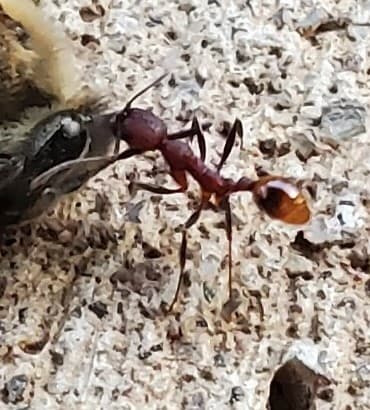
Aphaenogaster
Aphaenogaster lamellidens
Nuptial Flight Calendar
Flight months: May, Jun, Jul
Care Guide
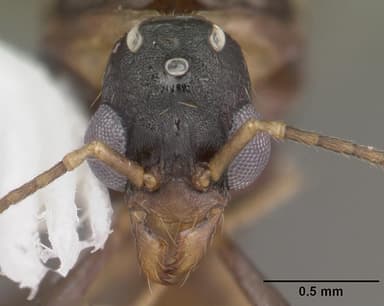
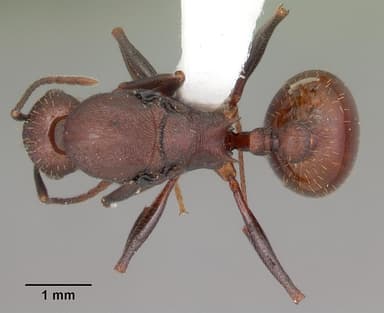
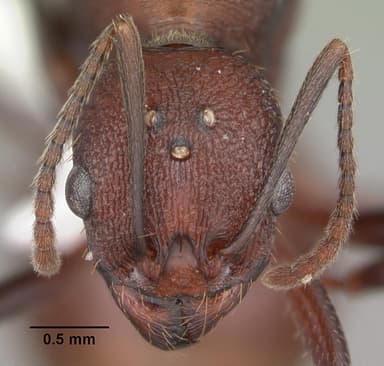
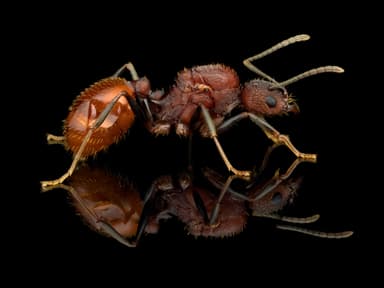
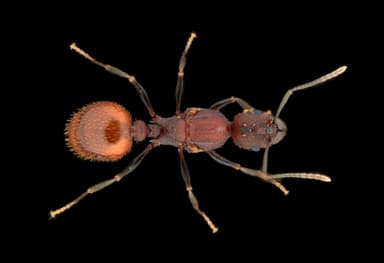
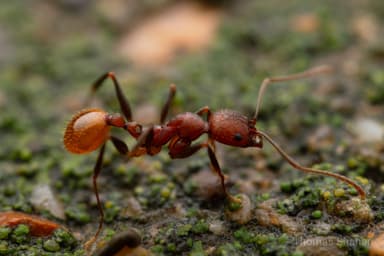
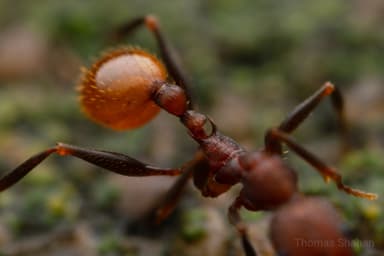
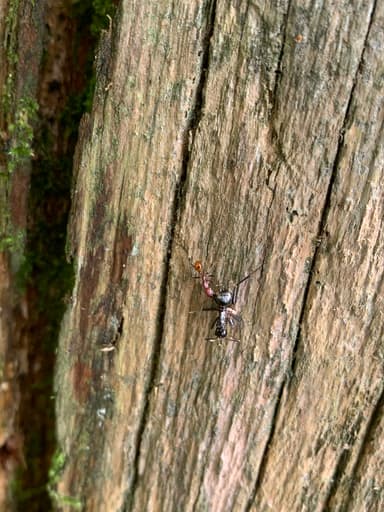
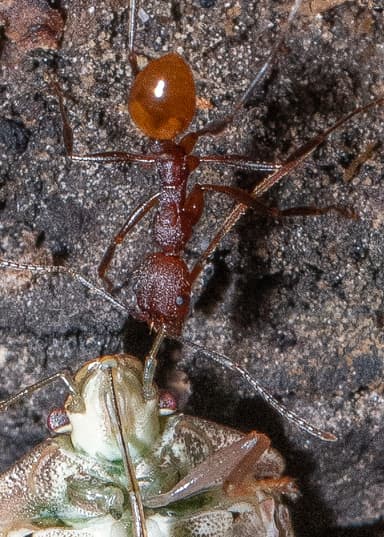
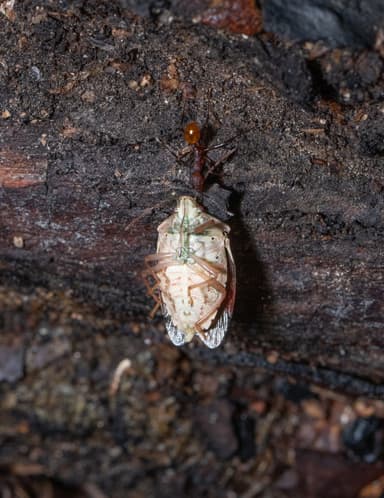
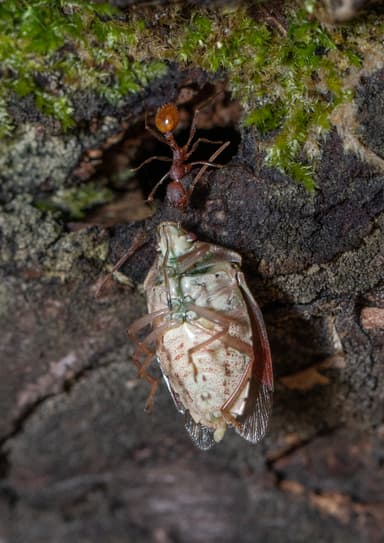
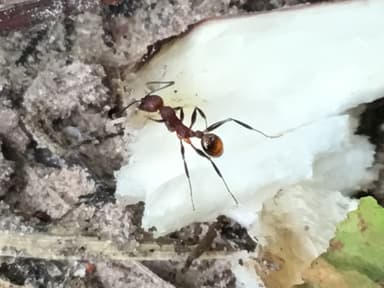
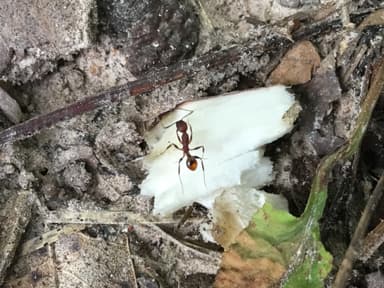
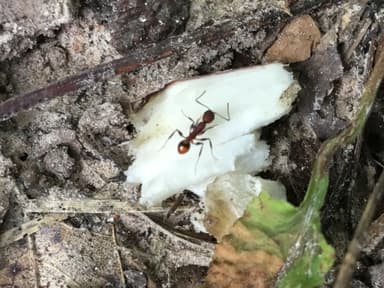
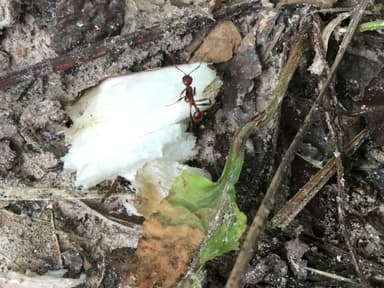
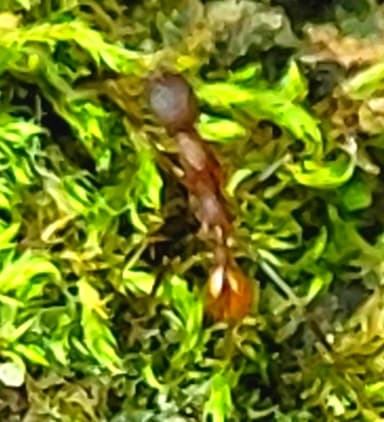
Aphaenogaster lamellidens, often known to enthusiasts as the spine-waisted ant, is a graceful and unobtrusive denizen of the woodlands in the Southeastern United States. Queens measure a robust 9 to 11 millimeters, while the uniformly sized workers range from 5 to 7 millimeters, making them a medium-small species that is easy to observe. Unlike many ants that boast multiple worker castes, A. lamellidens is monomorphic, with a single class of minors that handle all tasks from foraging to brood care. Their coloring is a striking contrast of deep amber to reddish-brown, with a slender, elongated body and the characteristic constricted waist that gives the genus its distinctive profile. In the wild, mature colonies can grow to around 3,000 individuals, and they are known for their claustral founding, where the queen seals herself away to raise her first offspring entirely on her own bodily reserves. This species has long fascinated myrmecologists such as Creighton (1950) and Smith (1965), not only for its elegant build but also for its role as a seed disperser and a key predator of small arthropods in the leaf litter. Keepers will find their daily foraging columns, the careful handling of eggs, and the methodical way workers process solid food into a crumbly paste to share with larvae endlessly engaging.
This ant is unequivocally a beginner-level species, and it ranks among the most forgiving ants a novice can start with. Their claustral foundation means no feeding is needed until the first workers arrive, removing a common point of failure. The queen’s initial reserve and the colony’s moderate maximum size mean they will not suddenly explode into a maintenance nightmare, giving the keeper ample time to adjust care. Because they are not prone to aggression and lack a sting, observations can be made without fear, and rehousing, while requiring patience, is rarely hazardous. These ants are ideal for the hobbyist who delights in naturalistic, slow-burn setups rather than requiring constant activity, yet they are active enough to reward daily watching. Their tolerance for small fluctuations in temperature and humidity makes them particularly robust compared to more tropical exotics, cementing their reputation as a perfect starter species for those looking to graduate from a simple test tube colony to a full formicarium.
When building a home for A. lamellidens, the key is to emulate a temperate forest floor. A nest designed with a moisture gradient is essential; many keepers find success with ytong, plaster, or a 3D-printed nest with a hydration layer, allowing workers to choose the ideal humidity between 50 and 70%. Adding a thin layer of a sand–clay mixture or coconut fiber substrate in the outworld not only aids humidity control but enables the ants to carry out their natural behavior of scattering debris and disguising nest entrances. Temperatures should be kept reliably between 21 and 28°C, with the higher end of this range encouraging faster brood development. A small heat mat affixed to one side of the nest, regulated by a thermostat, will create a thermal gradient and let the colony self-regulate. Because these ants are skilled escape artists, a secure lid with a fine mesh or an oil-based barrier is critical. Providing a small piece of rotting hardwood or a cork tile within the outworld can also offer a familiar sheltering spot, as wild colonies frequently nest under bark or in decomposing wood.
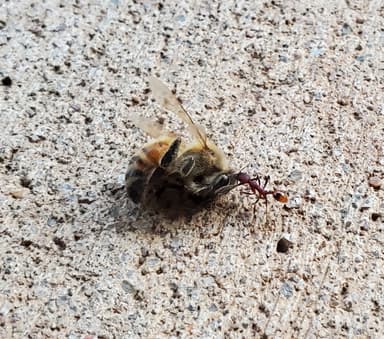
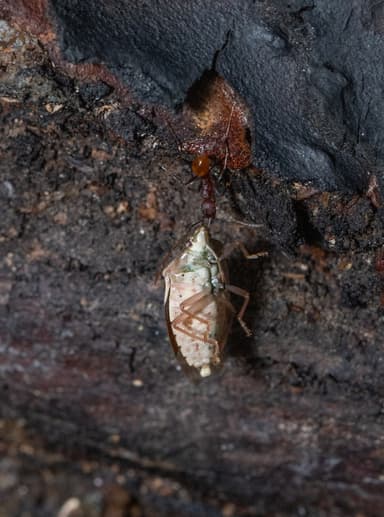
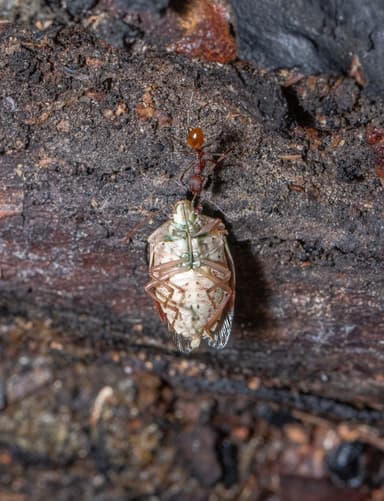
Feeding Aphaenogaster lamellidens reveals their adaptable palate. In nature, they are both predators and scavengers, so a varied diet works best. Protein should come from freshly killed, pesticide-free insects: fruit flies, small crickets, and mealworm pieces are all excellent choices. This species has an endearing method of preparing food — workers will gnaw the insect into a semi-solid pulp, giving it a distinctive “meatball” texture before distributing it to larvae. For carbohydrates, a tiny dab of organic honey, maple syrup, or a feeder of sugar water provided on a small dish will be eagerly collected, especially during the active season. Always maintain a clean, accessible water source, such as a cotton-plugged test tube or a drinking tower, as dry conditions can rapidly lead to colony stress. Feed twice or thrice a week, removing any uneaten protein within a day to prevent mold, and you will see the colony thrive with a shiny, well-fed sheen.
A non-negotiable aspect of their annual cycle is hibernation, which must be provided at around 10°C for a period of three to four months. This cold rest is physiologically vital for the queen’s continued egg production and colony health, as documented across temperate Aphaenogaster by researchers (Creighton 1950). Begin by stopping feeding approximately a week before cooling, allowing workers to absorb residual sugars. Then gradually reduce the temperature over several days to the target, placing the colony in a dark, frost-free location such as an unheated room, a wine cooler, or the vegetable drawer of a refrigerator. Throughout this period the nest must remain slightly moist but not wet, and a small water source should be available. Check on them only briefly every couple of weeks, watching for signs of desiccation or disturbance. When spring arrives, warm them gradually back to room temperature and offer a tiny droplet of honey water as their first meal, which will kickstart the digestive systems of the sluggish ants.
Receiving your new Aphaenogaster lamellidens queen or start-up colony is a moment of quiet excitement. Ideally, she will arrive in a test tube with a reserve of water, already settled and perhaps with a small pile of eggs. Place the tube in a dark, quiet space at a steady room temperature, around 22–24°C, and resist the urge to check on her more than once a week. The first feeding can be offered a couple of days after you see the initial workers foraging, using a tiny smear of honey on a sliver of paper and a pinhead-sized piece of pre-killed fruit fly. Watch for the workers to find the food within a few hours — a sign that the colony is adjusting. Stress signals to monitor include the queen continuously running about or workers clustering restlessly near the cotton plug. If all is calm, you can attach the test tube to a small outworld after the worker count reaches about ten, allowing the ants to explore at their own pace. With patience and gentle observation, your new colony will slowly but surely unfurl the intricate, hidden world of one of North America’s most charming woodland ants.