Myrmecia
Myrmecia fulvipes
Care Guide
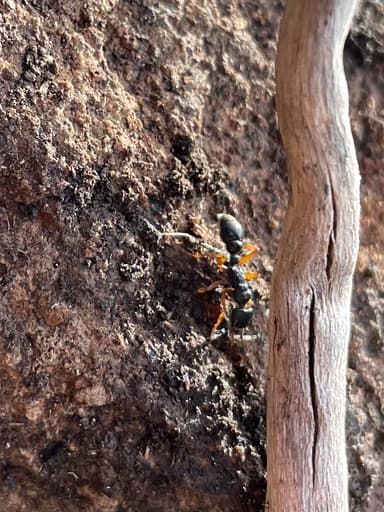
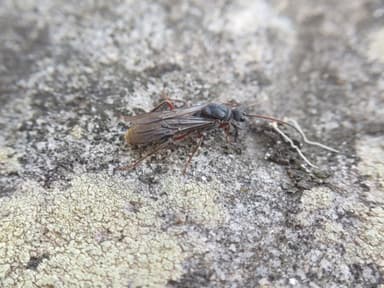
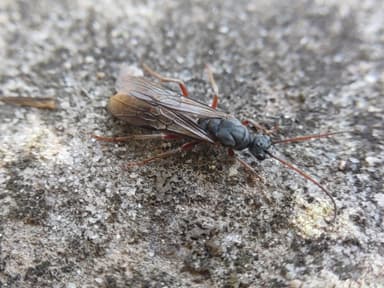
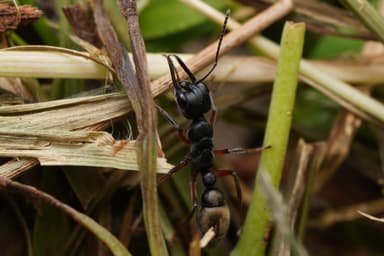
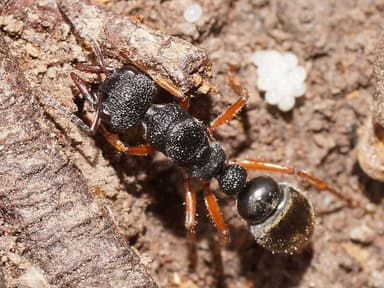
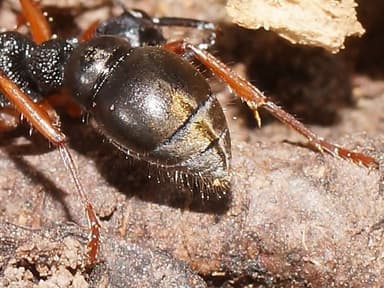
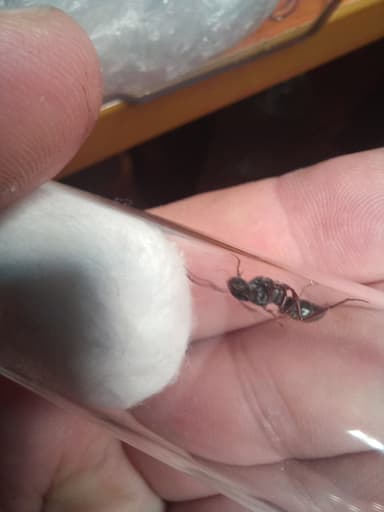
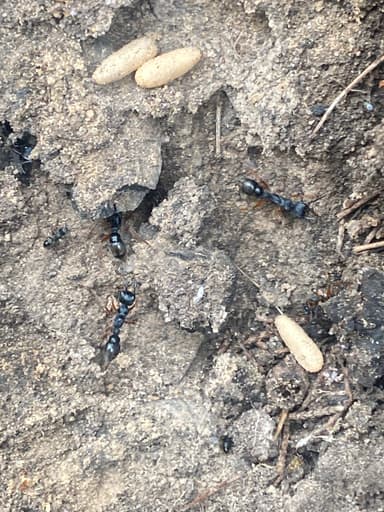
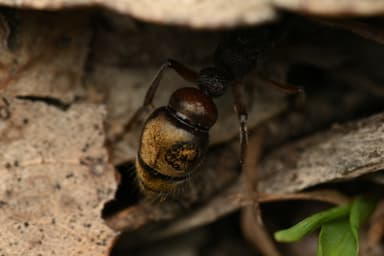
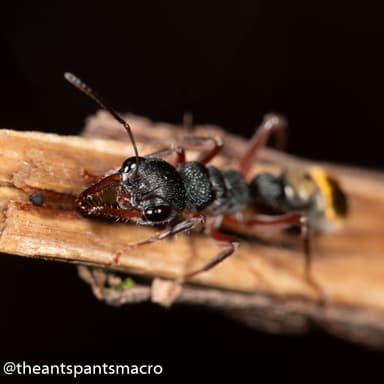
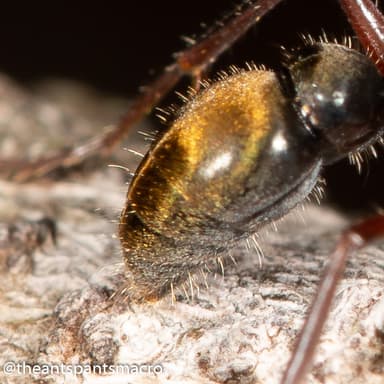
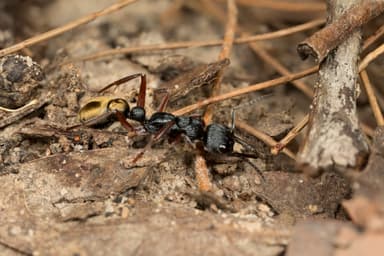
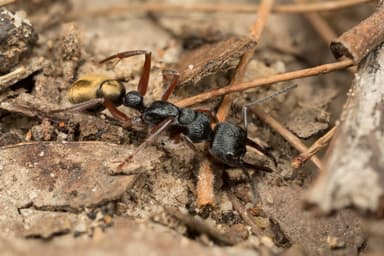
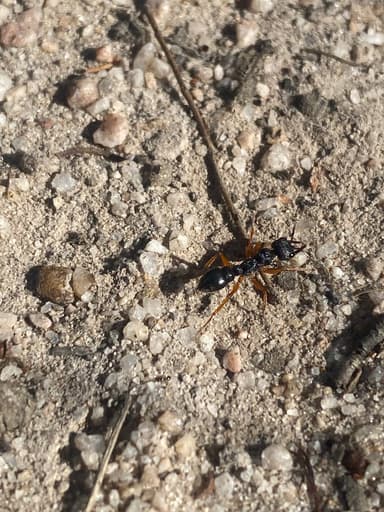
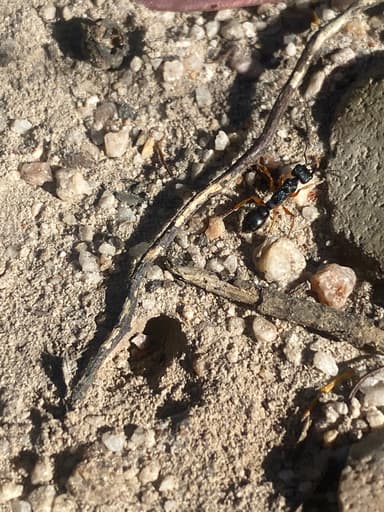
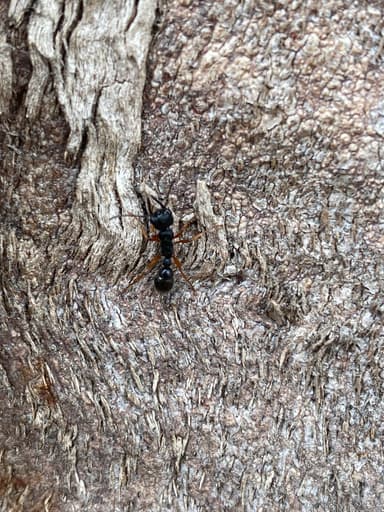
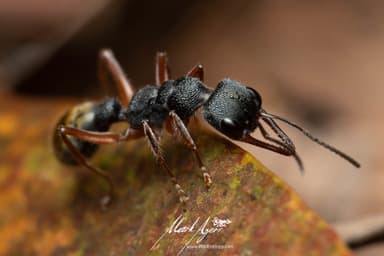
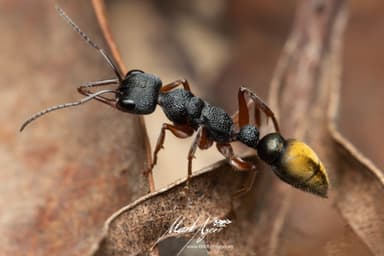
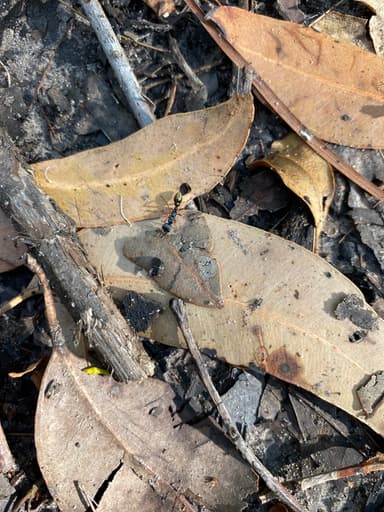
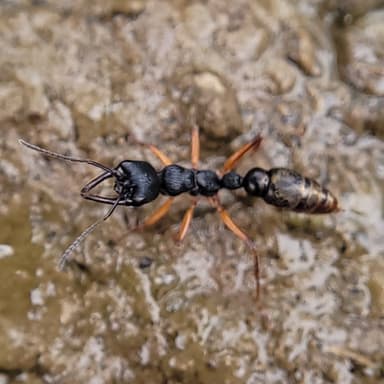
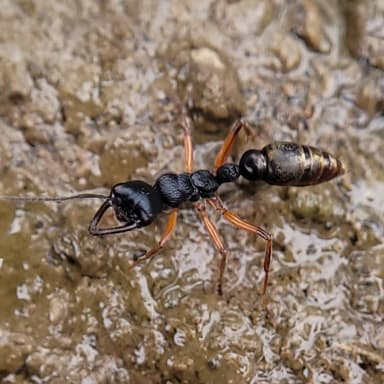
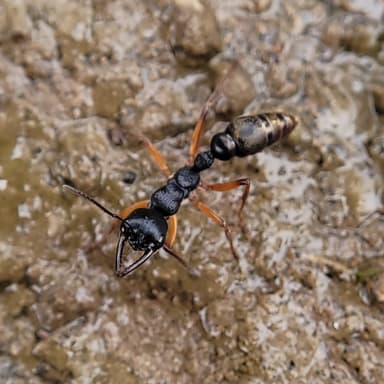
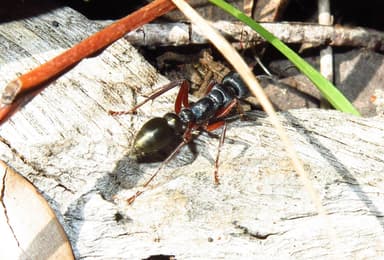
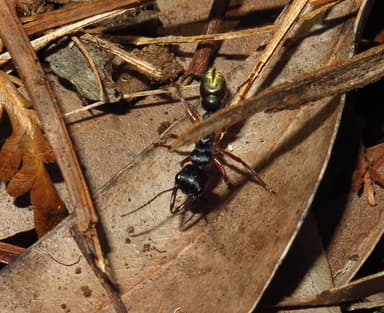
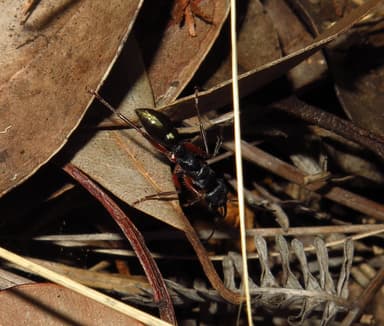
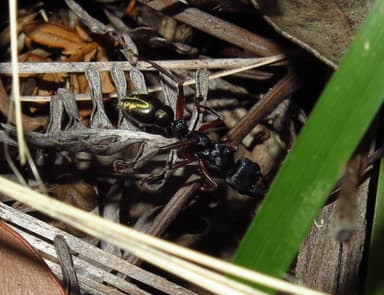
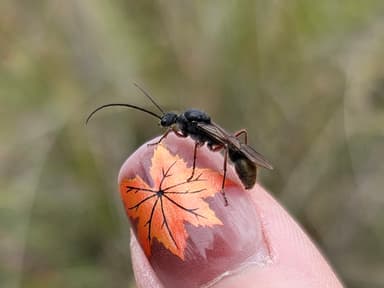
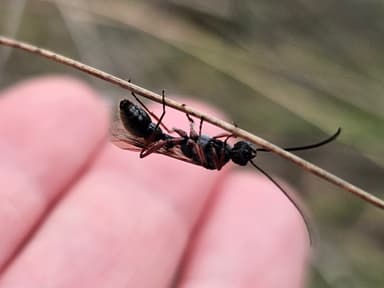
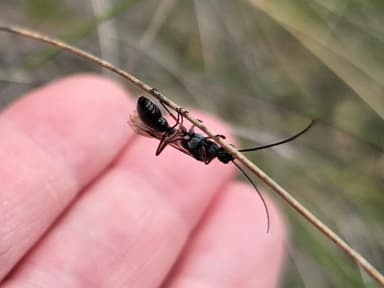
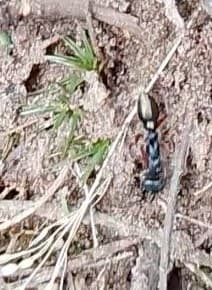
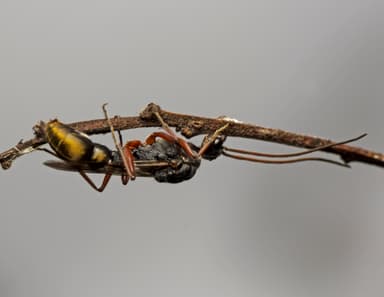
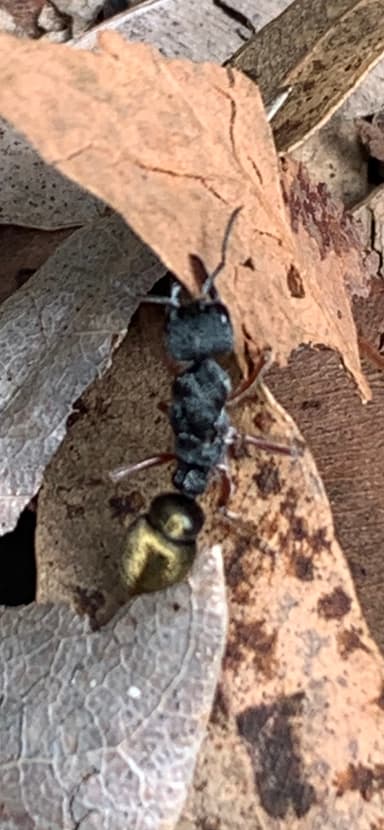
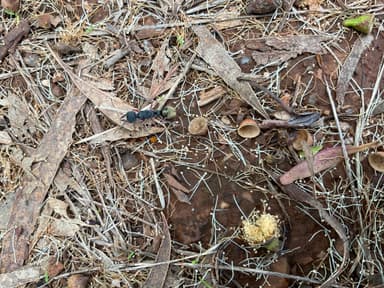
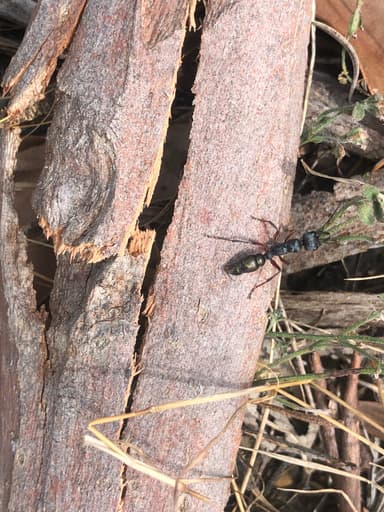
Myrmecia fulvipes, commonly known as the golden bull ant or brown bull ant, is one of the most visually striking and behaviorally captivating species in the genus. These ants are large, powerful, and extremely fast, with workers measuring 10–14 mm and the queen reaching an impressive 16–20 mm. Their bodies are a rich dark brown to black, contrasted by bright yellow-orange legs and mandibles, giving them a distinctive “golden” appearance. As a semi-claustral species, the founding queen must hunt and forage for herself and her first brood — a challenging process that requires patience and careful observation from the keeper. Once established, colonies can grow to between 100 and 1,000 workers, forming a highly active and visually rewarding society.
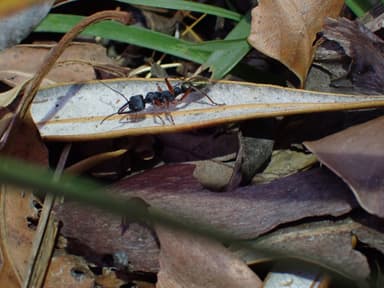
One of the most remarkable aspects of Myrmecia fulvipes is their hunting behavior. Unlike many ants that rely on trails and scent marks, these bull ants are solitary visual hunters. They possess exceptionally large eyes and acute vision, allowing them to track and ambush prey with astonishing speed and precision. Their sting is potent and painful — a fact that any keeper must respect — and they use it to subdue a wide variety of insects. In the wild, their diet consists almost exclusively of live arthropods, supplemented by honeydew and nectar. In captivity, they thrive on a steady supply of protein-rich live insects such as crickets, roaches, and mealworms, alongside occasional sugar water or honey solution. Unlike seed-harvesting ants, they have little interest in carbohydrates from seeds, so the keeper must be prepared to provide fresh prey regularly.
Care difficulty
Keeping Myrmecia fulvipes is decidedly advanced and is not recommended for inexperienced ant keepers. Their speed, aggressive temperament, and powerful sting require careful handling and a well-secured setup. The semi-claustral founding phase is particularly demanding — the queen must be fed small insects while she raises her first workers, and any disturbance can cause her to abandon the nest. Even after the colony grows, these ants are highly reactive to vibrations and sudden movements, making quiet, undisturbed placement essential.
Housing
A formicarium for Myrmecia fulvipes must prioritize escape-proofing and ventilation. They are excellent climbers and can squeeze through surprisingly small gaps, so glass or acrylic enclosures with tight-fitting lids and fluon or oil barriers are strongly recommended. The nest area should offer a substrate that holds moisture well — a mix of soil and sand works beautifully — with a hydration gradient from damp to dry. Maintain temperatures between 22–28°C and humidity around 50–70%. These ants do not require hibernation, so they can remain active year-round if kept warm. An outworld should be spacious enough for hunting and foraging, with hiding spots to reduce stress.
First days after purchase
Upon receiving your Myrmecia fulvipes colony, place the formicarium in a quiet, dimly lit location and allow the ants at least 24 to 48 hours to acclimatize. Resist the urge to open the setup or disturb them. Observe from a distance to ensure the queen and workers are active and exploring. Provide a small, pre-killed insect (such as a cricket or roach) and a drop of sugar water near the nest entrance. Do not overfeed during this settling period — a single prey item is sufficient. If the colony seems stressed, reduce light exposure and avoid vibrations. With patience and respect for their formidable nature, you will be rewarded with one of the most thrilling ant-keeping experiences available.