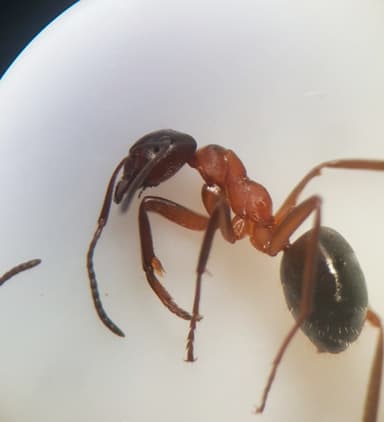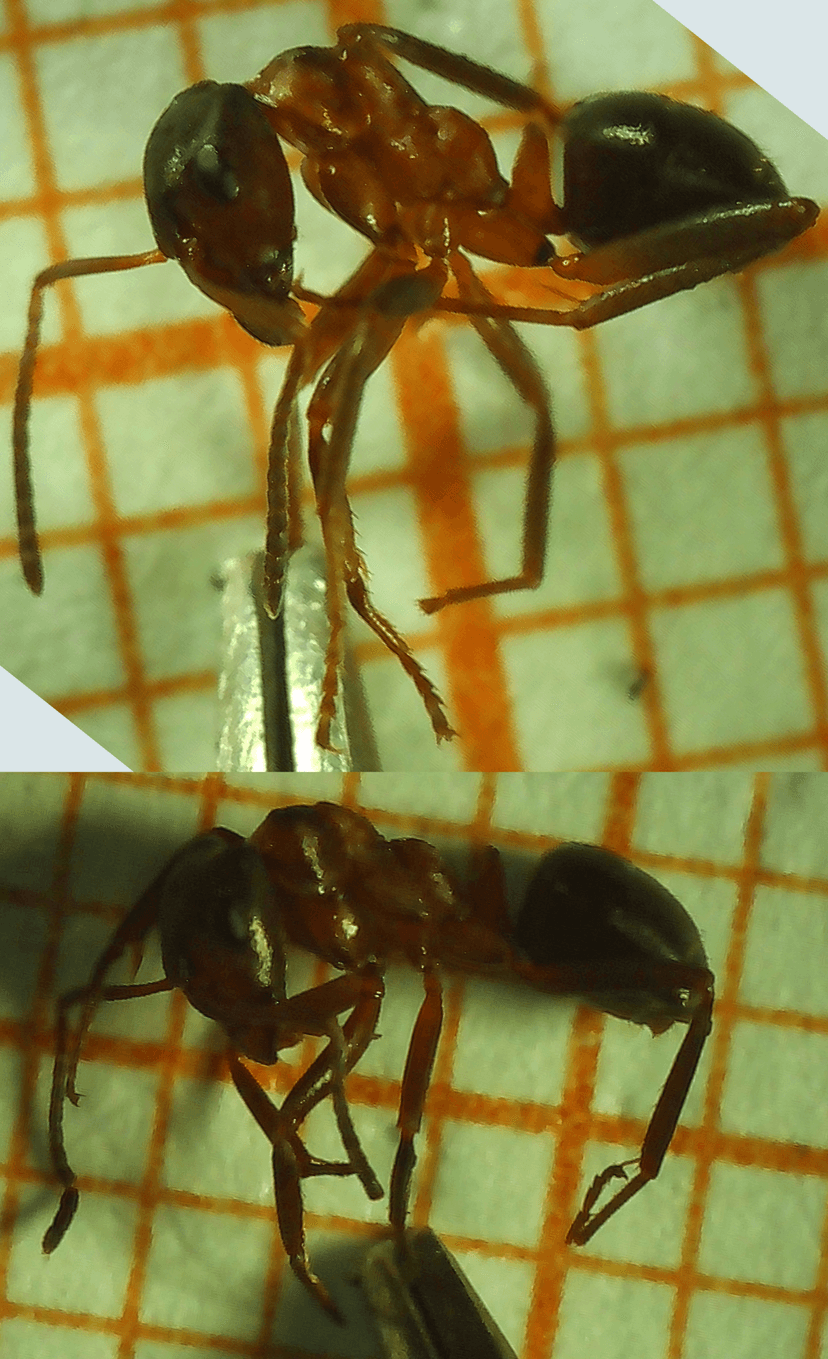
Formica
Formica forsslundi
Care Guide
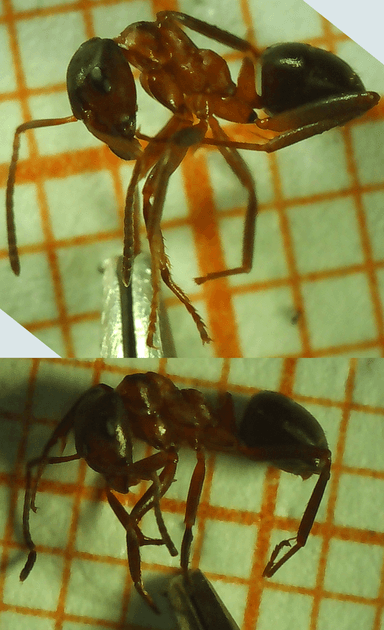
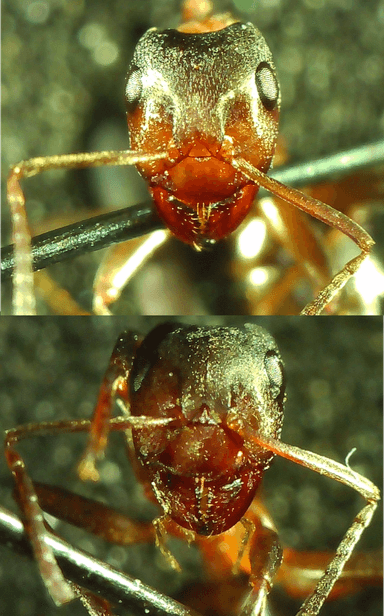
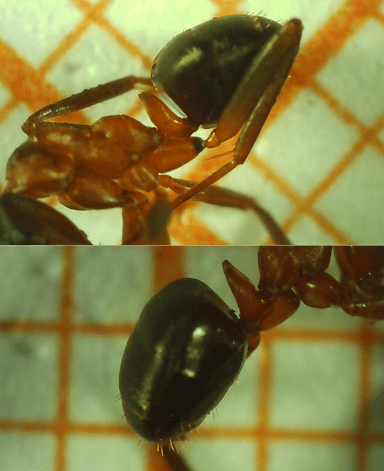
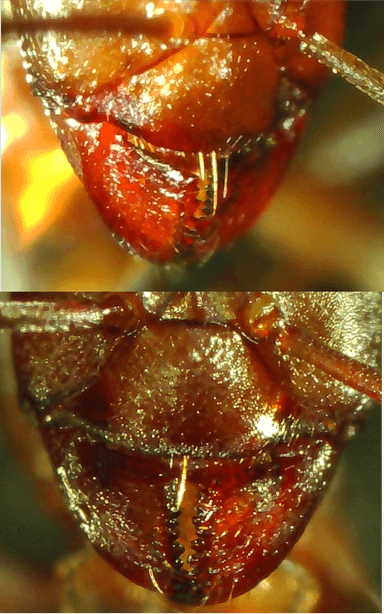
Formica forsslundi is a charming and moderately sized ant species that offers a rewarding challenge for the intermediate keeper. The queen measures between 9 and 12 mm, while the workers range from 4 to 8 mm, creating a cleanly dimorphic colony profile. A mature nest can hold between 200 and 3,000 individuals, making them large enough to be fascinating yet manageable in a home formicarium. Unlike some of their more aggressive relatives, Formica forsslundi are known for their active, day-friendly foraging habits and their strong preference for a mixed diet of insects, sugar water, and honeydew. In the wild, they tend to build their nests in sunny, open areas of forest edges or meadows, often under stones or in low vegetation, and they are particularly fond of tending aphids for their sweet secretions.
One of the most interesting aspects of keeping Formica forsslundi is their semi-claustral founding method. The queen must forage outside the nest during the early stages of colony establishment, which means she needs regular feeding from the keeper during that critical initial phase. Once the first workers emerge, the colony quickly becomes more self-sufficient, and the ants display a lively, organized foraging trail that can be a joy to observe. Their diet should consist primarily of small feeder insects such as fruit flies, crickets, or mealworms, supplemented with a consistent supply of sugar water or honey water. Protein is essential for brood development, especially during the active growth periods in spring and summer.
Care difficulty
Formica forsslundi is best suited for ant keepers who have some prior experience with semi-claustral species. While they are not overly demanding, the need to regularly provide live food and monitor the queen during founding adds a layer of responsibility. Their moderate colony size means they do not outgrow a small to medium-sized formicarium quickly, but they do benefit from a well-structured nesting space that offers both moisture and dry zones.
Housing
A formicarium with a connected outworld works well for this species. The nest section should maintain a humidity level of 40 to 60 percent, with one area kept slightly moister to allow the ants to choose their preferred microclimate. Temperature should be maintained between 20 and 28 degrees Celsius, with the warmer end of that range stimulating brood development during the active season. A substrate such as sand-clay mix or acrylic with a nesting module is suitable. Disturbances should be minimized, as Formica forsslundi can be somewhat sensitive to strong vibrations and sudden light changes, especially during the founding period. In autumn, they require a gradual reduction in temperature to prepare for hibernation, which should be carried out at around 5 degrees Celsius for several months.
First days after purchase
Upon receiving your Formica forsslundi colony, place the formicarium in a quiet, dimly lit location and allow the ants several days to settle. Avoid opening the nest or offering food immediately; instead, provide a small drop of sugar water near the entrance. Observe the ants’ activity level before introducing live insects. Patience is key — these ants will reward you with a vibrant, natural display once they feel secure.