Cephalotes
Cephalotes varians
Nuptial Flight Calendar
Care Guide
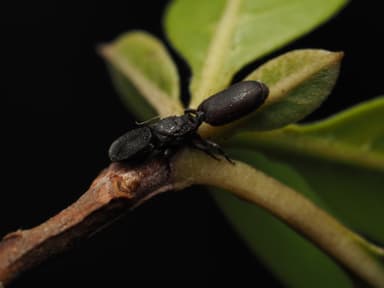
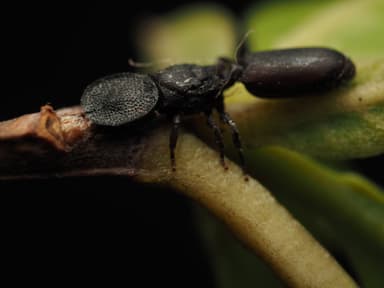
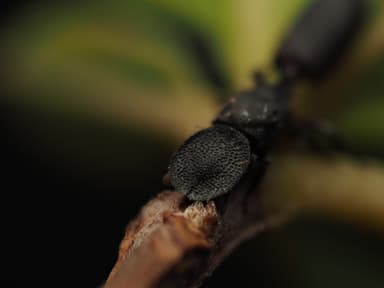
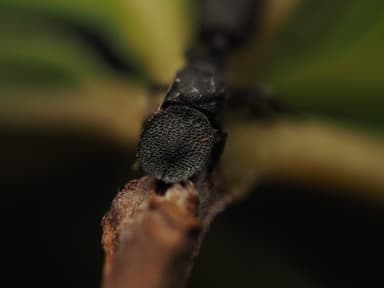
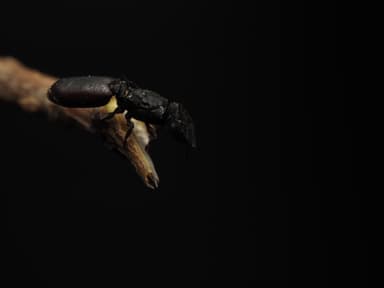
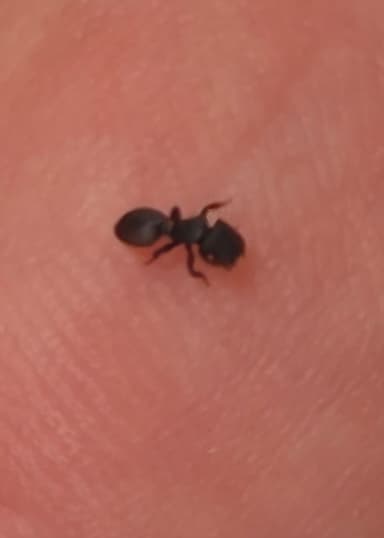
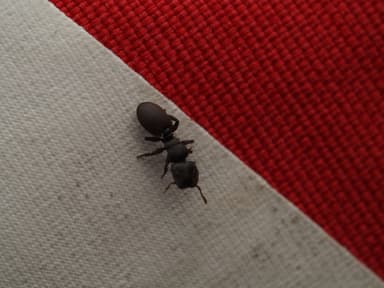
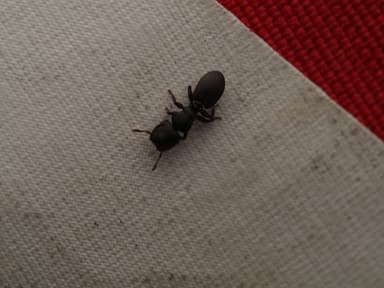
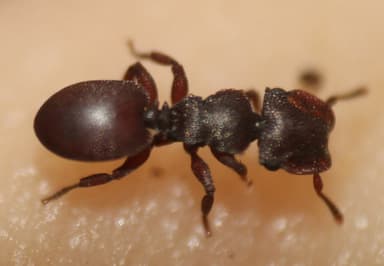
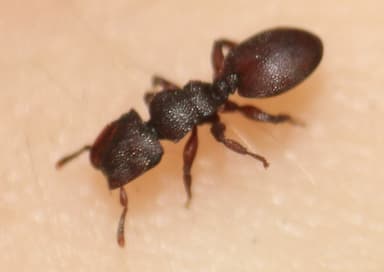
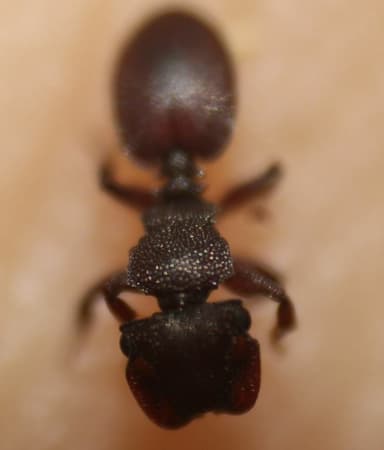
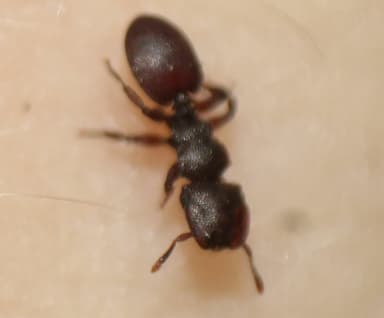
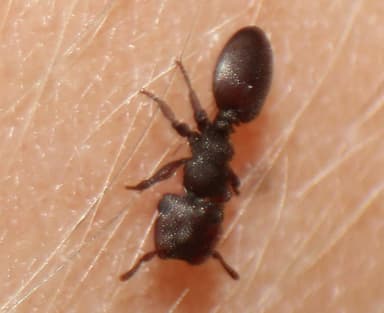
Cephalotes varians, commonly known as the turtle ant, is one of the most visually striking and behaviorally fascinating species available to hobbyists. These ants are instantly recognizable by their flattened, armored bodies and large, shield‑like heads. In many colonies, a specialized soldier caste uses its uniquely shaped head to act as a living door, perfectly plugging the nest entrance against intruders. The queen measures between 7 and 9 mm, while workers range from 4 to 6 mm. Colonies remain moderate in size, typically numbering from 100 up to 1,500 individuals. Founding is claustral, meaning the queen seals herself inside a small cavity and raises her first workers without foraging, relying entirely on her own energy reserves.
One of the most remarkable aspects of Cephalotes varians is their arboreal lifestyle. In the wild, they nest inside hollow twigs, dead branches, or pre‑existing cavities in trees. Their flattened morphology allows them to navigate tight spaces and evade predators. Diet consists primarily of honeydew and other sugary secretions, supplemented by small insects for protein. In captivity, they accept sugar water, honey water, and a steady supply of feeder insects such as fruit flies, crickets, or roach nymphs. A clean water source is essential. Unlike many ants, they do not require hibernation and thrive year‑round when kept at stable temperatures.
Care difficulty
Keeping Cephalotes varians is best suited for intermediate ant keepers. While their claustral foundation and moderate colony size make them less demanding than some exotic species, their specific humidity and nesting requirements call for careful attention. These ants are sensitive to desiccation and need consistent high humidity within the nest. Beginners should have some experience managing moisture levels and providing appropriate wooden or cork‑based nest chambers.
Housing
Providing a suitable home for Cephalotes varians means mimicking their natural arboreal habitat. A formicarium with cork bark, hardwood inserts, or hollowed‑out twig sections works well. The nest area must maintain humidity between 70 and 85 percent—this can be achieved with regular moistening of the substrate or by using a hydration system. The outworld should offer climbing opportunities and a warm basking spot, while the nest remains dim and secure. Temperature should be kept between 24 and 28°C. Avoid sudden fluctuations. Because these ants rely on their defensive door‑head strategy, they appreciate narrow entrances that allow soldiers to block the opening effectively.
First days after purchase
After receiving your Cephalotes varians colony, transfer them into the prepared formicarium as quickly as possible, minimizing vibration and light exposure. Place the setup in a quiet, dark area and resist the urge to observe constantly for the first few days. Ensure the nest substrate is sufficiently moist and that a small droplet of sugar water and a few pinhead‑sized insect pieces are available in the outworld. Check daily without disturbing the nest. The colony needs time to acclimate and begin exploring. Once you see workers moving normally and plugging the entrance at night, your turtle ants have settled in and are ready for a stable, long‑term home.