Camponotus
Camponotus irritans
Care Guide
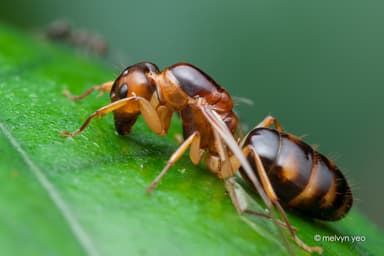
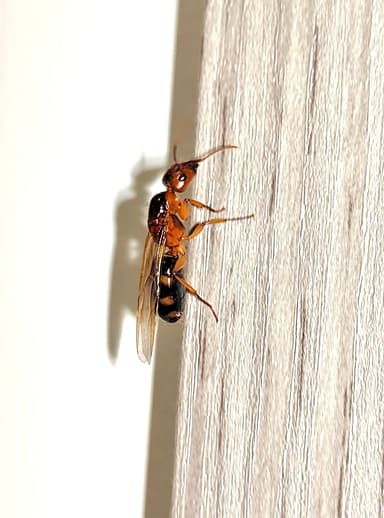
Camponotus irritans is a moderately polymorphic carpenter ant species, meaning a single colony contains workers of varying sizes. The queen measures between 10 and 12 mm, while workers range from 4 mm for the smallest minors up to 10 mm for the largest majors. This size diversity allows the colony to efficiently divide labor — minors tend to brood and forage for liquid food, while majors take on tasks requiring greater strength, such as defending the nest or slicing through tougher prey items. Despite their impressive appearance, these ants are not aggressive toward their keeper and can become quite bold once settled.
One of the most distinctive features of Camponotus irritans is their versatile diet. In the wild, they forage for honeydew from aphids and scale insects, supplementing with small arthropods. In captivity, they thrive on a mix of sugar water, honey, and protein sources such as crickets, mealworms, or roaches. They are especially fond of liquid sugars and will eagerly collect droplets from feeders. Their claustral founding method means the queen does not need to leave the nest during the early stages — she seals herself inside a chamber and rears the first workers using only her own energy reserves and the breakdown of her wing muscles. This makes initial colony establishment straightforward for the keeper, though patience is required as the first generation of nanitics is small and delicate.
Care difficulty
Keeping Camponotus irritans is best suited for intermediate keepers. While they are not as demanding as some tropical species, they do require consistent temperatures and moderate humidity. Their sensitivity to dry conditions makes regular nest moistening important, and they prefer a warm spot in the range of 22 to 28 °C. Unlike many temperate Camponotus, this species does not require hibernation, so year-round activity is possible. The main challenge is providing enough space as the colony grows — these ants are active foragers and appreciate a well-structured nest with multiple chambers. They are also prone to escaping if the setup is not securely sealed, so careful containment is essential.
Housing
A formicarium with controllable humidity levels works best for Camponotus irritans. Natural materials like plaster, clay, or sand-loam mixes are ideal because they hold moisture and allow the ants to excavate or modify chambers. The nesting area should be kept moderately humid (50–70%), while the outworld can be drier. Provide plenty of climbing surfaces and a clean, accessible water source. Because these ants are sensitive to vibrations and sudden changes in light, place the setup in a quiet, low-traffic area. Avoid disturbing the nest frequently, especially during the founding phase.
First days after purchase
Upon receiving your Camponotus irritans colony, transfer them into the prepared formicarium with minimal handling. Place the setup in a dim, calm location and resist the urge to check on them constantly. Offer a small drop of sugar water and a tiny piece of protein — live prey is fine, but pre-killed insects are less stressful. Over the first week, observe from a distance to ensure the queen is caring for the brood and workers are exploring the outworld. If any individuals appear stressed, reduce light exposure and gentle tap the container to avoid unnecessary vibration. With patience and stable conditions, your colony will rapidly grow into a lively, fascinating display of carpenter ant behavior.