Temnothorax
Temnothorax affinis
Nuptial Flight Calendar
Flight months: Jul, Aug, Sep
Care Guide
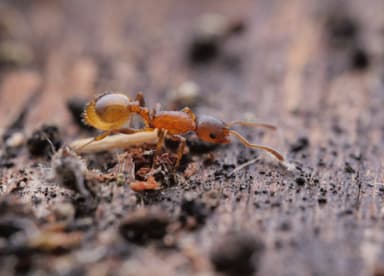
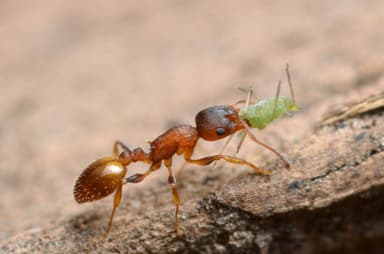
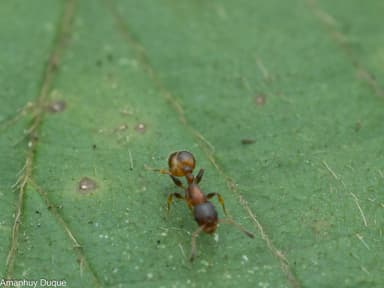
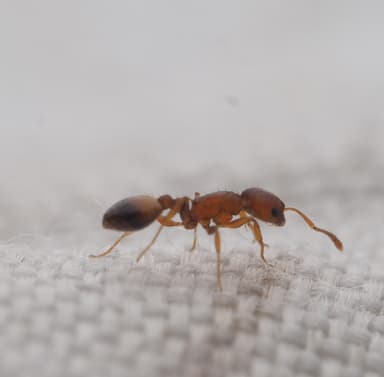
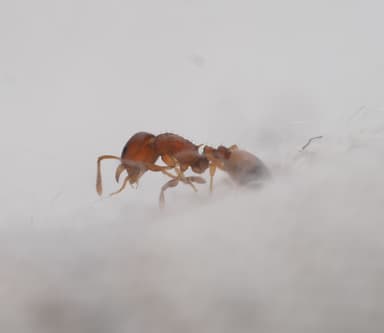
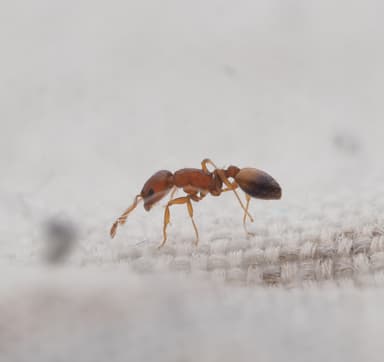
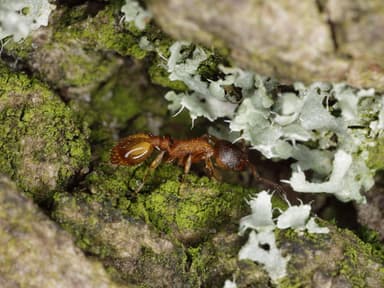
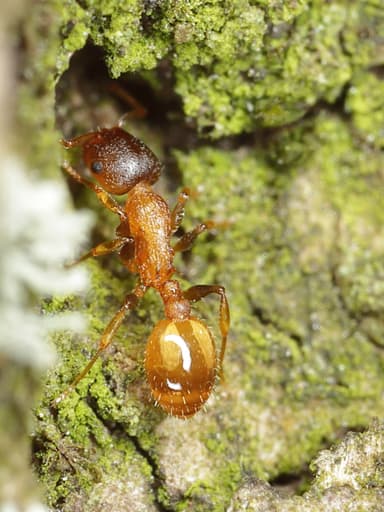
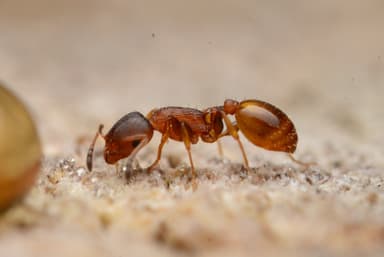
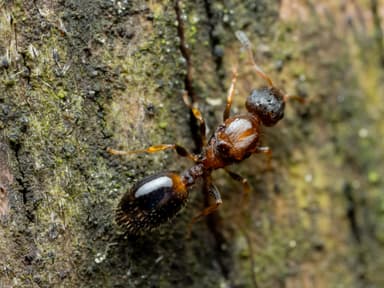
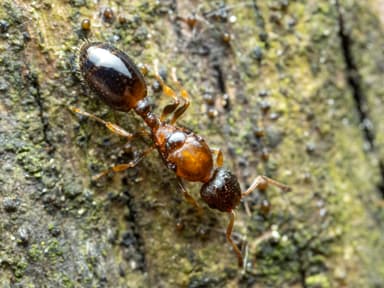
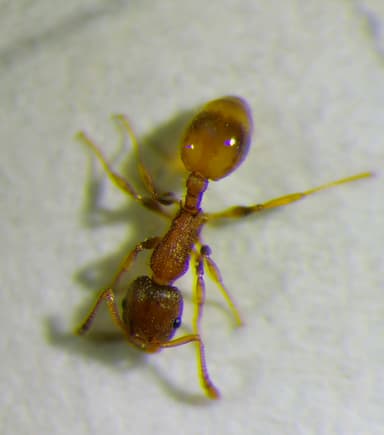
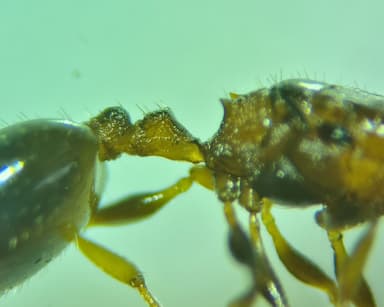
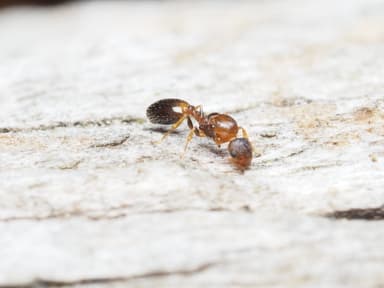
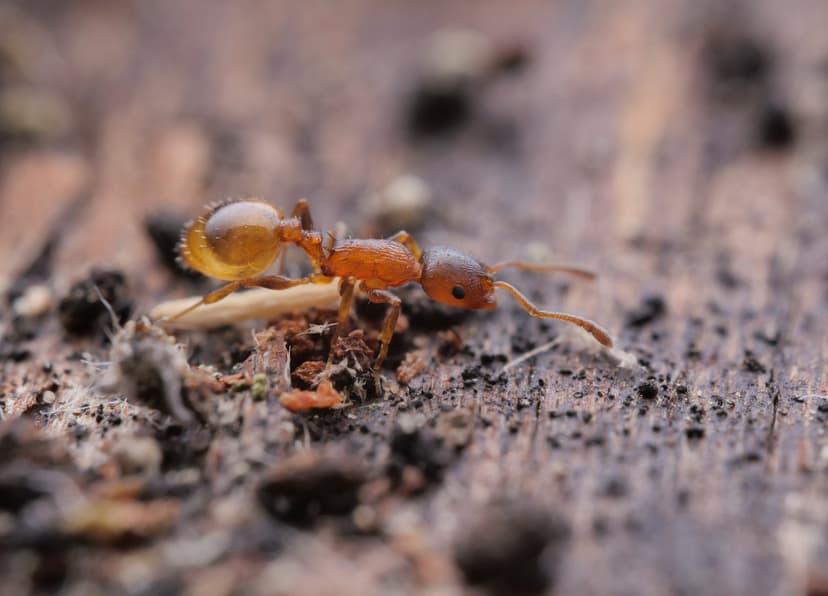
Temnothorax affinis is a diminutive yet captivating ant species belonging to the myrmicine tribe Crematogastrini, a group renowned for their nesting habits within preformed cavities in wood, bark, and hollow plant stems. Workers measure a mere 2.8 to 3.5 mm in length, with queens reaching a modest 4 to 5 mm, making them one of the smaller Temnothorax encountered across Europe. Their colonies are monogynous and relatively compact, typically maxing out at around 300 individuals, a size that reflects their niche as arboreal foragers dwelling in naturally confined spaces such as old beetle galleries, galls, or acorns. This lifestyle has endowed them with a remarkable ability to thrive in tight, minimalist formicaria, and observing their precise, unhurried movements and cooperative brood care is a delight for the patient keeper. Their coloration is a uniform dark brown to blackish, with lighter appendages, and they lack any worker polymorphism, relying on a single minor-worker caste for all tasks. Found from Iberia and North Africa through Central Europe and up to southern Scandinavia (GBIF occurrence data), T. affinis is a resilient ant adapted to the seasonal swings of the temperate zone, and their claustral founding means newly mated queens can start a colony without food, sealed in a tiny chamber.
In terms of care difficulty, these ants are best described as intermediate. They are not a classic beginner species primarily because of their minute size and the corresponding need for scrupulous escape-proofing. A gap that would be inconsequential for a Lasius niger colony becomes a major exit for a 3 mm worker. Keepers must use finely applied barriers like PTFE (fluon) or oil, ensure all ventilation holes are screened with very fine mesh, and inspect formicaria seams diligently. On the other hand, their small colony size and modest spatial requirements make them an excellent choice for hobbyists with limited room who have some prior experience with micro-colonies. They are particularly rewarding for those fascinated by naturalistic microcosms, as they can be kept in hollow acorns, twigs with pith cores, small plaster nests, or even glass tubes with wood inserts. Their quiet, deliberate foraging behavior is a constant source of interest, and because they are not aggressive, they can be observed with a hand lens without disturbance.
Housing T. affinis demands attention to a surprisingly narrow thermal and hygric window. They fare best at temperatures between 18°C and 26°C, with a humidity range of 40 to 60%. These are not tropical ants; they are adapted to the warm, sometimes dry microclimates of sun-exposed twigs and bark crevices. A temperature gradient within the nest is beneficial, as it allows the brood to be moved to the optimum spot, but heating mats or cables should be applied to only a portion of the nest area, and great care must be taken not to desiccate the colony. A common and successful nest type is a plaster or ytong block with a living chamber carved to a shallow depth, as these materials buffer humidity when lightly moistened on one side. Natural nests, such as a section of dried Japanese knotweed stem or a hollowed bramble with an inserted water test tube, are also excellent choices that mimic their wild habitats. The foraging area can be decorated with small pieces of bark, dry leaves, and twigs for climbing, which they avidly explore, and a thin layer of sand or fine soil helps maintain the modest humidity they prefer.
Feeding is straightforward but requires a steady supply of tiny prey items. In the wild, Temnothorax species are generalized scavengers and micropredators, taking springtails, aphids, and small insect larvae, and opportunistically feeding on exudates (Seifert 2018). In captivity, fruit flies (Drosophila spp.)—either wild-type or flightless—form the backbone of their protein diet. Pinhead crickets, chopped mealworms, and spiderlings are also readily accepted. It is crucial to pre-kill or incapacitate larger prey to avoid injury to the workers. Carbohydrates can be offered as diluted honey or sugar water on a small piece of foil or in a miniature liquid feeder, which must be cleaned regularly to prevent microbial growth. Fresh water should always be available, either via a test tube setup or a tiny water tower, because the relatively dry nest conditions require the ants to drink frequently. Feedings can be two to three times a week, with portions appropriately scaled to the colony size; a founding queen needs only a tiny drop of sugar water and a fruit fly fragment once a week.
A non-negotiable aspect of T. affinis care is a cold winter rest. This species is an obligatory hibernator from the temperate zone, and sustained activity without a diapause will gradually weaken the colony, leading to reduced brood production and queen lifespan. The hibernation period should last about three to four months, at a stable temperature of 8°C (with a tolerance of ±1–2 degrees). Experienced keepers typically place colonies in a refrigerator or a temperature-controlled wine cooler. Prior to cooling, gradually reduce foraging and feeding over about two weeks to allow the colony to empty their crops and gut; then move them into the cold. The ants will cluster immobile, and they require no food during this time, though a tiny amount of water should be available in a condensation-proof manner. In early spring, slowly warm them back to room temperature, and the queen will resume egg-laying, re-synchronizing with the natural cycle that in Central Europe sees nuptial flights in July, August, and September, on warm, humid afternoons following rain (AntWiki; Seifert 2018).
For the first few days after acquiring a new T. affinis colony—whether a freshly mated queen or a small founding nuclei—minimize disturbance. Place the test tube or nest in a dark, quiet location at around 22–24°C, and avoid the temptation to check on them frequently. A newly introduced colony will settle fastest if they can sense a stable environment. The first feeding can be a tiny droplet of sugar water placed on the end of a cocktail stick near the nest entrance, which workers will find within hours; a protein source such as a freshly killed fruit fly can be added a day or two later only if the colony is active and workers are foraging. Watch for signs of stress: constant patrolling around the edges of the enclosure, a refusal to settle, or the queen’s agitated behavior. In such cases, re-evaluate the barrier integrity and humidity, and offer additional hiding spots like a small piece of bark under which they can cluster. With gentle, patient care and respect for their miniature scale, Temnothorax affinis will reward the attentive keeper with a window into the intricate social life of one of Europe’s most engaging arboreal ants.