Pogonomyrmex
Pogonomyrmex tenuispinus
Nuptial Flight Calendar
Flight months: Jan, Jul, Nov, Dec
Care Guide
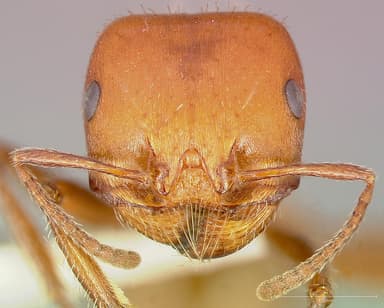
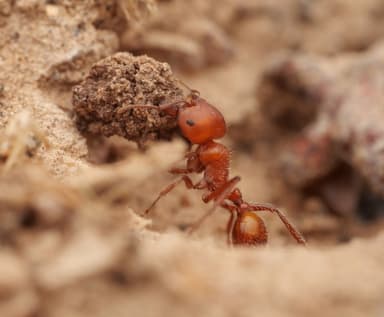
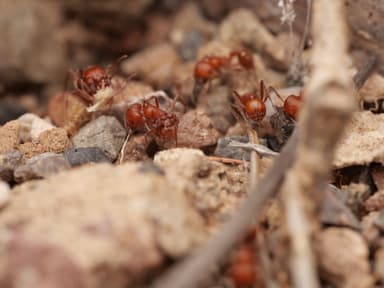
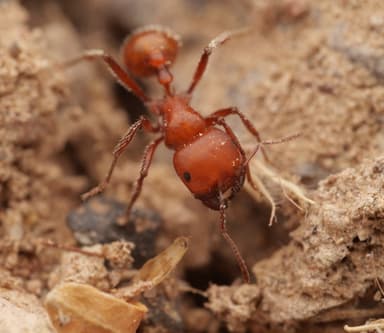
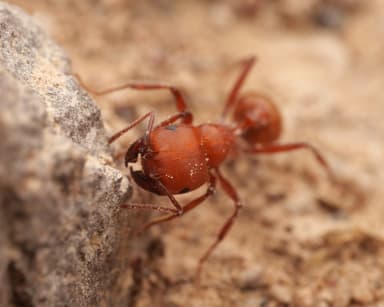
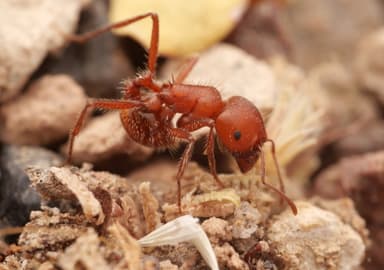
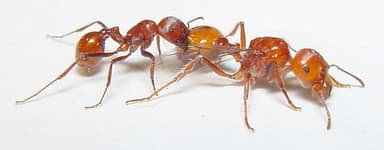
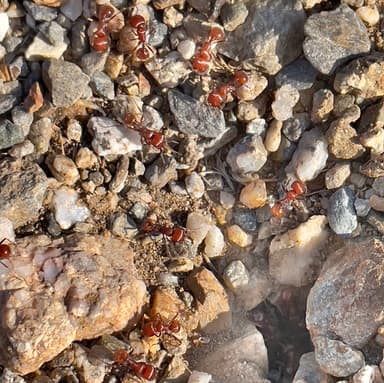
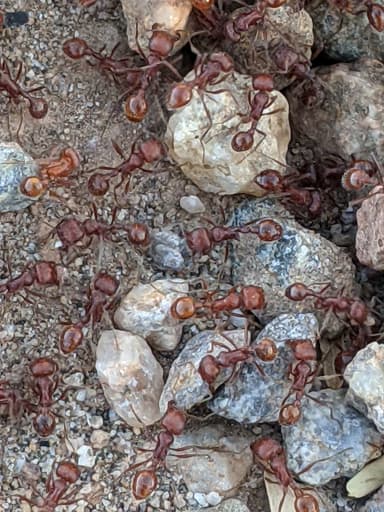
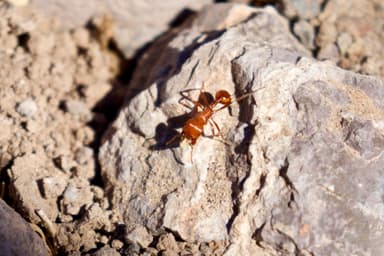
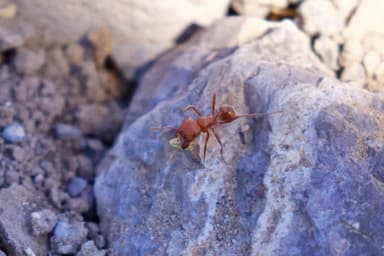
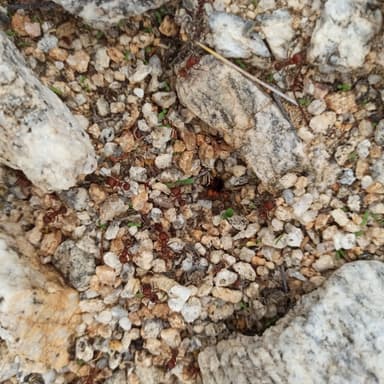
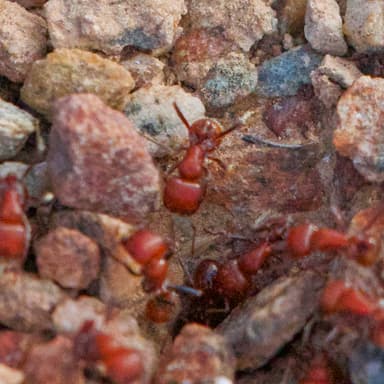
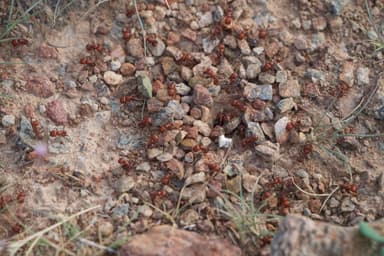
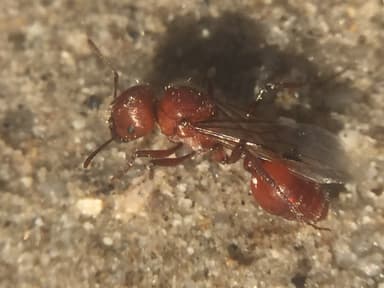
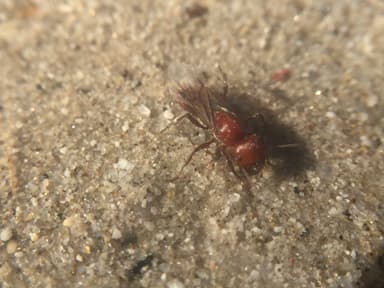
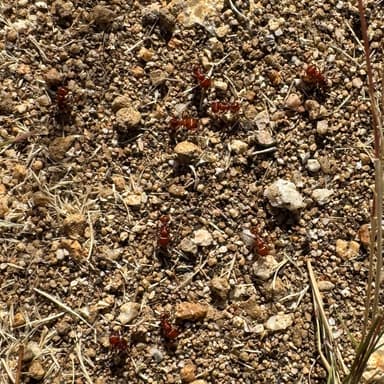
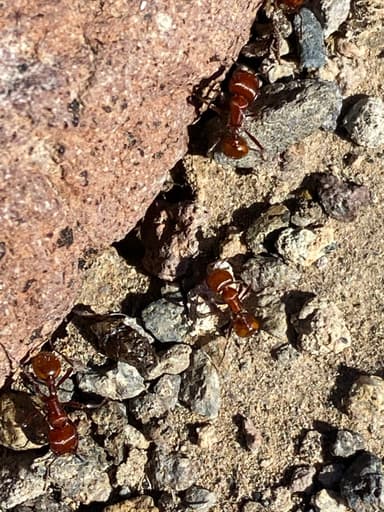
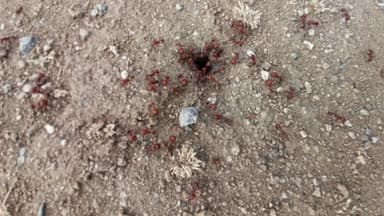
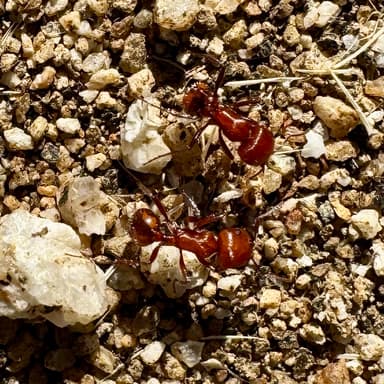
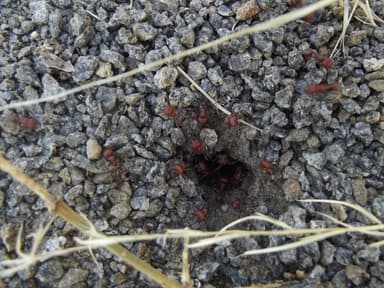
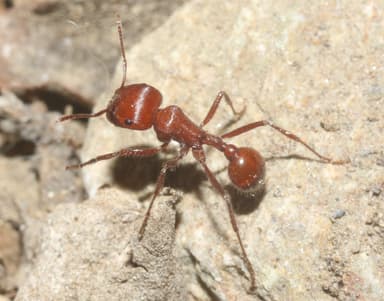
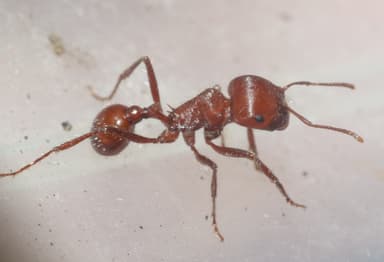
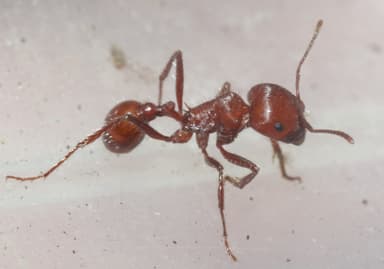
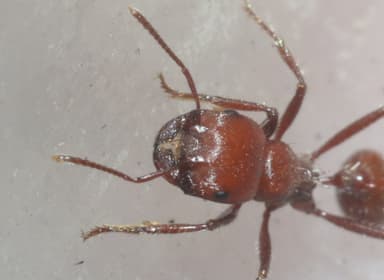
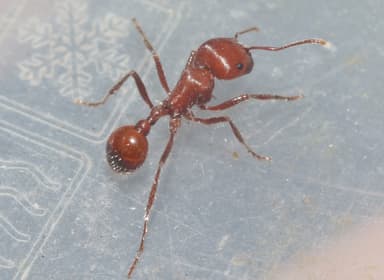
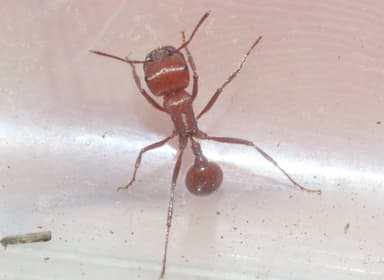
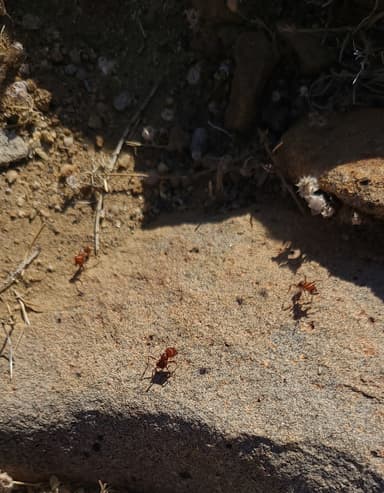
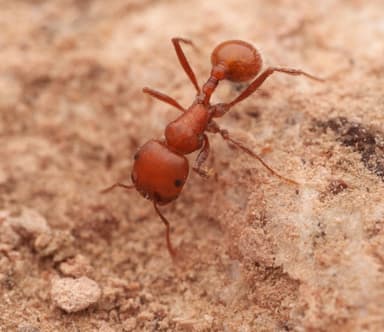
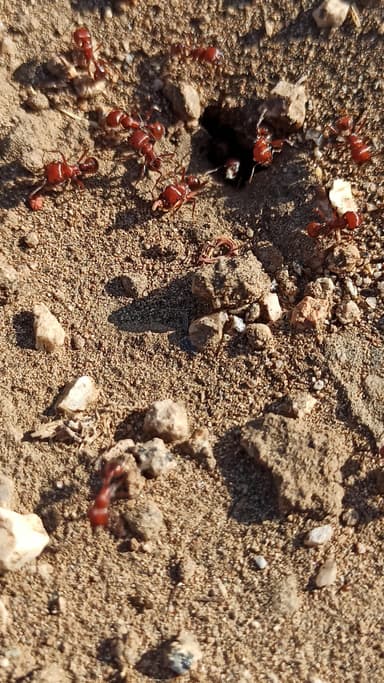
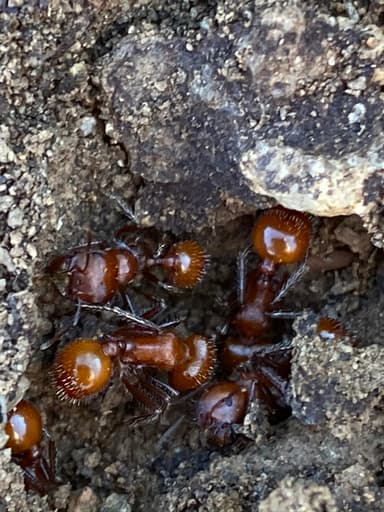
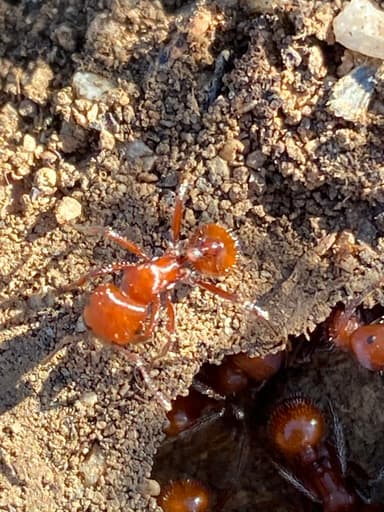
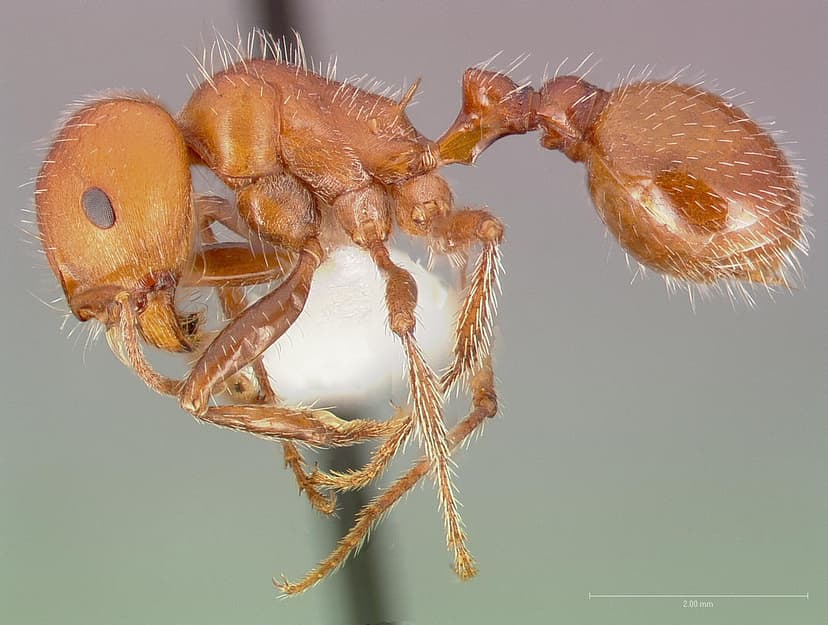
Among the less commonly encountered harvester ants in the hobby, Pogonomyrmex tenuispinus stands out as a desert-adapted gem from the arid valleys of the Bolivian and Argentine Andes. Workers measure a modest 6 to 8 millimeters, while queens range from 9 to 11 millimeters, both clothed in the distinctive reddish-brown to blackish sheen typical of the genus. There is no polymorphism — colonies contain a single worker caste — so you will see a uniform size among the colony’s foragers. In the wild, mature colonies can number up to 3,000 individuals, which is small to moderate for a Pogonomyrmex, but still enough to demand a dedicated keeper’s attention. Their stinger is fully functional and packs a notoriously painful punch, a trait that makes them fascinating to observe but unsuitable for casual handling. Founding is fully claustral, with the queen sealing herself away to rear her first nanitic workers without any need for food. Nuptial flights occur after summer rains, mainly between November and January, though detailed field observations remain sparse (Johnson 2015; AntWiki).
This ant is categorically an expert-level species. It requires precise environmental control, a deep respect for its defensive capabilities, and prior experience with arid-climate ants. Beginners will find the narrow humidity and temperature tolerances unforgiving, and the potent sting can turn routine maintenance into a risky chore if you are not accustomed to working with highly defensive harvesters. Only ant keepers who have succeeded with other desert specialists, such as Messor or other Pogonomyrmex species, should consider this formicid. The reward, however, is witnessing a seed-harvesting society that constructs elaborate subterranean nests in dry substrates, revealing behaviors rarely seen in more tropical ants.
Housing must replicate the warm, dry conditions of the Andean foothills. Daytime temperatures should range between 22 and 32°C, with a gentle gradient so the ants can thermoregulate. A heat mat applied to one side of the formicarium, set to maintain the warm end at 28–32°C, works well. Humidity is the critical factor: aim for 30–50% relative humidity, and never let the nest become damp. Plaster, Ytong, or a soil-sand-clay mixture can all serve as a nest medium, provided it stays bone-dry except for a small, confined water source. A vertical, flat-nest design with good cross-ventilation helps prevent condensation, which can quickly lead to fatal fungal outbreaks. If opting for a natural setup, a blend of fine sand and clay at least 10 cm deep allows workers to excavate and construct natural chambers, mimicking their wild burrows. Always include a secure lid and a moat or escape barrier — these ants are excellent climbers and will exploit any gap.
Seeds form the cornerstone of their diet, and a mix of small, dry seeds such as dandelion, poppy, and finely-cut millet should always be available in the outworld. Workers will hull and process these into ant bread, the colony’s primary carbohydrate source. Protein is equally important for the developing brood, and you should offer freshly killed or frozen-thawed insects — small crickets, fruit flies, or diced mealworms — two to three times per week. A tiny droplet of sugar water or honey on a piece of wax paper will occasionally be accepted, but it is not essential if seeds are plentiful. Provide water via a sand-moistened test tube or a micro water feeder with a cotton wick; avoid open water dishes to prevent drowning. Remember, the combination of high temperatures and low humidity increases the risk of desiccation, so check the water source daily.
Hibernation is completely unnecessary. This species comes from subtropical latitudes where seasonal temperature swings are modest, and captive colonies remain active year-round. Maintain the same warm, dry conditions through winter, and feeding should continue on a regular schedule. That said, a slight night-time drop to around 22°C is fine and may even mimic natural diurnal cycles, but do not subject them to a prolonged cold period.
When your Pogonomyrmex tenuispinus queen arrives, she should be kept in a standard test tube setup with a water reservoir, placed in a dark, warm spot at about 26°C. She requires zero food during the founding stage; resist the temptation to offer anything. It may take six to eight weeks for the first tiny workers to emerge. Once a handful of workers are foraging, connect a small foraging area with a dry sand substrate and introduce a few seeds and a pre-killed fruit fly. Keep the nest itself dry, and watch closely for signs of stress: workers dragging brood out of the nest, persistent antenna-cleaning, or a queen that stops laying often point to excess humidity or mold. Because of the potent sting, never handle the colony directly; use soft-tipped forceps and a secure aspirator for any maintenance. With careful attention to their arid microclimate, this remarkable South American harvester will thrive and display the full repertoire of seed-processing and cooperative brood care that makes Pogonomyrmex such an endlessly absorbing genus.